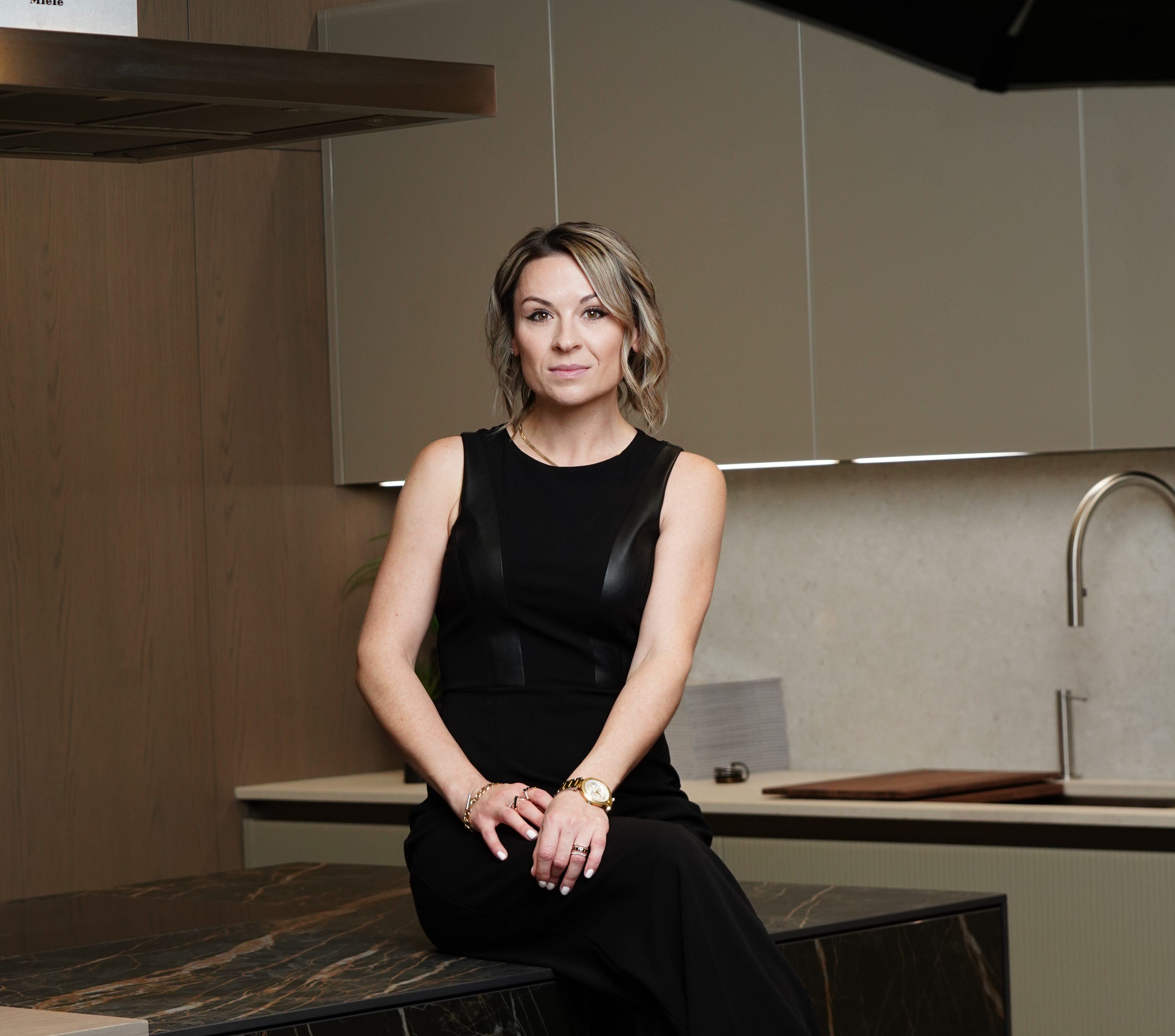
Nataliya Palakanis founded the ARIMIA Registry after recognizing a recurring gap in luxury residential construction: trusted reputations did not always come with independent verification of a firm’s current standing. Rather than creating another referral service, she built an independent governance framework designed to bring greater accountability and transparency to high-value residential projects. At the heart of her work is a straightforward idea: trust is stronger when it can be verified.
Hi Nataliya, thanks so much for joining us today. We’re thrilled to have you share your thoughts and insights with our readers. The launch of the ARIMIA Registry introduces a new governance model for luxury residential construction. Can you take us back to the moment you realized the industry wasn’t simply missing another service, it was missing an entirely new standard of accountability?
It came from watching the same gap repeat itself, project after project. Teams of genuinely excellent professionals — architects, builders, designers — were being selected largely through referral and reputation. But there was rarely an independent process confirming that a firm’s license was still active, its insurance current, or its professional standing unchanged since the last person recommended them.
That wasn’t simply a service gap. It was the absence of a standard.
The Registry was created because verification — not just reputation — needed to become part of how high-value residential projects are approached.
You chose to build an independent governance framework rather than rely on the referral-based system that’s long dominated the industry. Was there a project, conversation, or experience that made you realize reputation alone wasn’t enough to protect clients making some of the largest investments of their lives?
A referral tells you about someone’s past experience. It doesn’t necessarily tell you about their standing today.
I kept seeing clients deploy significant capital into high-value residential projects based largely on, “They did our house. They were great,” without an independent process confirming that the firm remained qualified and in good standing.
For investments of this magnitude, I felt there had to be another layer of protection. The Registry was built to provide that layer — independent verification alongside reputation and relationships.
Introducing a new category often means challenging deeply ingrained ways of doing business. Can you share a behind-the-scenes moment when creating the Registry felt especially difficult, and what gave you the confidence to continue building something that didn’t have an obvious precedent?
There was no existing playbook for what the Registry needed to be — a credentialing standard built specifically for luxury residential construction, with meaningful verification behind it.
I had to define the standards myself: what should actually be verified, what “independently verified” should mean in practice, and what the admission process should require.
The hardest part was building that framework before a single firm had joined. What kept me going was knowing the gap was real. Every project I had worked on had shown me some version of the same missing piece.
I trusted that if the standard was genuinely rigorous, the right firms would recognize its value.
Throughout your work, you’ve emphasized remaining completely independent from architects, builders, and trade partners. Was there a defining experience that shaped your belief that true independence is essential to earning a client’s trust, and how has that principle influenced every decision you’ve made at ARIMIA?
The Registry only has value if admission isn’t simply something a firm can purchase.
That’s the principle the model is built around: firms must meet the Registry’s standards and undergo verification before they are admitted.
Just as importantly, ARIMIA maintains independence in the firms it introduces to clients. There should never be a financial incentive to favor one qualified firm over another.
Every major decision we’ve made — from the verification standards to how introductions are handled — comes back to one principle: protecting the client’s trust and preserving the integrity of the process.
Your clients include family offices and principals navigating complex, high-value residential projects, where success depends as much on people as it does on plans. Is there a lesson you’ve learned about leadership, trust, or decision-making that surprised you after working so closely with these projects?
What surprised me most is that verification and trust aren’t competing ideas — they reinforce each other.
I initially expected some resistance, as though independent verification might feel like second-guessing relationships clients already trusted.
What I’ve found is the opposite. Clients want both. They want to work with people they trust, and they want independent confirmation that the trust is well-placed.
That combination is exactly what the Registry is designed to provide.
Looking ahead, if the ARIMIA Registry succeeds in the way you envision, how do you hope the luxury residential industry will be different five or ten years from now? What kind of legacy are you hoping this new governance framework will leave for both clients and the professionals who embrace it?
I hope independent verification simply becomes an expectation — not because regulation requires it, but because clients recognize its value when making some of the most significant investments of their lives.
I want “Is your team ARIMIA Verified?” to become an ordinary question a homeowner, principal, or family office asks before assembling a project team.
And for the firms who join, I want the ARIMIA Governance Certified designation to mean something real in the market — a credential they’re genuinely proud to have earned, not simply another badge.
If the Registry succeeds, the legacy shouldn’t be about ARIMIA.
It should be that luxury residential construction finally established the accountability standard it should have had from the beginning.
Links: