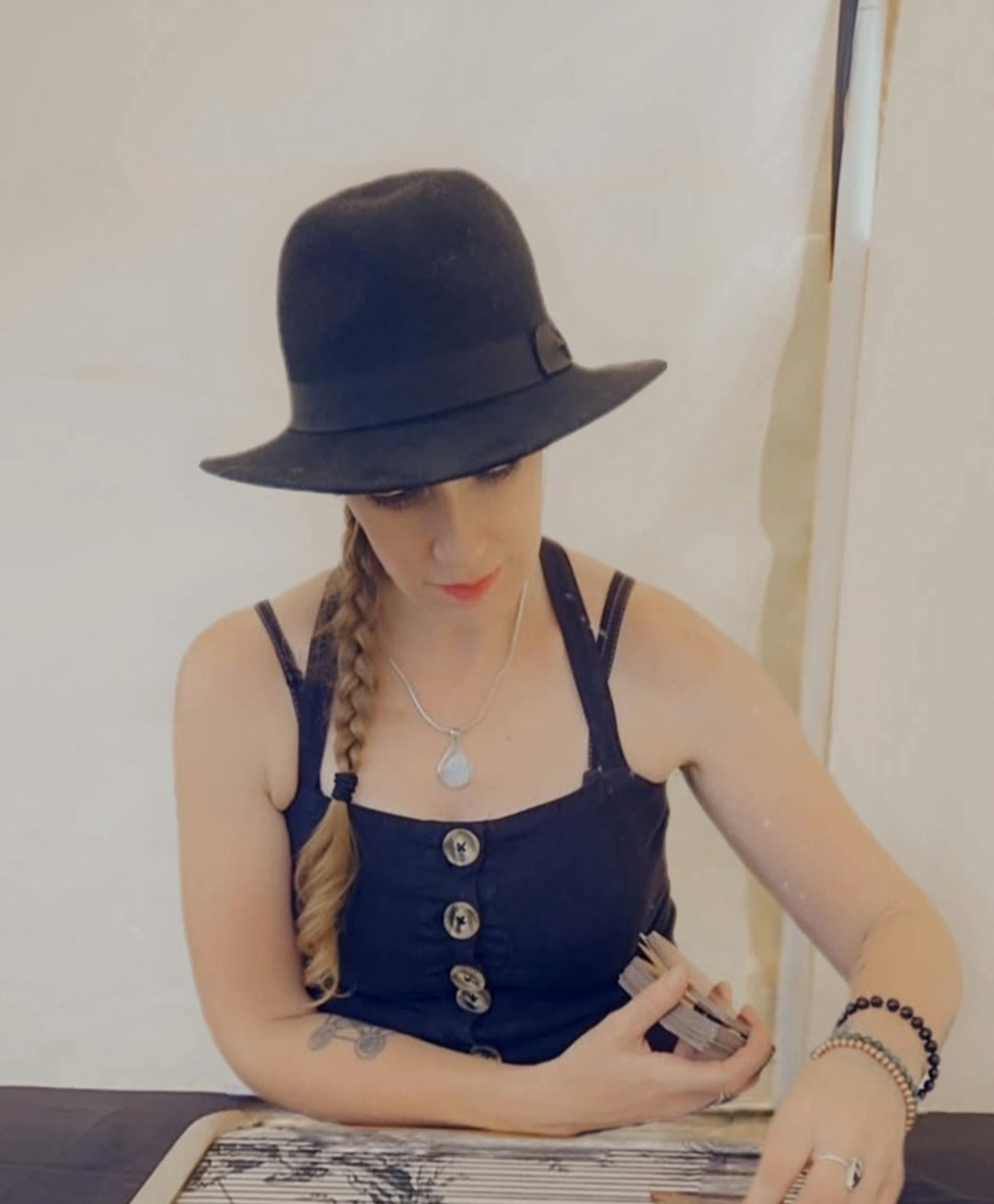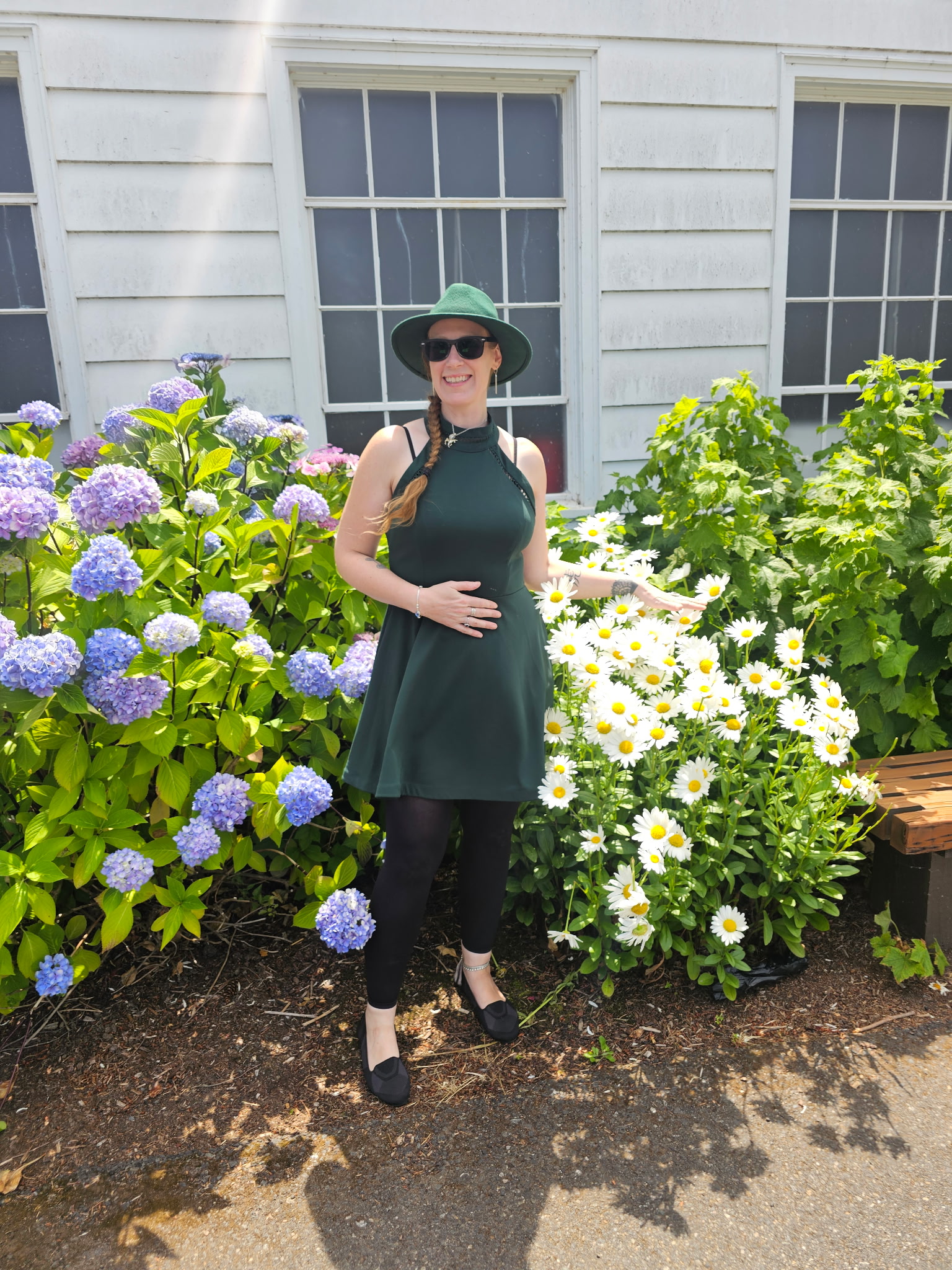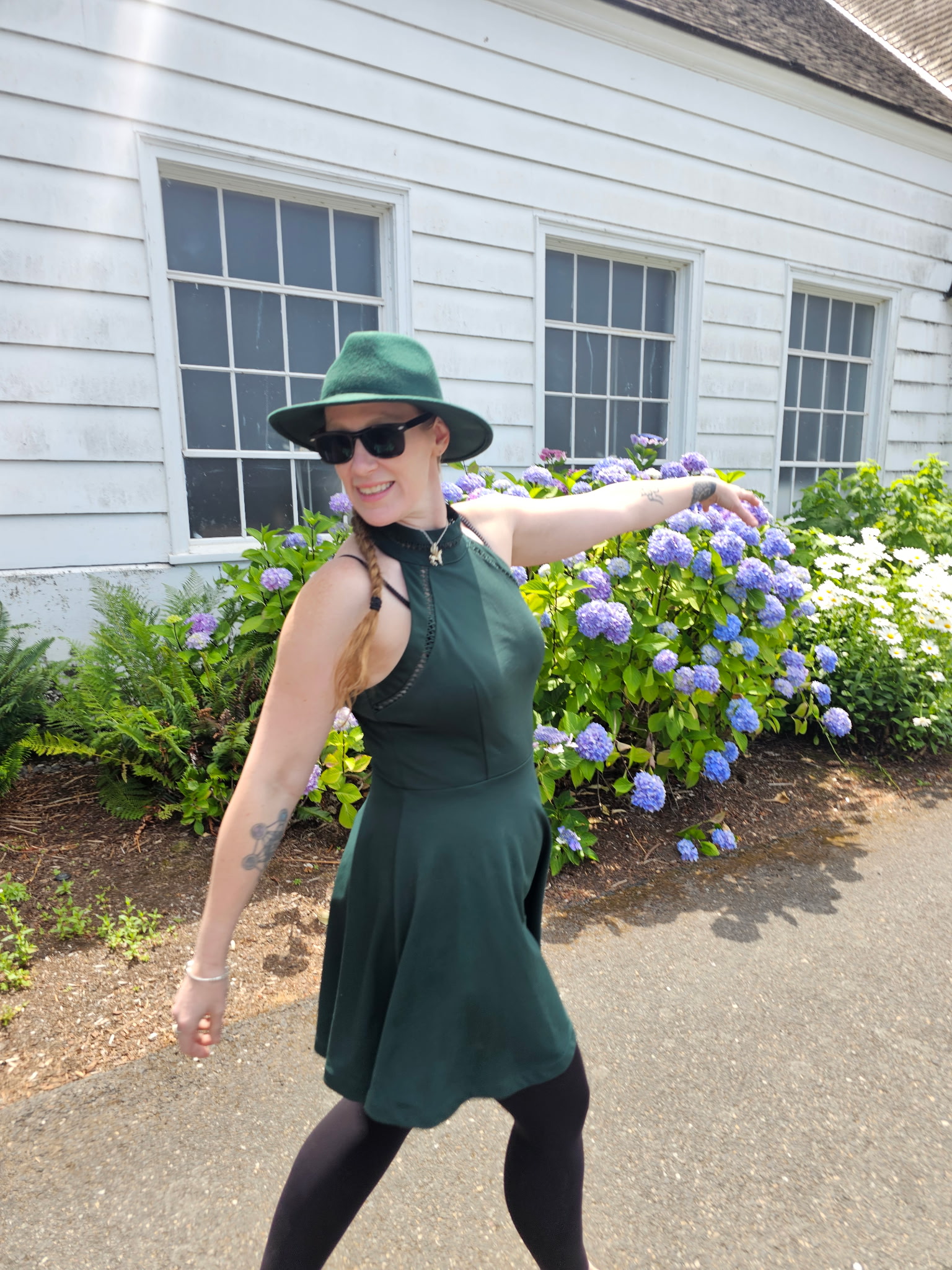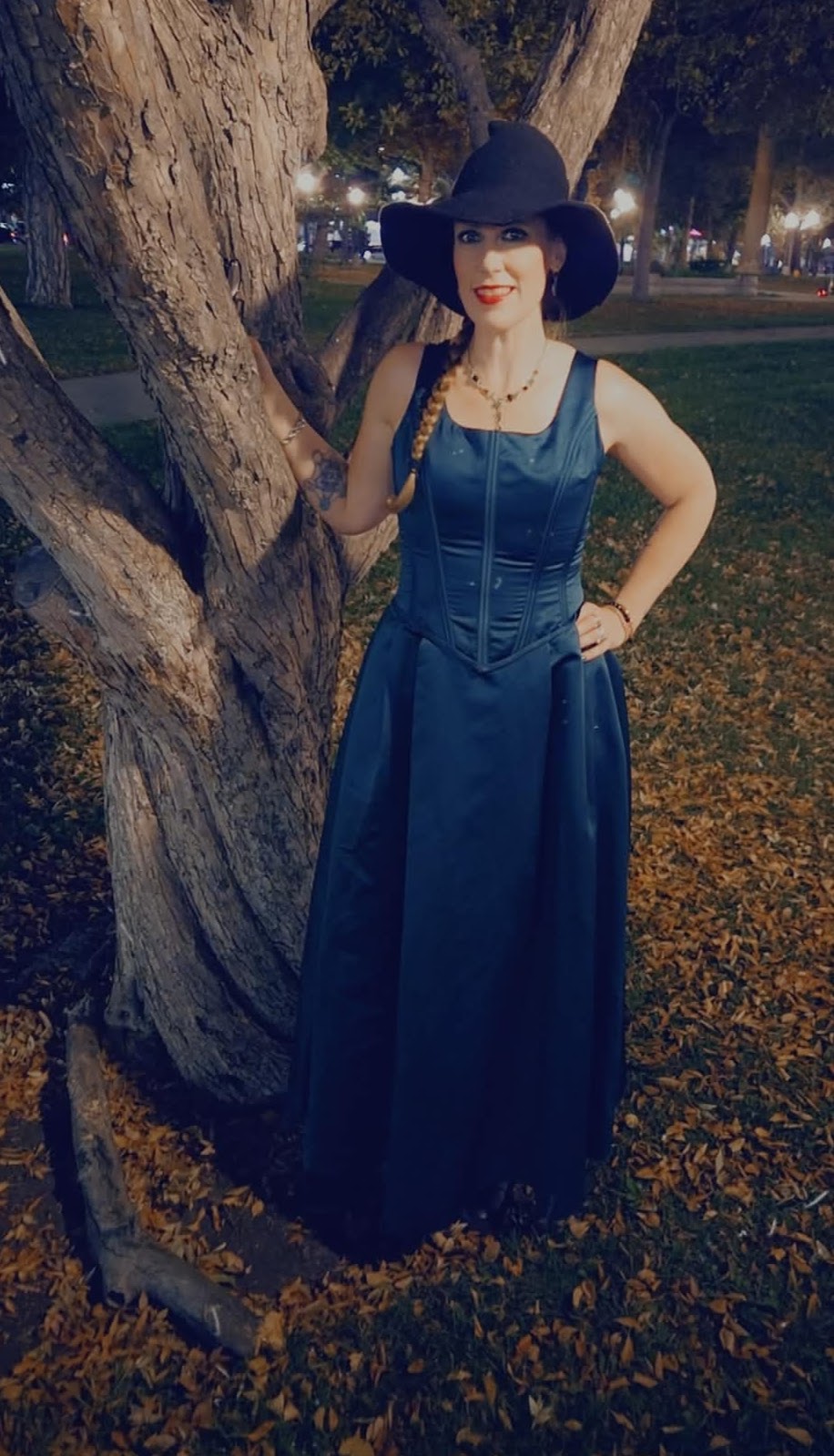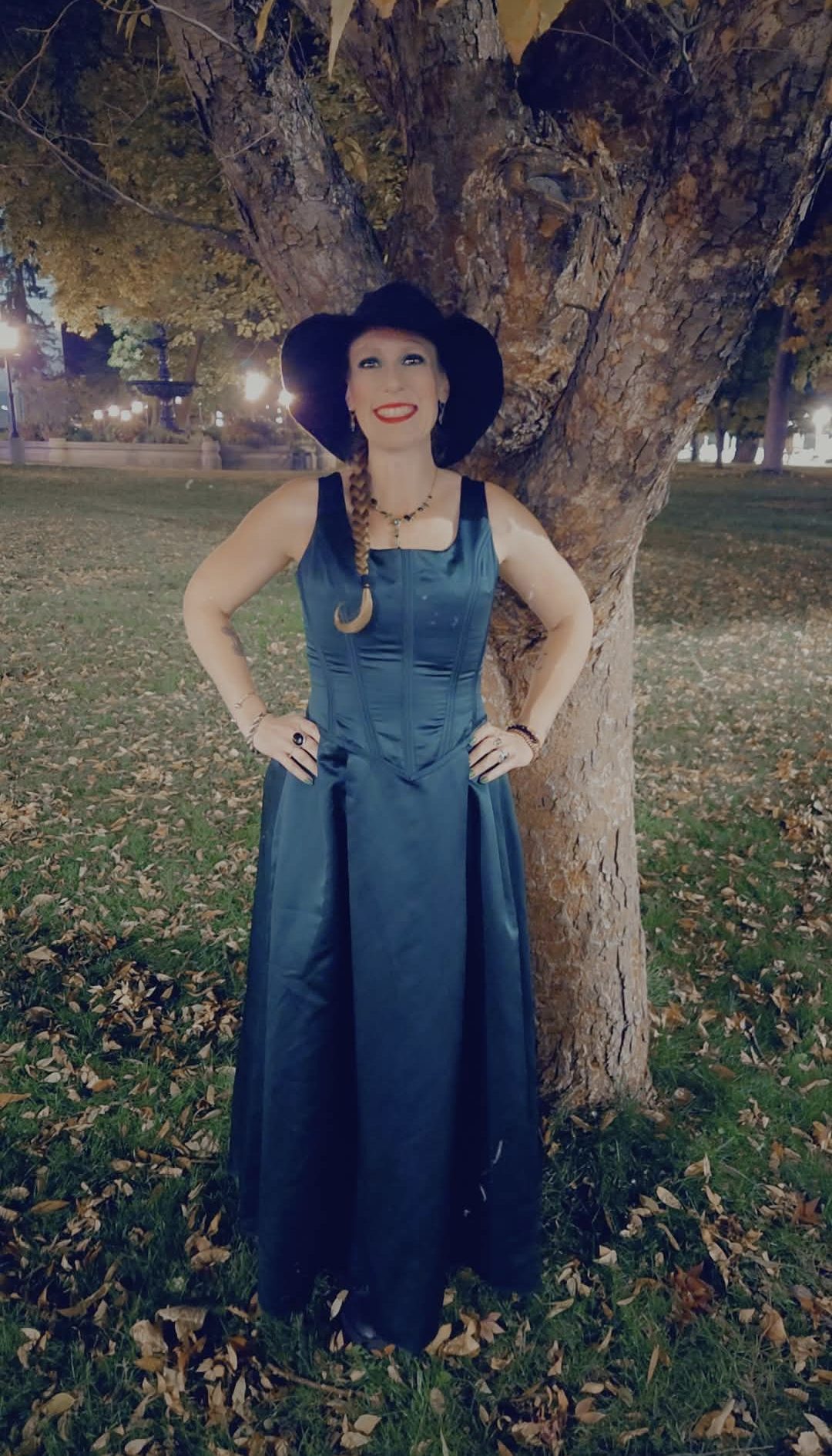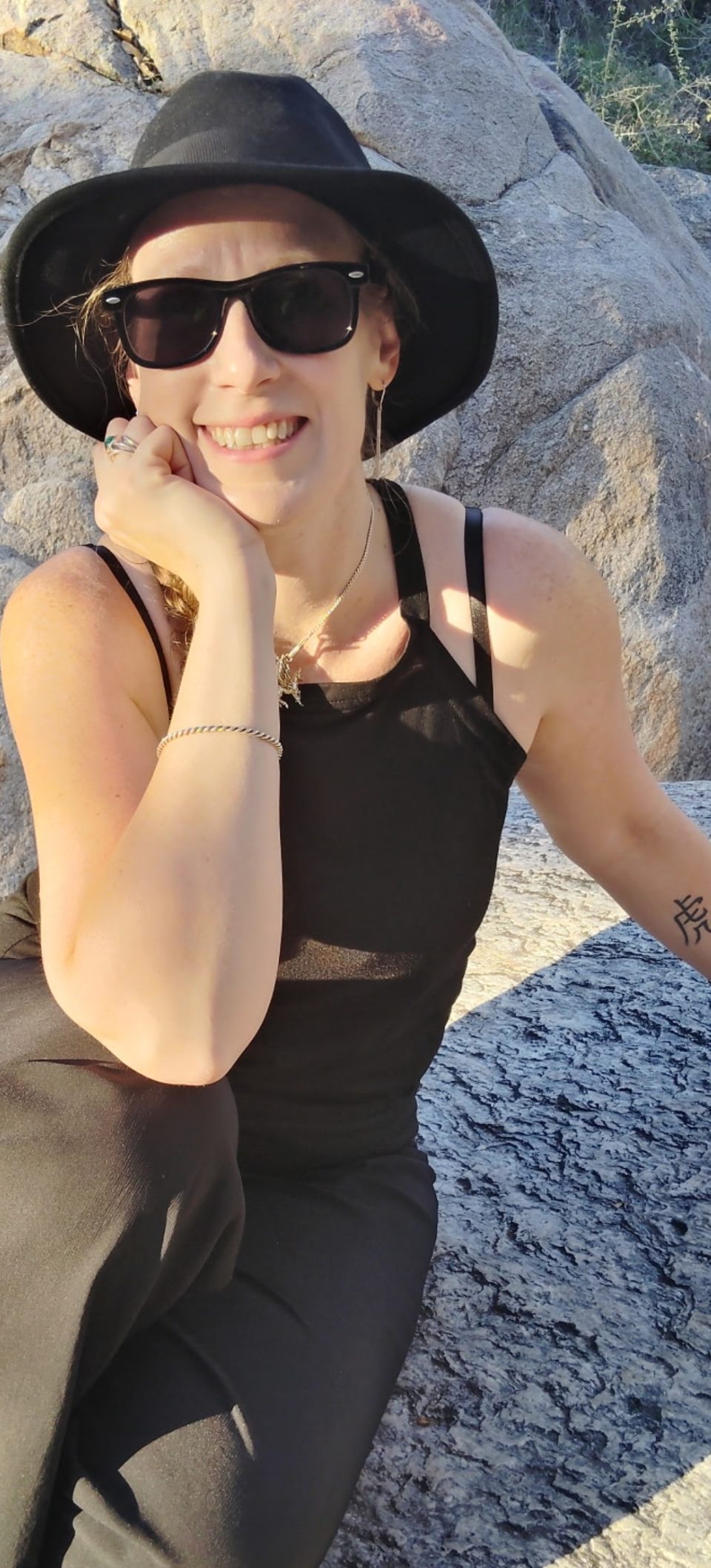
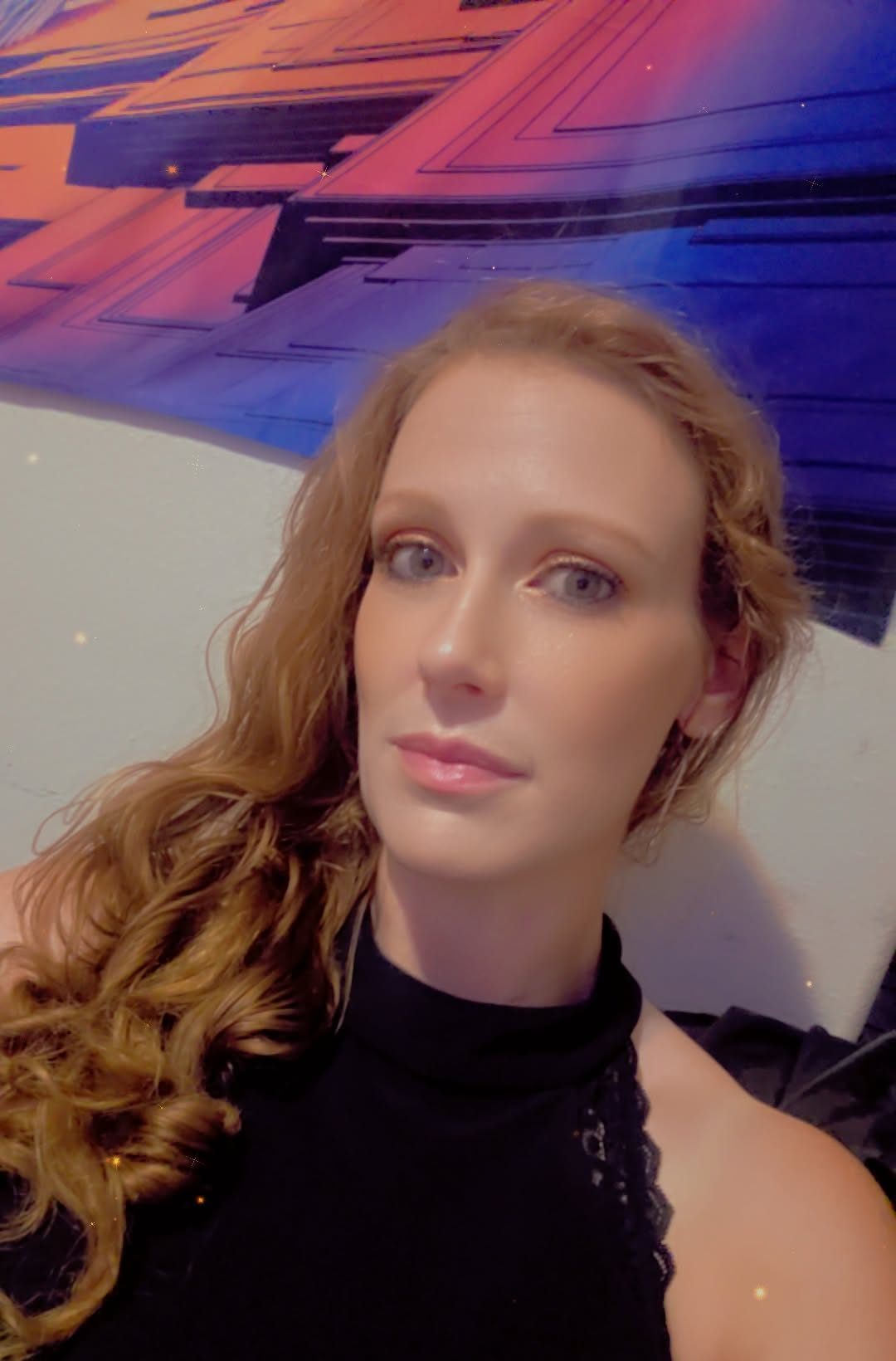
Bethany MacLean is an intuitive guide, healer, and author whose work encourages people to reconnect with their own inner wisdom through grounded spirituality and self-trust. Drawing from years of personal experience and more than a decade of working with clients, she combines storytelling, practical tools, and intuitive insight to help others navigate personal transformation with confidence. Through her new book, Bethany invites readers to explore intuition not as something mystical or reserved for a select few, but as a natural part of everyday life that can lead to greater clarity, empowerment, and authentic living.
Hi Bethany, thank you so much for taking the time to share your story with our readers. To start us off, can you tell us a little about what inspired you to write this book and how your own spiritual experiences shaped the message you’re bringing forward?
My book was inspired by a lifetime of spiritual and intuitive experiences, but more importantly, by the moments where I had to learn to trust myself when nothing around me made sense. I’ve spent over a decade working with clients in intuitive and healing spaces, and I kept seeing the same thing — people were taught to look outside themselves for answers, when their own inner knowing was already speaking. This book is my way of helping people reconnect with that voice while also sharing the real, unpolished side of awakening and personal transformation.
You work closely with clients around intuition, energetic sensitivity, and personal empowerment. What are some of the most common misunderstandings you see people have about intuition, and how do you help them approach it in a more grounded, everyday way?
One of the biggest misunderstandings I see around intuition is that people think it’s rare or mystical, when in reality it’s something we are all born with. I help people approach intuition in grounded, practical ways — through body awareness, emotional honesty, and learning how their nervous system communicates truth versus fear. Intuition isn’t about being perfect or psychic — it’s about learning how to trust your own internal signals again.
Your book blends personal storytelling with education and practical tools. Why was it important for you to balance those elements, and what do you hope readers feel or experience as they move through the pages?
It was very important to me that this book balances storytelling, education, and practical tools. Story alone can inspire, and tools alone can teach — but together, they create transformation. I want readers to feel seen, understood, and empowered as they move through the book. My hope is that they walk away feeling less alone more connected to themselves, and more confident in their ability to navigate life from a place of inner authority.
At its core, this book is about sovereignty, self-trust, and remembering who you are underneath fear, conditioning, and outside expectations.
For someone who’s curious about intuition but maybe hesitant or unsure how it fits into daily life, what’s one simple way they can begin tuning into their own intuitive awareness without feeling overwhelmed?
One of the simplest ways to begin developing your intuition is to start paying attention to your first impression.
You don’t need to meditate for hours or understand every spiritual concept. Simply pause throughout your day and notice what your body and mind are telling you before your logical thoughts take over.
For example, when you meet someone new, enter a room, receive a phone call, or have a decision to make, take a moment to ask yourself: “What is my first feeling about this?” Notice whether you feel drawn toward something, hesitant, peaceful, excited, or uncomfortable. Don’t judge the feeling or immediately try to explain it. Just observe it.
Then, when you have the opportunity, look back and see whether that initial feeling proved meaningful.
Intuition often begins as something very subtle—a feeling in your stomach, a sudden thought, a sense of knowing, a change in your energy, or even a quiet inner voice. The more we slow down enough to notice these signals, the easier they become to recognize.
The goal isn’t to believe every thought or feeling is intuitive. It’s learning the difference between intuition, fear, anxiety, desire, and ordinary mental chatter. That discernment develops with practice.
Think of intuition like a muscle. You don’t have to strengthen it all at once. Start by listening to the quiet signals, recording what you notice, and giving yourself permission to be curious rather than needing to have all the answers.
Sometimes developing intuition isn’t about learning something new. It’s about becoming quiet enough to recognize what you’ve already been sensing.
As conversations around spirituality and energy awareness become more mainstream, what does “normalizing intuition” really mean to you — and how do you hope your work encourages people to trust themselves more deeply?
To me, normalizing intuition means taking away the idea that intuition is something strange, frightening, or reserved for a select few. Intuition is a natural part of being human. We all experience it, whether we call it a gut feeling, instinct, inner knowing, a feeling in our body, or simply that quiet voice inside that tells us something doesn’t feel right.
I want people to understand that spirituality doesn’t have to be separate from everyday life. You can be intuitive while going to work, raising a family, making a business decision, choosing who to trust, or simply deciding what feels right for you. Intuition can be a practical tool for becoming more aware of ourselves and the world around us.
My hope through my work and through my book is to encourage people to trust themselves without abandoning discernment. I don’t believe we’re meant to blindly accept every thought, feeling, or spiritual experience as truth. Learning to recognize the difference between intuition, fear, conditioning, wishful thinking, and outside influence is an important part of developing true intuitive awareness.
For me, trusting your intuition is ultimately about reclaiming your own inner authority. Too often, we are taught to look outside ourselves for permission, answers, or validation. I want people to remember that their own experiences matter and that they are capable of developing a relationship with their inner knowing.
Normalizing intuition isn’t about convincing everyone to believe the same things. It’s about giving people permission to listen to themselves, explore their experiences without shame, and develop the discernment to know what resonates with their own truth.