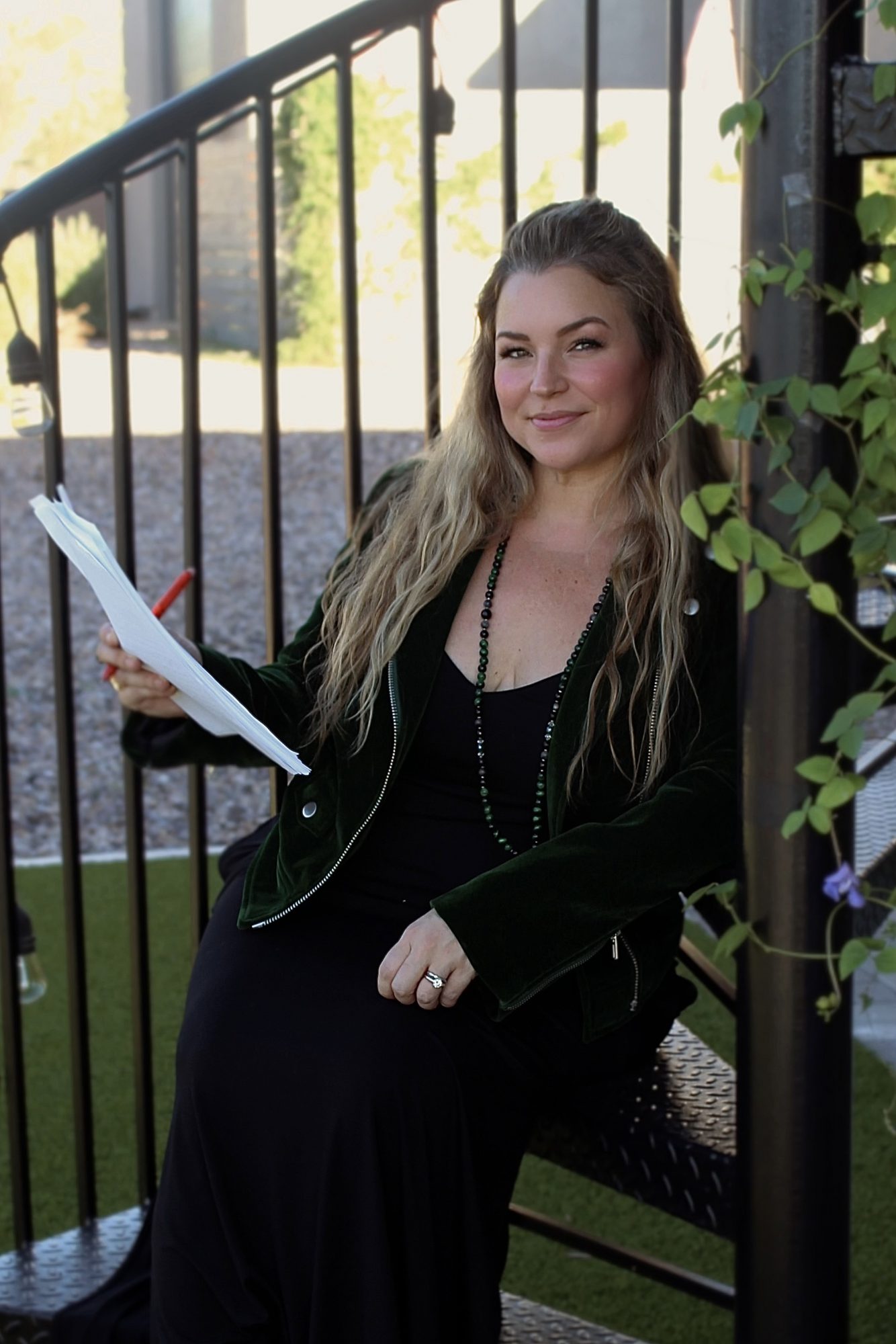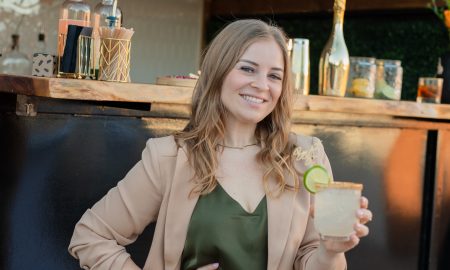
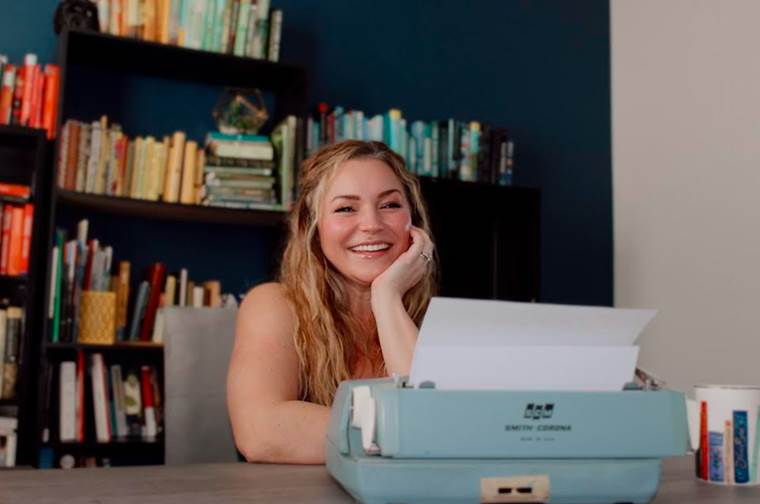
Lauren Wise’s journey from journalism to publishing has always been rooted in one belief — that every story deserves to be told and truly heard. After stepping away from a top publishing role, she built Midnight Editors to bridge the gap between creative craft and strategic execution, helping authors not only write powerful books but also reach the audiences they deserve. With a strategy-first mindset and a deep respect for authentic storytelling, Lauren empowers writers to move beyond perfectionism, embrace professional guidance, and build meaningful, lasting careers in an evolving publishing landscape.
Lauren, you’ve had an incredible journey across journalism and publishing. What originally drew you to helping others tell their stories?
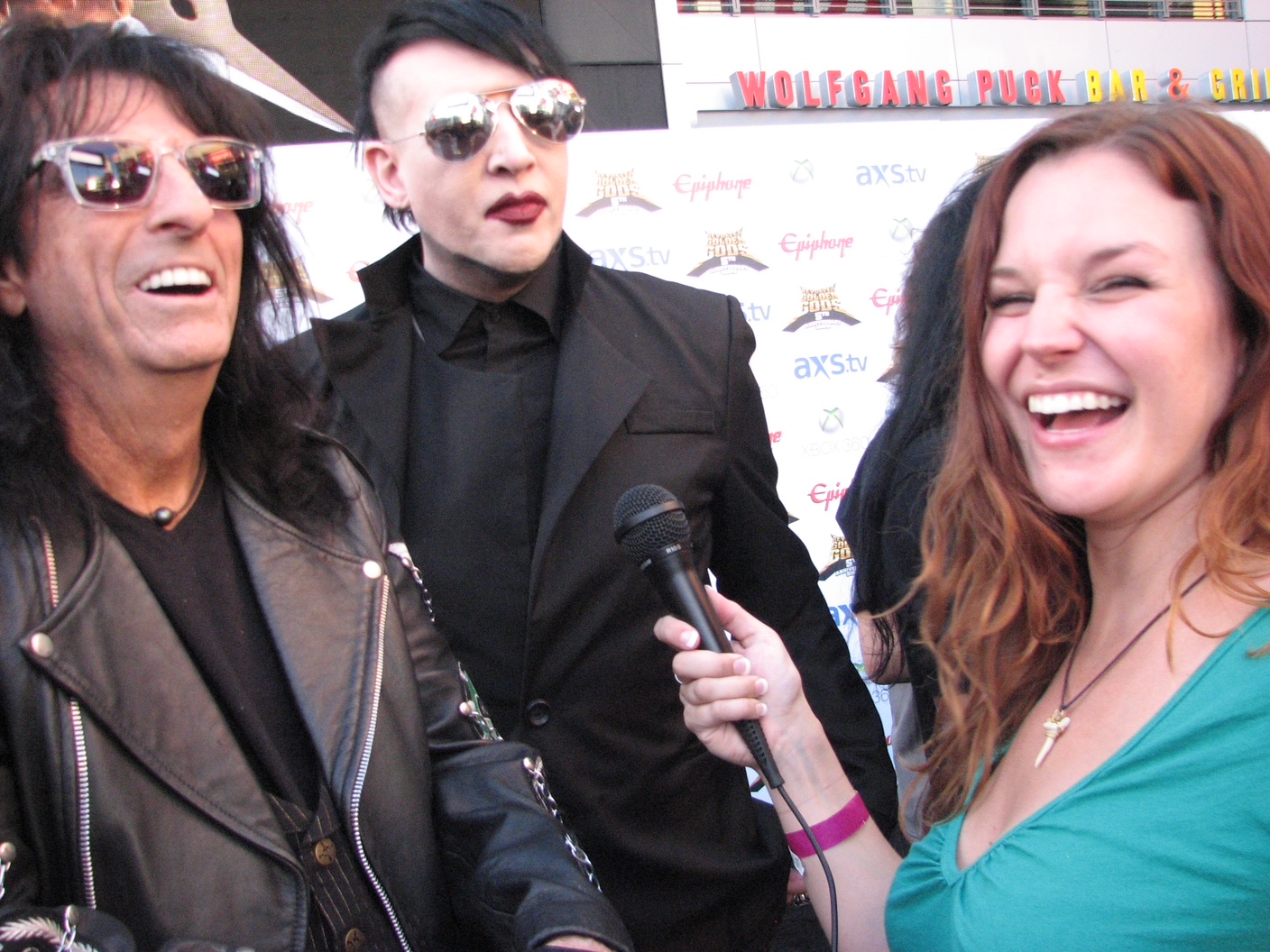
I’ve always been drawn to the moment when someone realizes their story matters. Early in my journalism career, I was interviewing everyone from rock legends to home cooks, and what struck me was how rarely people felt like their experiences were worth documenting. My job was to convince them otherwise — and I loved that. Moving into book publishing felt like a natural extension of that. The stakes are higher, the stories are deeper, and the impact lasts a lot longer than a magazine feature.
You made the bold decision to walk away from a top publisher role. What was going through your mind during that moment, and how did it reshape your definition of success?
Honestly? A mix of terror and relief. I’d spent a decade building something inside someone else’s house, and I was proud of that work. But I kept meeting authors who were falling through the cracks — talented writers who didn’t have the right guidance at the right time. I wanted to be that resource, on my own terms. Walking away wasn’t about leaving something behind. It was about building something that matched my unique talents and passion.
Midnight Editors takes a strategy-first approach. Why is it so important for authors today to understand the business side of publishing, not just the craft?
Because a beautifully written book that nobody can find is a missed opportunity — and I see it happen all the time. Craft gets you to a finished manuscript. Strategy gets you to readers. Things like metadata, positioning, and distribution aren’t glamorous, but they’re the difference between a book that sells and one that sits in a warehouse. Authors who understand both sides of the equation are the ones who build real careers.
You’ve worked with hundreds of authors. What’s the most common mistake you see writers make when trying to get published?
Waiting too long to get outside eyes on their work. I meet so many authors who have been sitting on a finished manuscript for months — sometimes years — convinced it needs just one more pass before it’s ready. My honest advice: do one solid read-through after you finish, then get a professional perspective. That’s exactly what a manuscript assessment is for. It tells you where you actually stand before you invest more time going in circles.
And if you’re not sure whether you even need a full assessment, that’s what an Author Breakthrough Call is for. In one conversation, we can figure out where you are, what your manuscript needs, and what your smartest next step is. There’s no reason to guess when the answer is one call away.
The industry is rapidly evolving with AI. How do you strike the balance between using technology and preserving authentic human storytelling?
I think about it like a good research assistant versus a ghostwriter. AI can help with efficiency — organizing, researching, even generating a first pass at something structural. But the voice, the memory, the emotional truth of a story? That’s irreplaceable, and no algorithm is going to capture why your grandmother’s kitchen smelled like cardamom or what it felt like the day everything changed. My job is to protect that. The authors I work with are telling human stories, and those require a human touch at every critical stage.
Links:
- Portfolio: https://laurenw.
journoportfolio.com/ - Substack: https://inkafterhours.
substack.com/ - Instagram: https://www.instagram.com/
midnighteditors/ - Company website: https://midnighteditors.com/
- YouTube: https://www.youtube.com/@
Midnight_Editors - Tiktok: https://www.tiktok.com/@
midnighteditorsofficial - LinkedIn: https://www.linkedin.com/in/
laurenwise/