Isaac Navias is at the forefront of a major shift in how consumers discover and choose local businesses, as AI-driven search rapidly replaces traditional methods. Through LocalFi, he helps businesses move beyond surface-level SEO to build deeper digital infrastructure — prioritizing real answers, strong reviews, and content that aligns with how people now ask questions through AI. At the same time, his platform Full Time to Travel Time reflects a broader philosophy: designing businesses that support both financial stability and personal freedom. By combining long-term SEO strategy with real-world storytelling, Isaac demonstrates how entrepreneurs can create sustainable growth, unlock new revenue streams, and build a lifestyle rooted in intention, flexibility, and impact.
Isaac, through LocalFi you help locally owned businesses improve their visibility online—how is the rise of AI search changing the way customers discover and choose where to spend their money?
We are currently seeing the biggest shift in how consumers are finding businesses since people transitioned from Yellowpages aka the phonebook to Google Maps and Google search. Now, around 80% of consumers search for local businesses online daily, and AI-generated overviews in Google Search receive up to 60% of those clicks. Recent studies has seen that nearly half of consumers are now using AI tools like ChatGPT to find local business recommendations, up from 6% in 2025. This trend is only going to gain more traction as people get used to using AI.
Many people still think of SEO in terms of traditional Google searches, but more users are now asking AI tools for recommendations. How should businesses adapt if they want to appear in those AI‑generated answers?
Having good SEO is the first step to ranking in AI-generated answers, but there is a lot more to it than that. We are entering into the age of answers, where consumers are looking for answers to long-winded questions since they often talk into their phone now. We went from wanting to rank for Best Plumber in Phoenix to now customers asking AI: I have a leak under my sink, what should I do immediately and what company should I call. AI is going to prioritize the companies that are answering their clients questions, and have great SEO and great reviews.
You also launched Full Time to Travel Time to document your journey toward a lifestyle centered on travel and creative freedom, what inspired you to share that story publicly?
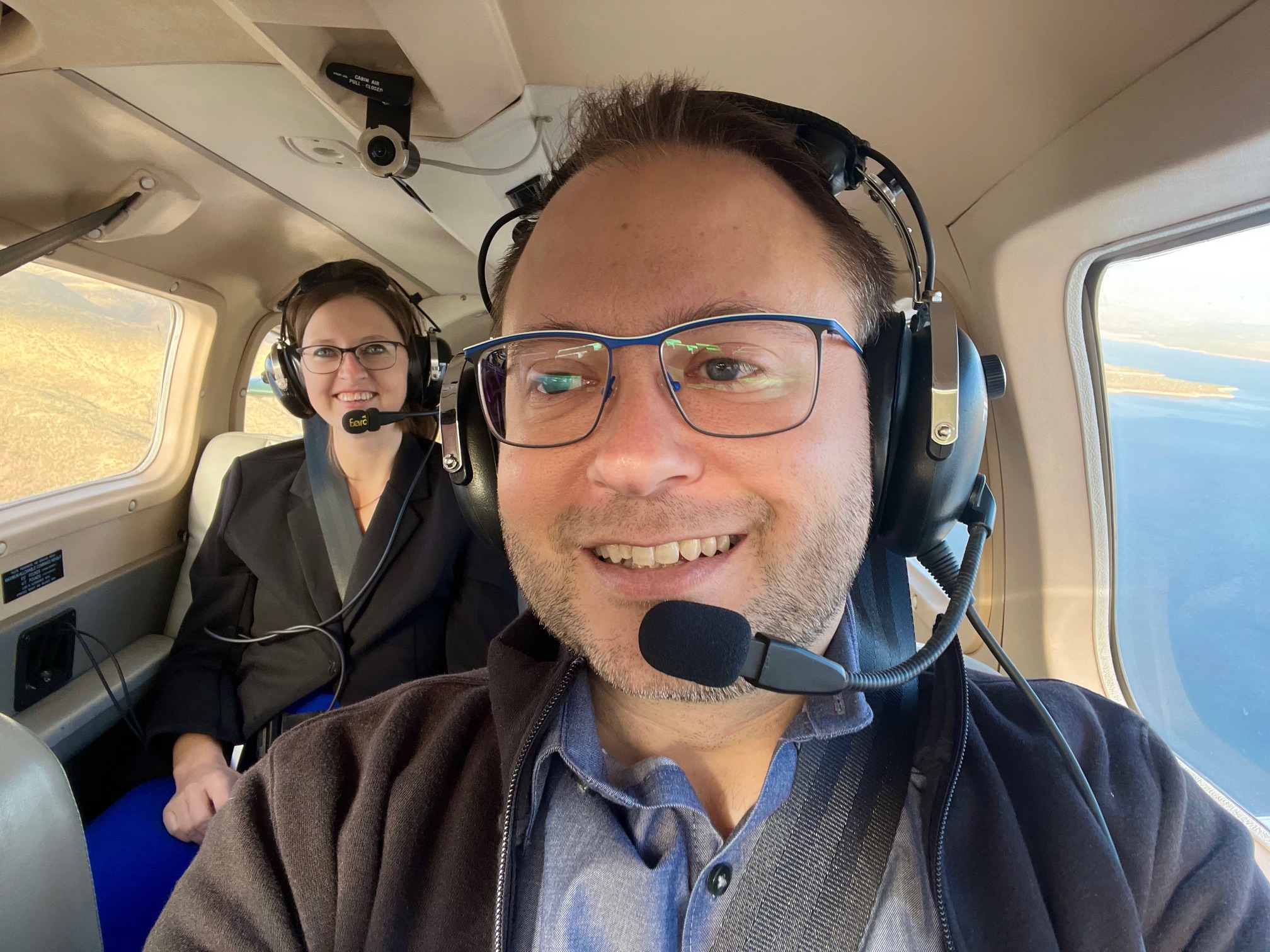
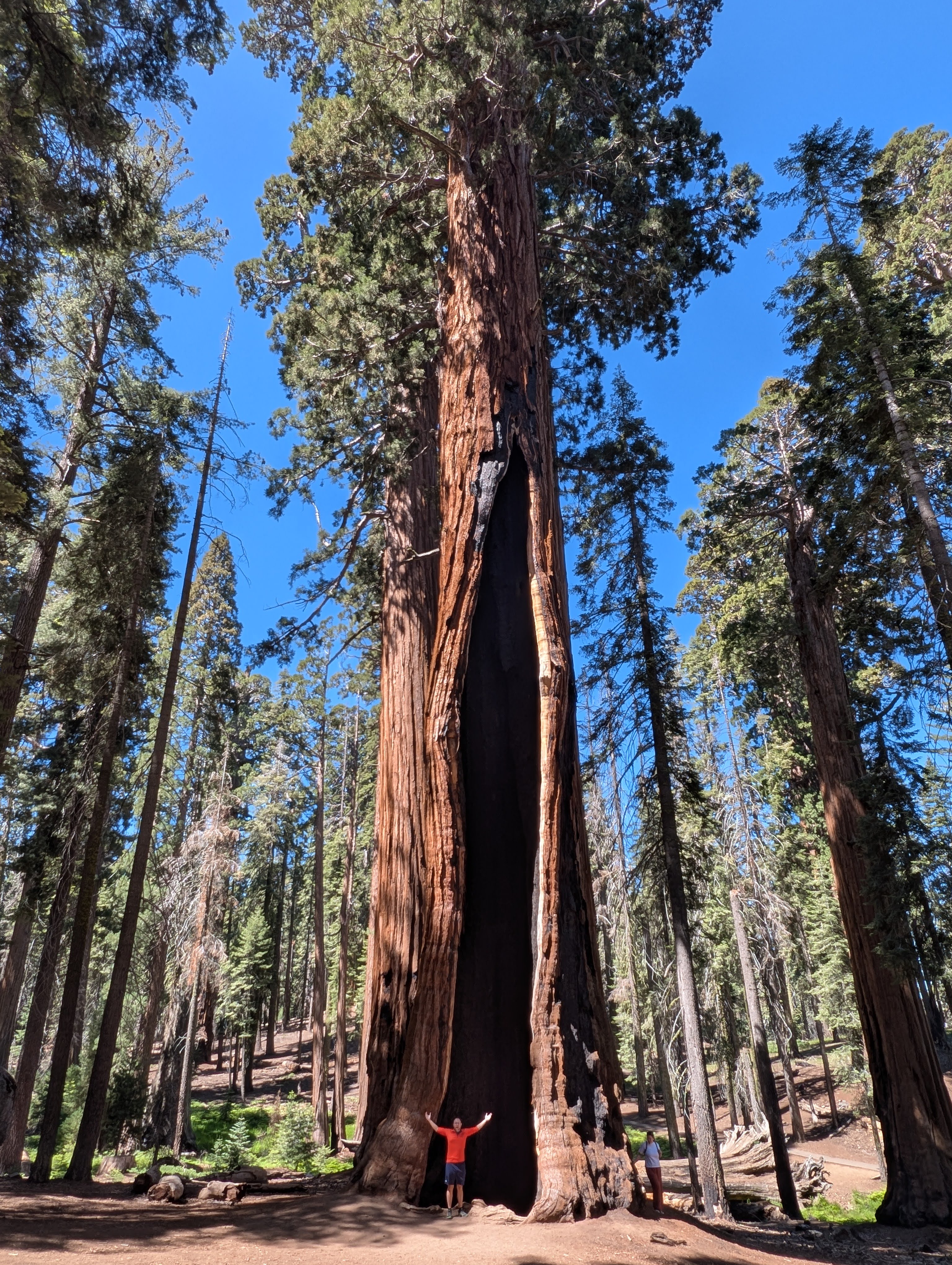
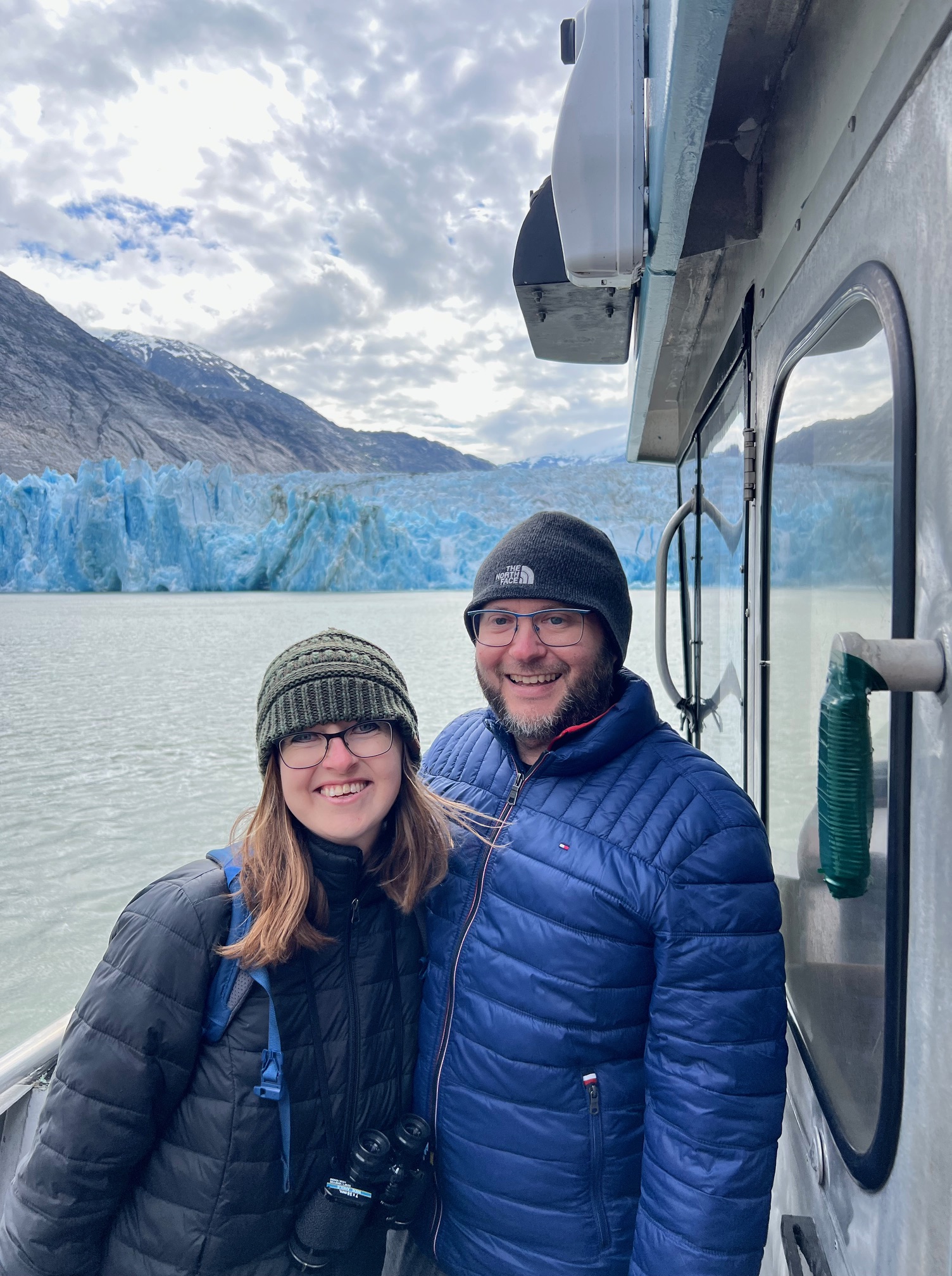
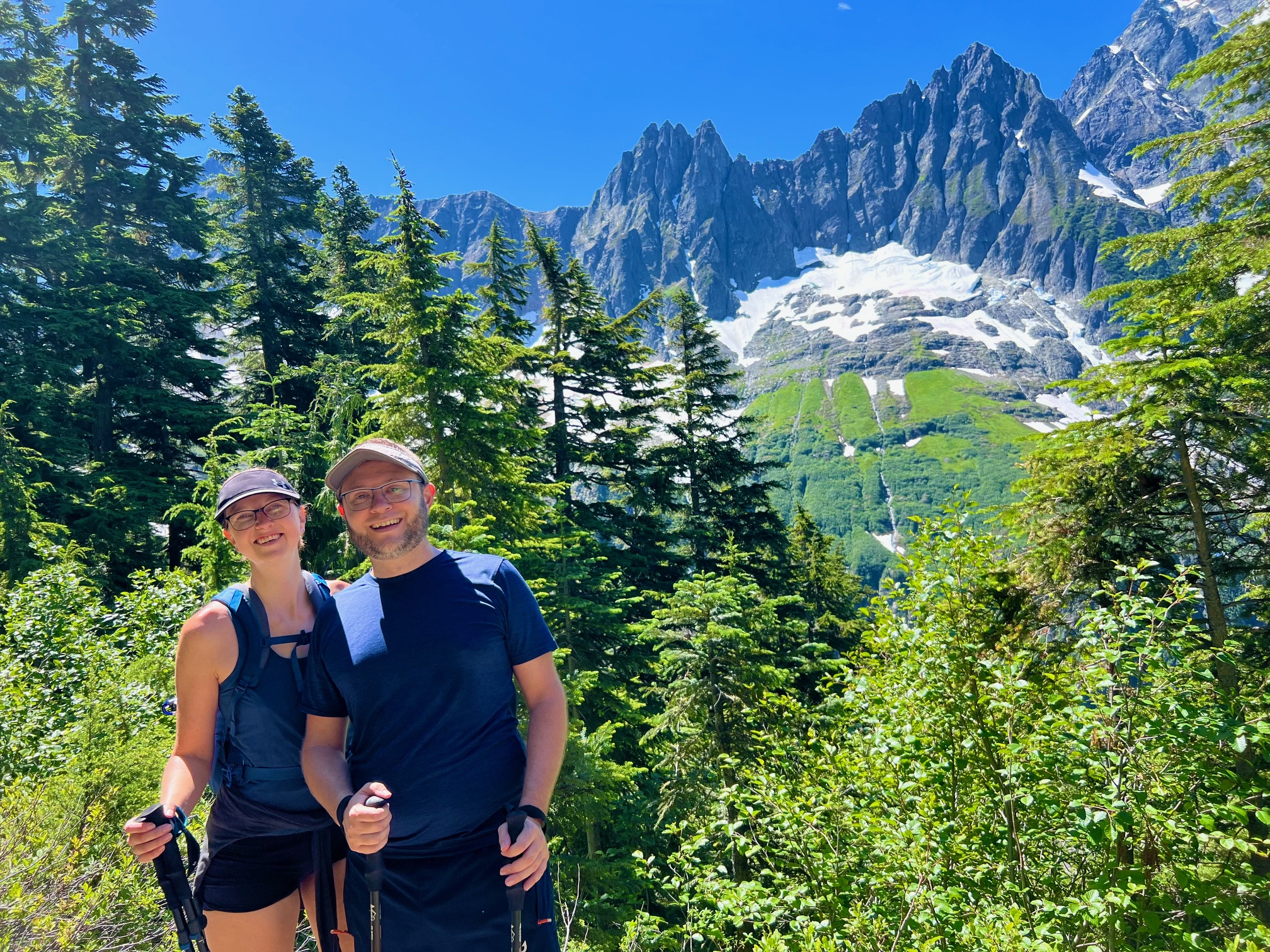
Kim and I didn’t just want to travel more; we wanted to redesign our lives around freedom, creativity, impact, and adventure. In 2018, we put most of our belongings in storage and spent years traveling full-time with no permanent address. That experience changed how I saw America, nature, business, relationships, and what is actually possible when you stop accepting the default path.
Full Time to Travel Time became a way to document that journey honestly, not just the highlight reel, but the systems, financial decisions, failures, and mindset shifts that made the lifestyle possible. We had to work backward to create the life we wanted, figure out what income we needed, build a location-independent business, and create systems that allowed us to keep growing while traveling.
I think a lot of people believe travel and creative freedom are rewards you get “someday,” after you’ve made enough money or retired. I wanted to show that with intention, strategy, and a willingness to build differently, you can start creating that life much sooner. For me, sharing the story publicly is about giving people a real-world blueprint, proof that freedom is not just a fantasy. It can be designed. It can be built. And once you build it for yourself, you can use that freedom to have a bigger impact on the world.
Through Full Time to Travel Time, you’re helping tourism businesses grow by combining travel content with SEO expertise. How does that approach create more lasting results compared to the short‑term exposure many travel influencers provide?
What we do for tourism businesses is unique because we are actual full-time adventurers. So when we partner with a resort, cabin company, or destination-based business, we go there, stay there, explore the surrounding area, and then create long-lasting SEO content based on the real experience.
That is very different from short-term influencer exposure. A social media post might get attention for a few days, but a well-written SEO article can keep attracting potential customers for years.
A great example is Northwoods Cabins in Pinetop, Arizona. We stayed at the cabins for a week, explored the local area, and created content around the top things to do nearby. One of the articles I wrote was about Woodland Lake, one of the most popular local hiking trails.
A woman found that article on Northwoods’ website and loved the location so much that she decided she wanted to get married there. She ended up booking all of the cabins at Northwoods for her wedding guests. We were able to photograph the wedding, then use that experience to build out an in-depth wedding page for Northwoods.
Now they already have five more weddings booked for 2026.
That is the difference between exposure and infrastructure. They went from never hosting a wedding to having six weddings booked because of one strategic article about a local hiking trail. The content did not just get likes; it created an entirely new revenue stream.
That is why combining travel content with SEO is so powerful. We create the inspiration, but we also build the digital pathways that help future customers find the business, trust the business, and take action long after the original content is published.
Having built both a marketing agency and a travel‑focused lifestyle brand, what advice would you give to entrepreneurs who want to design businesses that support both financial stability and the freedom to explore the world?
I’d actually give a non-intuitive answer: start by building great relationships in your local community.
So many entrepreneurs want to make money online, never interact with customers face-to-face, and want to immediately become fully location independent. But for us, LocalFi did not really start growing until we got deeply involved in our local business community.
Most businesses are built on trust and relationships, and that can be hard to create while traveling full-time. So while we were growing LocalFi, we stayed mostly stationary in Phoenix, but we took a 5–7 day road trip once a month. That helped us build our “travel muscles” while still strengthening the foundation of the business.
After about a year, we were able to travel full time largely because we had built referral partners, speaking opportunities, and strong local networks. Even while traveling, we continued doing webinars and trainings for organizations like Local First Arizona and the Arizona Commerce Authority.
And when revenue dipped, we would come back to Phoenix for a few months, strengthen those relationships, and bring on new clients.
So my advice is: do not skip the local foundation. Build real relationships first. In today’s digital world, you can absolutely run a business while traveling full-time, but the strongest freedom often starts by building relationships and bringing real value to your local community.
With AI transforming industries like higher education, what advice would you give institutions trying to stay visible and competitive in this new landscape?
AI will completely change how students choose colleges. Graduating high school students are already adopting AI at a much faster rate than the general public. AI can now research multiple colleges in minutes and identify the best options for a student’s specific goals, budget, location, and career path.
Yet many colleges still rely heavily on paid ads, which do not directly influence AI-generated recommendations. Showing up in AI search means answering the questions prospective students are actually asking. It means earning strong reviews and third-party endorsements. It means structuring your content in ways AI systems can understand, trust, and reference.
Learning how to do all of this can be overwhelming and complex for recruitment officers who already have many other responsibilities. That is why LocalFi created the College Enrollment Authority Engine, powered by LocalFi’s AI Search + SEO Growth System.






 Nataliya Palakanis Is Building a New Standard of Accountability for Luxury Residential Construction
 Meet Bethany MacLean | Helping People Reconnect with Their Inner Wisdom Through Intuition, Self-Trust & Spiritual Growth
 Jamie Garner on Transforming Celebrations Through Luxury Custom Cookies Designed with Artistry, Warmth, and Meaningful Detail
 Maggie Rodriguez on Challenging the “Random” Cancer Narrative and Empowering Metabolic Healing
 Vanessa Kavulish on Redefining Events Through Sustainability, Intentional Hospitality, and Meaningful Guest Experiences
 James Jimenez on Building Skysill Rooftop into a Community-Driven Music Hub Above Tempe
 From Manuscript to Meaning: How Lauren Wise Is Helping Authors Turn Stories into Lasting Impact
 Designing the Invisible: Jennifer Hassett on the Rise of Fully Staffed Luxury Households in Phoenix
 Elevating Hospitality Through Experience: Monique Hayward & Brian Driscoll on Building Connection Beyond the Plate