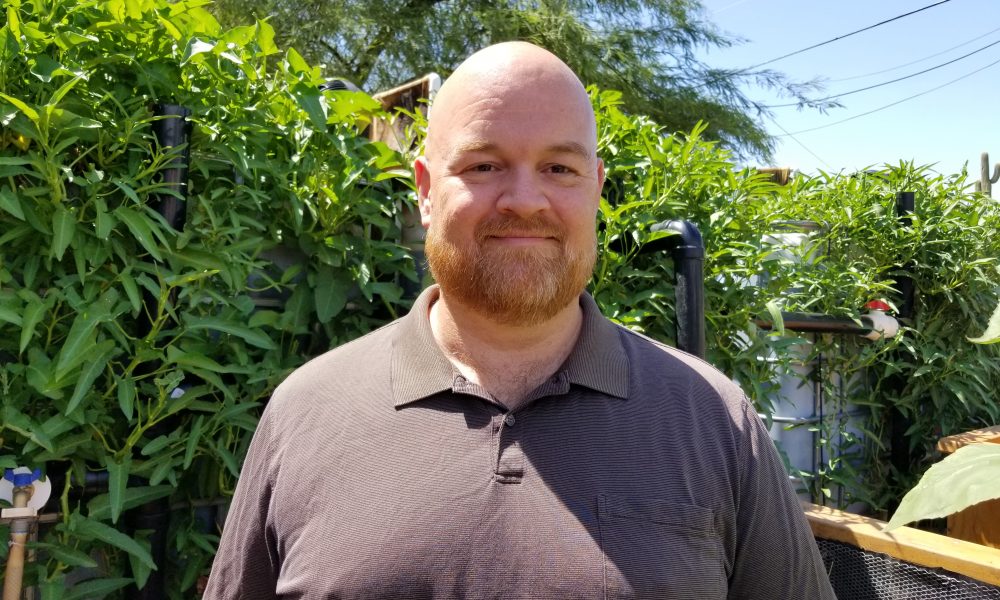
Today we’d like to introduce you to Edmund Williams.
Edmund, please share your story with us. How did you get to where you are today?
As a child, my hobby was creating ecosystems. I started by combining animals and plants in terrariums. Very early, it occurred to me that, in nature, nobody cleans up after the animals, and I asked myself “who can do this that isn’t me.” Low effort designs were important from the beginning. As I got older, my designs became more complex and I incorporated more organisms, like mushrooms and soil organisms. My chosen profession is civil engineering, and as I grew in experience as an engineer, I began to use engineering problem-solving methods in my designs. When I bought my first house, I started gardening. From day one, I used unconventional methods as I sought to learn more about how to include as much natural ecosystem processes in the garden as possible.
Things really got interesting when I first moved to Phoenix in 2012. I knew that gardening was going to be challenging. The job that brought me here involved long hours as well, not leaving me lots of time to spend in the garden. That meant it was likely that I would be unable to visit my garden for sometimes days at a time when the heat was full-on. I also didn’t want to use any pesticides, herbicides, fungicides, or synthetic fertilizers and I didn’t want to have to buy any soil. I began by setting up a basic aquaponics system. Then I added a bed and filled it with soil. I didn’t have much soil, so I filled it with materials that would eventually break down into soil.
The first surprise came just a few days after I set up the soil garden. I had been struggling with rising pH levels in the aquaponics setup, having to add acid every few days just to keep it low enough that it didn’t kill my plants. Within a few days after adding the soil, my pH dropped to neutral and stayed there. The second surprise came later that fall. I had added some spent mushroom logs to my garden, which I built in June of 2013. I wasn’t expecting more mushrooms, but the logs took up room and would eventually break down into soil. That fall, when temperatures dropped, my logs started producing mushrooms, meaning that it was possible to grow mushrooms outdoors in Phoenix, even with a garden that was in full sun.
The third surprise came in June of 2014 when I had to go out of town for two weeks on a business trip, return for less than a week, and then go on a vacation for a week and a half. The temperatures were brutal and monsoon season hadn’t yet arrived. I didn’t have any gardener friends, but I lined up a friend to just look in on it a few times a week and check basic things – were the plants wilting, were there obvious leaks, were the tanks running empty or overflowing? Nobody actually touched those gardens for a total of three and a half weeks while I was gone, and I really did nothing for them during the week in the middle I was home. My garden thrived. Everything just ran itself.
At that point, the engineer in me really kicked in. I started looking for ways to improve the design and add more features. I refined the soil formula so it makes its own soil almost entirely from urban waste and sequesters carbon. I set it up to handle my household’s compost stream. The list goes on.
It was out of these experiments that I developed the LEHR Garden. It is an acronym for Linking Ecosystem & Hardware for Regeneration. A LEHR Garden operates on 7 pillars: 1) Technology is used to reduce human labor. It is not used to replace ecosystem services, but rather to support and enhance the growth and functionality of the living garden ecosystem. 2) Hugelkultur, which is the method of burying large amounts of wood in the garden, is used to feed the soil organisms and build soil from municipal waste, like tree trimmings. 3) Mushrooms are used to break down the woody material and begin the process of turning it into the soil while producing an edible crop. 4) Earthworms are used to further decompose the material and begin the process of soil creation. 5) Aquaculture is the growing of fish. The fish help fertilize my garden and provide meat right in my own back yard. 6) Organic gardening is used to grow fruits and vegetables in the fertile soil that is created. 7) Biodiversity is used to attract beneficial insects and create a garden that doesn’t need pesticides.
In 2017, I took an opportunity to launch my own business to begin the process of developing intellectual property and solidifying my design. In late 2018, The garden design became my full-time job, in conjunction with a fellowship through ASU’s Knowledge Exchange for Resilience. Since then, I have built gardens at Arcosanti and The Urban Farm. I have built them at private residences and schools. I have built out my demonstration garden at my house in Tempe to almost 350 square feet of growing space, with over 1,000 gallons of tilapia tanks and integrated chickens. Feedback has been very positive overall with one of my clients call it the most revolutionary gardening system he has ever seen.
We’re always bombarded by how great it is to pursue your passion, etc – but we’ve spoken with enough people to know that it’s not always easy. Overall, would you say things have been easy for you?
The road has definitely not been a smooth one. Solving the engineering challenges was the easy part. Becoming an entrepreneur has been a heck of a learning curve. That process has been made much more complex by the fact that I started a business in an industry I was not already working in. Usually, when people start businesses, they know the industry. They know their peers and their clients and have a pretty good idea where they are going to fit in. I had to build all that up from the ground floor. Getting into business in agriculture is difficult, too.
First of all, there is the challenge of financing the endeavor. Agriculture requires land and infrastructure, both of which cost money. It is also a challenge convincing people who have never heard of you that you have an innovation worth paying attention to. The struggles continue, but the snowball is beginning to pick up speed. Every month, I make new and amazing connections and I find the members of my community more and more.
We’d love to hear more about your business.
Most people think that I am selling a product. I don’t see that as the case. Certainly, I build gardens, but my business is more service-oriented. We make gardening easier, more productive, more efficient, and more sustainable. As an engineer, I am able to come to a site and assess what the features and challenges are and design a garden that will best serve my client’s needs.
From there, it is all about customer service. I seek to bring gardening to those who want to garden but just don’t know-how. The low maintenance needs of a LEHR Garden mean that I can offer a service contract for a reasonable price since, unlike a normal garden, I won’t need to be there every day, or even every week, to take care of it. Just a couple of visits a month are sufficient to keep a LEHR Garden running in optimal order. This frees my clients up to enjoy the ambiance and fruits of owning a garden without having to give it constant attention or back-breaking labor.
What were you like growing up?
I was a biology nerd from early childhood. By third grade, I had read every book on animals that my school library had. As I grew, I found an interest in creating miniature ecosystems. By the time I was 12, I had three different terrariums that featured different habitats and different environments. I was always experimenting (engineering if you will) with different combinations of organisms and different setups, always with an eye towards finding a better way to create a complete ecosystem.
Pricing:
- King LEHR Garden (4′ wide x 16′ long) $3126
- Queen LEHR Garden (3′ wide x 16′ long) $2700
- Prince LEHR Garden (4′ wide by 8′ long) $1980
Contact Info:
- Website: https://lehrgarden.com/
- Phone: 928-710-6159
- Email: ewilliams@lehrgarden.com
- Instagram: https://www.instagram.com/lehrgarden/
- Facebook: https://www.facebook.com/LEHR-Gardens-102929147795299/
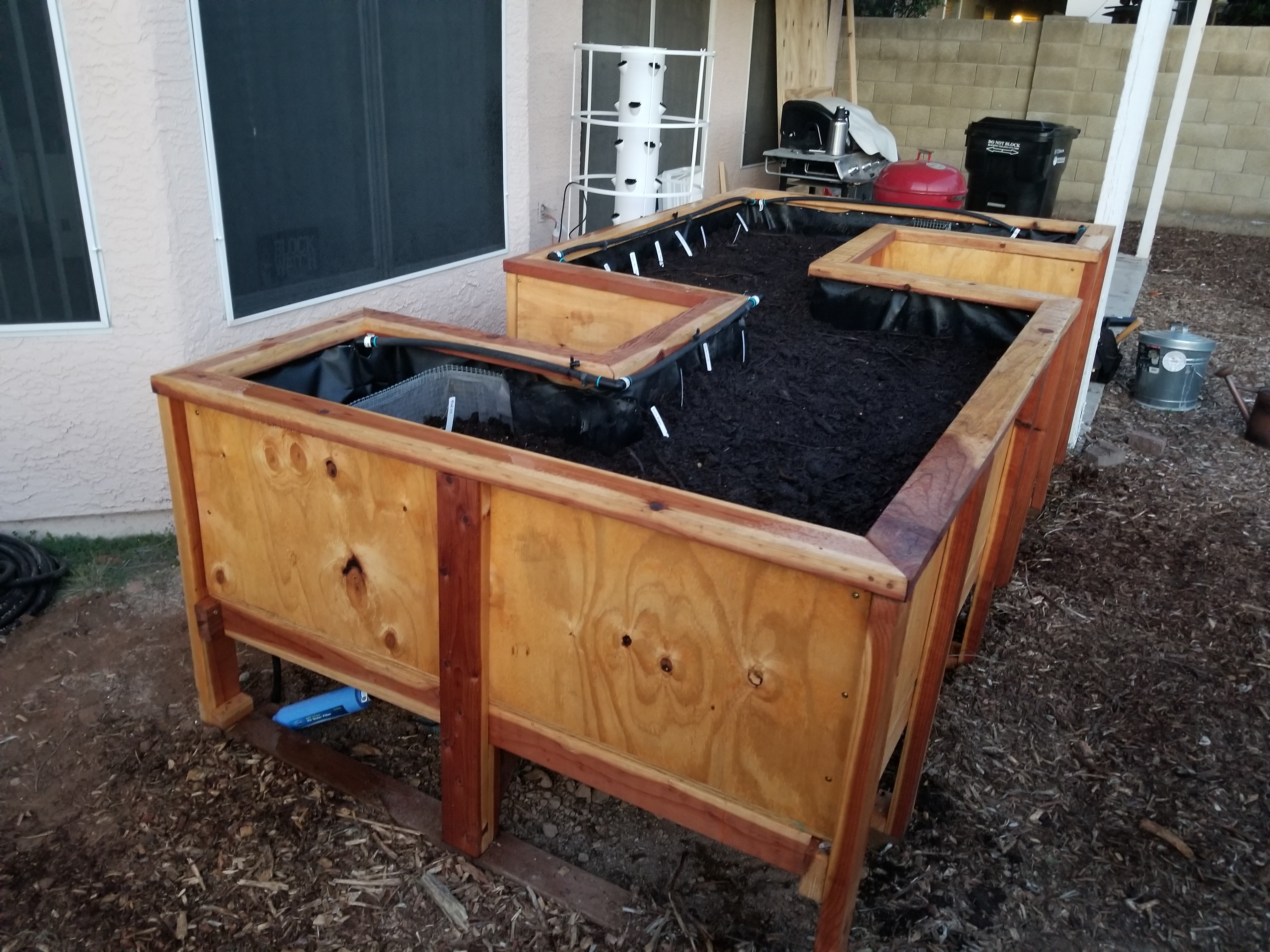
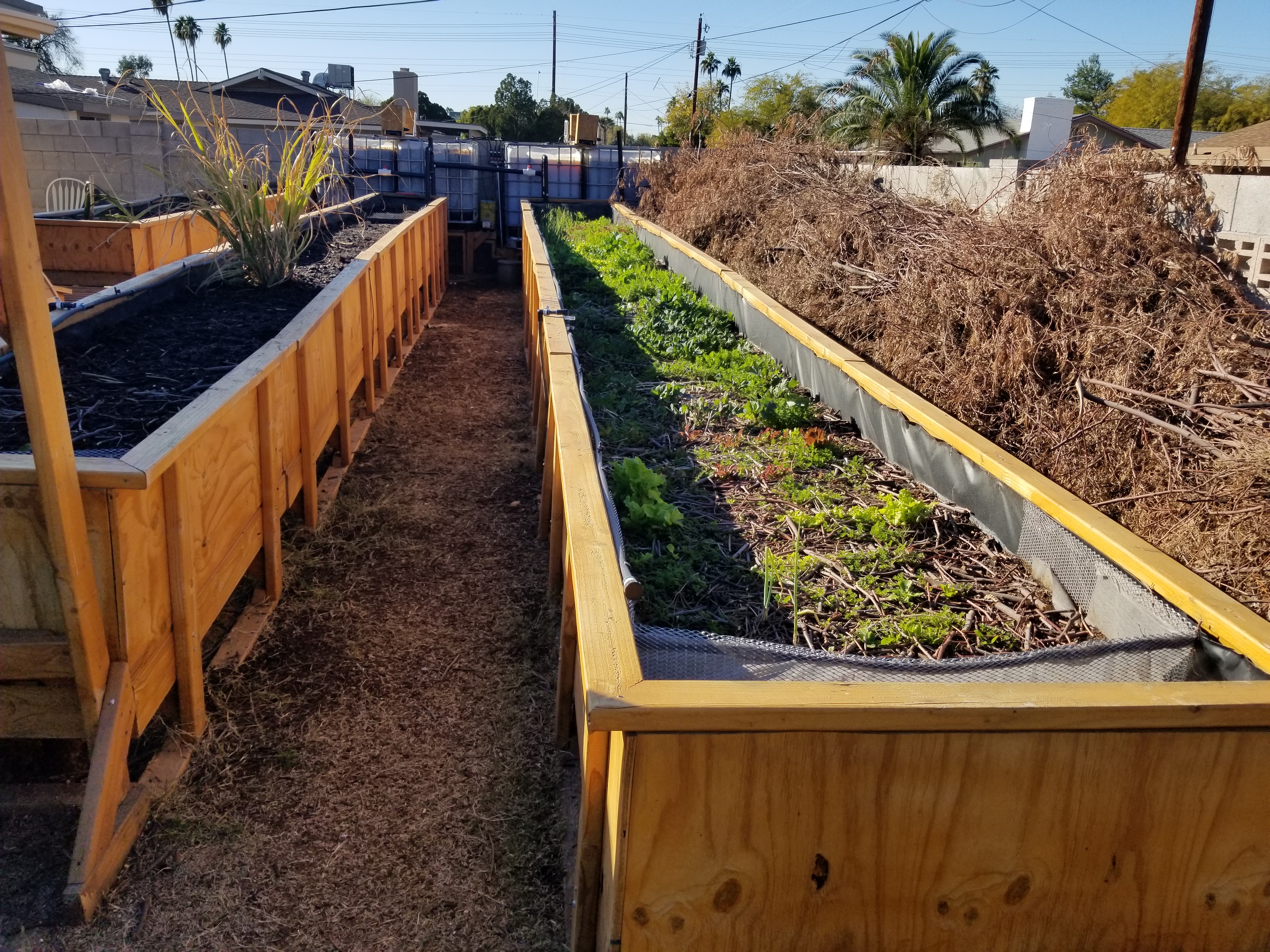
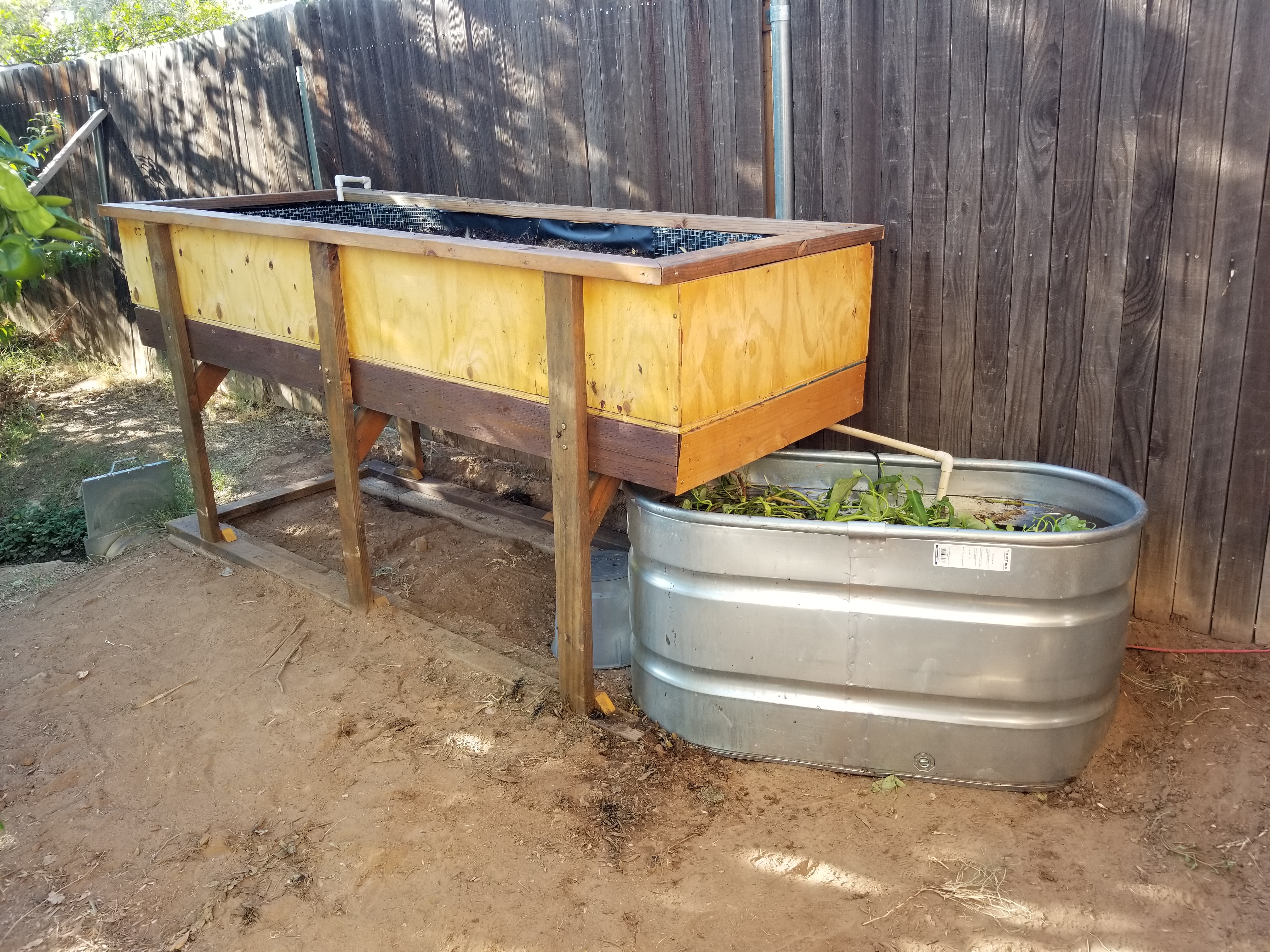
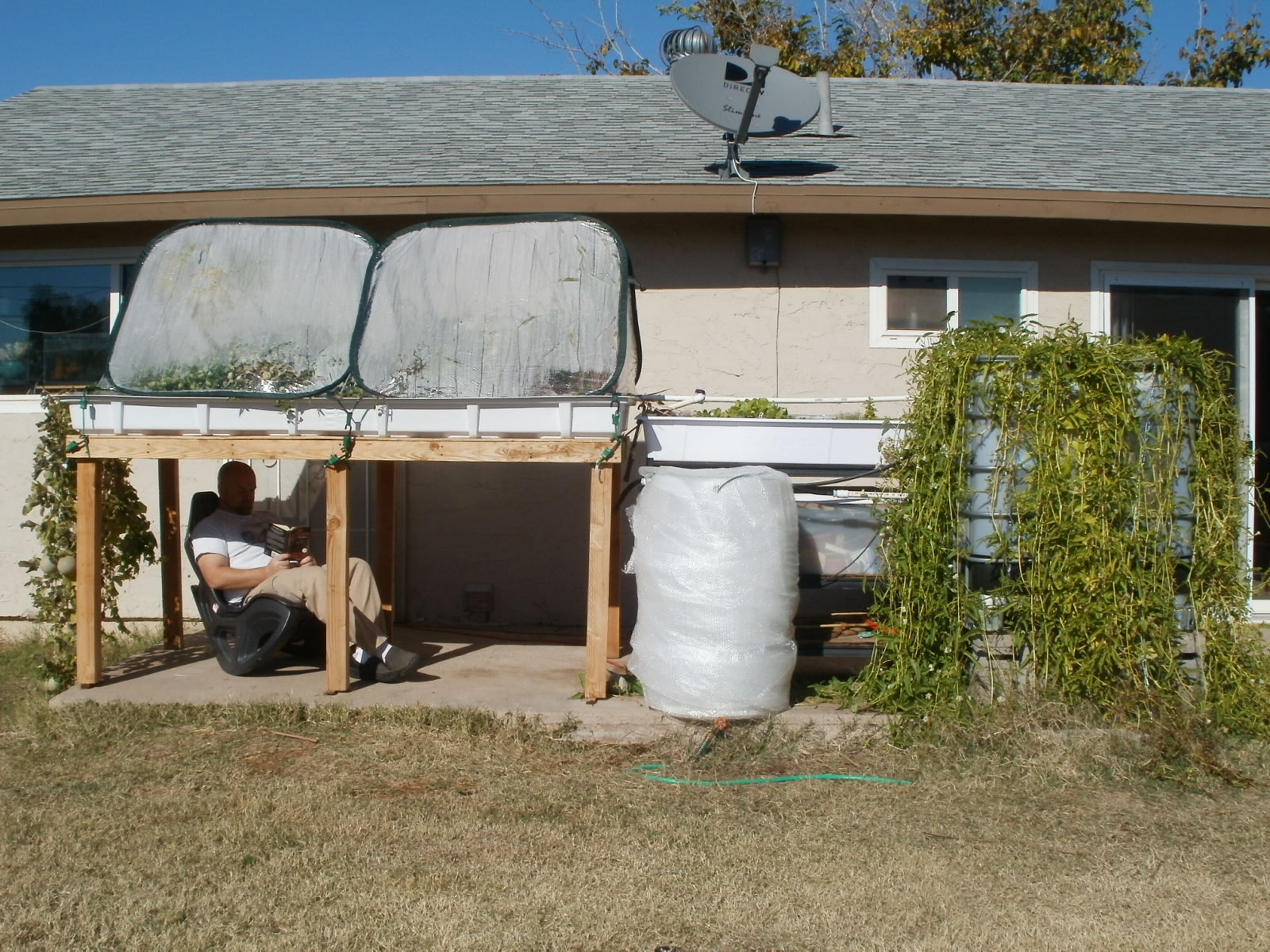
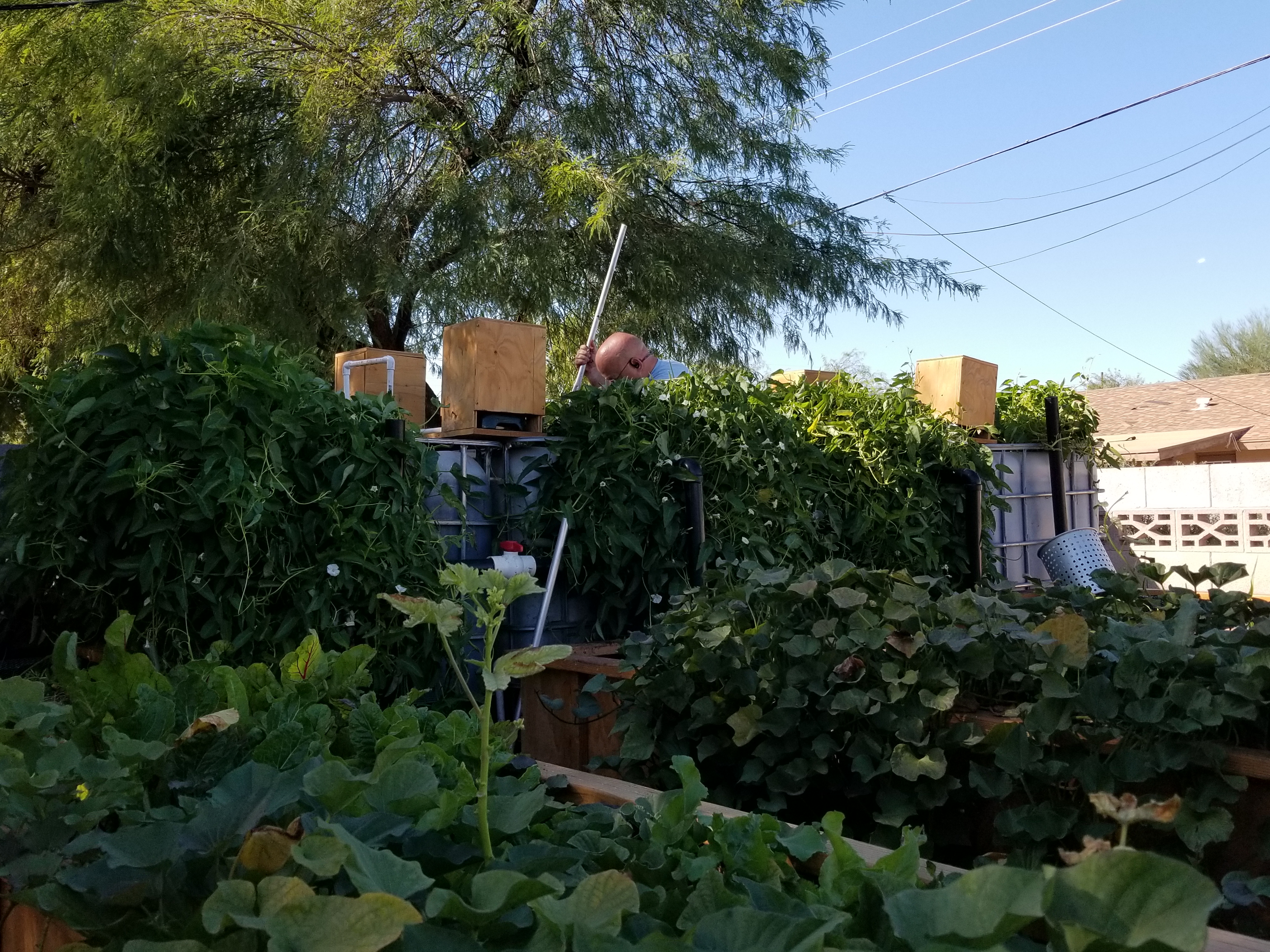
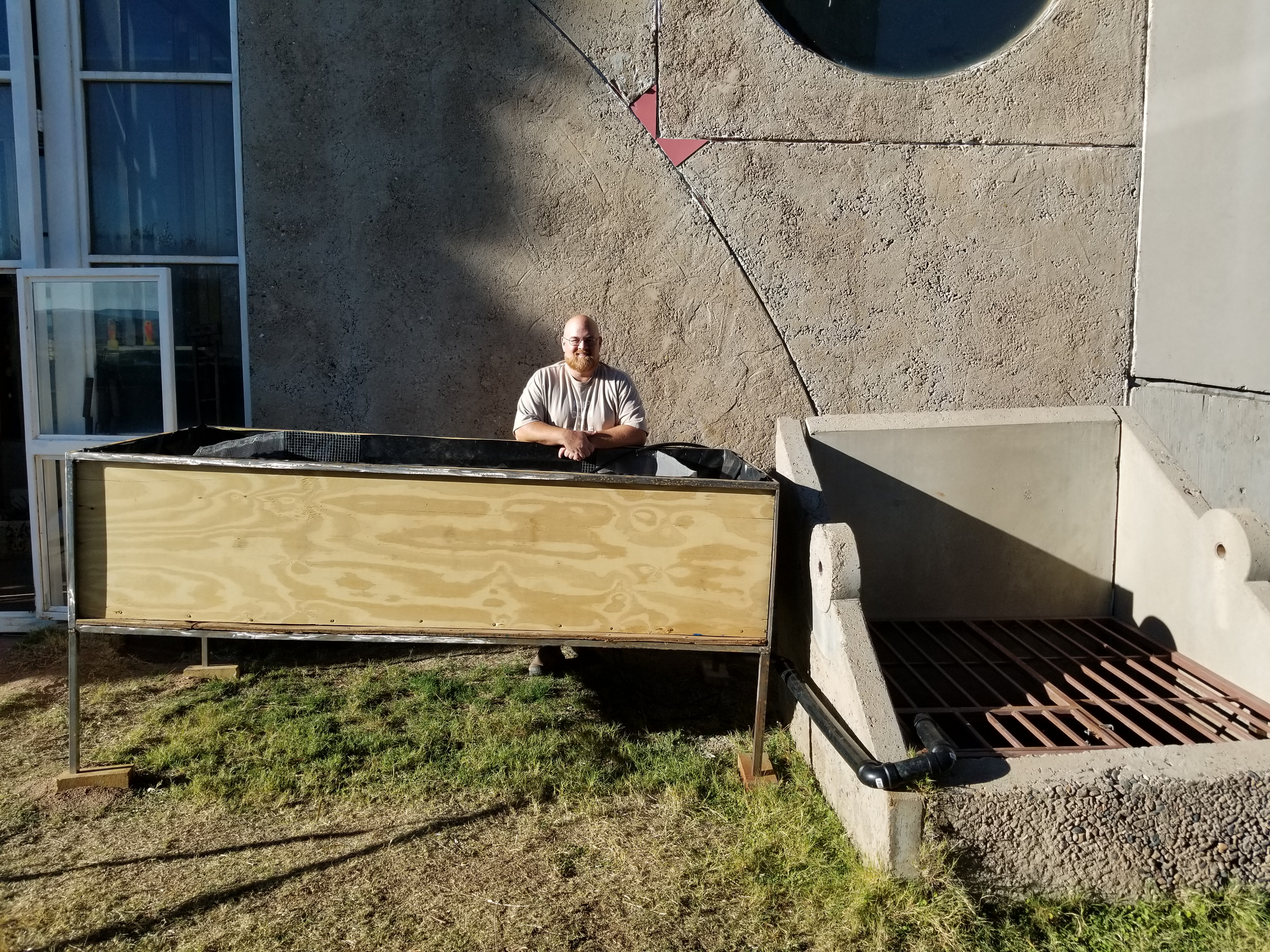
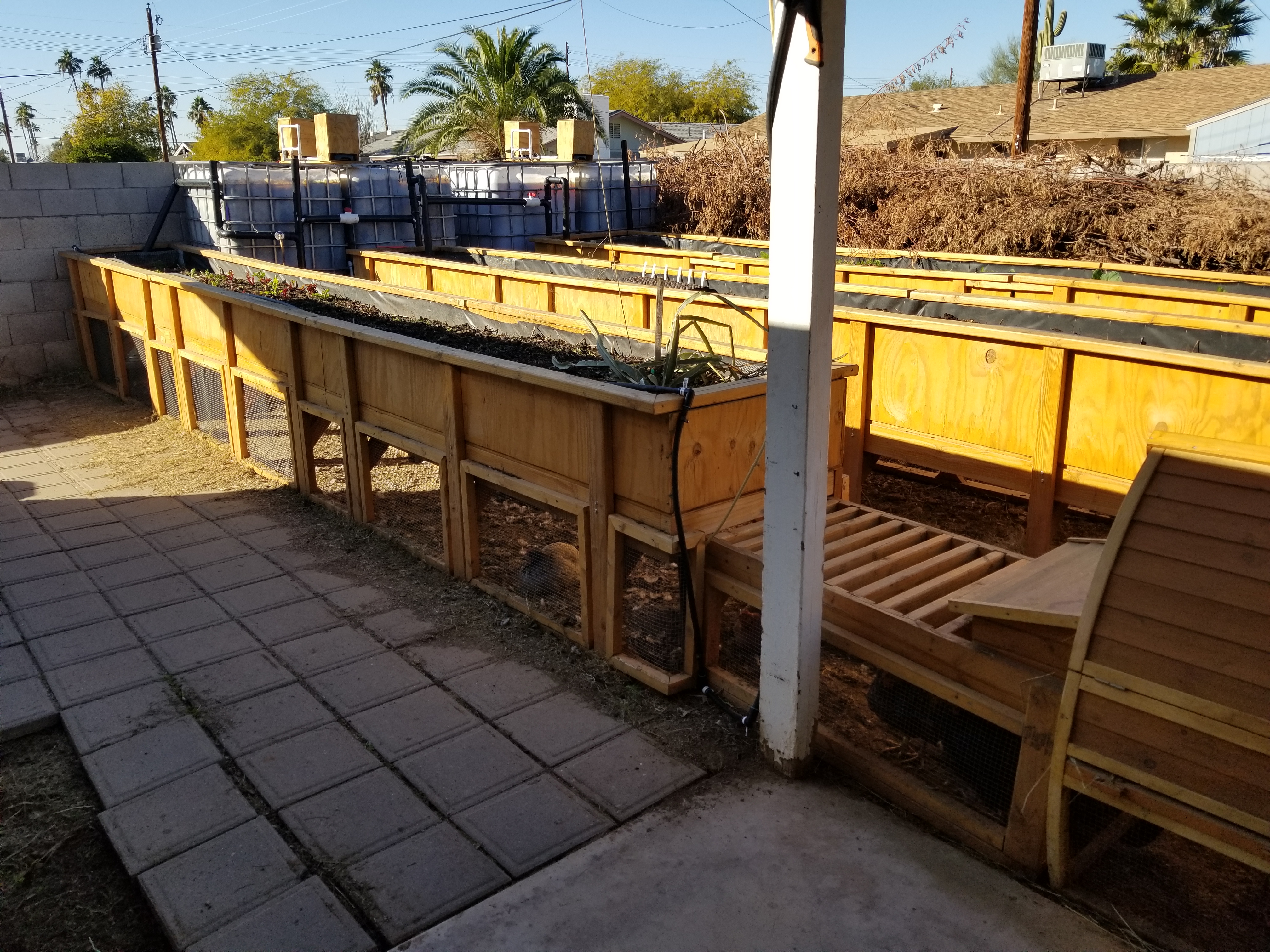
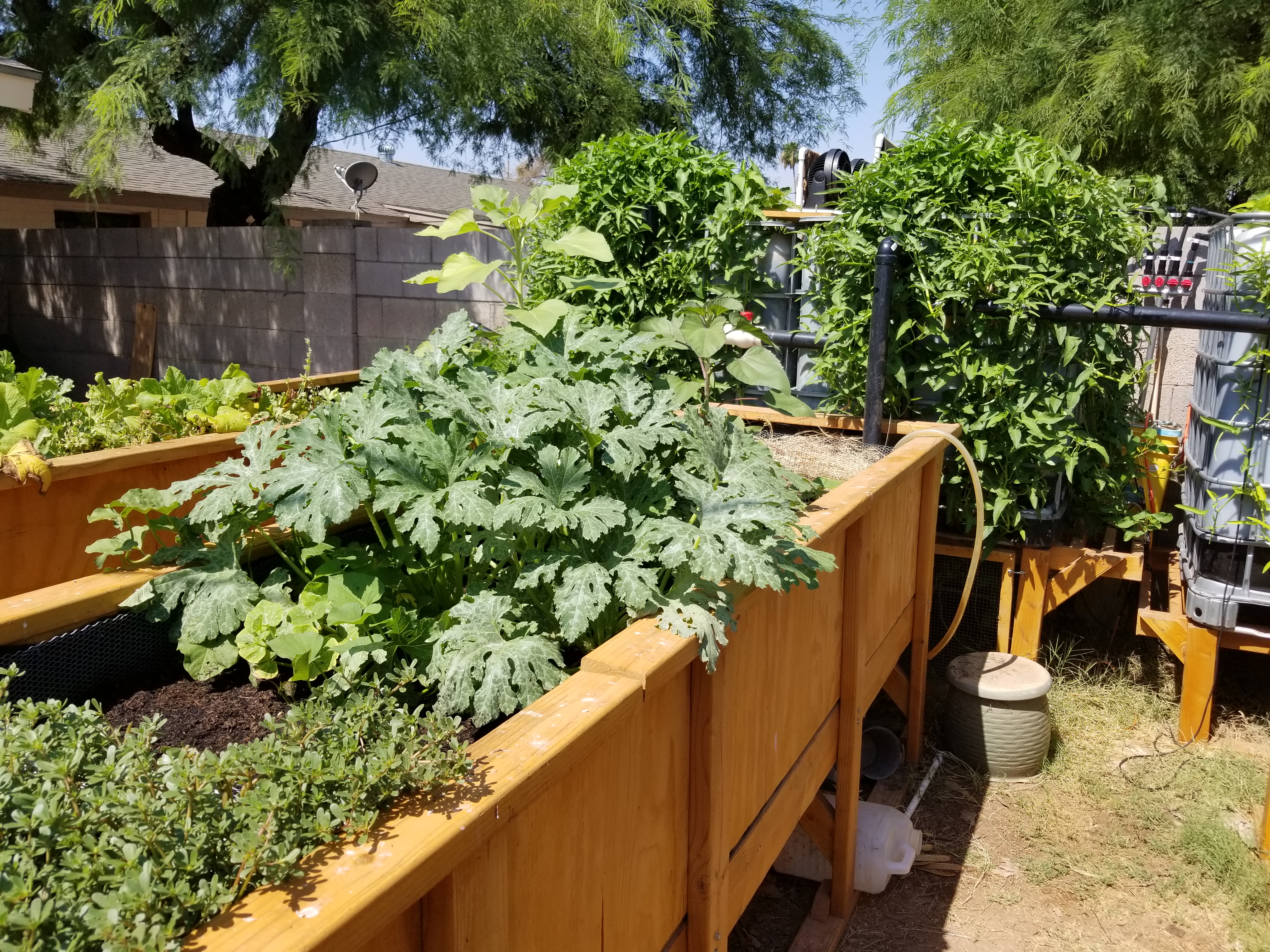
Image Credit:
Edmund Williams
Kiza Moore
Suggest a story: VoyagePhoenix is built on recommendations from the community; it’s how we uncover hidden gems, so if you or someone you know deserves recognition please let us know here.
Popular
-

Isaac Navias on How AI Search Is Reshaping Local Discovery and Building Businesses for Freedom
-

Phoenix’s Most Inspiring Stories
-

From Manuscript to Meaning: How Lauren Wise Is Helping Authors Turn Stories into Lasting Impact
-

Designing the Invisible: Jennifer Hassett on the Rise of Fully Staffed Luxury Households in Phoenix