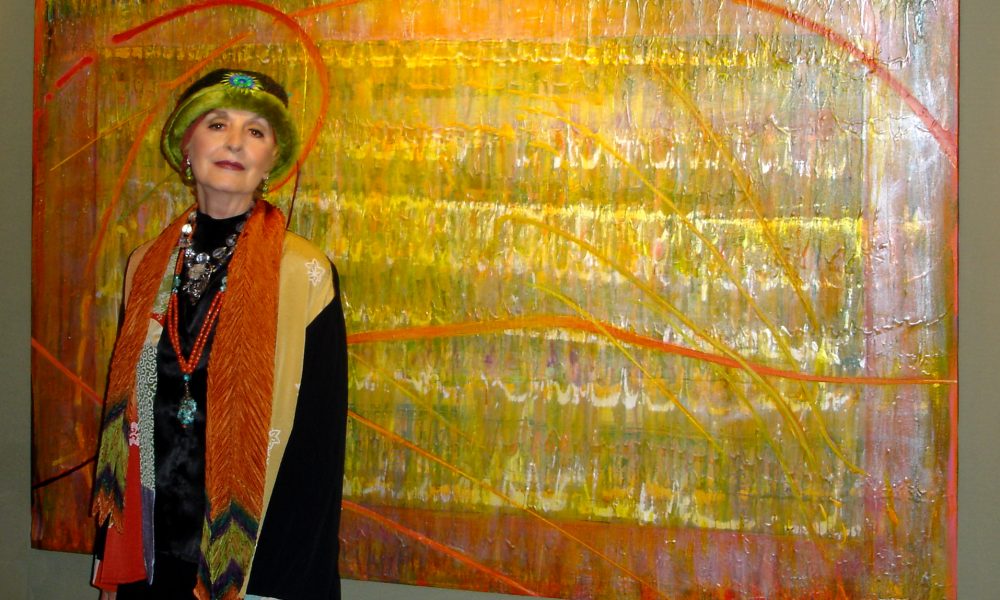
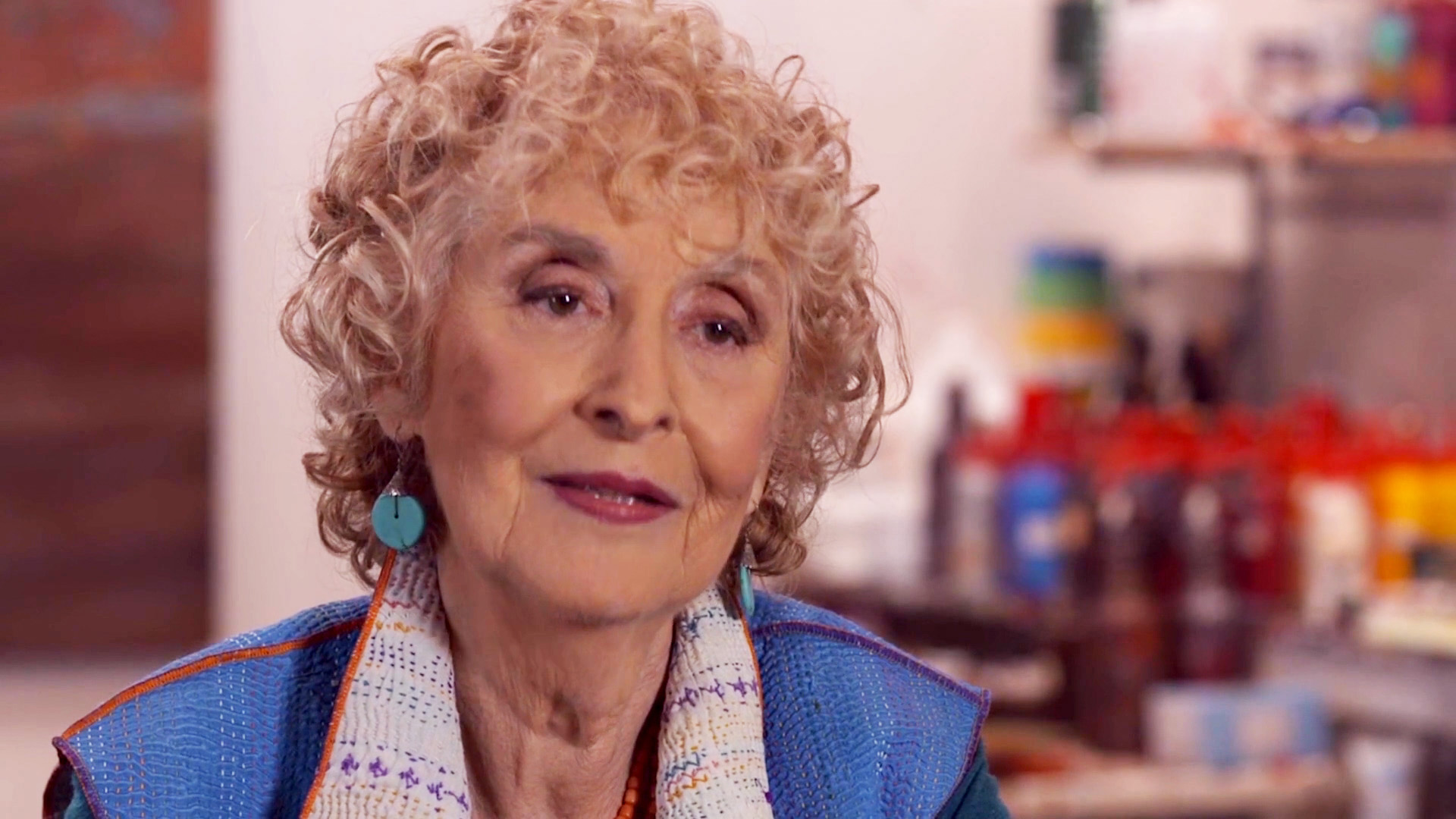
Today we’d like to introduce you to Beth Ames Swartz.
Every artist has a unique story. Can you briefly walk us through yours?
As the youngest member of our Manhattan situated family, I was the “odd one out.” My father was a rationalist educator who became Assistant Superintendent of New York City schools. My brother became a world-famous scientist. My sister fathered more scientists. I was the emotional one.
I studied at the Art Students League in New York in the late 1940s. After graduating from the prestigious High School of Music and Art in New York (remember “Fame”), I earned a B.S. degree from Cornell University and an M.A. from New York University.
My husband and I moved to Arizona in 1959 after he wooed me with copies of Arizona Highways. Initially, I felt out of place here, where desert rocks, prickly vegetation and open spaces contrasted with the then more familiar urban settings of my youth. Throughout the 1960s, I resolved my feelings toward my new environment by painting it in a style that I labeled Abstracted Landscape. Beginning in the late 1970s, I moved almost completely away from figurative representations in art into pure abstraction.
Going down the Colorado River twice in the 70’s transformed my art as did later pilgrimages to Sacred Sites. As part of my artistic process, I would perform rituals at these sites for the healing of the earth. My art and my psyche transformed each other; my life’s challenge became finding the common threads in all wisdom systems and interpreting that shared philosophy visually in my art.
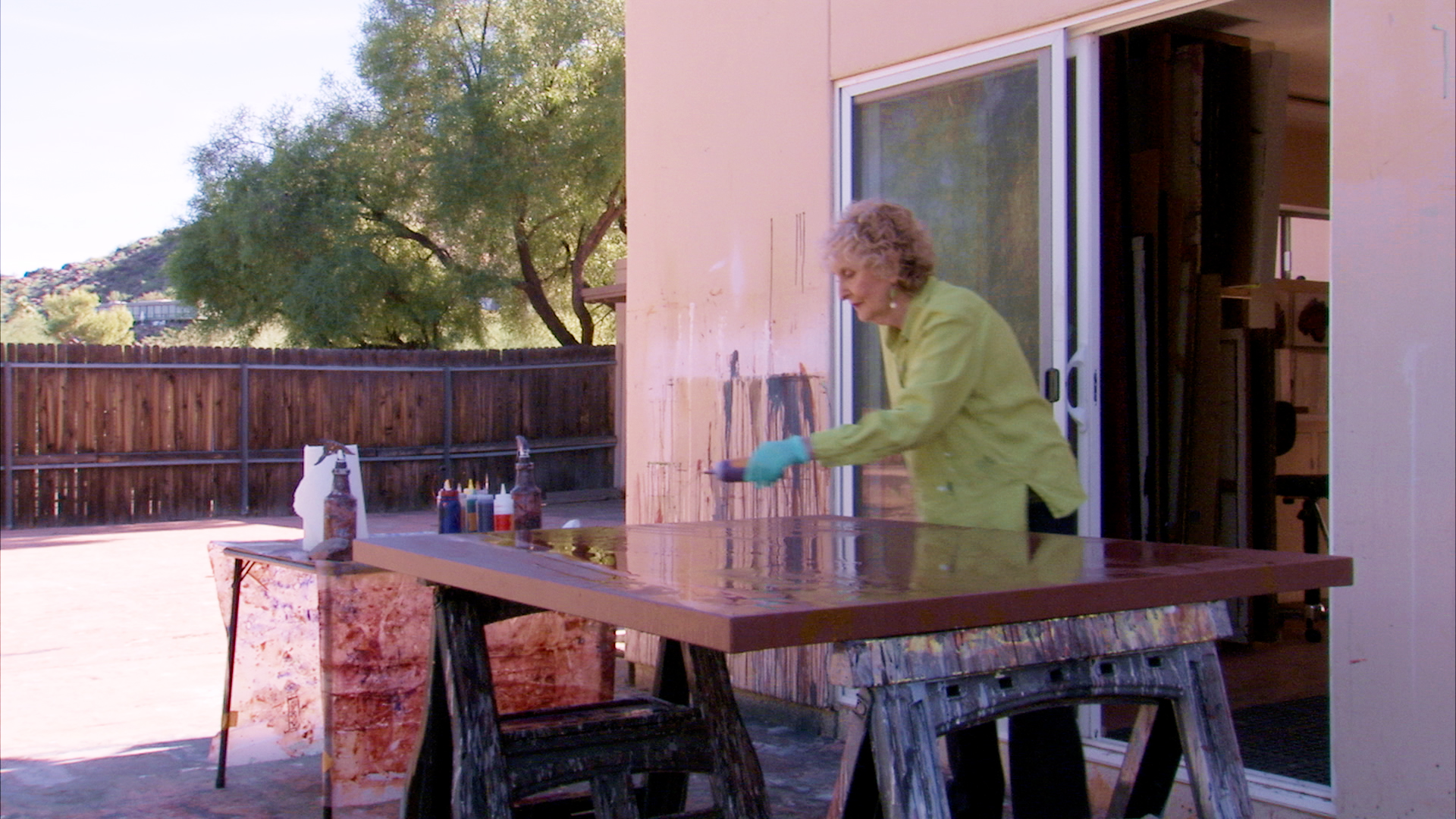
I work in series, beginning a new series with an entirely different visual approach after I solve the aesthetic challenges of my then current series. I investigate the healing potential of images in all my series, often employing pilgrimage and other ritualistic acts in the creation processes. I use word and/or myth-like visual elements from many philosophic and religious systems including Native American healing practices, Buddhism, Christianity, Taoism, the I-Ching, Jewish mysticism as taught in the Cabala, the chakra system of Hinduism, and, recently, Sufism; the visual elements identified with these systems facilitate communication with viewers on both conscious and unconscious levels.
I have been a working artist for almost 60 years. My deceased good friend George Land wrote a book influential in my development entitled Grow or Die. I’m still growing.
Please tell us about your art.
The concept of order, disorder, and reordering is central to my work. Scientists talk of order and randomness, of entropy, and of eternity’s eventual end when all differences disappear. Yet, I am an optimist. I see life as an anti-entropic force for order. In my work, I constantly propose not a duality of life and death, but an endless cycle of life, death, and rebirth.
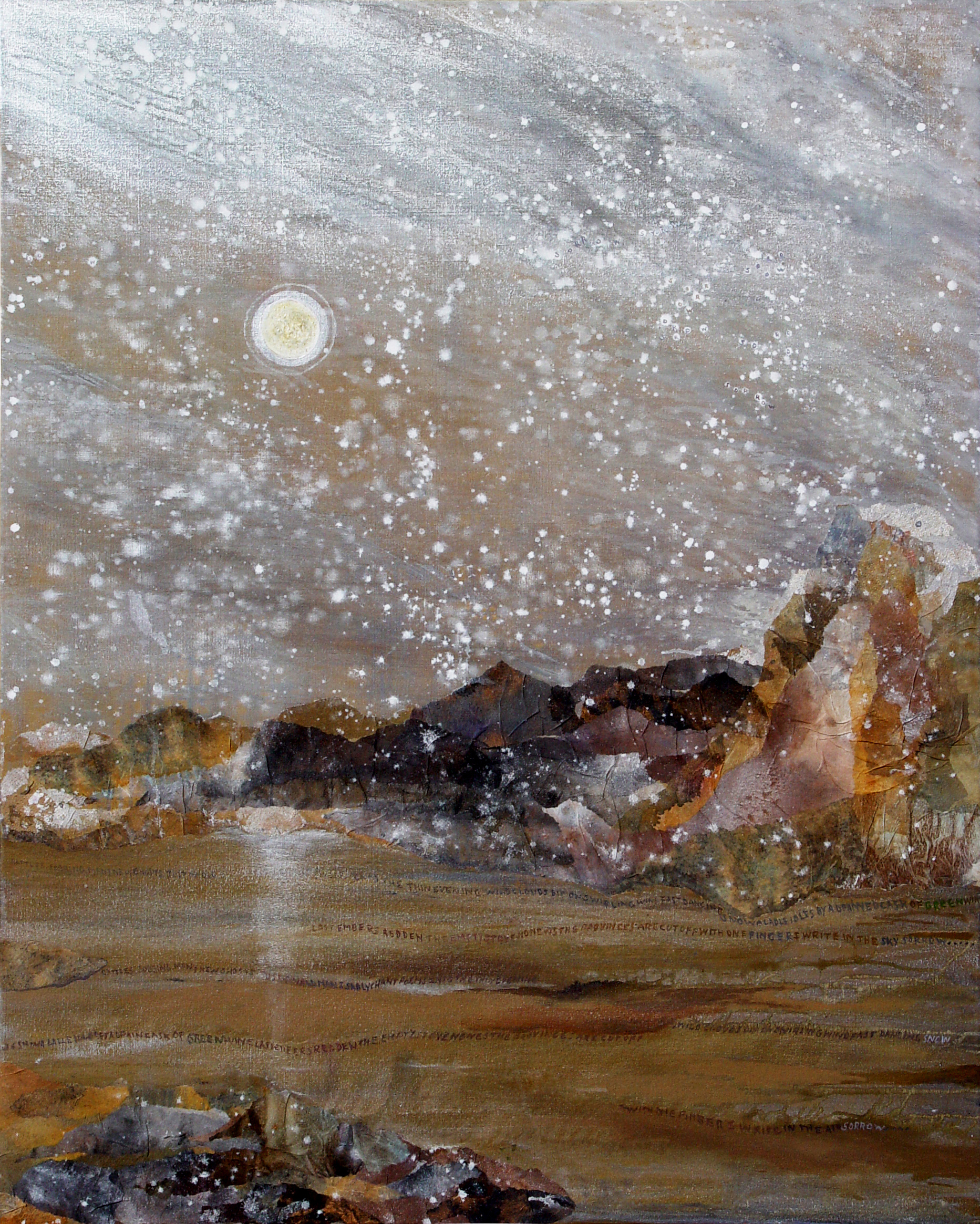
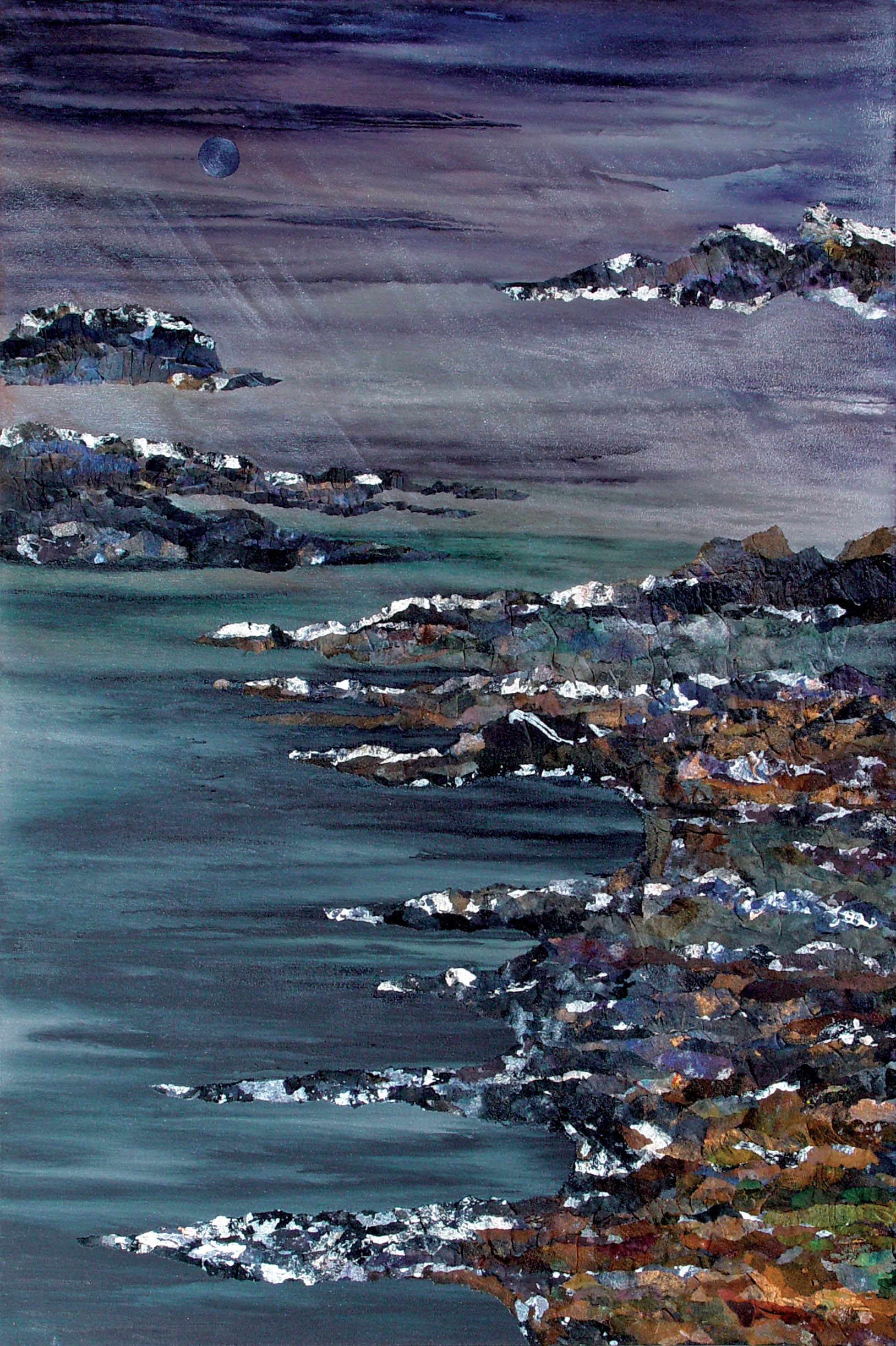
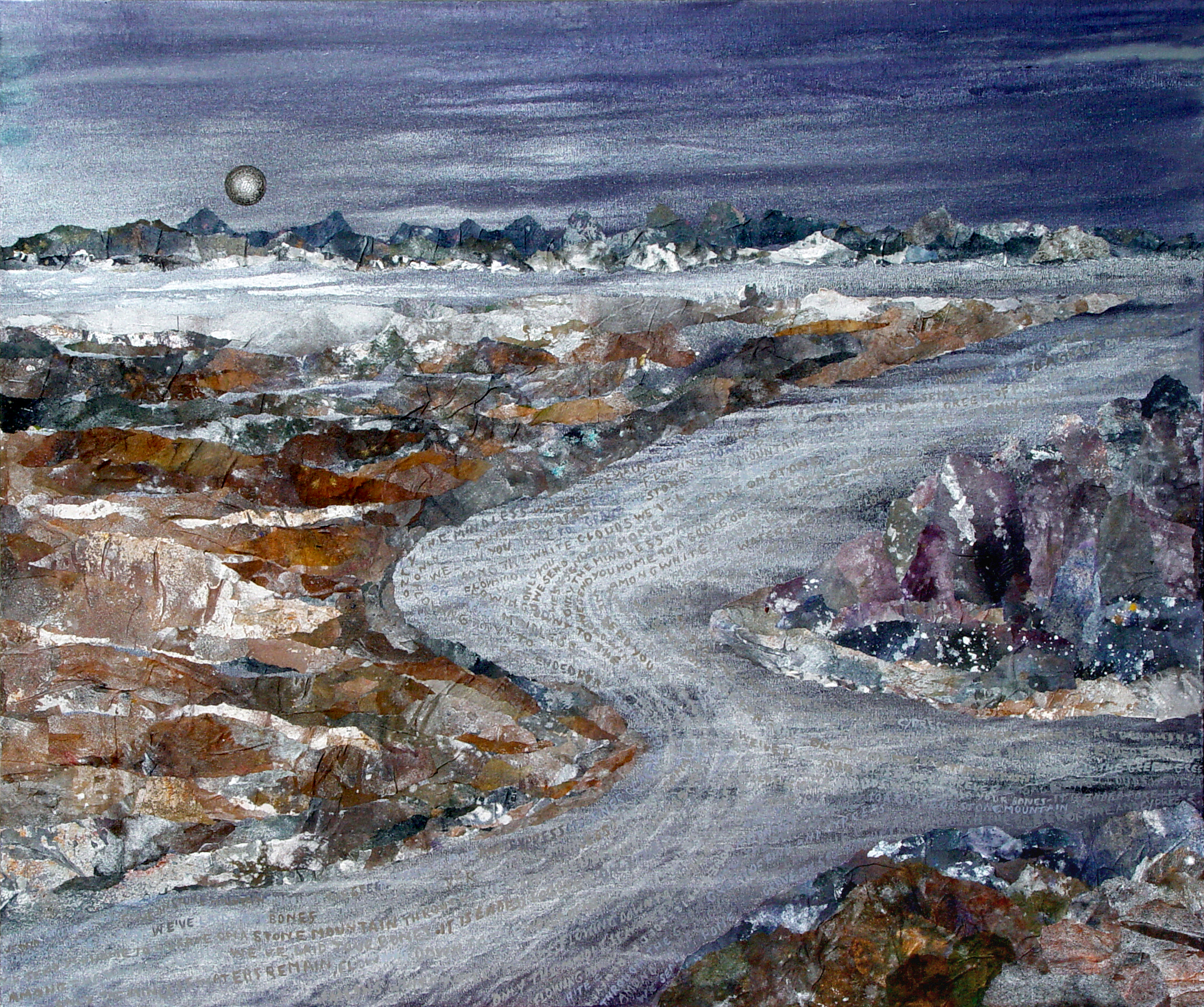
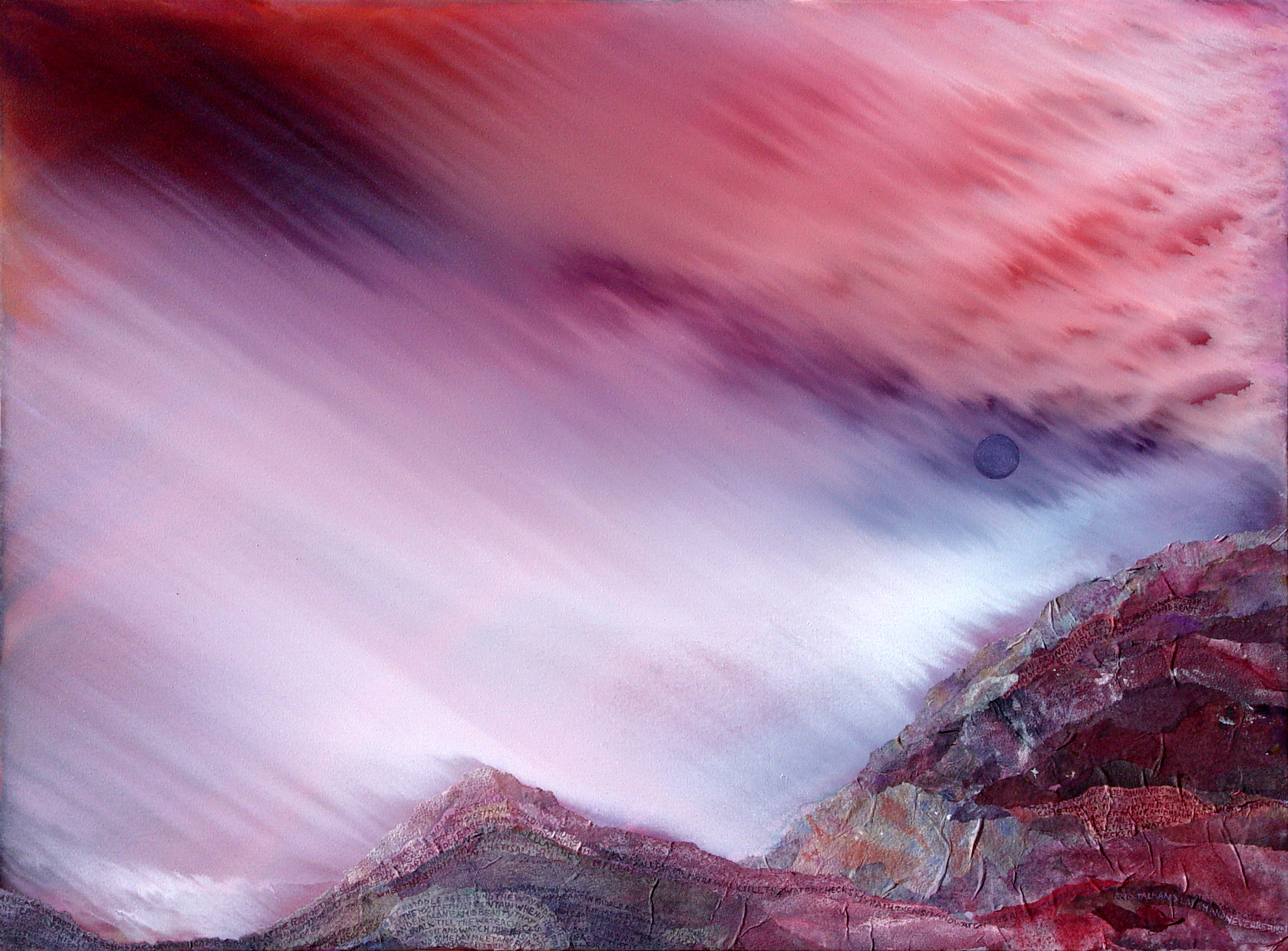
For example, my series entitled The Thirteenth Moon may be interpreted as a symbol of life’s continuous renewal since the thirteenth moon may bridge the last portion of an old year with the first portion of the new. This series was inspired by the poetry of three revered eighth century Chinese poets, Du Fu (a.k.a. Tu Fu), Li Bai (a.k.a. Li Po) and Wang Wei whose worldviews respectively reflect the teachings of Confucianism, Taoism, and Buddhism.
I explore systems of knowledge by translating philosophical concepts into aesthetic visual experiences.
My paintings honor differences among cultures by utilizing symbols and words that represent concepts shared by people of widely different philosophic worldviews. I hope that, by exposing people to the beliefs of others and by showing the interconnectedness of one belief system to another, each of us may experience a common compassion.
I studied many systems of knowledge during the last fifty years, both ones well known and those more esoteric; incorporating these teachings into my life and into my art is an evolving process.
Do you have any advice for other artists? Any lessons you wished you learned earlier?
My advice to artists would be to figure out what you want to say and make your art practice totally committed to your own vision and not be influenced by the marketplace. You have to be you; anything else becomes inauthentic.
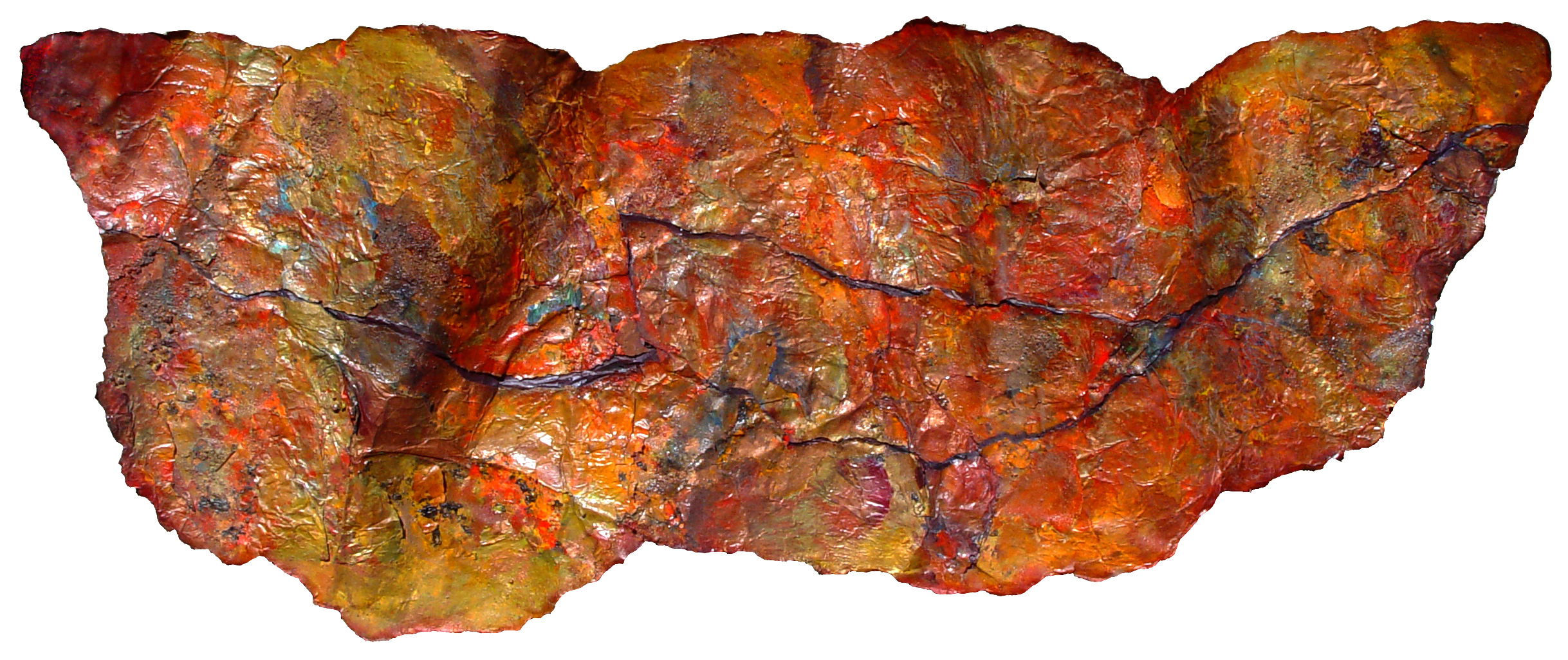
My early eco-feminist fire art developed out of my trips down the Colorado River and my pilgrimages to sacred sites; at that time and in retrospect, this work was unique and was well received nationally.
At one point I felt I had solved all the aesthetic challenges inherent in this “firework.” I decided to strike out into new artistic territory even though it meant “leaving my brand.” Leaving the firework to create a multi-year project/installation entitled “A Moving Point of Balance “ took a toll on my career, as visually the work looked very different. I lost my gallery representation, as there was nothing to “sell” during the creation of the installation. The subsequent inner reward as the new work traveled to museums along with the uplifting audience reaction to it as well as my own aesthetic growth more than made up for any drawbacks.
If I remained with the firework, I might have become richer but I might not have grown as an artist. Grow or die. Grow or die!
In recent years I reap great satisfaction in helping other artists. Almost twenty years ago, I started an artists’ support group called The Breakfast Club. (Remember the movie about a disparate group of five high school students?) We now have about 160 artists on our email list and our monthly events typically attract 30 to 50 artists. We learn from each other and, through our shared interests, we supporting each other and continue developing our art community.
While I might have been wiser if I had been more balanced in my life and been less of a workaholic, I have few regrets. I am happy with my art practice as I keep moving and going forward being propelled by that inner impulse and devotion to the particular project I am creating.
How or where can people see your work? How can people support your work?
My work can be seen at ACA Galleries in New York and at my home/studio in Paradise Valley and online at bethamesswartz.com and bethamesswartzfilm.com.
Contact Info:
- Website: https://www.bethamesswartz.com and https://www.bethamesswartzfilm.com
- Email: info@bethamesswartz.com and baswartz@cox.net
- Instagram: https://www.instagram.com/bethamesswartz/
- Facebook: https://www.facebook.com/bethamesswartz/
- Twitter: @BethAmesSwartz
Getting in touch: VoyagePhoenix is built on recommendations from the community; it’s how we uncover hidden gems, so if you know someone who deserves recognition please let us know here.