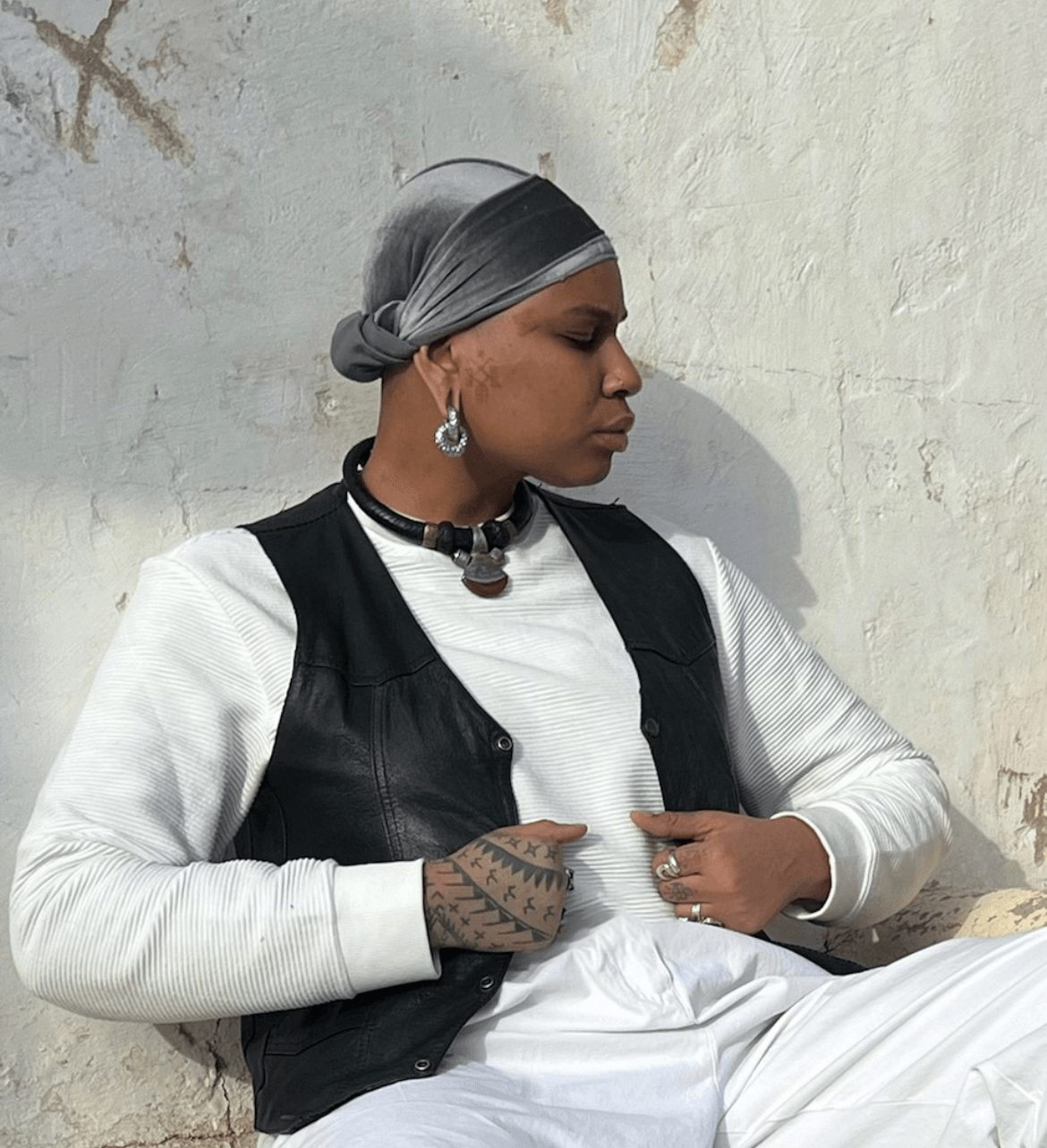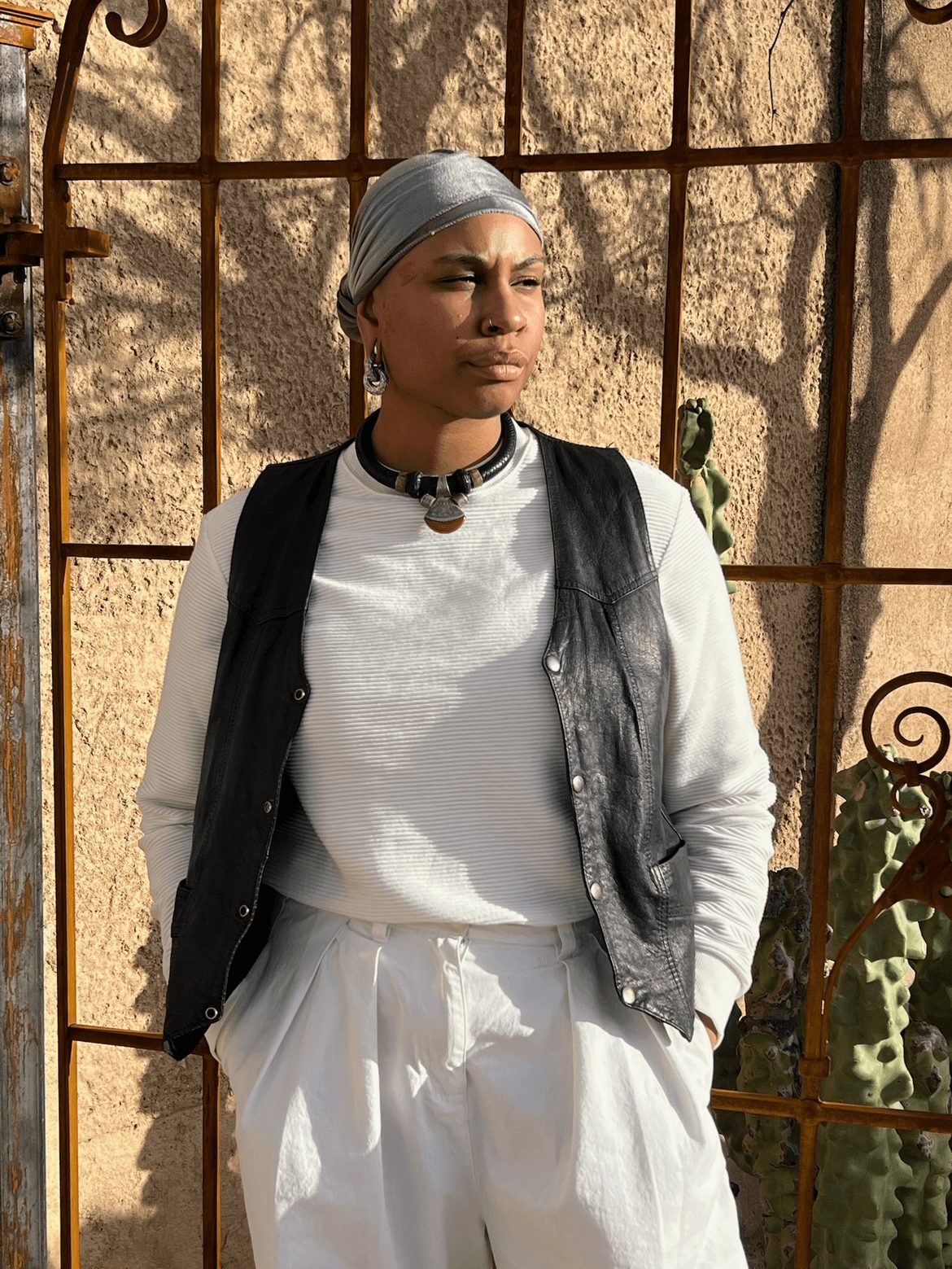
Today, we’d like to introduce you to Saki Savavi.
Hi Saki, thanks for sharing your story with us. To start, maybe you can tell our readers some of your backstory.
I’ve always been a multi-talented creator, from painting and writing to sewing and dreaming.
Over the years, curiosity has taken many turns and detours, ultimately developing into my current interdisciplinary artistic practice, which includes documentary filmmaking, cartography, and the healing arts.
We all face challenges, but looking back, would you describe it as a relatively smooth road?
The road hasn’t been smooth, but one thing that kept me centered through it all has been this unshakeable devotion to my excitement. It’s guided me through all the chapters where I mined places I didn’t belong, looking for myself.
It’s helped me find my home (for now, at least) in Southern AZ with nothing but $2k to my name. Following my excitement has taught me when to leave and when to take a second look at my own intentions. Following my excitement has made the windy, textured road a pleasurable obstacle course.
I appreciate you sharing that. What else should we know about what you do?
I am an Interdisciplinary Artist, Ancestral Archivist, and Documentary Filmmaker. My practice is rooted in a devotion to the relationship with the Natural world around us as well as a devotion to investigating the stories that have shaped our world today.
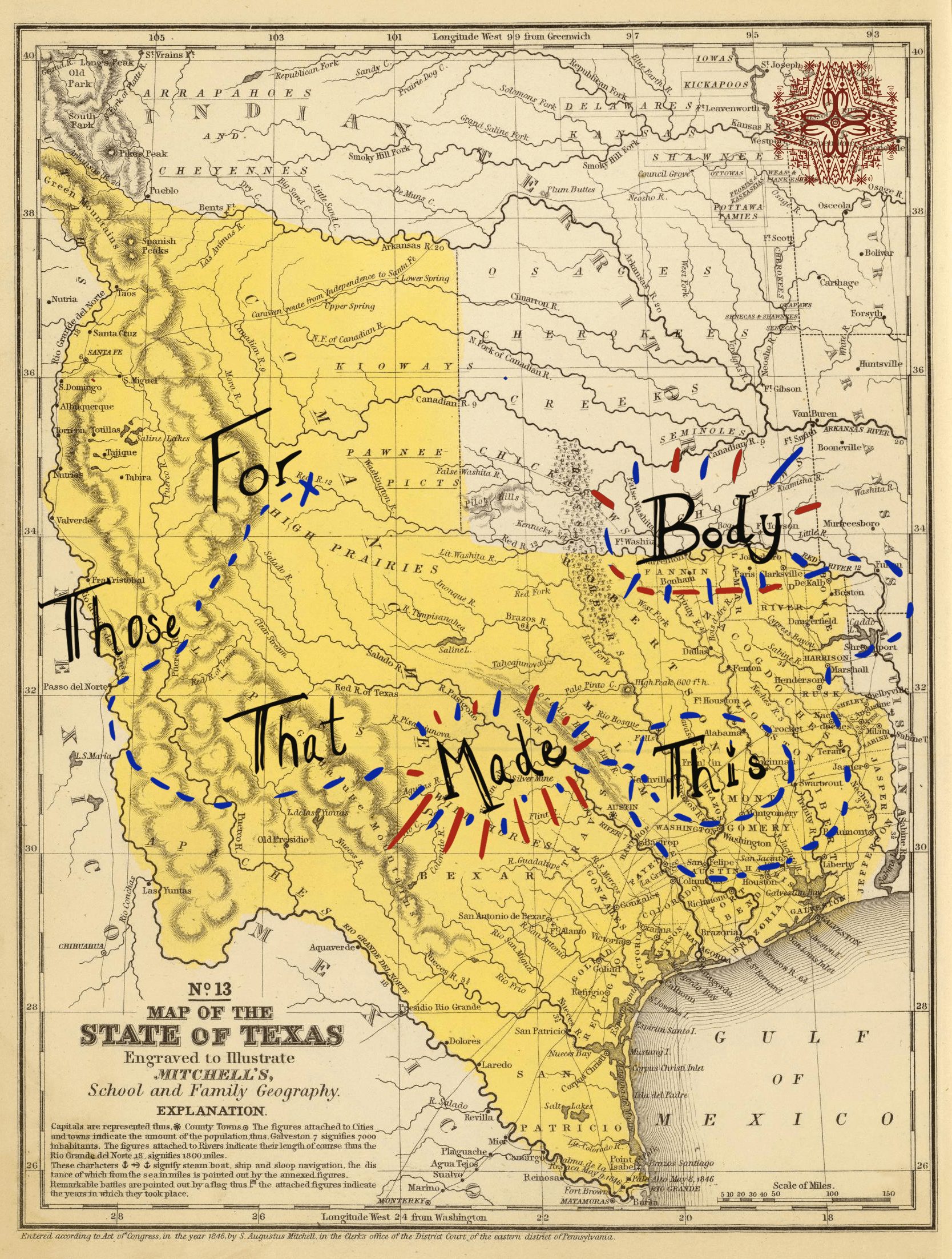
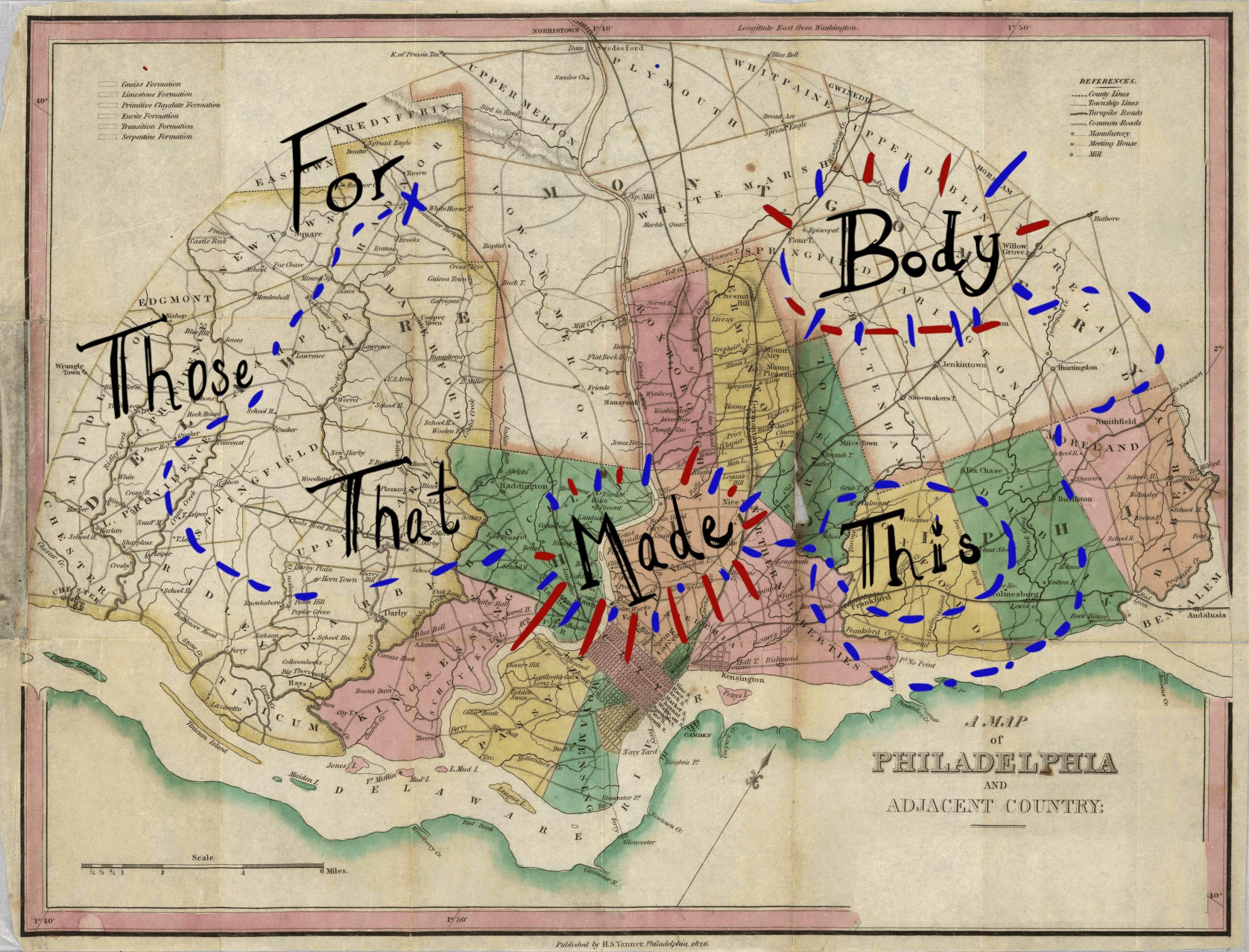
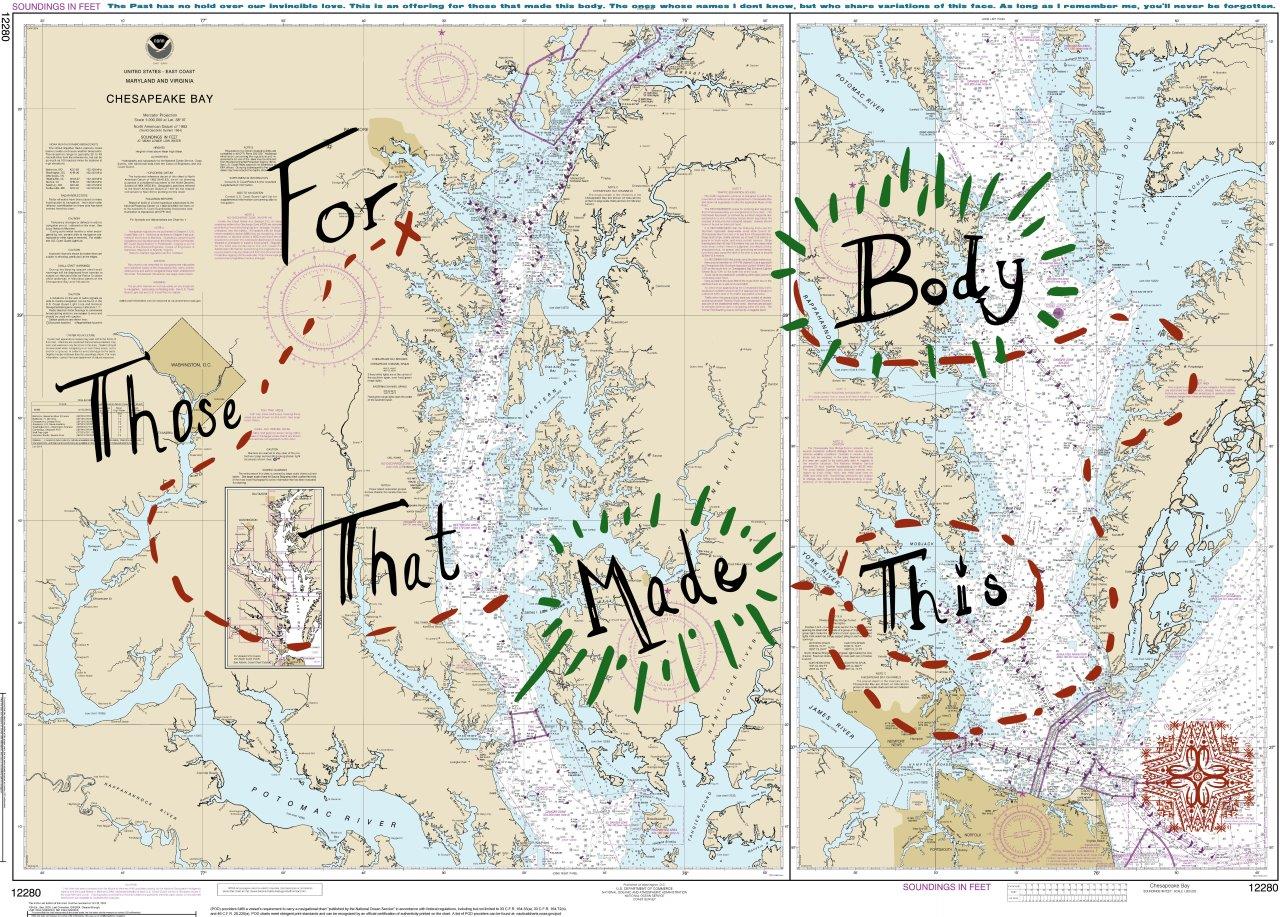
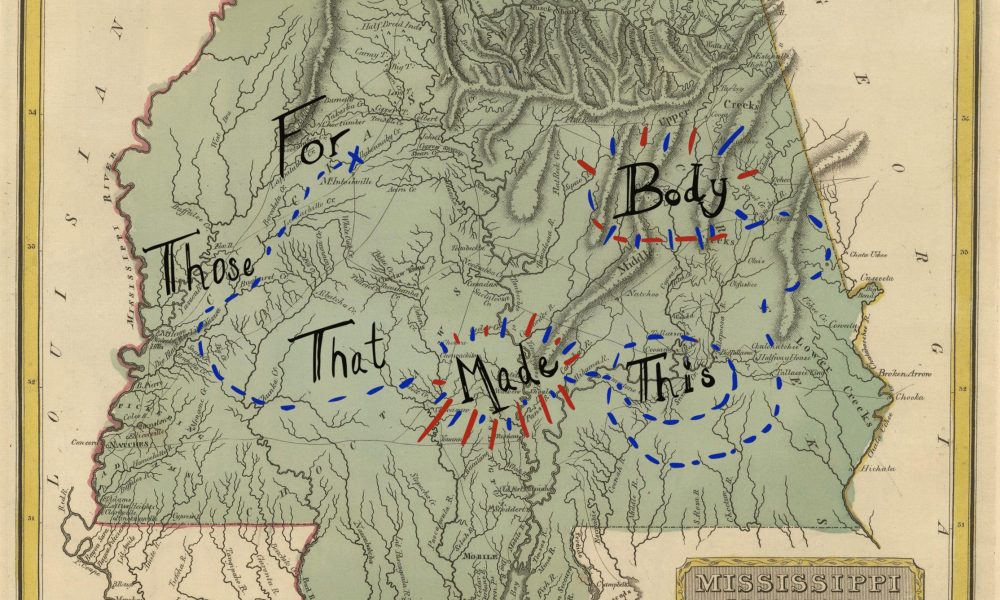
This really reveals itself through my work as a Cartographer, so I’ll stay here. I adore reworking archival maps to have more breadth and dimension of what’s happened/happening at an ecological and ancestral layer. I believe that through cartography, we can remember the stories of those who came before us and even repair our skewed relationship with the land we’re living on.
My reimagined maps combine traditional navigation charts with symbolic elements from indigenous cultures, including those of the African Diaspora. These artworks create a dialogue between past and present, offering a more inclusive and holistic perspective on mapmaking. By embracing Indigenous worldviews and decolonized perspectives, we can create maps that are not only tools for navigating the world around us but also help us navigate our inner landscapes, thus creating powerful expressions of cultural identity and ecological stewardship.
I’m drawn to Cartography specifically because it is traditionally a tool of colonial expansion, and, at least for me, it is now being transformed into a medium of cultural revival and resistance. I’m reminded of the words of Carolyn Finney: “What about my indigenous sisters and brothers? What of the non-human species that hold forth daily? What of the trees that reach for the skies? The echoes of our presence can be felt in our absence, in the erasure and negligence with which we are all too familiar”.
What do you like and dislike about the city?
Tucson is a city that goes to sleep. It’s very much in tune with the circadian rhythm of the land it exists within. This is a city where you can spend decades hiking and exploring and still feel like you are in.
I also adore that we are surrounded by mountains in pretty much all directions. My least favorite thing would be the necessity of cars. It’s not really a walkable city, but it’s a con I’d take any day.
Contact Info:
- Website: https://www.selestialdrip.com
- Instagram: https://www.instagram.com/sakisavavi/
- Twitter: https://x.com/sakisavavi
- Other: https://www.etsy.com/shop/TarruNadi