


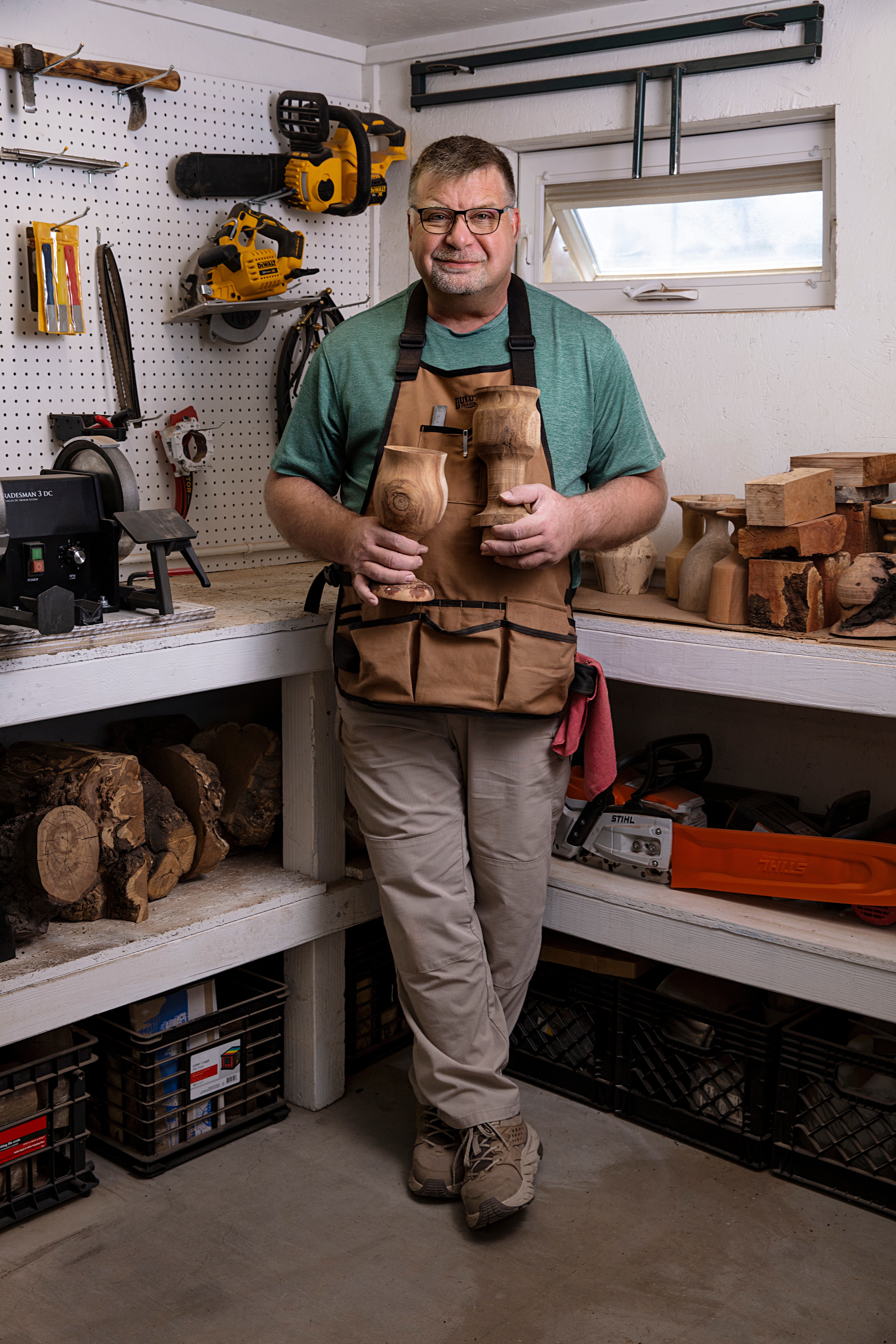
Today we’d like to introduce you to Mark Caron.
Alright, so thank you so much for sharing your story and insight with our readers. To kick things off, can you tell us a bit about how you got started?
My Story? Well I don’t know if we have that much time! But it’s really the stereotype story of every artist. Had good job and career path, started my art form as a way to unwind from work, and now what with retirement looming, i got serious about my art. That’s the short form answer. To stretch that out a bit, my brother Kevin Caron (www.kevincaron.com) who is a very famous artist, grew tired of my saying “I could do that too” gave me the “put up or shut up” speech, so i bought a lathe and got started. My friends saw that i had a talent and encouraged it, and well, here we are. My form developed from trial and error, my finishing techniques were borrowed from a old book i found on vacations, most of my raw materials came from trees blown down during storms, and a lot of my tools are repurposed or reground to my style. Never had a lesson, my mentor is a painter and my goal is to make that one piece that will tell the whole story.
Would you say it’s been a smooth road, and if not what are some of the biggest challenges you’ve faced along the way?
Smooth road? Far from it! My autobiography will be titled “Sawdust and Failures”. Of all the materials to sculpt with, wood has got to be the hardest to deal with. Cracks, checks, splits, interior flaws you can see until you open them up, warping, refusal to accept finish, it’s all in one piece of wood. The biggest challenge is developing a sense of humor and having a big shop to set aside half finished projects so they can dry out and be safe to work with. Remember, in my form, the wood is spinning at high RPM and trying to come off the machine and chase you across the studio. So one of the biggest challenges is keeping the work piece on the machine and not flying towards your face! So sawdust, chips, standing in one spot for hours, a questionable playlist and dry mouth is a big part of what i deal with. It’s not all art shows and polite questions. And I would not change any part of it!
Thanks for sharing that. So, maybe next you can tell us a bit more about your work?
Wow! That’s a lot to pack into a few answers. What i do is called woodturning. Using a lathe, special chisels and different mounting techniques, I rotate the wood at high speed and carve away at the blank until I reach the desired shape that I am trying to make. As for specialization, i work in hollow forms which are vessels with a small opening and the rest being hollowed out. Im best known for my own special form, called “Southwestern Kintsugi” which is filling the gaps and cracks of a piece with crushed turquoise. Its meant as a nod to the Japanese art of Kintsugi, which uses gold to repair broken pottery. I am most proud of using various desert woods like mesquite and ironwood for my sculptures. My work is different in the fact that i don’t laminate or glue together blanks to work with, i only use single pieces to create with.
Risk taking is a topic that people have widely differing views on – we’d love to hear your thoughts.
It’s a risk every day you walk into the studio. Chances of injury, chances of failure, chances of having a piece falling apart, finishes not turning out correct and just the chance of burnout are all on the menu, each and every day. But you have to take risks to advance in your form. You have to try new things and new techniques, you have to step outside of your comfort zone and just try. if you don’t?, you will be looking for a new art form sooner rather then later. For me it’s a “take a breath and leap” approach to risk taking. I will chuck up a new piece in the machine and just start cutting. I let the wood take me to where it wants to go. No preconceived notions, no direction, just exploring the form and the tools.
Pricing:
- Price to impress, not to sell
- Price from the heart, not the wallet
- Price to represent YOUR investment
- There is no such a thing as too high pricing
- Leave some room to negotiate with the right customer
Contact Info:
- Website: https://www.markcaron.com
- Instagram: Mark Caron Wood Art
- Facebook: Mark Caron Wood Art
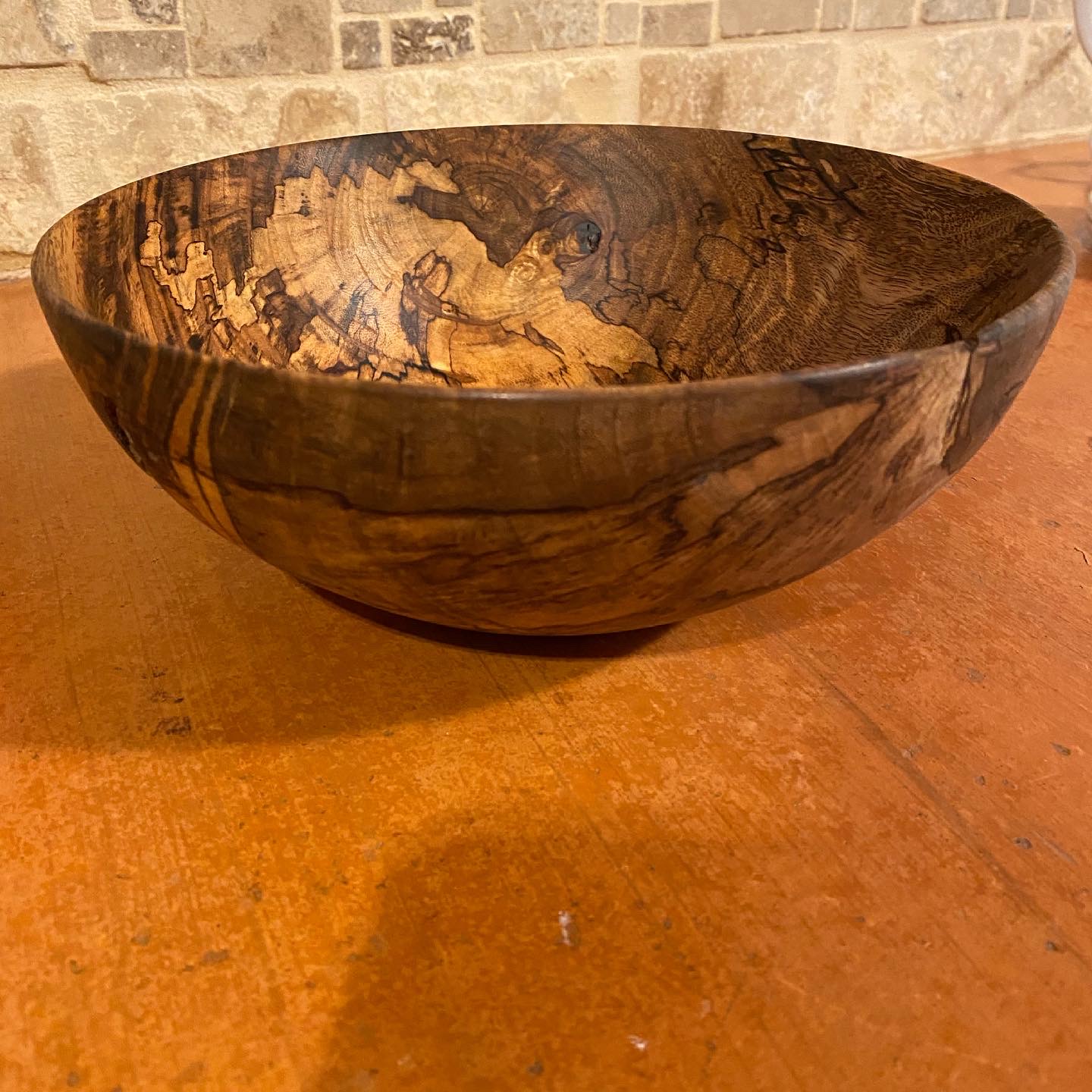
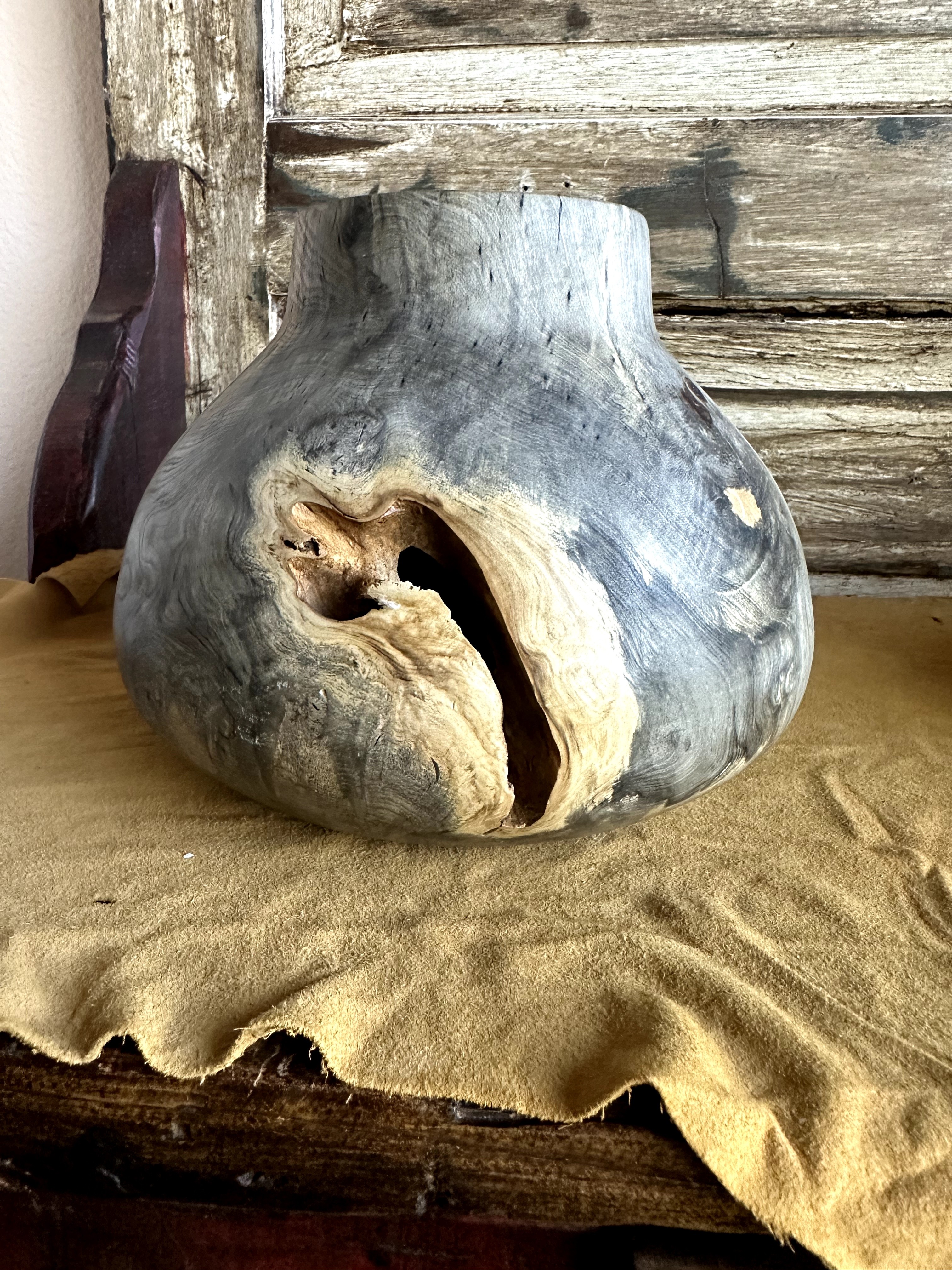
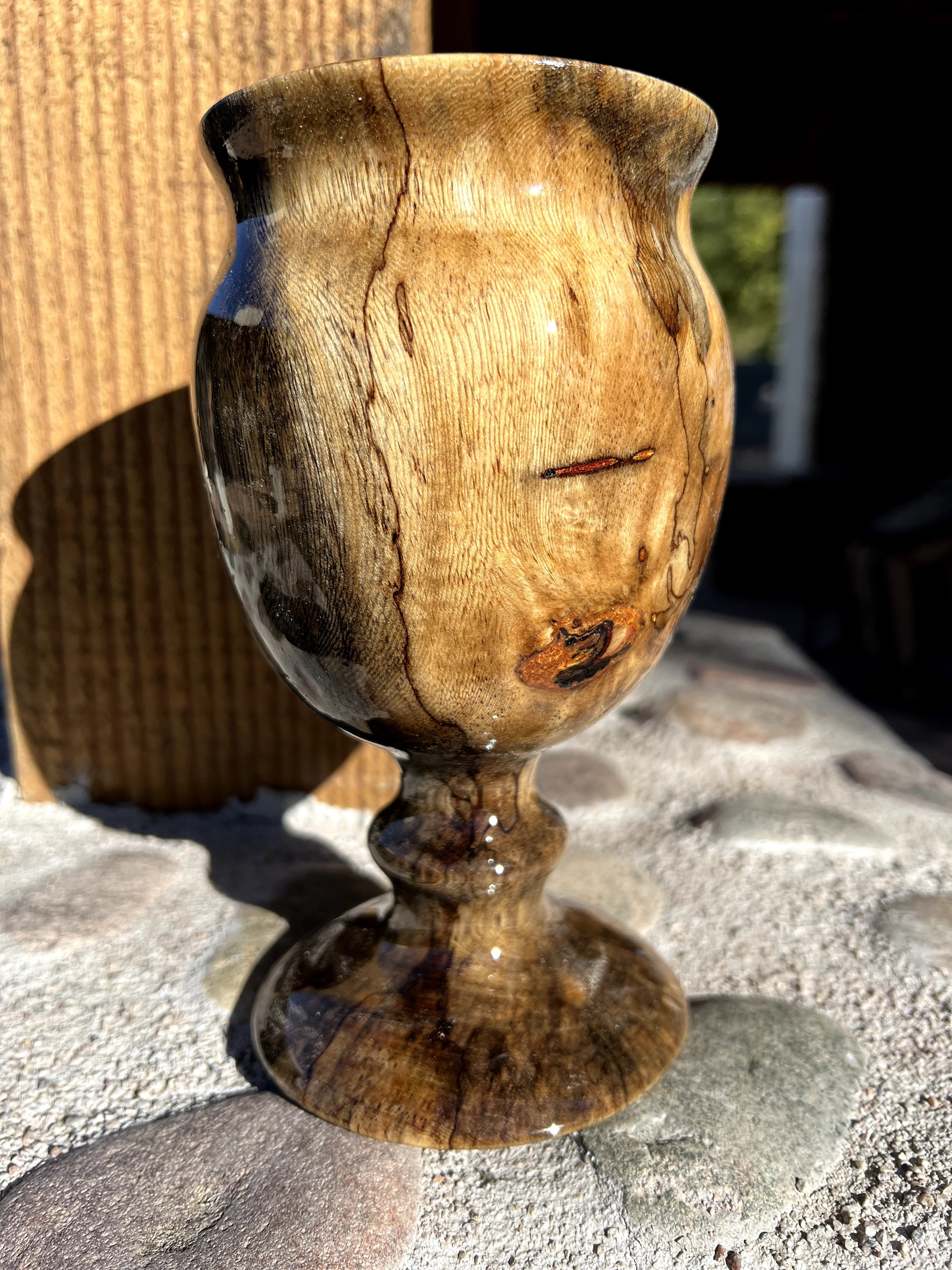
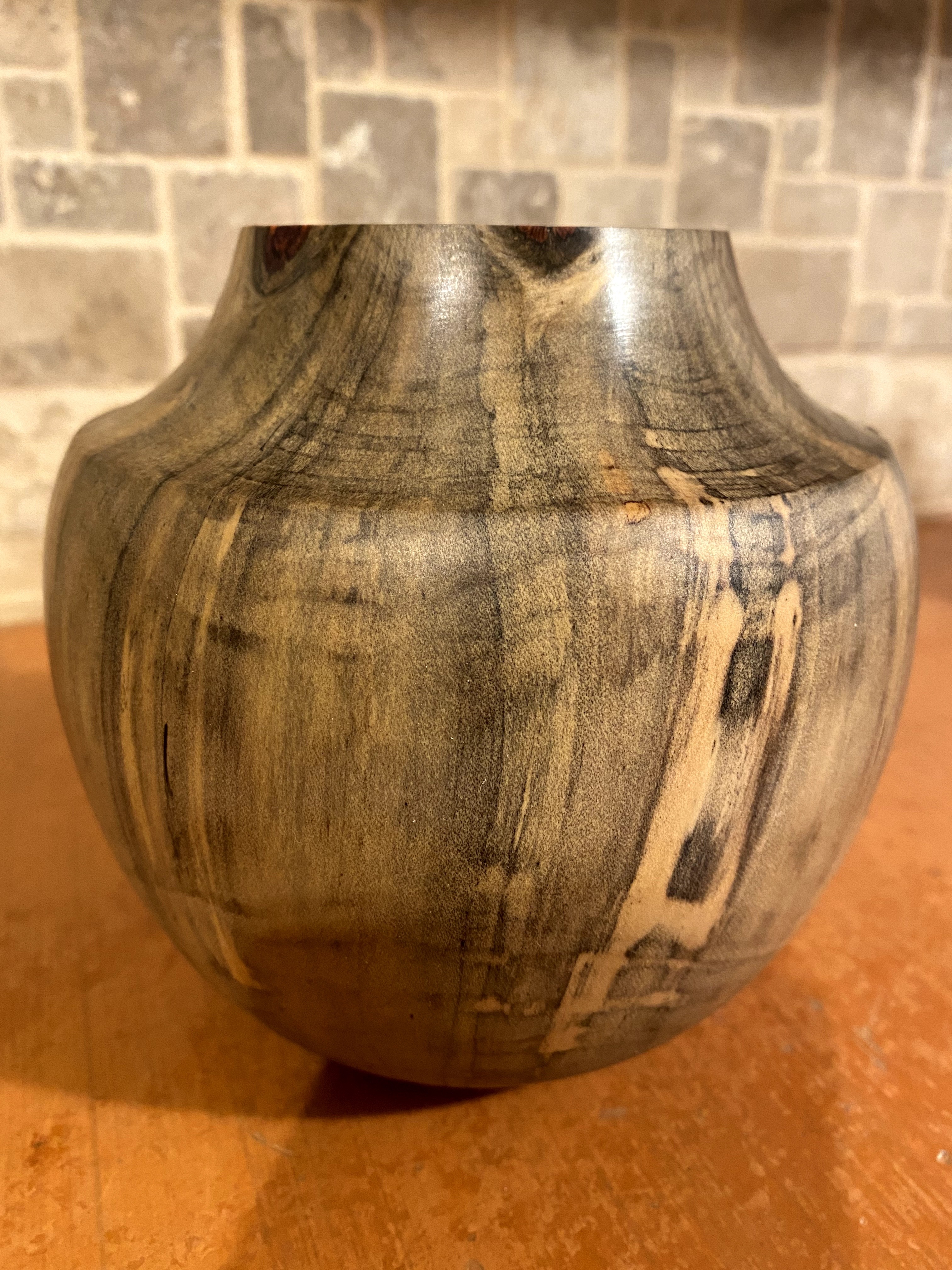
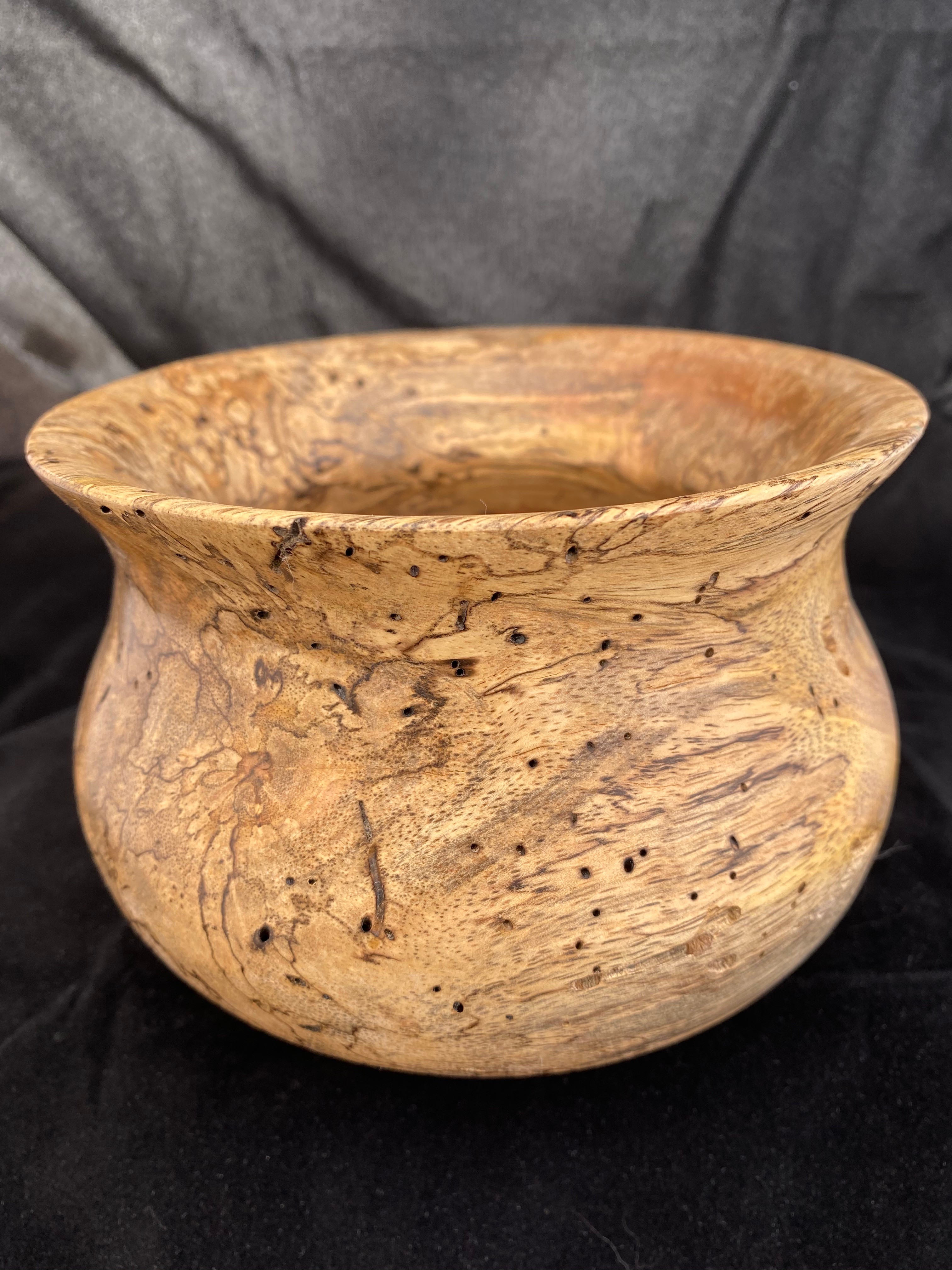
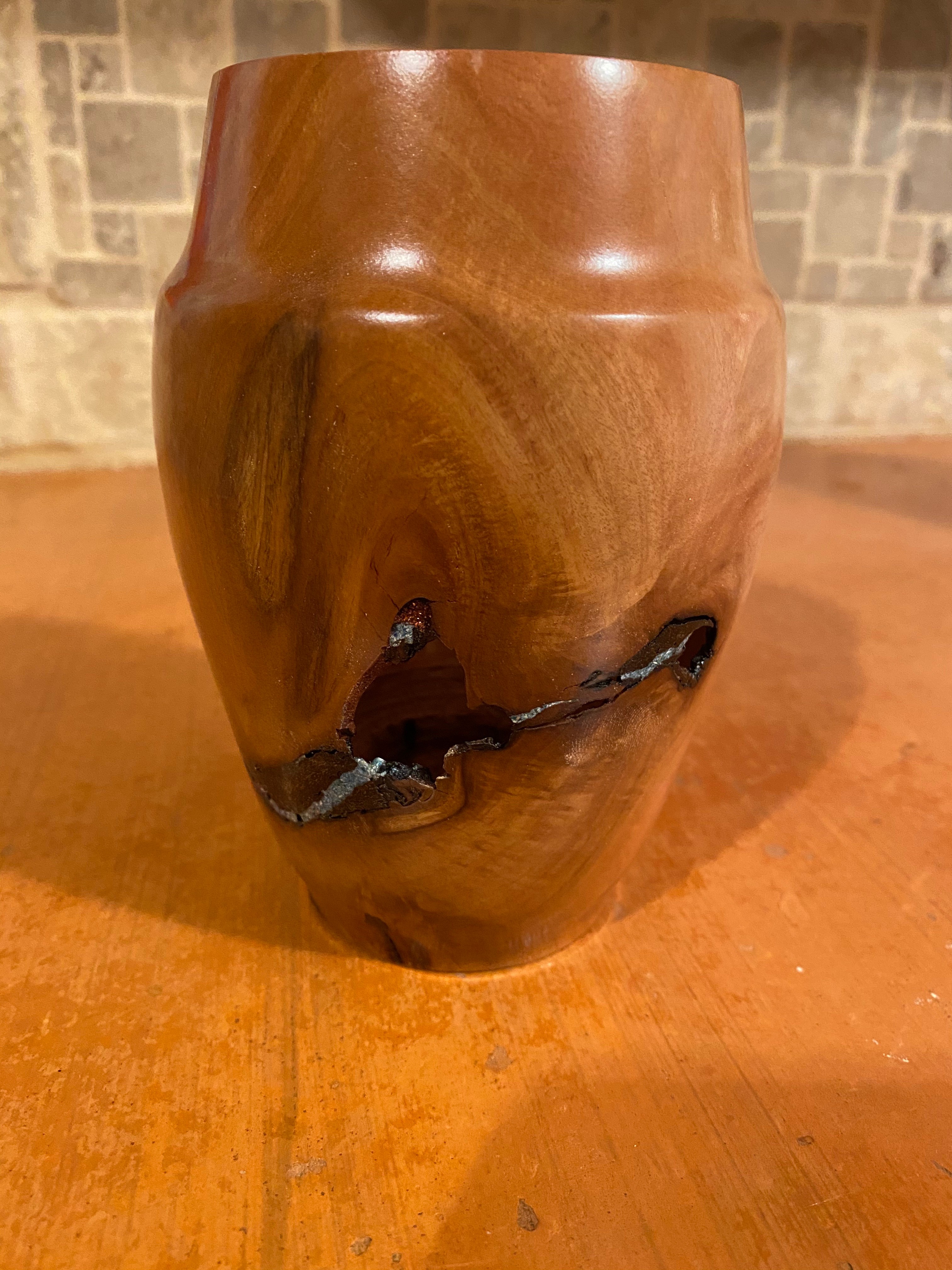
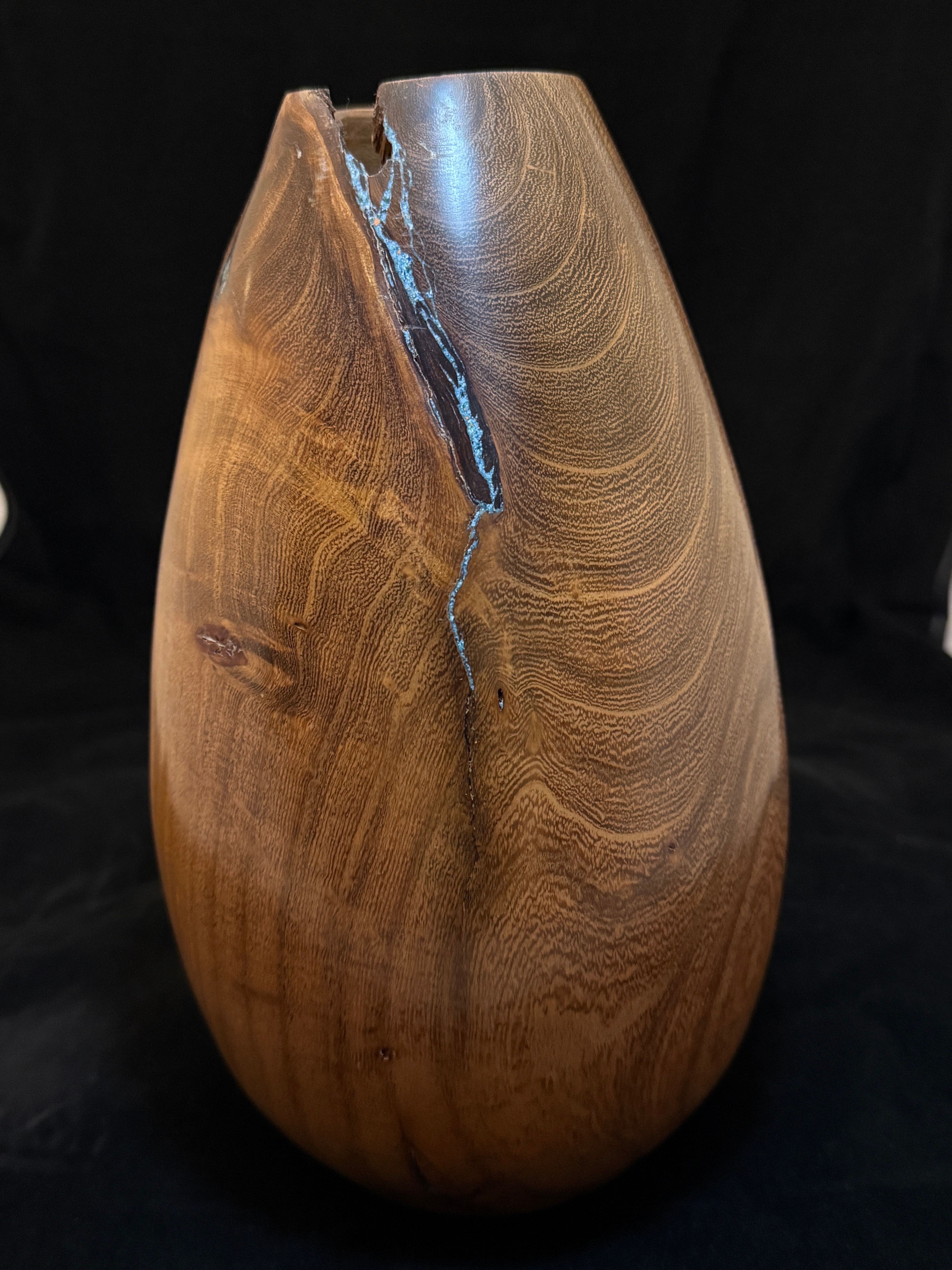
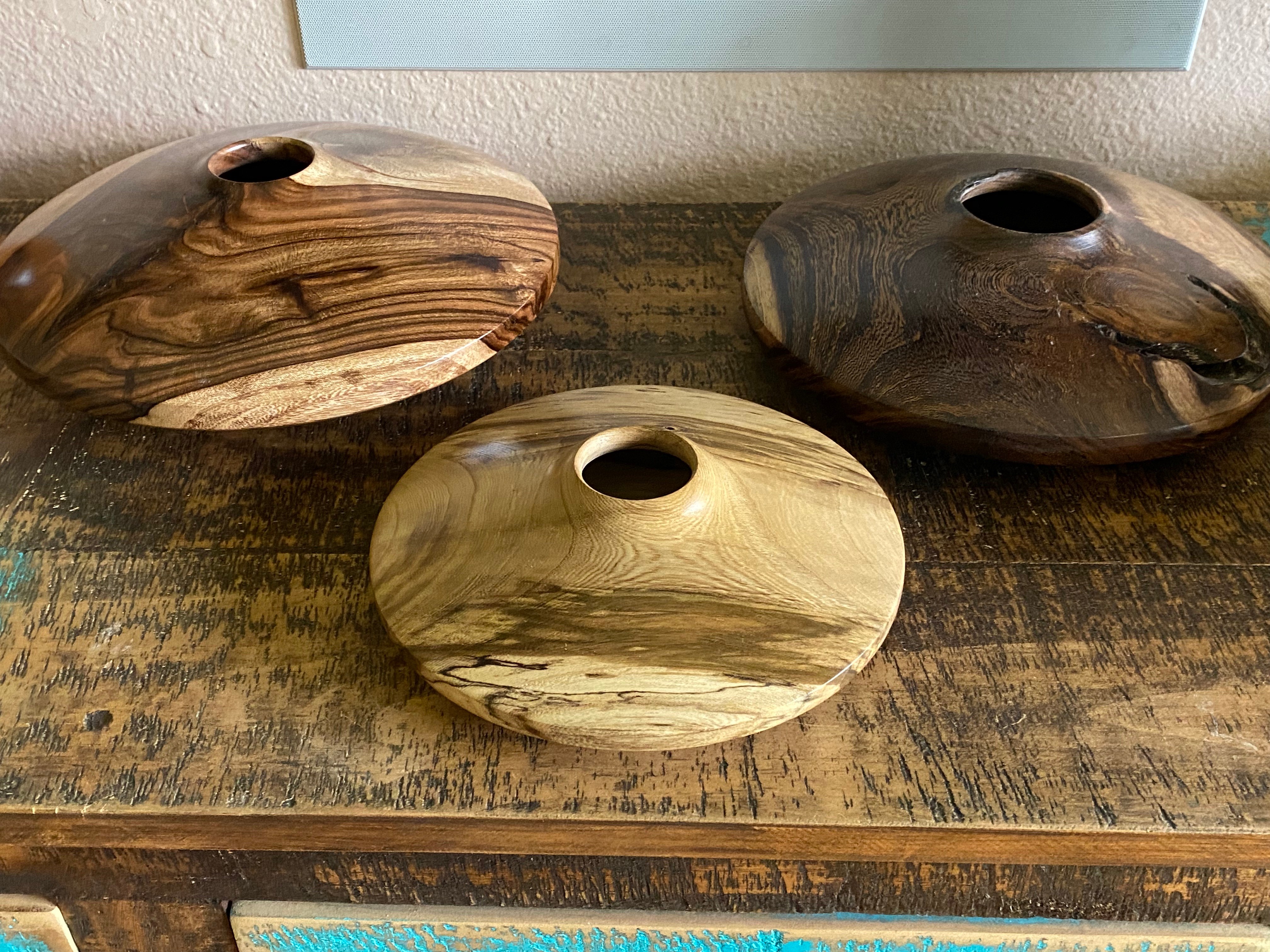
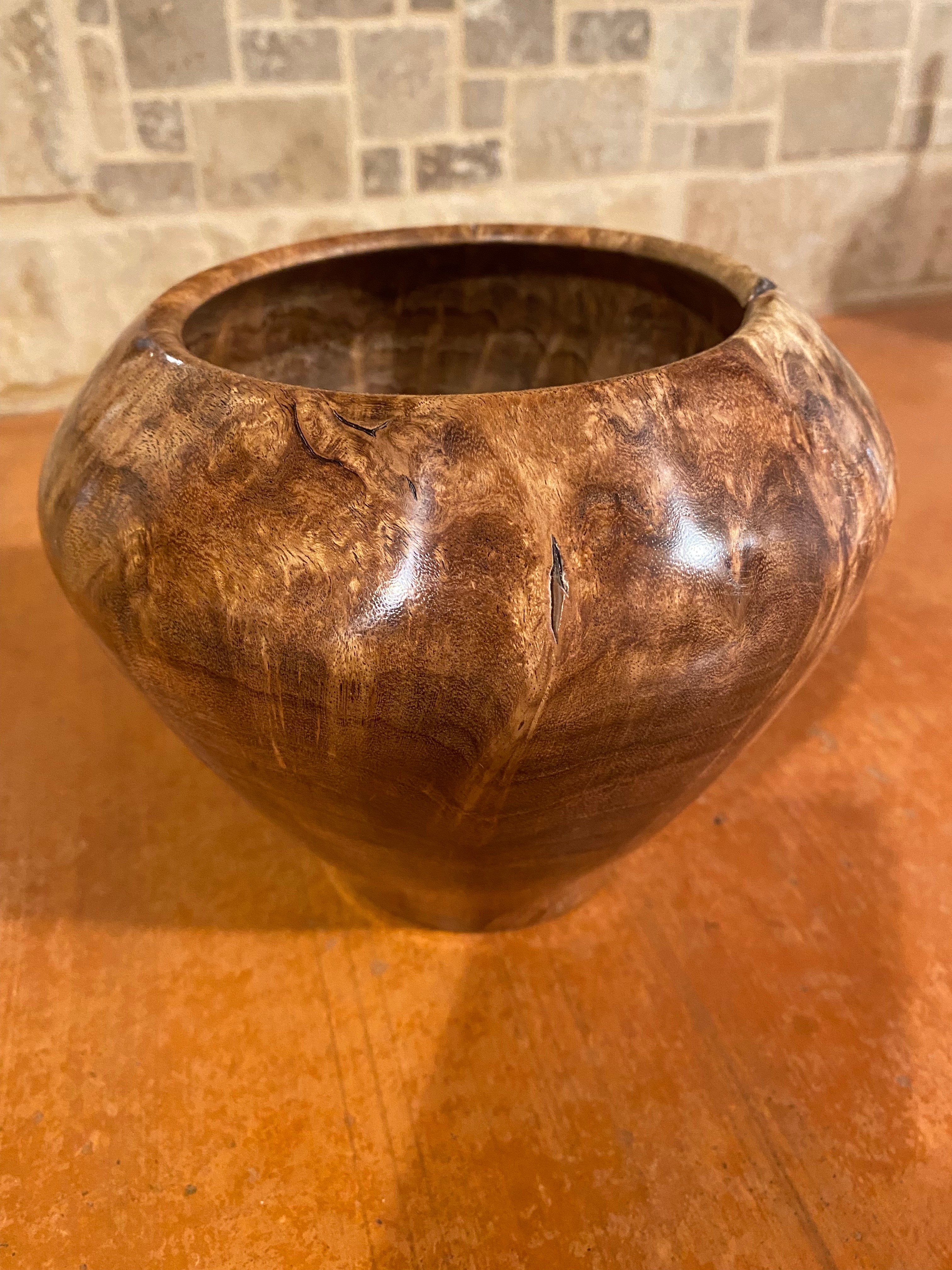
Image Credits
Photography by Natasha Murano
Popular
-

Isaac Navias on How AI Search Is Reshaping Local Discovery and Building Businesses for Freedom
-

Phoenix’s Most Inspiring Stories
-

From Manuscript to Meaning: How Lauren Wise Is Helping Authors Turn Stories into Lasting Impact
-

Designing the Invisible: Jennifer Hassett on the Rise of Fully Staffed Luxury Households in Phoenix
