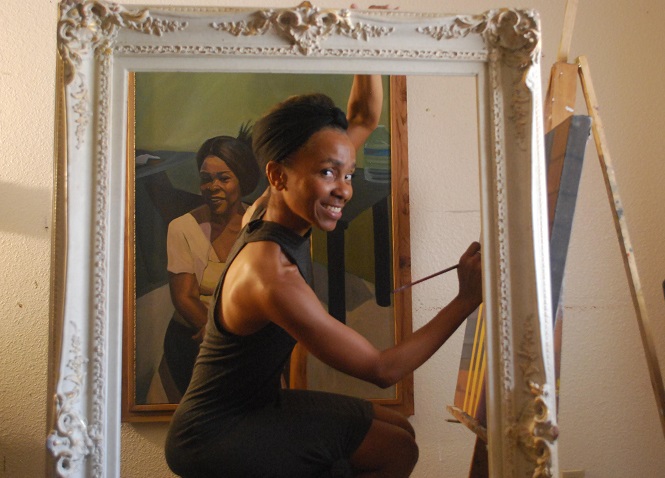
Today we’d like to introduce you to Carla Keaton.
Carla, we’d love to hear your story and how you got to where you are today both personally and as an artist.
My clearest memories as a child, was watching my parents walk up the stairs towards their bedroom after a late, long, tiresome night at work. My father would arrive home first, then my mother would come home shortly after. My bedroom was positioned directly in front of the staircase leading upstairs. Pretending to be sleep, I watched them as they made the way wearily to their bedroom. I read their faces well, catching the subtle changes in their expression, which told me if they were, uneasy, exhausted, upset, weary, overwhelmed and on occasion happy. I worried about them, and wondered why they worried. They never knew I was watching.
My father told many stories on many occasions (mainly at the dinner table) about his early years, and difficult days in the Mississippi cotton fields. I was little, but I remember telling him I would tell his story one day. He remarked that no one would want to hear them. His response was heartbreaking and as a child, I felt powerless. Now as an adult, I have the ability and the power through art, to share my father’s story, and other diverse stories of resilience, and the human will to survive under unfavorable conditions.
We’d love to hear more about your art. What do you do you do and why and what do you hope others will take away from your work?
In my youth, I would spend hours in my room drawing, and the experience was euphoric. As an adult, the same still holds true. Drawing and painting for me creates an atmosphere that brings to life a sense of balance, purpose, passion and contentment, unlike anything else I have ever experienced.
When I started taking art classes in high school, my first drawings were of the human face. I referenced photos of people, attempting to capture their faint expressions, and wondered what they were thinking. I have always been drawn to the subtle expressions of the human face. It probably began with having to read my parents thoughts, when words weren’t spoken. I grew up in an atmosphere where very little was ever said, and feelings were rarely expressed. Work was my parent’s sole companion. They worked long, and they worked hard. Bills had to be paid, and children had to be fed. Quality time was not affordable. I looked forward to the late evenings when my mother and father returned home from work, and stayed up way past my bedtime just to steal a glimpse of them wearily climbing the staircase towards their bedroom. They were tired and worn, and too tired to notice. I observed the drain on their faces, the anguish in their eyes, and the exhaustion of their bodies. It was all very clear. No words needed. No questions asked. Whenever I caught, what I thought was a rare glimpse of my father smiling, I’d happily ask him “what are you smiling about”? Sadly, his response was always the same. He’d remark “I’m smiling to keep from crying”.
This has been the inspiration for my work ever since.
Early on as a portrait artist, I felt the subjects in my portraits, had stories to be revealed behind the subtle emotion or expression on their faces or in their body language, and when given the opportunity, I visually tell the stories., As I evolve as an artist, I am relentlessly driven to use art as a form of communication. My objective is to share with and educate a larger audience concerning matters of human rights, and bring awareness to the diversity of experiences that ultimately affect us all.
Lastly but most importantly, I create the work that I do, to honor and pay tribute to my father and ancestors that sacrificed their lives and dreams, in hope of securing a brighter future for their descendants. My paintings and drawing range in technique from photo realism, to realism, and abstract realism.
The sterotype of a starving artist scares away many potentially talented artists from pursuing art – any advice or thoughts about how to deal with the financial concerns an aspiring artist might be concerned about?
Thinking outside of the box, recognizing potential opportunities and sacrifice, is my best piece of advice. Be true to yourself, determine what works for you, and run with it! No matter the opinions of others. Time is of the essence. If you give too much weight to others plans for you, you will never pursue your own. Allow yourself to fail and learn what you can from it. Pick yourself up by the bootstraps if you fall, and keep on stepping. Have courage and take risks within reason, but your reason, don’t let others determine it for you.
Finances are always a struggle for the artist. Each artist is different and not one size solution fits all. For me, working a regular 9-5 and working on artwork in the evening never cut it for me. I was faced with the challenge, of being forced to be creative within a structured time frame, and my inspiration didn’t work that way. I needed flexibility. I have a degree in fine art and anthropology. Fortunately, I enjoy teaching, and I used my degree to substitute teach during the school year. Substitute teaching allows me to pick and choose my own schedule. I can work as often as I like and as I need. I am fortunate to not have many wants, so I am able to sacrifice the material desires of most, and am very resourceful. Find ways to make money (legally) by thinking outside of the box, and find ways to save money, to help you achieve your artistic goals.
Do you have any events or exhibitions coming up? Where would one go to see more of your work? How can people support you and your artwork?
Currently, I have two upcoming exhibits. The first exhibit will be at ASU Gallery 100 for the Permanence exhibit. This exhibit begins August 27th and runs through September 6th. Permanence is a group exhibit, honoring and celebrating the contributions of immigrants, in the United States. I will be exhibiting a series of paintings from my project and collection of paintings titled The Sharecroppers, and the Cotton Pickers of the Southwest. This project was funded in part by the Arizona Commission on the Arts and the National Endowment for the Arts. The second exhibit is a group exhibit as well, hosted by the Arizona Chapter of the ACLU, titled In This Together, and will be a traveling exhibit, featured in museums, universities and galleries, across the state of Arizona for one year. This exhibit will also feature work from the Sharecropper collection. Information regarding the tour location can be found at https://www.acluaz.org/en/call-artists-together-exhibition.
Those interested in learning more about my project, The Sharecroppers and the Cotton Pickers of the Southwest, can visit and like my FB page, The Sharecroppers. I will post updates on venues where the collection will exhibit as well.
Contact Info:
- Phone: 4802281500
- Email: Keaton.carla@gmail.com
- Instagram: keatonfineart
- Facebook: https://www.facebook.com/Keaton-Fine-Art-A-Global-Encounter-260382013992101/
- Twitter: https://twitter.com/betena01
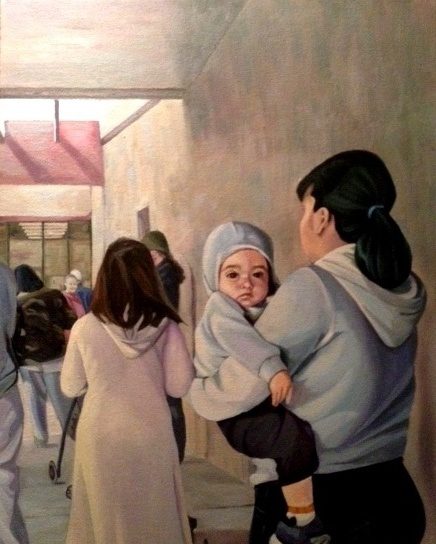
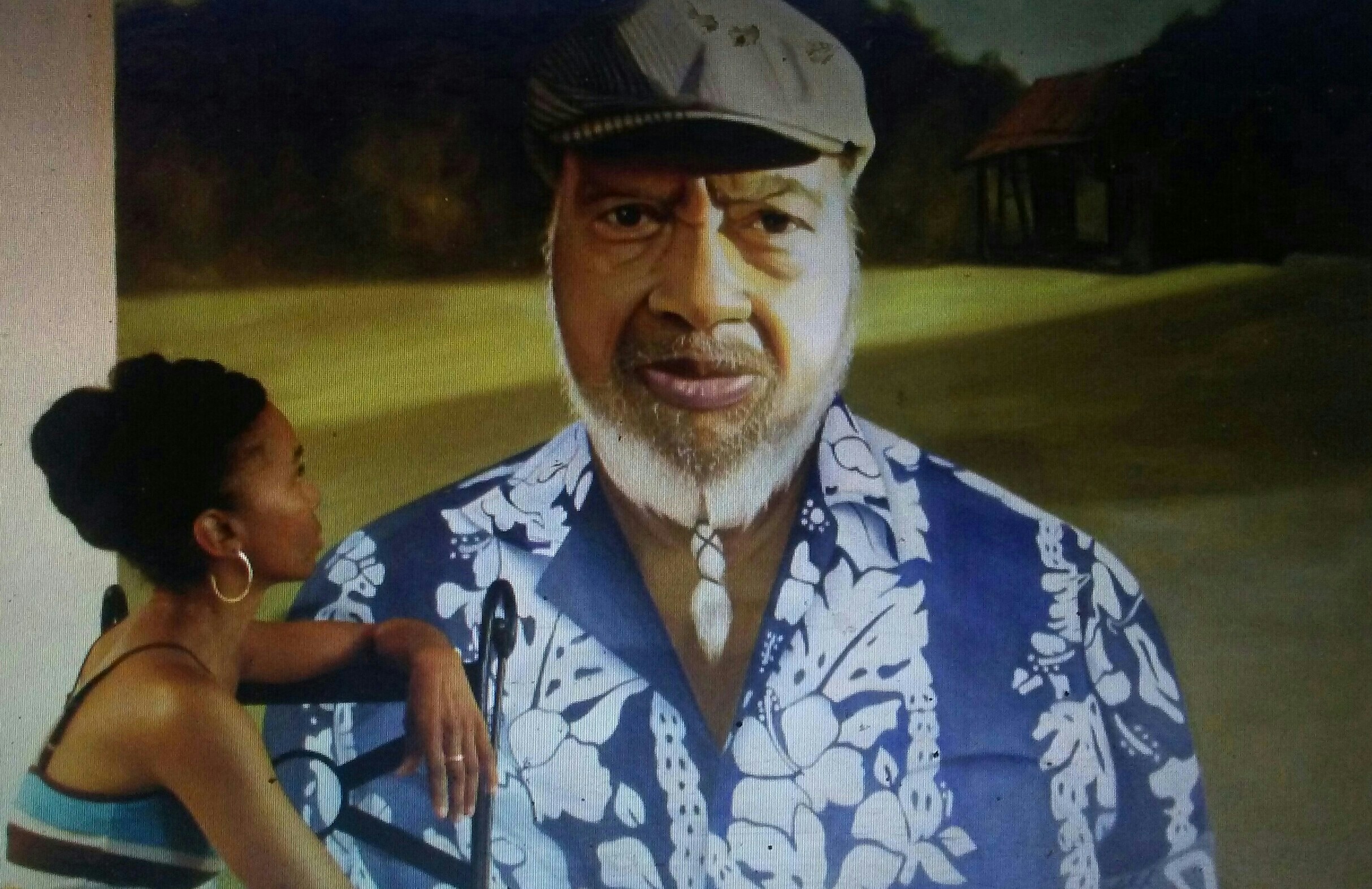
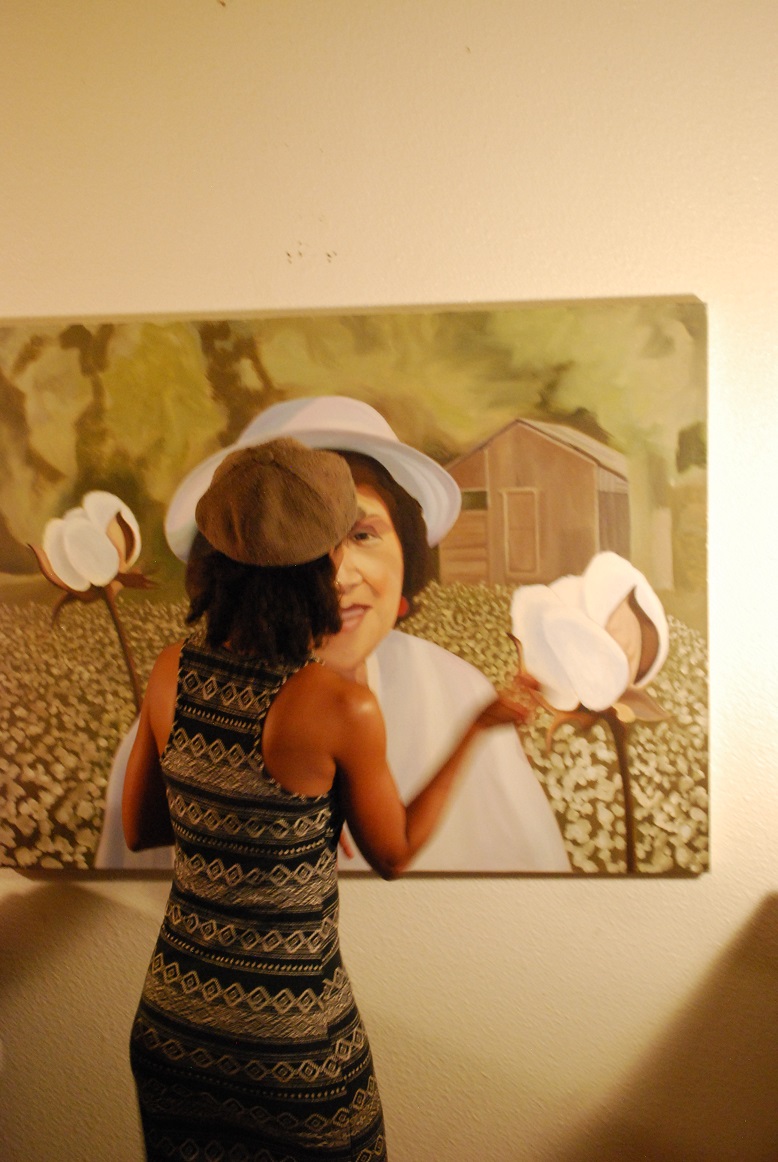
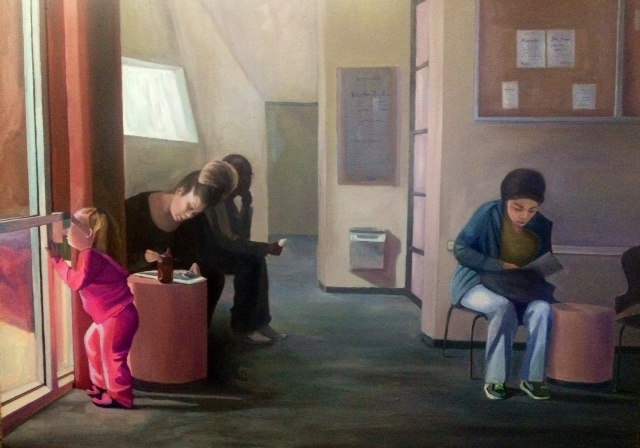
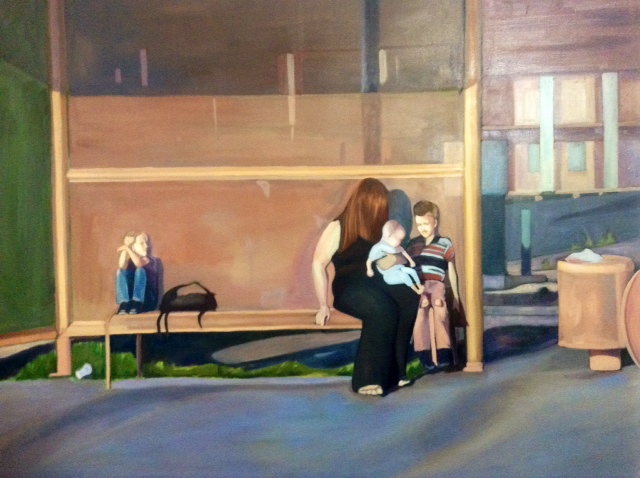
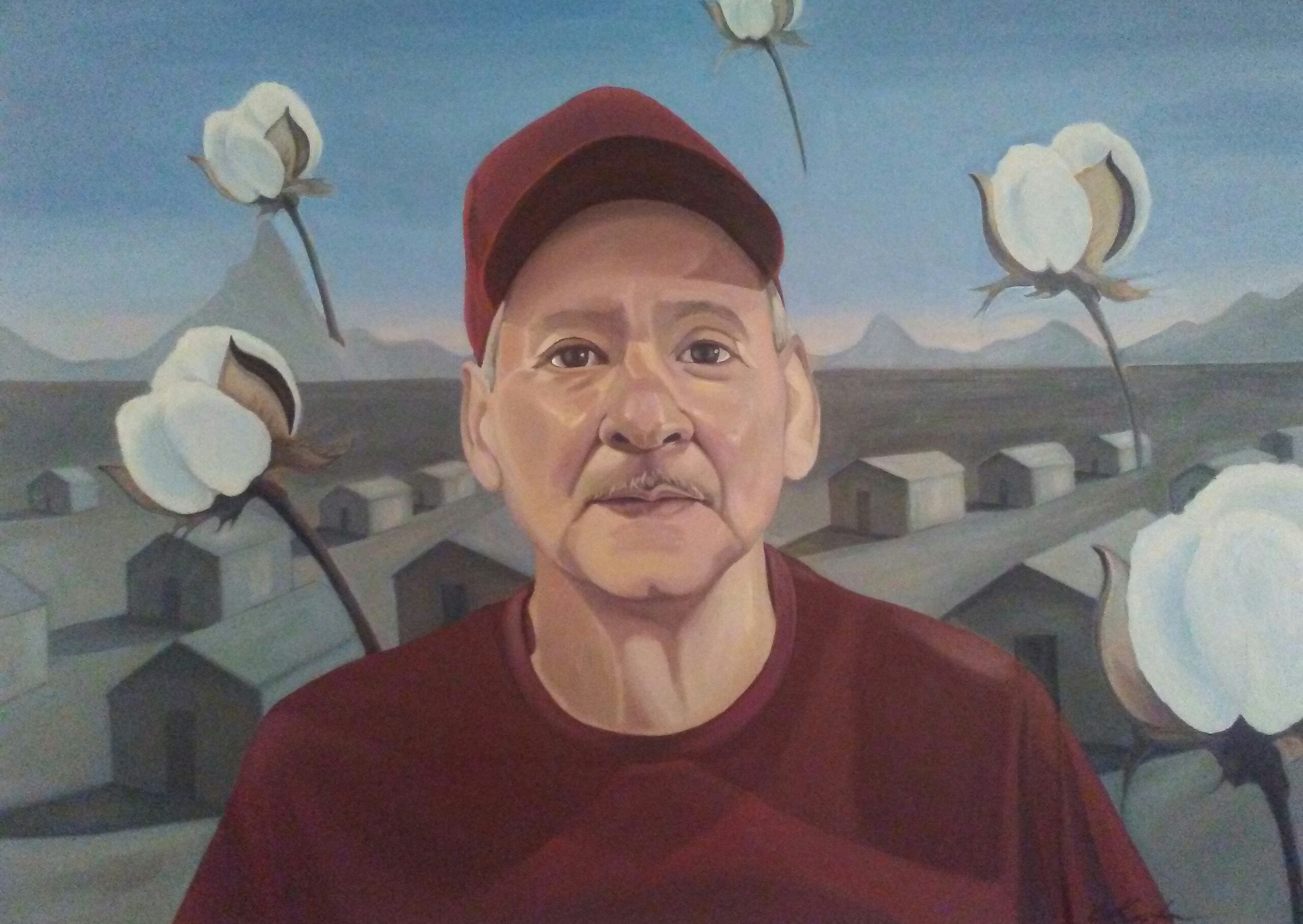
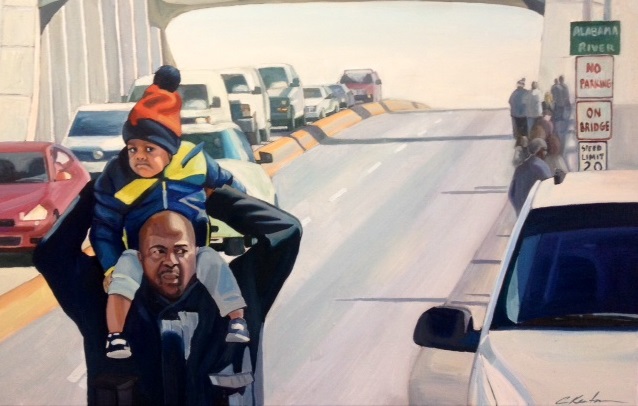
Image Credit:
Kimberlyn L H Keaton
Getting in touch: VoyagePhoenix is built on recommendations from the community; it’s how we uncover hidden gems, so if you know someone who deserves recognition please let us know here.