
We recently had the chance to connect with Iesha Rowan and have shared our conversation below.
Hi Iesha, thank you so much for taking time out of your busy day to share your story, experiences and insights with our readers. Let’s jump right in with an interesting one: What makes you lose track of time—and find yourself again?
Losing Myself in the Music
When you talk about losing track of time, I immediately think of the deep-listening experience. It’s not just background noise; it’s a full-on mental and emotional immersion.
For me, the moment time dissolves is when I’m processing the structure, harmony, and rhythm of a complex piece. I get lost in the beat, the way a chord progression resolves (or doesn’t), or the intricate interplay of different instruments. It becomes a puzzle, a feeling, and a narrative all at once.
The Flow State: I enter that “flow” state where the rest of the world fades out. All the usual distractions, the to-do lists, the constant stream of new information, all stop mattering. There is only the music, and my processing of it.
The Emotional Resonance: Sometimes, it’s not the technical complexity but the pure emotional weight of a melody or lyric that takes over. It can unlock memories or feelings I didn’t know I was carrying, creating a powerful, self-contained world where minutes feel like seconds.
Finding Myself Through the Sound
The paradoxical beauty of this experience is that the same thing that makes me lose the sense of the “now” is what ultimately brings me back, more centered and whole.
When I re-emerge from that deep musical dive, I feel a sense of clarity and calm. It’s a kind of recalibration. I haven’t just been distracted; I’ve been synthesizing.
A New Perspective: The music acts as an emotional or cognitive reset button. Whatever problem or task was causing mental friction before the music started often looks different, smaller, or more manageable after the silence returns.
Renewed Energy: The deep focus I put into listening is restorative, not draining. It gives me a clean slate to re-engage with the world and my tasks, feeling more like me the self that is grounded and ready to move forward.
In short, music is the ultimate tether: it allows me to drift far enough away to lose the noisy confines of the clock, and it’s the anchor that pulls me back, refreshed and with a better sense of direction.
Can you briefly introduce yourself and share what makes you or your brand unique?
I’m Iesha Rowan, a photographer, journalist, podcaster, and the COO of Habari Entertainment. At Habari, we’re dedicated to capturing and sharing real stories that highlight creativity, culture, and community. Our work spans photography, videography, and digital media, and I also host Habari Live, our Saturday morning show that dives into current events and conversations that matter.
What makes Habari special is our focus on authenticity. We’re not just covering what’s trending we’re spotlighting people and stories that often get overlooked. My journey started with a passion for storytelling and evolved into building a platform where artistry and journalism meet. Right now, we’re expanding our media presence and producing more original content that connects local stories to global conversations.
At the heart of it all, my mission is to inform, inspire, and elevate voices through powerful visuals and meaningful dialogue.
Okay, so here’s a deep one: What breaks the bonds between people—and what restores them?
What Breaks Bonds
The bond between people is a tapestry woven from trust, shared experience, and consistent, clear communication. When these threads are damaged, the relationship frays.
Misunderstandings: These erode bonds by introducing doubt and suspicion. When one person’s intent is misinterpreted, perhaps seeing defensiveness where there was nervousness, or apathy where there was simply exhaustion the resulting feeling of being unheard or judged can lead to emotional withdrawal and a rupture of trust.
Miscommunications: Poor communication involves the delivery of a message. This includes things like ignoring cues, making assumptions, passive-aggressive behavior, or a complete failure to talk about important issues. When crucial feelings or needs go unexpressed or are poorly expressed, the relationship loses its foundational transparency.
Neglect and Invalidation: Over time, bonds weaken when people fail to acknowledge or validate the other’s feelings. If one person constantly feels their emotions, efforts, or perspective are being dismissed, they will naturally withdraw.
What Restores Bonds
Bonds are restored not just by apologies, but by a committed, two-part action: Communication and Change.
Communication and Openness: Restoration begins with a willingness to talk, but more importantly, a willingness to listen actively and be open to receive what is being said. This means setting aside the need to be “right” and focusing on understanding the other person’s experience. You must genuinely try to grasp their pain or their perspective, even if you don’t agree with their interpretation of events.
Willingness to Change and Consider Feelings: The crucial step that solidifies the repair is demonstrating a genuine willingness to change behavior or to consciously take the other person’s feelings into consideration in the future. Restoration isn’t just about clearing up the past; it’s about making a verifiable commitment to treating the other person differently going forward. This action-oriented approach rebuilds the trust that the initial miscommunication destroyed, showing that the relationship is valued above one’s own ego.
In essence, misunderstanding creates the barrier, and empathetic, action-oriented communication is the only bridge strong enough to cross it.
When you were sad or scared as a child, what helped?
Writing My Way Through the Fear and Sadness
It didn’t matter what form it took; writing was always the safest, most immediate place to put big, messy feelings.
Sometimes, when the world felt overwhelming or confusing, I would pour that energy into poetry. The rhythm and structure of a poem gave form to feelings that otherwise felt formless. It was a way to distill a huge wave of anxiety or sadness into a few carefully chosen lines, making the emotion manageable. The power wasn’t just in expressing it, but in the act of controlling the words a control I often didn’t feel over the scary situation itself.
Other times, I would write songs. These were always for myself; they were never recorded or shared. Creating a melody (even one I just hummed or tapped out) and putting words to it transformed a personal wound into a dramatic narrative. It took the focus off the pain itself and shifted it onto the creative process, turning something negative into something productive.
Ultimately, writing was my private, non-judgmental confidante. It wasn’t about solving the problem; it was about externalizing the emotion. Seeing the fear or sadness on the page, in my own handwriting, somehow made it less potent and helped me feel found again.
So a lot of these questions go deep, but if you are open to it, we’ve got a few more questions that we’d love to get your take on. What’s a belief or project you’re committed to, no matter how long it takes?
My Commitment to Voice and Memory
The project I am utterly committed to, no matter how much time or effort it demands, is the tireless work of informing the people, telling stories, and preserving memories.
My commitment is centered on giving a platform to what matters and who often goes unheard. This means actively seeking out the stories of individuals and communities whose experiences deserve attention but are overlooked by mainstream narratives. It’s a deep-seated belief that every person’s journey has value, and the act of sharing it is a critical form of justice and connection.
This commitment manifests in providing lasting memories for families and businesses. Whether it’s through the dynamic narrative power of video, the instantaneous, evocative capture of photography, or the detailed investigation of an article, the goal is the same: to create an enduring record.
It’s about turning fleeting moments into permanent assets for a family to look back on a crucial event, or for a business to communicate its true mission and values. It’s a commitment to the idea that these records are not just content, but valuable pieces of history and identity.
Because the need for genuine, meaningful stories is endless, this commitment requires consistent effort, patience, and a willingness to adapt, but it is a project I will see through, however long it takes.
Okay, we’ve made it essentially to the end. One last question before you go. What is the story you hope people tell about you when you’re gone?
The Story of a Life Lived Fully
I hope people remember me as a source of Hope, someone who, even in the darkest or most challenging moments, always believed in the possibility of a better outcome, a brighter day, or the fundamental goodness of people. I hope my presence served as a reminder that difficult times are temporary and that courage is always accessible.
My Passion should be memorable not for what I achieved, but for how I pursued it. I hope the story reflects an intense, infectious enthusiasm for the projects, people, and beliefs I cared about. That I never settled for apathy, but tackled life with full commitment, encouraging others to find and follow their own burning interests.
The anecdotes shared should highlight Generosity, not just in terms of resources, but in the giving of my time, attention, and energy. I hope people recall a willingness to share knowledge, offer genuine help, listen without judgment, and celebrate the success of others without envy.
Finally, I hope the entire narrative is framed by Love, a profound, overarching commitment to connection. That I approached every relationship with a deep sense of care and appreciation, leaving behind a feeling of warmth, acceptance, and unconditional support.
The ultimate story, then, is not about specific accomplishments, but about the spirit with which I lived: I hope they say I left the world a little brighter, a little more hopeful, and a lot more loved.
Contact Info:
- Website: https://www.habarientertainment.com
- Instagram: https://www.instagram.com/habarinewsent/?hl=en
- Linkedin: https://www.linkedin.com/in/iesha-rowan-b9a3b95a/
- Facebook: https://www.facebook.com/iesha.ariel/
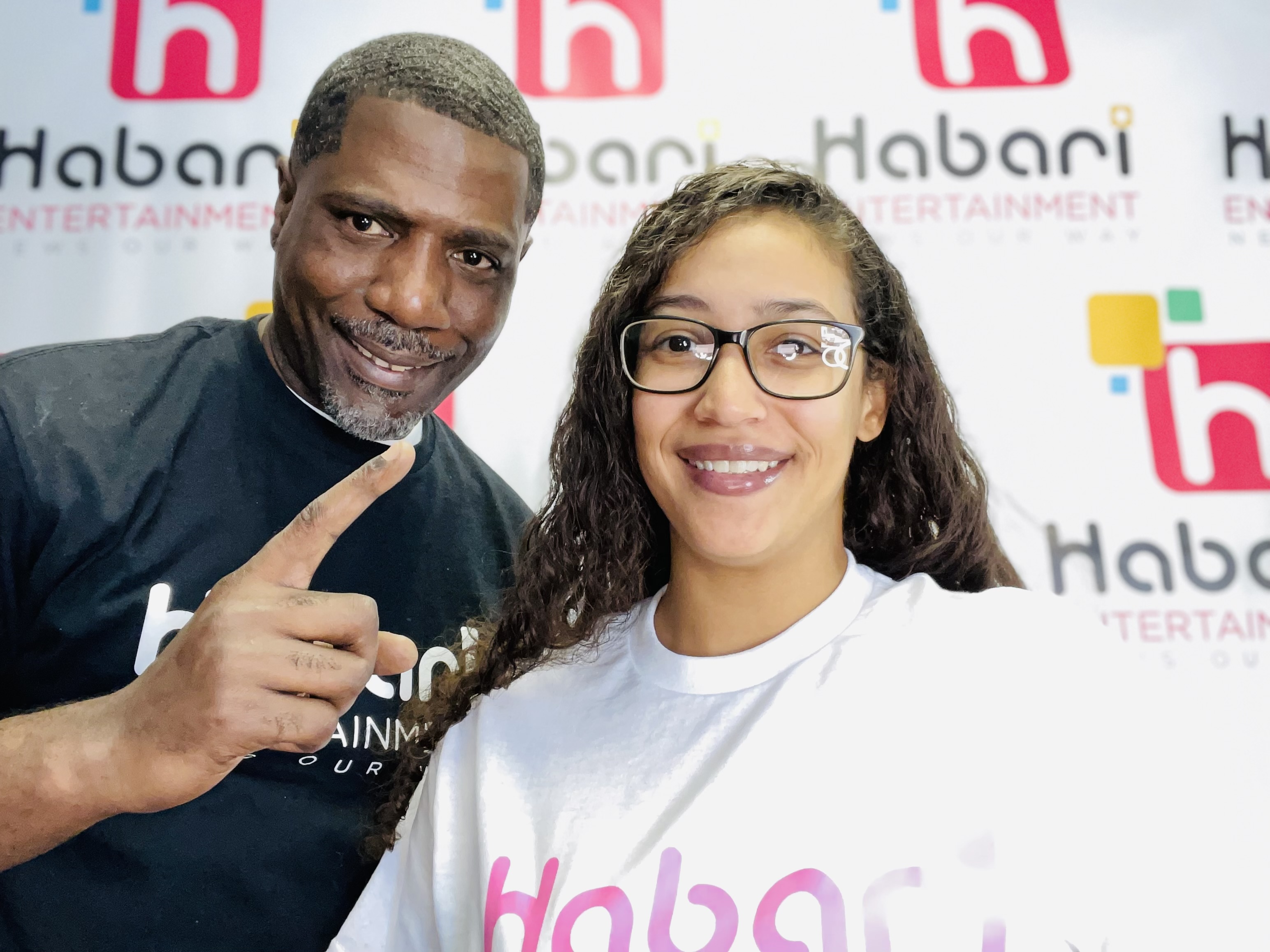

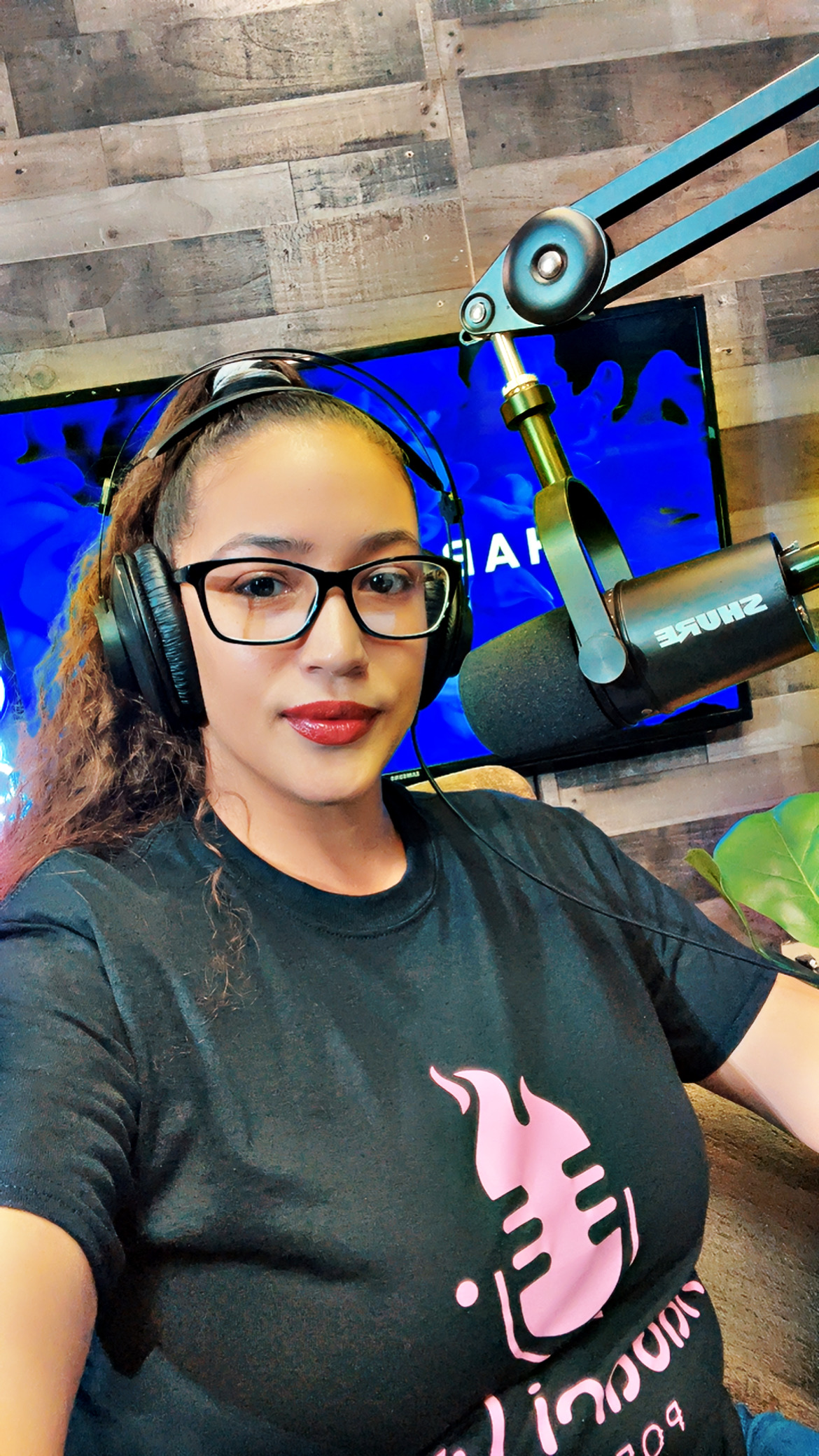
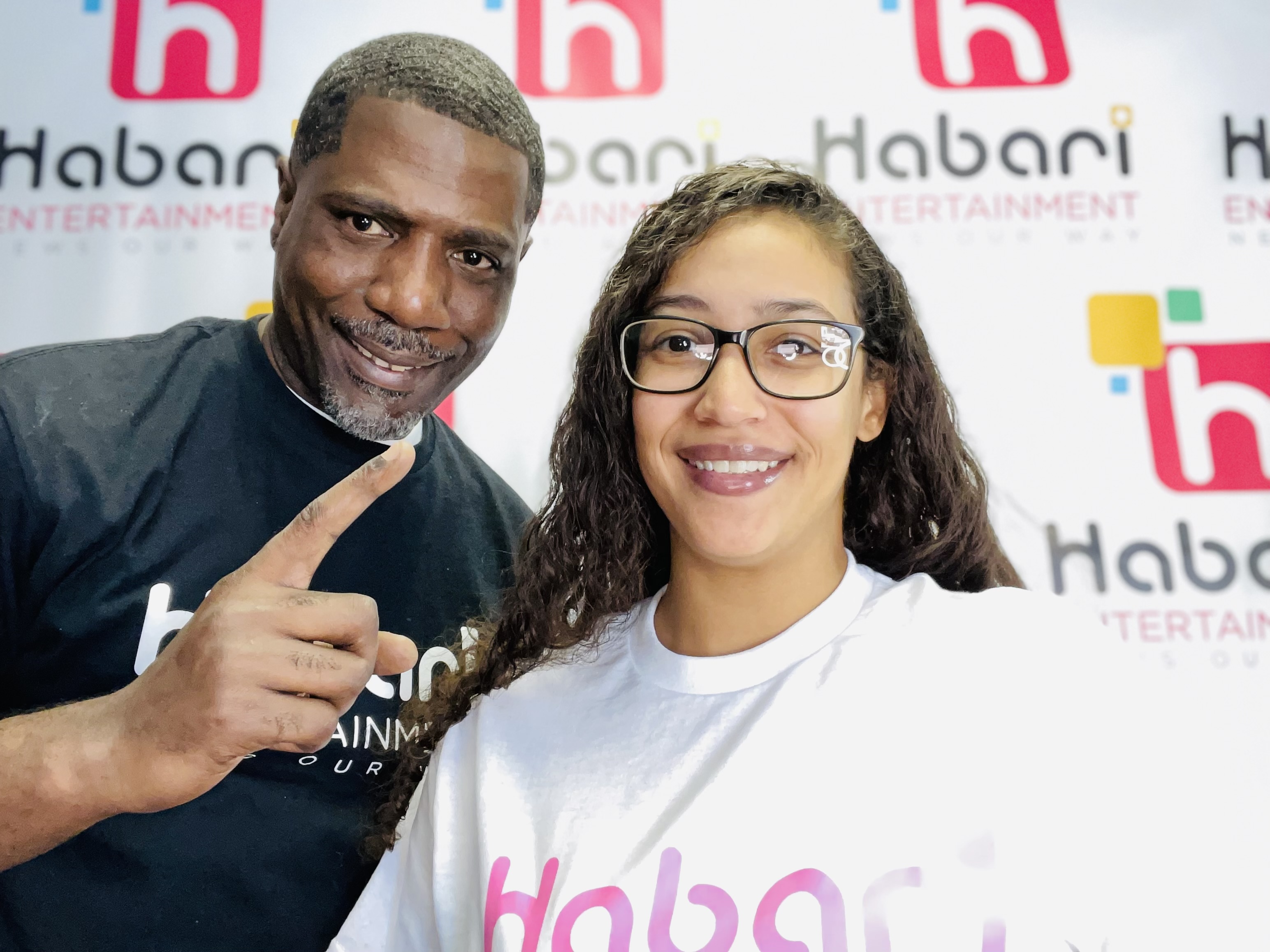
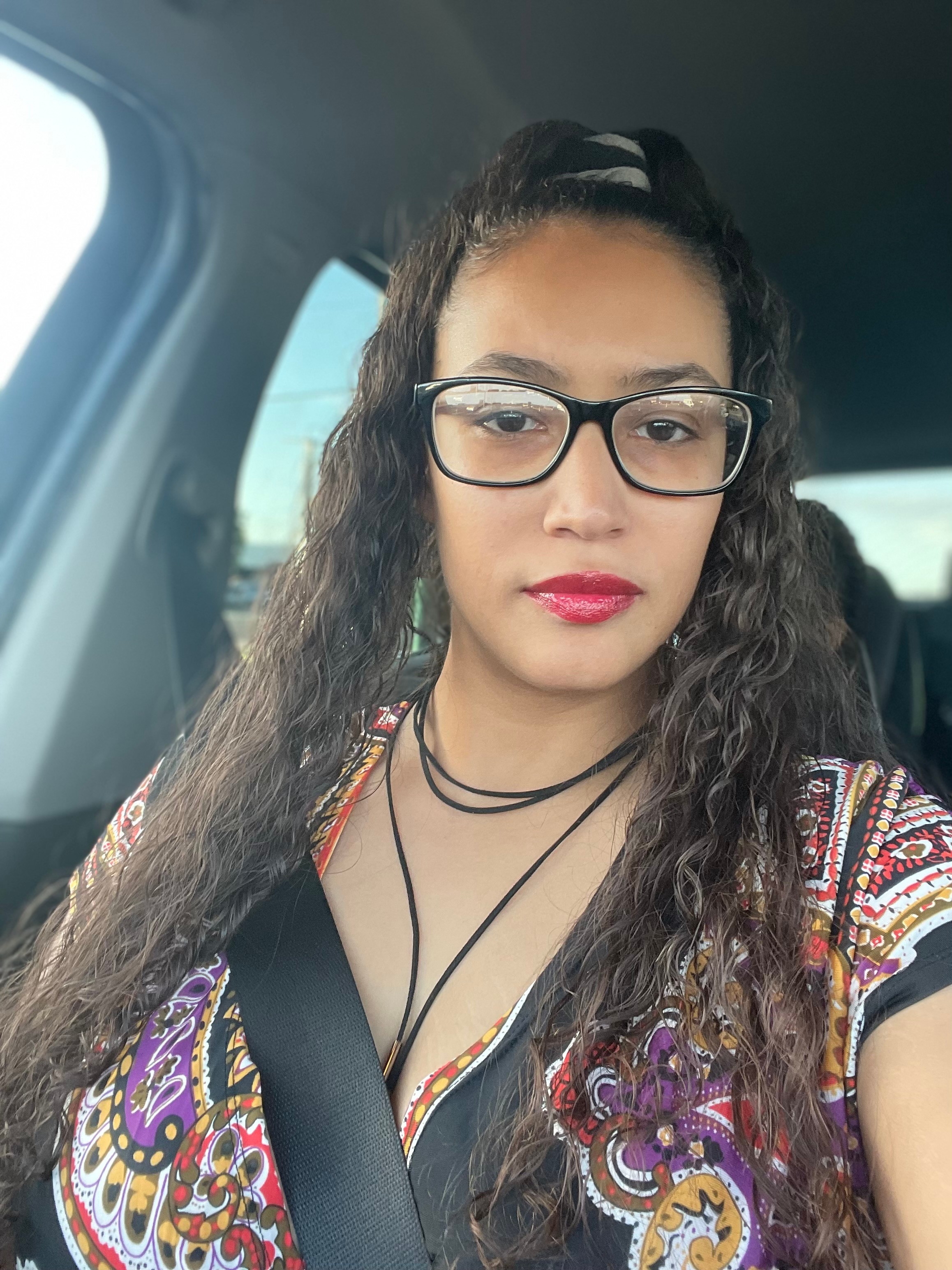
Image Credits
Photos by Iesha Rowan