Johannes Rillo shared their story and experiences with us recently and you can find our conversation below.
Johannes , really appreciate you sharing your stories and insights with us. The world would have so much more understanding and empathy if we all were a bit more open about our stories and how they have helped shaped our journey and worldview. Let’s jump in with a fun one: What battle are you avoiding?
The battle I’m avoiding is the one between perfection and creation. As someone who values creativity, I sometimes find myself hesitating to start because I want the outcome to be flawless from the beginning. But creativity isn’t born from perfection — it grows from experimentation, risk, and even failure. The real challenge is letting go of overthinking and allowing ideas to take shape, even if they’re imperfect at first. That’s the space where true creativity lives, and it’s the battle I’m learning to face with more openness.
Can you briefly introduce yourself and share what makes you or your brand unique?
My name is Johannes Rillo, and I’m a toy photographer with a deep love for storytelling and cinematic imagery. My work focuses on bringing small-scale worlds to life — transforming familiar characters into larger-than-life moments that feel as though they were pulled straight from a film still.
What makes my photography unique is the cinematic flare I bring to each scene — from the way light cuts through smoke or rain, to the emotion conveyed through framing and perspective. I approach every setup like a director would a movie set, using composition, atmosphere, and storytelling to make each image feel alive.
Toy photography, for me, is more than just arranging figures or setting up diorama scenes — it’s about capturing a narrative in a single frame. I want each image to transport viewers into that world, to feel a spark of nostalgia or excitement, and to see something familiar in a completely new way.
Right now, I’m always exploring a more dynamic lighting techniques, effects, and setups to heighten the realism and cinematic tone of my work. Ultimately, my goal is to continue refining my craft and inspire others to see creativity in the smallest of details — proving that even the tiniest subjects can tell the biggest stories.
Thanks for sharing that. Would love to go back in time and hear about how your past might have impacted who you are today. Who taught you the most about work?
What taught me about work wasn’t a single job or lesson — it was the process of creating itself. Through toy photography, I’ve learned that meaningful work isn’t just about the end result; it’s about the patience, persistence, and quiet dedication that happens behind the scenes. Setting up a single shot can take hours — adjusting light, finding the right angle, waiting for that perfect balance between realism and imagination. It’s taught me that craftsmanship lives in the details, and that real progress often happens when no one’s watching.
Photography also reminded me that work doesn’t have to feel mechanical. When passion meets discipline, it transforms effort into art. Every shoot teaches me something new — about storytelling, problem-solving, and resilience. Sometimes things don’t go as planned: the lighting fails, the figure falls, or a setup collapse right when it’s perfect. But those moments have taught me adaptability and patience — two things that translate far beyond the creative space.
Ultimately, what I’ve learned about this craft is that it’s not just about producing — it’s about creating with purpose, staying curious, and finding joy in the process, even when it’s challenging.
What’s something you changed your mind about after failing hard?
I changed my mind about what failure actually means. I used to see it as a full stop — a sign that maybe I wasn’t good enough or that my ideas had fallen short. But over time, especially through creative setbacks in my photography, I realized failure is more like a cut scene, not the end of the story. It’s the part where you regroup, adjust the lighting, rethink the frame, and come back with a sharper vision.
There were moments early on when I’d spend hours setting up a shot — only to have it completely fall apart. The lighting didn’t hit right, the composition looked flat, or the emotion just wasn’t there. It was frustrating. But those failed attempts taught me more about patience, experimentation, and adaptability than any “perfect” shot ever could.
Now, I see failure as part of the creative rhythm — a reminder that growth happens in the retakes. Each setback reshaped how I approach my craft and even how I view success. It’s not about getting everything right the first time; it’s about having the persistence to keep shooting until the story feels true.
So a lot of these questions go deep, but if you are open to it, we’ve got a few more questions that we’d love to get your take on. What’s a cultural value you protect at all costs?
A cultural value I hold closely—and protect at all costs—is my personal authenticity. In a world that often celebrates trends and algorithms over originality, staying true to your creative voice feels more essential than ever. Through my photography, I’ve come to understand that authenticity isn’t simply about standing out; it’s about being honest with what inspires you, what moves you, and how you choose to tell your story.
There’s always a temptation in creative work to follow what’s popular or to replicate what has already been proven to work. But the pieces that truly resonate — the ones that stay with people — are those rooted in sincerity and personal truth. Whether I’m working with light, composition, or storytelling, my goal is to reflect how I see the world, not just how it’s expected to appear.
To me, authenticity is what creates genuine connection. It’s what gives art its soul and meaning. That’s why it’s a value I never compromise on — in my work, my collaborations, and how I show up creatively. Because when authenticity fades, the art loses its depth, and the purpose behind it begins to blur.
Okay, so before we go, let’s tackle one more area. Could you give everything your best, even if no one ever praised you for it?
Absolutely — because the real reward isn’t in the praise, it’s in the process. Toy photography has taught me that some of the best moments happen in complete silence — late nights adjusting the smallest detail, chasing the perfect light, or capturing that one frame that feels alive. No one sees that part, and that’s okay. The work itself becomes the reward.
Early on, I used to crave recognition — that validation that what I was creating mattered. But over time, I learned that external praise fades, while personal fulfillment lasts. When you give your best, even without an audience, you build something deeper: integrity, discipline, and self-respect. You create because you have to, because it’s who you are.
For me, that’s the essence of art — showing up fully for the craft, even when no one’s watching. If I can look at my work and know I gave everything to it, that’s enough. The satisfaction isn’t in being seen — it’s in creating something worth seeing.
Contact Info:
- Instagram: @ToyRelic
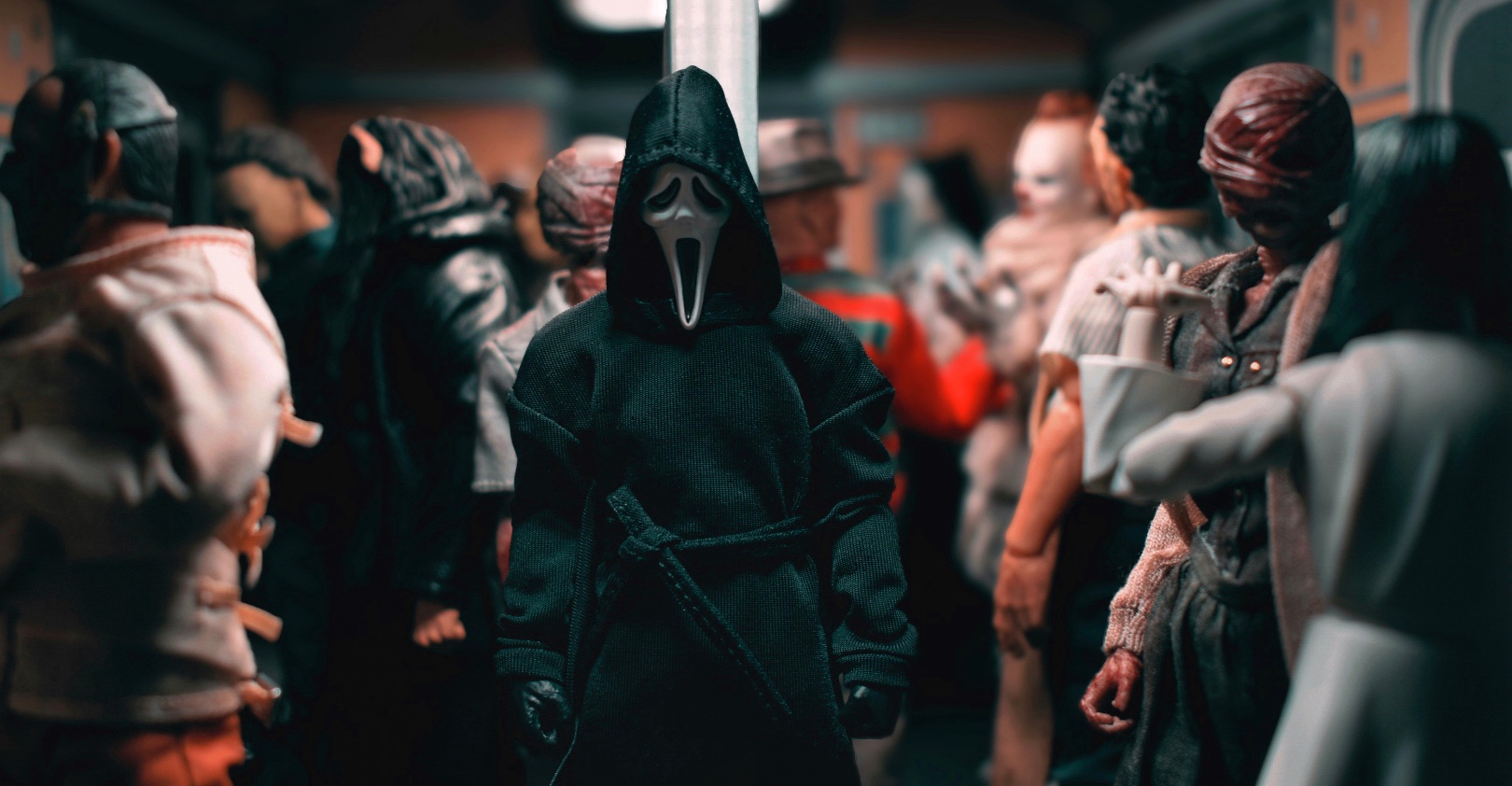
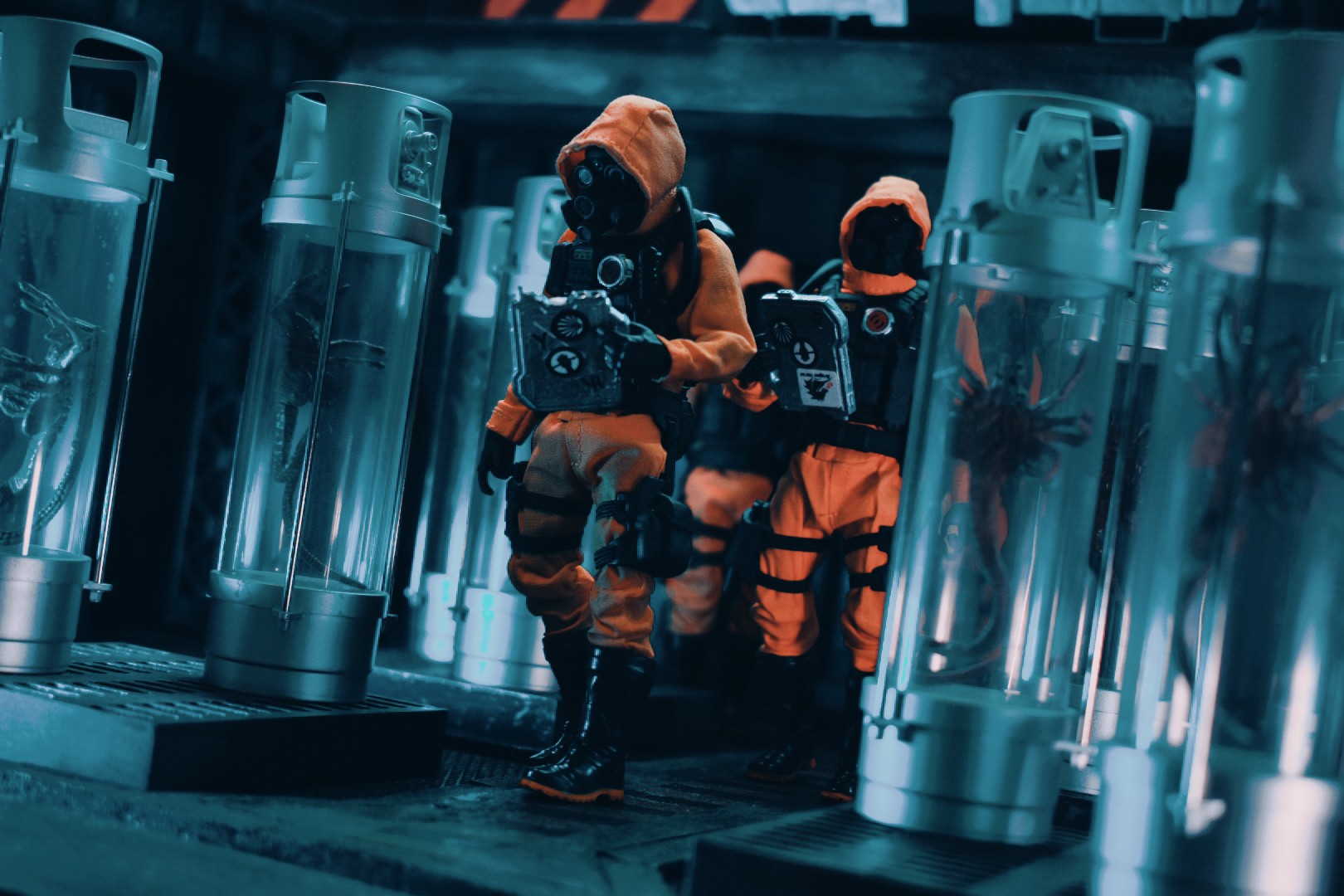
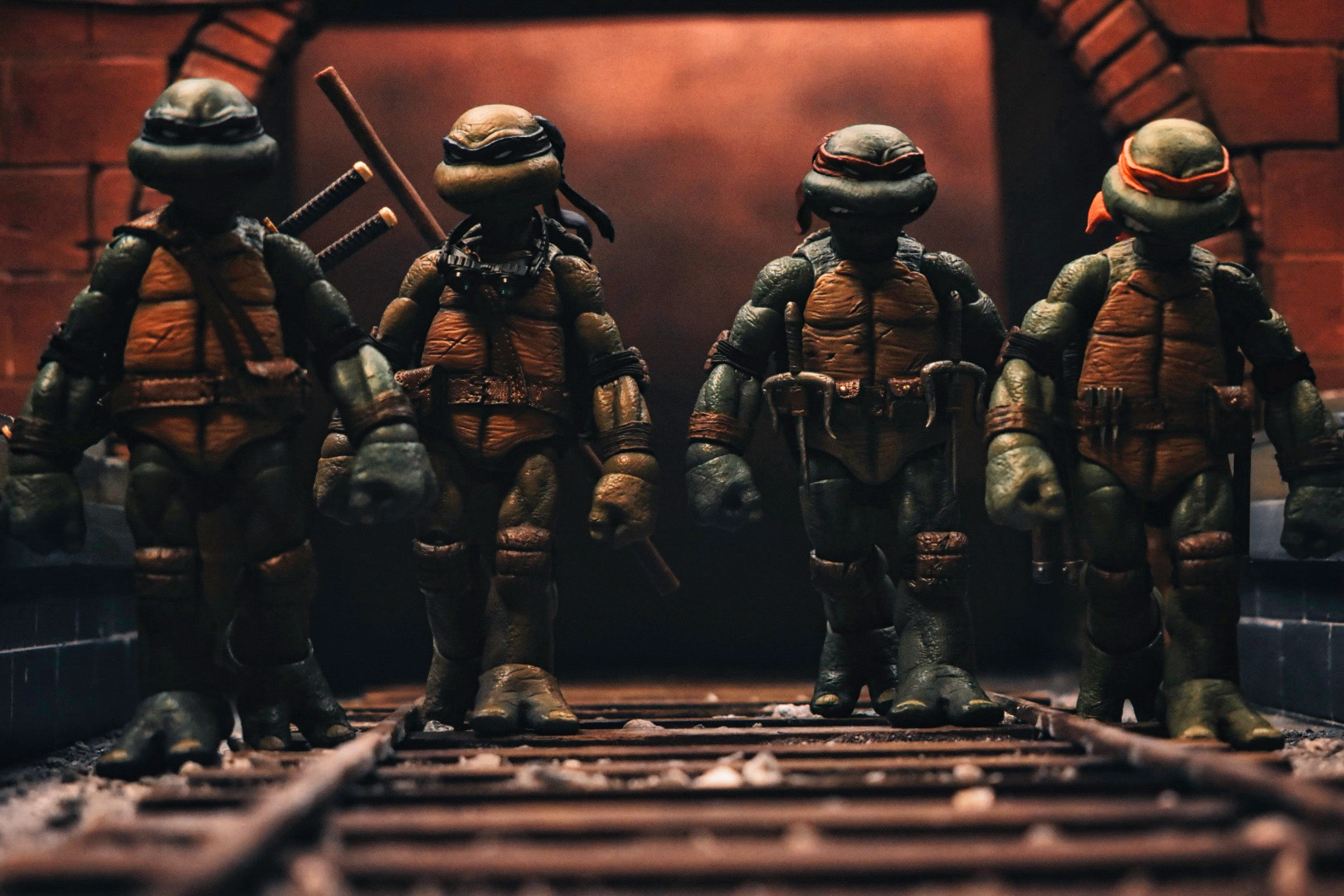
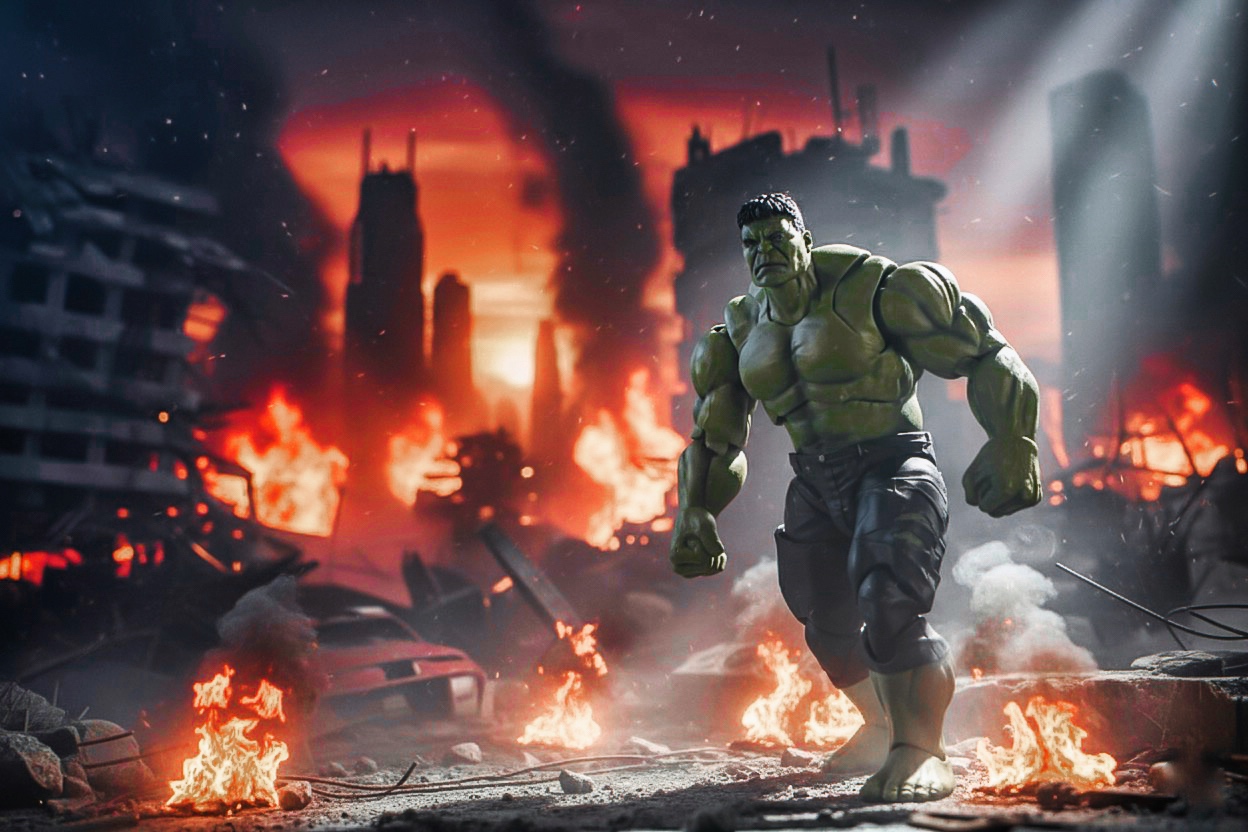
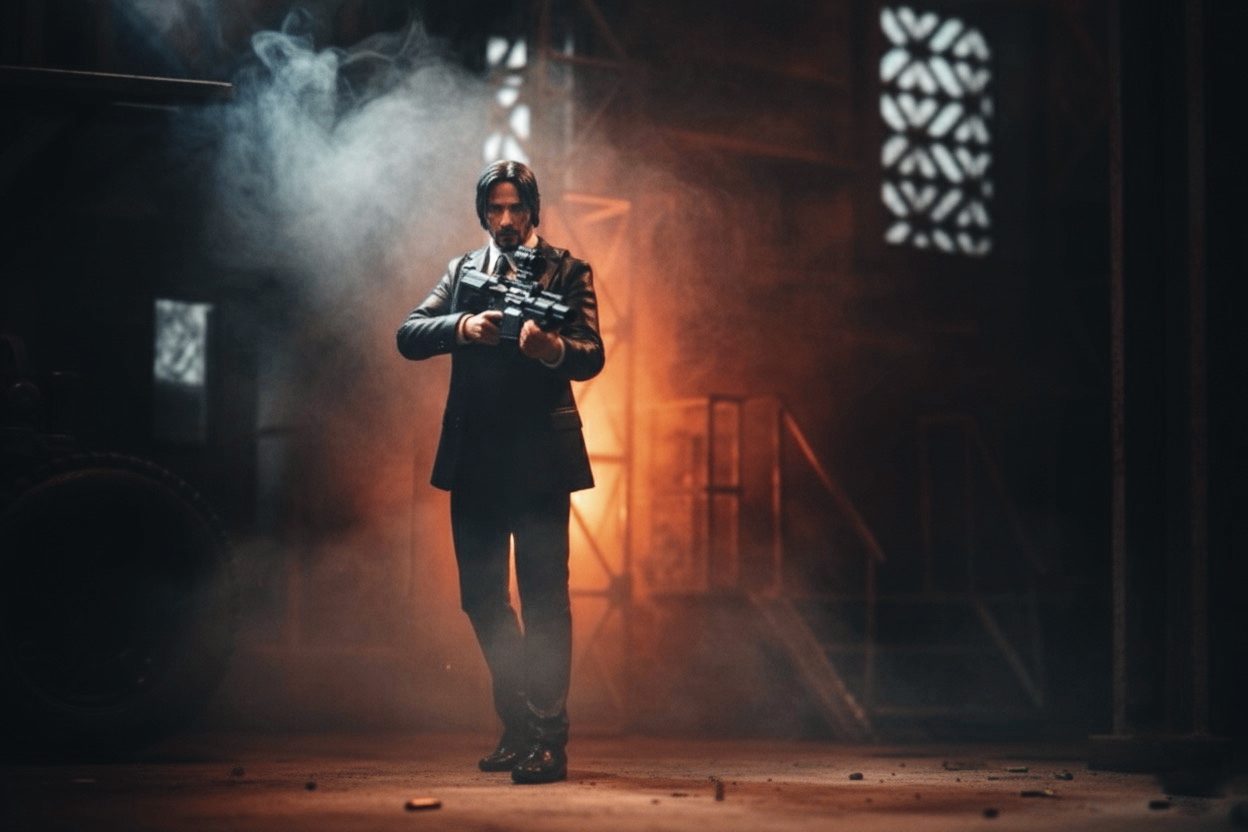
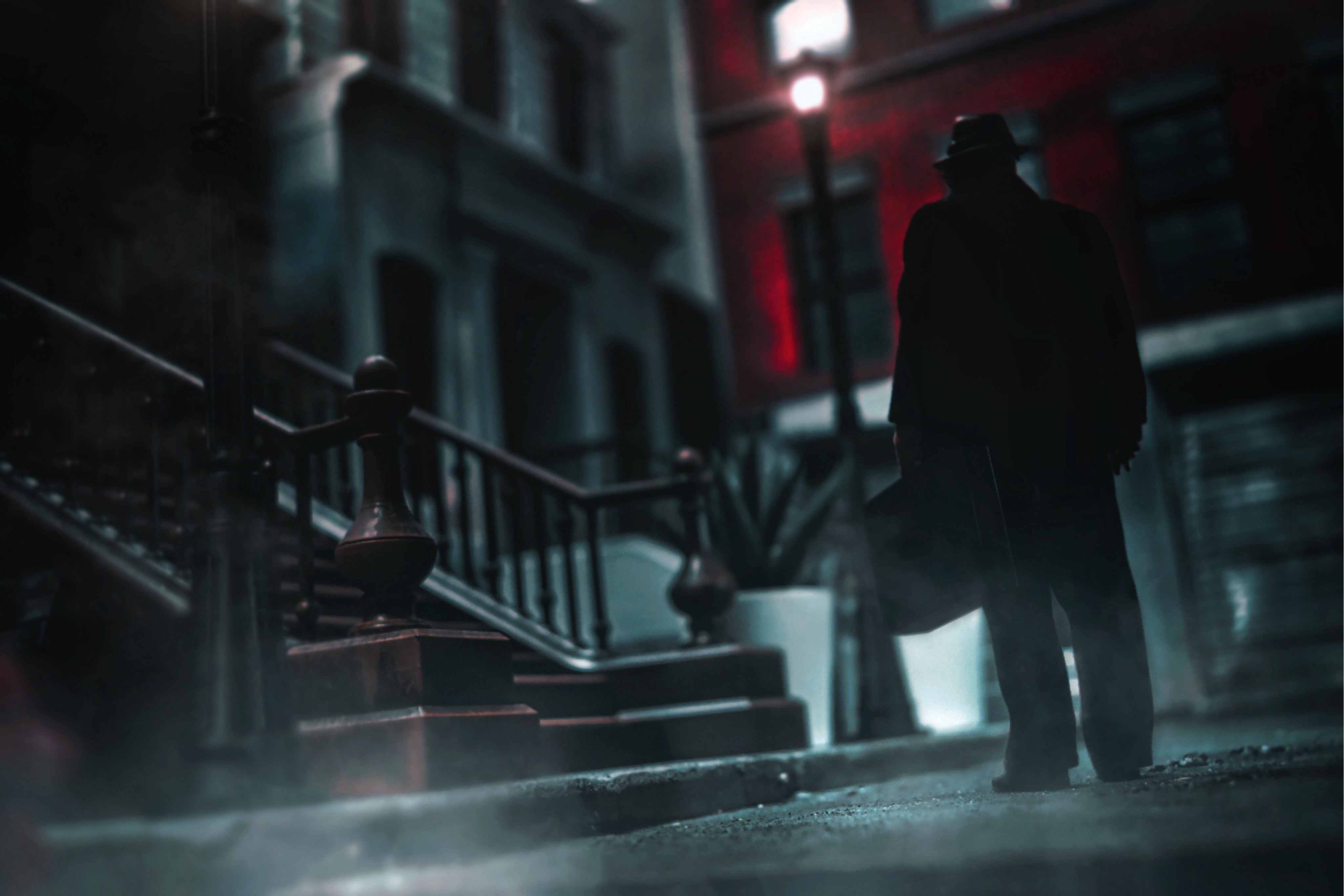
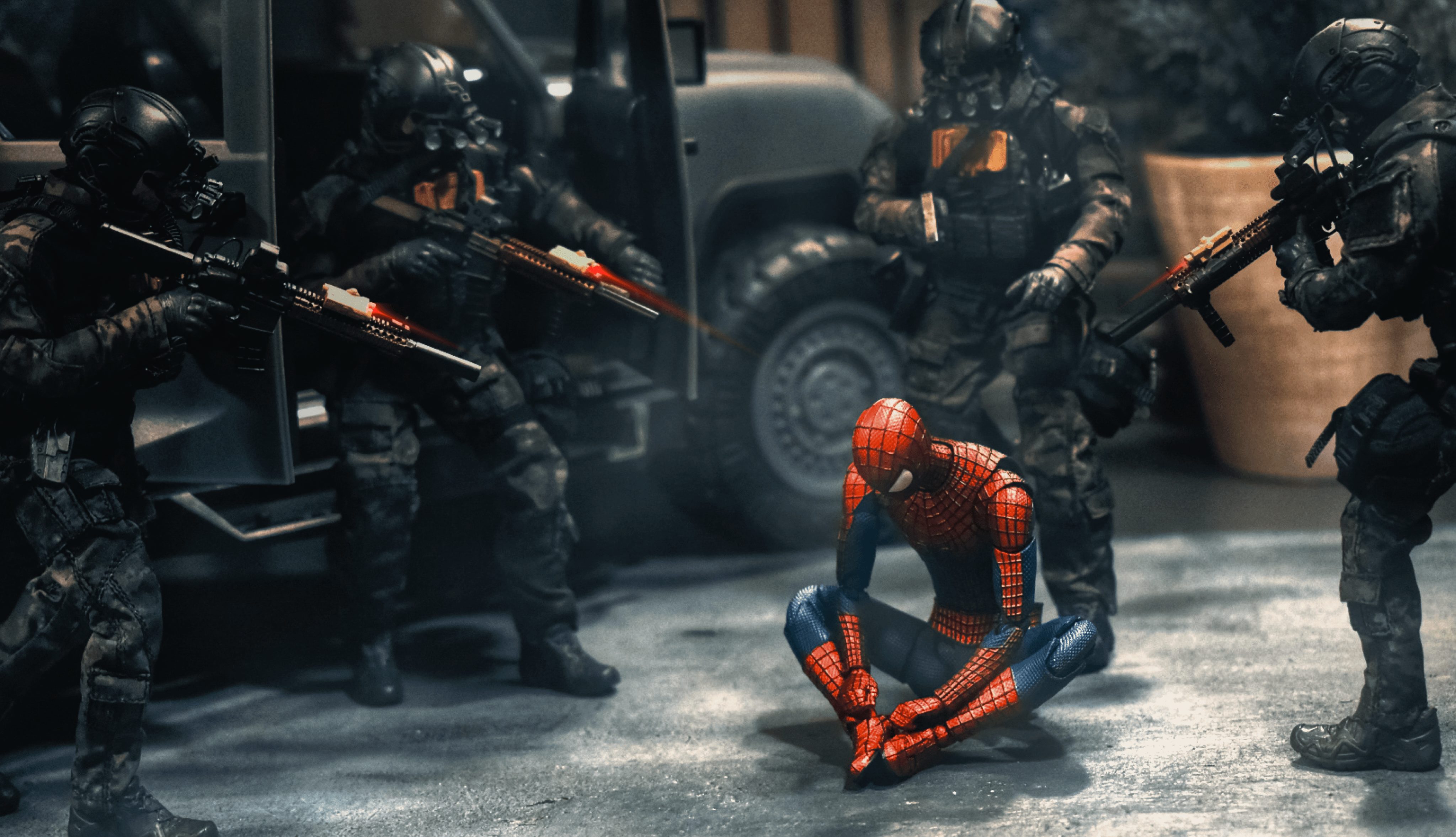
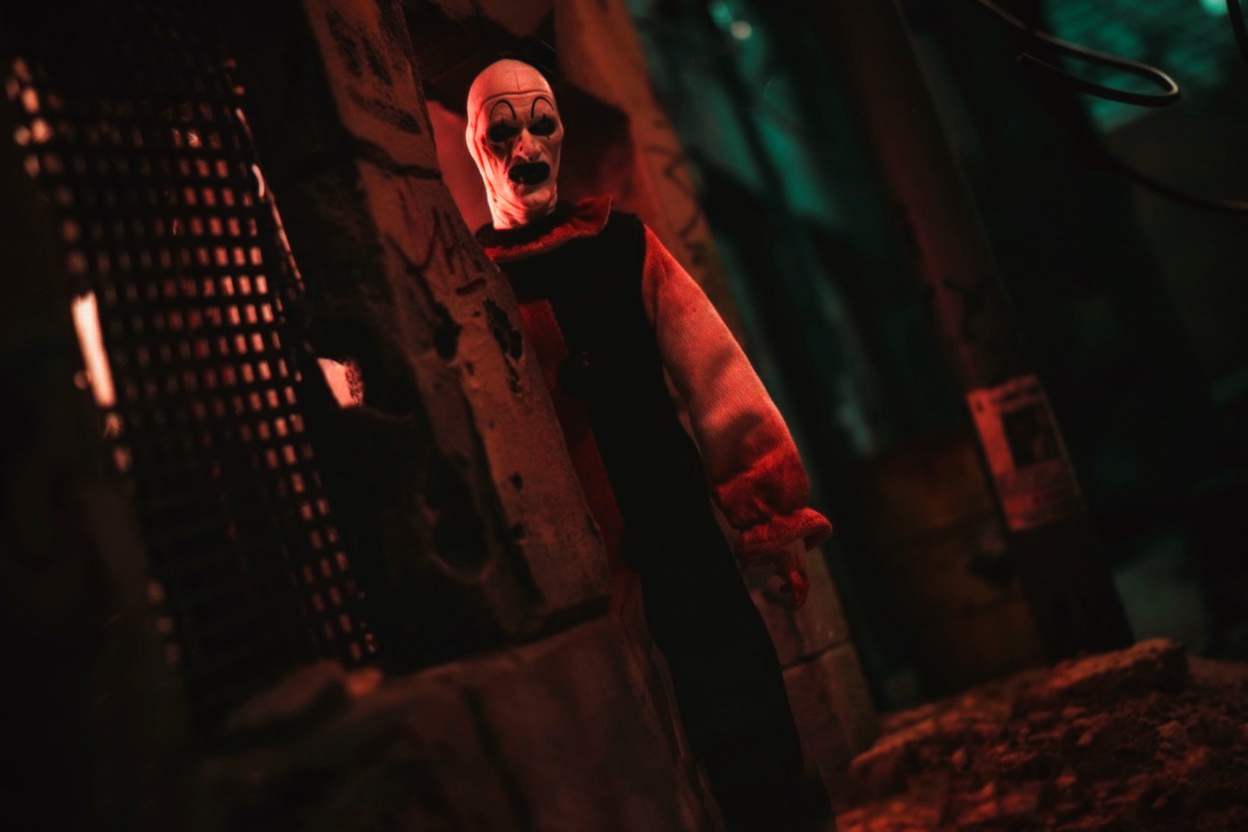
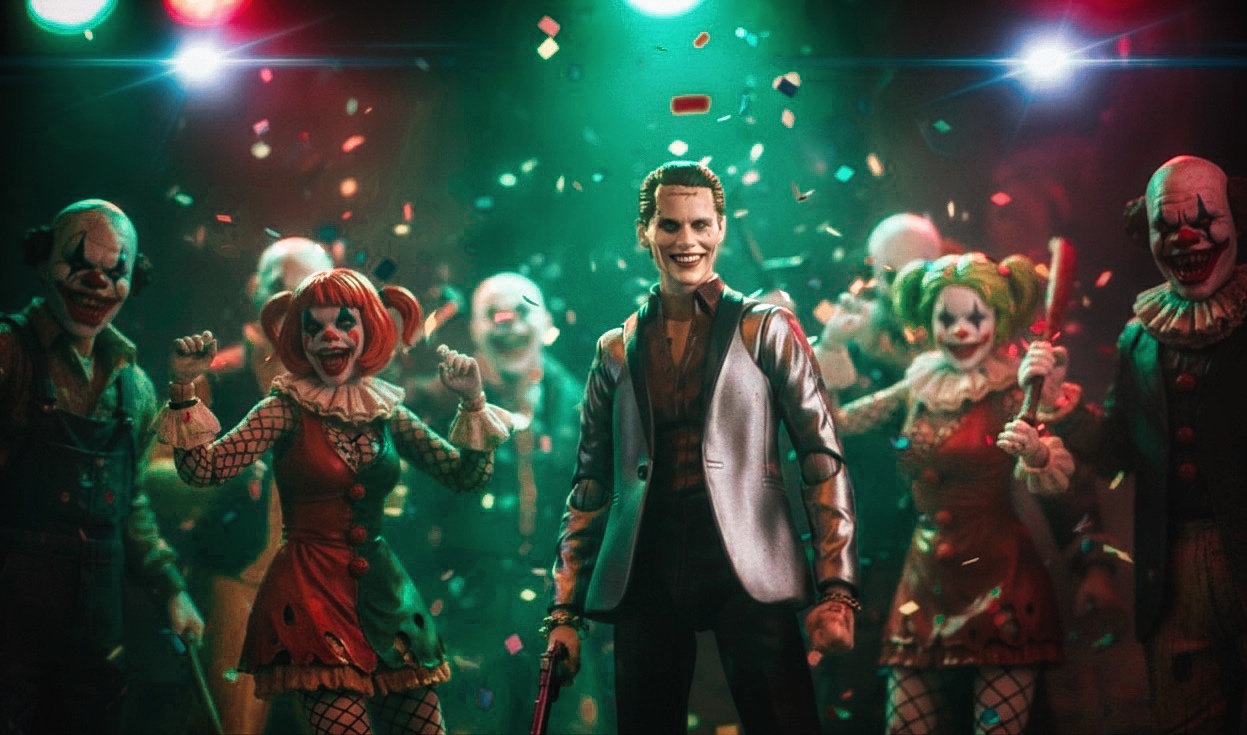
Image Credits
@ToyRelic