We’re looking forward to introducing you to Cameron Rennacker MS. Check out our conversation below.
Hi Cameron, thank you so much for joining us today. We’re thrilled to learn more about your journey, values and what you are currently working on. Let’s start with an ice breaker: What’s more important to you—intelligence, energy, or integrity?
Honestly, the question itself is a bit of a trap.
The assumption behind it is that you have to pick one, that there’s a hierarchy of qualities that define success or character. But the truth is: you can’t build anything sustainable without all three. They’re not competing traits. They’re complementary traits.
I’ve worked with incredibly smart people who lacked the stamina to see their ideas through. I’ve seen high-energy hustlers burn out because they never stopped to ask whether they were building something that would bring value back to them (that’s ROI, folks). And I’ve met principled people who couldn’t adapt or execute because they were so rigid in their values they forgot to stay curious enough to ask, “What if we tried…”
Intelligence without energy is just wasted potential. Energy without integrity is just noise (we’re seeing a LOT of that these days). And integrity without intelligence is noble—if I had to ask for any one of these, it would be integrity, but that’s so incomplete, and in my opinion, will get you nowhere. You can be an integritous person with no energy or intelligence, but nothing is fulfilling about that.
So instead of picking one, I’ll tell you why each one matters and why they work best together.
Intelligence:
When I think about intelligence, I’m not talking about who scored highest on their SATs or who has the highest IQ. Intelligence is the ability to learn, adapt, and think critically. “Fuck around and find out,” in other words. Intelligence is being curious enough to ask why something works the way it does, humble enough to admit when you’re wrong, and perhaps most importantly, strategic enough to course-correct quickly.
I see students every semester who have incredible, raw talent but haven’t yet learned how to think strategically. I teach them to ask bolder questions, identify patterns, and connect disparate ideas. Someone who can do that independently, without being asked, is one of the first things I look for in a candidate at any level of their career.
Energy:
Intelligence alone won’t get you anywhere without energy. And I don’t mean experimenting with how much caffeine the human body can handle. I look for sustained, consistent, and purposeful momentum.
Energy is what gets you through the unglamorous middle of a project when the initial excitement has worn off, and the deadline still feels impossibly far away. Energy helps you recover from setbacks, push through creative blocks, lead a team that needs a boost, and keep showing up even when you’re not sure if what you’re creating will even work. And when it doesn’t work, that energy helps you start over.
I run three careers simultaneously—Rennacker Studio, Range & Focus, and teaching at ASU—while also working on my PhD in Human Systems Engineering (and I’m aiming to do it in two years).
People often ask how I manage it all. Loving what you do gives you a sort of superhuman discipline. When you’re building something you believe in, energy isn’t something you have to manufacture. It comes naturally.
That said, energy without direction burns out fast. And I’ve burned myself out many times. Those are the moments when you need to stop, recalibrate, and take a second to go out into nature. Touch some grass, smell some moss, hear the trickle of a river or the roar of a waterfall. Reset your cortisol [1].
When you get back, I recommend using the Eisenhower Matrix to reprioritize:
1. Get the urgent and important stuff done NOW. Don’t wait. I know you’re tired!
2. Schedule time in the future to get anything that is important, but not urgent, done. Physically put it on a calendar.
3. Delegate anything that is urgent, but perhaps not as important, to someone else. Maybe you need to get groceries for dinner tonight. I promise your spouse, partner, or roommates are perfectly capable of this chore. You may just need to reset your expectations or coach them through it.
4. Lastly, and this one is the most important—if something is not urgent and not important, get rid of it! Delete it from your mind. Eliminate it from existence. You’d be surprised what can fit in this category.
Integrity:
Integrity is the one I’m least willing to compromise on, which I guess makes it the most important to me. Integrity is a mark of quality that holds everything else together.
Integrity means doing the right thing even when it’s inconvenient, expensive, or unpopular. It means being honest with clients, fair with collaborators, and consistent in your values. It’s what builds trust, and trust is the currency of long-term success.
In my work at ASU, I tell my students that their reputation is everything. You can be the most talented designer in the room, but if people can’t rely on you, if you cut corners or overpromise and underdeliver, none of that talent will ever matter. Integrity is what turns a good designer into someone people want to work with again and again.
At Range & Focus, integrity shows up in our commitment to conservation and storytelling. We sell responsible products, and we’ve built a brand rooted in a genuine love for the natural world. That authenticity matters because people can sense when something is performative rather than real.
Integrity is also about being accountable. It’s admitting when you’ve made a mistake, owning it, and making it right. That’s not always easy, but it’s always worth it.
Why All Three Matter
When someone asks me to pick between intelligence, energy, or integrity, my answer is: I won’t.
Success isn’t about optimizing for one trait; it’s about building a life where all three are present and working together.
Intelligence helps you think clearly. Energy helps you act consistently. Integrity instills trust and joy in others and keeps them coming back to you.
Take any one of those away, and the whole system starts to break down. You and your work become either aimless, incoherent, or fake. None of those are places you want to be.
The people I admire most—mentors, colleagues, collaborators—are the ones who embody all three.
They’re smart enough to see opportunities, energetic enough to seize them, and principled enough to do it in a way that reflects their values.
That’s the standard I hold myself to. Not perfection, but presence across all three.
So if you’re asking me what’s most important, I’d say, don’t pick. Develop all three together. Stay curious. Stay consistent. Stay grounded. Because when you do, you won’t have to choose.
1. Ewert A, Chang Y. Levels of Nature and Stress Response. Behav Sci (Basel). 2018 May 17;8(5):49. doi: 10.3390/bs8050049. PMID: 29772763; PMCID: PMC5981243.
Can you briefly introduce yourself and share what makes you or your brand unique?
Howdy, I’m Cameron Rennacker.
I’m the Co-Founder and Head of Creative at Rennacker Studio, where we help brands figure out who they are and how to tell that story authentically. We work with everyone from startups to established organizations, building brand identities, creative strategies, and digital experiences that actually resonate with people. We believe in creativity driven by strategy, backed by verifiable metrics, and tailored to connect with real people. We challenge norms, break monotony, and create lasting solutions, collaborating with clients across diverse sectors.
I’m also the Chief Ranger at Range & Focus, a home goods and outdoor gear brand built around national parks, landscape photography, and conservation. My husband, Josh, and I have spent the past ten years traveling to 38 national parks, logging over 500,000 miles, and taking more than a million photographs. Range & Focus is our way of sharing that love for the wild places we’ve visited with others through fine art prints, scents inspired by the outdoors, and products designed to bring a bit of the trail into your home.
And I teach. As an Assistant Teaching Professor at Arizona State University, I work with the next generation of designers in the Graphic Information Technology program. I teach students how to think like designers—how to solve problems, advocate for their work, and navigate an industry that changes faster than any curriculum can keep up with.
Oh, and I’m also working on my PhD in Human Systems Engineering, because apparently, I like a challenge.
What makes all of this work is that everything I do is connected by storytelling. If I’m building a brand, capturing a sunrise in Yosemite, or helping a student prepare for their first client pitch, I’m helping people see more clearly and communicate more authentically.
If there’s one thing I want people to know, it’s this: I’m not interested in work that looks good on paper. I’m interested in work that means something. Work that connects people, protects what matters, and leaves things a little better than we found them.
Amazing, so let’s take a moment to go back in time. Who saw you clearly before you could see yourself?
Amy Rhodes did.
I was 21 years old, working as a Packaging Designer at PetSmart, and still trying to figure out if I belonged in the room. I had the technical skills. I could execute a design brief. But I was timid in the way I presented myself and my work. I second-guessed everything. I apologized for taking up space. And I definitely didn’t think of myself as someone who could embody the brands I was building.
Amy was one of my mentors on the product team. She was sharp, decisive, and had this way of cutting through the noise to get to what mattered. She didn’t tolerate self-doubt disguised as humility, and she had a gift for seeing potential in people before they could see it themselves.
One afternoon, our team was working on what would eventually become the Arcadia Trail product line—an outdoor gear and apparel brand for adventurous pet owners. We had taken over a giant “quad” space in the office, pinning up mood boards, product samples, and reference images on the walls for review.
One of the mood boards featured a photo of an outdoorsy model wearing a bandana tied loosely around his neck. He looked confident, rugged, and stylish. The kind of person who throws their dog in the truck and drives to a trailhead on a Tuesday morning.
I looked at the photo and said, almost without thinking, “Look at how great he looks with that bandana tied around his neck. I could never wear something like that. I’d look goofy.”
The room kept moving. People kept talking. But Amy stopped.
She walked over to the wall where we had product samples pinned up—swatches of fabric, collar prototypes, leashes, and yes, bandanas.
She unpinned a bright orange United By Blue bandana from the board, walked back over to me, and tied it loosely around my neck, just like the model in the photo.
Then she turned to the room and said, “Look at how great this guy looks with that bandana tied around his neck. This is who we’re designing for—the people who need to find their confidence and freedom to explore.”
The room went quiet for a second. Not awkward. Just… still. And then everyone nodded, smiled, and kept working.
But I stood there, orange bandana around my neck, feeling something I hadn’t felt in a long time: I felt seen—all because someone dared to build up someone else’s confidence rather than using that opportunity to pull them down even further. “Designed for the Freedom to Explore®” would go on to become the registered tagline for Arcadia Trail.
What That Moment Taught Me
Amy didn’t simply tie a bandana around my neck. She reframed my self-doubt as the exact person we were designing for.
She saw that I wasn’t just a designer working on a brand for outdoor enthusiasts. I was someone who needed permission to believe I could be that person, too. And in one small, deliberate gesture, she gave me that permission.
That moment changed the way I thought about design. I wasn’t creating products for some abstract, idealized customer. I was designing for people who are still figuring out who they are—people who need a little encouragement to step into the life they want to live.
Amy saw me clearly before I could see myself. She saw past my insecurity and recognized that my hesitation wasn’t a flaw. It was a gap between who I was and who I was becoming. And instead of letting me stay stuck in that gap, she pulled me across it.
I still have that orange bandana.
It’s worn from years of being tied around my neck on hiking trips, road trips, and photo shoots across 38 national parks. But I’ve kept it. And more than that, I’ve kept wearing other bandanas around my neck too. It became a signature thing—something people recognize me by.
Sometimes, people comment on it. Sometimes, they even make fun of it. “What’s with the bandana?” they’ll say.
And when that happens, I do exactly what Amy did to me.
I stop and take the bandana off my neck, and tie it around theirs. Then I look at them and say something along the lines of, “Look at how great you look. This is who we’re designing for—the people who need to find their confidence to try something new.”
Most of the time, they laugh. But sometimes, they pause. Sometimes, they leave it on. And sometimes, weeks or months later, I’ll see them wearing one, too.
That’s the thing about confidence. It’s not something you build in isolation. It’s something someone hands you when they believe in you before you believe in yourself. And once you have it, your job is to pass it along.
Why Mentorship Matters
Amy saw who I was and gave me a way to see myself more clearly. And in doing so, she taught me one of the most important lessons I’ve ever learned: your job as a mentor, leader, or creative is to help others believe they can, too.
Now, as a professor at Arizona State University, I think about Amy all the time. I think about her when I’m working with a student who apologizes for asking too many questions. When someone says, “I’m not creative enough for this.” When I see hesitation that looks a lot like my own at 21.
And I try to do for them what Amy did for me: stop, tie a metaphorical (or sometimes physical) bandana around them, and say, “You’re exactly who we’re designing for. You’re exactly who this industry needs.”
Confidence isn’t something we’re all born with. It can be something someone hands you when they believe in you before you believe in yourself.
Amy saw me clearly when I couldn’t see myself. And because of that, I learned to see my students, my clients, and even strangers clearly, too—to recognize their potential even when they can’t, and to give them permission to step into it.
That orange bandana is still a reminder of the moment someone saw me and decided I was worth believing in.
And every time I tie a bandana around someone else’s neck, I’m passing along the same gift Amy gave me: the confidence to explore, to create, and to become whoever that person has the potential to become.
If you could say one kind thing to your younger self, what would it be?
You’re not broken. You’re just building.
I know it doesn’t feel that way right now. I know you’re exhausted—barely sleeping, wondering if you’ll ever figure out what “making it” actually looks like. I know you’re carrying words that weren’t true but felt heavy anyway. I know there are moments when you wonder if maybe they were right about you.
They weren’t.
Here’s what I need you to know: every misstep you’re beating yourself up for? It’s not proof that you’re failing. It’s proof that you’re learning. You’re not aimless. You’re exploring. And that curiosity—that refusal to settle for something that doesn’t feel right—is going to become one of your greatest strengths.
Right now, you think passion is supposed to announce itself with certainty. You think you’re supposed to know exactly what you want to be when you grow up, and because you don’t, you assume something’s wrong with you. But the truth is, the best work you’ll ever do comes from these moments—where you’re trying things, testing ideas, and figuring out what lights you up.
You’re going to find it because you refuse to stop looking.
I wish I could tell you it gets easier immediately. But I can’t. There are still going to be hard days ahead. Days when you’re stretched thin. Days when you feel like you’re one bad decision away from losing everything you’ve worked for. Days when you wonder if you’re good enough, smart enough, or worthy of the opportunities in front of you.
Stop waiting for permission.
Stop waiting for someone to believe in you before you believe in yourself. Stop apologizing for taking up space. Start trusting that the instincts that got you this far—the ones that told you to pick up a camera, to enroll in design school, to leave jobs that didn’t align with your values—are the same instincts that will carry you forward.
You’ll meet people who see you clearly before you can see yourself. A mentor will tie a bandana around your neck and remind you that you’re exactly who you need to be. Your spouse will show up and stay, even when things get hard. Professors will challenge you. Peers will guide you. And eventually, you’ll become the person who does that for others.
But first, you have to let yourself be seen. And that starts with seeing yourself.
So here’s the one kind thing I’d say to you:
You’re already enough.
Not “you will be enough someday.” Not “you’ll be enough once you prove yourself.”
You’re enough right now.
The kid with the camera is already a creator, a storyteller, someone who sees the world in a way that matters.
The exhaustion you’re feeling? That’s not weakness, that’s intelligence.
The doubt you’re carrying? That’s not failure, that’s your energy waiting to be released.
And showing up, even when no one’s cheering for you? That’s integrity.
You have everything you need. You just don’t know it yet.
In a decade, you’re going to be standing in a very different place. You’ll be a professor (I know that sounds odd to you right now, but trust me). You will run the creative agency you’ve always dreamt of, and your husband, Josh, is going to help you—yes, you get married, and yes, you take his name, and it means something beautiful that you won’t understand until that moment. You’ll travel and photograph all the lovely places you see on National Geographic. You’ll fall in love with national parks and build a brand around the exact thing that saved you as a teenager. You’ll earn a master’s degree. You’ll be named ASU’s Outstanding University Graduate (again… odd… right?). You’ll get accepted into a PhD program (okay, I know you don’t believe that, but it’s true!). And you’ll do all of it without the approval you once thought you needed.
But more than any of that, you’ll be happy, and you’ll have the support of those who matter.
Everything doesn’t turn out perfect, but you’ll build a life that’s yours. One that reflects your values, your curiosity, and your refusal to settle for work that doesn’t mean something.
And when you get there, you’ll look back at this version of yourself—the one doubting everything, wondering if you’ll ever be enough—and you’ll realize you were already doing it. You were already building the life you wanted. You just couldn’t see it yet.
One More Thing
When someone uses words meant to diminish you, remember, their opinion of you is not the truth. It’s just noise.
The truth is what you build when the noise quiets down. And you’re going to build something extraordinary.
So be kind to yourself. Rest when you need to. Keep taking photos. Keep asking why. Keep showing up, even when it’s hard.
You’re not broken.
You’re just building.
And what you’re building is going to be worth every exhausting, uncertain, beautiful step.
I think our readers would appreciate hearing more about your values and what you think matters in life and career, etc. So our next question is along those lines. What truths are so foundational in your life that you rarely articulate them?
Leave it better than you found it.
It’s such a simple phrase. The kind of thing you see on trailhead signs or hear from park rangers. And for a long time, I thought of it exactly that way—as an outdoor ethics principle. Pack out your trash. Stay on the trail. Don’t carve your initials into a tree.
But somewhere along the way, it became something bigger. It became the lens through which I approach nearly everything in my life. And because it’s so deeply embedded in how I operate, I rarely say it out loud. It just… is.
I first encountered “Leave it better than you found it” on the trails. My husband Josh and I have spent the past ten years traveling to 38 national parks, hiking hundreds of miles, and documenting landscapes for Rennacker Art and Range & Focus. And one thing you learn quickly in the backcountry is that your shit matters, literally.
A single piece of trash left behind affects the next hiker’s experience, and more importantly, the area’s ecosystem. A shortcut across a meadow erodes the trail for everyone who comes after. The way you treat a place determines whether it’s still beautiful or even accessible for the next person.
So we started carrying trash bags on our hikes. Not just for our own waste, but for whatever we found along the way. A granola bar wrapper. A forgotten water bottle. Microtrash that most people wouldn’t even notice. We’d pack it out every time.
At first, it felt like a small, insignificant gesture. But over time, it became something we did naturally. Because once you start seeing the impact of neglect, you can’t unsee it. And once you realize you have the power to make something better, it becomes impossible to walk away without trying.
What I didn’t expect was how naturally that principle would extend into every other part of my life.
When I rent a studio space for a photoshoot, I leave it cleaner than I found it. I sweep. I reorganize. I make sure the next person who walks in doesn’t have to deal with my mess.
When Josh and I stay at a friend or family member’s house, we do the same thing. We strip the bed. We wash the dishes. We take out the trash. Not because we have to, but because it feels right. Because we want them to remember us as guests who made their lives easier, not harder.
And yes, I apply it to mentoring, too.
When I work with students at Arizona State University, I think about this principle constantly. Every student who walks into my classroom is arriving in a particular condition. Some confident, some uncertain, some carrying self-doubt they’ve been handed by someone else.
My job isn’t just to teach them design systems or workflow management. My job is to leave them better than I found them.
That means challenging them to think critically. It means pushing them to advocate for their work. It means helping them see their potential before they can see it themselves.
It also means being honest when something isn’t working. It means giving feedback that’s kind but maybe not nice. It means creating an environment where they feel safe to fail, iterate, and grow.
If I do my job right, they leave my class more confident, more capable, and more prepared for the industry than when they walked in. And that’s the whole point.
The reason I don’t articulate this principle often is that it’s not performative. It’s not something I do to be seen or praised. It’s just how I move through the world.
When you live by a truth this foundational, you don’t need to announce it. You just do it. You pick up the trash on the trail. You clean the studio. You stay late to help a student revise their portfolio.
You recognize that every space, every relationship, every interaction is an opportunity to make things a little better. And when you have that opportunity, why wouldn’t you take it?
It’s also contagious.
When students see me staying after class to help them troubleshoot a design problem, they start doing the same for each other. When clients see the care we put into their brand at Rennacker Studio, they start thinking more intentionally about how their own work impacts others. When hikers see us packing out trash that isn’t ours, sometimes they start doing it, too.
You don’t have to make grand gestures; you just have to care enough to notice what needs fixing and be willing to fix it, even if no one’s watching.
At the end of the day, “leave it better than you found it” is about stewardship. It’s about recognizing that nothing you encounter—whether it’s a trail, a studio, a student, or a relationship—exists in isolation. Everything you touch, you leave a mark on. The only question is, what kind of mark will it be?
I want to leave things better. I want people to feel more capable after working with me. I want spaces to be cleaner after I’ve used them. I want the trails I love to still be beautiful for the next person who comes along.
I don’t always succeed. But I always try.
And maybe that’s the honest truth underneath all of this. Showing up with the intention to contribute, to care, and to leave something—anything—a little better than you found it will get us all so much further in life.
That’s the truth I live by. And I rarely say it out loud because I’d rather just do it.
Before we go, we’d love to hear your thoughts on some longer-run, legacy type questions. What is the story you hope people tell about you when you’re gone?
I hope people say that I cared deeply about the work and the people doing it. That I helped others see their potential more clearly and gave them the tools and confidence to act on it. I want to be remembered as someone who took creativity seriously, treated collaboration with respect, and believed that thoughtful design could make the world a little more humane. If they also say I showed up consistently, stayed curious, and left things better than I found them, that would be enough for me.
Contact Info:
- Website: https://www.rennackerstudio.com/
- Instagram: https://www.instagram.com/cameronrennacker
- Linkedin: https://www.linkedin.com/in/crennacker/
- Youtube: https://www.youtube.com/@cameron-rennacker
- Other: https://rangeandfocus.com/
https://rennackerphotography.com/
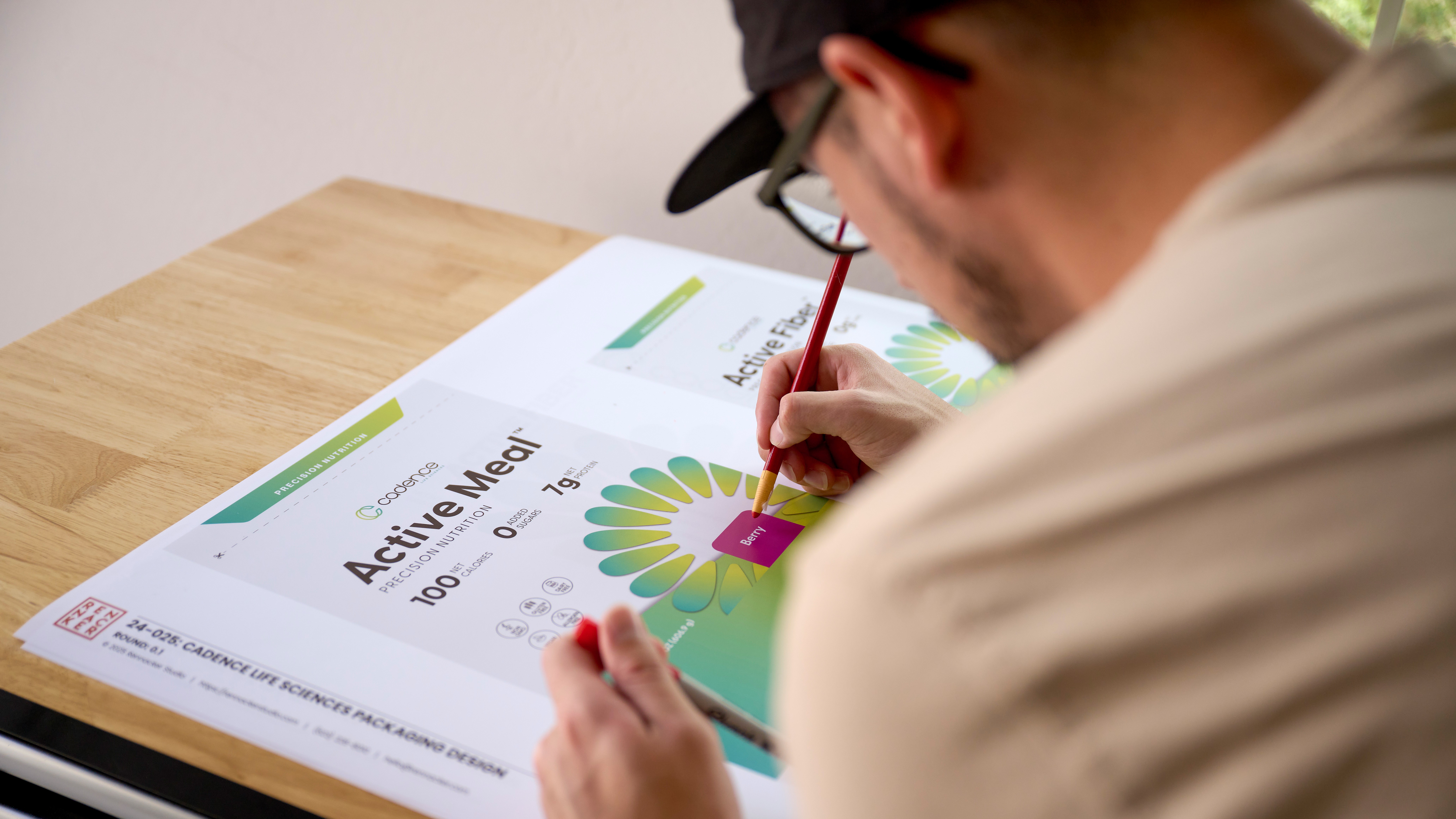
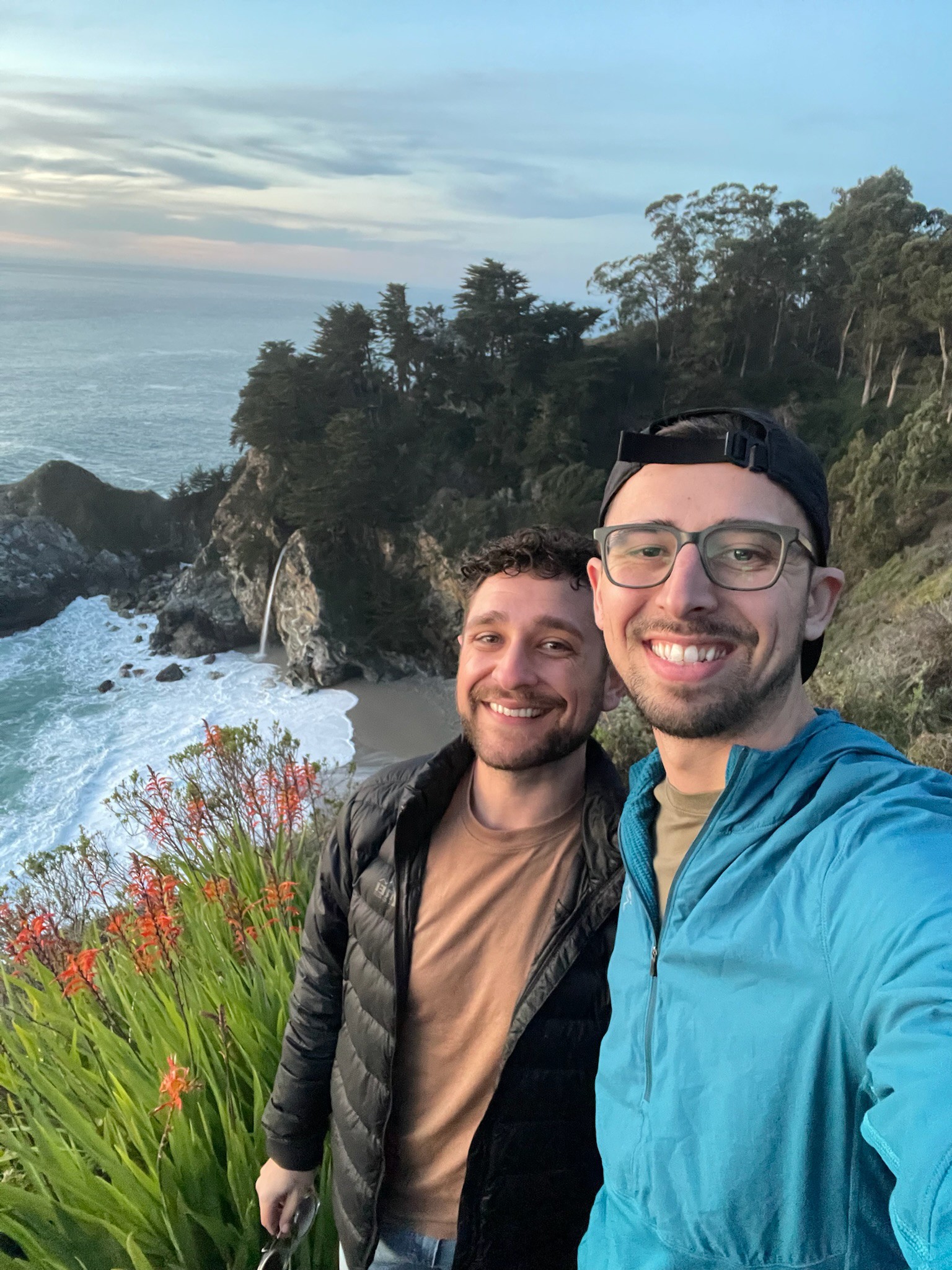
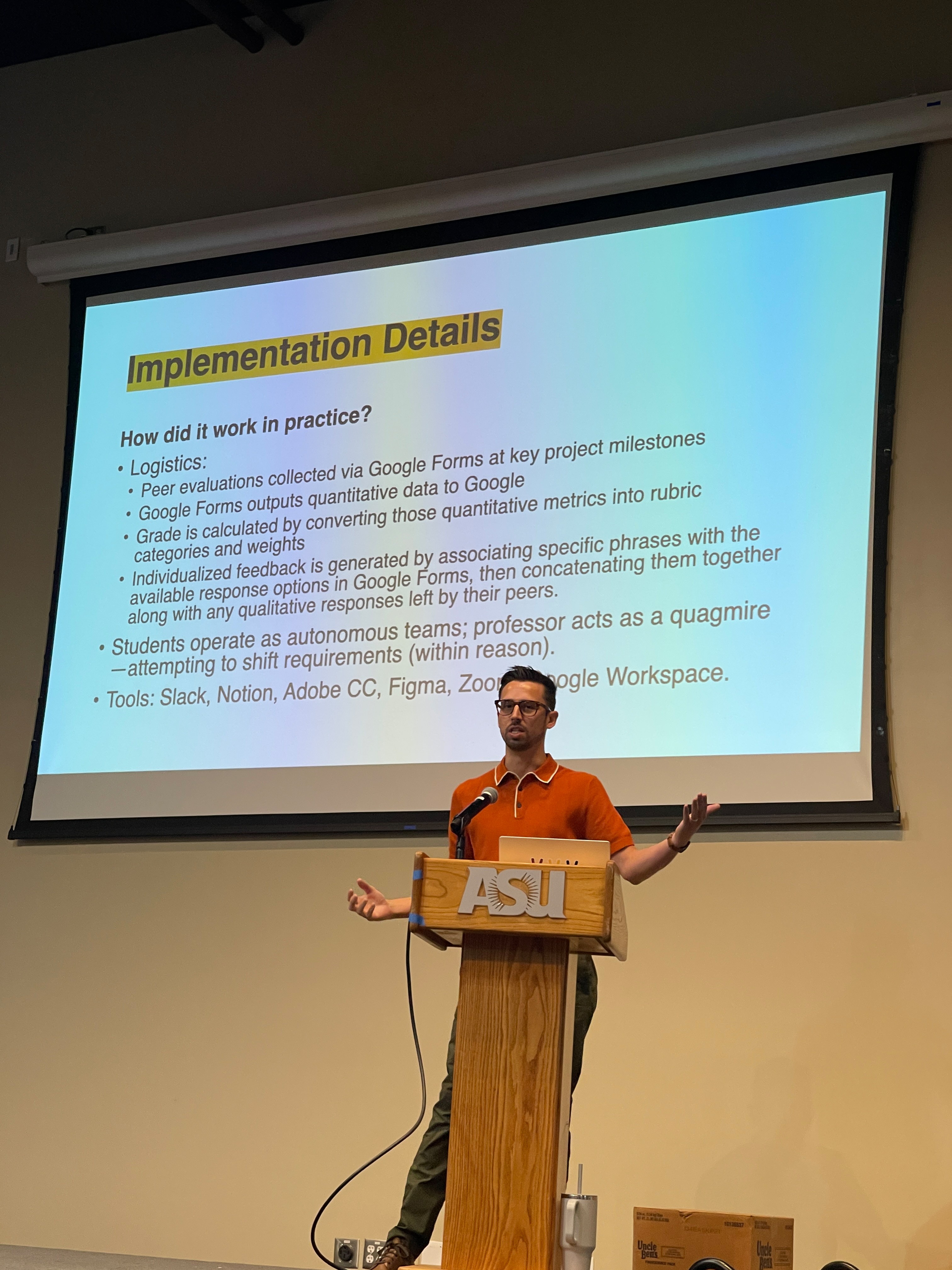
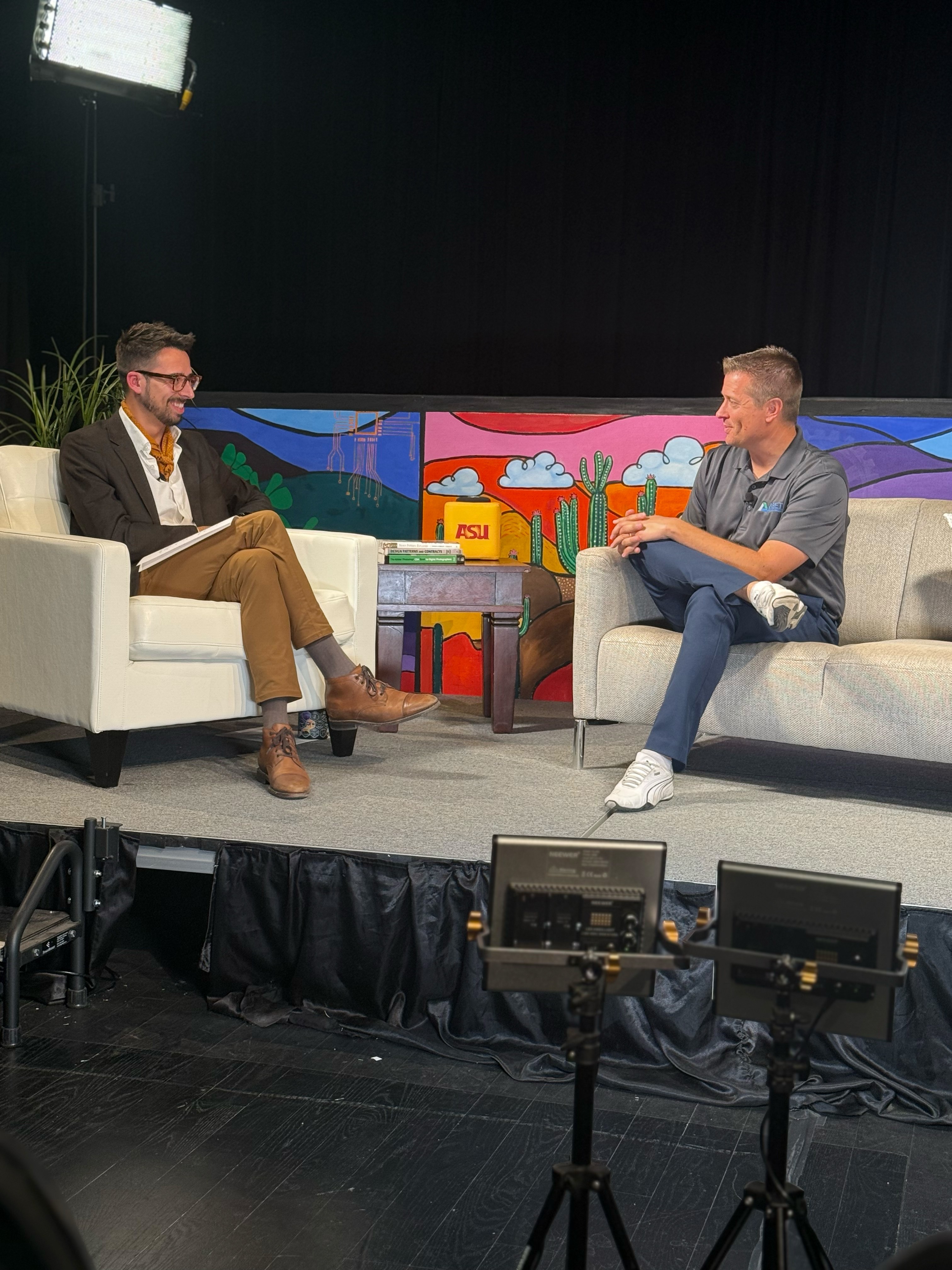
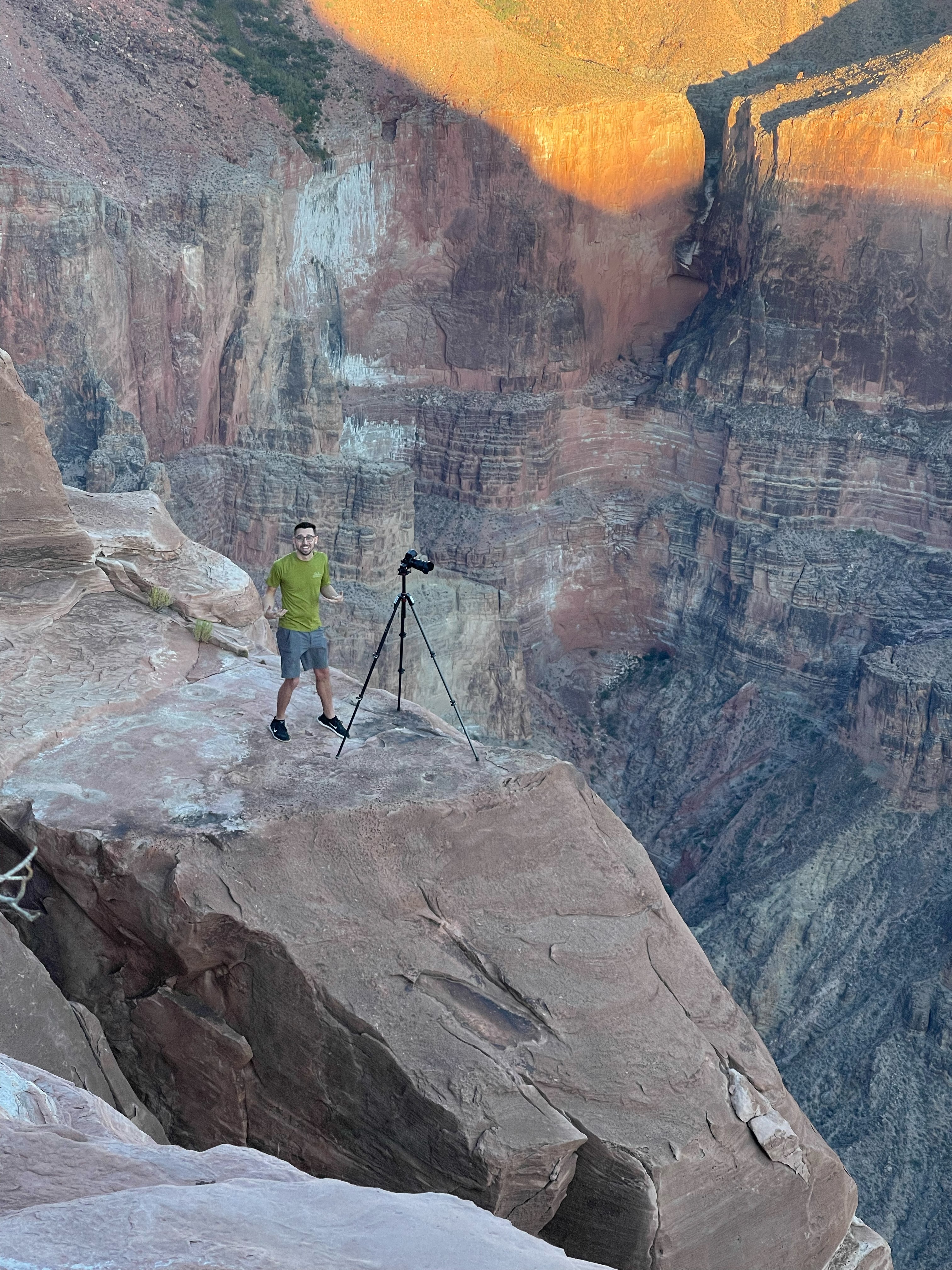
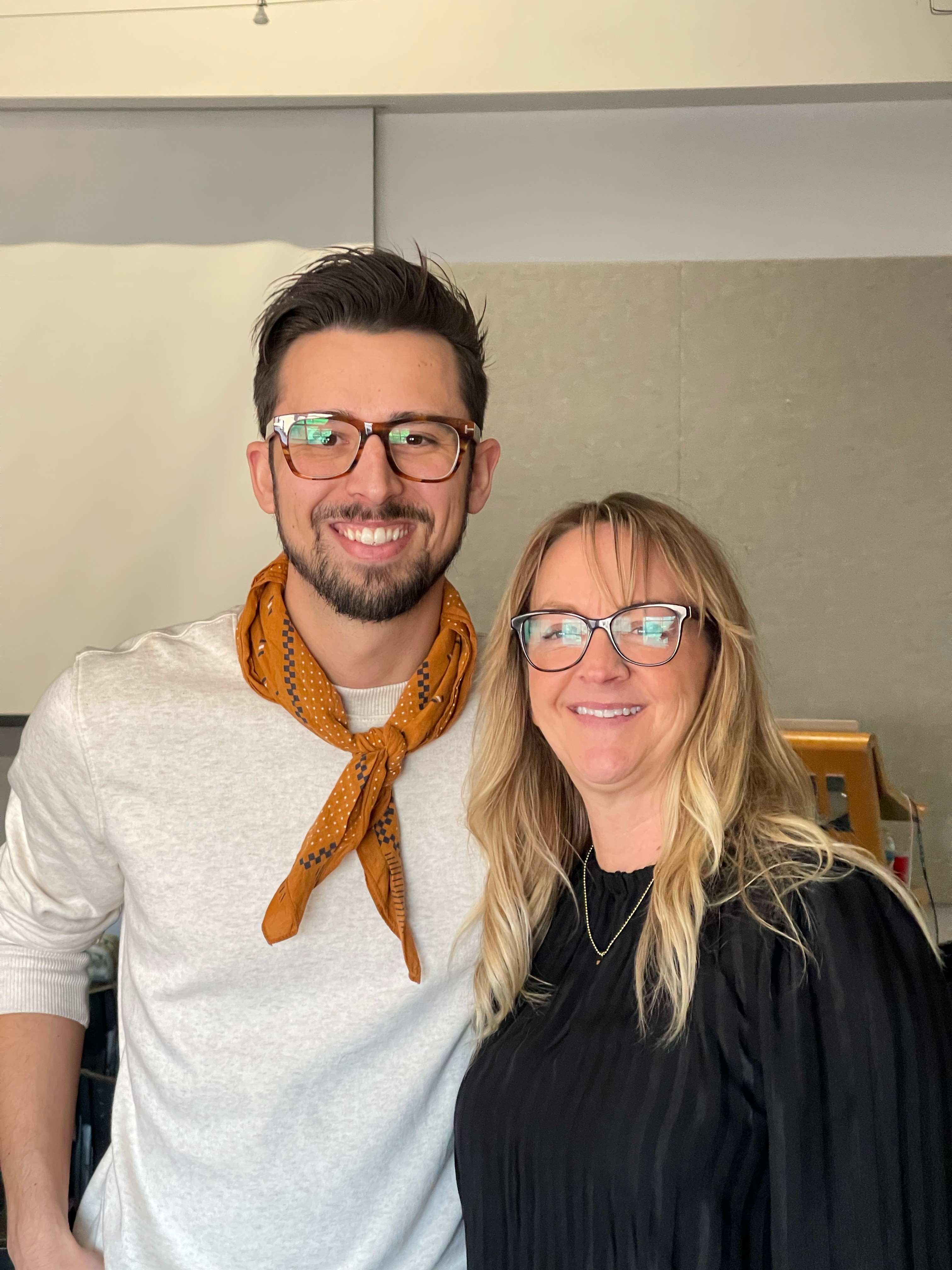
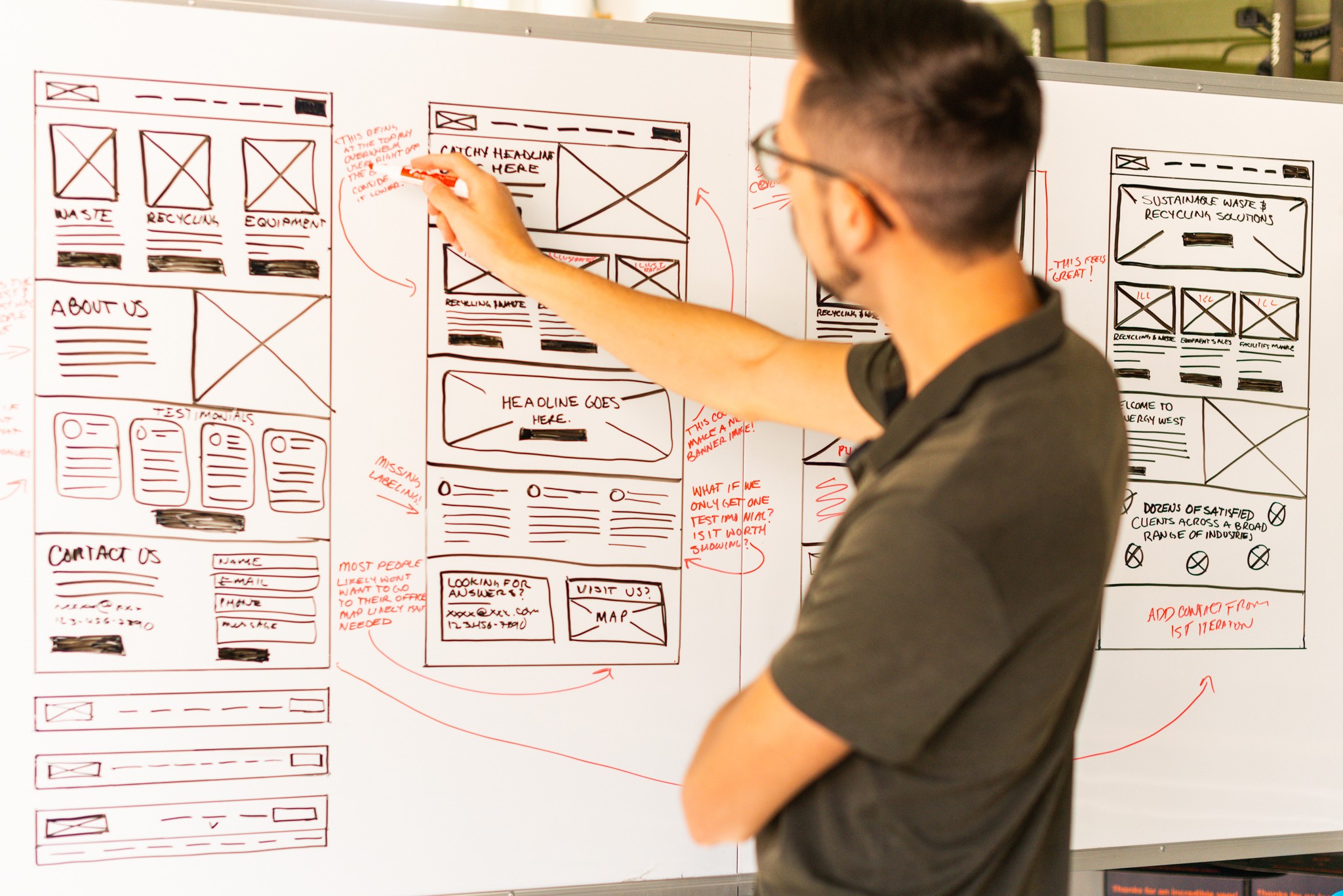
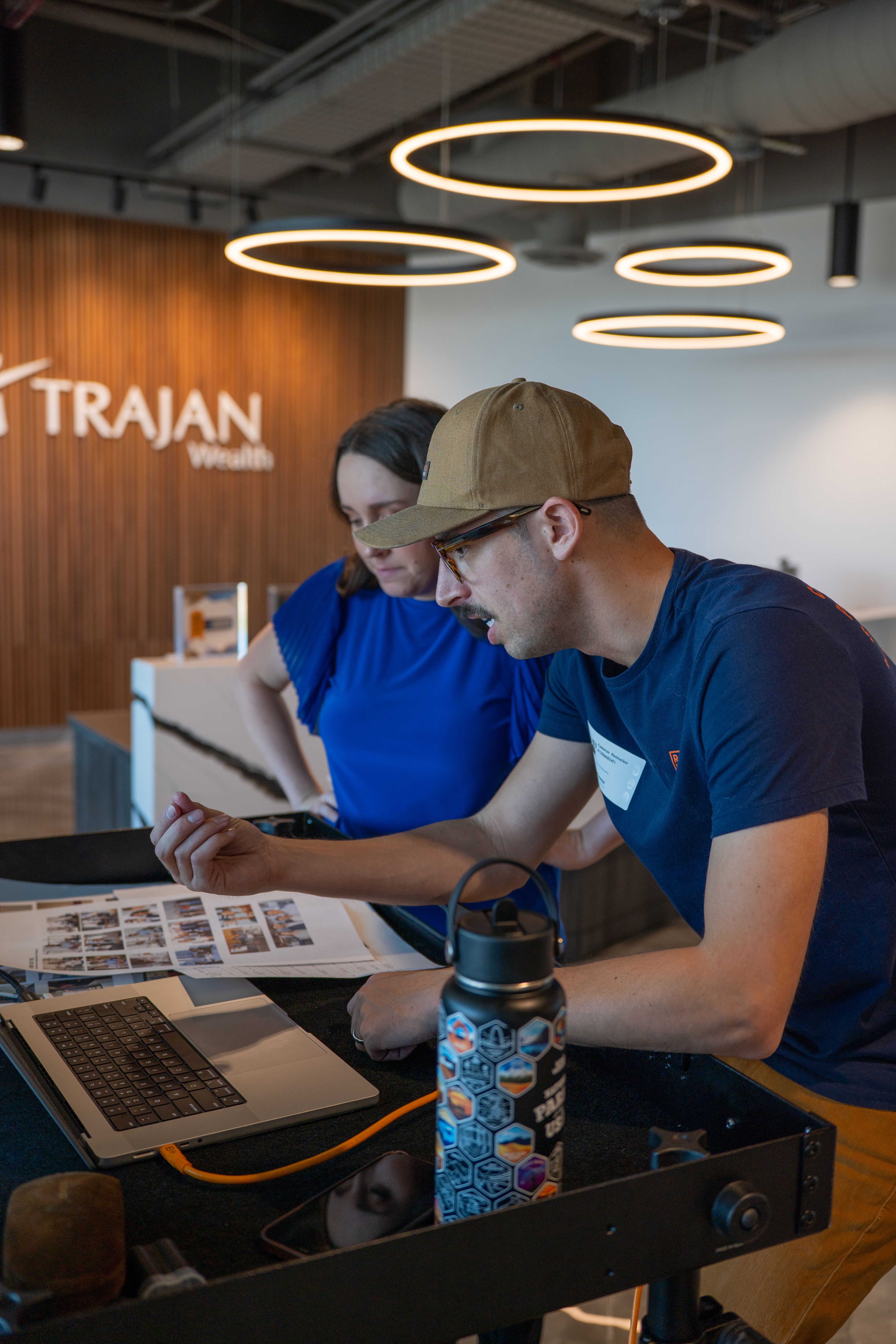
Image Credits
Rennacker Studio