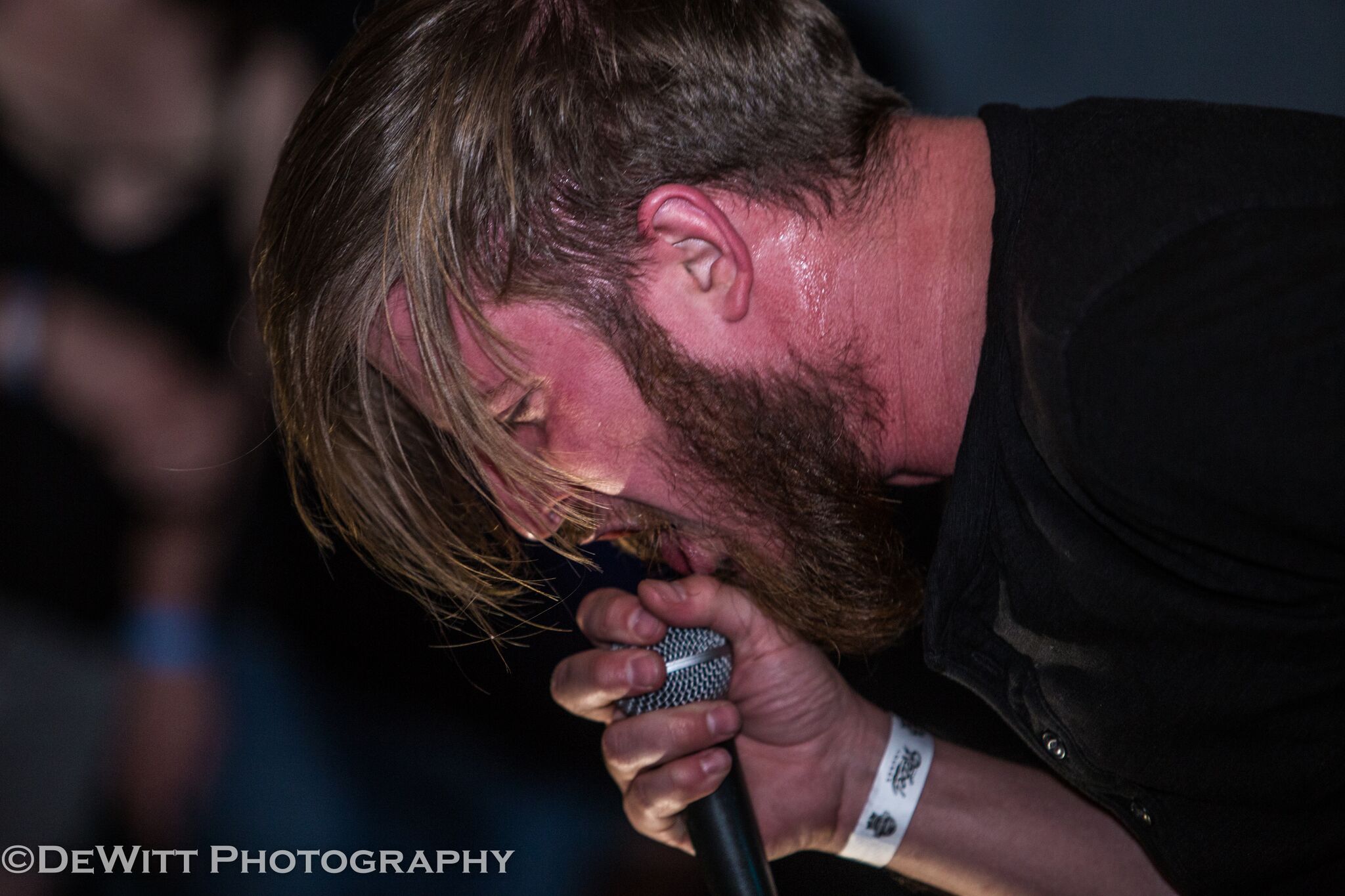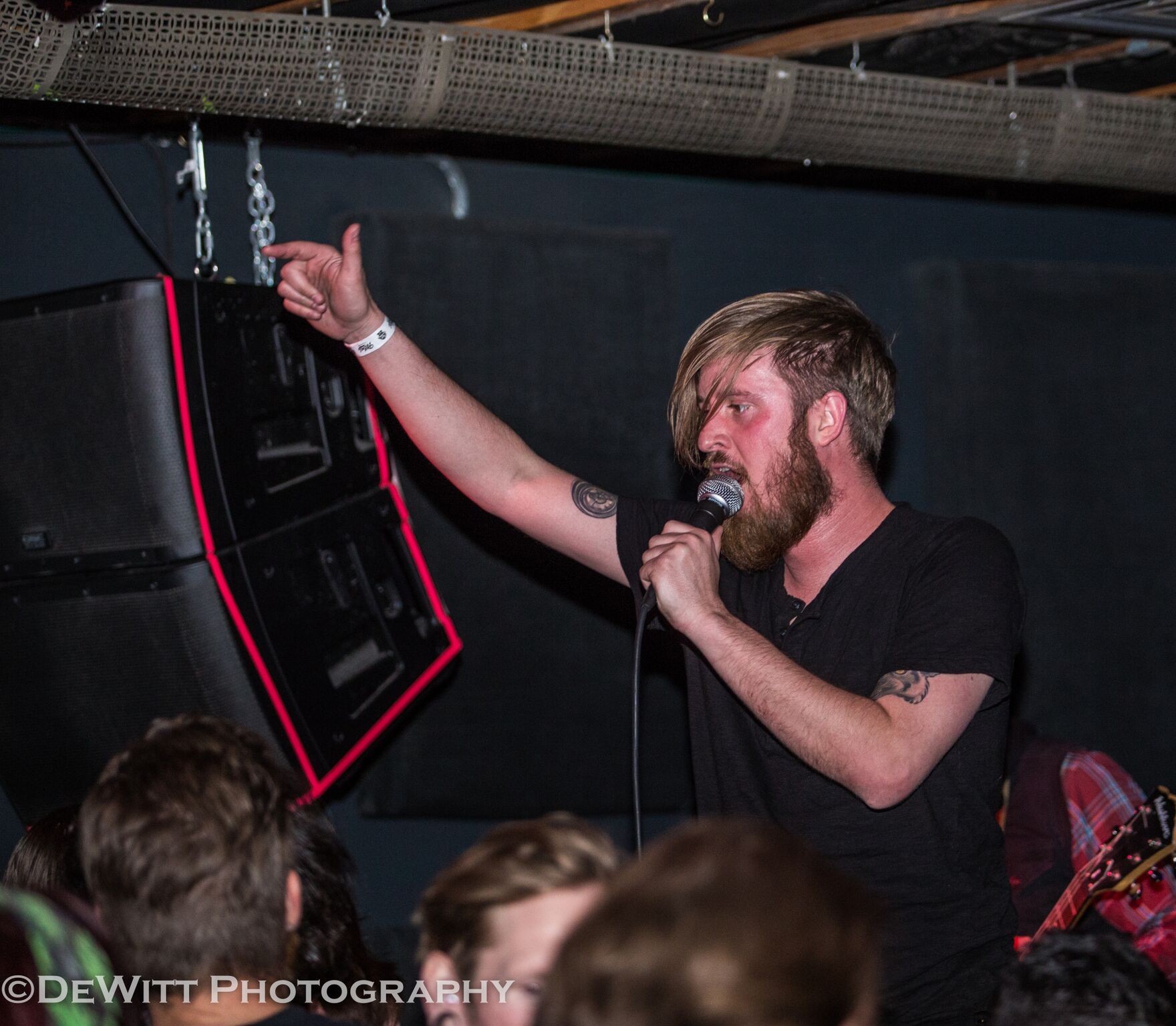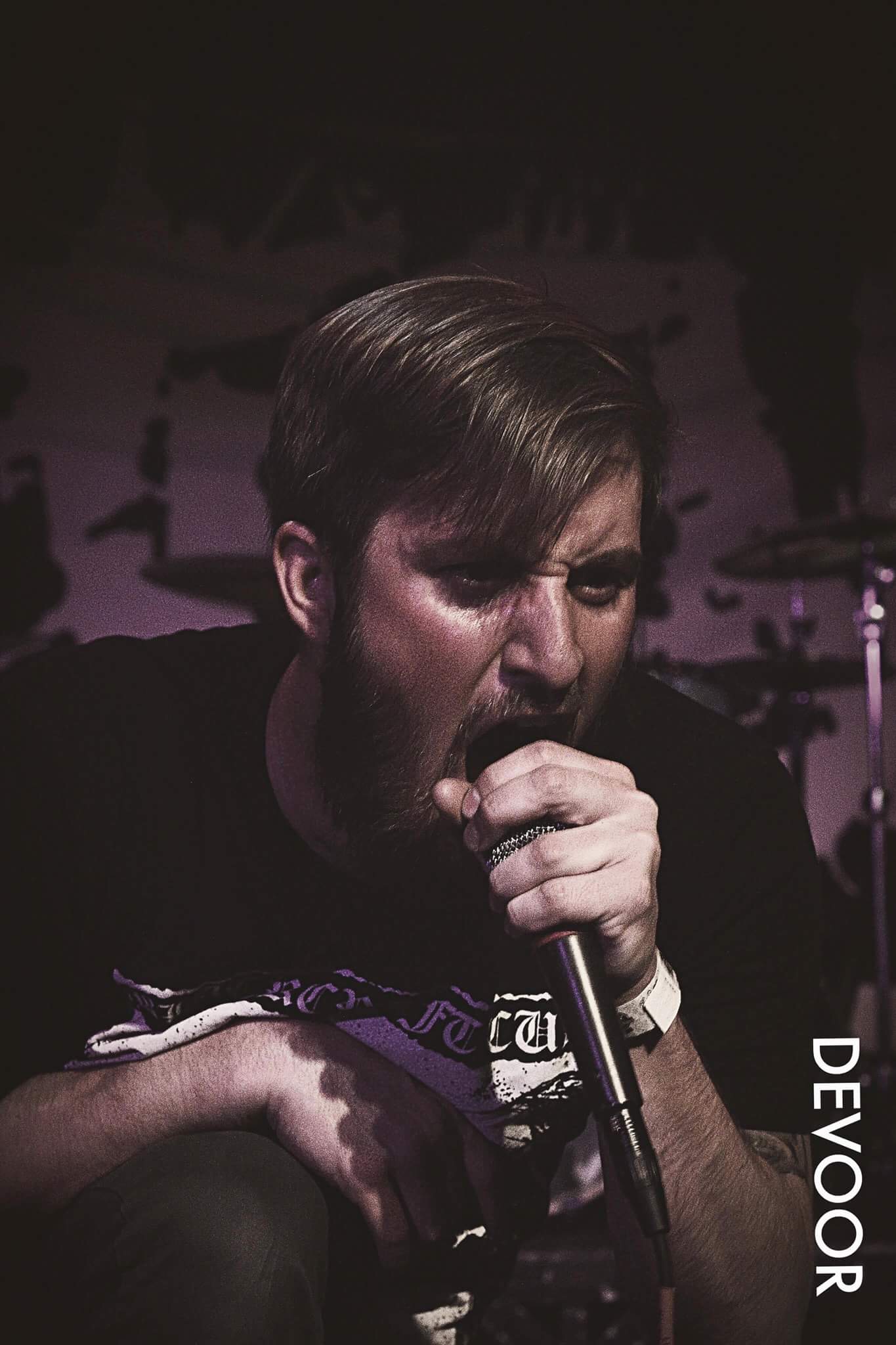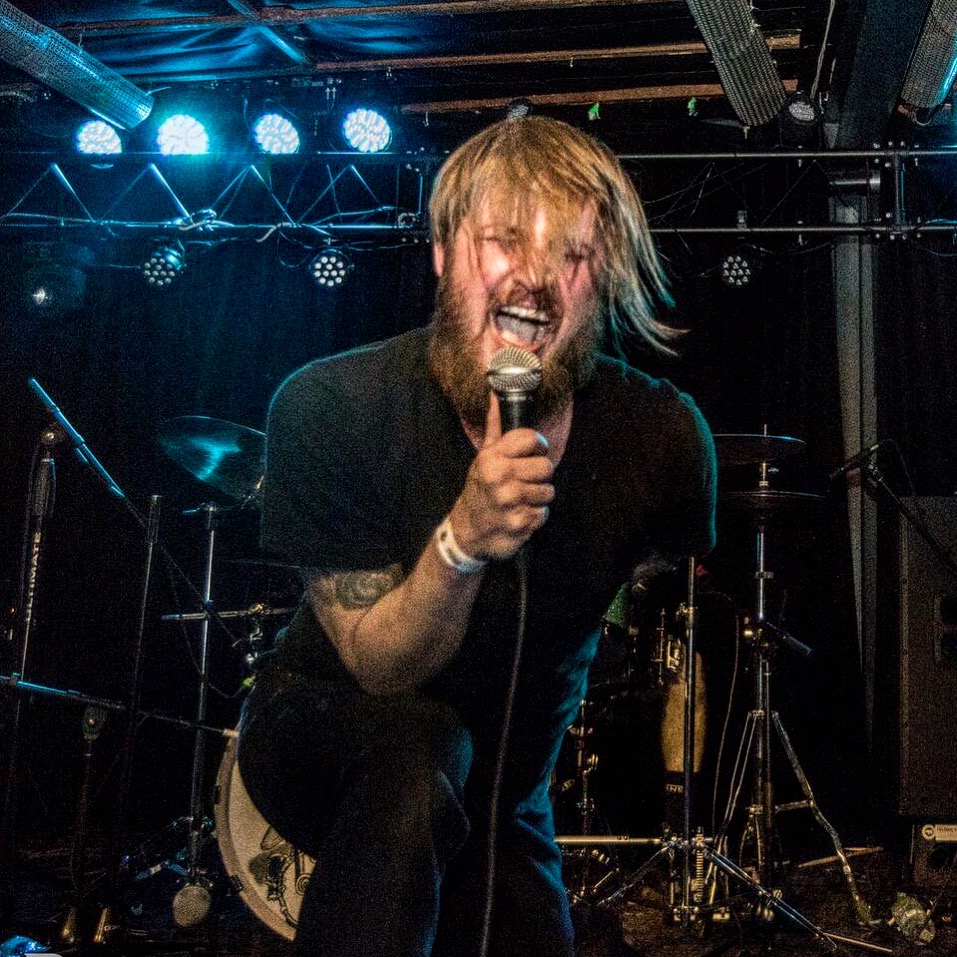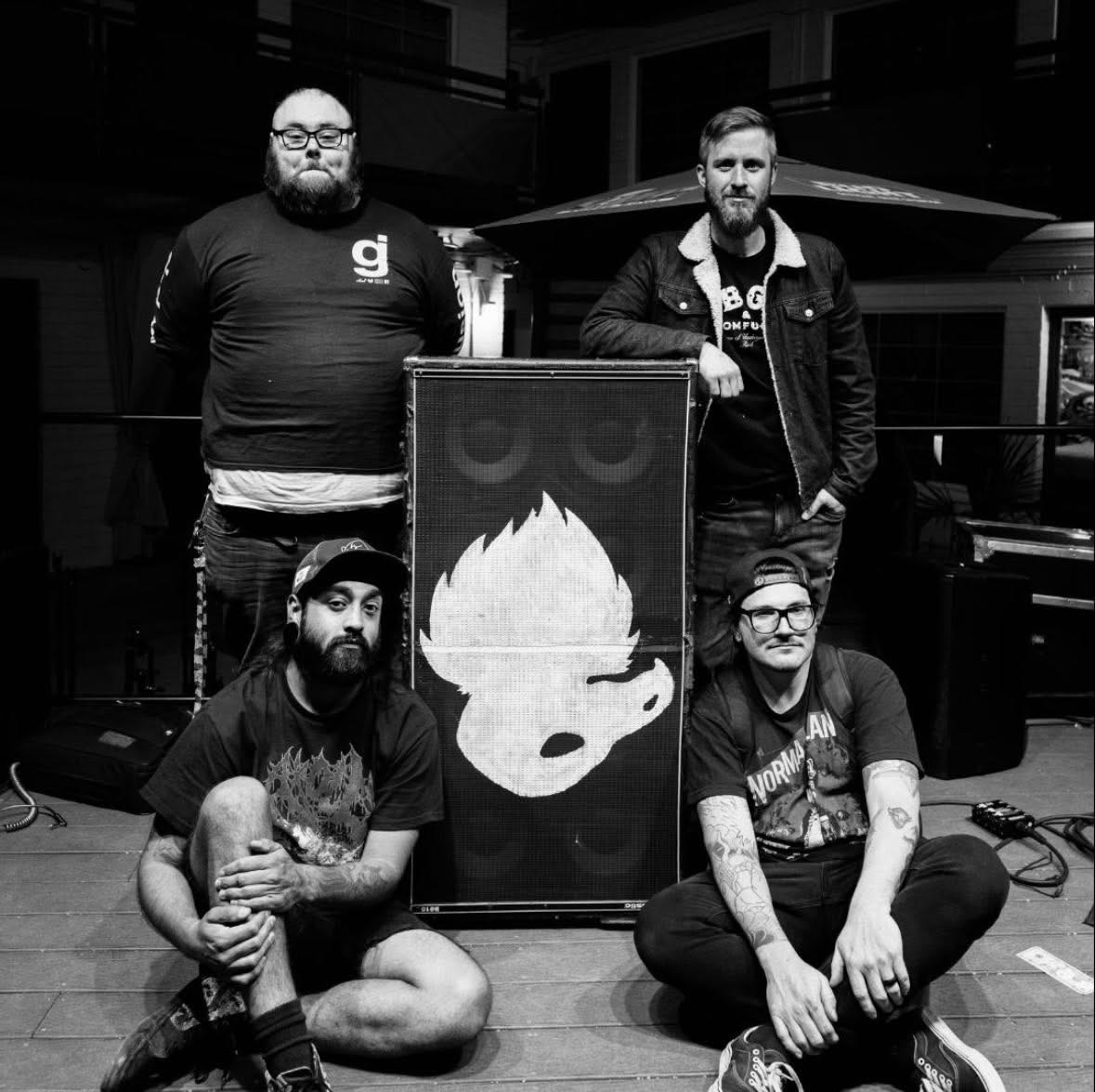
We recently had the chance to connect with Brandon Kellum and have shared our conversation below.
Brandon, we’re thrilled to have you with us today. Before we jump into your intro and the heart of the interview, let’s start with a bit of an ice breaker: What’s more important to you—intelligence, energy, or integrity?
If I had to choose, I’d go with integrity. Intelligence without integrity just makes you a clever con artist. Energy without it can turn into a loud distraction. Integrity is the compass that carried us from writing Still Life in a sweaty Phoenix garage to closing the book with Future Orphans.
Every record has been a snapshot of where we were at the time. The chaos of Anti-Melody, the raw socially aware statement made with Dopamine Dealer, and everything in between was rooted in the idea that we weren’t chasing trends in metalcore or hardcore punk. We were just trying to stay true to the DIY ethics and Arizona scene that shaped us.
Energy fades. Intelligence can be debated. Integrity is what sticks. If people remember us as the Phoenix band that never faked it and gave everything back to the community that raised us, then I think we did something right.
Can you briefly introduce yourself and share what makes you or your brand unique?
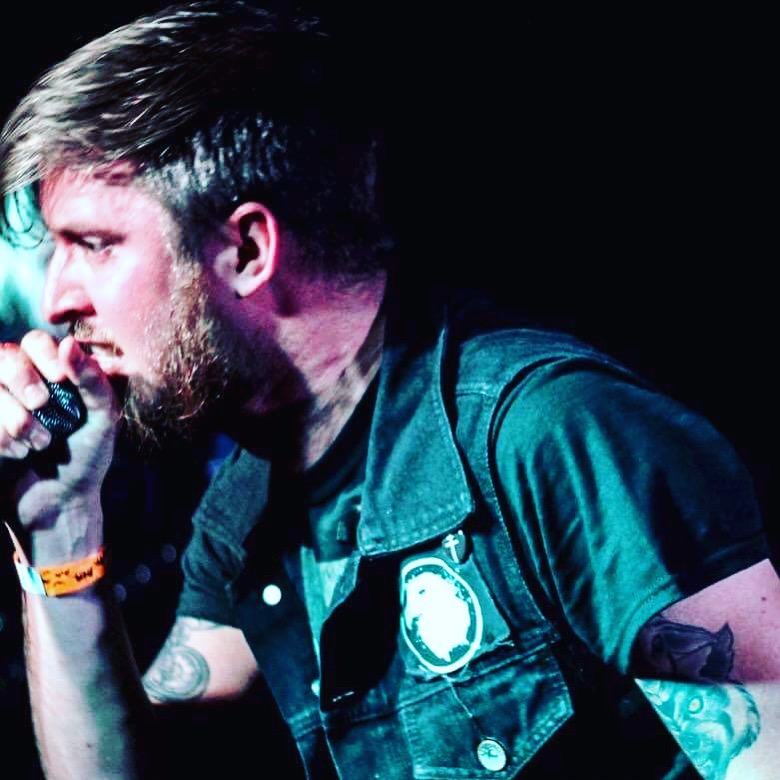
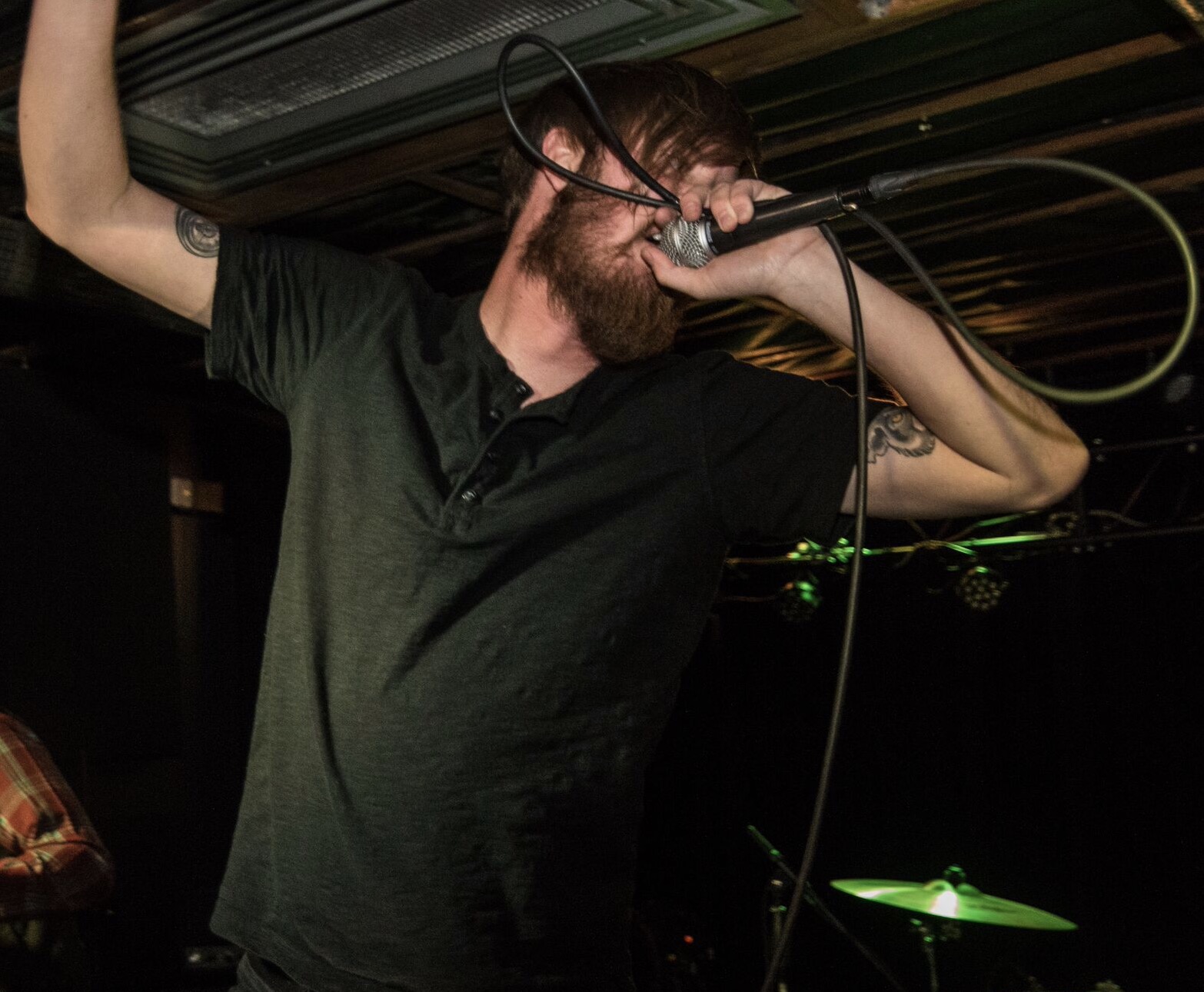
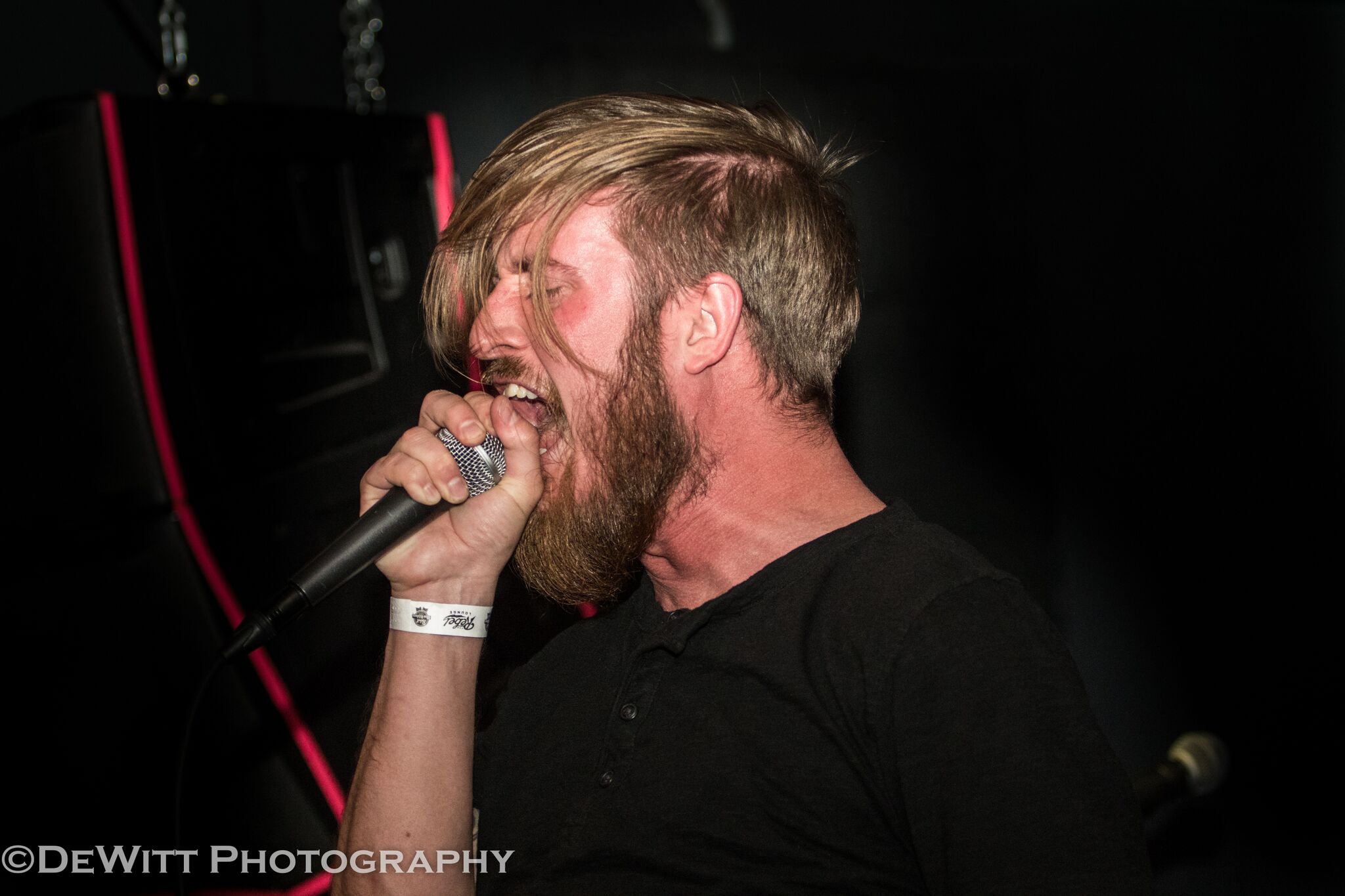
I’m Brandon Kellum, vocalist for American Standards, a chaotic hardcore band that started in Phoenix back in 2011. We came together with nothing more than the idea that music could be loud, honest, and a little unhinged in the best way. From our first record Still Life to our final release Future Orphans, the thread has always been community and connection.
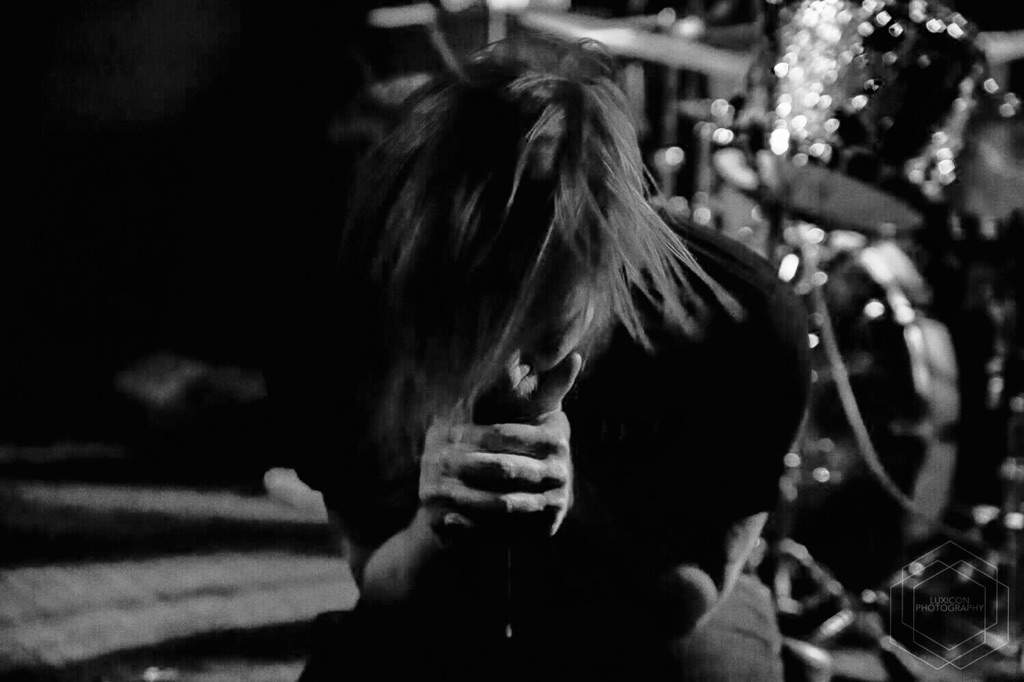
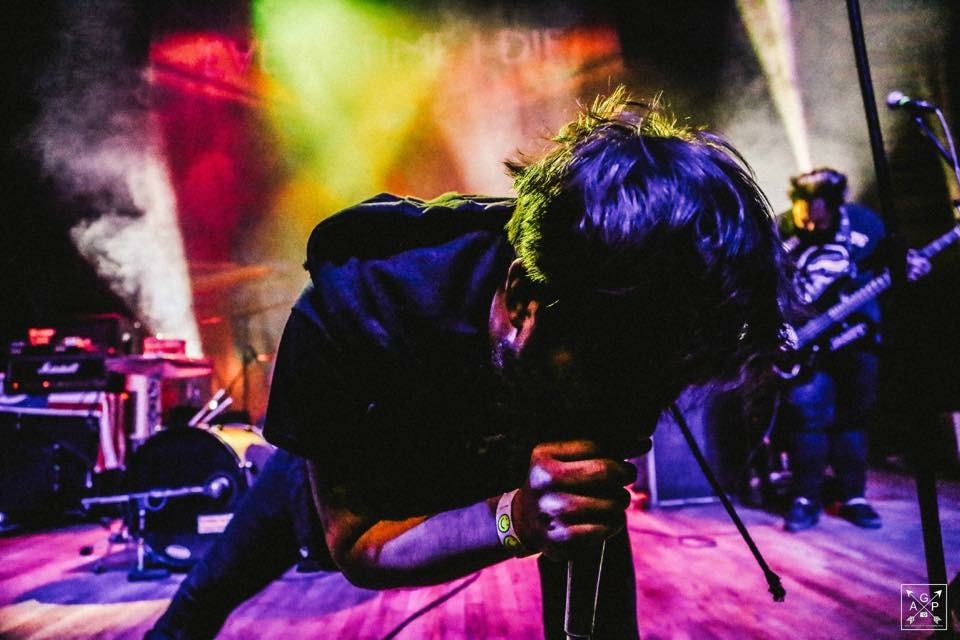
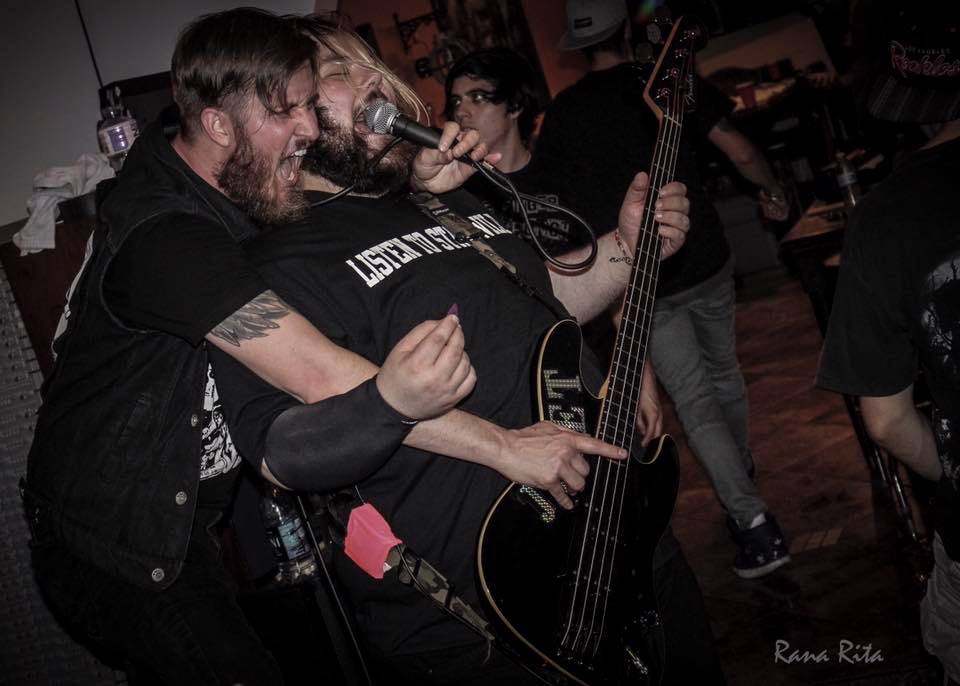
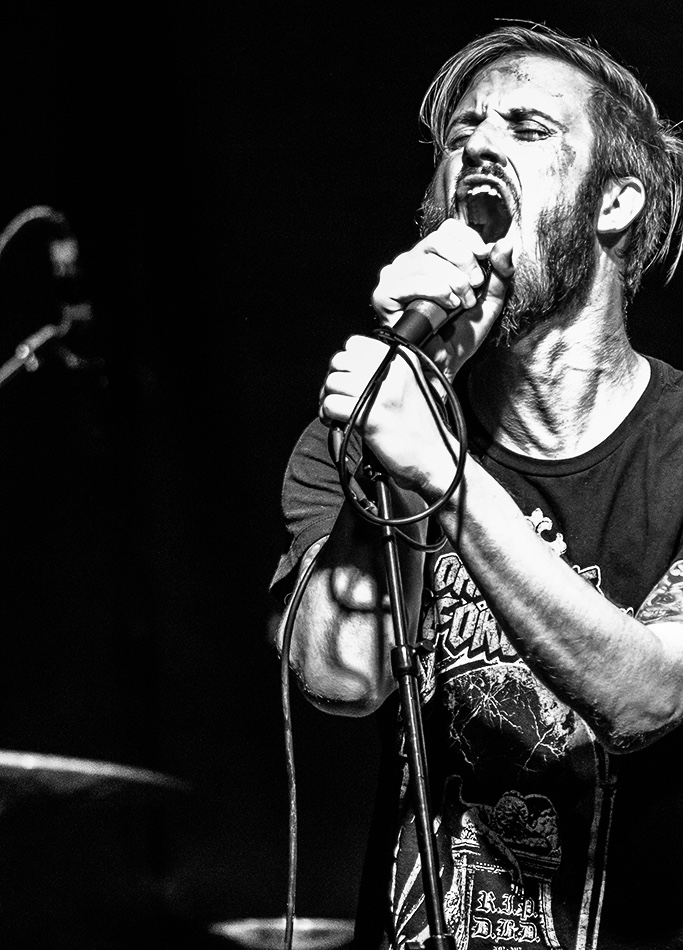
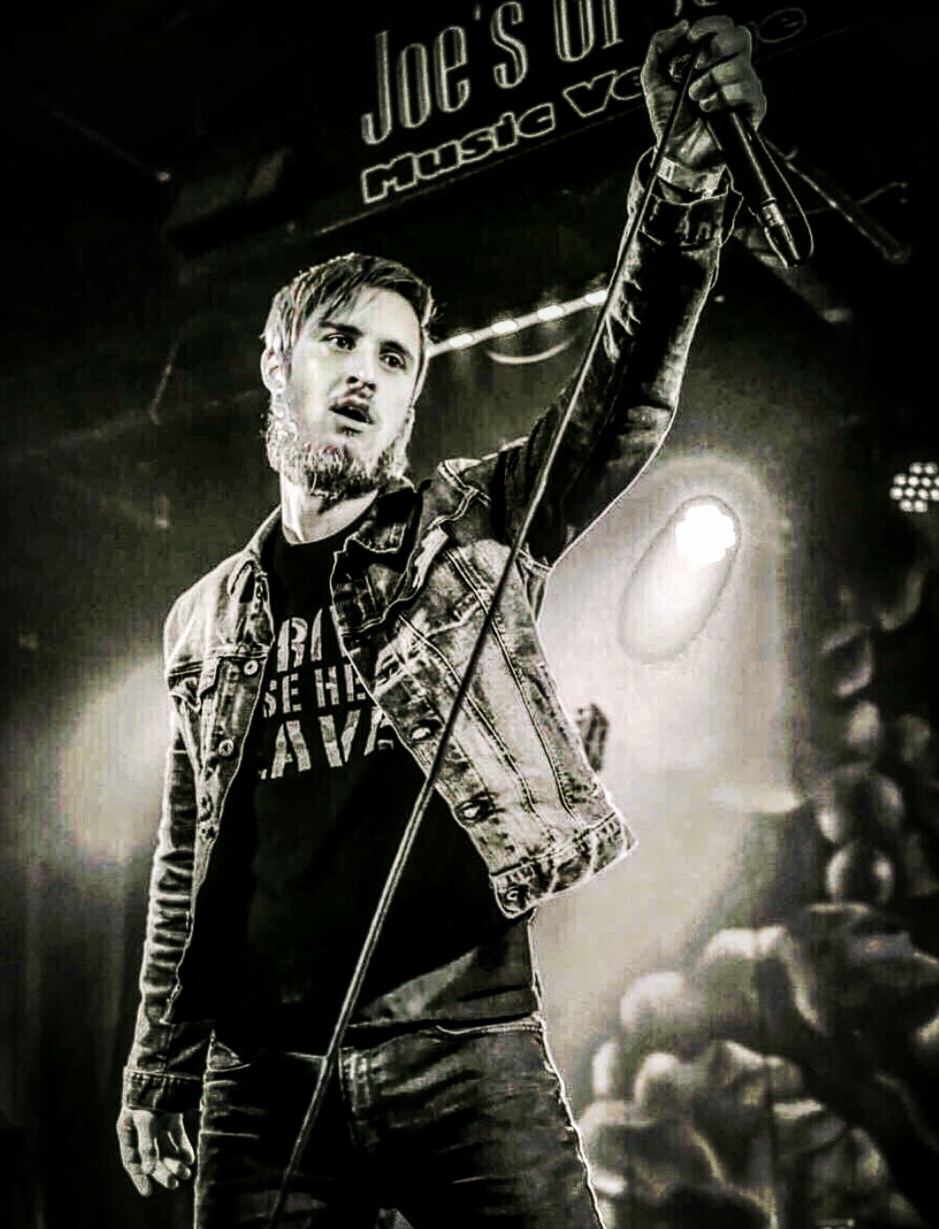
What makes American Standards unique isn’t that we reinvented the wheel. It’s that we leaned into our imperfections and let the chaos work for us. Our shows have always felt more like a conversation than a performance. Sweaty rooms, people stage-diving off anything that would hold their weight, and a lot of catharsis yelled into microphones that probably shouldn’t have survived a single tour.
We’ve been lucky enough to carve out a space in the Arizona punk and metal scene, sharing stages with bands we grew up admiring and putting out music that reflected the times we were living through. Records like Anti-Melody came from loss and rebuilding. Dopamine Dealer was about navigating the noise of modern life. And Future Orphans was our way of tying a bow on everything we’ve built together.
At the end of the day, American Standards has always been about more than breakdowns and noise. It’s about integrity, DIY ethos, and leaving something behind that feels genuine. If that resonates with even one person, then it’s been worth every mile in the van.
Great, so let’s dive into your journey a bit more. What’s a moment that really shaped how you see the world?
One of the biggest moments that shaped how I see the world came in 2016 when my dad passed away. Losing him forced me to wrestle with things I’d always buried under the noise of day-to-day life. That grief and realization of my own mortality bled directly into Anti-Melody, which we wrote as a way of processing the idea that sometimes the loudest part of a song or life isn’t the chaos, but the silence that follows.
Up until then, I thought of music as an outlet. After that, it became more of a lifeline. It taught me that vulnerability isn’t weakness, and that sharing your struggles on stage can create a space where someone else feels less alone. From tiny Phoenix house shows to bigger festival stages, I realized the connection mattered more than the spotlight.
That perspective carried into later releases like Dopamine Dealer, where we unpacked how easy it is to distract ourselves from uncomfortable truths, and Future Orphans, which we approached with the clarity of knowing nothing lasts forever. It made me see that the most important thing we leave behind isn’t the records or the merch—it’s the impact we have on the people around us.
Was there ever a time you almost gave up?
There were definitely moments where I thought about walking away. Life has a way of throwing curveballs that make music feel both too small to matter and too big to handle. Losing my dad was one of those moments. Grief shifted everything, and it made me question what I was doing and why.
The Anti-Melody era was especially tough. That record was born out of loss, and while writing it helped me heal in some ways, it also forced me to stare down some uncomfortable truths. There were lineup changes, personal struggles, and plenty of doubt about whether American Standards could keep going.
Dopamine Dealer became a turning point. It was us admitting that distraction and avoidance weren’t answers, and that we needed to face the hard stuff head-on. Making that record reminded me that the band wasn’t about chasing success—it was about being honest and connecting with people through that honesty.
By the time we got to Future Orphans, there was a sense of clarity. That album felt like closure, but also like gratitude in musical form. It doesn’t erase the times I wanted to give up, but it reframes them as necessary steps that made the ending feel meaningful.
So yes, I almost gave up more than once. What kept me going were the people around me and the belief that if we stayed true to ourselves, the music could still mean something to someone else.
I think our readers would appreciate hearing more about your values and what you think matters in life and career, etc. So our next question is along those lines. What important truth do very few people agree with you on?
An important truth I hold onto is that most people aren’t as far apart as we think. Everyone believes what they believe for a reason—whether it’s nature, nurture, or the circumstances they’ve lived through. Right or wrong, those experiences shape us. And sometimes it takes actually listening to why someone feels the way they do to realize there’s common ground hiding underneath the noise.
Don’t get me wrong, there’s real evil in the world and we should never turn a blind eye to it. That’s the extreme we have to fight against, and it takes vigilance. But outside of those extremes, we’re more alike than we are different. The problem is that the algorithms, echo chambers, and constant outrage cycle of social media can make us forget that. They profit off amplifying our differences, while the truth is usually somewhere quieter in the middle.
That perspective has shaped our music from the start. Records like Anti-Melody and Dopamine Dealer dug into the tension between chaos and connection, noise and meaning. Future Orphans carried that same thread forward, reminding me that if we can step back and see the bigger picture, we realize we’re all just trying to find our place in something larger.
So the truth that few may agree with me on is this: most of us want the same things—to be seen, to be heard, to matter. If we start there, maybe we’ll see that our differences aren’t as insurmountable as the headlines and feeds would have us believe.
Okay, so let’s keep going with one more question that means a lot to us: What do you think people will most misunderstand about your legacy?
I think people may misunderstand our legacy if they assume we ever set out to be one of the biggest bands from Arizona or the most popular band from Phoenix. That was never the goal. We didn’t want to be the fastest hardcore band, the heaviest mathcore band, or the most technical metalcore band. What we wanted was to be genuine and authentic—to create music that felt real to us and hopefully connected with people on that same level.
From the beginning, American Standards was rooted in the Phoenix, Arizona hardcore and punk scene. Albums like Still Life and Anti-Melody weren’t written to chase trends, they were written as honest reflections of what we were going through. Dopamine Dealer pushed into conversations about distraction and mental health, while Future Orphans was our final chapter—a farewell record that felt more like a thank-you letter to the Arizona mathcore and chaotic hardcore community than a swan song.
So if someone looks back and measures American Standards only by popularity, speed, heaviness, or technicality, they might miss what mattered most. The truth is, our legacy isn’t about being the biggest Phoenix hardcore band or the most famous mathcore band from Arizona. It’s about being remembered as the band that stayed true to itself, gave everything back to the Phoenix DIY punk community, and wrote music that was authentic, raw, and meaningful.
Contact Info:
- Website: https://americanstandards.github.io/AmericanStandards
- Instagram: https://www.instagram.com/AmericanStandards
- Twitter: https://x.com/americanstndrds
- Facebook: https://www.facebook.com/AmericanStandards
- Youtube: https://www.youtube.com/@AmericanStandardsAZ
- Soundcloud: https://on.soundcloud.com/yBxXPmPWJC7dvXQ9nx
- Other: https://open.spotify.com/playlist/37i9dQZF1DZ06evO3PD35J?si=HlamkDuOSLuszokfmFg7iA&pi=ZNioA0AvQr62B