We recently had the chance to connect with Jake Holley and have shared our conversation below.
Jake, we’re thrilled to have you with us today. Before we jump into your intro and the heart of the interview, let’s start with a bit of an ice breaker: Have any recent moments made you laugh or feel proud?
Thinking back to September of this year, when 27 former foster youth came together in Baltimore for the Youth Leadership Institute with the Annie E. Casey Foundation, there were a couple moments that really stuck with me in a way I didn’t expect. We all showed up wanting to learn, wanting to grow, wanting to figure out how to make things better for the next generation coming up behind us. But in the middle of all that, I ended up connecting with six amazing people who honestly felt like instant family. It wasn’t forced — it just happened.
One night after a long day of sessions, the seven of us decided we needed real food and real time to just be ourselves, so we headed out and chose a hotpot place. And that night turned into something special. We were all crowded around the table, tossing ingredients in, figuring things out as we went, but the part that hit me wasn’t the food — it was the conversation. We talked like we had known each other for years, not days. It was effortless, familiar, the kind of conversation where you forget you’re technically still strangers because everything just feels that comfortable.
And honestly, that’s what made me proud. Proud to be part of a group of 27 young people who’ve been through so much and still show up ready to make change. Proud of the seven of us who found that natural connection in the middle of a busy institute. And proud that even with everything we carry, we could sit around a hotpot table in a city that wasn’t home and talk like old friends — building community without even trying. And Shoutout to my HotPot Crew, Much Love Yall.
Can you briefly introduce yourself and share what makes you or your brand unique?
My name is Jacob Holley, but I go by Jake. I’m a former foster youth who turned a really difficult upbringing into a mission to support kids, families, and the people who show up for them. These days, I work as a speaker and trainer, using my lived experience to help foster parents, child-welfare professionals, and community organizations understand the power of connection, belonging, and trauma-informed care.
What makes my work unique is that it’s not theoretical for me—I lived through the system I’m trying to improve. I know what it feels like to fall through the cracks, and I also know how one supportive person can completely change your path. Everything I do, whether it’s presenting, writing, or training, is rooted in humanizing the conversation and reminding people that young people are more than their case files.
I’m currently finishing my degree in Human Services, and I’ll be graduating with my BA in Spring 2026. I’m also developing a workshop called *The Power of One: How One Connection Can Change a Life*, which focuses on the impact of one caring adult in a young person’s life.
At the end of the day, my work is about creating the kind of community and sense of belonging that I didn’t always have growing up. If my story helps even one person show up differently for a young person in their world, then I’m doing exactly what I’m supposed to be doing.
Thanks for sharing that. Would love to go back in time and hear about how your past might have impacted who you are today. What breaks the bonds between people—and what restores them?
Honestly, bonds don’t usually break because of one huge moment. Most of the time, it’s the small things that pile up—feeling overlooked, not being heard, people not showing up the way they said they would. Trust gets chipped away piece by piece. And when you’ve been through trauma, especially growing up in foster care, you start to expect people to leave. That expectation alone can push people away or make you hold back before the relationship even has a chance.
But the part that gives me hope is that bonds can be restored—and it doesn’t take anything fancy. What heals connection is consistency. Just someone showing up, even in small ways. It’s honesty without judgment, and the kind of presence that says, “I’m here, and I’m not going anywhere.” It’s creating space where people don’t have to perform or protect themselves every second. And honestly, it’s grace—giving each other room to be human, to mess up, to try again.
In my life, the strongest bonds were rebuilt through people being steady, not perfect. Just real. Just present. That’s what restores connection: showing up when it matters and reminding someone that they’re worth staying for.
If you could say one kind thing to your younger self, what would it be?
I’d tell my younger self: You’re going to make it. Even when it feels like everything is falling apart, you’re stronger than you know. It’s okay to feel hurt, scared, or lost—none of that makes you weak. Even the people we lost along the way, the ones who aren’t here anymore, are still with us in a way. As hard as it sounds, their absence shaped me, pushed me to grow, and forced me to survive.
Your trauma didn’t define you—you defined your trauma. You took it and made the most of it. And now, the way I show up for my community, helping others who’ve been through tough experiences, is me becoming the person you needed back then. That’s the person I hope you see: someone turning pain into purpose, struggle into service, and loss into connection.
Sure, so let’s go deeper into your values and how you think. What’s a cultural value you protect at all costs?
A cultural value I protect at all costs is the idea that family isn’t always defined by blood. Family is about who shows up for you, who has your back when the world feels against you, and who you can count on no matter what. Growing up in foster care taught me that the people who really matter aren’t always the ones you’re born into—they’re the ones who choose to stand by you, even when it’s hard.
My chosen family now includes my hot pot crew I met in Baltimore, who started as friends but quickly became friends that feel like family, my sister and best friend Meg, who owns her salon Two of A Kind in Phoenix, AZ, and my best friend and brother Devin. All of them show up and support me with so much love, and they remind me every day that family is something you build, nurture, and protect.
Okay, so let’s keep going with one more question that means a lot to us: What is the story you hope people tell about you when you’re gone?
I hope people tell a story about me that isn’t just about what I survived, but about how I showed up for others. I want them to say I was someone who turned everything I went through—every loss, every trauma, every moment I could’ve given up—into something that helped other people feel less alone. I hope they say I tried to make the world a little softer for the kids and youth coming up behind me, that I built community wherever I went, and that I loved my chosen family fiercely.
More than anything, I hope the story people tell is that I was proof you can take a painful beginning and still create something meaningful, something rooted in connection, care, and showing up for your community. I hope Meg, Devin, and my hot pot crew would keep my memories and my spirit alive, continuing the love, laughter, and support we shared so that part of me always stays with them.
Contact Info:
- Linkedin: https://www.linkedin.com/in/jacob-holley-70774024a/
- Facebook: https://www.facebook.com/jacob.holley.9216
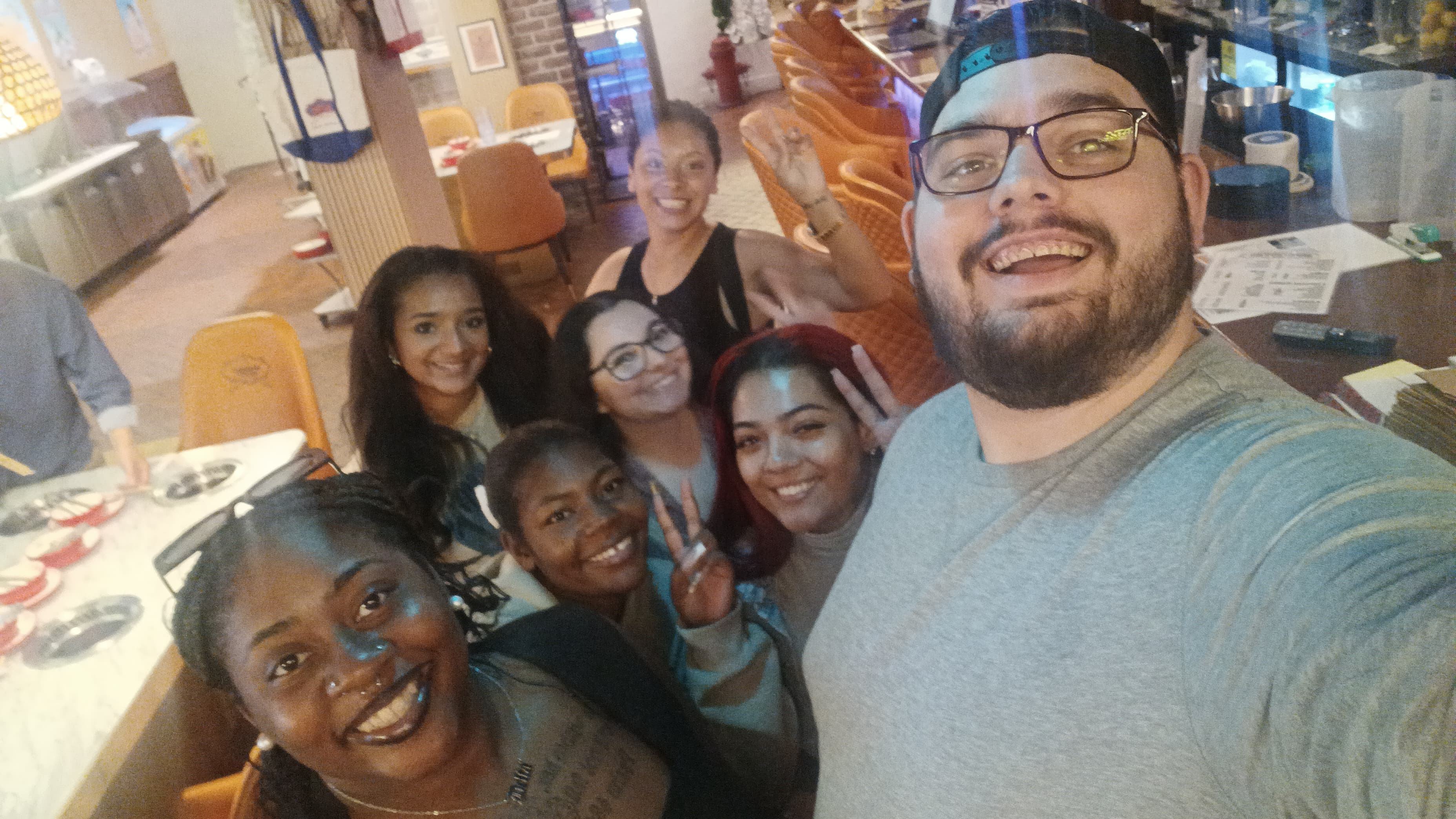
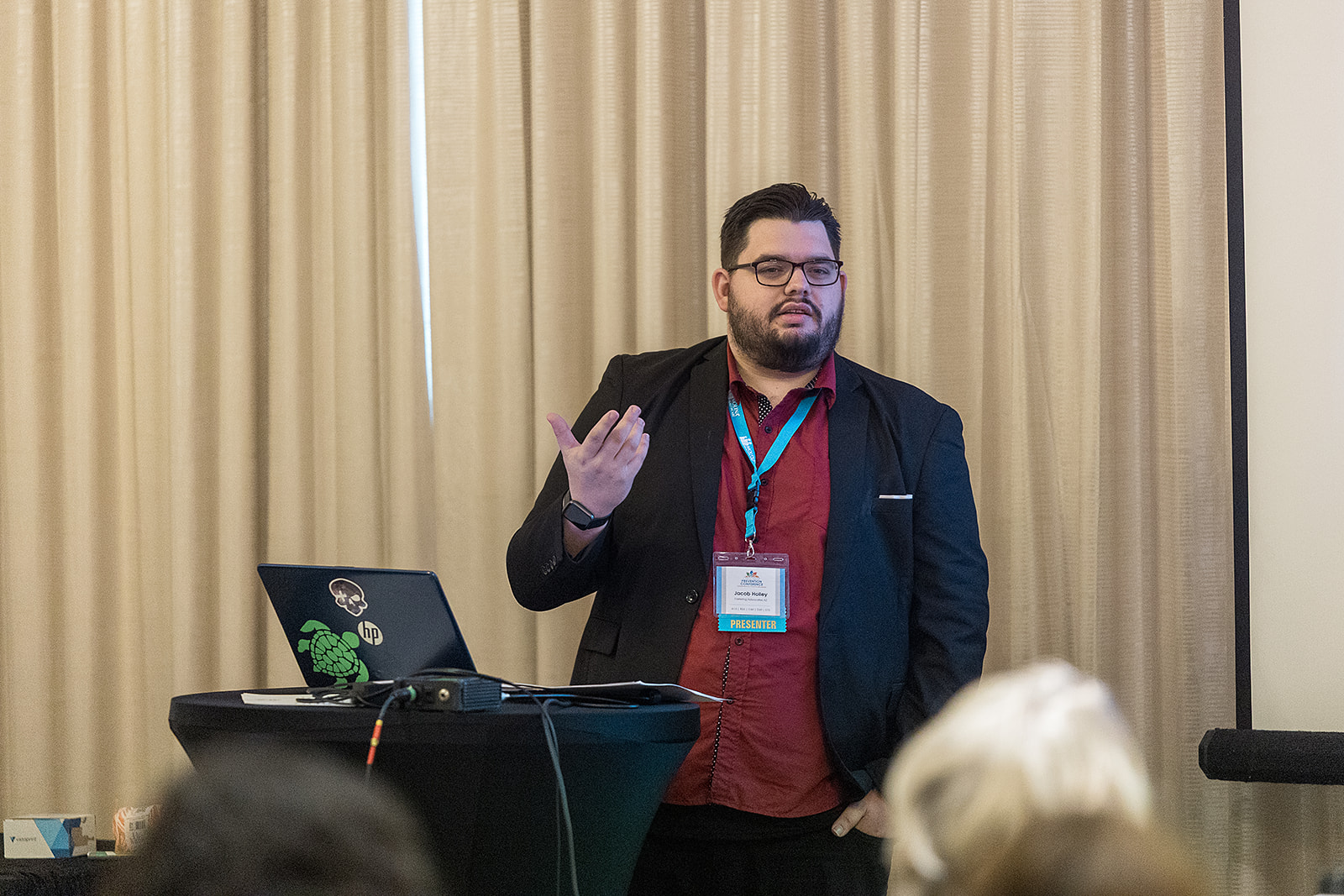
Image Credits
Lance Omar Thurman, Lance Omar Thurman Photography
Sophia DuBois, DuBois Photography