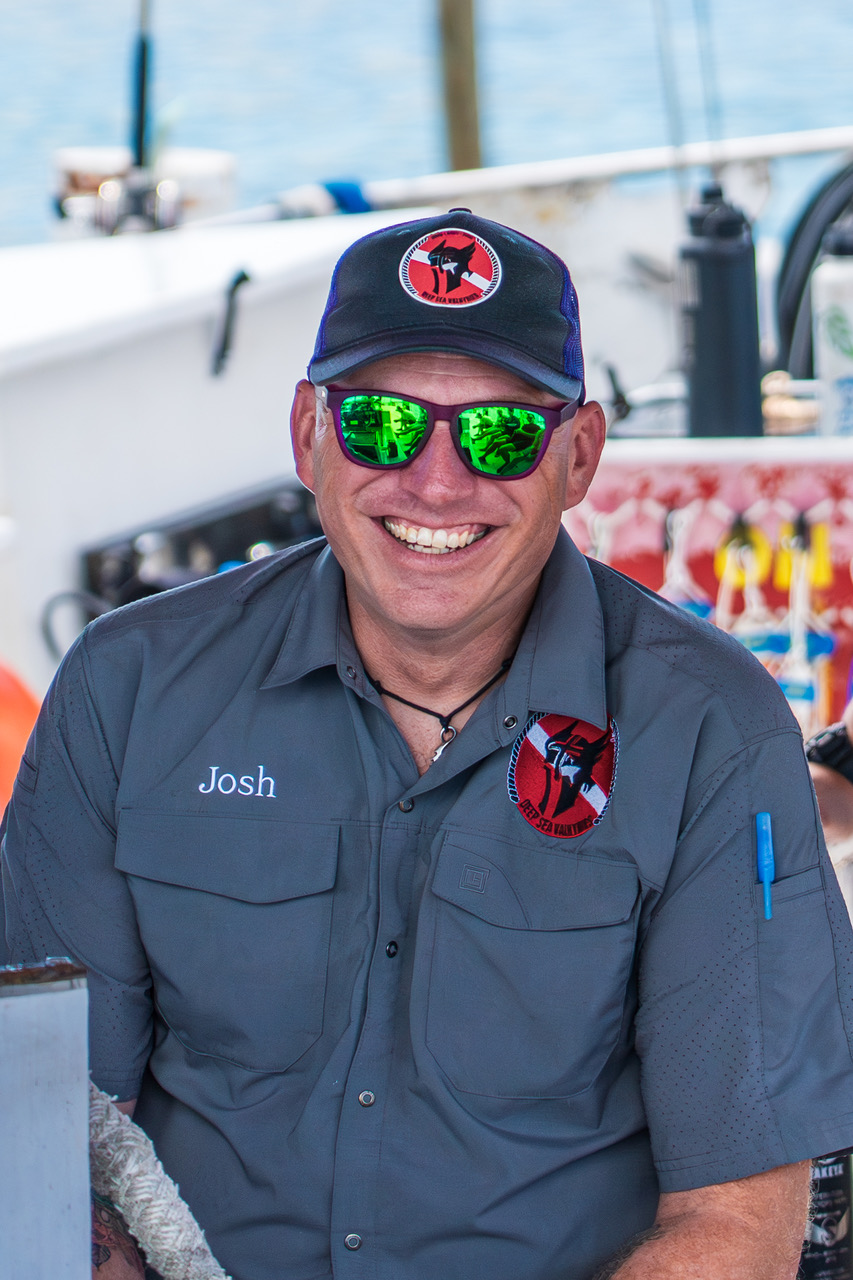
Today we’d like to introduce you to Joshua Grzywa.
Alright, so thank you so much for sharing your story and insight with our readers. To kick things off, can you tell us a bit about how you got started?
Deep Sea Valkyries began in 2014 during one of the most difficult periods of my life. Over the course of six weeks, eight Soldiers I had served with died by suicide. Those losses forced me to confront how many Veterans were carrying trauma, guilt, isolation, and a loss of purpose, often without finding a place where they felt safe enough to speak honestly about what they were experiencing.
Together with my wife Neysa, and friends Jeff Hensley and Roger Levine, I began asking what a different kind of program could look like. We did not want to create another recreational trip or a crisis-intervention service. We wanted to reach Veterans before they reached a crisis point and provide an environment where they could step away from their daily stressors, lower their defenses, and begin doing meaningful work on themselves. That idea became Deep Sea Valkyries.
From the beginning, we built the program around three pillars: mind, body, and soul. Our retreats combine licensed clinical counseling using CBT-informed and trauma-informed practices, therapeutic scuba diving, peer support, and a spiritual component to address moral injury, guilt, grief, forgiveness, trust, and purpose. Scuba diving is an important part of the experience, but the program has never been only about diving. Underwater, participants must regulate their breathing, remain present, trust their teammates, and work through discomfort; all skills that closely support the work taking place during counseling sessions.
Our philosophy is based on “one degree of course correction.” We do not promise that one retreat will instantly change someone’s entire life. Instead, we help participants make a meaningful shift in direction. A one-degree change may seem small at first, but over time it can lead someone to a very different destination.
What started as a small Veteran-focused organization has grown into a national program serving Veterans and First Responders from across the United States. We have completed 13 primary retreats serving 192 participants, along with 11 reunion and special aftercare events totally 297 alumni served. We have watched alumni remain connected, return as volunteers, pursue new careers and education, become dive professionals, rebuild relationships, and support others who are walking a similar path.
The organization remains completely volunteer-driven, and its growth has come through the commitment of our staff, alumni, donors, sponsors, and community partners. More importantly, we have remained intentional about measuring the program’s impact. Pre- and post-retreat assessments have shown meaningful improvements in PTSD symptoms, quality of life, moral injury, and daily functioning.
Today, Deep Sea Valkyries is still grounded in the reason it began: honoring those we lost by helping others find hope before they believe hope is gone. We are continuing to grow, improve our program, strengthen aftercare, and create a community where Veterans and First Responders are reminded that they are not alone and that even one degree of course correction can change the direction of a life.
I’m sure it wasn’t obstacle-free, but would you say the journey has been fairly smooth so far?
No, it has not been a smooth road. The most difficult part has never been believing in the mission or seeing the need. The challenge has been sustaining the financial support and volunteer capacity required to continue doing the work year after year.
COVID created one of the most difficult periods in our history. Travel restrictions disrupted our ability to conduct retreats, fundraising events were postponed or canceled, and many of the businesses that had supported us were suddenly focused on keeping their own employees paid and their doors open. We completely understood what they were facing, but it created significant uncertainty for a small nonprofit that depends on donations, sponsorships, grants, and community support.
The challenge has changed since then, but it has not disappeared. As the Post-9/11 wars move further into the past and receive less public attention, it can be easy for people to assume that the needs associated with those conflicts have also diminished. In reality, many Veterans continue to carry the effects of trauma, moral injury, isolation, grief, and loss of purpose long after the wars themselves have faded from the headlines. The same is true for First Responders, who are repeatedly exposed to traumatic events throughout their careers.
At the same time, nonprofit organizations are competing for a limited amount of charitable funding while the costs of travel, insurance, lodging, food, equipment, and program delivery continue to rise. We have watched other organizations reduce services or close entirely because they could no longer sustain their operations. That reality is never far from our minds.
Deep Sea Valkyries remains completely volunteer-driven. No staff member, board member, counselor, chaplain, or program leader receives a salary from the organization. Every dollar we raise supports the mission, including retreat transportation, lodging, meals, counseling materials, therapeutic scuba activities, insurance, participant equipment, aftercare, and the basic operating costs necessary to deliver the program safely and responsibly. Our volunteers also contribute thousands of hours of professional expertise, preparation, travel, and personal time.
There have been years when we were unsure how we would fund the next retreat, but we continued moving forward because the need did not go away simply because funding became more difficult. Those challenges have made us more disciplined, more transparent, and more intentional about measuring results. They have also taught us to value every donor, sponsor, volunteer, and community partner who believes that Veterans and First Responders deserve an opportunity to heal.
The road has not been easy, but every participant who reconnects with family, finds renewed purpose, asks for help, or begins supporting someone else reminds us why the struggle is worth it.
Thanks – so what else should our readers know about Deep Sea Valkyries?
As we mentioned before, Deep Sea Valkyries is a volunteer-driven nonprofit that provides intensive healing retreats for Veterans and First Responders living with trauma, post-traumatic stress, moral injury, isolation, grief, and loss of purpose. Our program combines licensed clinical counseling, therapeutic scuba diving, peer support, and whole-person care within an immersive environment built around the mind, body, and soul.
What sets us apart is not any one activity, but how each part of the retreat works together. Counseling that focuses on trauma and moral injury, diving, shared responsibilities, peer connection, and time away from everyday stressors create space for participants to engage honestly, rebuild trust, and begin making meaningful changes. Our philosophy is based on “one degree of course correction”—the belief that even a small shift in direction can lead to a very different destination over time.
I am especially proud that no board member, counselor, chaplain, staff member, or program leader receives a salary from the organization. Donations, grants, and sponsorships support the retreats, aftercare, and the essential costs required to operate the program safely and responsibly. Since 2014, we have completed 13 primary retreats serving 192 participants, along with 11 reunion and special aftercare events. We also use pre- and post-retreat assessments according to the American Psychological Association’s DSM-5 to measure changes in PTSD symptoms, quality of life, moral injury, and daily functioning so we can demonstrate impact and continue improving the program.
Outside of Deep Sea Valkyries, I work professionally as an airline pilot. After being medically retired from the Army, I returned to school, completed my degree, and built a second career in aviation. That journey taught me that an unexpected change in direction does not have to mean the end of purpose or contribution. In many ways, that experience reflects what we hope participants discover through Deep Sea Valkyries: life may not return to the course originally planned, but a new course can still lead somewhere meaningful.
What I most want readers to understand is that Deep Sea Valkyries is not offering participants a vacation. We are creating an environment where Veterans and First Responders can do difficult work, rediscover connection, and begin moving toward healthier and more fulfilling lives. Sponsors and donors make that opportunity possible and we couldn’t do this without their unwavering support.
Risk taking is a topic that people have widely differing views on – we’d love to hear your thoughts.
I do not think of risk as something to avoid entirely. Risk is part of life, and in many cases it is necessary for growth meaningful change. The important distinction is between reckless risk and calculated risk.
I served in the airborne infantry and deployed multiple times, so I learned early that risk has to be respected, understood, and managed. You identify the hazards, prepare for what can go wrong, put controls in place, and then make a deliberate decision about whether the mission is worth pursuing. Today, as an airline pilot, I work in an industry built around that same principle. Aviation does not pretend risk can be eliminated. Instead, it relies on training, procedures, checklists, communication, redundancy, and sound judgment to reduce risk to an acceptable level.
We take the same approach at Deep Sea Valkyries. Our retreats include activities such as scuba diving and travel in remote environments, both of which carry inherent risk. We mitigate those risks through qualified staff, proper training, participant screening, safety planning, appropriate equipment, established procedures, and clear limits. The goal is not to remove every challenge. It is to create an environment where participants can safely work through discomfort, rebuild confidence, and discover that they are capable of more than they may believe.
I also think this applies beyond physical safety. People need guardrails in their personal lives. Those guardrails might be trusted relationships, healthy routines, counseling, accountability, faith, or simply knowing when to ask for help. Guardrails do not eliminate every danger or prevent every mistake, but they can keep a difficult moment from becoming a life-altering one.
Some of the greatest risks I have taken were not necessarily the most physically dangerous. Being medically retired, returning to school, starting a second career, and helping build a nonprofit from the ground up all required stepping into uncertainty. In each case, I had to decide whether the potential purpose on the other side was worth the risk. My view is that meaningful lives are not built by avoiding all risk. They are built by preparing carefully, surrounding ourselves with the right people, and having the courage to move forward when the mission is worth it.
Contact Info:
- Website: https://www.deepseavalkyries.com
- Instagram: https://www.instagram.com/dsvalkyries/
- Facebook: https://www.facebook.com/deepseavalkyries/
- Twitter: https://x.com/DSValkyries
- Youtube: https://www.youtube.com/@deepseavalkyries4926
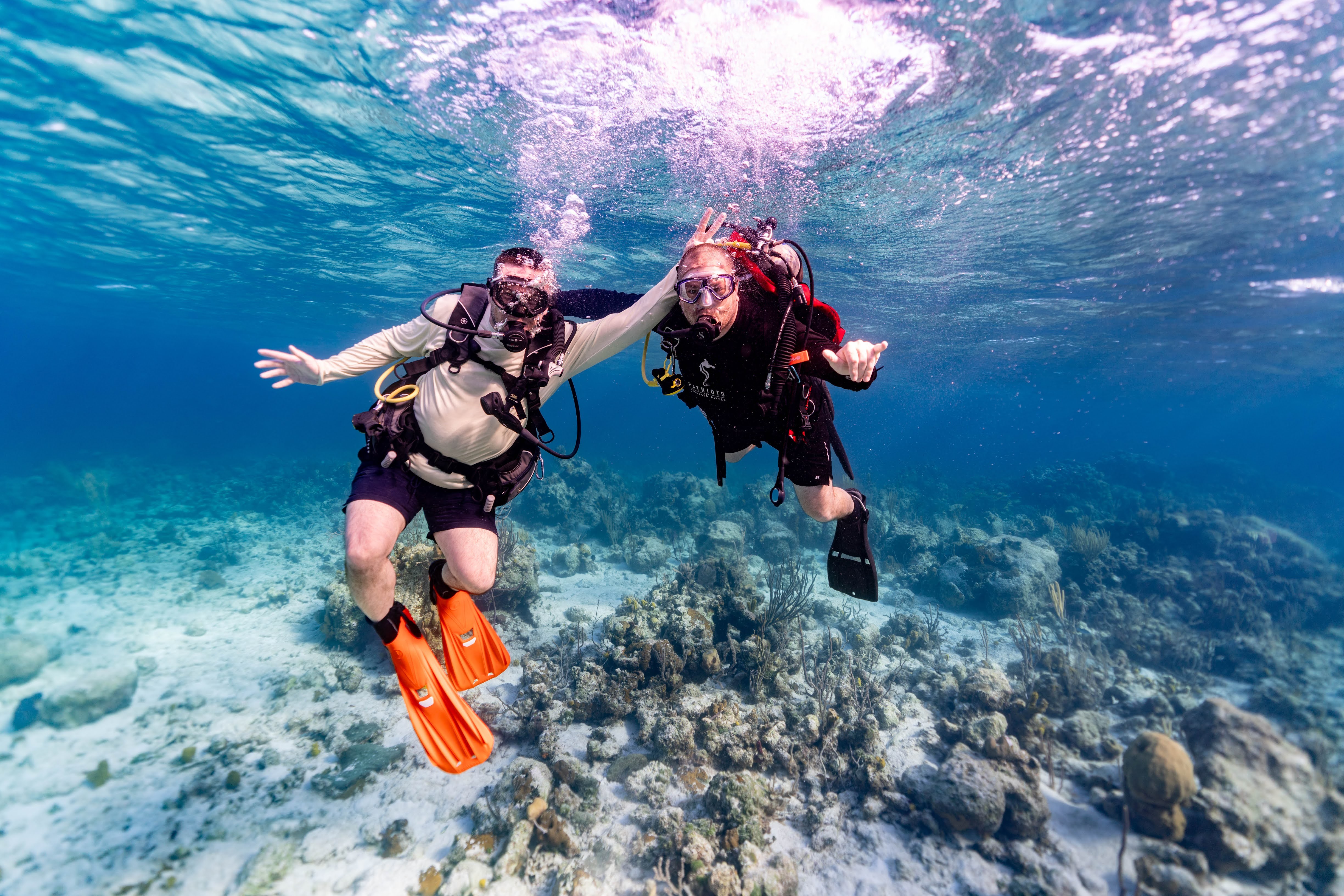
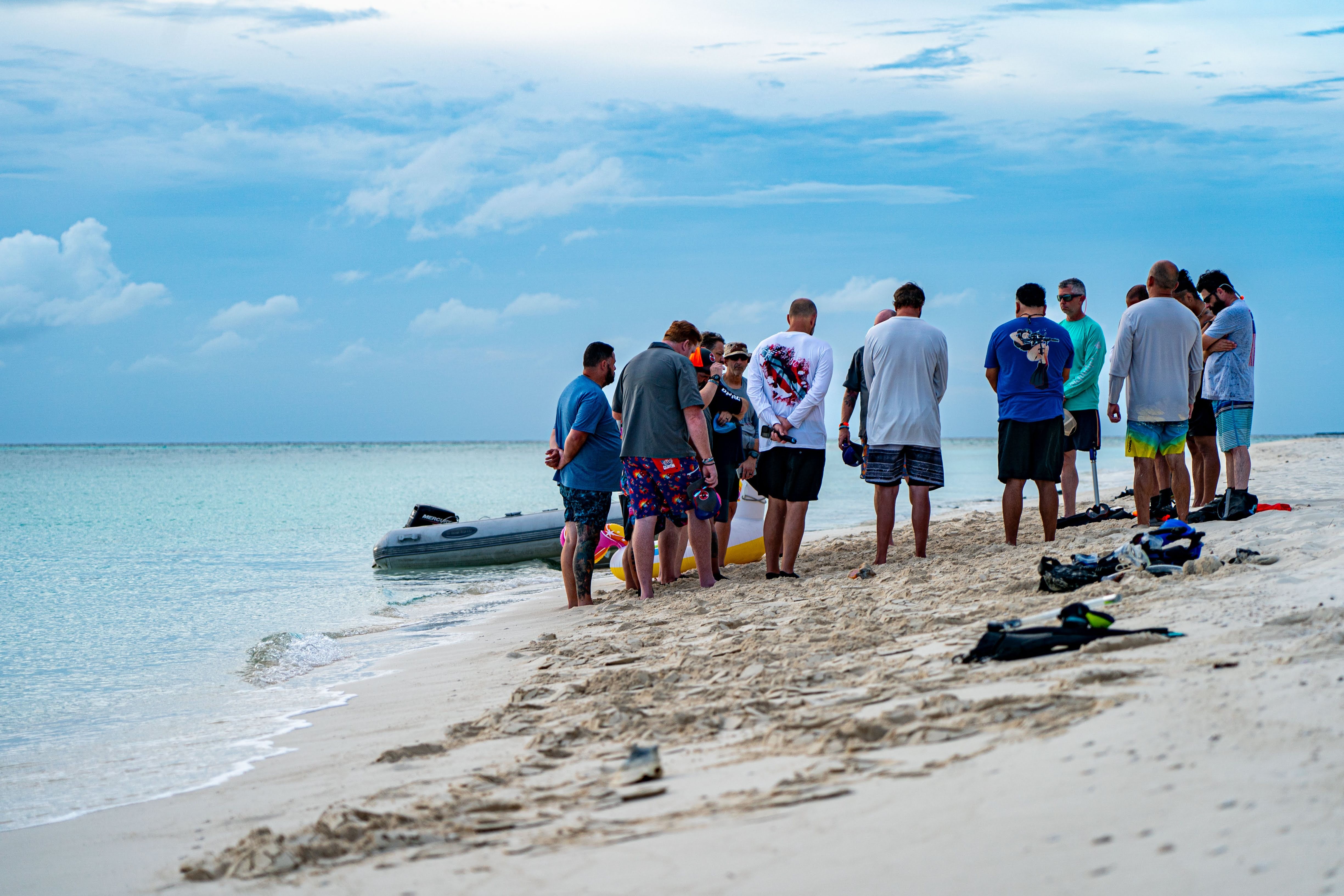
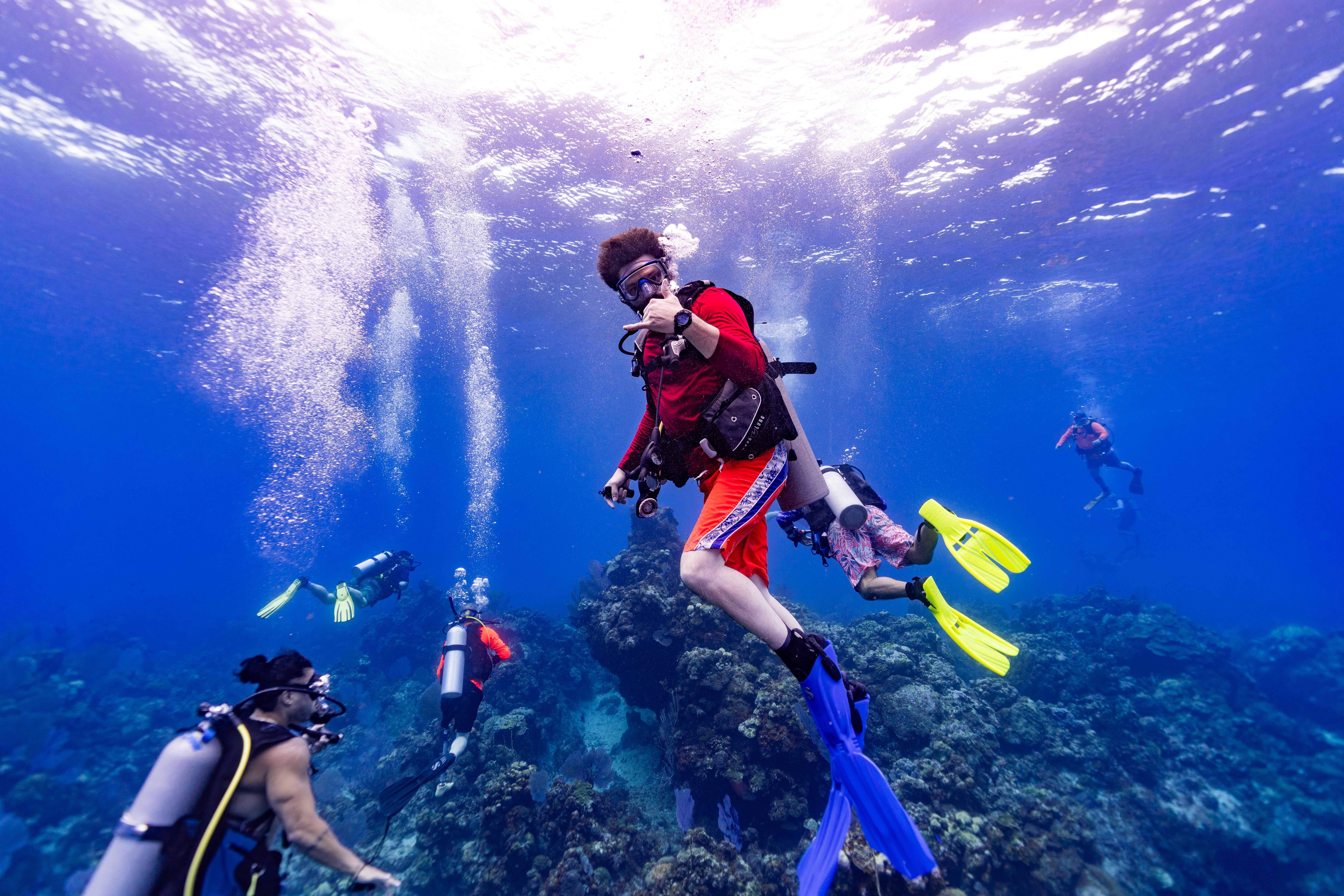
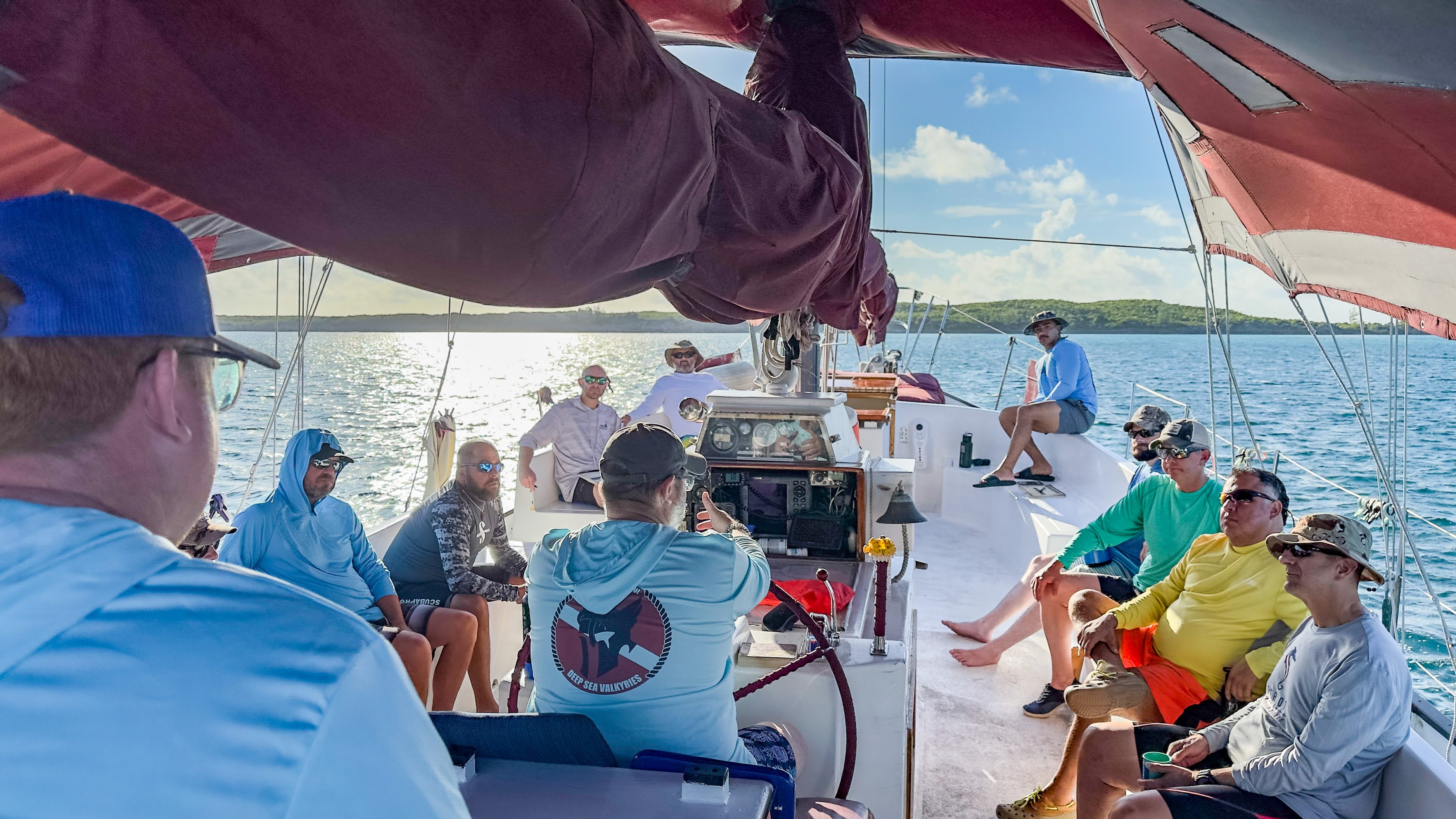
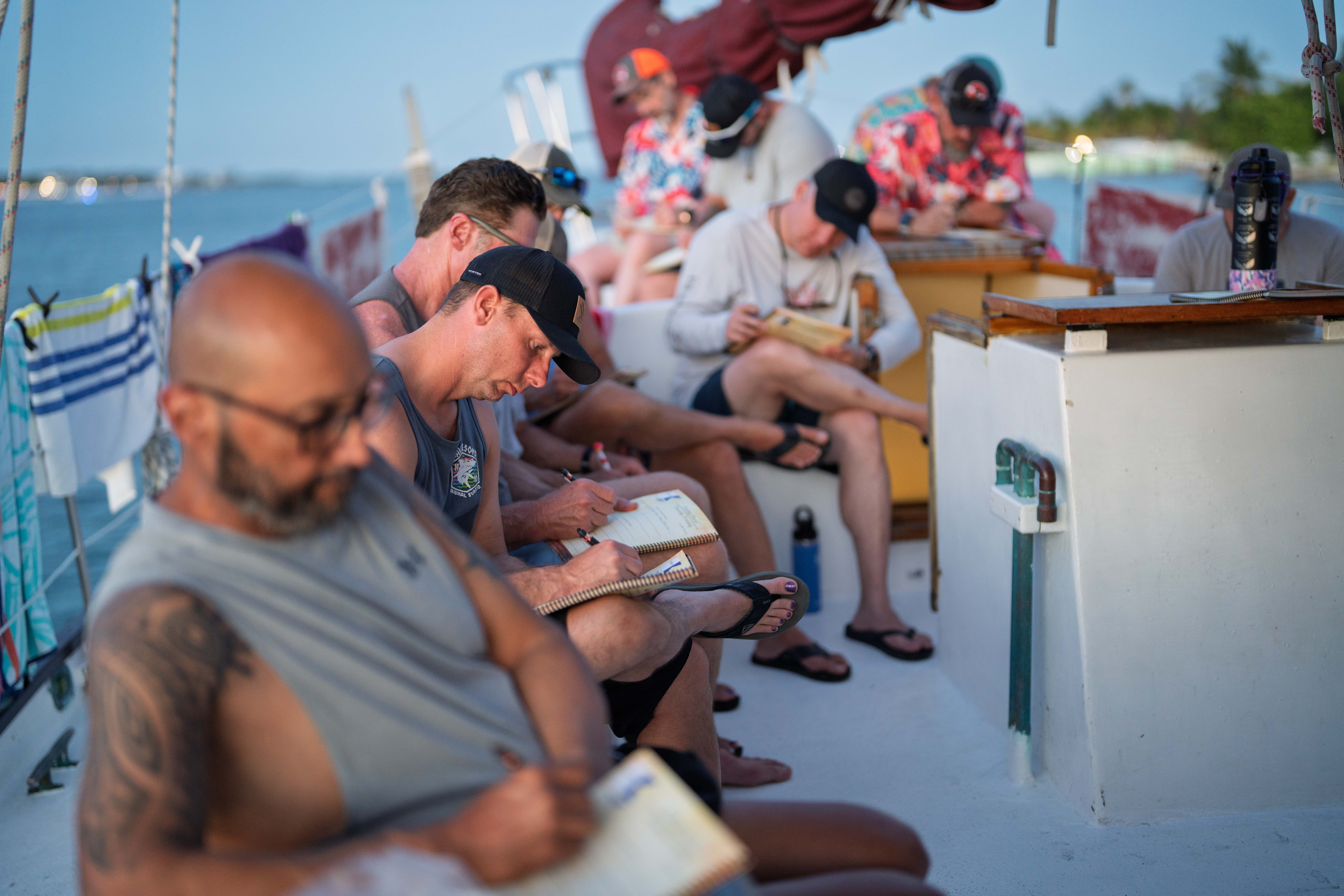
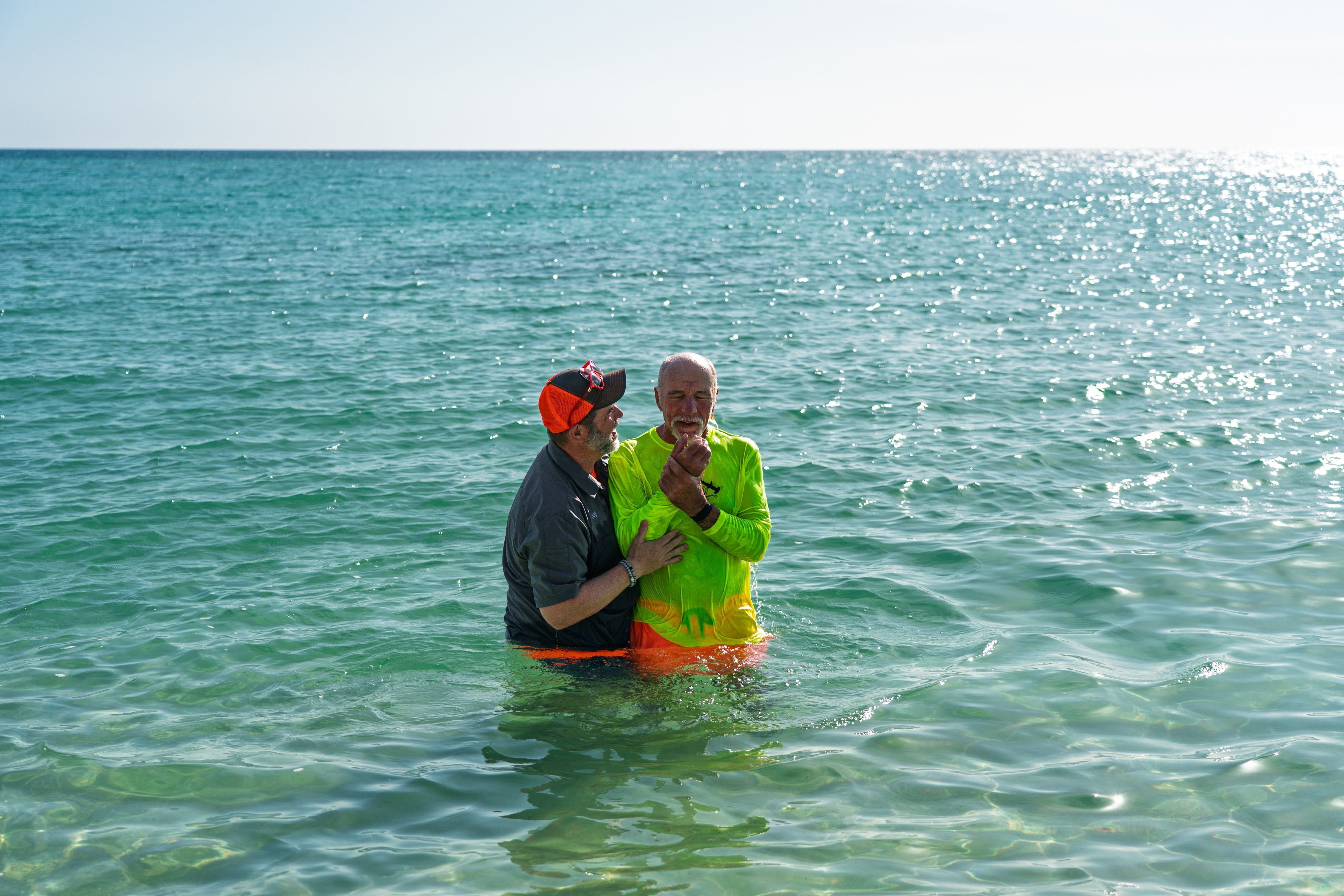
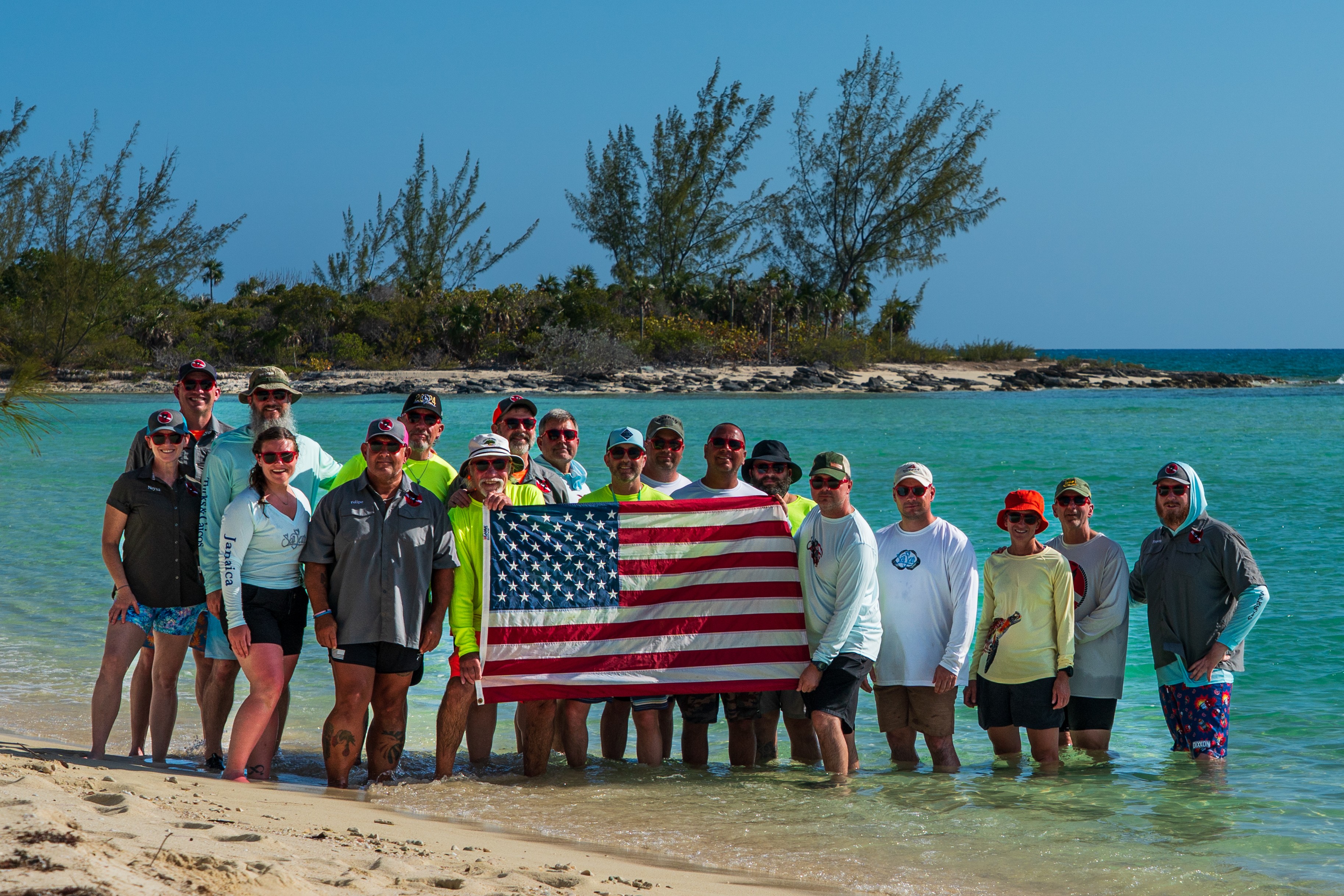
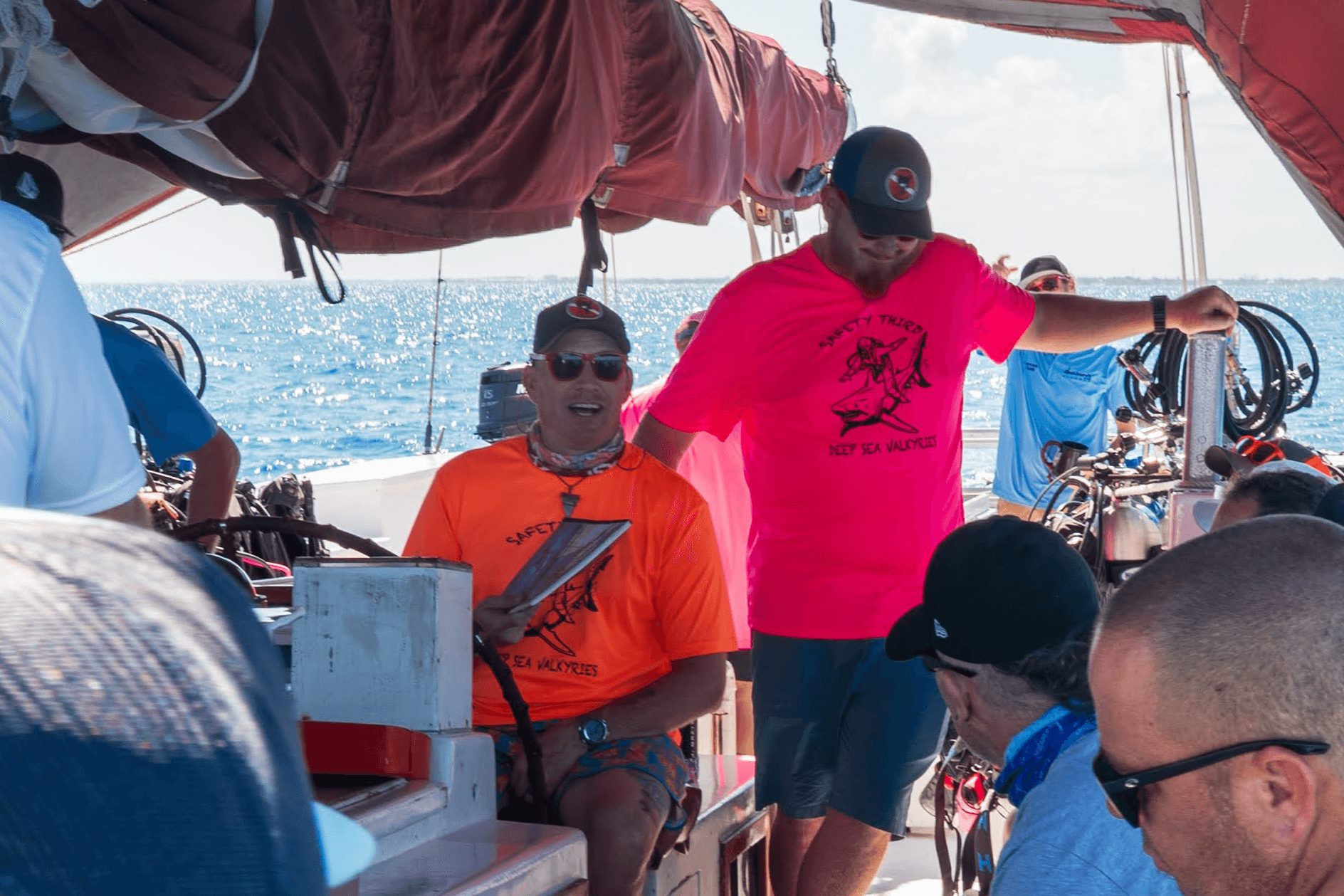
Image Credits
Dobson Ayerule