
We recently had the chance to connect with Tony James and have shared our conversation below.
Tony, it’s always a pleasure to learn from you and your journey. Let’s start with a bit of a warmup: Who are you learning from right now?
Over the past few years, and especially in this season of my life, I have been learning what it truly means to engage in outreach with individuals in need, particularly young adults. This stage of life is deeply formative, with the power to shape future direction and opportunity. Because of that, I see profound value in meeting young people where they are, whether that means approaching them to share information about resources and housing opportunities or simply offering a listening ear so they know they are seen, valued, and loved.
Over the past year, I have been able to grow in this work with greater intentionality and grace, largely due to the guidance of an incredible mentor, Mike Lafitte. Through observing his zeal and compassion for serving those in need, I have learned meaningful ways to connect with others, practice cultural humility, and lead with emotional intelligence. His kind heart and genuine passion have shaped how I approach outreach, not as a transaction, but as an act of service. At its core, this work has taught me to give freely, to care without expectation, and to offer hope so that individuals can walk away knowing they are seen, loved, and enough. Thank you, Mike Lafitte, for your dedication to caring for those who are less fortunate, for keeping hope alive through your service, and for the guidance and mentorship you so generously have provided me.
Can you briefly introduce yourself and share what makes you or your brand unique?
My name is Tony James, and I’m the founder and designer of Throne of Grace Clothing, based in Phoenix, Arizona. Throne of Grace is a contemporary lifestyle brand rooted in faith, resilience, and purpose, created to bridge fashion and meaning. At its core, the brand exists to give a voice to believers who love Jesus but don’t necessarily fit the stereotypical mold of “church clothes.” Throne of Grace celebrates authenticity, encouraging people to operate in the unique style, gifting, and calling God has placed on their lives.
Before Throne of Grace, I worked as a secular designer, but I never found true fulfillment in fashion until I dedicated my life to Christ. Through that surrender, God began to reshape how I viewed my creativity, calling me to steward this gift with intention and conviction. Throne of Grace was born from that obedience, a brand designed not just to be worn, but to be lived. Each piece serves as an outward expression of an inward heart and a natural opportunity to engage in organic conversations about Jesus through the medium of fashion.
Beyond the brand, I am a husband and a proud father to two amazing children, Jeo and Christabel, who continually inspire me to lead with purpose and integrity. What makes Throne of Grace special is its balance of bold design and faith-based depth, drawing from contemporary streetwear while carrying timeless messages of grace, hardihood, and identity in Christ. Currently, I’m focused on expanding the brand by developing more exclusive pieces for women, continuing to refine the vision while staying true to the mission of creating fashion that speaks to both faith and culture.
Amazing, so let’s take a moment to go back in time. Who saw you clearly before you could see yourself?
My sister Kenya Hollin was one of my earliest supporters and greatest encouragers when it came to my love for fashion. Even at a young age, she had a way of hyping me up, making me feel seen and special in what I wore. I would hear her talking to her friends about my eye for fashion and my passion for style, and those moments quietly affirmed something in me long before I fully recognized it in myself.
One of the most meaningful experiences was how often she would ask me about upcoming trends and where I thought fashion was headed. This was in the 1990s, before social media or a strong internet presence, when ideas were shared through conversation and intuition. She genuinely valued my thoughts and opinions, and that validation kept me grounded in my love for fashion. If she had an event to attend, she would seek my insight, even though I was her younger brother. In doing so, she not only made me feel like a sought-after designer but also helped me fall in love with the styling side of fashion.
At the same time, I learned so much simply by observing her own personal style. Kenya had an effortlessly eclectic aesthetic, blending streetwear with boho-chic elements. I admired her creativity and confidence, often borrowing her hats and puka shell necklaces when she wasn’t home. Her sense of style deeply influenced me, but even more impactful was her ability to speak life into me, to believe in who I could become before I fully believed it myself. That encouragement is a confidence I still lean into today. Thank you, Sista.
When you were sad or scared as a child, what helped?
As a very young child, my mother was forced to give me up, and I was placed in the care of my half-siblings’ father, who ultimately did a tremendous job raising me as his own. Even so, in those early years I often felt out of place and afraid, missing the care and affection of my mother. I carried fears I didn’t yet have the language to explain, and a sense of uncertainty followed me through much of my childhood.
What helped anchor me during that time was the presence of my siblings, whom I grew to deeply love and admire as the youngest among them. Their love, grace, and protection created a sense of safety that allowed me to move through life with less fear. They had my back completely, shielding me from life’s challenges first and asking questions later. Of course, when I tested their patience, those same siblings found playful ways to humble me, whether by bringing out a strawberry shortcake doll I was terrified of or singing annoying songs until I buried my head in a pillow. Even in those moments, there was love.
There was also an abandoned church in the Garfield neighborhood where I grew up, marked by a concrete cross. I found myself constantly drawing or doodling that cross on anything I could when i was sad, lonely or felt fear, without fully understanding its meaning. It wasn’t until later that I realized the cross represents the greatest symbol of love, grace, and the power to cast out fear. Looking back, I see how Jesus was quietly comforting me through those frightening moments, using the love of my siblings and those early impressions to help me navigate fear, emotion, and ultimately, hope.
Next, maybe we can discuss some of your foundational philosophies and views? What are the biggest lies your industry tells itself?
As a Christian fashion designer, I’ve learned that the fashion industry often communicates messages that subtly shape identity, worth, and purpose, many of which conflict with biblical truth. One of the most pervasive lies is that our value is tied to visibility and recognition. The industry elevates influence, followers, and validation as markers of success, yet Scripture reminds us that our worth is already established in Christ, not in applause, platforms, or public approval.
Another common narrative is that success requires compromise. There is often pressure to dilute convictions, blur moral boundaries, or chase trends that conflict with faith in order to gain acceptance or momentum. While compromise may promise faster results, obedience to God builds integrity and produces fruit that lasts beyond seasons and trends.
The industry also reinforces the idea that constant newness equals significance. Fashion thrives on perpetual reinvention, subtly suggesting that relevance depends on always producing something new. This mindset can lead to exhaustion and insecurity. God, however, is not moved by endless novelty, He values faithfulness, stewardship, and depth over constant reinvention.
Another lie is that identity is something we must construct entirely on our own. Fashion culture often promotes self-definition without limits, placing the burden of identity solely on the individual. While creativity and self-expression are gifts, true identity is not manufactured, it is discovered through relationship with God and rooted in who He says we are.
The glorification of hustle is also deeply ingrained in the industry. Relentless grind is often mistaken for passion or calling, leaving little room for rest, family, or intentional relation with God. God’s design for work includes balance and rest, rhythms that sustain both creativity and the soul.
Finally, the fashion world often elevates aesthetic over substance and suggests that fashion is spiritually neutral. In reality, what we create and wear shapes culture, conversation, and values. Fashion carries influence, whether acknowledged or not. As a Christian designer, I believe creativity is meant to be redeemed, not rejected, so that fashion can become an outward expression of an inward heart and a meaningful way to reflect truth, grace, and hope in a world searching for purpose.
Okay, so before we go, let’s tackle one more area. Are you doing what you were born to do—or what you were told to do?
I truly believe that the work I am doing today is what I was created to do. There is a confirmed purpose in it. Every time I have questioned whether Throne of Grace Clothing is the path I should be on, God has reaffirmed it in ways only He knows I would understand. Time and again, He has made His calling unmistakably clear.
Early on, God revealed to me that my gift for fashion, when separated from Him, carried no true purpose or favor. But when I surrendered my life to Him and, in obedience, offered my gift back for His use and edification, everything changed. I watched the vision blossom. Doors that were once firmly shut swung wide open. I gained wisdom in areas I never expected, and God surrounded me with individuals who became blessings, many even miracles, not only in my own life, but to the growth of the brand itself.
As a senior in high school, I had the privilege of being named the Boys & Girls Club “Youth of the Year” for the East Valley. Following the award, a news reporter interviewed me, and an article was published highlighting the experience. At just 18 years old, I was asked what I wanted to become in the future. My answer was simple and sincere: “Either something in the fashion industry or youth development work.”
Years later, I am living out that very statement, working as a fashion designer through Throne of Grace Clothing and serving as an advocate for homeless youth in Arizona. Although I took many different jobs and paths between that interview and where I stand today, I ultimately found myself exactly where God had spoken purpose over my life long before I fully understood it.
One of my pastors once told me, “You can’t outrun God’s call. His purpose will find you.” Looking back, I now see that clearly. What once felt like coincidence was divine guidance. I believe this journey, every closed door, every redirection, and every breakthrough, has been part of God’s plan for my life.
Contact Info:
- Website: https://togclothing.com
- Instagram: throneofgraceclothing
- Other: TikTok: throneofgraceclothing

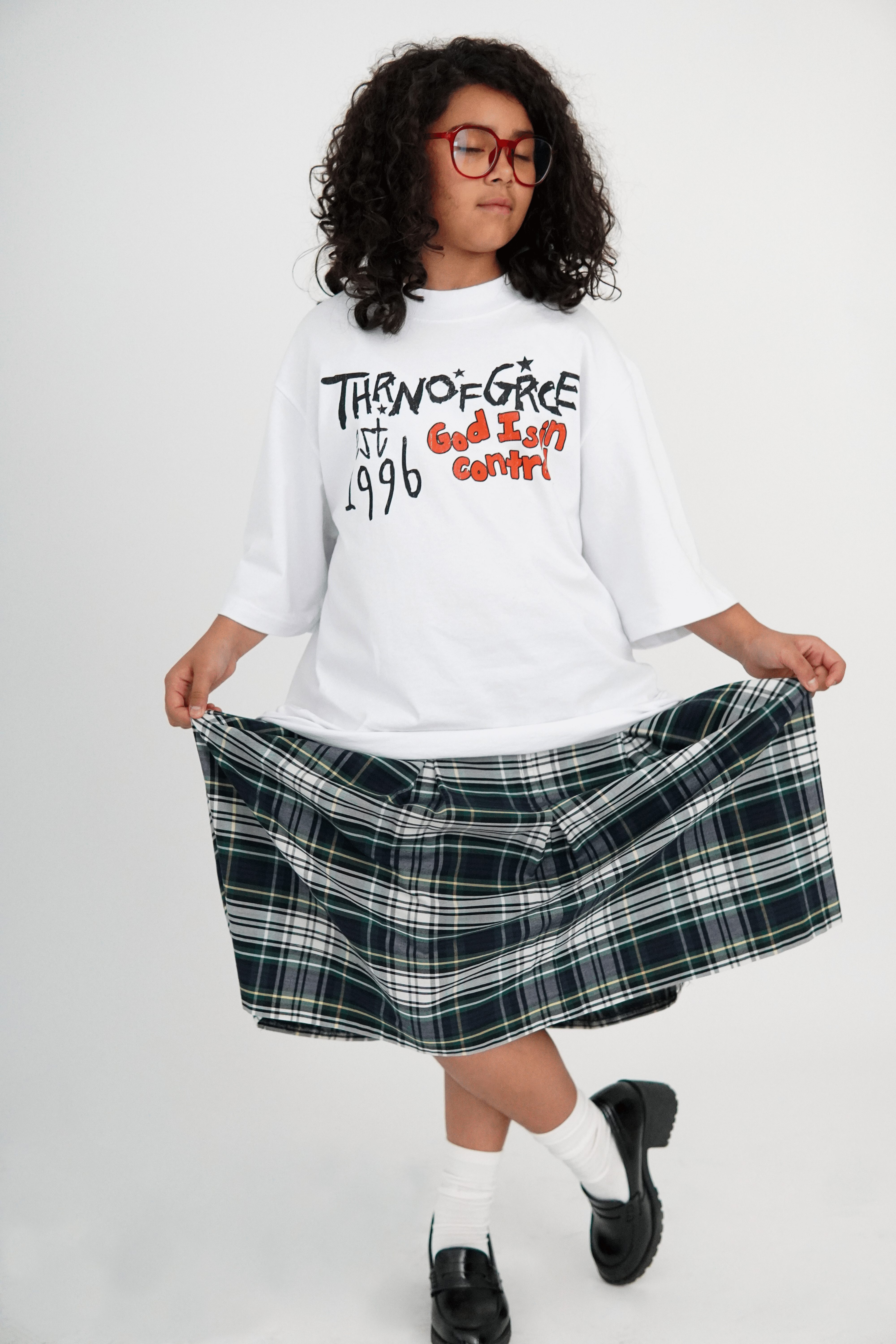


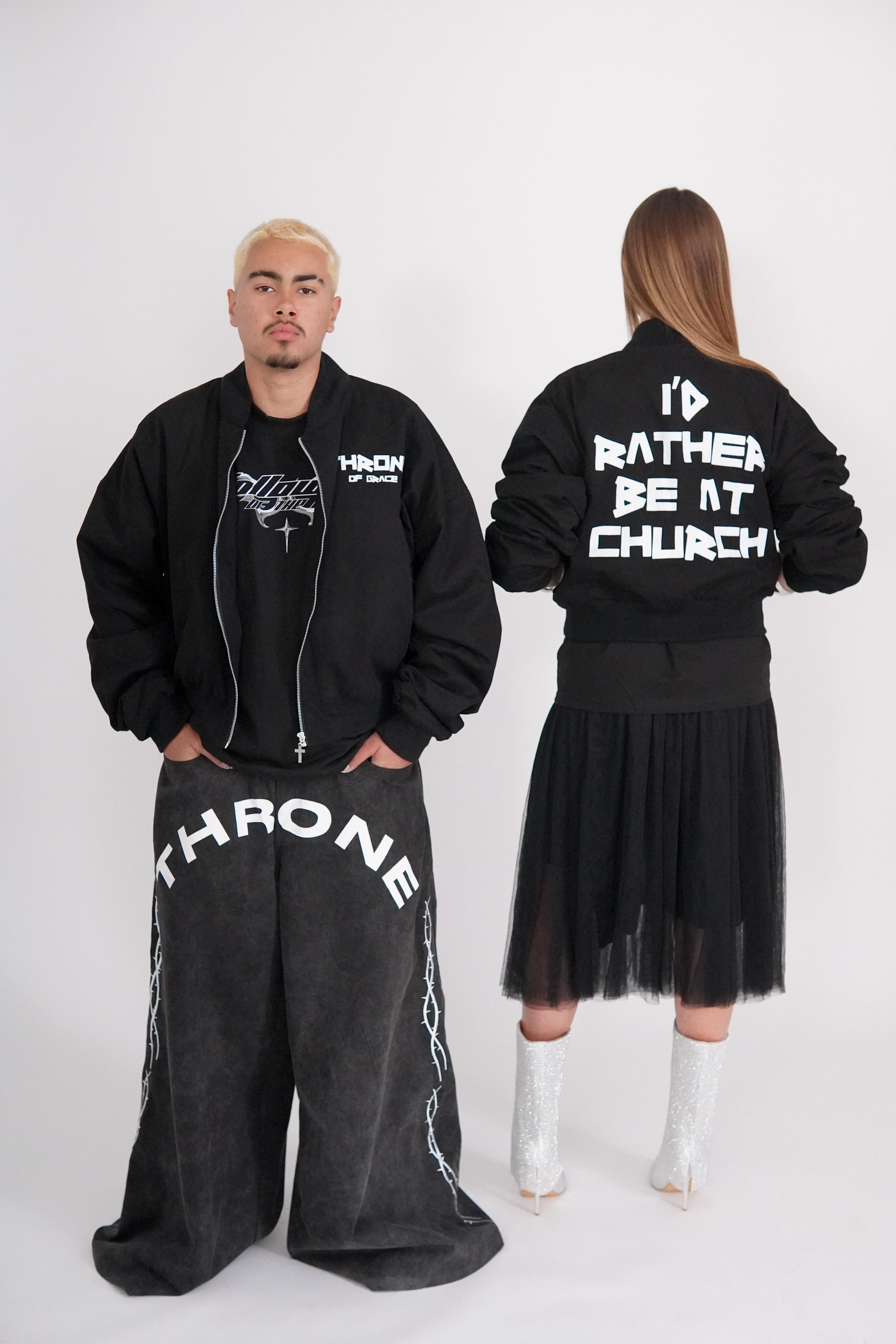

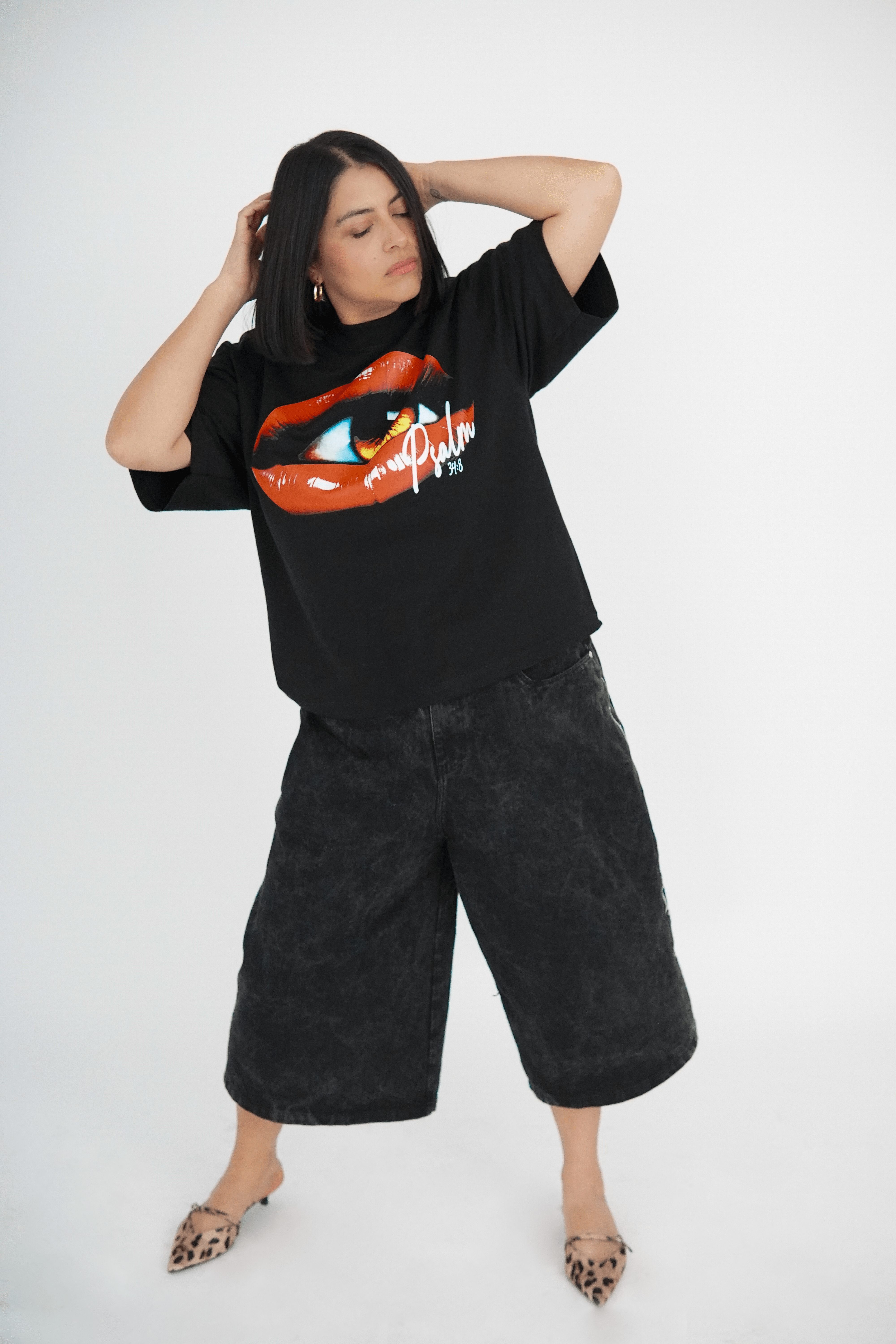
Image Credits
Ashley Hathaway