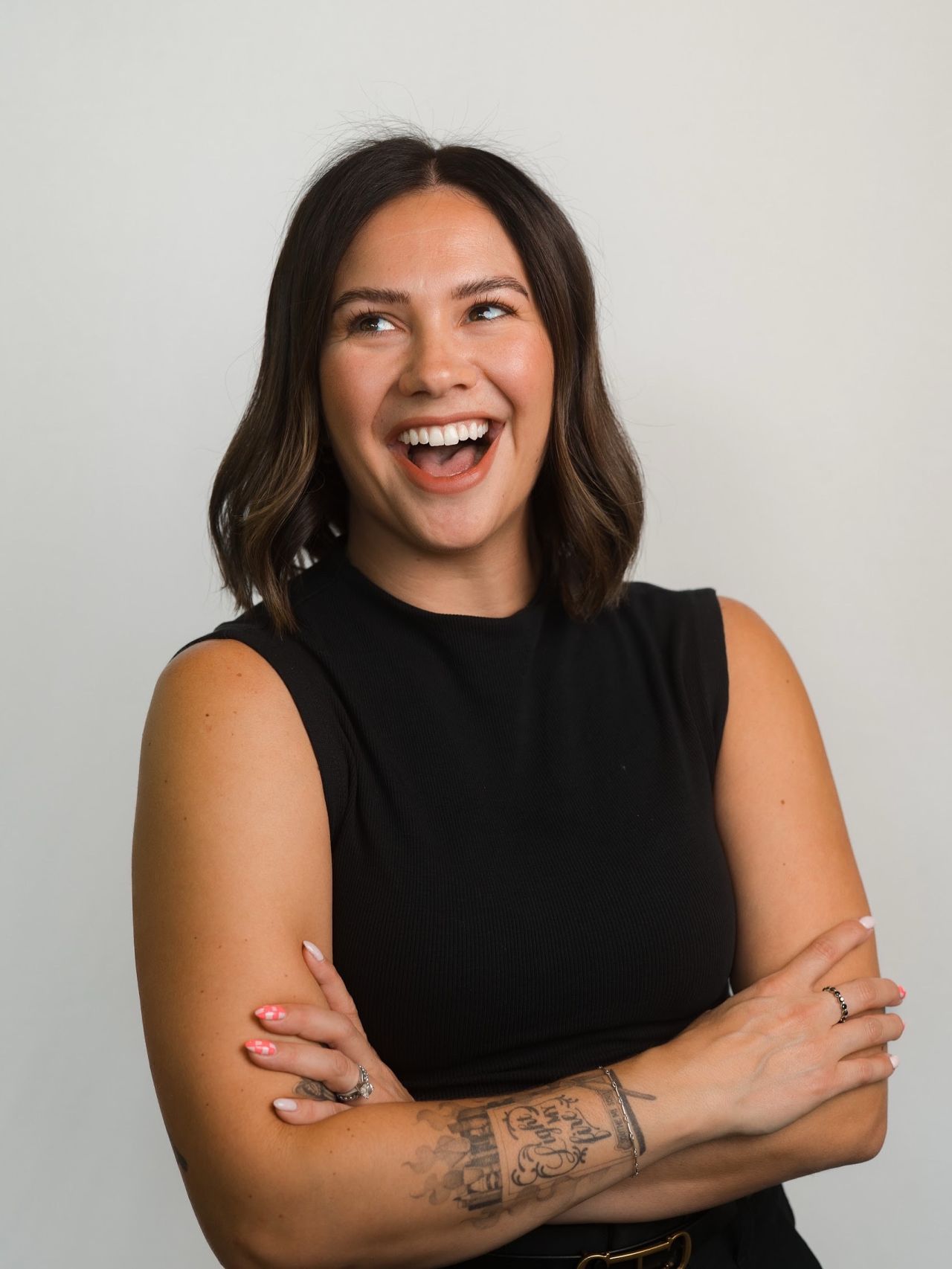
We’re looking forward to introducing you to Marina Doering. Check out our conversation below.
Good morning Marina, we’re so happy to have you here with us and we’d love to explore your story and how you think about life and legacy and so much more. So let’s start with a question we often ask: What is a normal day like for you right now?
A normal day for me usually begins early, often with or before the sun, because I have learned that getting a little head start on my toddler is the only way to set a realistic tone for the day. I make coffee, take a quiet breath, and look over what is ahead. That small window of calm feels like the anchor before everything starts moving. Of course, there are mornings when he beats me to it and the day starts with a full tornado of activity as we rush out the door, coffee clutched in my hand while we do our best to catch up.
Once I step into work mode, the hats begin to rotate quickly. I move between being a clinical director, therapist, supervisor, and the person who handles whatever expected or unexpected thing pops up that day. I check in with my team, meet with kids, teens, adults, and families, and work on the programs, operations, and creative projects that help our practice grow. Some days the roles shift every hour. Other days I am deep in sessions or planning for upcoming workshops and collaborations. It is fast paced, meaningful, and constantly evolving, which is exactly why I love it.
When I head home, the rhythm changes but the fullness stays. I move into mom life, wife life, and dog mom life. I reconnect with my family, make dinner, play, clean up, decompress, and find space for laughter even on the chaotic days. Our dog Otto usually wanders over for some attention, reminding us that he is very much part of the nightly rhythm. I catch up with friends, answer lingering messages, and try to save a small moment for myself, whether it is creative, quiet, or simply breathing before bed.
My days are far from perfect. They are layered, messy, beautiful, and demanding in different ways. But every role I hold reflects something I value and something I choose. Even on the most chaotic days, the mix of being a mom, wife, clinician, leader, and friend feels deeply meaningful.
Can you briefly introduce yourself and share what makes you or your brand unique?
Creative Continuum Therapy was created with a clear intention. We wanted to build a place where neurodivergent kids, teens, adults, and families feel seen, supported, and understood without having to mask or explain themselves. When we say neurodivergent, we mean people whose brains process, learn, or experience the world in ways that differ from the typical. This includes ADHD, autism, anxiety, learning differences, and the many unique combinations of traits that make each person who they are.
So much of traditional therapy asks people to change parts of themselves to fit a certain model. Our mission is to offer care that adapts to each person instead. Our approach blends art making, talk therapy, executive function support, and nervous system education in a way that feels warm, creative, and practical. We focus on emotional regulation, understanding patterns, and building tools that people can use in daily life.
We use creative interventions because they offer a different way in, especially for people who do not always connect through talk alone. Art making naturally activates both sides of the brain. It brings the emotional, sensory, and intuitive parts online, which often stay quiet when someone relies only on words. Many people get stuck in left-side processing where everything becomes logical, analytical, or overthought. Creativity helps bridge that gap so the emotional and logical parts can communicate with each other instead of feeling disconnected or overwhelmed. This is where real insight, regulation, and self understanding often begin.
The intention behind our brand is simple. Therapy should honor the way your brain works, not fight against it. That belief guides everything from how we structure sessions to how we design our spaces. Our office is built to be sensory friendly, calming, and welcoming, with thoughtful details that support different sensory needs and attention styles.
What makes us unique is the blend of clinical expertise, creative expression, and a strong commitment to neuroaffirming care. We are expanding groups, parent workshops, teen programs, and community partnerships because growth happens when people feel connected. We want therapy to feel accessible, relatable, and genuinely helpful, especially for those who may not have felt fully understood in other settings.
At Creative Continuum Therapy, our intention is to create a space that empowers people to understand themselves, trust their brains, and move through the world with more confidence and compassion. That is the heart of our brand and the why behind everything we build.
Great, so let’s dive into your journey a bit more. What did you believe about yourself as a child that you no longer believe?
As a child, I believed I needed to be who other people expected me to be. It was easy to mask and mold myself for others, even though it created a constant mismatch and disconnect inside me. I was often known as the “art kid,” which was true in some ways but also limiting. It became a label that boxed me into one version of myself instead of reflecting the full range of who I was. I learned to see myself through other people’s definitions rather than my own internal experience.
I no longer believe I need to fit into those narrow spaces. With time, growth, and a lot of self understanding, I have learned to embrace my brain for what it is instead of what others say it should be. I have always had a bold spirit, a passionate drive, a creative lens, and an inner fire in how I move through the world, even if I did not feel fully understood when I was younger. Now I lean into that energy. My creativity, intensity, and intuition are not things to tone down. They are strengths that guide my work and my purpose.
Today, I feel seen as more than a label or a single story. I trust who I am and how my brain works instead of comparing myself to external expectations. I show up authentically, with curiosity and self compassion. I keep learning, growing, doing, and being, and I finally feel aligned with the parts of me that were always there.
If you could say one kind thing to your younger self, what would it be?
I would tell my younger self that the way you think, feel, and create makes sense, even if the world around you has not caught up yet. The mismatch you feel is not a sign that something is wrong. It is simply a sign that you have not yet been in spaces that understand you. There is nothing defective or confusing about your brain. You are processing deeply, feeling fully, and seeing the world in ways that will make sense later.
You do not need to mold yourself to fit anyone else’s expectations. You can trust your inner fire, your creativity, your intuition, and the way your brain naturally moves. You are already building a life and a purpose that align with who you have always been, even if you cannot see the full picture yet. Every moment of curiosity, every spark of creativity, every time you choose to listen to yourself instead of everyone else, you are shaping the life you were meant to live.
And I would tell you this too. The way you do one thing is the way you do everything. The same depth, intention, and heart you put into your art and your relationships will one day become the foundation of your work. You will guide others not from a place of perfection, but from lived experience. You will practice for yourself the same compassion, self understanding, and curiosity that you share with your clients. You will not just teach these things. You will live them.
Keep going. You are becoming someone you can feel connected to, grounded in, and proud of. You are not lost. You are becoming.
Alright, so if you are open to it, let’s explore some philosophical questions that touch on your values and worldview. What are the biggest lies your industry tells itself?
One of the biggest lies our industry tells itself is that therapy has to look the same for everyone to be effective. There is still a belief that if a client is not sitting neatly on a couch, talking in a linear way, maintaining eye contact, and fitting into a traditional model, then the therapy is not “working.” That mindset leaves out a huge portion of the population, especially neurodivergent people.
Another lie is the idea that insight alone creates change. People do not change solely because they understand something. Awareness is only the beginning. Awareness has to meet stability and safety for real change to happen. The nervous system has to feel regulated enough, the environment has to feel supportive enough, and the person has to feel grounded enough to try something new. Understanding without safety leaves people stuck in cycles they already recognize but cannot shift.
There is also a quiet but harmful belief that creativity is a “bonus” or an add on rather than a valid, evidence informed access point to healing. For many people, especially those who struggle with verbal expression, creativity is the pathway in. It helps the emotional and logical parts of the brain work together, and the field still underestimates that.
And one of the most damaging lies is that providers should prioritize quantity over quality. There is pressure to see more clients, fill more hours, and push productivity at the expense of depth, attunement, and actual therapeutic impact. When therapy becomes about volume, everyone loses. Providers burn out. Clients get less connection and presence. You would not expect a car to run if you never put gas in it. The same is true for therapists. Regulation, rest, supervision, creativity, and capacity matter. If the provider is not stable and supported, the work cannot be stable and supportive either.
Finally, the field often insists that therapists should stay neutral or detached in order to be effective. I do not believe that. Humans heal in relationship, and that includes authentic, grounded, compassionate presence from the therapist. You can be professional without being disconnected. You can be clinically sharp while still being warm, creative, and human.
Our industry is shifting, but these old narratives still linger. At Creative Continuum Therapy, we challenge them every day by building care that is relational, intentional, neuroaffirming, and aligned with how people actually think, feel, and experience the world.
Before we go, we’d love to hear your thoughts on some longer-run, legacy type questions. When do you feel most at peace?
I feel most at peace when I am aligned with myself, when my brain, my body, and my environment are moving in the same direction instead of competing. Peace for me is not about perfect calm. It is about feeling regulated, connected, and true to who I am in that moment.
I feel it in the small moments at home, when my family is settled and the pace softens. I feel it when I am creating through art, writing, or building something meaningful for the practice. Creativity has always been my clearest pathway back to myself.
I also feel it in motion and in real life. Peace can be found in a deep laugh, a long run, a yoga class, chasing my son around the yard, hiking with my dog, cooking with my husband, or telling stories with a friend. These moments pull me fully into the present and remind me what it feels like to be alive in my own body.
I feel peace when I am doing the work I am meant to do, supporting someone in understanding their brain, helping a family reconnect, or teaching something that finally makes sense to someone. These moments create a quietness inside me, even when the world around me is busy.
Peace, for me, is fluid. It is not a fixed destination. It shifts and grows as I do. We are always becoming, never stagnant. Peace shows up when I am present, connected to the people I love, and grounded in the person I am continually growing into.
Contact Info:
- Website: https://www.creativecontinuumaz.com
- Instagram: @creativecontinuumtherapy
- Linkedin: https://www.linkedin.com/in/marina-doering-lpc-s-atr-bc-adhd-ccsp-28a74861/
- Facebook: https://www.facebook.com/creativecontinuumtherapy
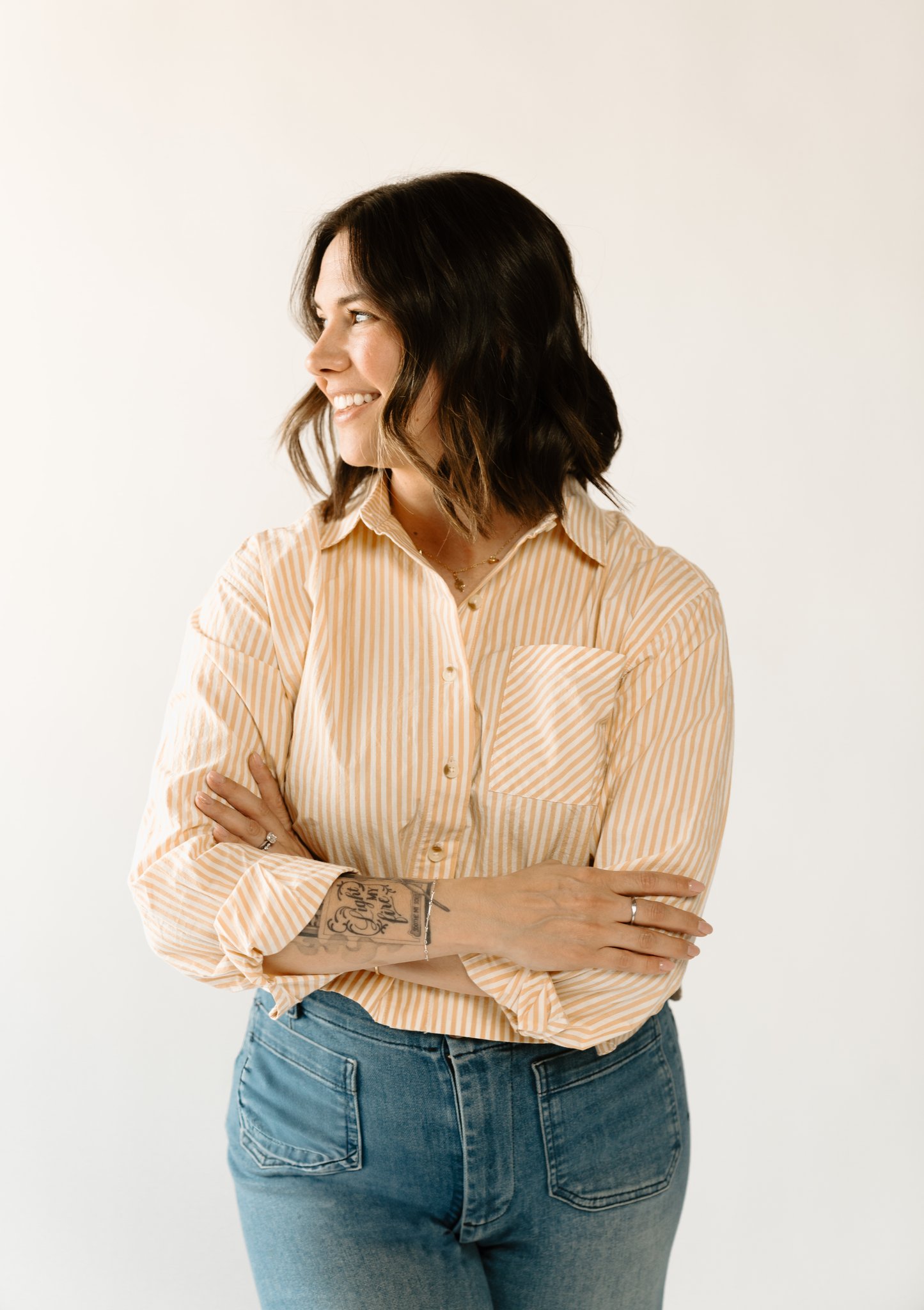
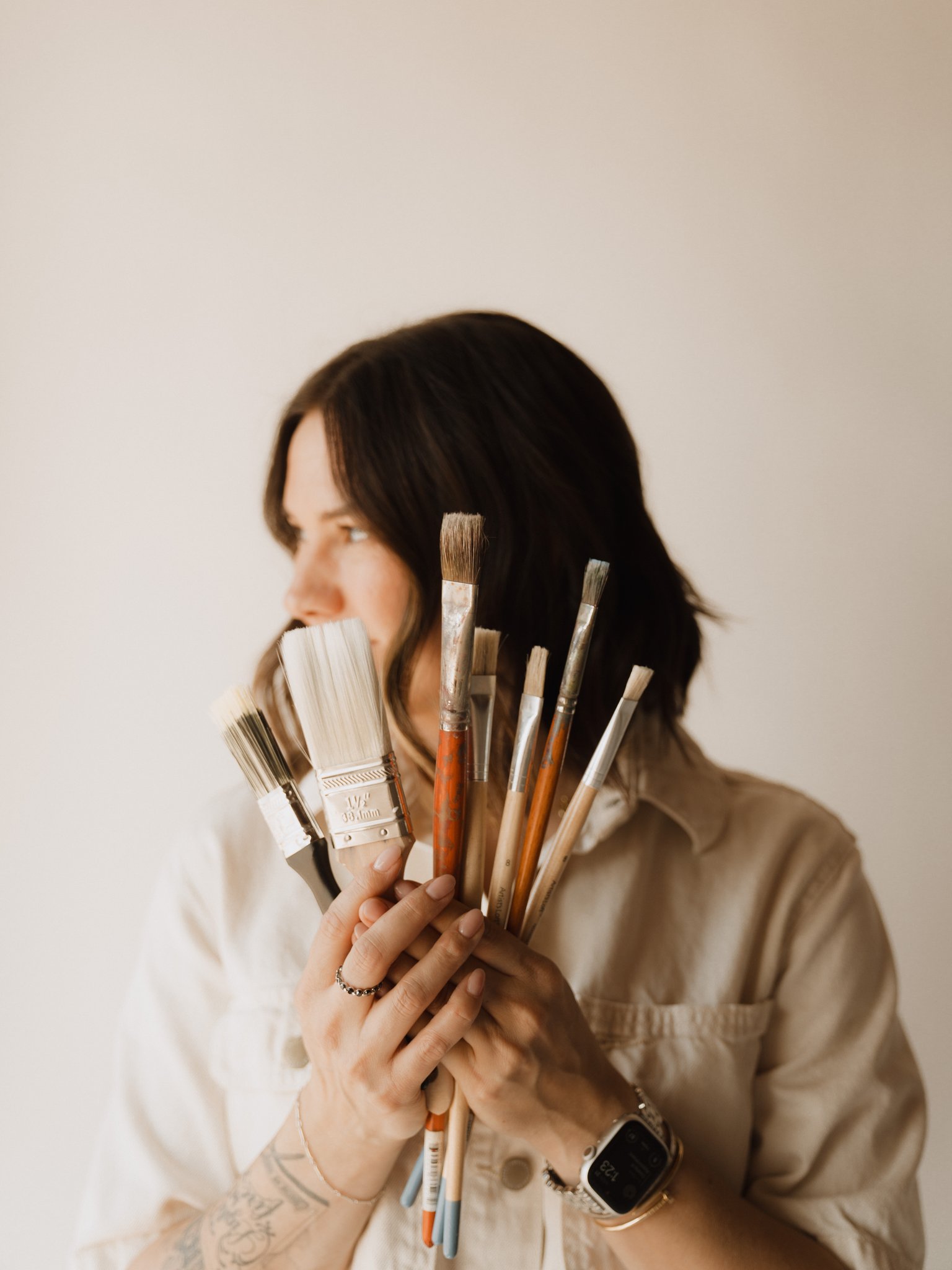
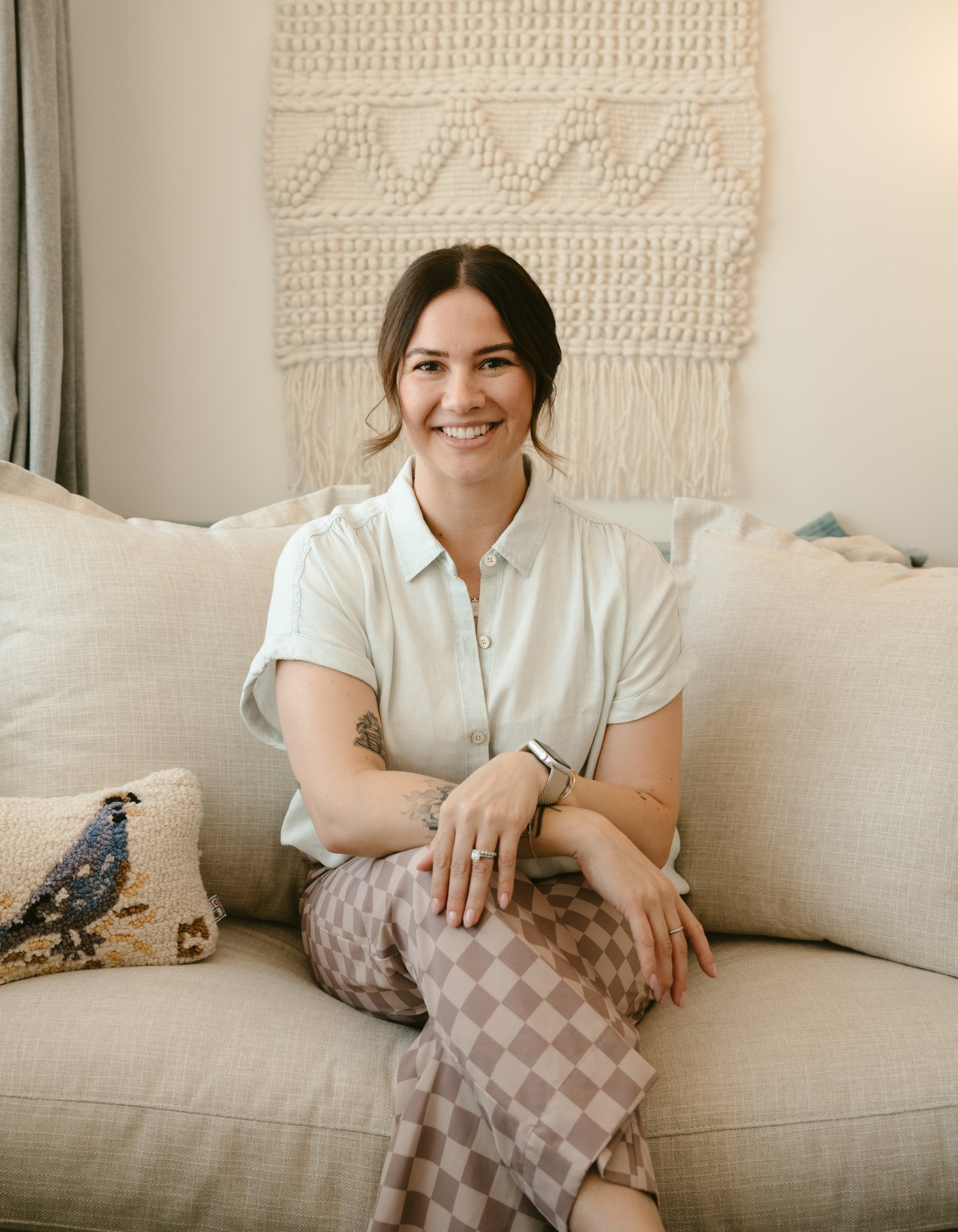
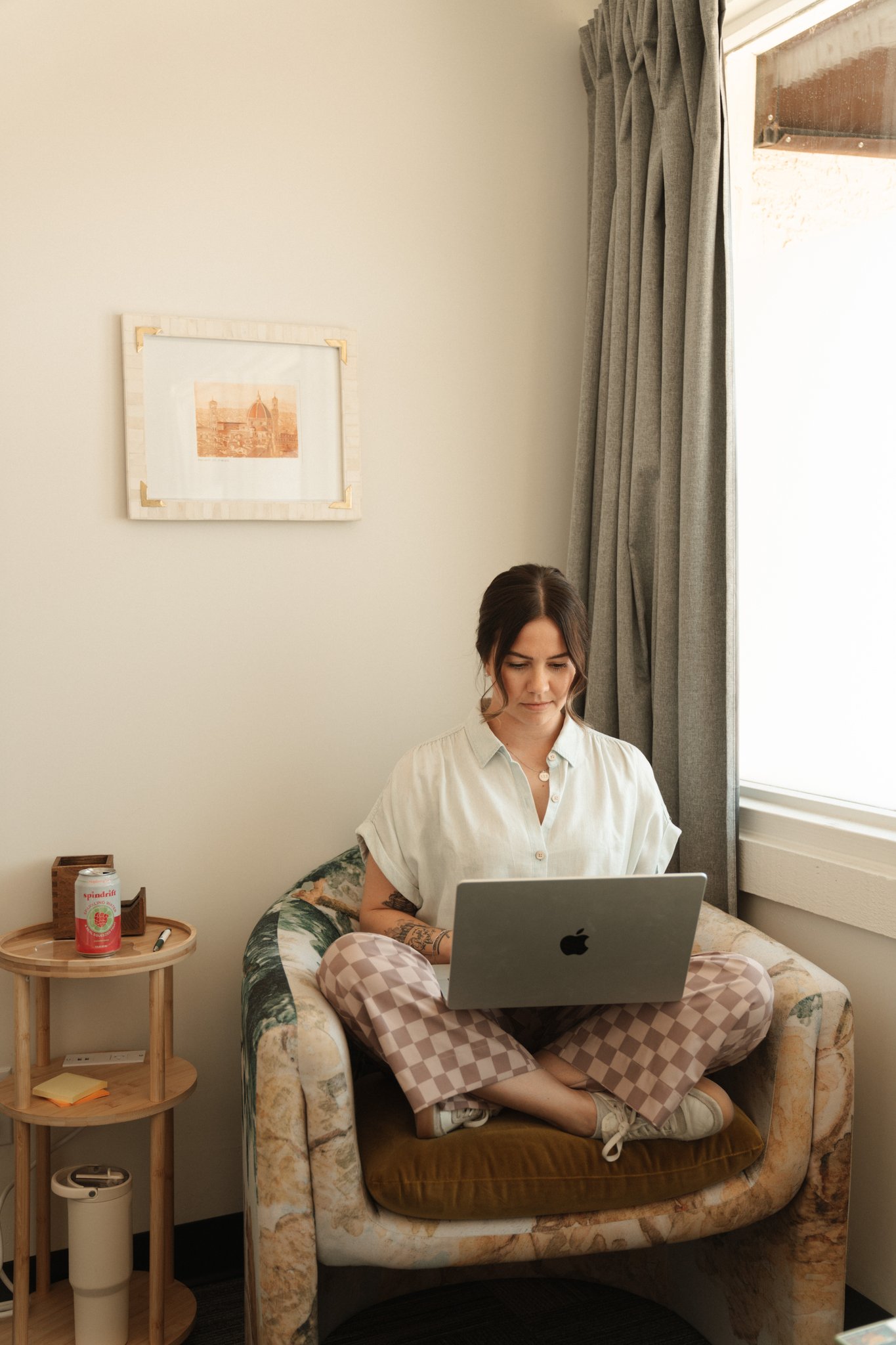
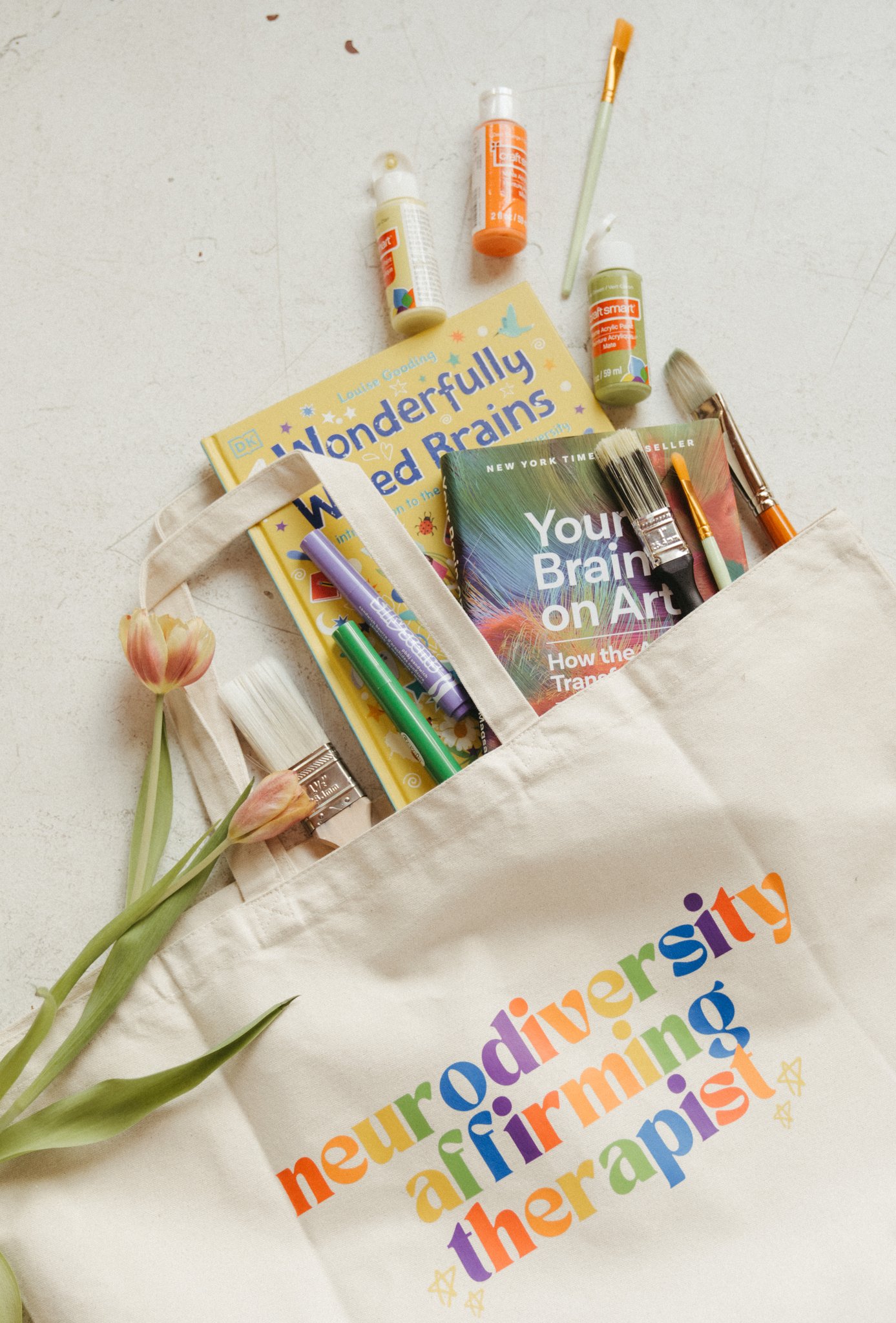

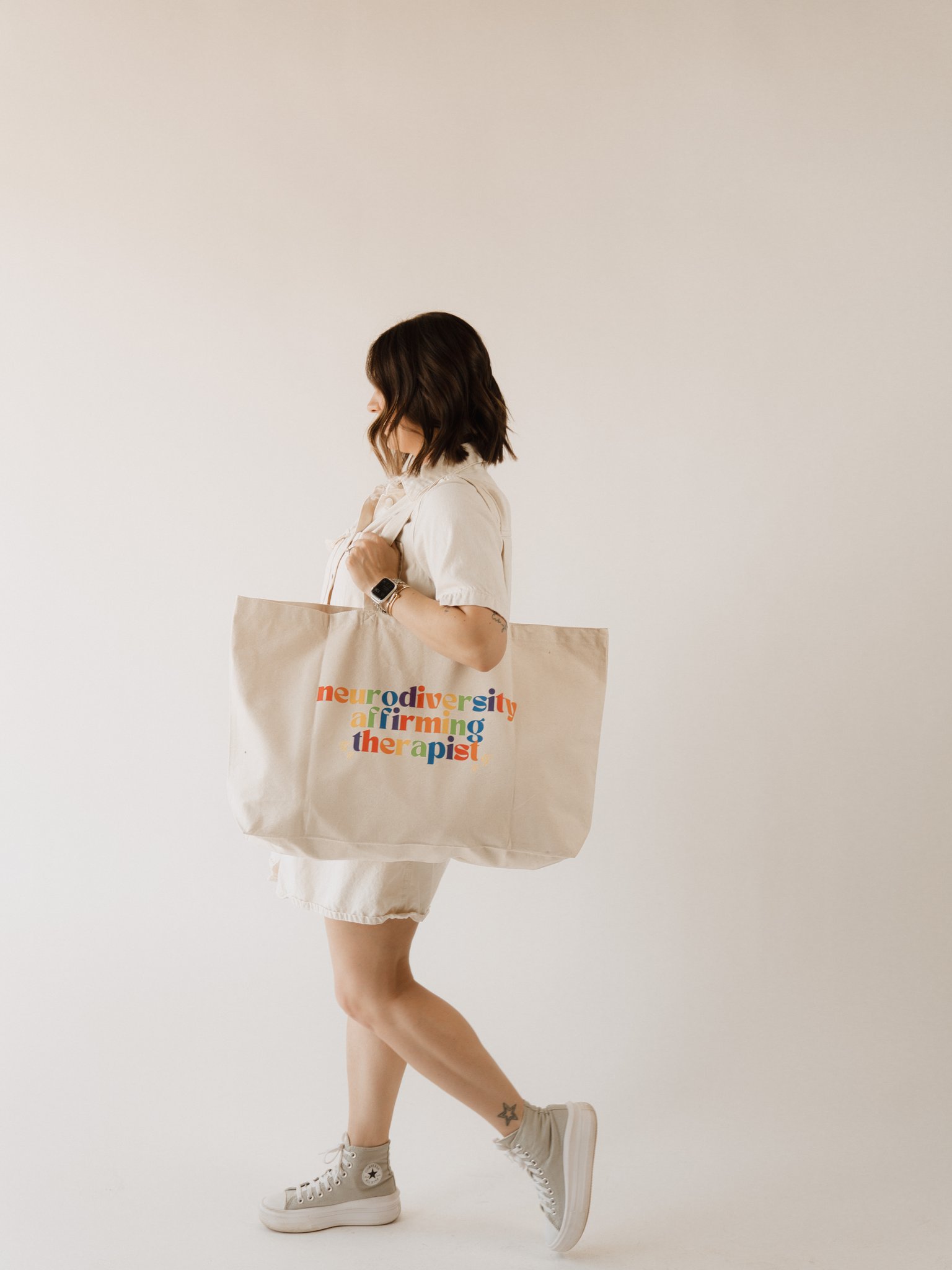
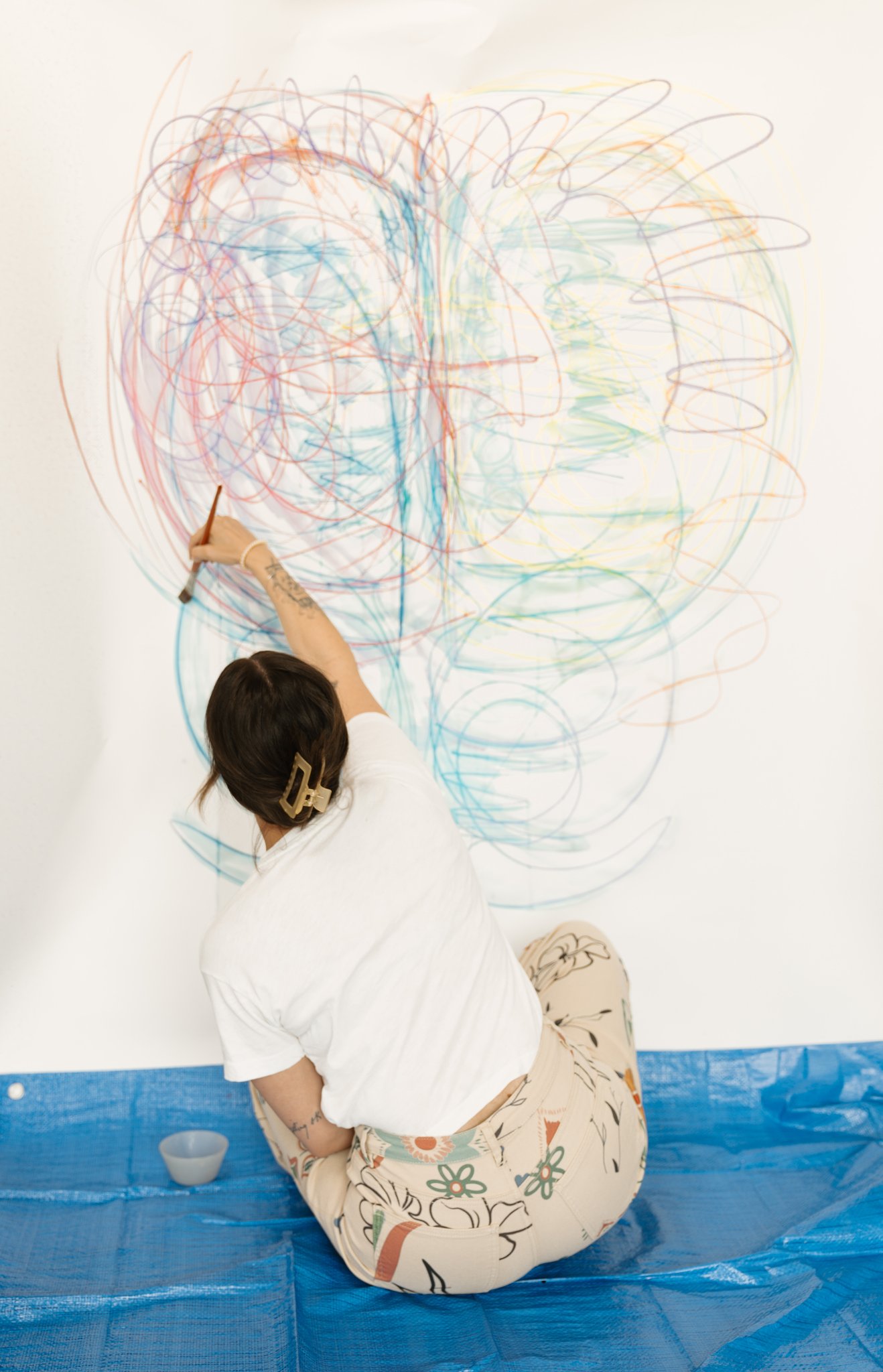
Image Credits
Headshot (me in black top) – Umber Photo Co.
The rest of the photos – Megan Carey Photography