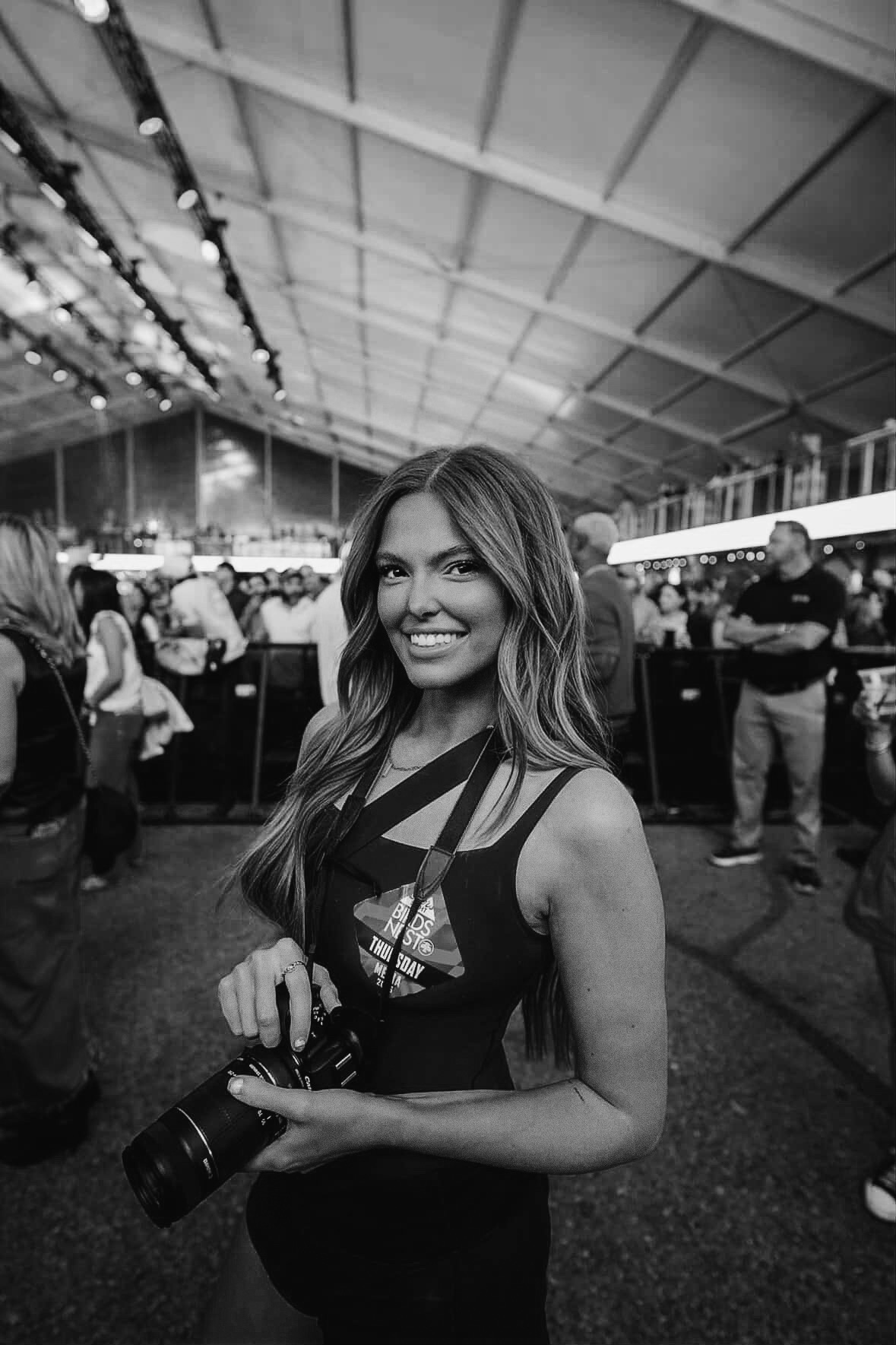
Today we’d like to introduce you to Lindsay Parsons.
Hi Lindsay, please kick things off for us with an introduction to yourself and your story.
I’ve always had a deep love for music, but there was one moment that truly changed everything for me. I went to Ruel’s 4th Wall Tour in Seattle—alone. He had been my favorite artist since my freshman year of college, and even though my best friend, who shared that love with me, had moved away, I cared too much about the experience to miss it. Going by myself was uncomfortable at first, but I’m so glad I did.
Hearing songs I had played on repeat for years come to life in that setting felt surreal. It wasn’t just the music, it was his energy, his passion, and the way the entire crowd felt connected through it. There was this overwhelming sense of unity and joy, and I remember thinking, even in that moment, how much I was going to miss it once it was over. That night deepened my connection to music in a way I hadn’t experienced before, and I knew I wanted to be part of that world somehow.
I’m not musically inclined, but I’ve always loved photography and editing. When I got home, I showed my family the photos I had taken on my iPhone. I didn’t think much of them, but they were genuinely surprised, not because of the camera quality, but because of the way I captured the emotion and energy of the moment. That was the first time I realized I might have an eye for this.
From that point on, I decided I was going to photograph concerts, despite having no technical knowledge of cameras or photography at the time. I picked up our family camera and started shooting local shows in Seattle. A huge turning point was my “Auntie” Sarah, a drummer in several local bands, who immediately began bringing me along to gigs. That hands-on experience was everything; I learned how to navigate concert lighting, angles, and eventually editing in post-production.
Once I built a solid portfolio, I started reaching out everywhere I could, posting in photography groups and searching for opportunities. Eventually, I was able to join an online music publication, House of Music Magazine, From there, things began to grow. I started photographing artists I genuinely admire, and most recently, I covered concerts at the Waste Management Open in Phoenix, shooting headliners like Bailey Zimmerman, Zach Top, Ernest, Ludacris, Ja Rule, Nelly, and John Summit.
My passion for concert photography has only intensified. While I currently work a 9–5 in corporate sales, my long-term goal is to become a full-time tour photographer. This is no longer just an interest, it’s something I’m fully committed to building into my career.
Would you say it’s been a smooth road, and if not what are some of the biggest challenges you’ve faced along the way?
It definitely hasn’t been a smooth road. One of the biggest challenges was teaching myself everything from scratch. Photography—especially concert photography—is much more technical than it looks. You’re working in constantly changing lighting, fast-moving subjects, and environments where you don’t get second chances. Learning how to properly use a camera, shoot in low light, and adapt in real time took a lot of trial and error.
Editing was another steep learning curve, but it quickly became one of my favorite parts of the process. I’m very detail-oriented, and I care a lot about making sure each image fully captures the emotion of the moment. After every show, I go straight home and start editing immediately. I won’t stop until it’s done, which has meant staying up all night and into the next day more times than I can count. There’s definitely pressure in this industry to turn photos around quickly, but for me it’s also personal, I have a hard time stepping away from something until I feel it’s right.
Another challenge has been breaking into the industry without traditional connections. In the beginning, I had to put myself out there constantly—reaching out to publications, learning how to communicate professionally with artists and management, and facing a lot of silence or rejection along the way. It takes persistence and a willingness to keep going even when there’s no immediate response or recognition.
Balancing all of this with a full-time 9–5 job has also been demanding. Late nights shooting or editing, followed by early mornings at work, can be exhausting. But it’s also shown me how much I genuinely care about this. Despite the challenges, I’ve never questioned whether it’s worth it.
Each of these obstacles has pushed me to improve, stay disciplined, and take my work more seriously. If anything, the challenges have made me more committed to continuing to grow in this space.
Thanks – so what else should our readers know about your work and what you’re currently focused on?
I’m a concert photographer specializing in live music. My focus is capturing the emotion, energy, and connection between the artist and the crowd in real time. I’m drawn to moments that feel raw and genuine, whether that’s a quiet, intimate expression or a high-energy performance, and I aim to preserve what it actually felt like to be there, not just what it looked like.
A lot of my work is rooted in storytelling. I don’t just want a technically good photo; I want an image that brings you back into that exact moment. That approach has shaped both how I shoot and how I edit. I spend a lot of time refining my edits to make sure the lighting, tones, and details reflect the atmosphere of the show as accurately as possible.
What I’m most proud of is how far I’ve come in a relatively short amount of time, especially starting with no formal training. I built my portfolio from the ground up, taught myself the technical side, and worked my way into photographing artists I’ve genuinely been a fan of. Being able to shoot large-scale events like the Waste Management Open and capture artists like Bailey Zimmerman, Zach Top, Ludacris, Ja Rule, Nelly, and John Summit has been a major milestone for me.
What sets me apart is the level of intention and care I put into every part of the process. I’m very detail-oriented, and I don’t treat any show as “just another gig.” I approach each one with the same level of focus, whether it’s a small local venue or a major event. I also think my perspective as someone who deeply loves music plays a big role; I understand how meaningful these moments are, and that drives how I capture them.
Ultimately, my goal is to continue growing as a photographer and transition into touring, where I can consistently document artists and their journeys on a larger scale.
Before we let you go, we’ve got to ask if you have any advice for those who are just starting out?
One thing I think is important to be honest about is motivation. While the perks of this job can look appealing from the outside, this isn’t something you should pursue just to get free access to shows. The industry is extremely competitive. Even photographers with very strong portfolios get turned down regularly. This isn’t something you can casually pick up, it requires time, patience, consistency, and a genuine commitment to improving.
HUGE pointer when shooting concerts, whether it’s the artist or the crowd – is how important it is to focus on capturing emotion, not just technical perfection. You can learn camera settings, lighting, and editing, but what really makes a photo stand out is whether it makes someone feel something. Capturing the moment of raw & intense emotion in a show, that’s comes out maybe a little blurry or not perfect lighting is 1000x better than a perfectly still clear image that doesn’t convey a feeling or moment. (+ the imperfections of the picture taken during a crazy moment in the show often times make the photo better or helps tell the story!!) That’s something I constantly try to keep in mind when I’m shooting.
Be prepared for how much work happens outside of the actual show. Shooting is only a small part of it, most of the time, you’re only allowed to photograph the first three songs, which is about 10–15 minutes in total. The rest of the work happens before and after: preparing, editing, organizing, delivering quickly, and building relationships. It takes discipline, especially if you’re balancing it with another job.
Most importantly, do it because you genuinely love it. There are going to be long nights, a lot of learning curves, and moments where progress feels slow, but if you care about what you’re creating, it makes the process worth it.
Contact Info:
- Website: https://lensbylindsay.my.canva.site/lindsay-parsons-
- Instagram: https://www.instagram.com/lindsayirenephoto
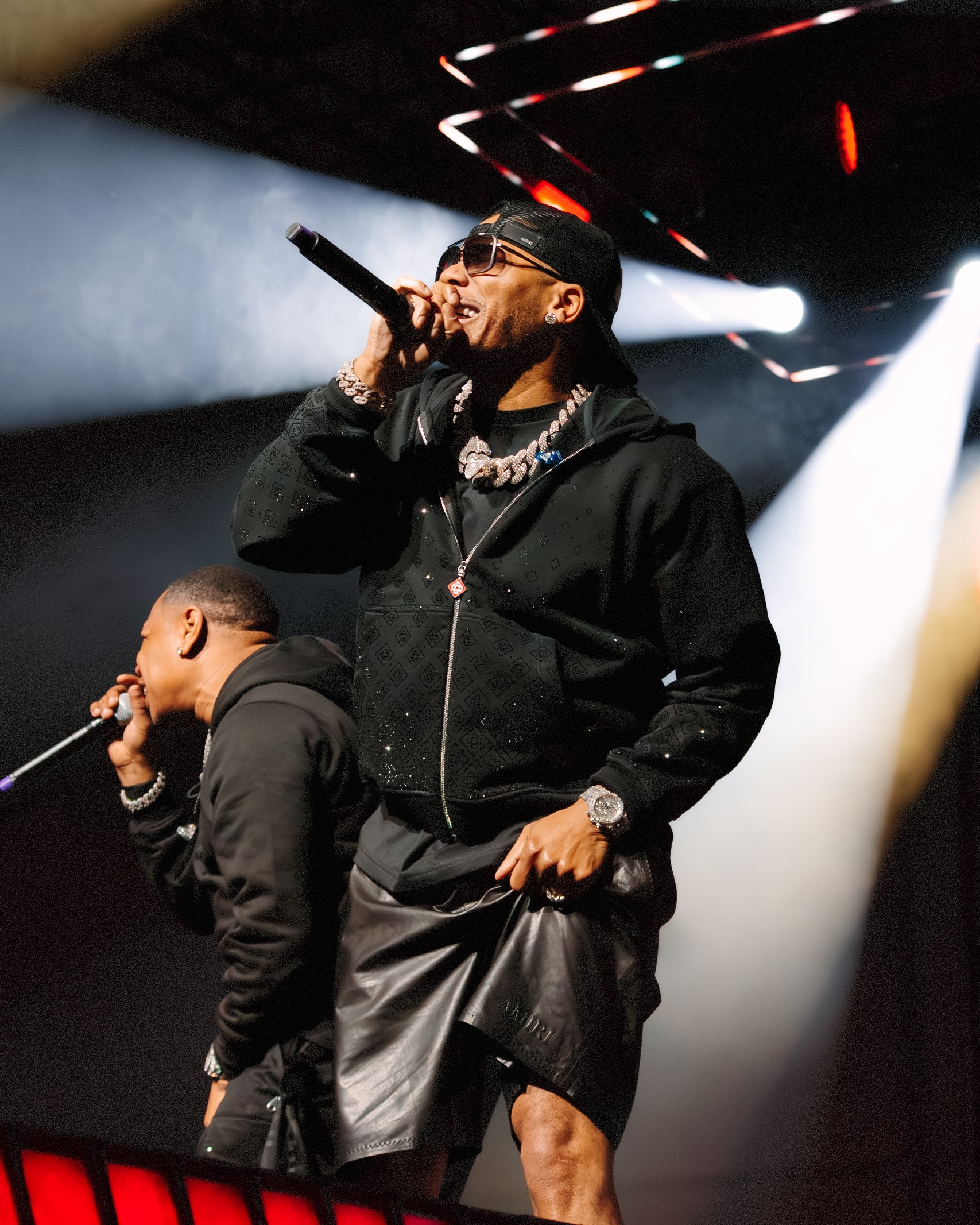
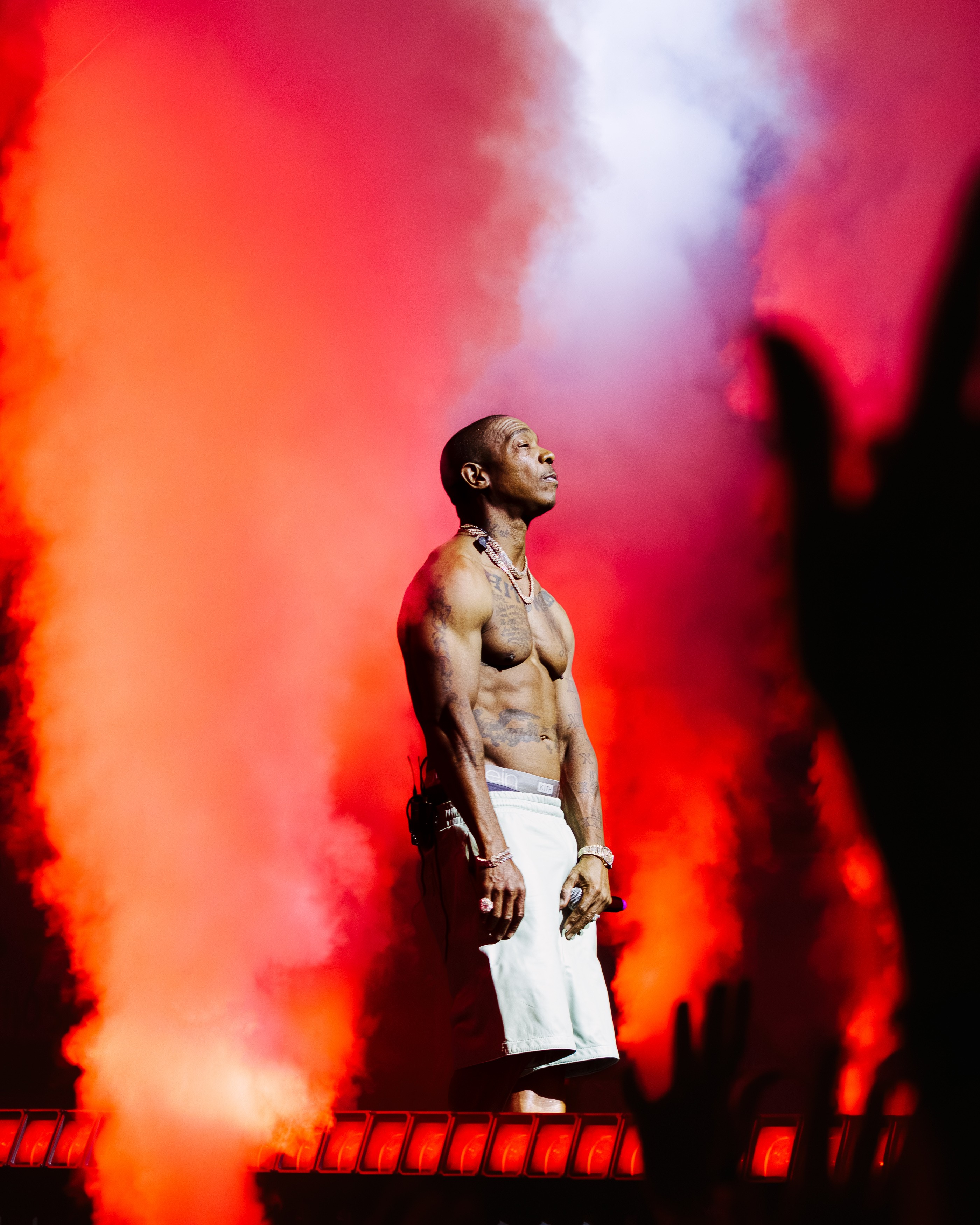
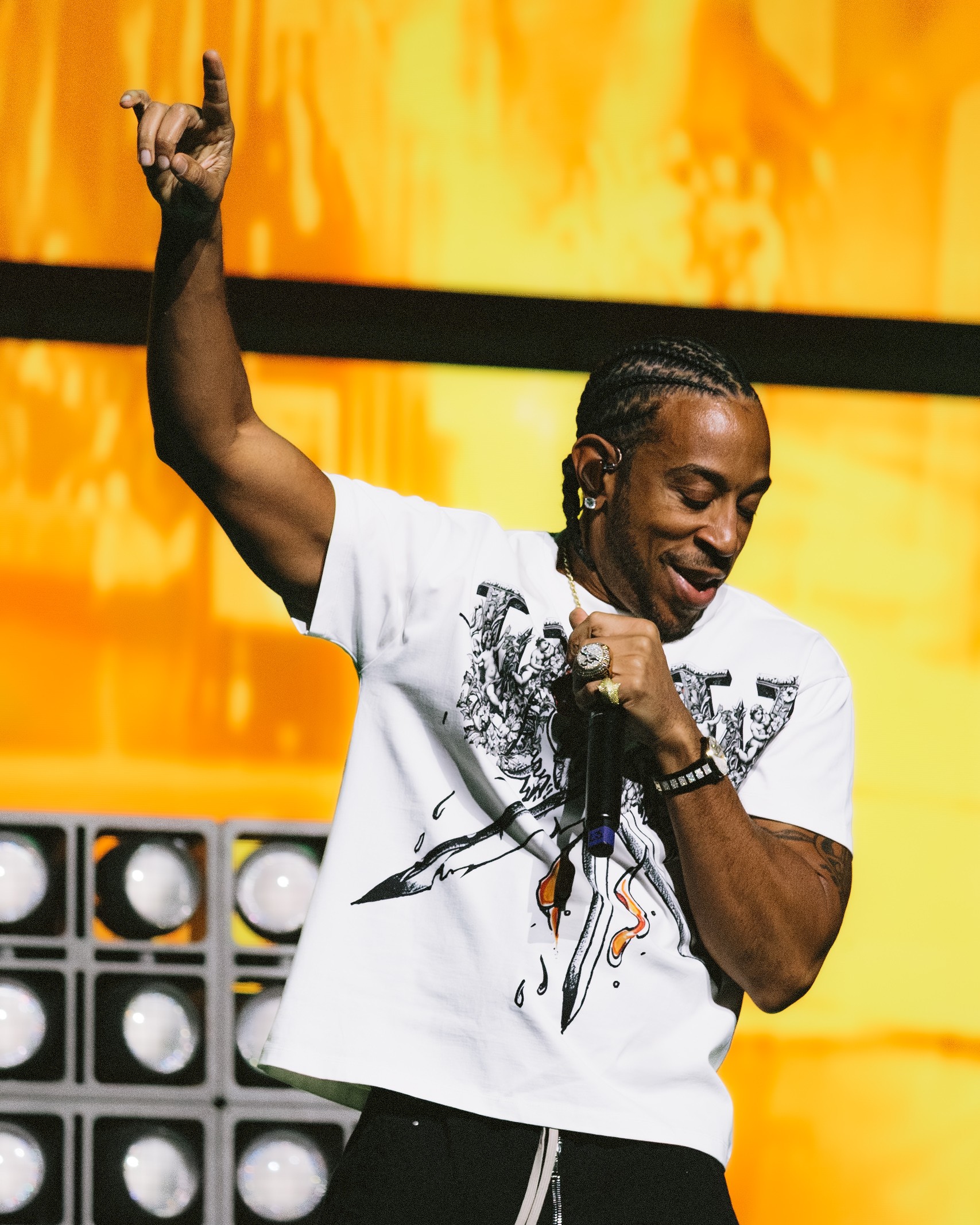
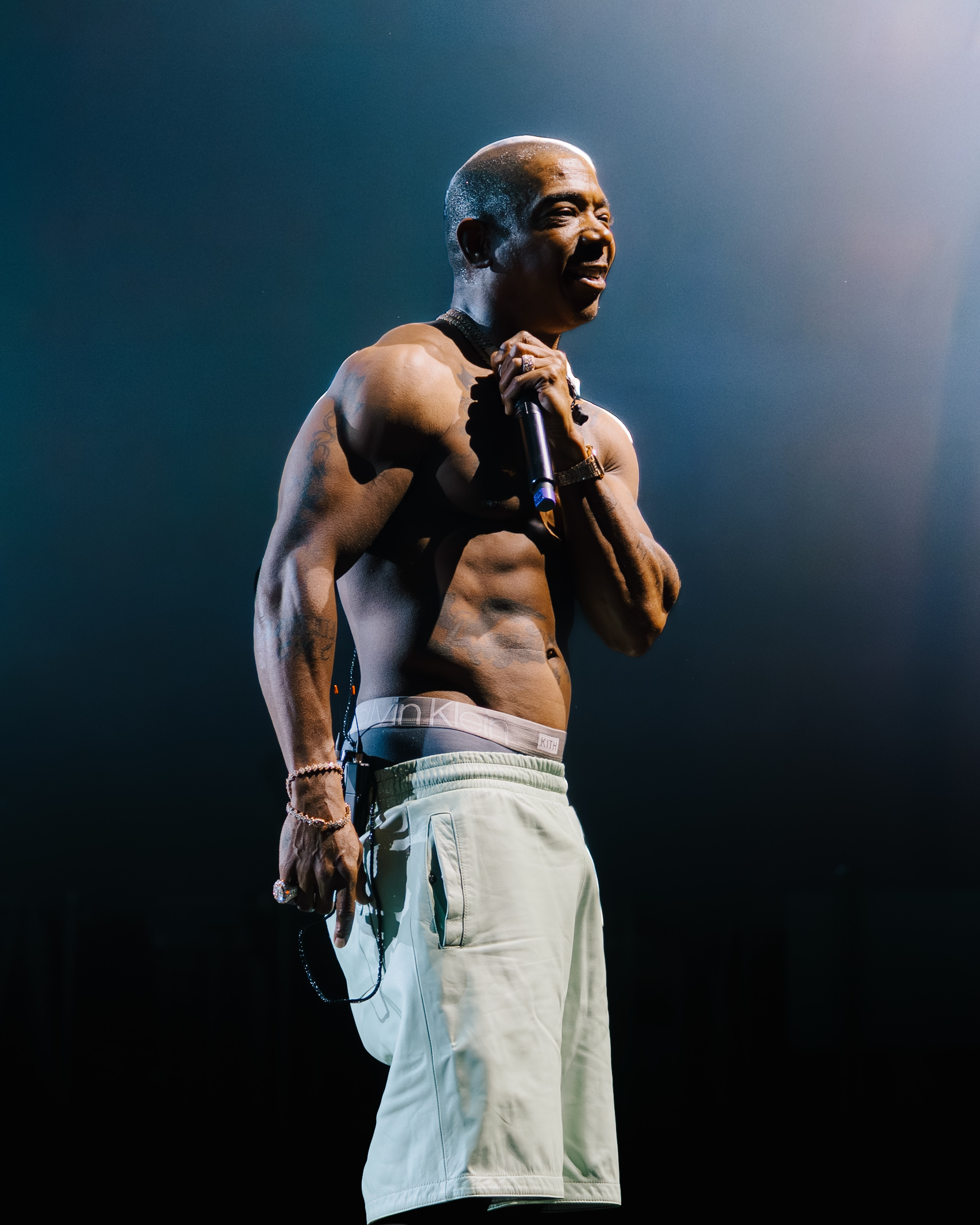
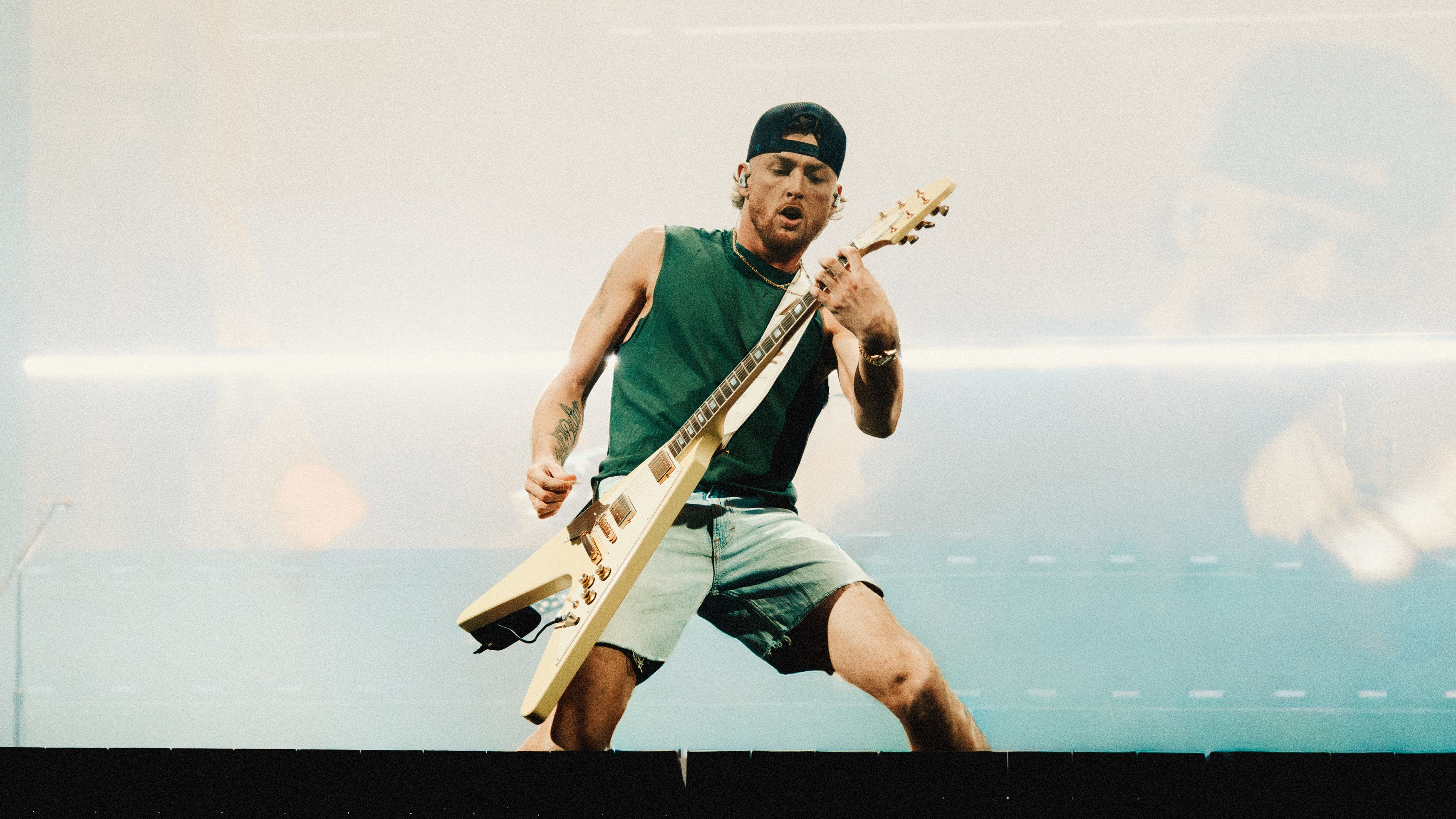
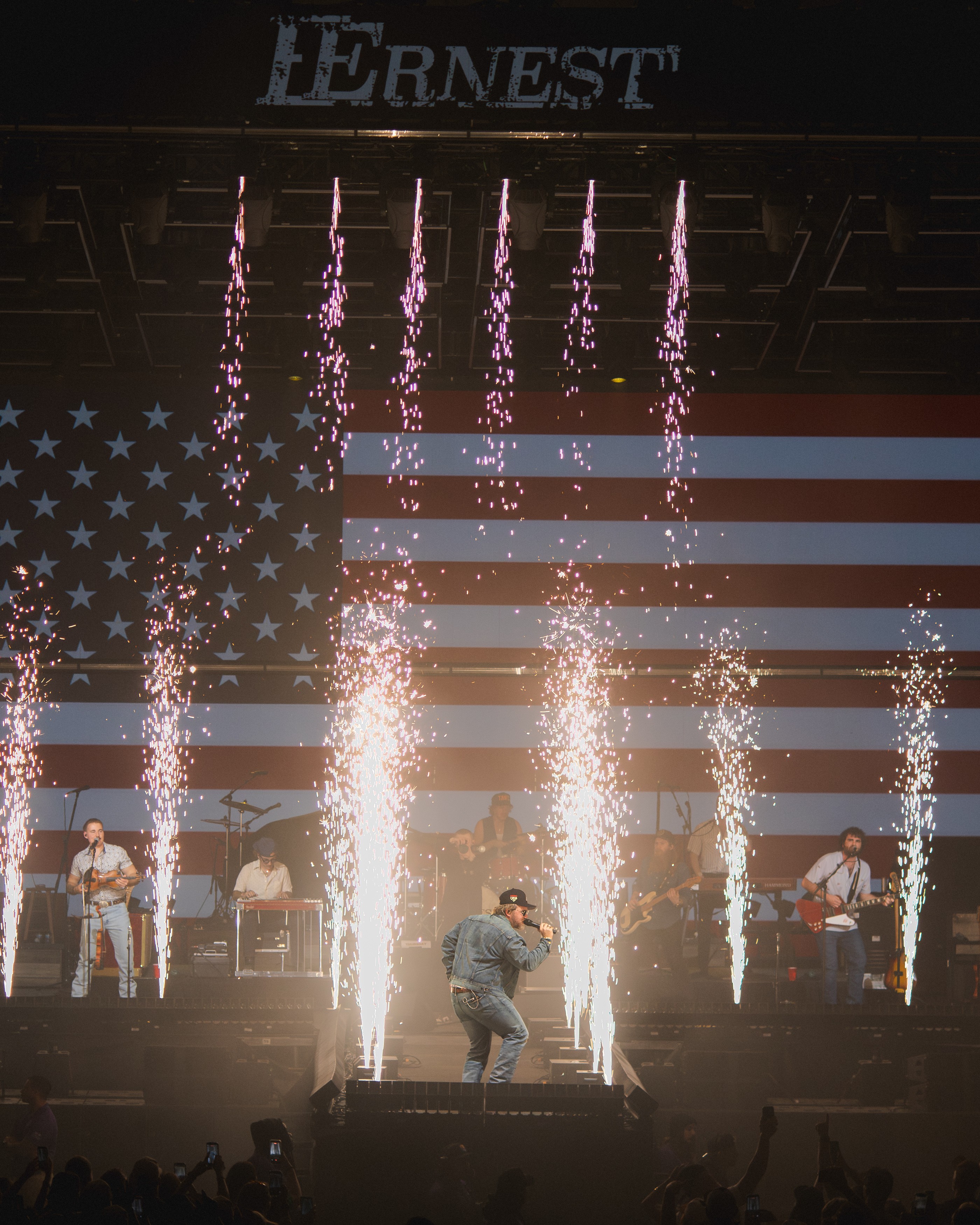
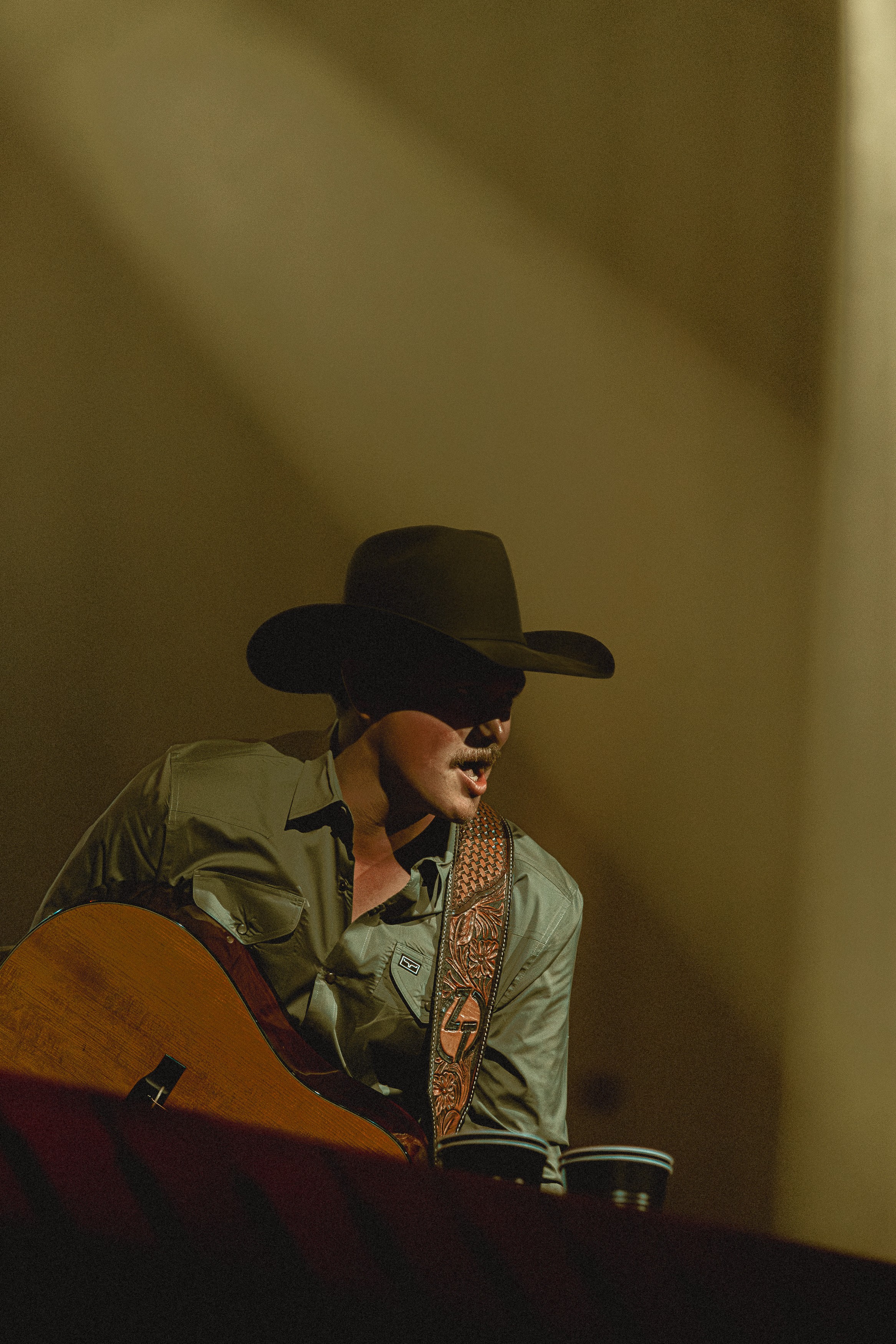
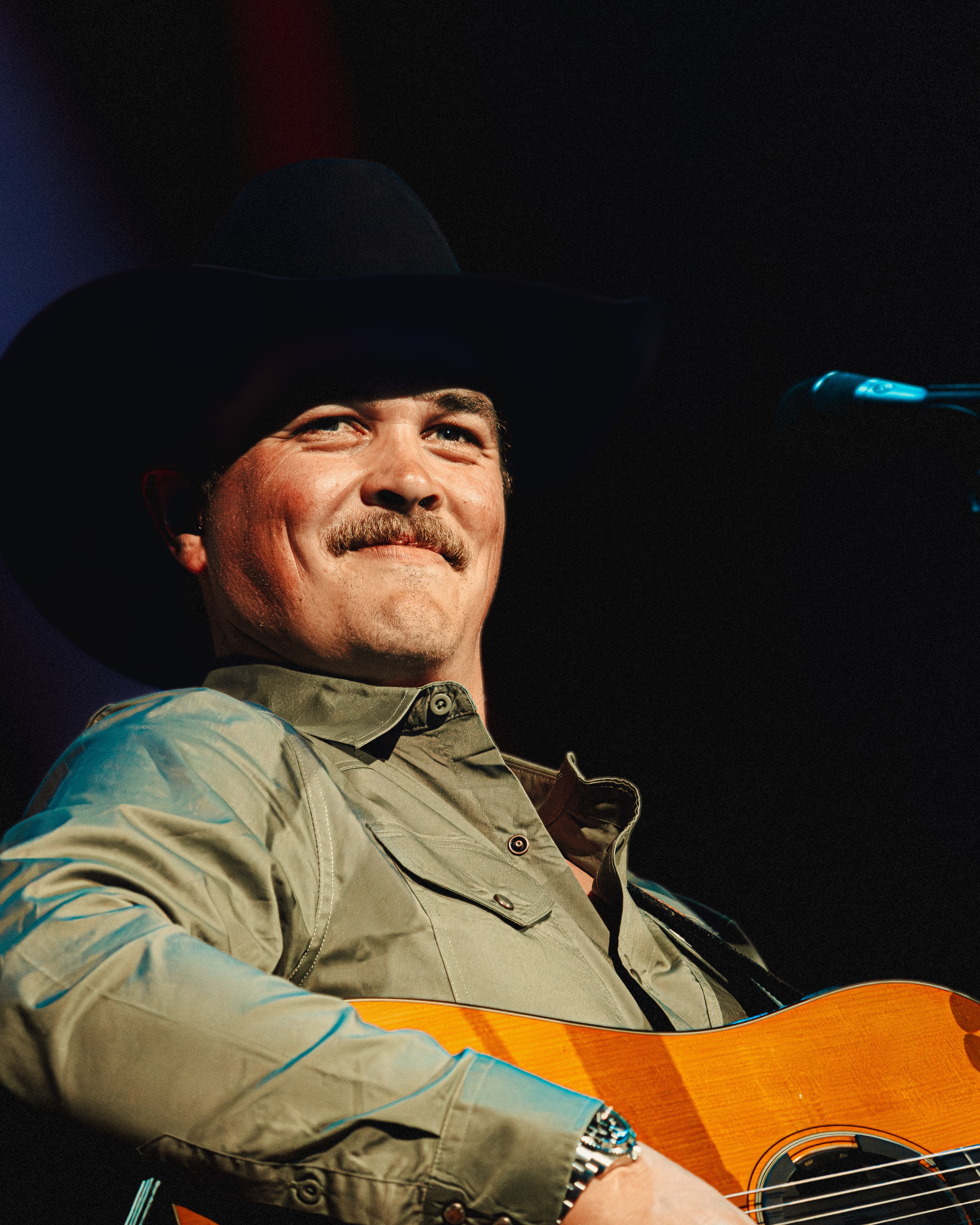
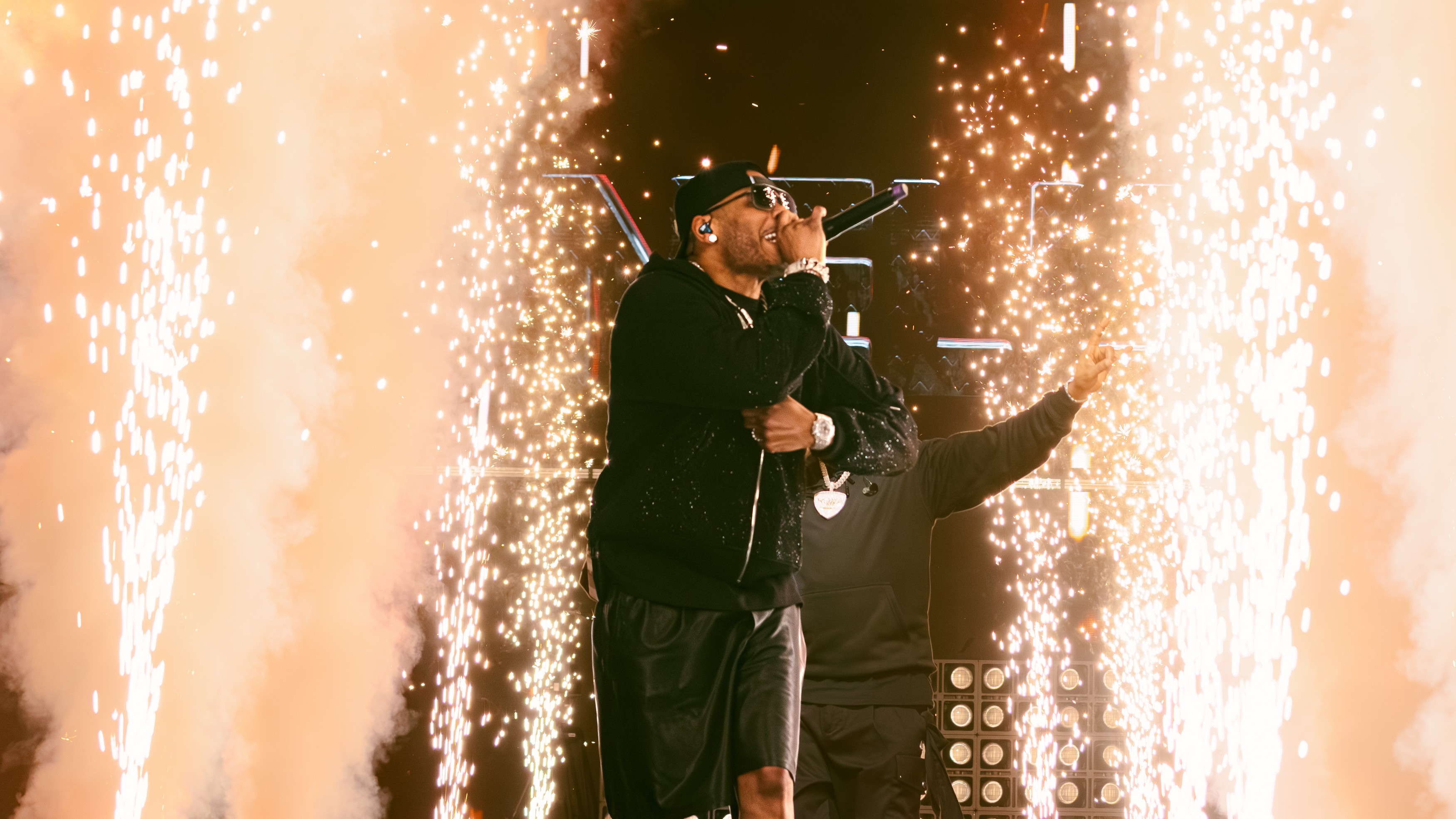
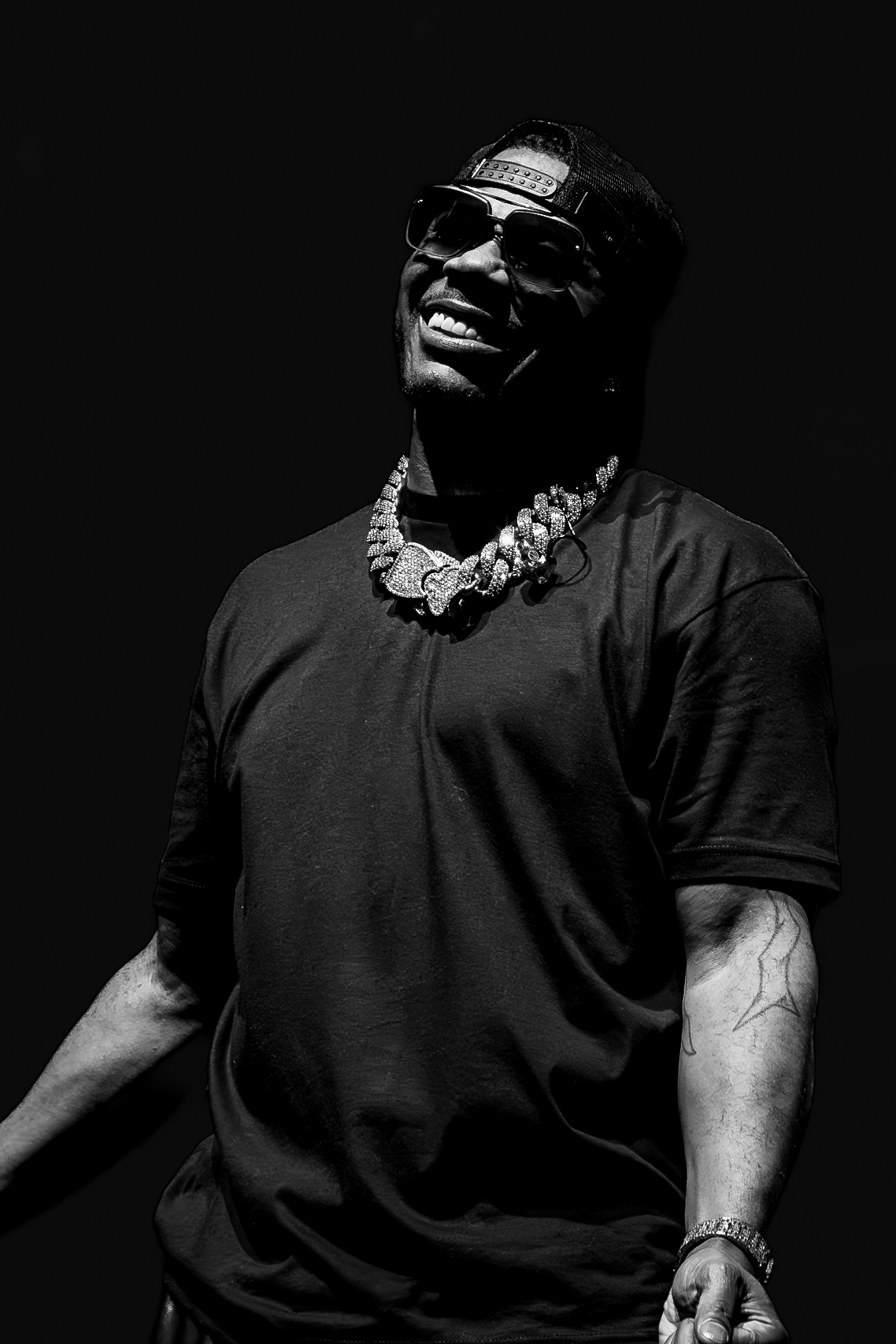
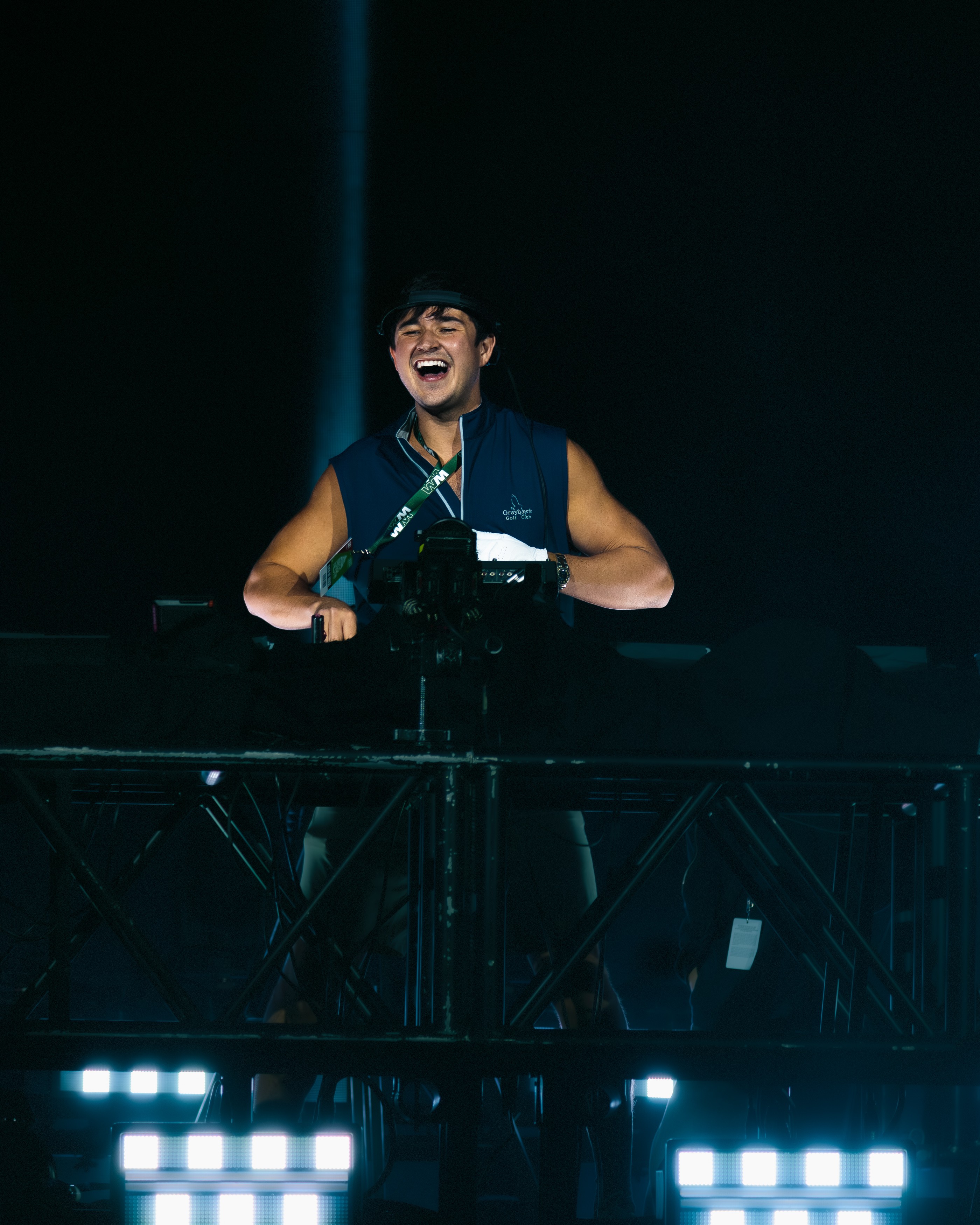
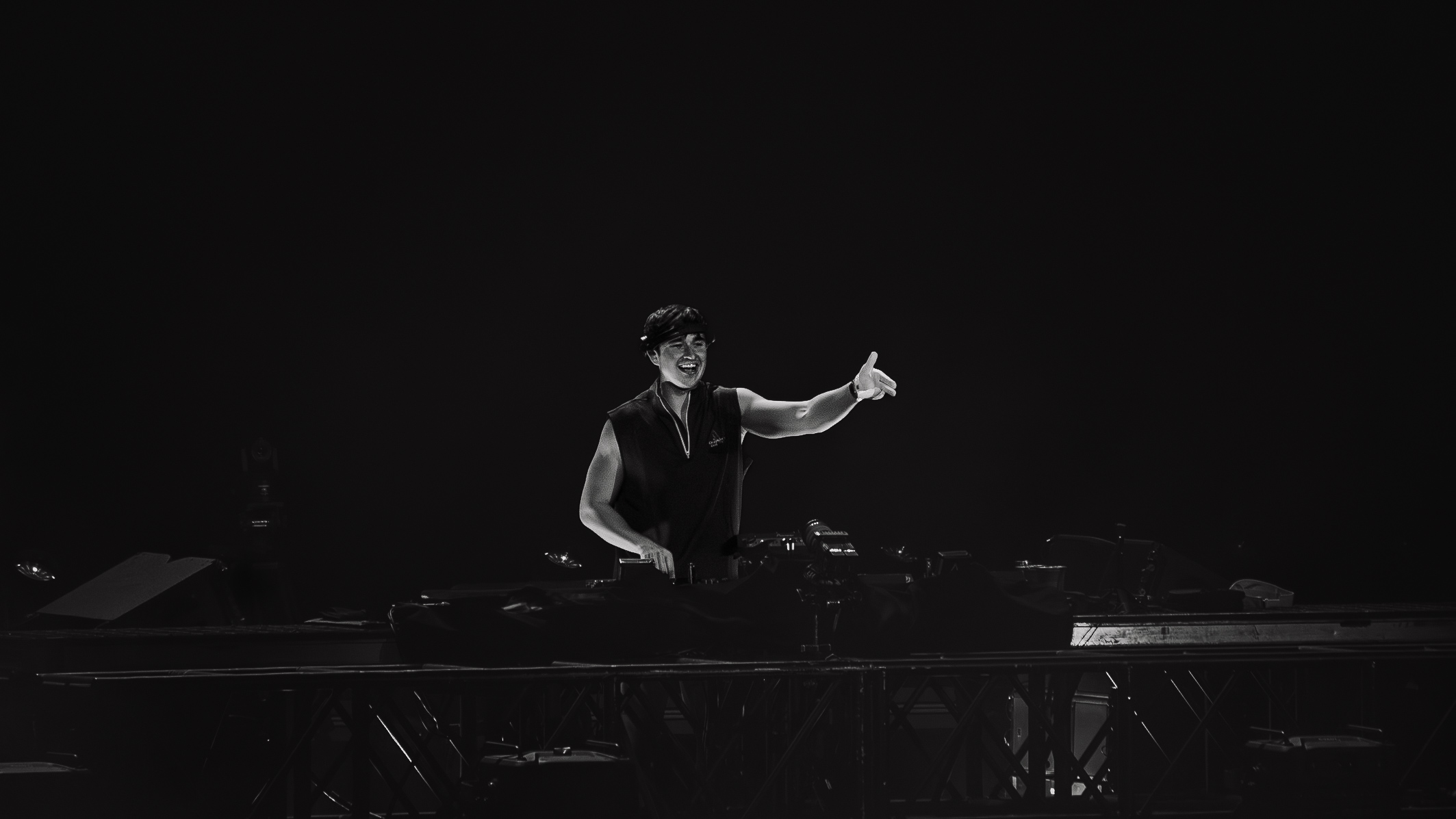
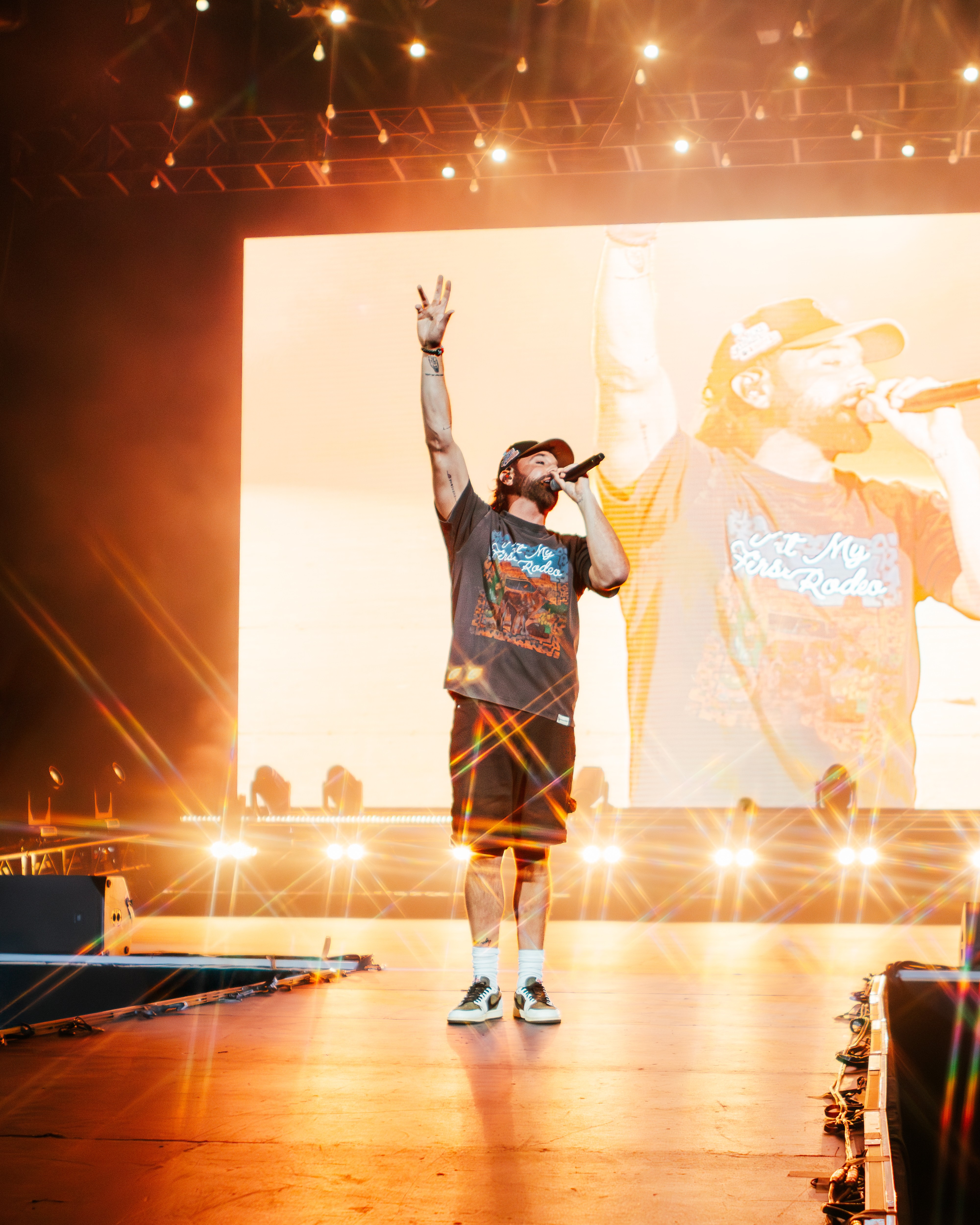
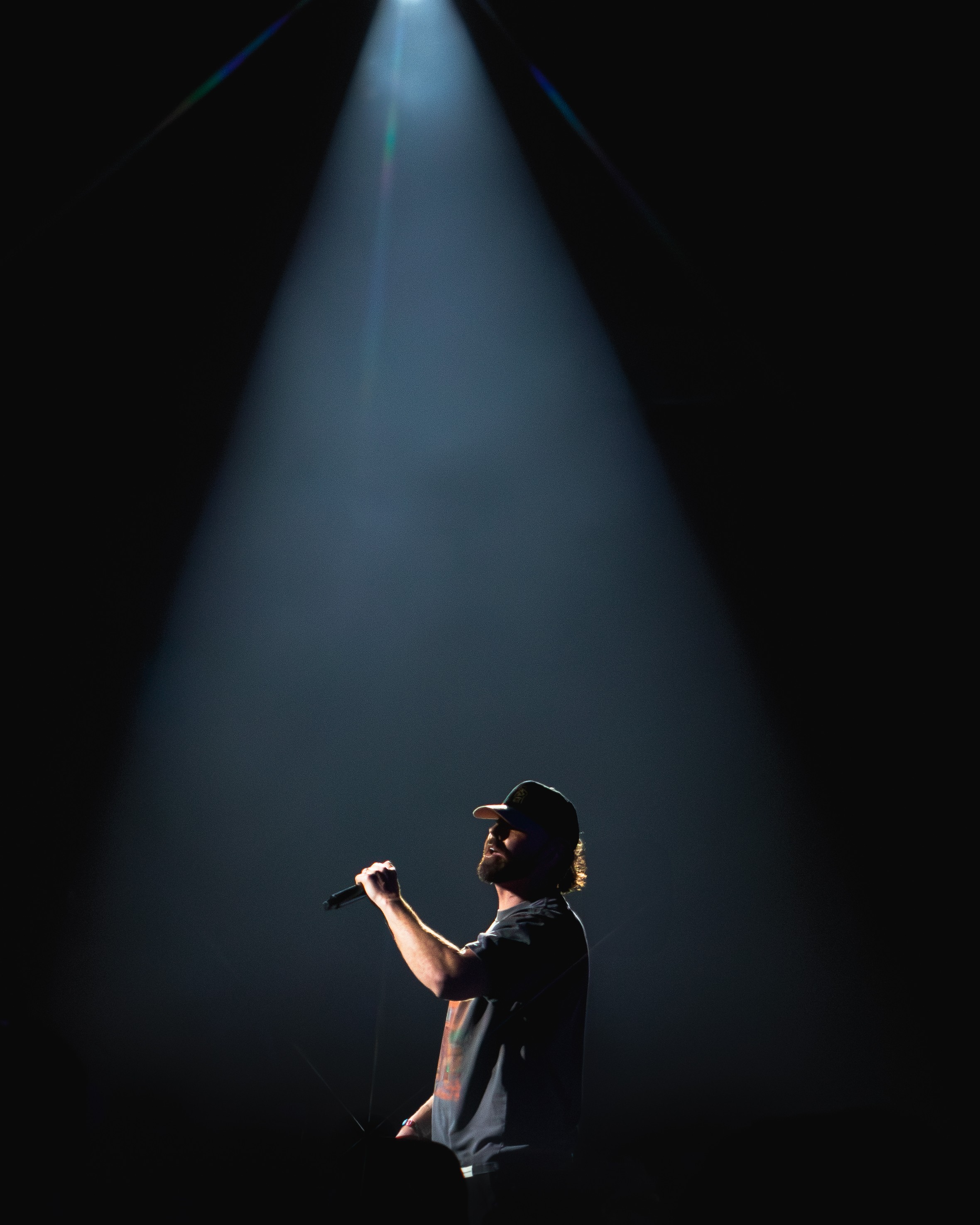
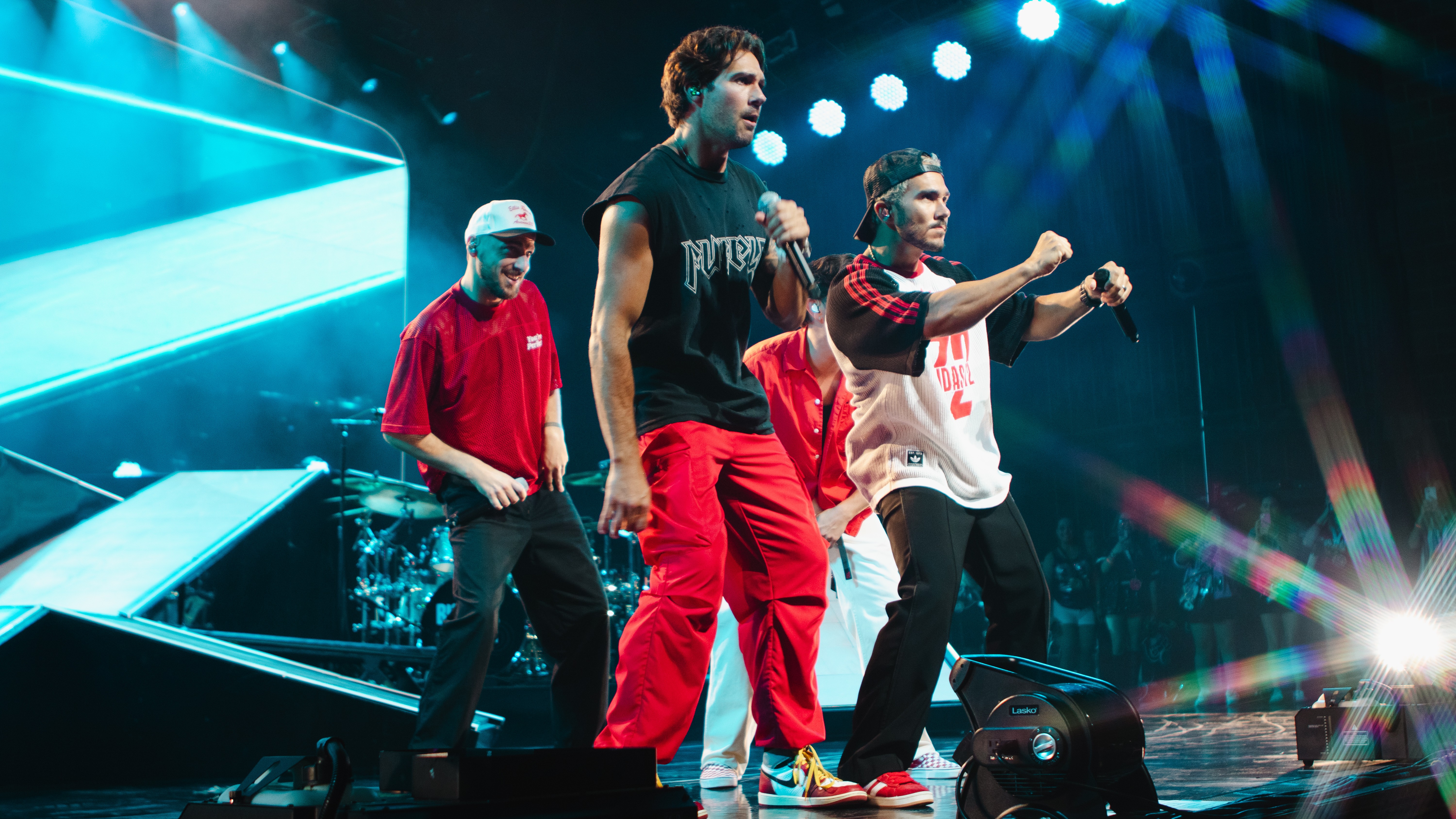
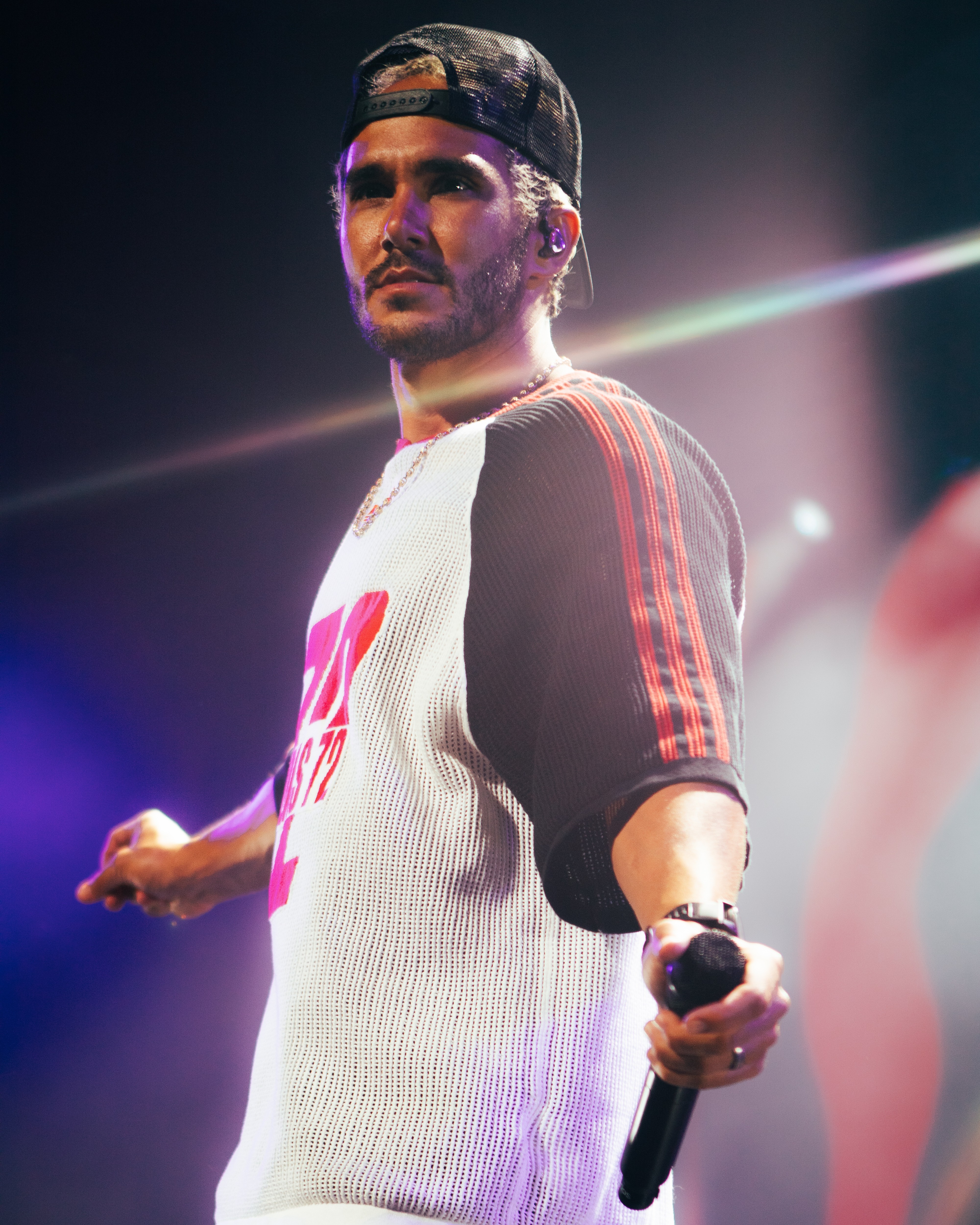
Image Credits
Myself – @lindsayirenephoto