


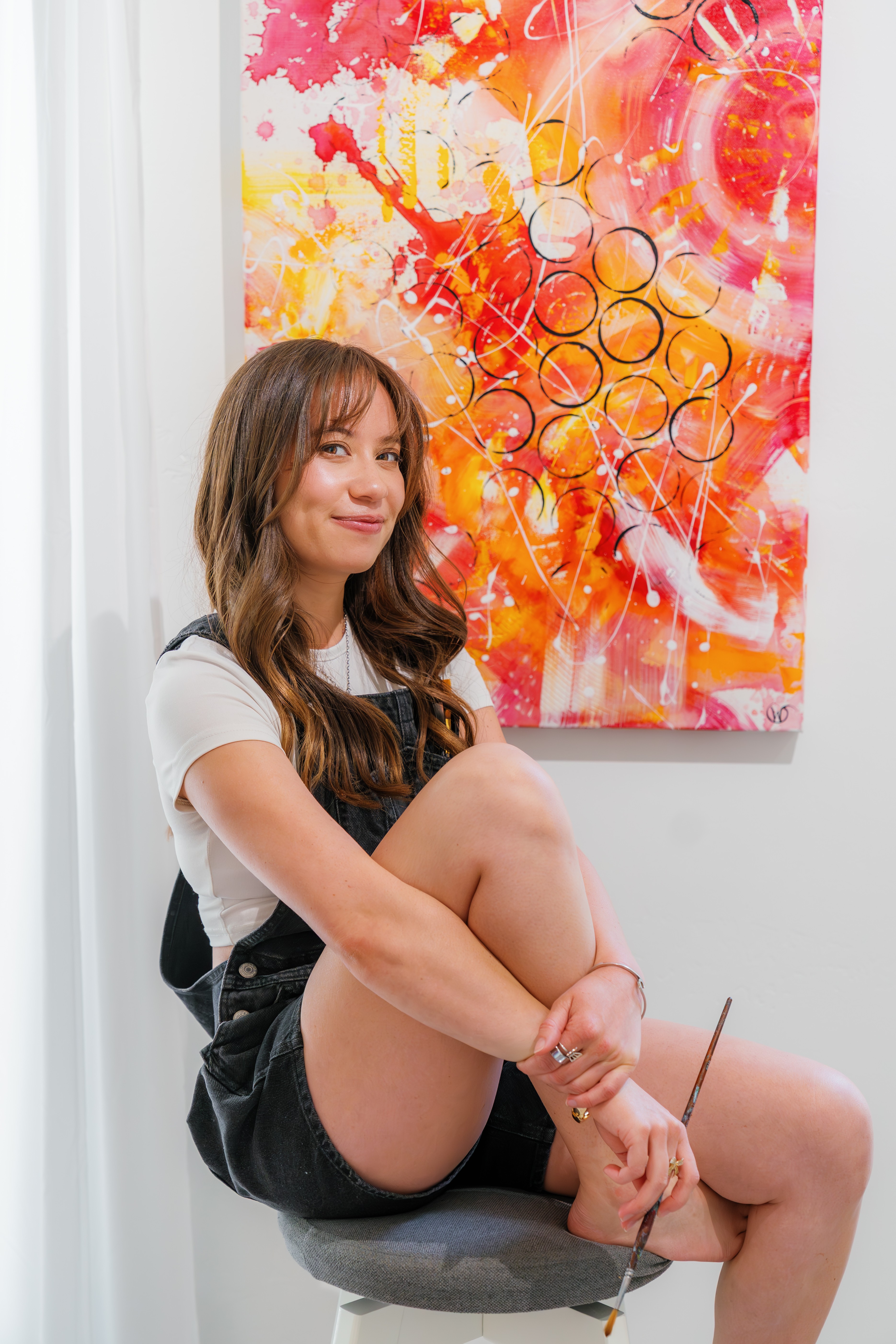
Today we’d like to introduce you to Wendy Trattner.
Hi Wendy, can you start by introducing yourself? We’d love to learn more about how you got to where you are today?
I didn’t set out to become an artist.
I grew up in Wisconsin and experienced significant loss at a young age. That shaped me in ways I didn’t fully understand at the time. What I did know was that I felt a deep need to build something meaningful with my life. Optimism became less of a personality trait and more of a survival strategy.
I followed a traditional path first. I studied mechanical engineering at MIT and built a career in sustainability and technology. On paper, everything made sense. But creatively, something felt unfinished.
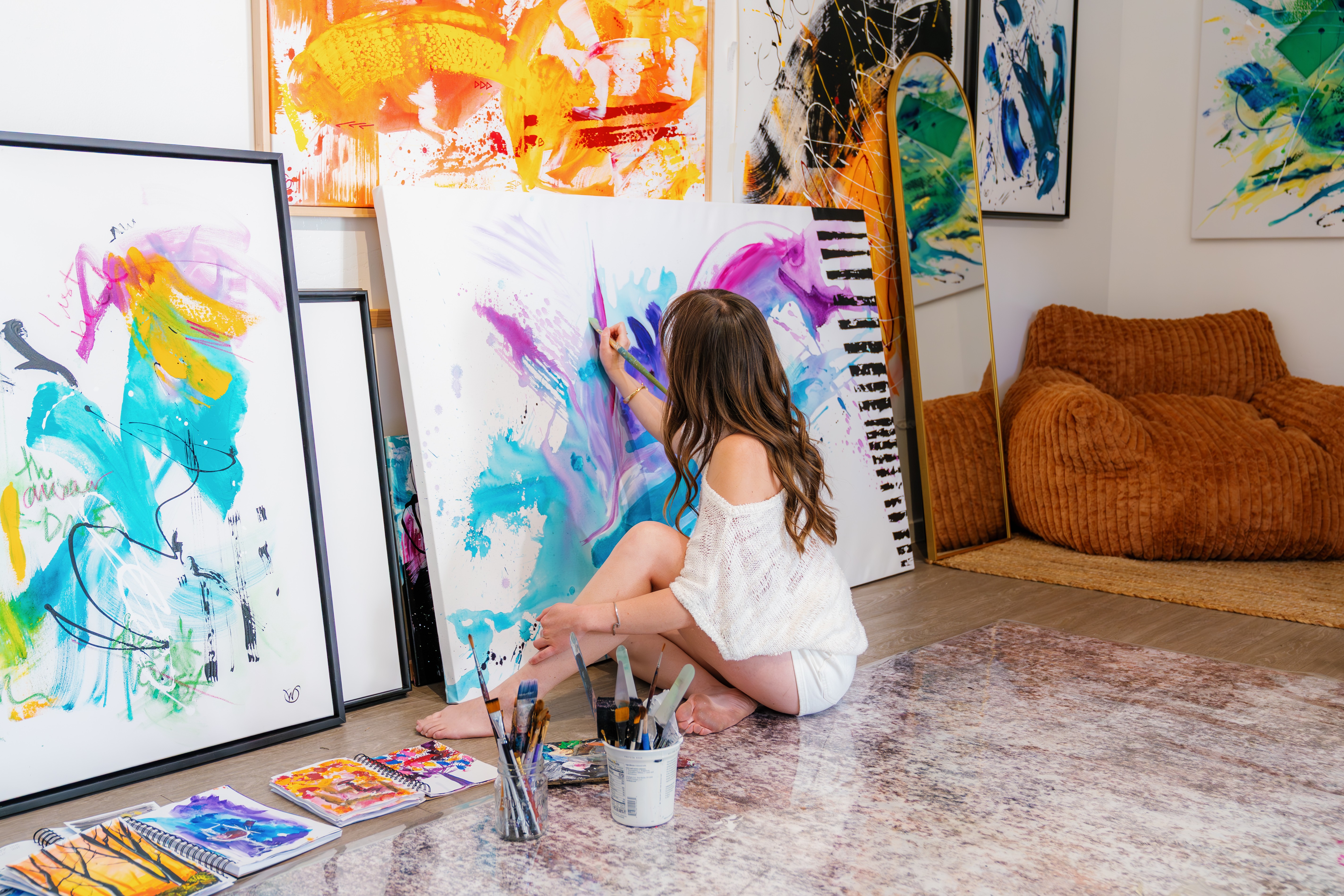
Art had always been a quiet undercurrent in my life. Eventually, it became louder than logic. I started painting seriously while working full time, and what began as an outlet slowly turned into a calling. The more I painted, the more I realized I wasn’t just making abstract work — I was translating emotion, ambition, grief, and possibility into color.
Leaving engineering to pursue art full time was the boldest decision I’ve made. It required persistence, discipline, and a willingness to redefine success on my own terms.
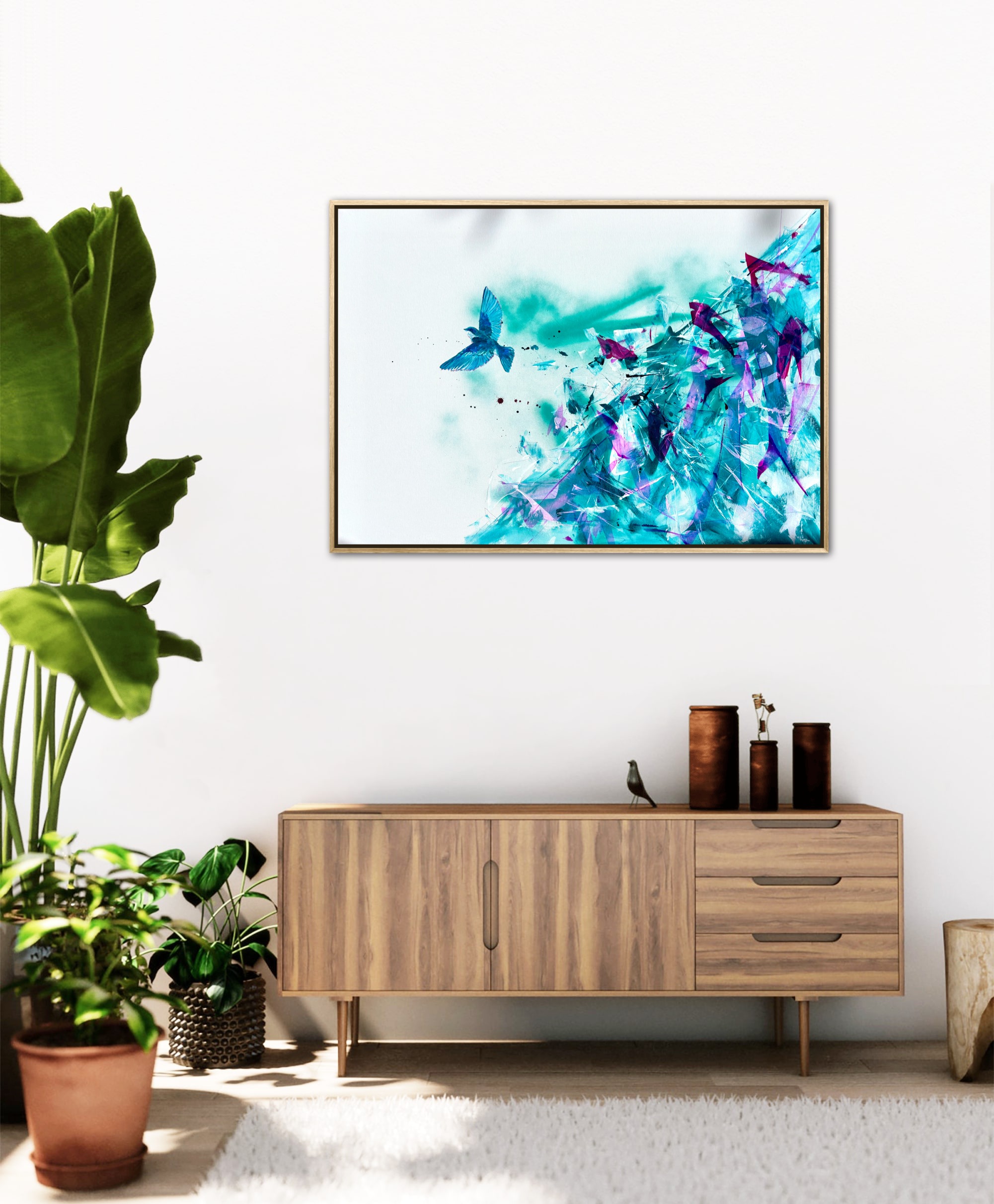
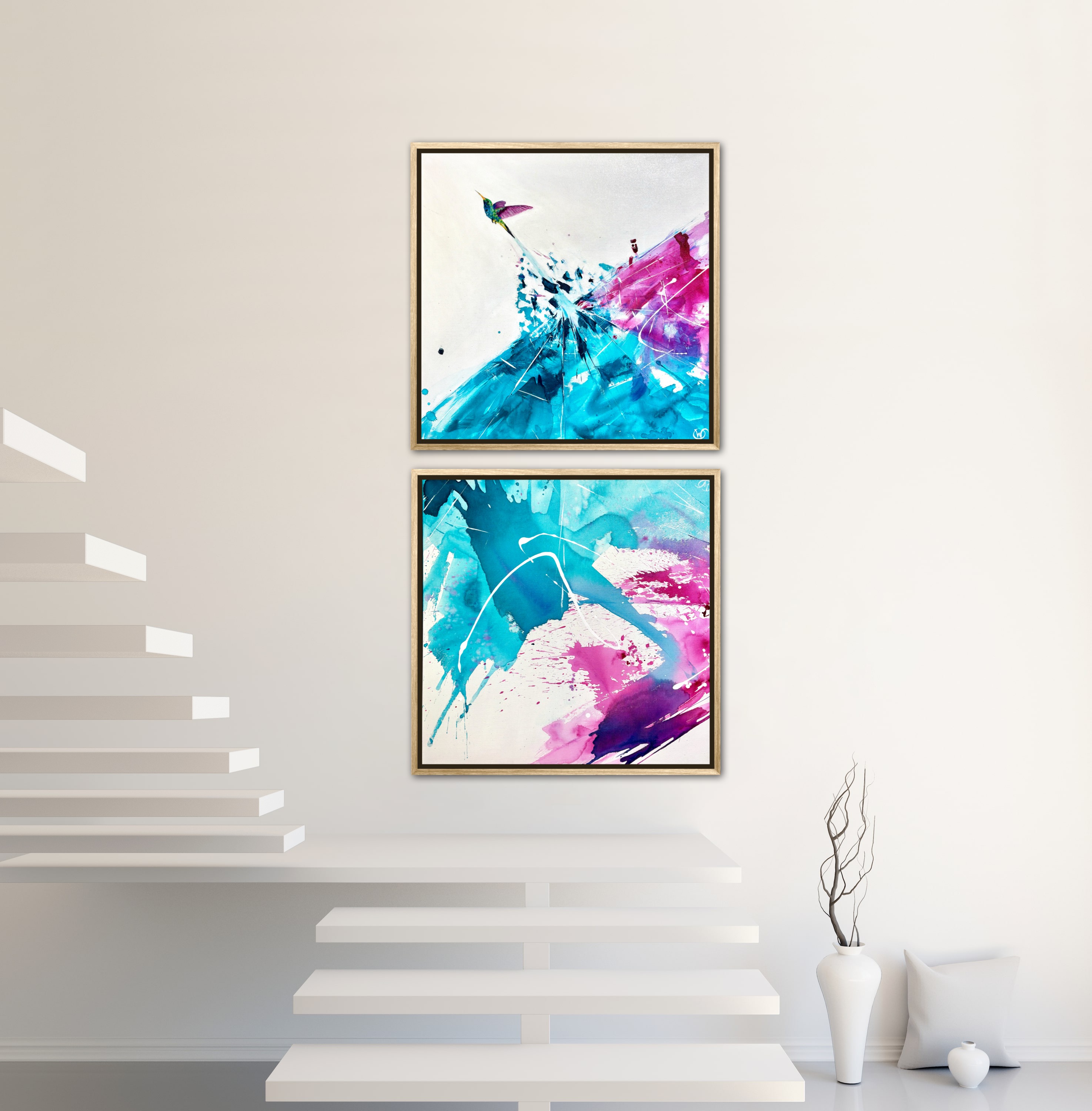
Today, my work explores optimism, momentum, and human potential. I’m especially drawn to large-scale pieces that shape the energy of a space. My goal is to create art that doesn’t disappear into the background — work that carries presence and transforms atmosphere.
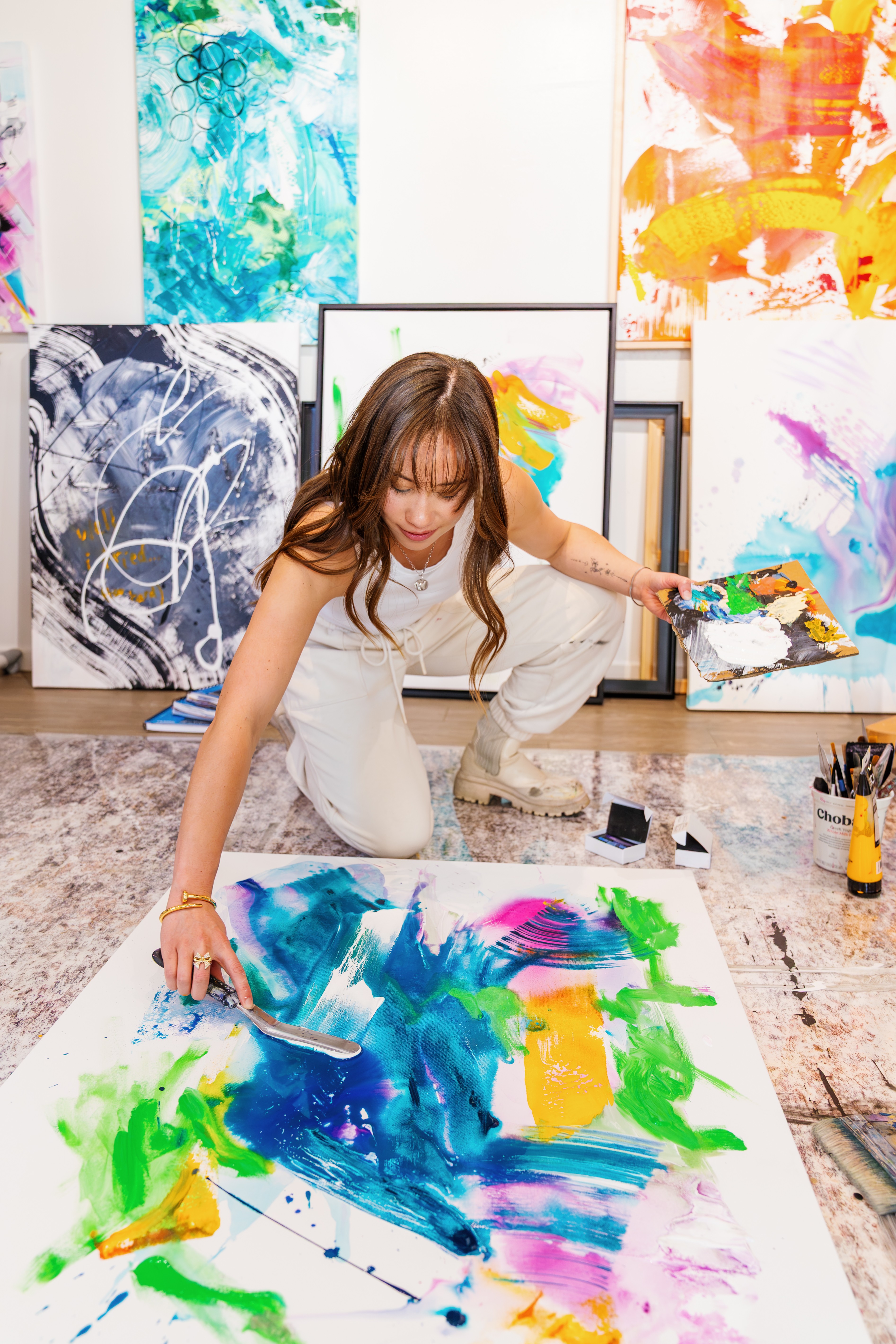
In many ways, my journey has been about turning pain into power and structure into expression. I used to solve problems with equations. Now I solve them with paint.
Would you say it’s been a smooth road, and if not what are some of the biggest challenges you’ve faced along the way?
It definitely hasn’t been a smooth road.
Growing up after losing both of my parents shaped me early. It forced me to develop independence and resilience, but it also meant I carried a lot of pressure to succeed. For a long time, I believed achievement would create stability.
The next major challenge was walking away from a traditional definition of success. I studied engineering at MIT and built a solid career path. Choosing art meant stepping into uncertainty — financially, professionally, and personally. There’s no clear roadmap for building a creative career at a high level.
Even now, the hardest part isn’t making the work — it’s building the infrastructure around it. Learning pricing, positioning, partnerships, and how to think long term. Art is emotional, but sustaining it requires strategy and discipline.
The through-line has been persistence. When things don’t work, I adjust. When momentum slows, I keep showing up. Every challenge has forced me to refine not just my craft, but my mindset, and I’m constantly learning.
It hasn’t been smooth — but it’s been meaningful.
As you know, we’re big fans of you and your work. For our readers who might not be as familiar what can you tell them about what you do?
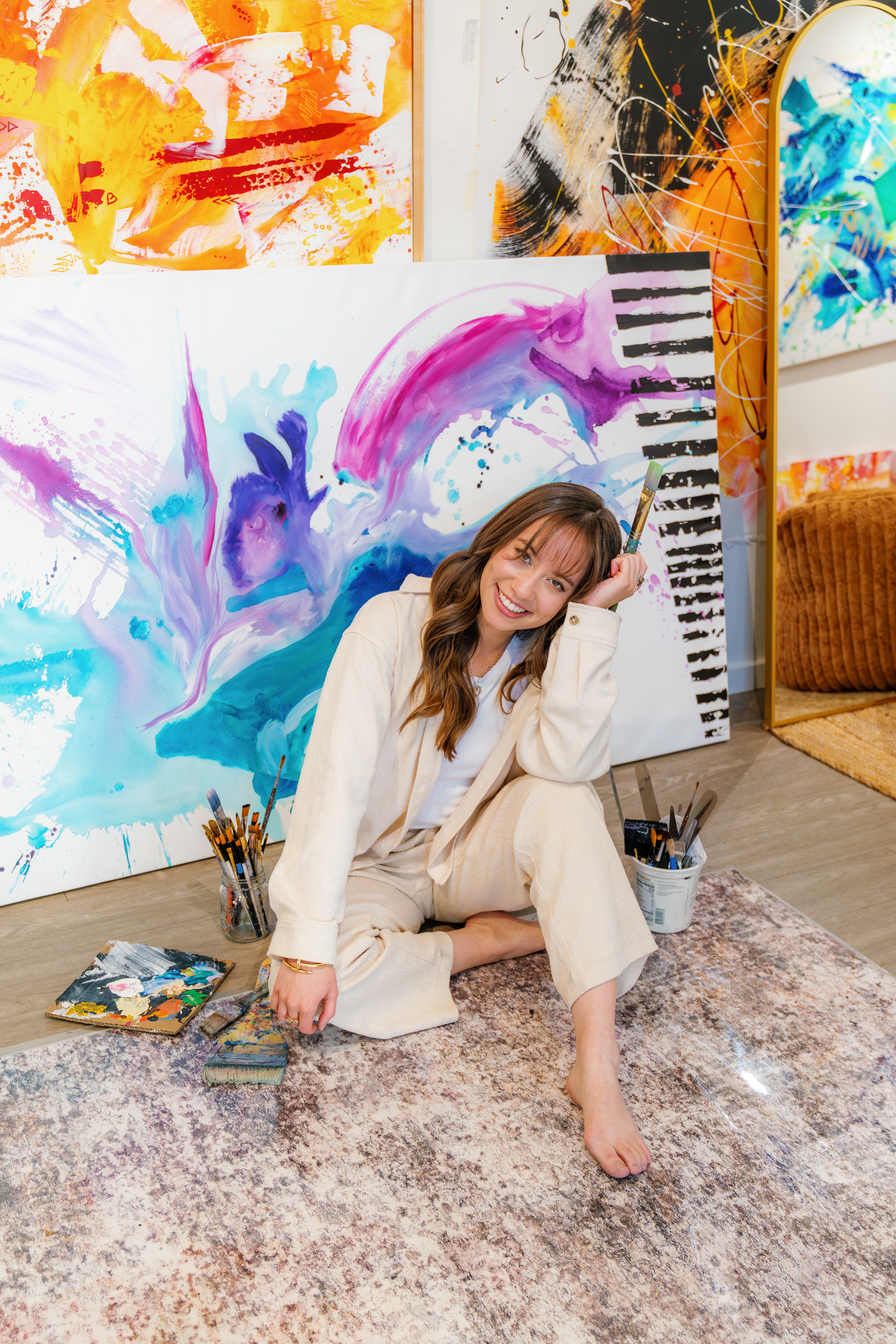
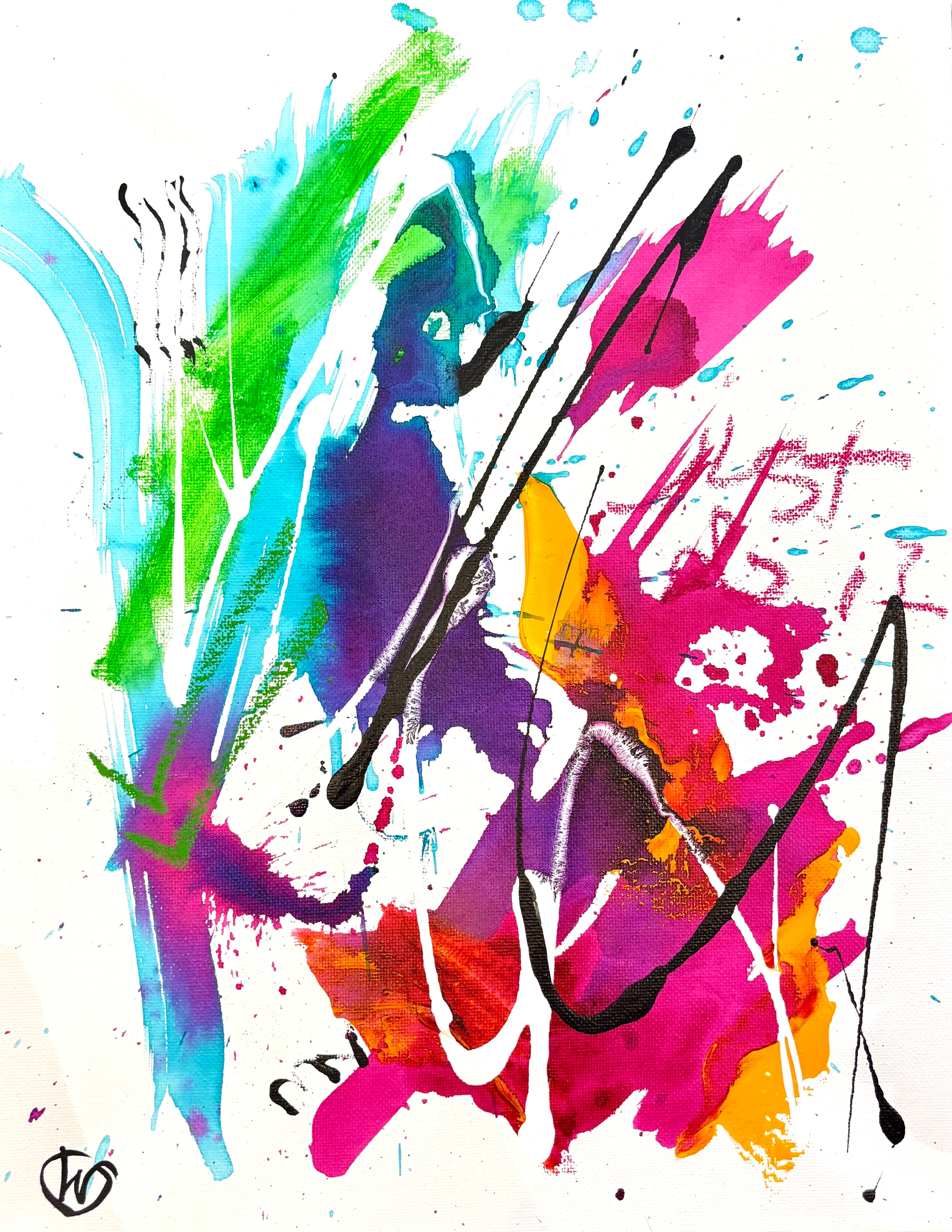
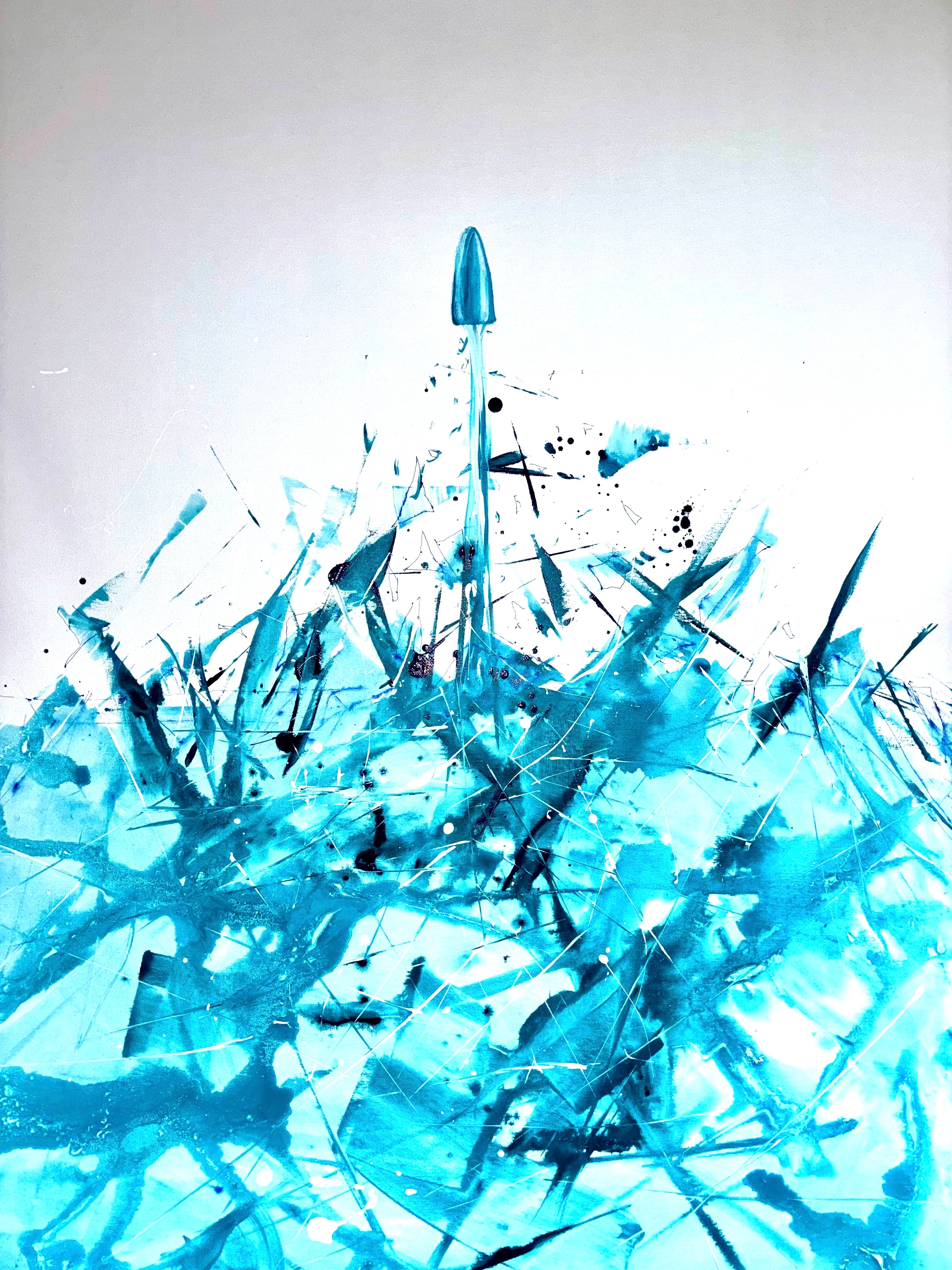
I’m a full-time abstract artist focused on creating large-scale, emotionally driven work. My paintings explore optimism, ambition, and human potential — the tension between who we are and who we’re becoming.
My background is in mechanical engineering, which deeply influences how I think about composition. I’m drawn to energy, structure, movement, and layered systems. Even though my work is expressive, it’s intentional. There’s philosophy beneath the surface.
Professionally, I’m focused on expanding into larger commissions and hospitality environments. I believe art has the power to shape atmosphere, and I’m especially interested in working with luxury designers, developers, and boutique hospitality spaces that want bold artwork with presence.
At this stage of my career, I’m less interested in making safe work and more interested in making work that feels alive. Pieces that anchor a room. Pieces that shift energy and inspire deeper conversations.
That’s the direction I’m building toward.
We’d be interested to hear your thoughts on luck and what role, if any, you feel it’s played for you?
Luck has absolutely played a role in my life — both good and bad.
Losing my parents young was the kind of “bad luck” that changes everything. I didn’t choose that. It shaped me in ways I’m still unpacking. But it also forced me to develop resilience early.
On the other hand, I’ve had moments of extraordinary good luck — mentors who believed in me, opportunities that opened at the right time, getting into MIT, meeting collectors who resonated deeply with my work. Those moments matter.
But I’ve come to see luck as something that meets preparation. You can’t control timing, but you can control whether you’re ready when timing shows up.
In my art career especially, I’ve learned that what looks like luck from the outside is usually persistence behind the scenes. Showing up consistently increases the surface area for opportunity.
So yes, luck is important. But success is what happens when luck meets hard work and preparation.
Contact Info:
- Website: https://wendytrattner.art
- Instagram: https://www.instagram.com/wendytratt/
- LinkedIn: https://www.linkedin.com/in/wtratt/
- Youtube: https://www.youtube.com/@wendytratt
Popular
-
Isaac Navias on How AI Search Is Reshaping Local Discovery and Building Businesses for Freedom
-

Phoenix’s Most Inspiring Stories
-
From Manuscript to Meaning: How Lauren Wise Is Helping Authors Turn Stories into Lasting Impact
-
Designing the Invisible: Jennifer Hassett on the Rise of Fully Staffed Luxury Households in Phoenix
