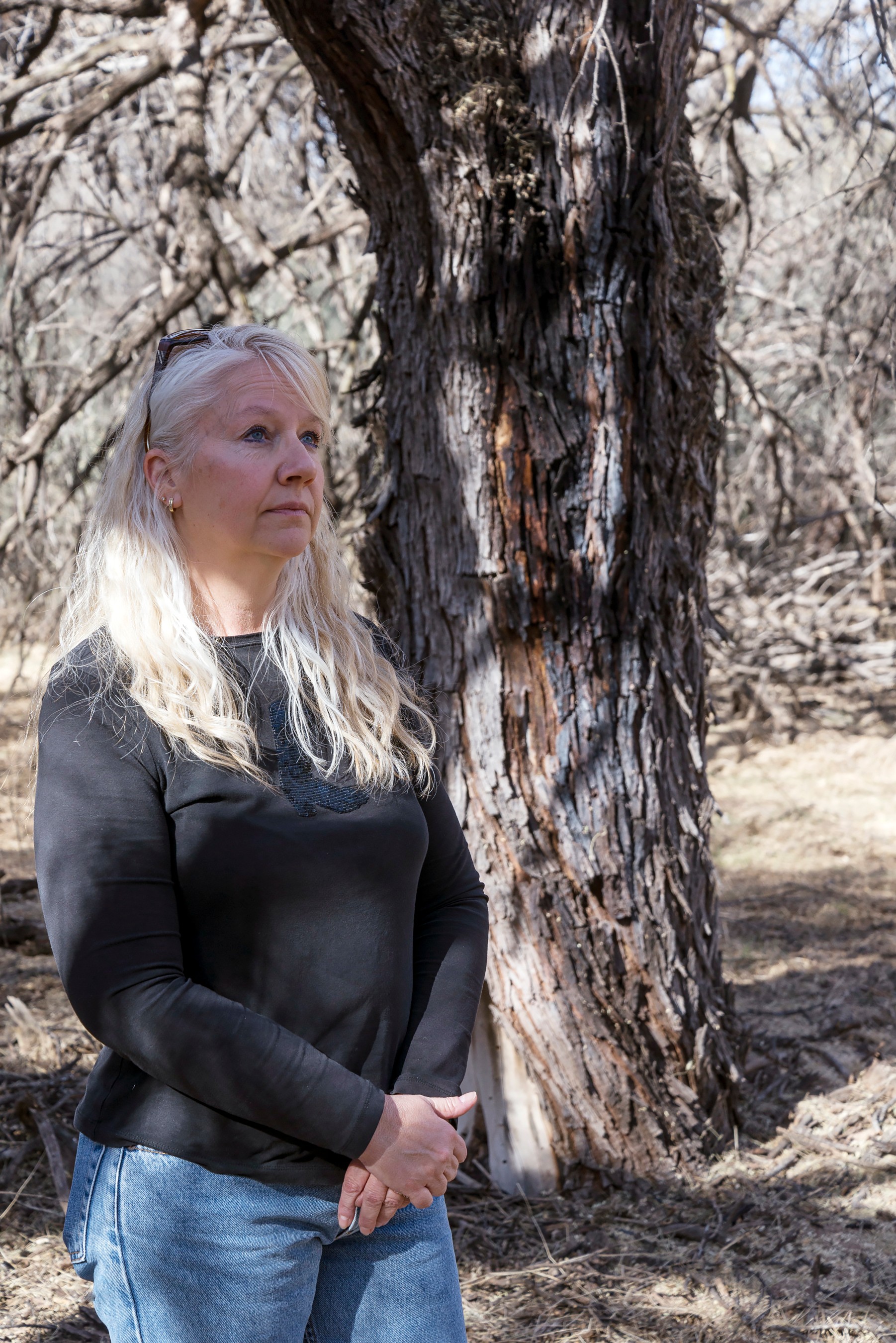
Today we’d like to introduce you to Melissa Crytzer Fry.
Hi Melissa, it’s an honor to have you on the platform. Thanks for taking the time to share your story with us – to start maybe you can share some of your backstory with our readers?
I never dreamed, at 53, I would be committing my time to fighting for the wildlife and wild areas of Arizona that I cherish. When I moved from downtown Phoenix to the San Pedro Valley in Pinal County, I became enchanted with this portion of the desert’s lush riparian area and its thick, carbon-capturing mesquite bosque along the river. Hiking, photography, birding, conducting citizen-science projects, and documenting wildlife on trail cameras became the fabric of my life, outside of work. I seemed to have won the wilderness and exotic-wildlife lottery, experiencing so much in my back yard … Ringtails. Coatimundi. Ornate box turtles. Mountain Lions. Endangered Loach Minnows. Gila Monsters. Threatened Mexican Spotted Owls. Javelina. Desert Tortoises. Endangered nectar-eating bats… Yes, all here in our state, in a very small town called – ironically – Mammoth.
Fast forward 20 years to “not-even-on-my-radar”: me leading an all-volunteer nonprofit to save these animals and the southwest’s last free-flowing river, the San Pedro. It is still a bit unbelievable.
Yet in 2022, foreign copper mining came knocking on the door, threatening the Galiuro Mountains just north of Tucson, a rare Sky Island of the Madrean Archipelago, and home to these very animals and waterways. Many Phoenicians might know this part of southern Arizona for Aravaipa Canyon Wilderness, one of the state’s ecological jewels and watery hiking destinations. This irreplaceable Wilderness Area, along with the lower San Pedro River, and its tributary, Copper Creek (the area being explored by Canadian Faraday Copper), is threatened by a proposal for 28 square-miles of open-pit and block-cave mines. Only 0.4 percent of Arizona’s habitat is comprised of these unique riparian ecosystems that support millions of annual migratory birds, plants and wildlife – and this area boasts three such riparian habitats.
Our state and local politicians on both sides of the aisle continually fail to speak for Arizona’s rural communities, the state’s groundwater resources, the land, or the wildlife. I am. Our grassroots organization is stepping up.
We all face challenges, but looking back would you describe it as a relatively smooth road?
I don’t think anyone grows up proclaiming, “I want to be an activist!” or “I want to be a conservationist!” We’re drawn to defending the things we love, no matter our prior experience. That said, my past management roles in nonprofits, higher education and corporate communications – and later, my science writing with ASU Research Magazine (as the owner of a freelance writing business) – have provided solid bedrock. Admittedly, though, I continue on a crash course of the ‘sink or swim’ variety, learning about mining and environmental law, nonprofit management, fundraising, hydrology and biology. Passion for this state and its incredible biodiversity, though, is my greatest strength.
While I was lucky enough to ‘inherit’ a nonprofit with more than a decade of experience and respected leadership under its belt, recruiting volunteer leaders and members remains challenging in such a rural area (membership, however, requires only an agreement with our mission and a desire to help, and we welcome Arizonans outside the watershed).
Fundraising, of course, is one of the larger struggles, as so many reputable nonprofits currently fight a host of environmental injustices, themselves, that require competing funding. Our organization is embarking on costly regional-scale groundwater modeling studies with local hydrology and geochemistry experts, because such studies simply do not presently exist. The Bureau of Land Management approved Faraday for 67 sites of exploration (70,000 gallons of water per rig, per month x 3 rigs) without even knowing what aquifers are being tapped. They also refused to consider future mining impacts on the health of the lower San Pedro River and Aravaipa Canyon.
Thanks – so what else should our readers know about Lower San Pedro Watershed Alliance?
The Lower San Pedro Watershed Alliance’s 250 members from across the state and the country (100+ who are watershed landholders) rely on us to resist proposals for large-scale or inappropriate development that threaten sustainable rural lifestyles and would cause ecosystem fragmentation, degrade wildlife habitat, and devalue the existing 190,000 acres of conservation easements along the lower San Pedro (all whose health and ecological value would be diminished or destroyed by our current largest threat: mining).
Unlike other watershed groups in Arizona that focus on urban improvements in pockets of already-industrialized waterways, we focus on landscape-scale conservation: keeping Arizona’s last wild river still wild, and its vast wildlife connectivity corridors intact. We have always focused on providing legal standing/support for the community, but want to preserve this riverine wilderness area for all Arizonans. A key area of our mission is to protect the associated indigenous cultural heritage of the area, as well, working with the San Carlos Apache Tribe when we can on legal responses. In 2026, we are planning a series of workshops to educate the local and statewide community about the wonders of this last-wild, culturally significant place. Most Arizonans don’t know that a vast majority of the lower San Pedro watershed represents the second-largest unfragmented natural landscape remaining in Arizona and New Mexico, second in size only to the Grand Canyon region’s undisturbed landscape.
Risk taking is a topic that people have widely differing views on – we’d love to hear your thoughts.
My initial response was a quick, “No – I’ve not taken any major risks,” because I am rarely a fan of ambiguity. Planning and lists. Check. Agendas. Check. Fly by the seat of my pants. Absolutely not.
Though introspection tells me a surprisingly different story. I moved to Arizona in 1998 at age 26 without family (after 33 straight days of no sunshine in Pennsylvania), bought a house, and became the corporate communications director at MedAire, after working solely in higher education communications. Later, I would surprise myself by walking into my boss’s office at Thunderbird School of Global Management on a Friday and tell him I was starting a freelance writing business the coming Monday (while my husband, Steve, was not working, but going to school). A decade later, we took a joint leap of faith in building our own green home (construction was new to us) on acreage in southern Arizona.
And here I am again, with my husband supportive in every way imaginable, jumping in, running full speed ahead, fighting passionately for what I love – for public lands in the desert southwest that, by all rights, belong to American citizens, to Arizonans – not foreign mining companies. If groups like ours, and Arizonans across the state, don’t speak for this amazing ecosystem, who will? This place of mature saguaro forests, beavers and bobcats, and cottonwood canopies, is definitely worth fighting for.
Contact Info:
- Website: https://www.lowersanpedro.org
- Facebook: https://www.facebook.com/groups/lowersanpedro
- Twitter: https://x.com/CrytzerFry
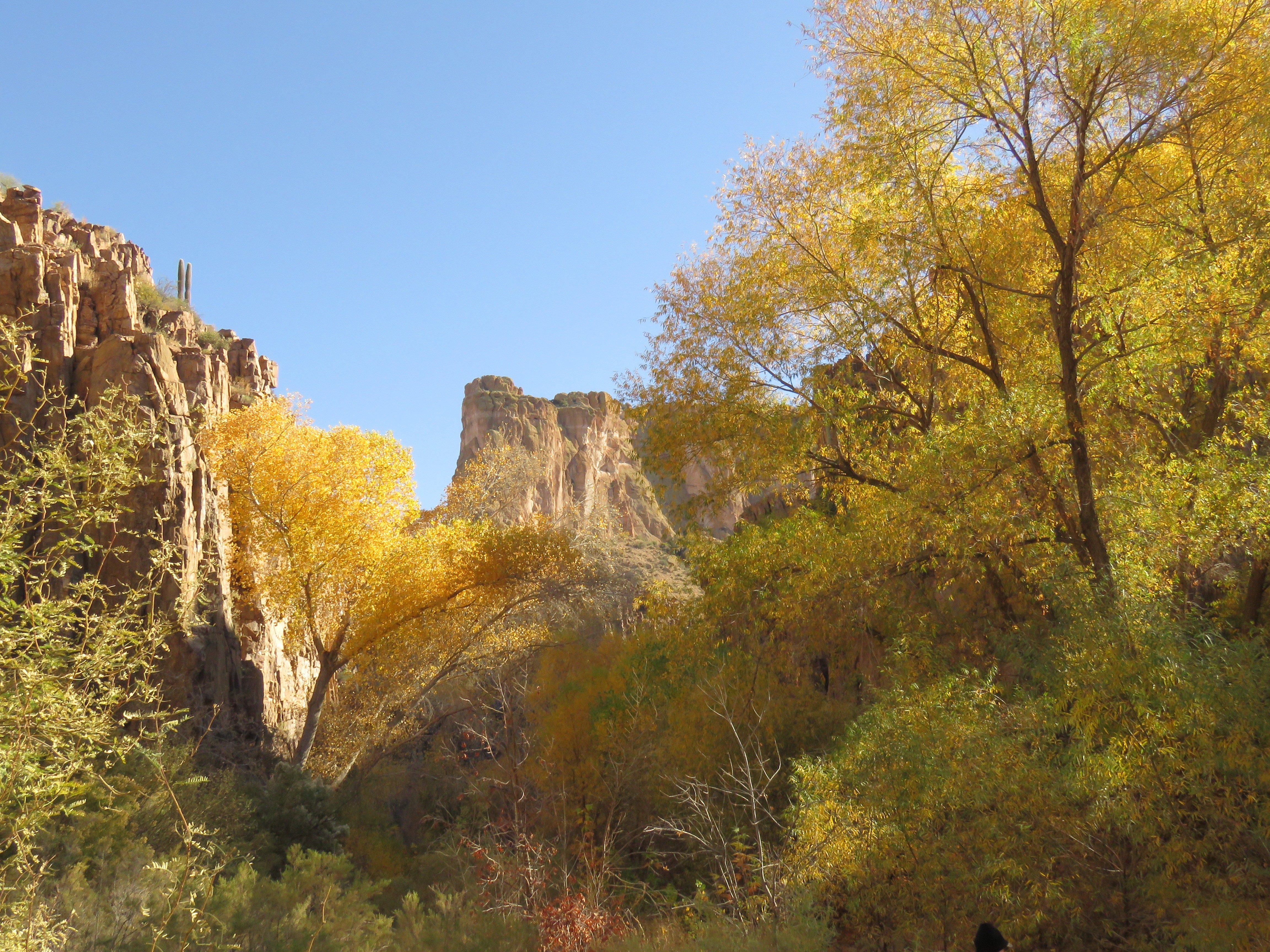
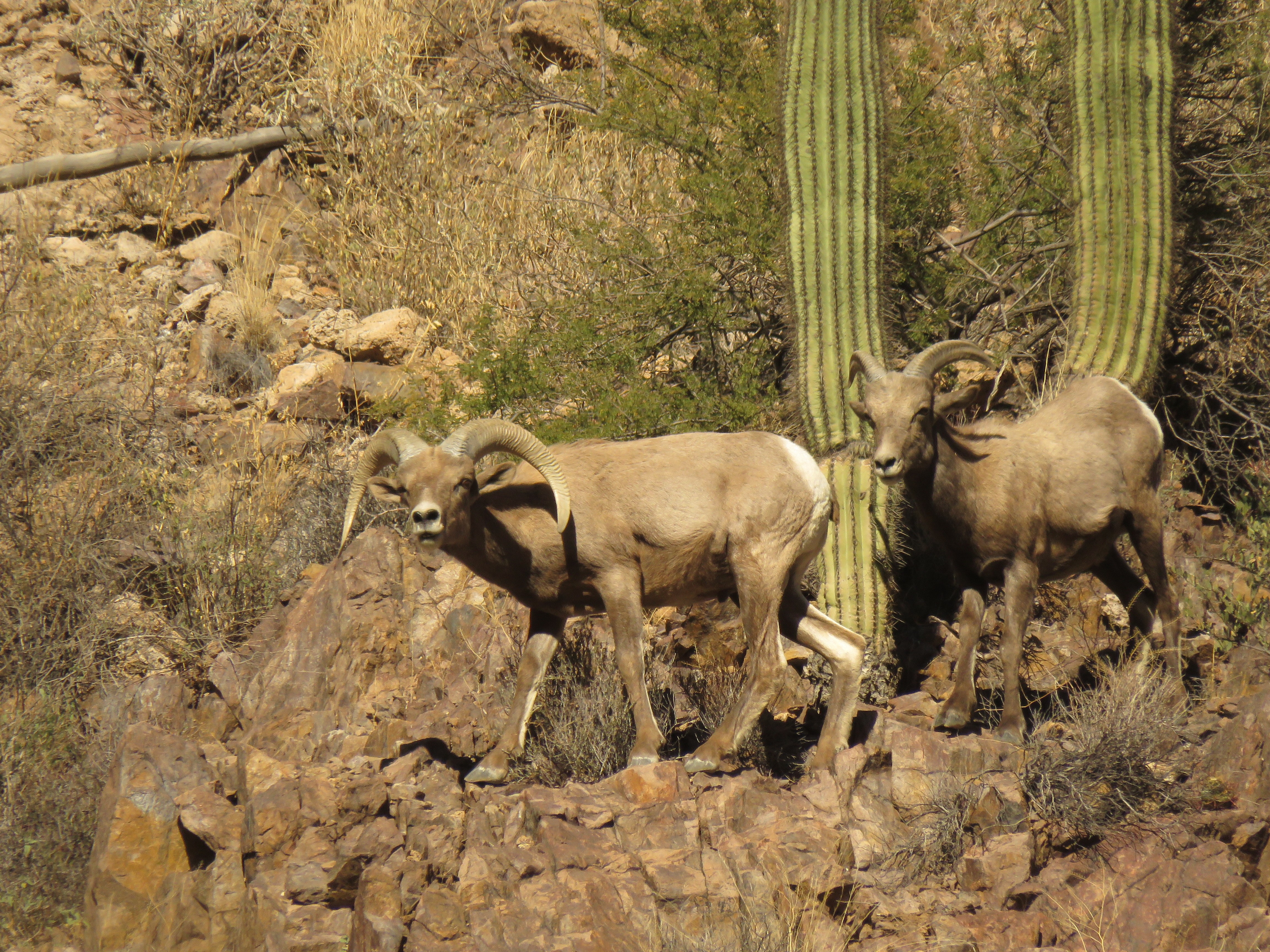
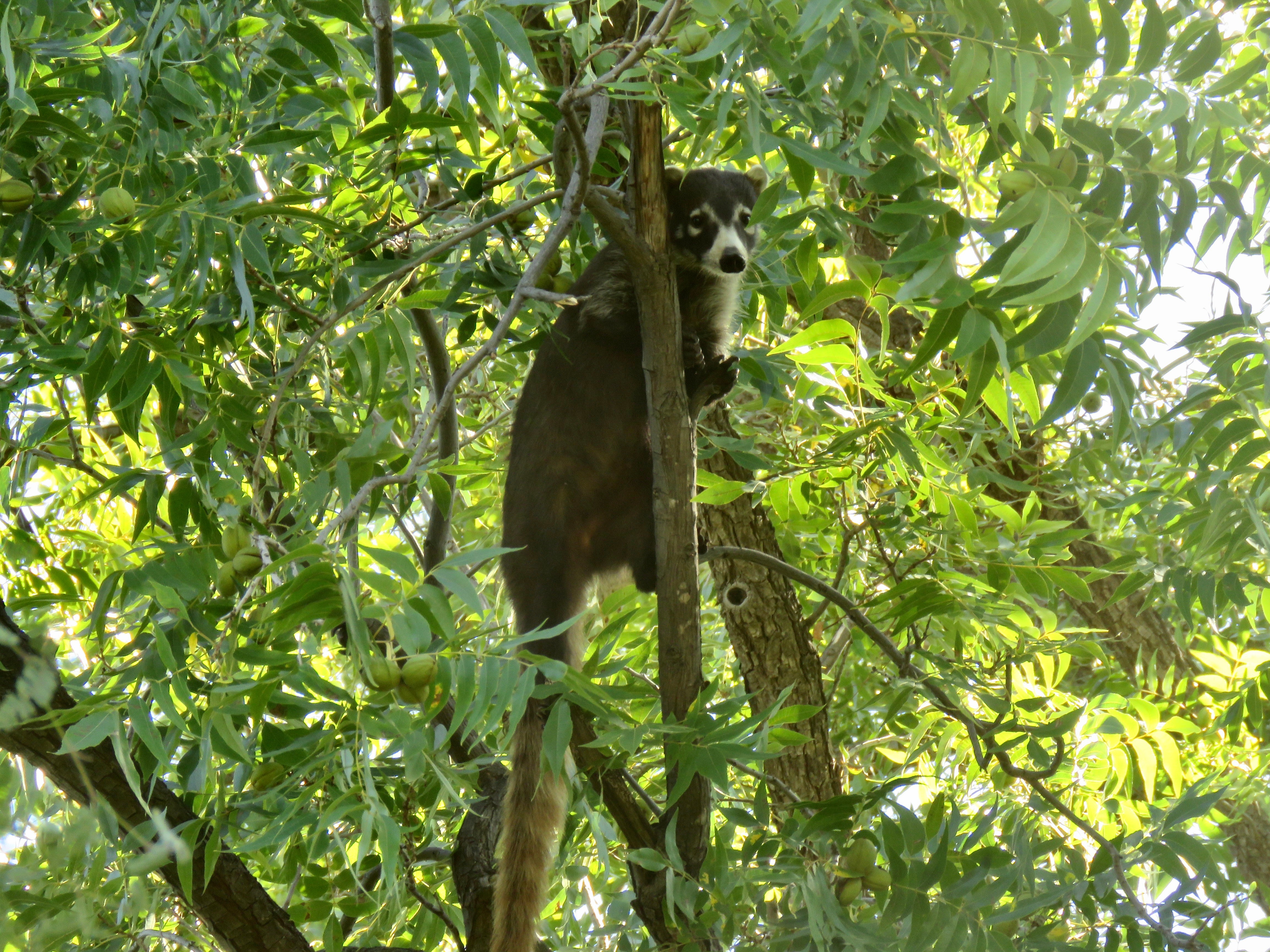
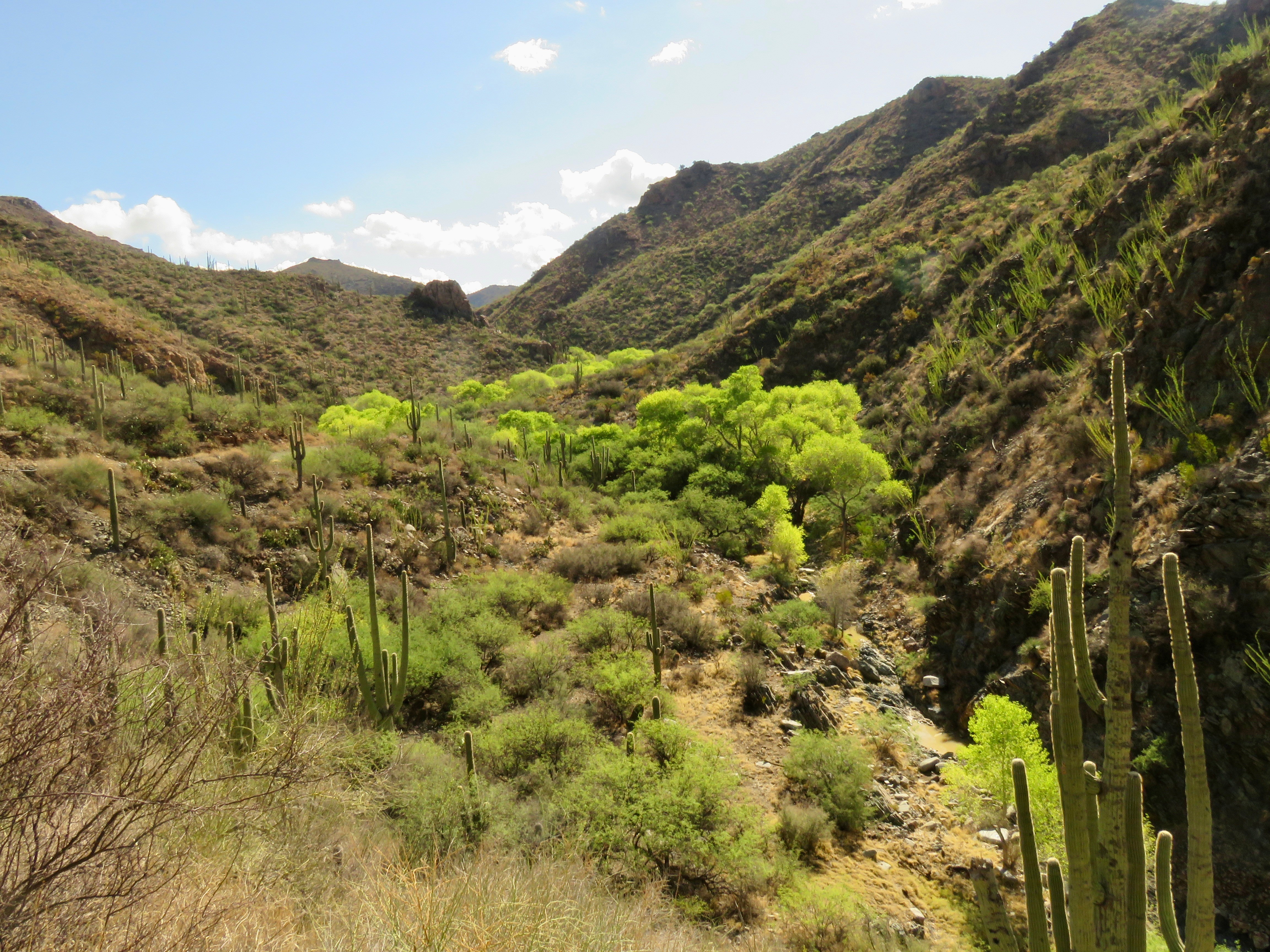
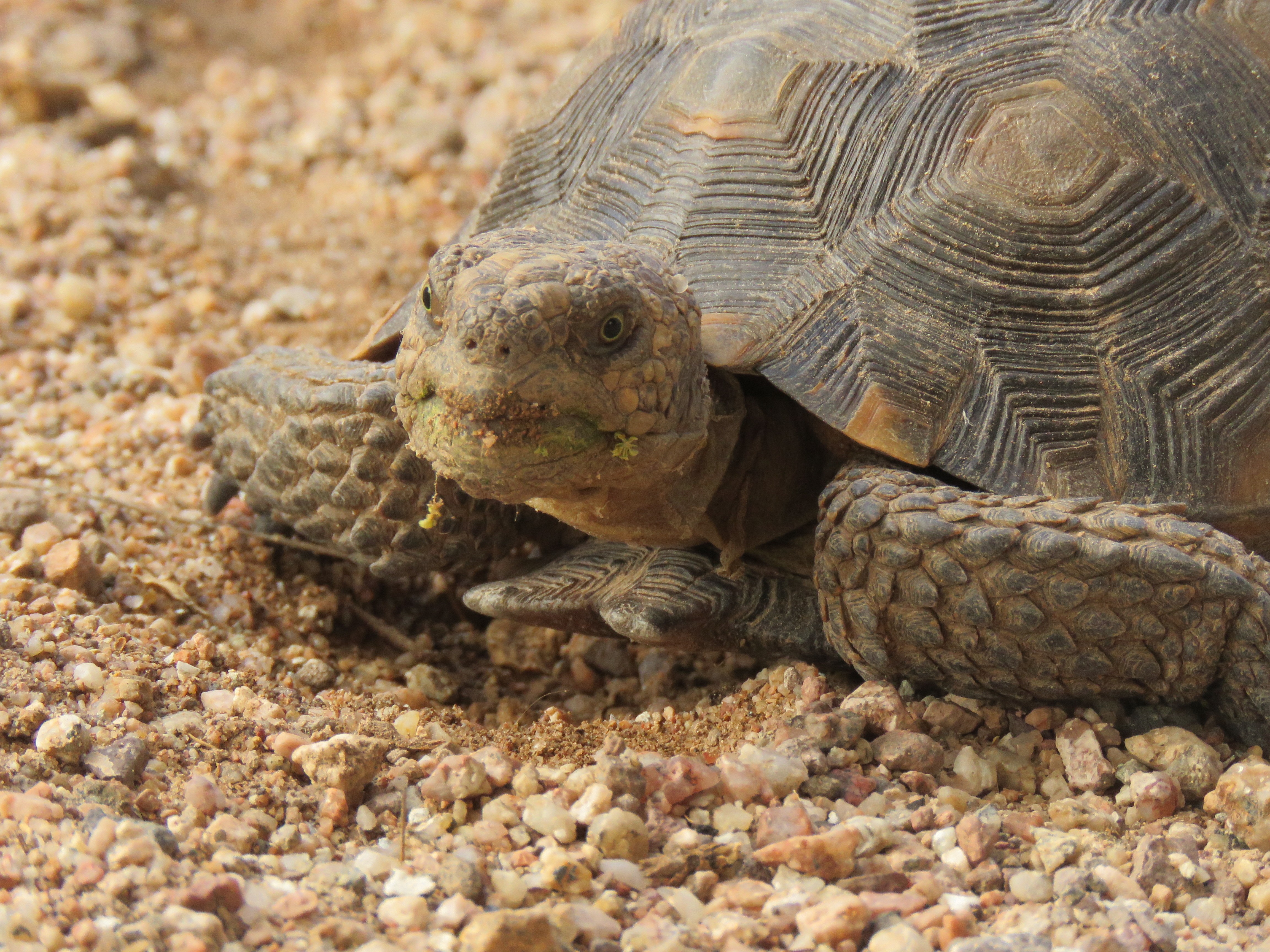
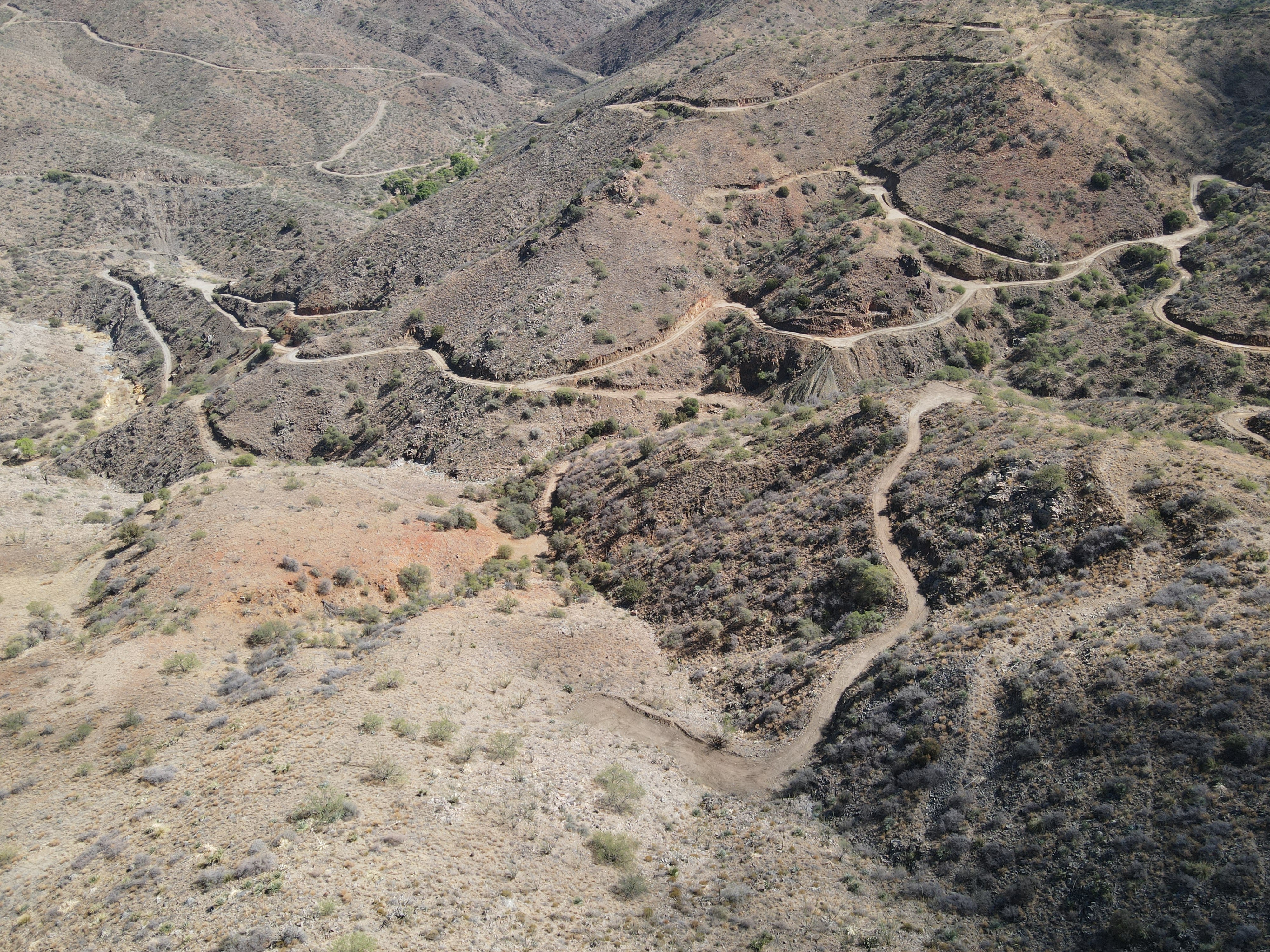
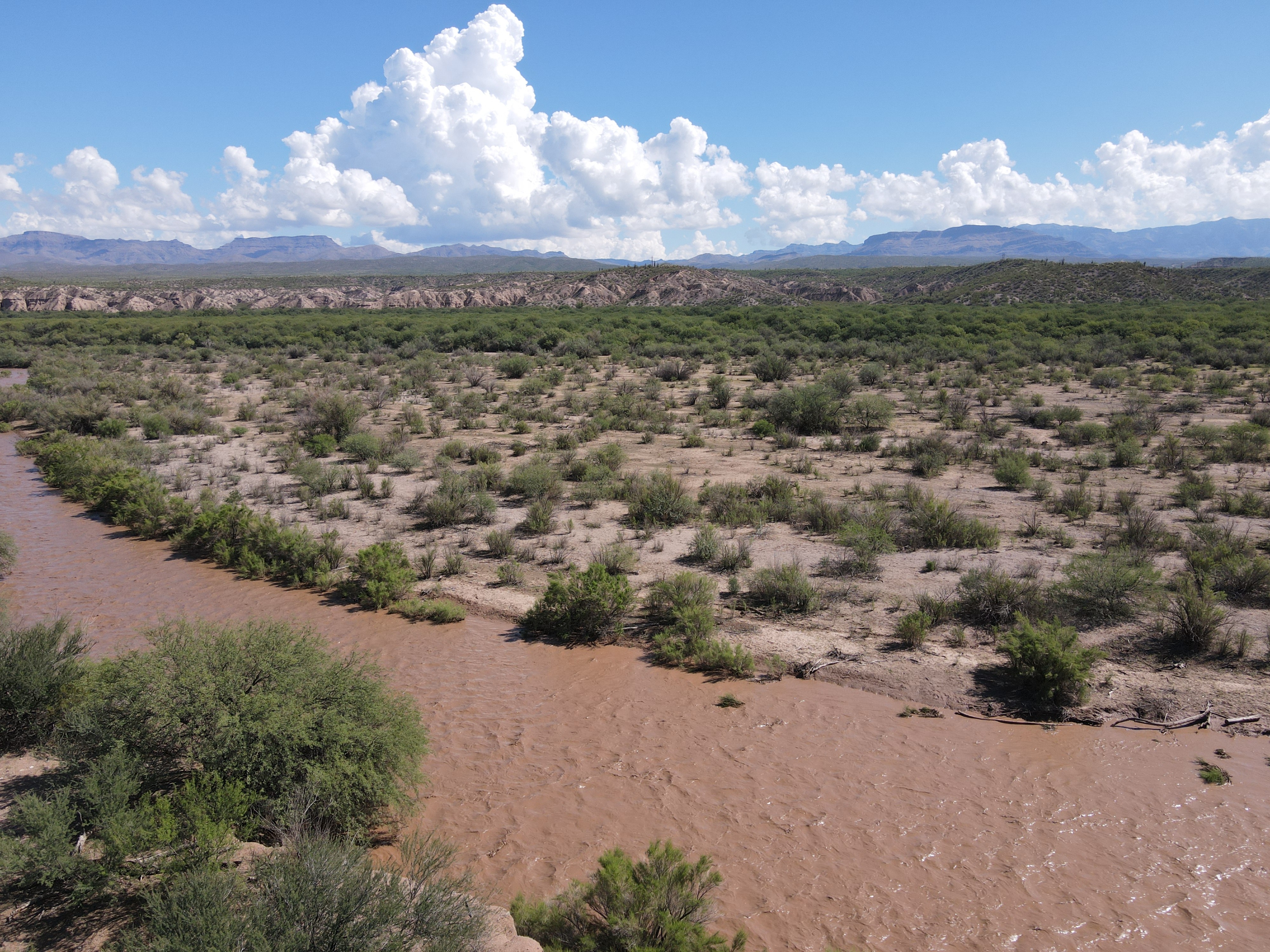
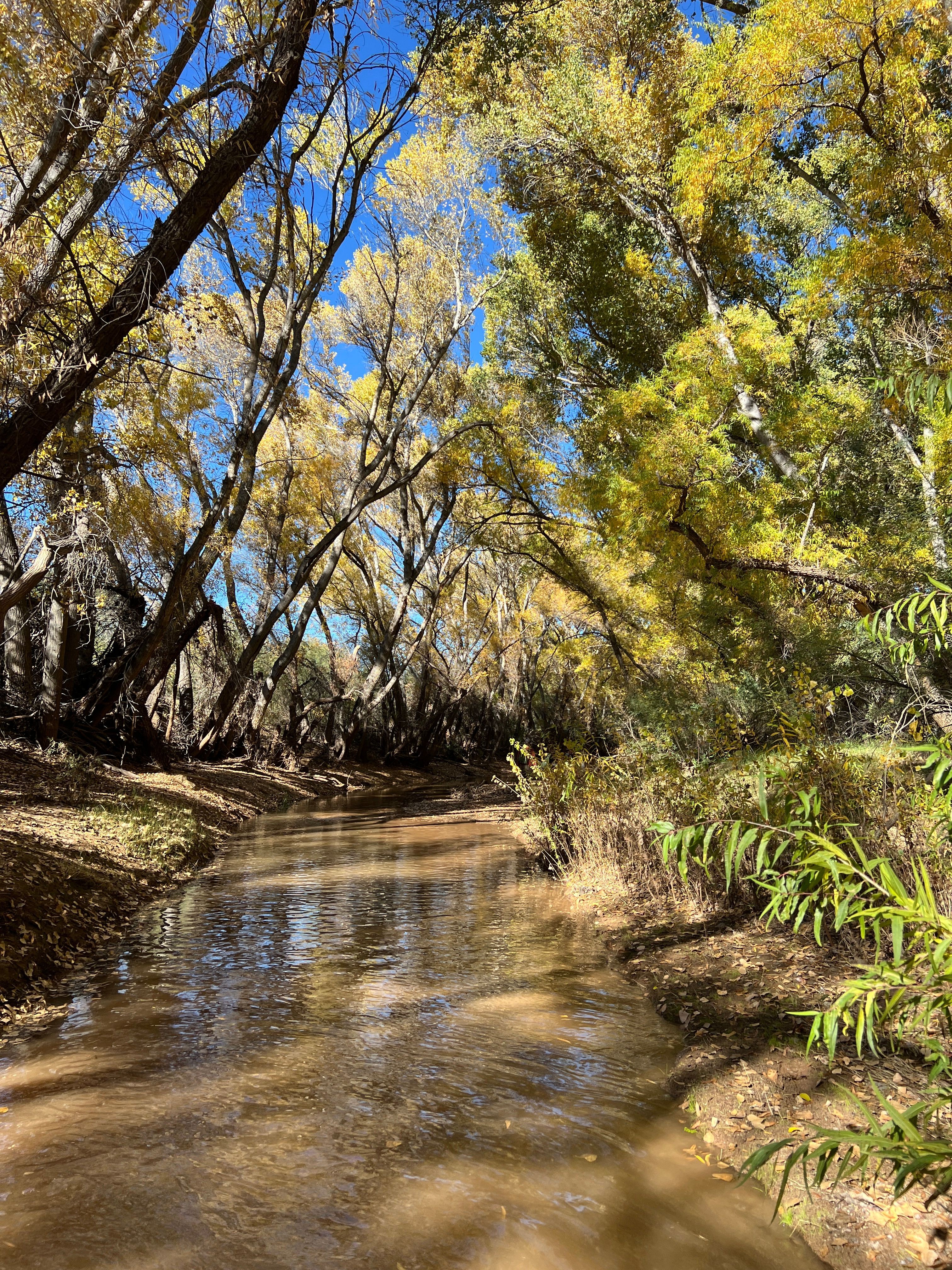
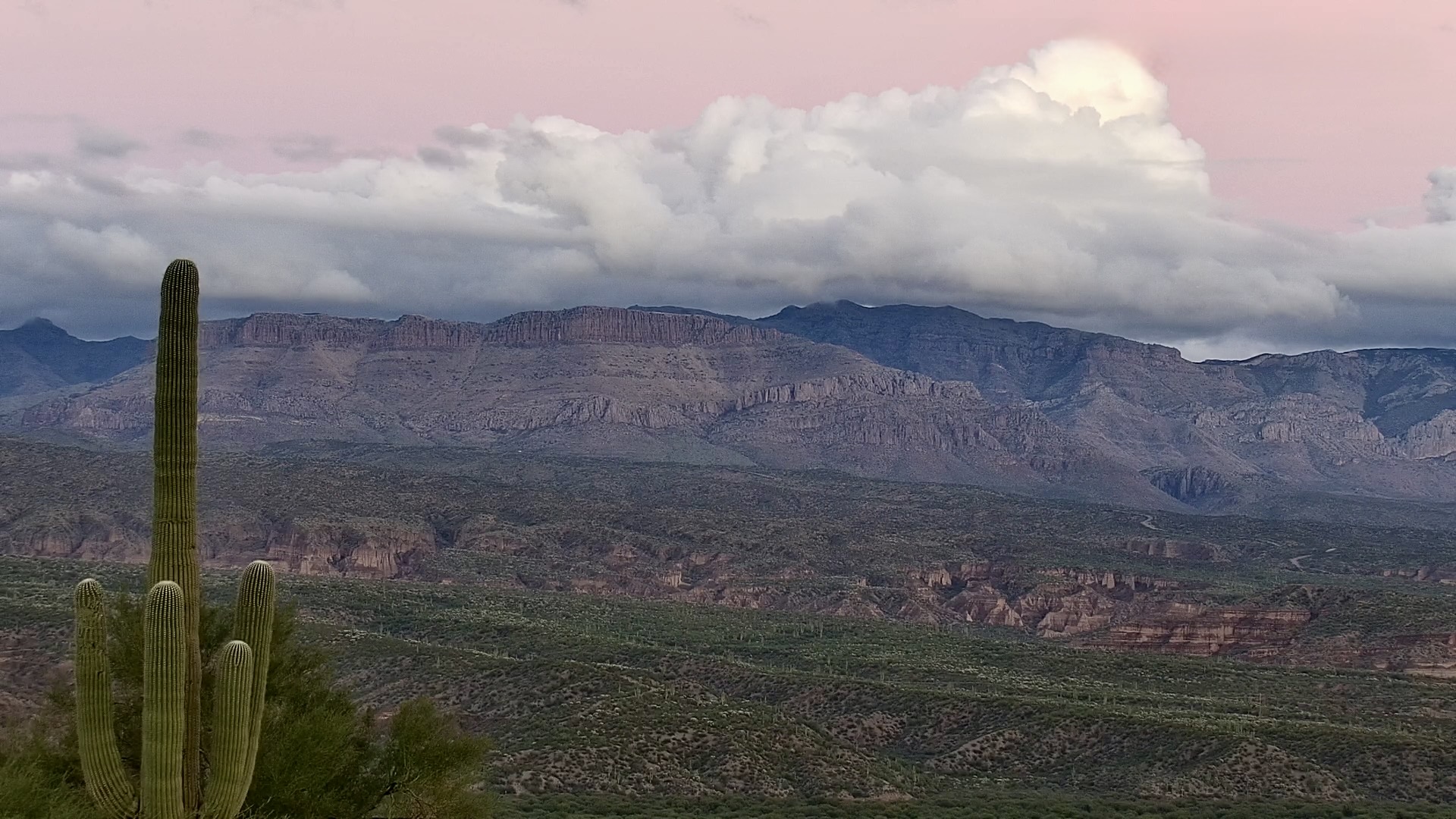

Image Credits
These photos were all taken by me, with the exception of the headshot. That photo (taken in the mesquite bosque) should be credited to Elias Butler.