


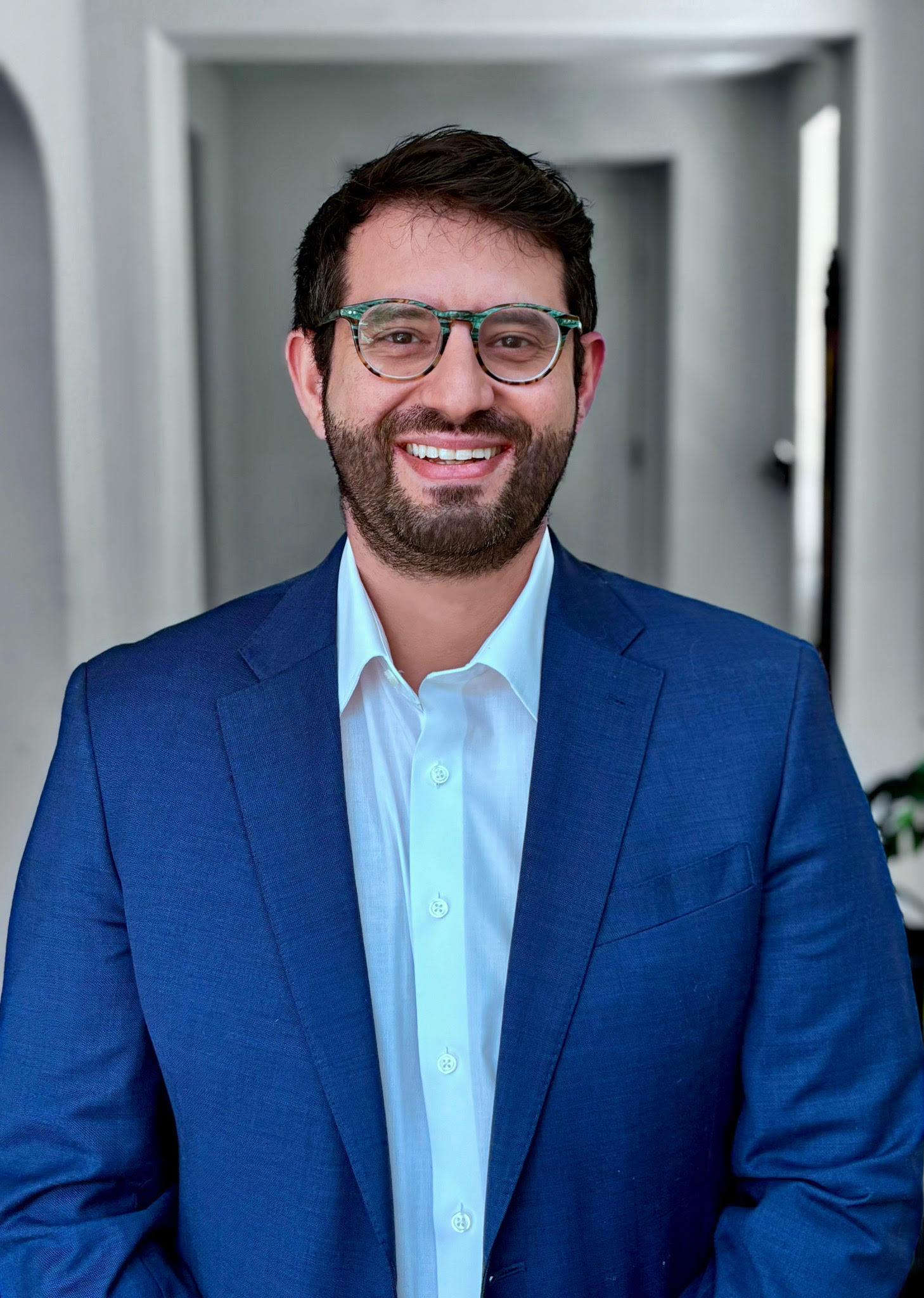
Today we’d like to introduce you to Evan Glickman.
Hi Evan, so excited to have you with us today. What can you tell us about your story?
I’ve always known I wanted to work in real estate. My grandfather was a developer, and growing up around his projects left a real impression on me. When I graduated college in 2011 I jumped into the industry. There wasn’t too much at the time (the market was just starting to recover from the Great Recession), and I landed with a distressed and value-add multifamily investor. It was a unique moment to learn the business, especially how to create value in challenging environments.
A few years later, I went to Wharton for my MBA, focusing on finance and entrepreneurial management with a very specific goal, I wanted to go out on my own and build something meaningful in real estate. After graduating, I looked for a niche where I could make a real impact and develop deep expertise. That search led to my first independent project; converting a vacant hospital in Northern California into a behavioral health facility. It was a good mix of my distressed skill set and my willingness to dive into a very hairy, complicated project that no one else was willing to take on to try to find extra value and make a difference. We were able to overcome all of the obstacles and turn around the project in 18 months.
While the hospital conversion was a fascinating challenge, I quickly learned it wasn’t a repeatable model. There simply weren’t more vacant hospitals coming to market, and I needed something more scalable for my career. At the same time, the sheer cost and complexity of construction (especially in California) kept coming up in every project I looked at. That combination pushed me to explore whether there was a way to build quality housing more efficiently and affordably.
Around that time, I discovered that new construction in Mexico averaged around $40 per square foot. That was a lightbulb moment. I began researching how to build in Mexico and bring structures into the U.S. Modular construction was the obvious path, but traditional modular factories require enormous capital investment. Katerra, for example, raised over a billion dollars to build a roboticized plant. I didn’t have Katerra money.
Eventually, I landed on containerized construction as my solution. Shipping containers could serve as pre-engineered modular chassis, essentially outsourcing the most technical and precise part of modular production. So, now armed with a fully fleshed out idea, containerized modular built in Mexico for the US market, I stopped looking for hospitals and focused exclusively on building out the actual project structure. Almost everyone I spoke to told me the idea was impossible, but I kept going, step by step. I found people who had done parts of what I wanted to do: Panoramic Interests had imported a Chinese-built container project to Oakland, and StarkJones had built container projects in Phoenix. I reached out, learned from both, and even pulled the plan sets from city records to study the details.
My Spanish at the time wasn’t great, so I hired translators and spent weeks visiting Hermosillo, Mexicali, and Tijuana, meeting with developers and contractors. Eventually I found a team willing to take on the challenge. I hired architects and engineers to design the units, then brought in NTA/ICC to help me get factory certification in Arizona and build the first prototypes.
We shipped our first units across the border and then raised the capital to fund the full development. But just when the project was gaining momentum, disaster struck: local inspectors identified a fire-safety issue that had slipped past city, state, and third-party review. The project ground to a halt. It took over a year, with countless meetings, back-and-forths, and bringing in a fire engineer and specialty consultants, to resolve the issue. Ultimately, we got the green light and opened the project, but it was a long road.
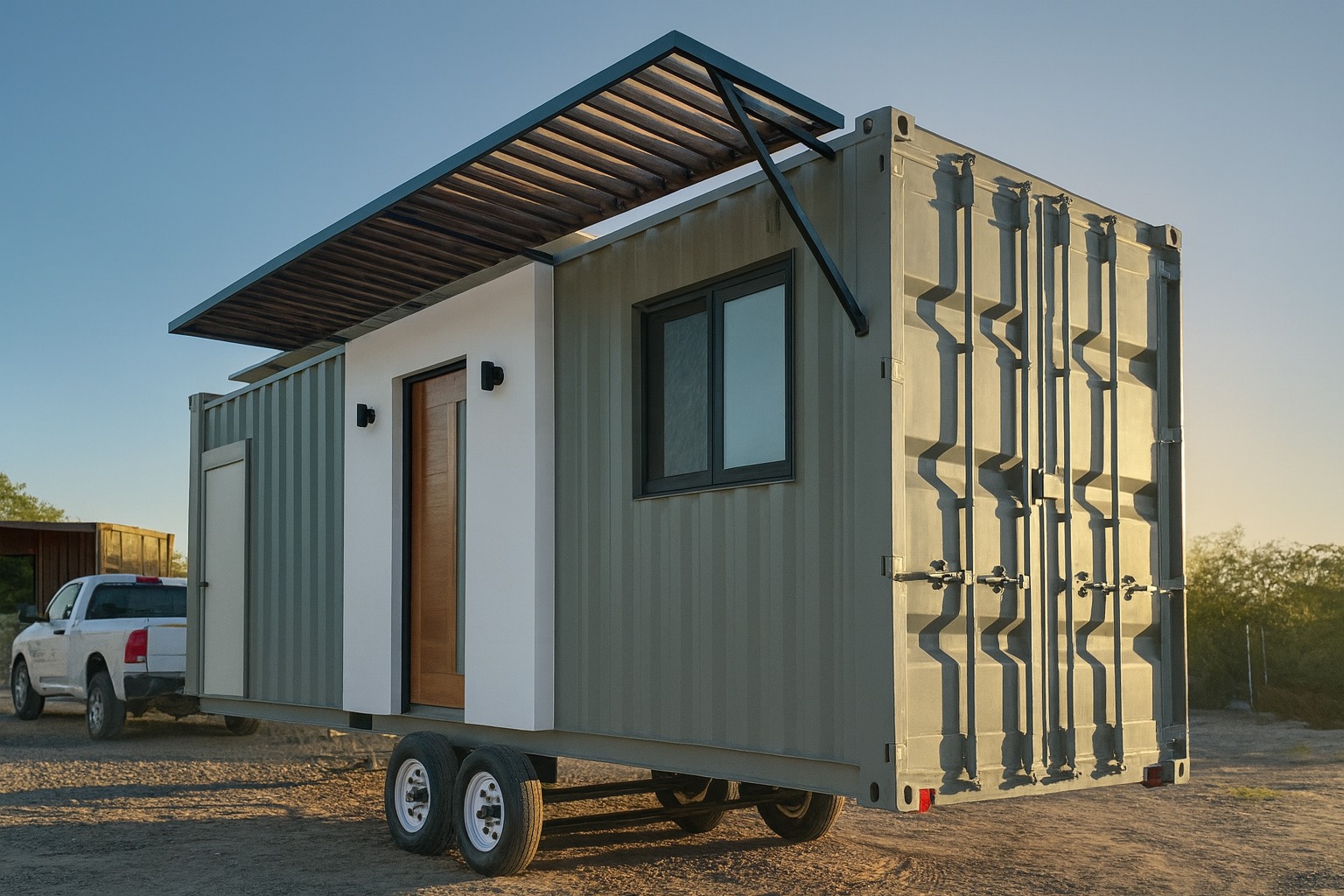
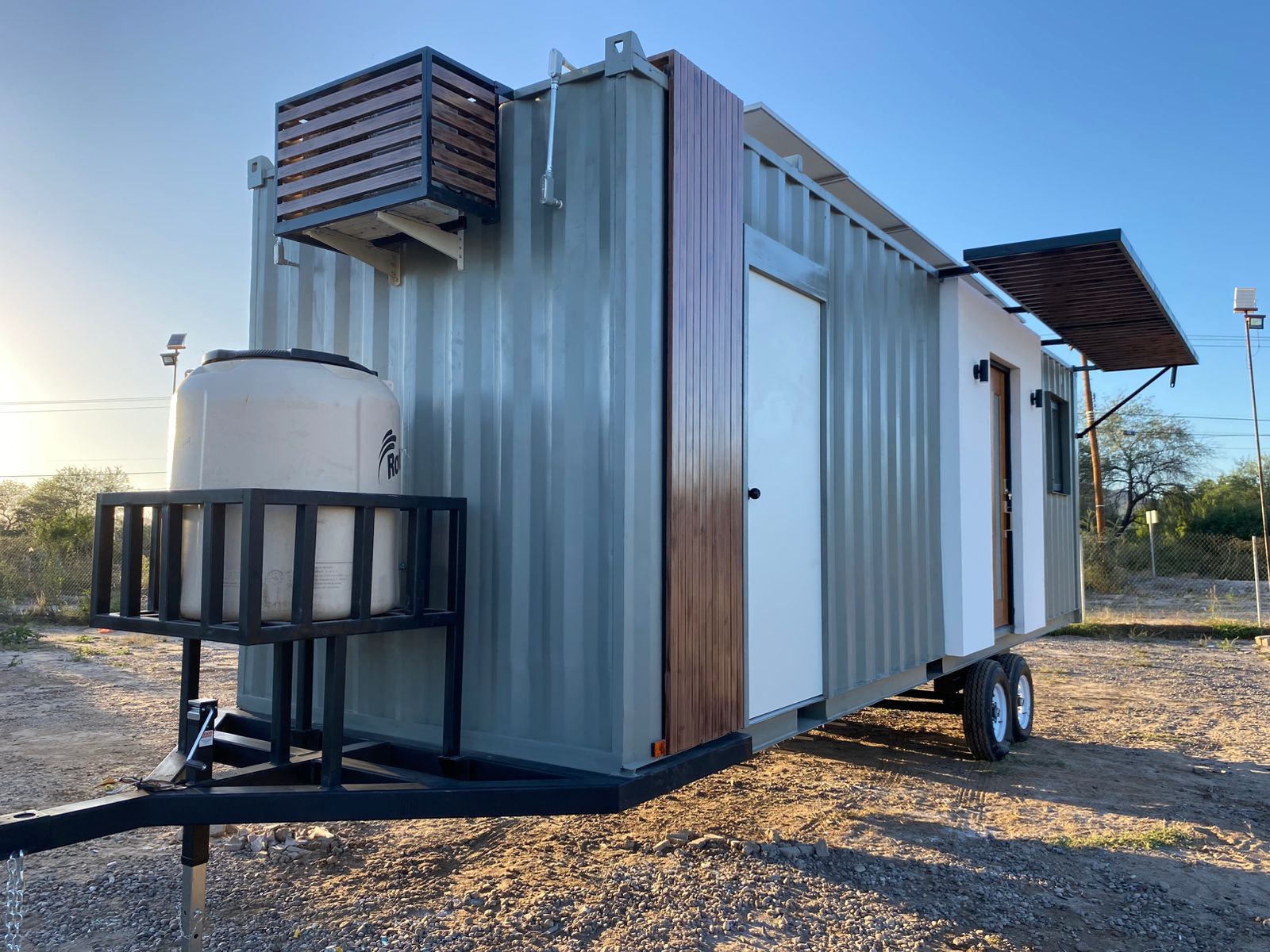
During that time, we continued building in Mexico, producing cabins and a student housing project while refining our systems. Now we’re partnering with developers in the US again on larger commercial projects, though those timelines are long. In the meantime, we’ve launched our Tectume brand for smaller residential projects, and most recently we introduced the ADV, a fully self-contained, RV-certified single-container dwelling that can be ready in six weeks and often requires no permits or local inspections at all.
That journey, from questioning high costs, to building cross-border modular systems, to overcoming regulatory obstacles, has shaped everything I do today. And we’re just getting started.
I’m sure it wasn’t obstacle-free, but would you say the journey has been fairly smooth so far?
It definitely hasn’t been a smooth road. Building a cross-border construction project meant managing two supply chains, training an entirely new workforce, and coordinating with multiple inspectors from different jurisdictions, many of whom gave contradictory guidance. Add in financing challenges, delays, and plan details that were sometimes literally impossible to build, and it felt like every phase came with a new obstacle.
But my approach has always been the same: dig in, go straight to the source of the problem, and solve it.
One example was when my structural engineer insisted we needed columns in the middle of the living room to support a long span. Rather than accept that, I worked directly with an associate engineer and developed a composite beam solution that eliminated the columns entirely (a detail I ultimately patented). That experience became a template for how I handled everything else: when quality control wavered, I spent a year and a half driving to Mexico weekly to oversee the factory; when no one could give clarity on the fire-rated assembly, I read the code myself until I found a workable solution (turns out concrete doesn’t burn, so I poured concrete to close out the fire paths that were hidden between the containers).
The challenges were constant, but every hurdle pushed me to build new skills and find smarter ways forward. It’s been difficult, but it’s also what made the project possible.
Alright, so let’s switch gears a bit and talk business. What should we know about your work?
At the core, I’m a creative problem solver. That’s really the thread that runs through all of my work. When I encounter a problem, I tend to obsess over it, turning it over in my mind, breaking it apart, and reassembling the pieces until a solution appears. The housing affordability issue is a good example: instead of accepting the conventional assumptions around construction costs, I asked a basic question, what would it look like to build somewhere with lower labor costs and lower operating overhead and transport it? That line of thinking ultimately led me to Mexico and to developing a cross-border modular system that dramatically reduces costs.
I’m also known for challenging industry conventions. In real estate development, a lot of so-called “rules” aren’t actually requirements they’re just the way things have always been done. When something doesn’t make sense or doesn’t align with our goals, I push to get underneath the assumption and understand the first principles behind it. I expect the same from the people I work with. If a structural, mechanical, or financial decision doesn’t add up, we dig until we get to the root.
In the company, my role has naturally evolved into a blend of creative problem solving and quality control. I’m deeply involved in plans, inspections, and budget reviews, always looking for ways to streamline, simplify, and ensure that the product matches the vision.
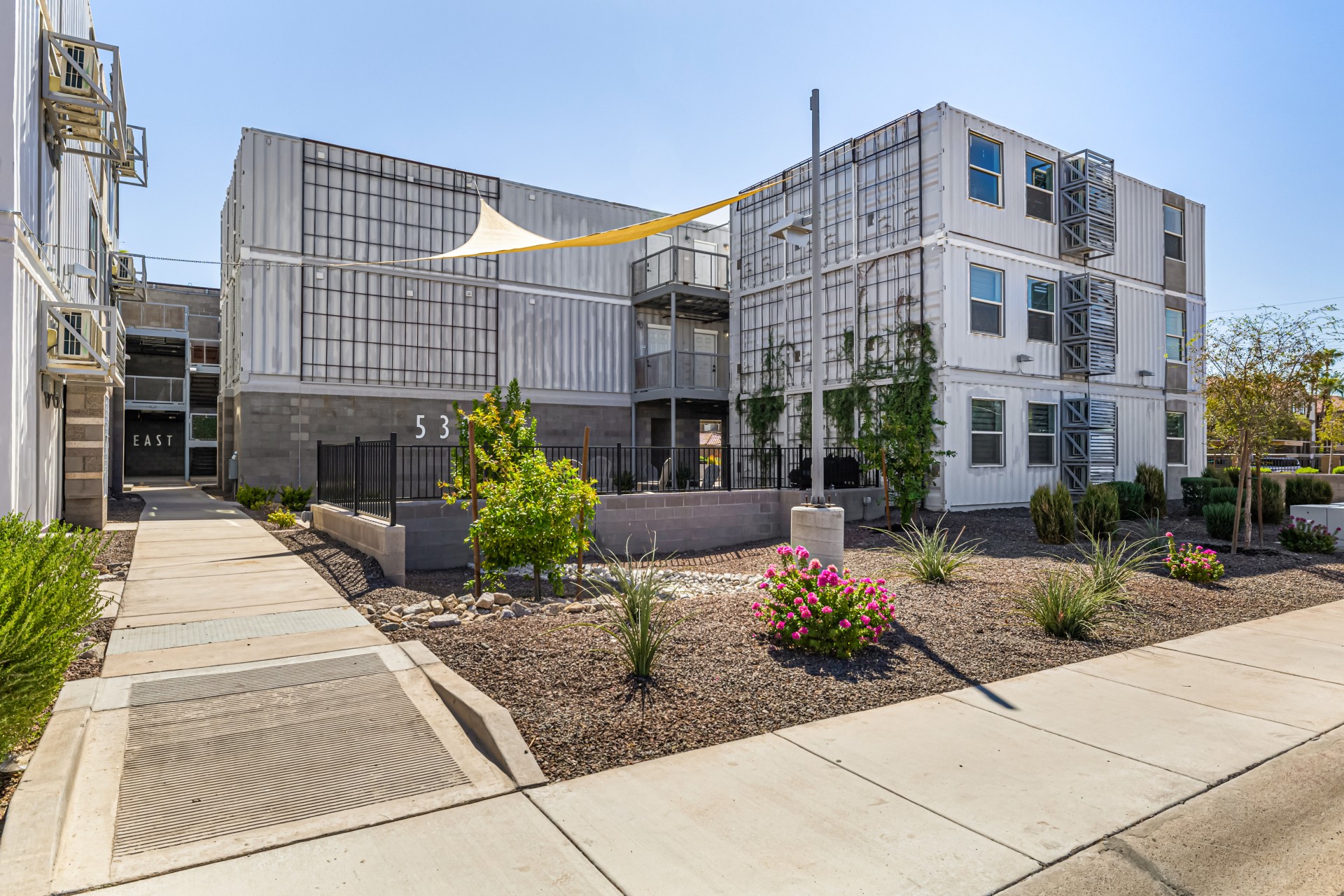
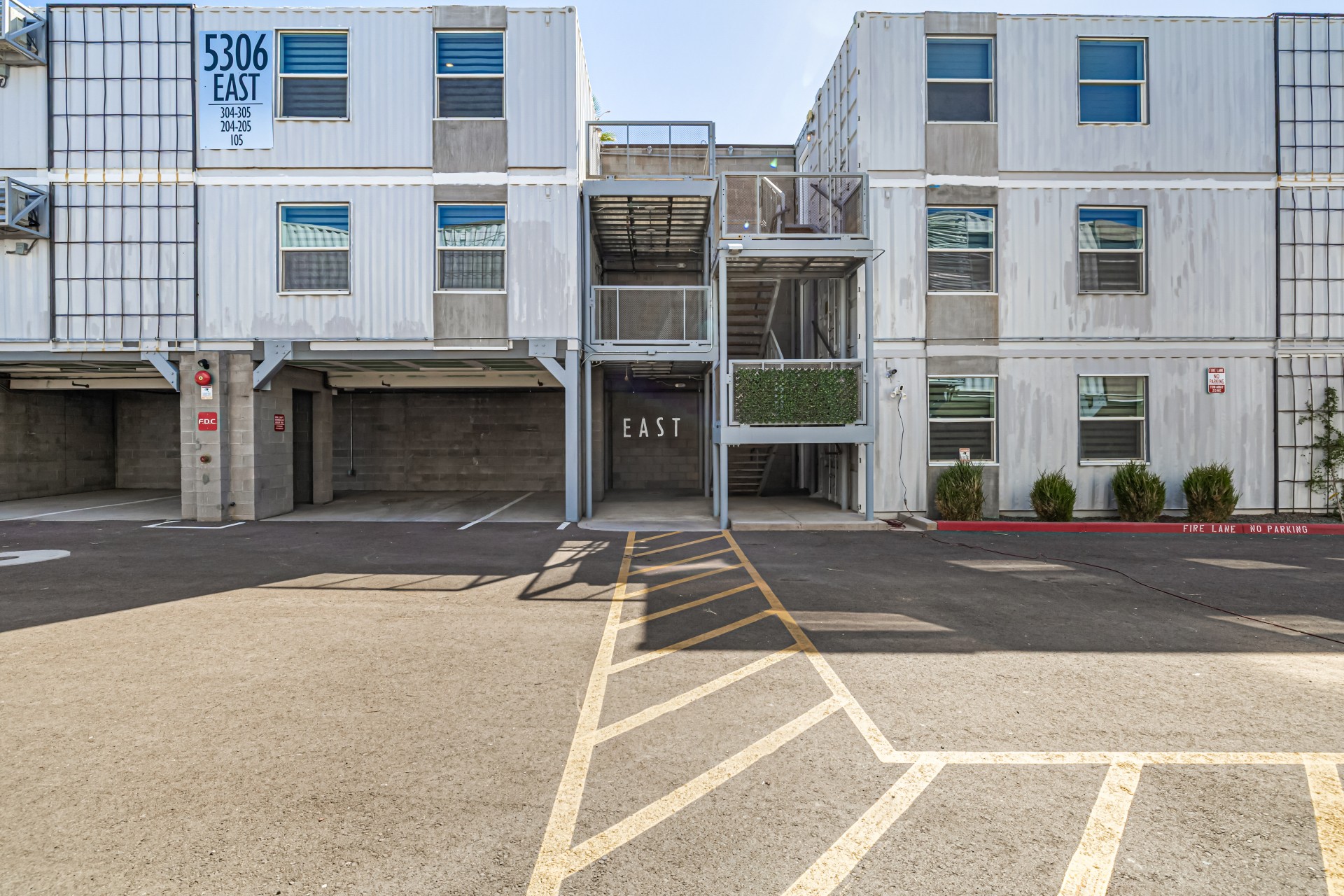
The project I’m most proud of is our prototype development, Stacks on Polk. That project could have died a hundred different deaths along the way. The only reason it exists today is because of an enormous amount of persistence, problem solving, and frankly, stubbornness. Seeing it operating today is proof that the effort was worth it.
What sets me apart is the willingness to dive into entirely new technical areas, learn them enough to understand the true core issues, and use that knowledge to navigate or even sidestep obstacles. Pair that with hard work and determination, and it’s allowed me to build things that many people initially thought were impossible.
Where do you see things going in the next 5-10 years?
Over the next 5–10 years, I think we’ll see the acceleration of a shift that will ultimately reshape the entire real estate and construction industry. If you zoom out 100 years, it seems almost inevitable that buildings will be produced more like manufactured products, using repeatable, modular systems rather than bespoke, on-site construction. The real question isn’t if that happens, but how quickly we get there and what path the industry takes.
My view is that the transition will be stepwise. We’re not going to leap directly into billion-dollar automated factories. The construction market is cyclical, and if you scale too fast without a proven demand pipeline, you risk becoming the next Katerra, overbuilt, overcapitalized, and susceptible to bankruptcy when the construction market hiccups. Sustainable growth means starting with simpler, practical modular approaches that reduce cost and complexity, proving the demand, and then gradually layering in more advanced systems as your construction pipeline stabilizes and you can afford to make bigger investments.
We’re already seeing momentum in the U.S., where off-site construction is growing at roughly 7.5% annually. Internationally, places like Sweden and the Netherlands show what a mature modular ecosystem can look like, modularized systems already dominate certain asset classes because the supply chain, regulatory environment, and market expectations all evolved together.
At the same time, the pressures driving this shift are only intensifying: building codes are expanding in complexity, the skilled U.S. labor pool is shrinking and becoming more expensive, and traditional construction continues to struggle with delays and unpredictability. Meanwhile, modular’s core advantages, precision, cost savings, and speed become more compelling each year.
Taken together, these forces point to a decade of accelerating but disciplined adoption. Modular will steadily move from an “alternative approach” to a mainstream construction method, laying the groundwork for the manufacturing-based building environment that’s almost certainly coming in the century ahead.
Contact Info:
- Website: https://www.tudocapital.com/
Popular
-

Isaac Navias on How AI Search Is Reshaping Local Discovery and Building Businesses for Freedom
-

Phoenix’s Most Inspiring Stories
-

From Manuscript to Meaning: How Lauren Wise Is Helping Authors Turn Stories into Lasting Impact
-

Designing the Invisible: Jennifer Hassett on the Rise of Fully Staffed Luxury Households in Phoenix
