Today we’d like to introduce you to Steven.
Hi Steven, thanks for sharing your story with us. To start, maybe you can tell our readers some of your backstory.
I’ve always been artistic, mostly with drawing and painting, but in 2005 I decided to write a full-length novel for kids and try for an agent. I didn’t work out, but it showed me how to complete a creative project that might actually turn int a career. In 2011, I decided to publish my work independently, which led to starting a publishing services company for other indie authors. After being laid off from my day job in 2019, I had an opportunity to shift into a more creative direction. Rather than writing novels, I began writing content for websites, which turned out to be very lucrative and let me pay the bills, something creativity had never done before.
I also switched to digital art from physical mediums, which allowed me to merge illustration, writing, and publishing in a way I had never done before. It’s still expanding, but so far, I’ve launched children’s books and coloring books, created custom portraits and logos for many happy clients, and had my work used as utility box art in Peoria and turned into promotional stickers for Historic Downtown Glendale.
The next phase is an expansion that includes more children’s books and coffee table-style art books. I’m also branching out into murals and fine art canvases that bring me back to physical brush-and-paint creativity — the full circle deal!
Can you talk to us a bit about the challenges and lessons you’ve learned along the way. Looking back would you say it’s been easy or smooth in retrospect?
Having written mostly novel-length works, it was a challenge to convince websites to give me a chance at first. Luckily, I had a slew of written pieces I could turn into a portfolio. Once I had a few clients, I could use my growing body of real-world work as a more substantial portfolio, which led to more prestigious clients. Illustration worked similarly; I created a collection of specifically-created works I could show clients to prove I had the ability to tackle their projects, which led to a more robust portfolio, which led to more work.
Money was a challenge in the beginning as well. I didn’t have any overhead for my writing, so there weren’t really any expenses involved. It was more the task of gaining enough work to cover my bills first, then adding to my income to return to the level I was at in my prior job. It took a couple years of cranking the machine, but I love the work and my clients are fantastic, so it didn’t feel like a chore.
The biggest challenge I face now is growing my enterprise by expanding into new sectors. I used to create physical canvases, painting in acrylics, which I put aside in favor of digital illustration. Now that I have that under control, I can push out as much content as I choose, which makes going back to a fine art version of my work and finding galleries and shops to show it in a logical next step.
As you know, we’re big fans of you and your work. For our readers who might not be as familiar what can you tell them about what you do?
My specialty is digital illustration, featuring bold lines and big color. I learned long ago that serious and realistic aren’t my strengths, so everything is cute and whimsical, with lots of wordplay and humor thrown in. It’s a great compromise for me, since I work better with outlines and distinctive shapes. This style has become my trademark; I use it for my illustrated picture books, coloring books, and portraits. I used to labor over perfecting faces and figures and spent tons of time working through layers of color to make light and shadow magical. But I started out with cartooning and animation-style drawing, and it took me decades to circle back to what I think is the easiest and best choice of style for me. Why make things harder than they need to be?
I’m just now returning to acrylic paint on canvas, having sharpened my vision with practice in digital format. The freedom digital gives me to try things over and over again without wasting supplies has freed me up to go in a thousand different directions before I figure out what works best. Considering the availability and relative cost effectiveness of a tablet and an app that put me right in the middle of the action, it’s the best planning tool I could have for minimizing expenses and zooming in on the physical works I want to create.
I’m most proud of my ability to evoke an emotional response using relatively little technique — a few lines and some well-placed colors are really my whole toolbox…there’s usually not even a background to speak of. But I seem to be able to infuse my images with something pure that people respond to, varying from humorous to mournful to comforting. It’s that sort of connection I aim for as a creative human, and there’s nothing better than finding out I made it work.
Networking and finding a mentor can have such a positive impact on one’s life and career. Any advice?
I made all my creative connections online by finding and reaching out to other creatives whose work I loved. It’s the easiest way to jump into an artistic community and create a network of people who’ll help and advise you, as well as being open to your help and advice, too. There are groups for pretty much every artistic pursuit and medium under the sun; all it takes is a little searching and some fact-checking to make sure you’re falling in with legitimate creative folks. Follow as many artists and fellow creatives as you can, anyone whose work lights you up when you see it. This will help fine-tune your algorithm and put you in sync with even more creatives you may be compatible with.
One of the best ways to make an initial approach is to reach out and let other creatives know how you feel about their work. For me, it led to finding a best friend and creative cohort with overlapping sensibilities who helps me work through my ideas and maintain my standards when I get lazy or sloppy. We all need someone to energize us, cheer us on, and encourage us to keep true to our vision, and social media makes it much simpler to find your crew than hoping you can find real-life creative groups in your area to tap into (those are great too, if you’re fortunate enough to have them). It may take a bit of trying, but it’s a total life-changer when you finally make the connection.
Contact Info:
- Email: stevenlunaillustration@gmail.com
- Instagram: https://www.instagram.com/stevenlunaillustration/
- Facebook: https://www.facebook.com/stevenlunaillustration/
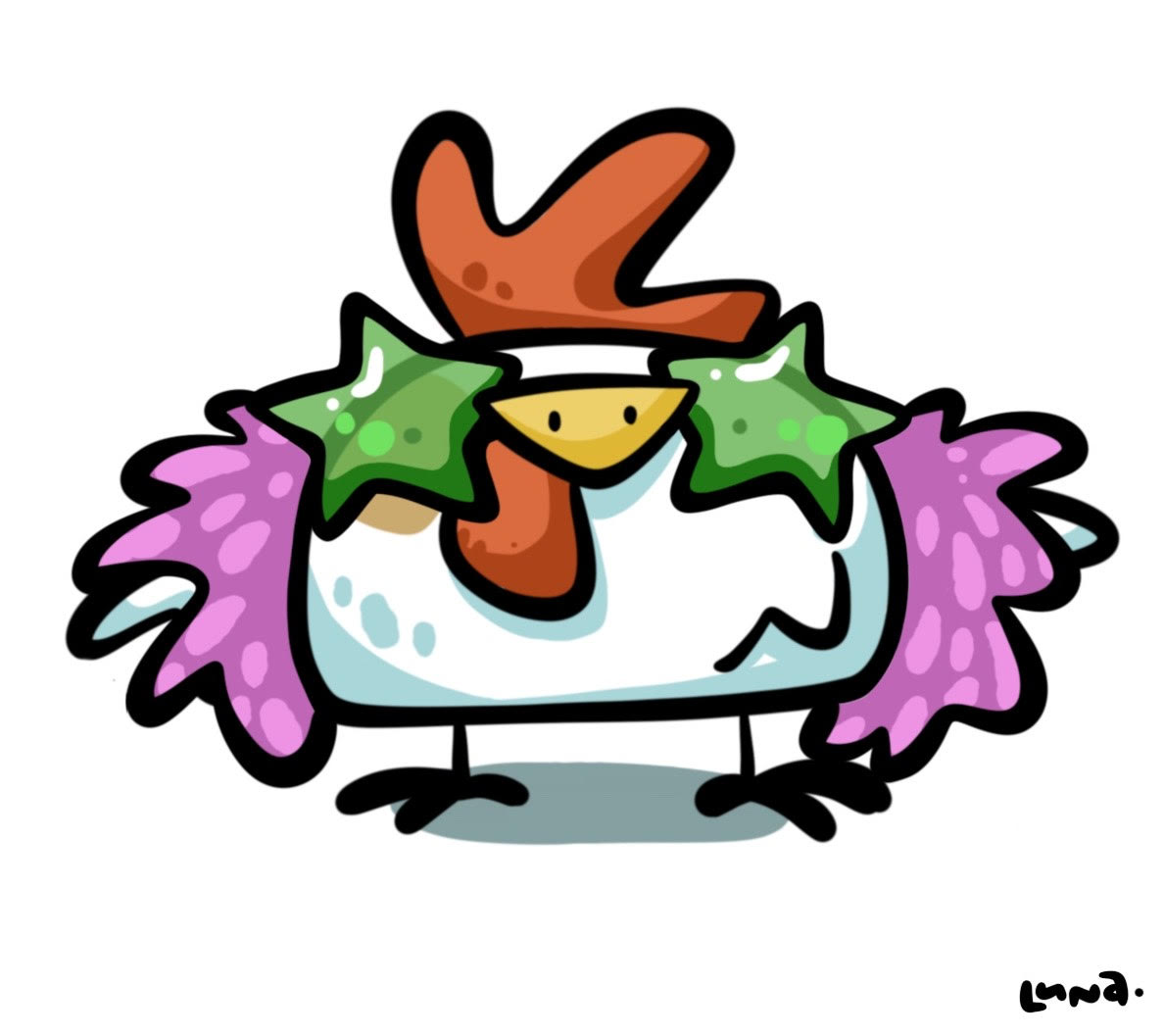
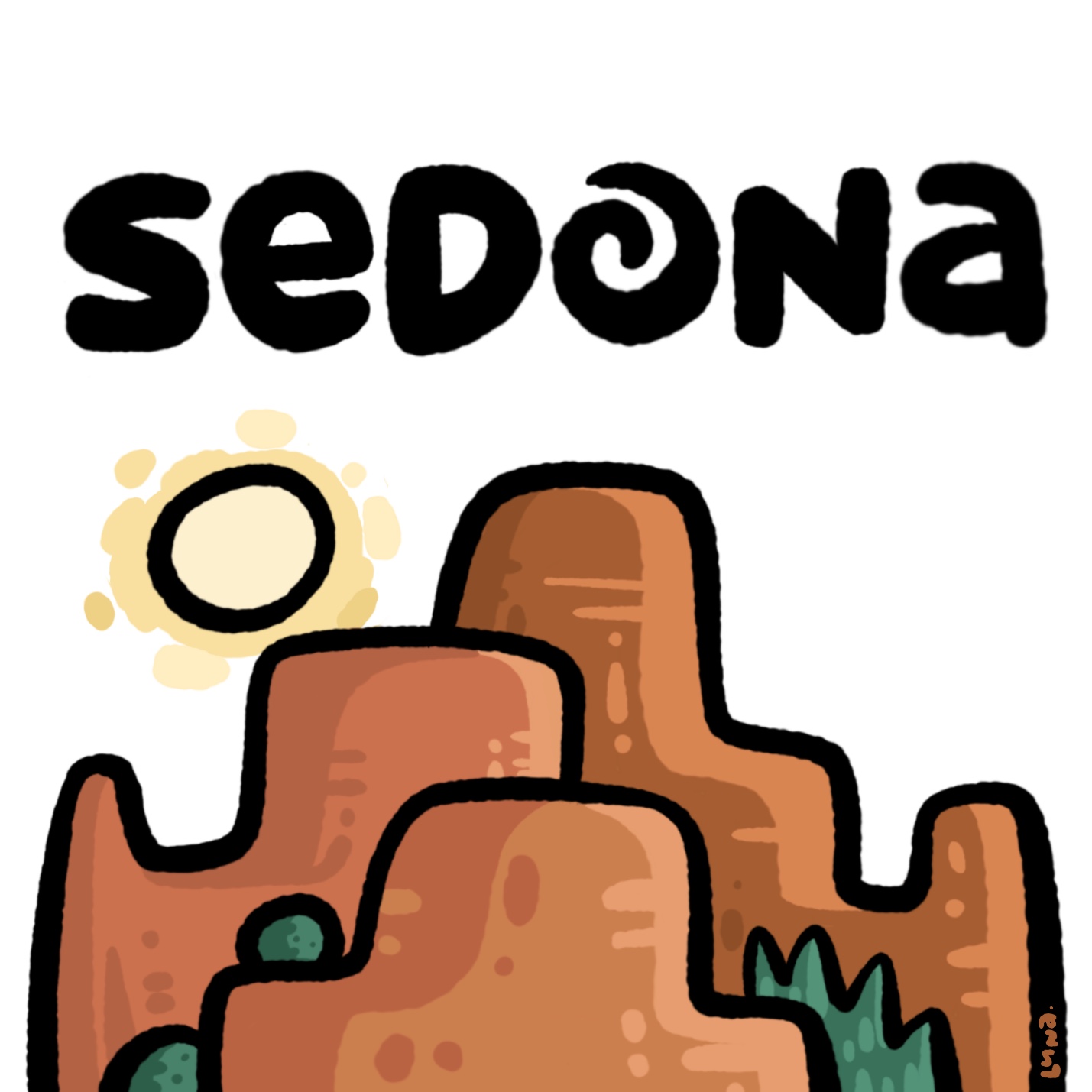
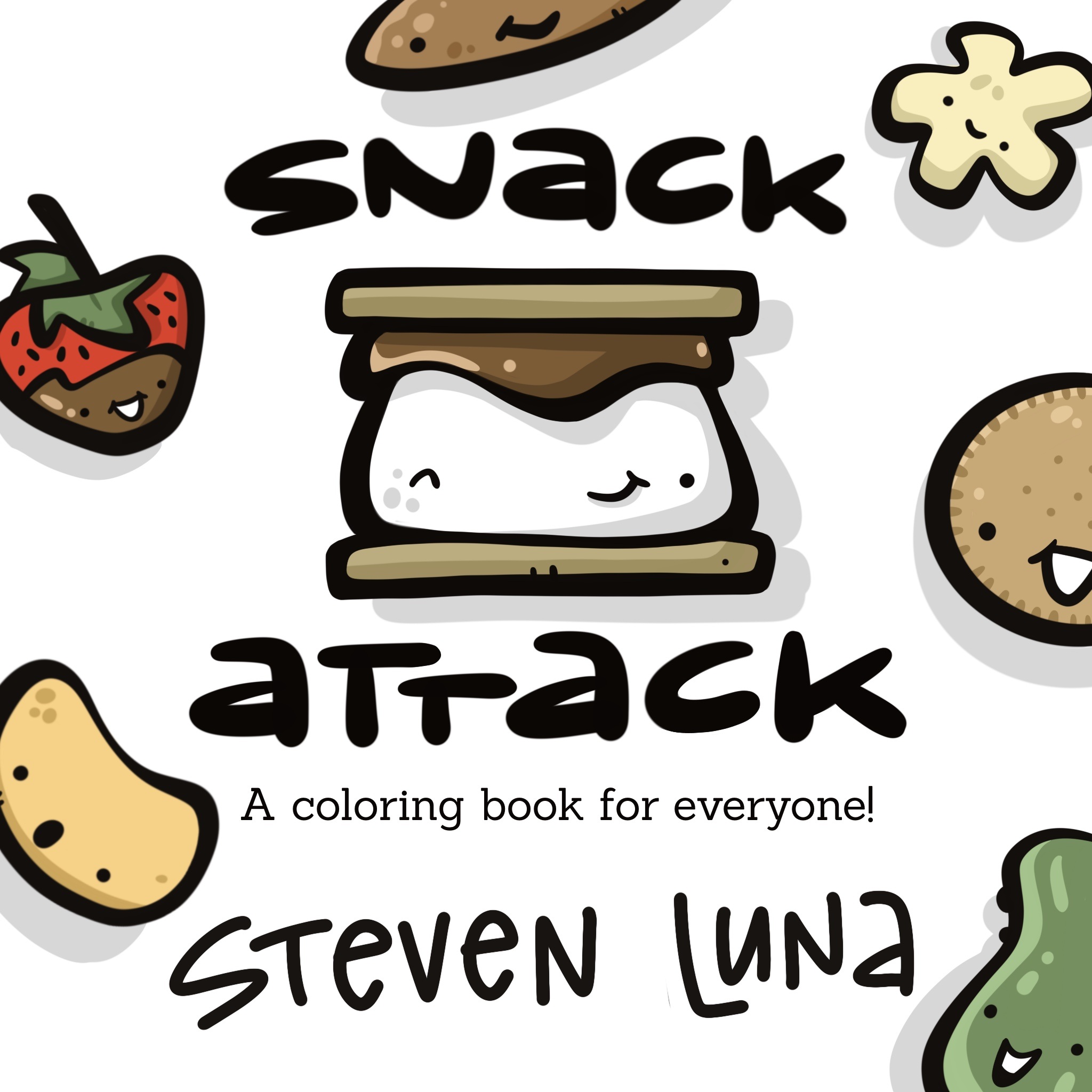
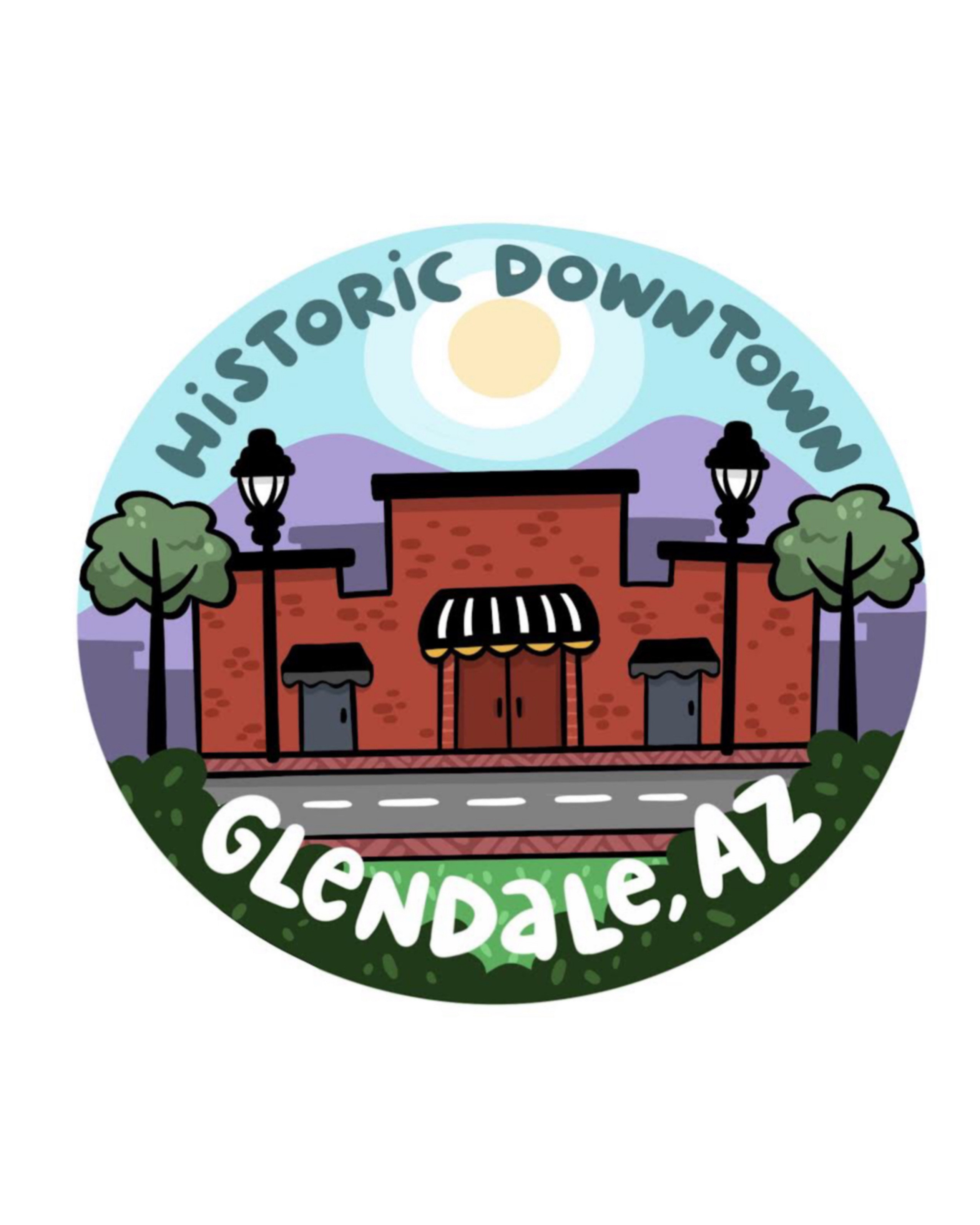
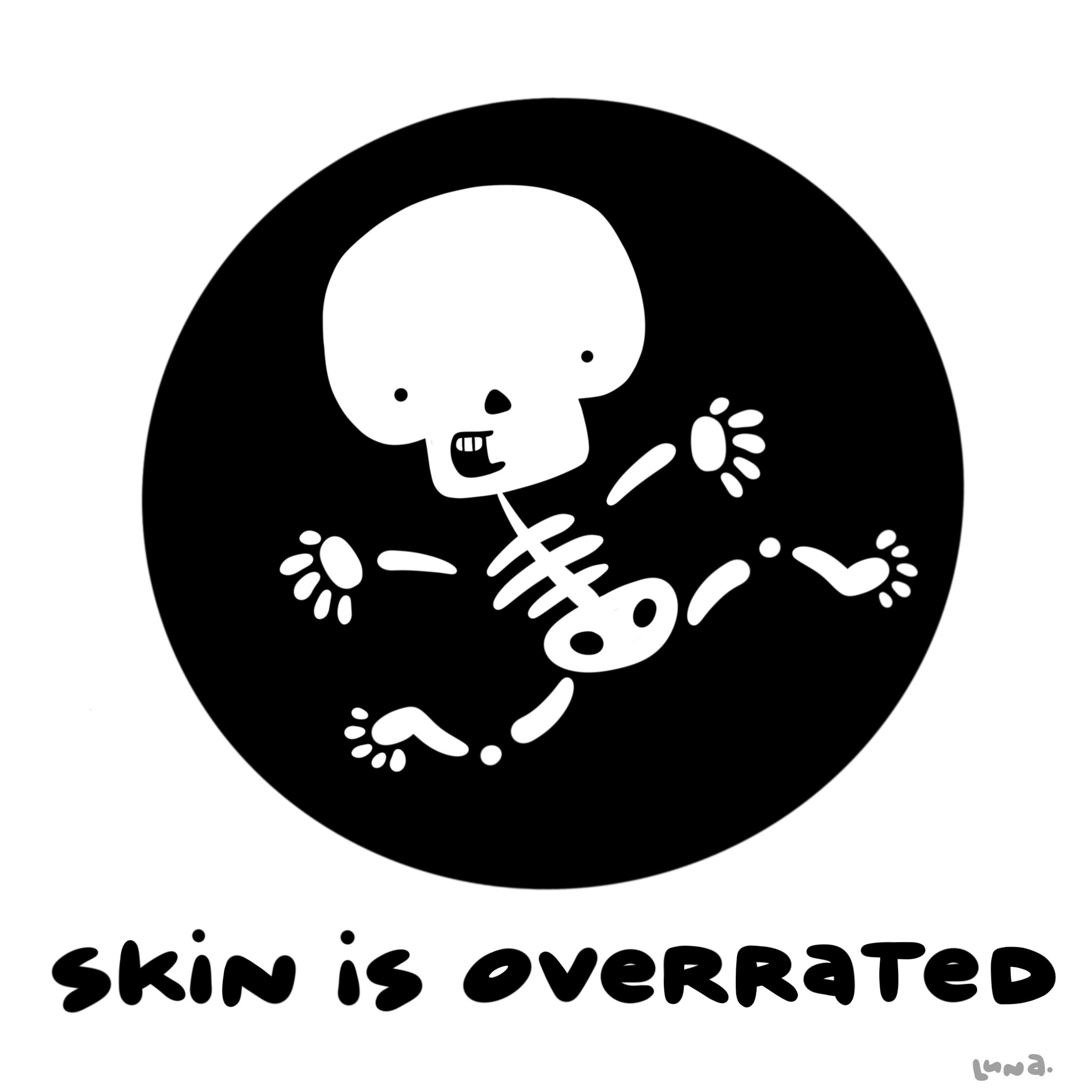

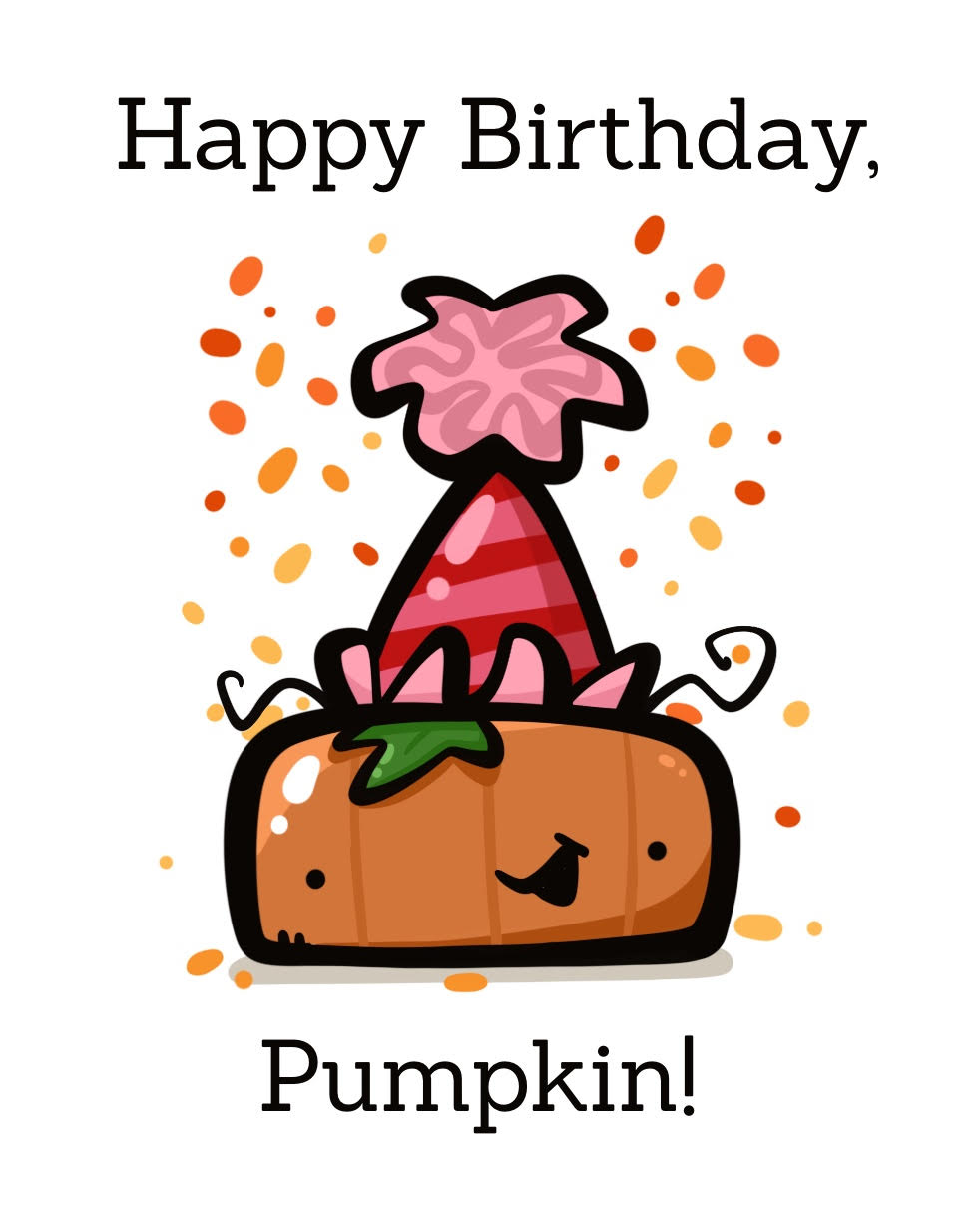

Image Credits
Steven Luna