We recently had the chance to connect with WILLIAM LESCH and have shared our conversation below.
WILLIAM, really appreciate you sharing your stories and insights with us. The world would have so much more understanding and empathy if we all were a bit more open about our stories and how they have helped shaped our journey and worldview. Let’s jump in with a fun one: What are you most proud of building — that nobody sees?
The most involved thing I ever built that most people don’t know about and/or never see is the home, darkroom, and studio courtyard my family and I have lived in for almost 50 years. In 1980 we bought an old, tiny, falling down adobe home in downtown Tucson and an adjoining vacant lot. The original home was one room, 410 sq. ft, plus a small bathroom. It had a dirt floor with patio tiles laid right in the dirt, cracked plaster walls, and lots of trash left by the former tenant. Fixer upper doesn’t begin to describe it, but it was affordable for our non-existent budget and we loved the downtown barrios, quiet and laid back, almost like living in the Tucson of the 40s or 50s, which was when most of the homes on our one block street were built. I already knew quite a bit about construction as I had started a rockwork /stone masonry business with some friends after graduating from school. We were a motley assortment of late 20s early 30s starving artists, actors, musicians, and writers. We all wanted to do hard physical labor during the day for decent pay so we could pursue our art on our time off and between jobs, so I had learned how to build with stone, and where in the desert and mountains around Tucson I could collect it. I quickly made friends with a local guy I saw on one of my first walks through the barrio. He had a wheelbarrow full of mud and was mud plastering the outside of his adobe home. I thought, “I need to meet this guy”. I walked up, introduced myself, told him I just bought an old adobe nearby and we struck up a friendship that persists to this day, 45 years later. It turned out he was an architect and he was the head of the earth building department and the U of A. I could not have met anyone who knew more about adobe. He taught me all about it, told me the best place in town to buy the strongest dirt, showed me how to mix it, how much straw, sand and water to use. I started restoring our home that first year, poured a cement floor and layed saltillo tile, re=plastered inside and out, then I started buidling more rooms. First thing we needed was a separate detached bedroom for young sons, then I needed a studio and darkroom, and finally we built a living room, kitchen, and office on our vacant lot with a big central courtyard with a ramada for outdoor living. I made sure to leave space for a boom and hoist setup where I could work on my wood sculptures. That went in last in the space where the huge dirt pile had been where I made the adobes. I made all of them myself, with help from my wife and a rotating cast of workers. One was a young refugee from the late 80’s troubles in Central America. A funny story about him, he taught me how to make adobes the traditional way he learned as a child growing up in Nicaragua. I had been using a cement mixer and showed him how that worked. He immediately said no, no bueno. He said my adobes would have no alma, no soul, using a mixer. So he grabbed a hoe and a shovel, made a pit next to the dirt pile, put the hose in it, then kicked off his sandals and walked barefoot into the mud. He threw in some straw, pulled some dirt down from the pile, some sand, and mixed it up into adobe. I claimed my way was faster, he said no way, so we had a contest. Turned out he was pretty darn fast using his way while never seeming like he was in a hurry, one of the best workers I ever had the privilege of working alongside. Our contest was a tie, so I let him mix it his way and made sure to spread his adobes throughout the walls, making sure all the rooms had plenty of soul. Building all of that while also pursuing my art, starting my business, showing and beginning to sell my prints at galleries, all while supporting and raising a small family was one of the most challenging things I have ever done. It was also one of the most rewarding things I have ever done. I wanted to learn about my place, the Sonoran Desert, from the ground up (no pun intended), and I can say I certainly did that, from its rocks and boulders to its soil to the ponderosa pine beams and saguaro ribs I used to make my ceilings and ramadas. I learned what it is to inhabit this place like we belong and intend to stay, like my largely Hispanic barrio neighbors whose families have been here for generations. Living in rooms I built myself, seeing the swirls of my trowel in the walls around me, beams and saguaro ribs I put in place overhead, is deeply satisfying and worth every bit of the time and effort I put in buildling it.
Can you briefly introduce yourself and share what makes you or your brand unique?
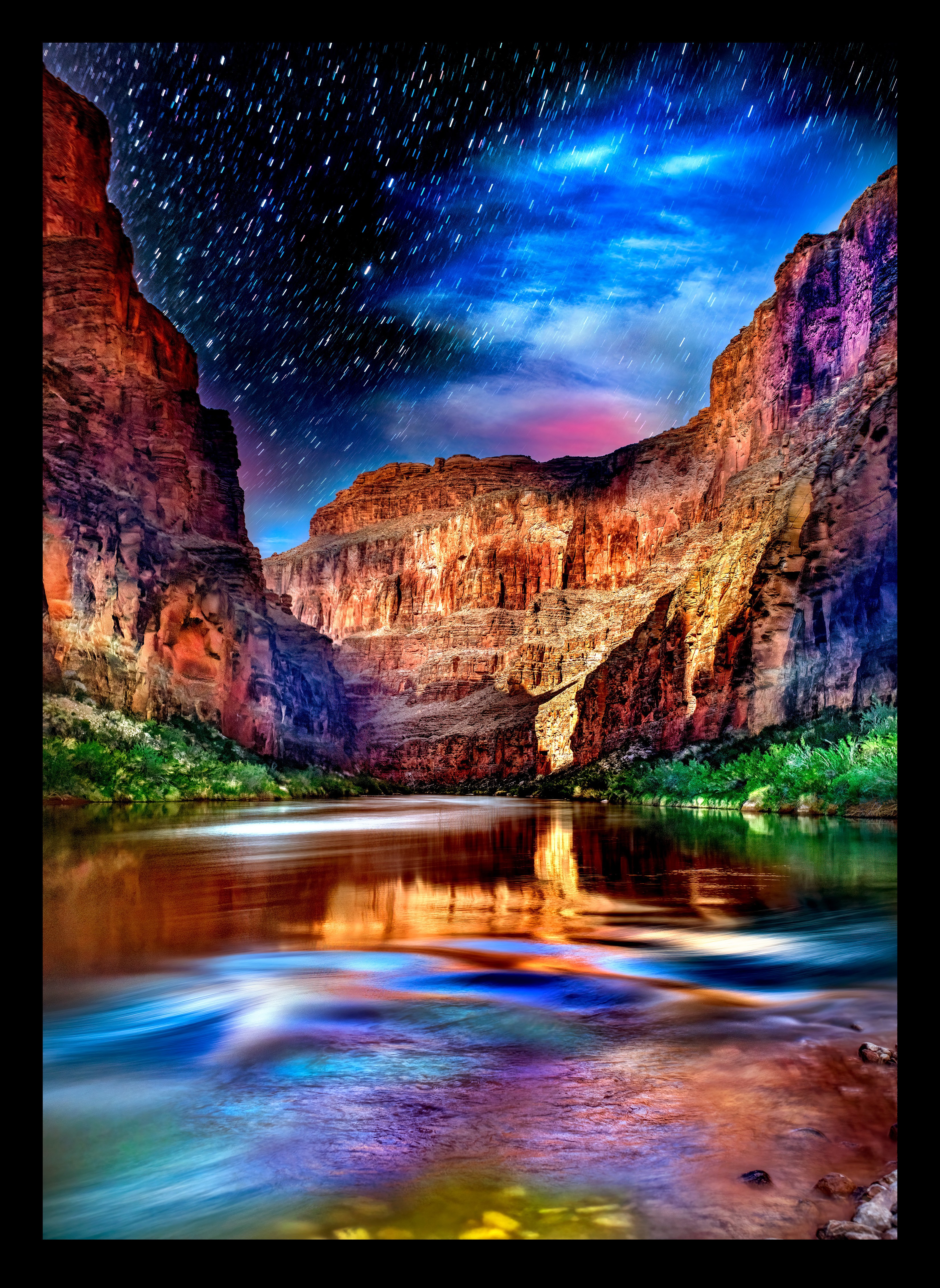
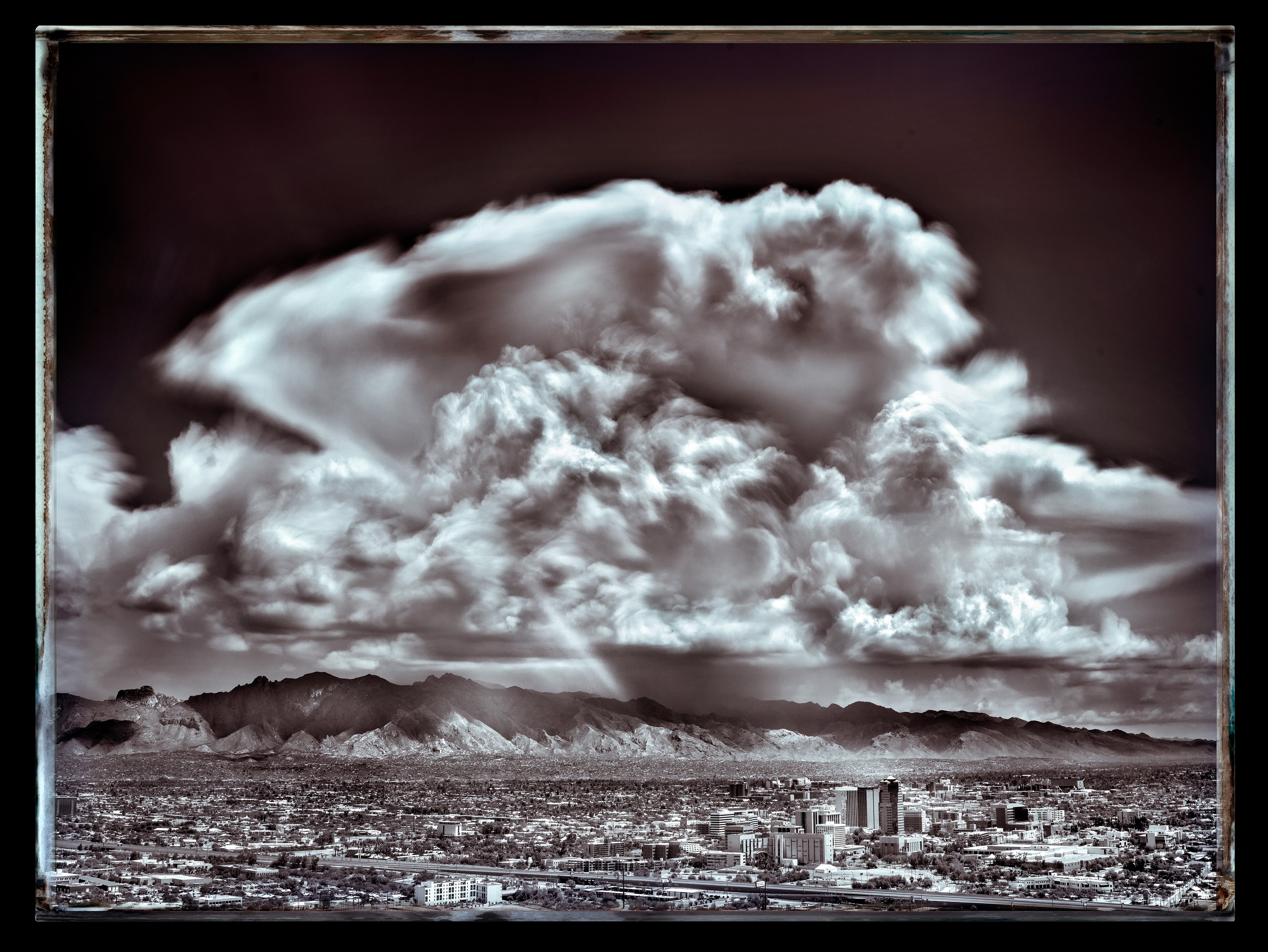
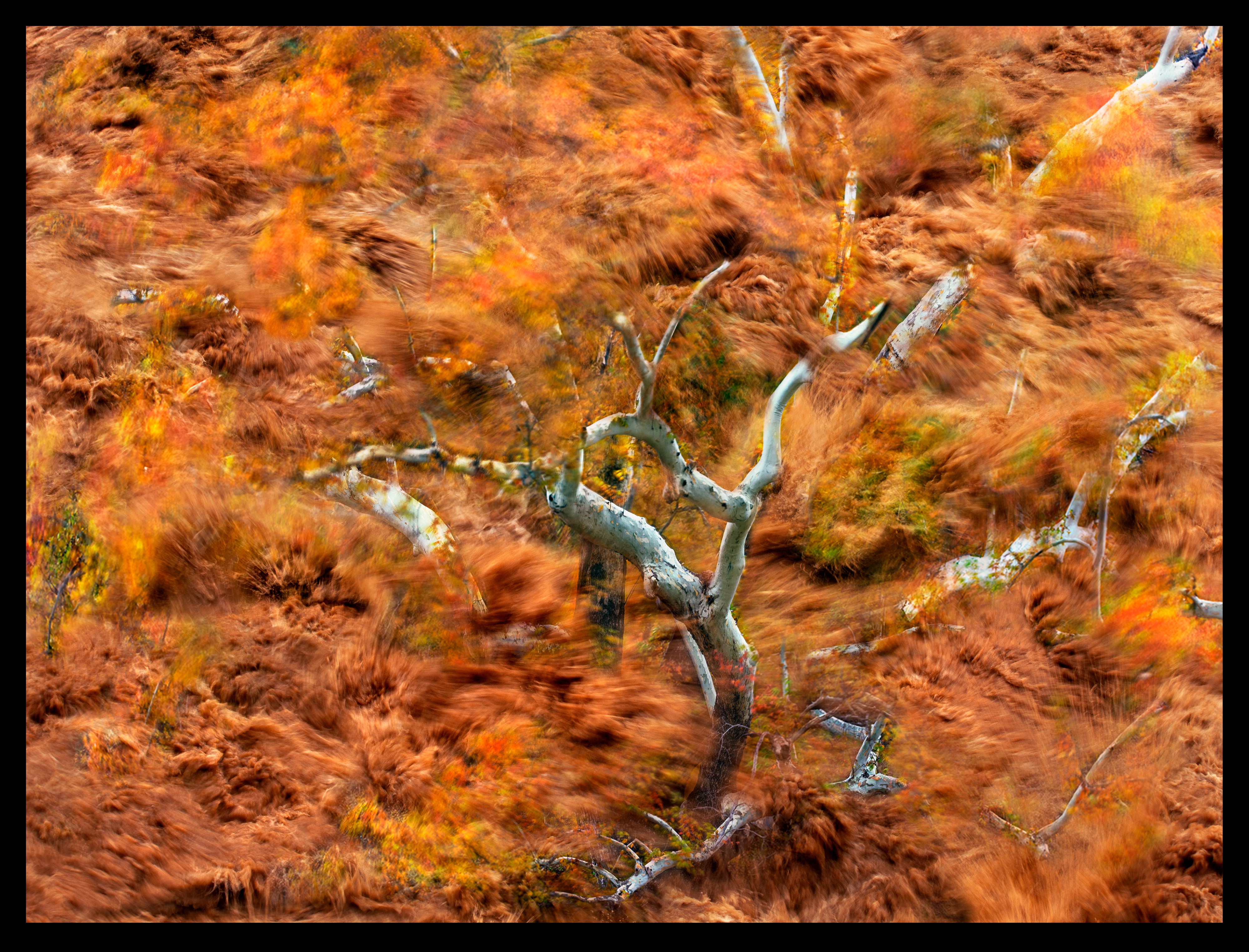
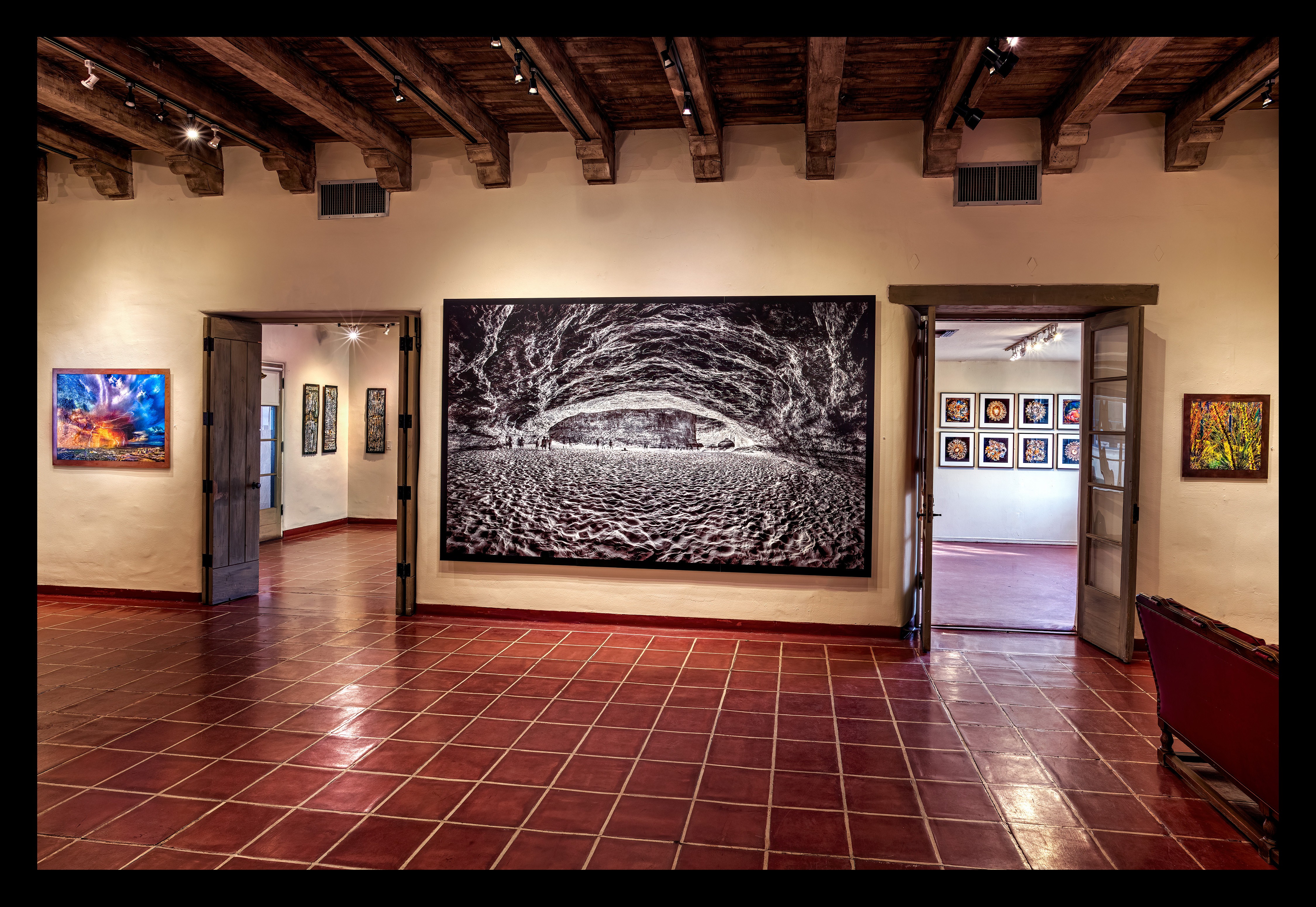
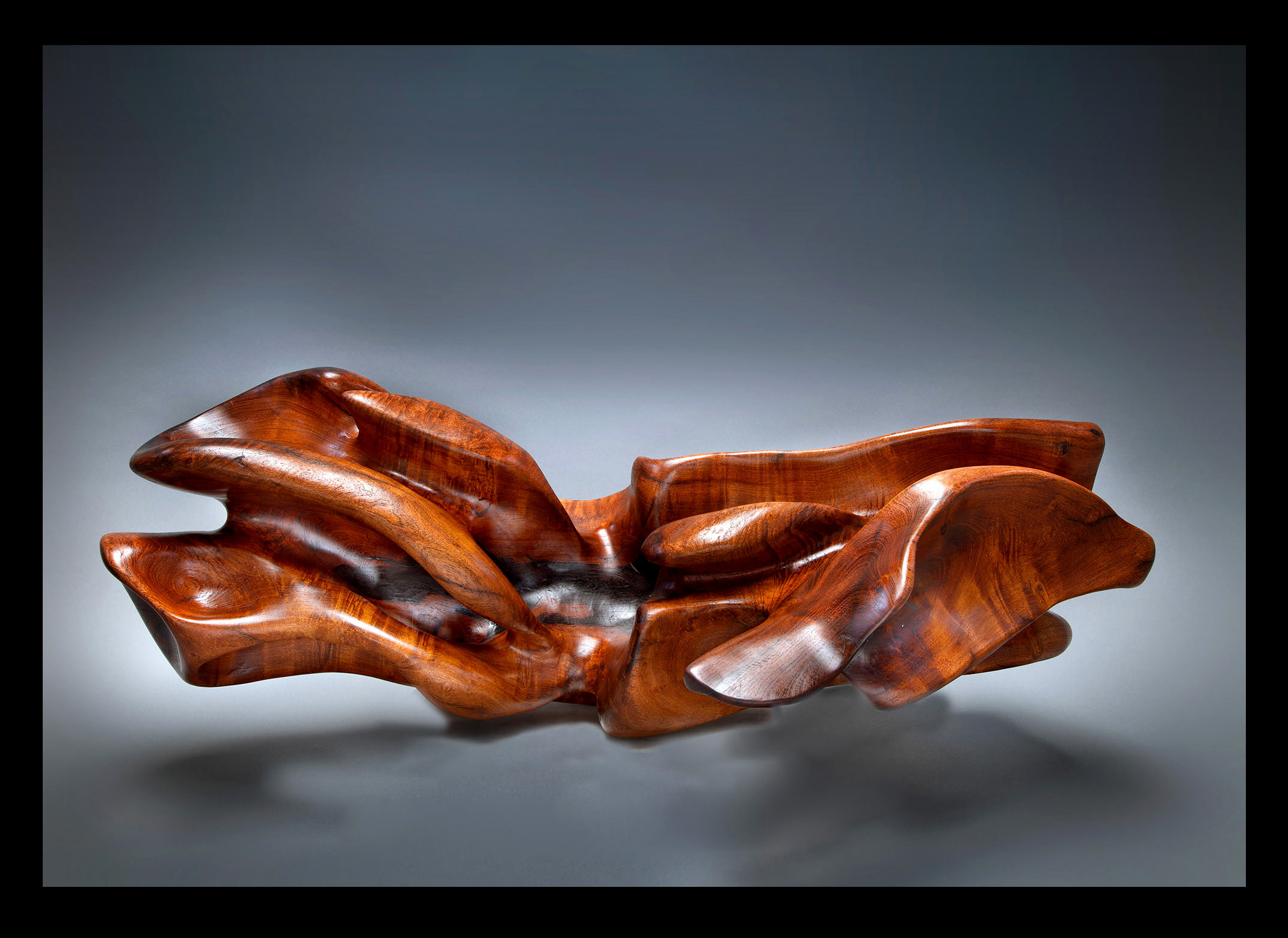
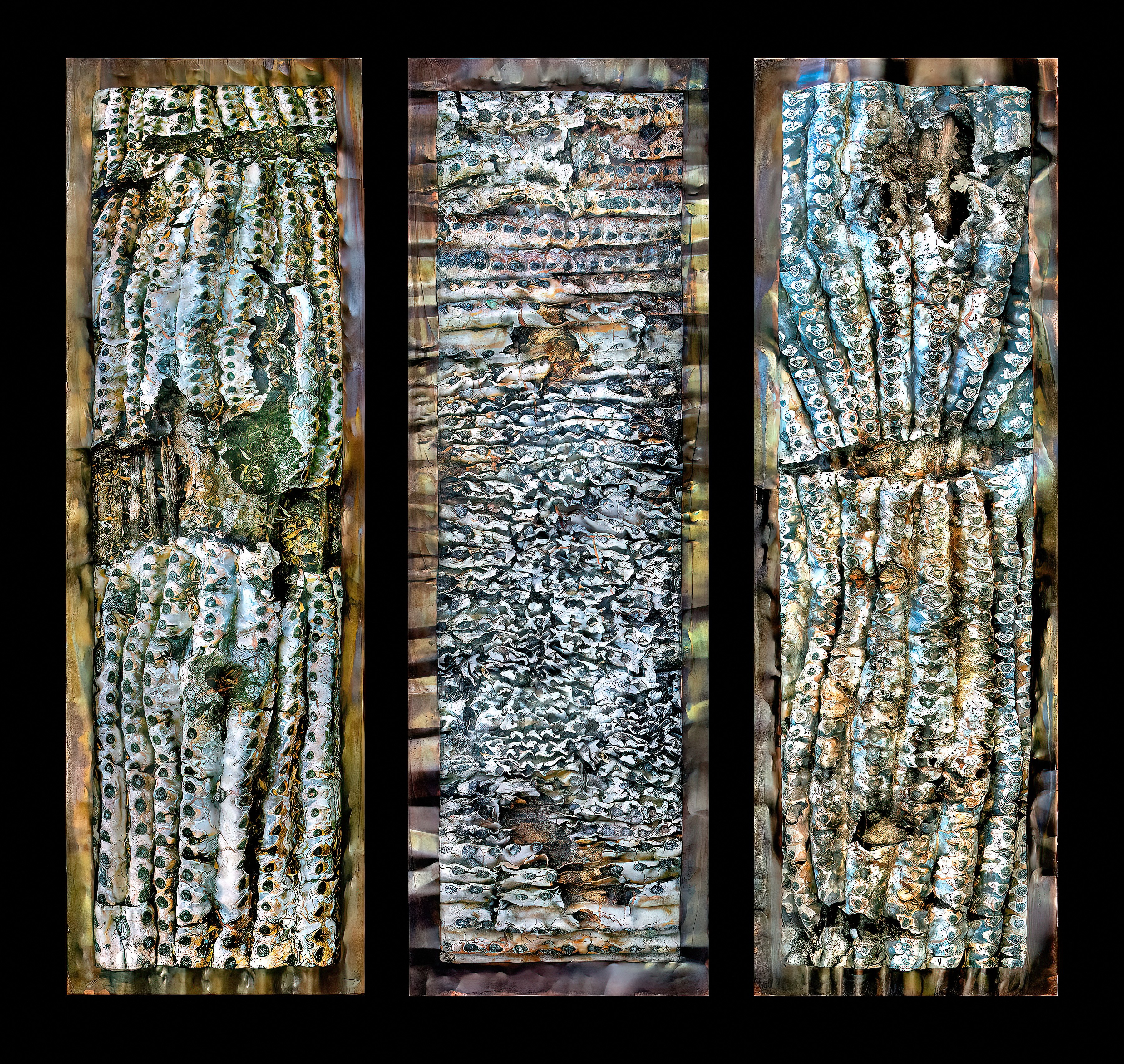
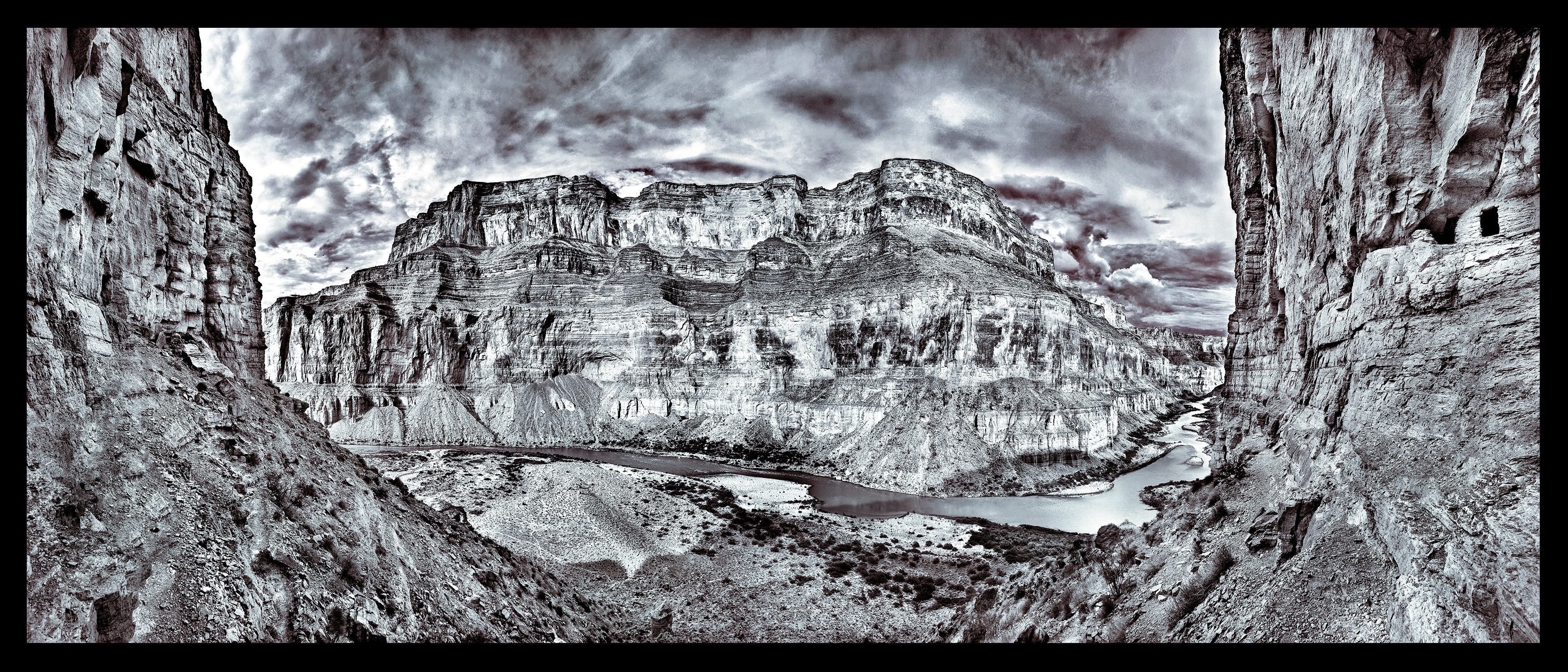
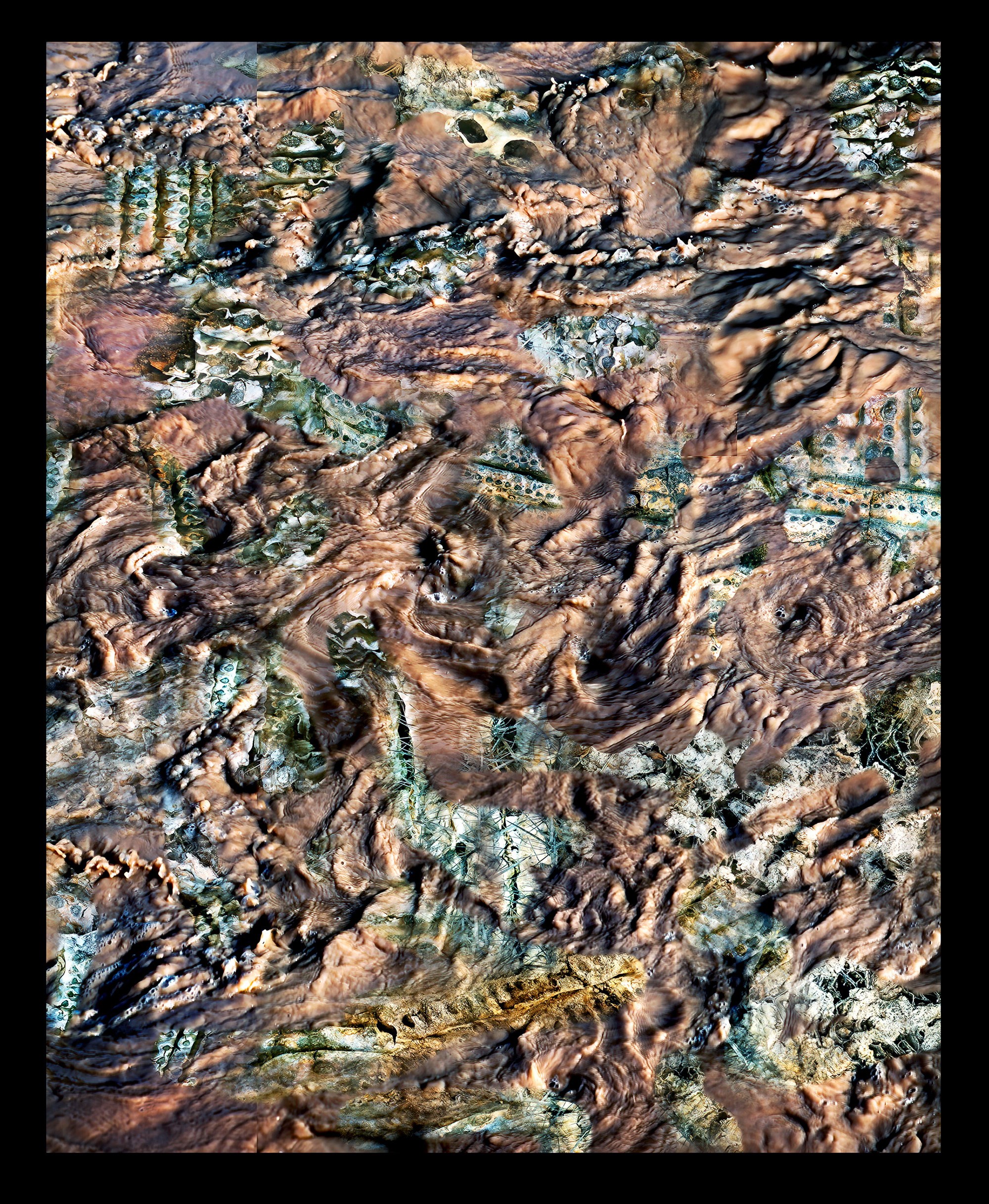
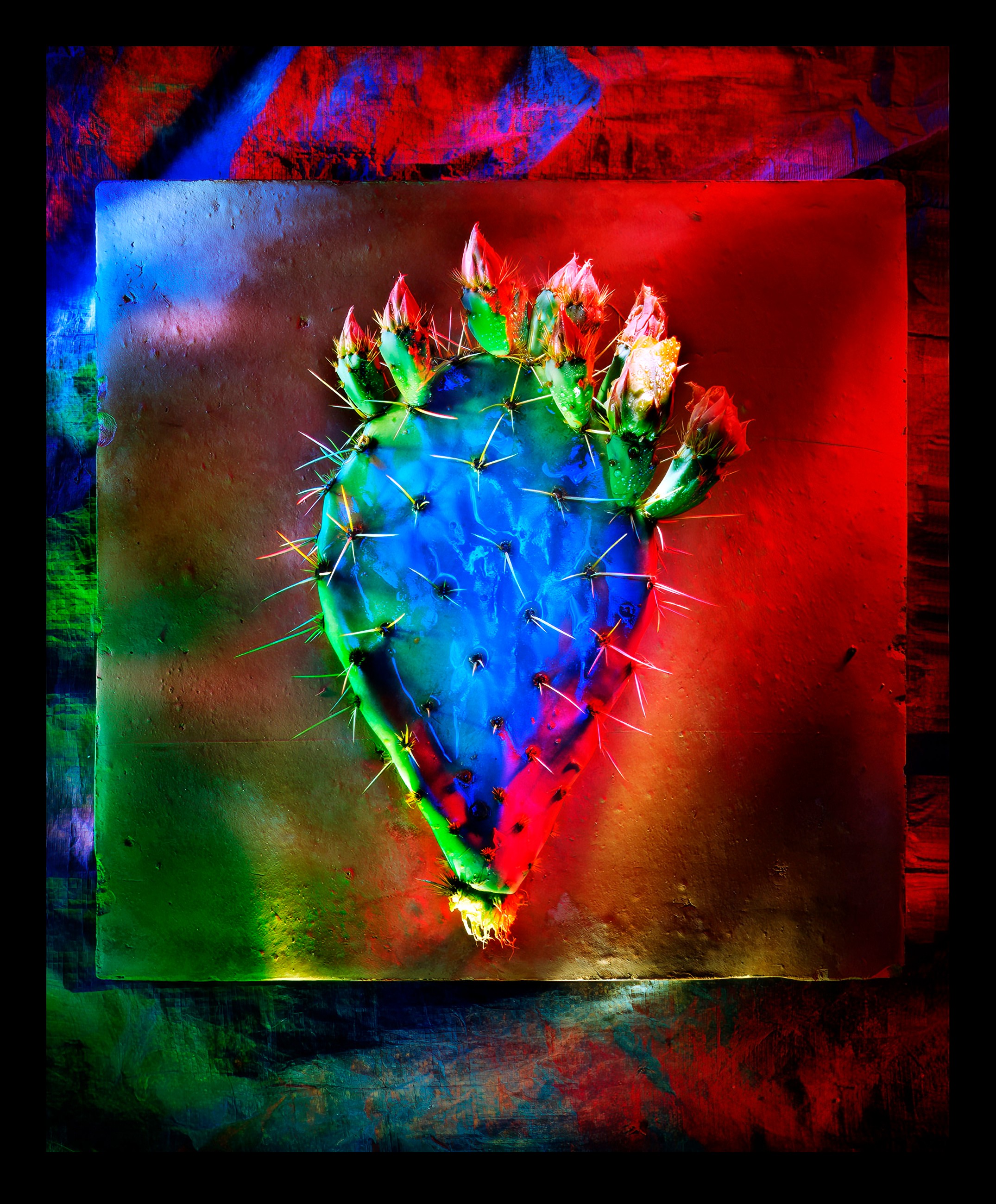
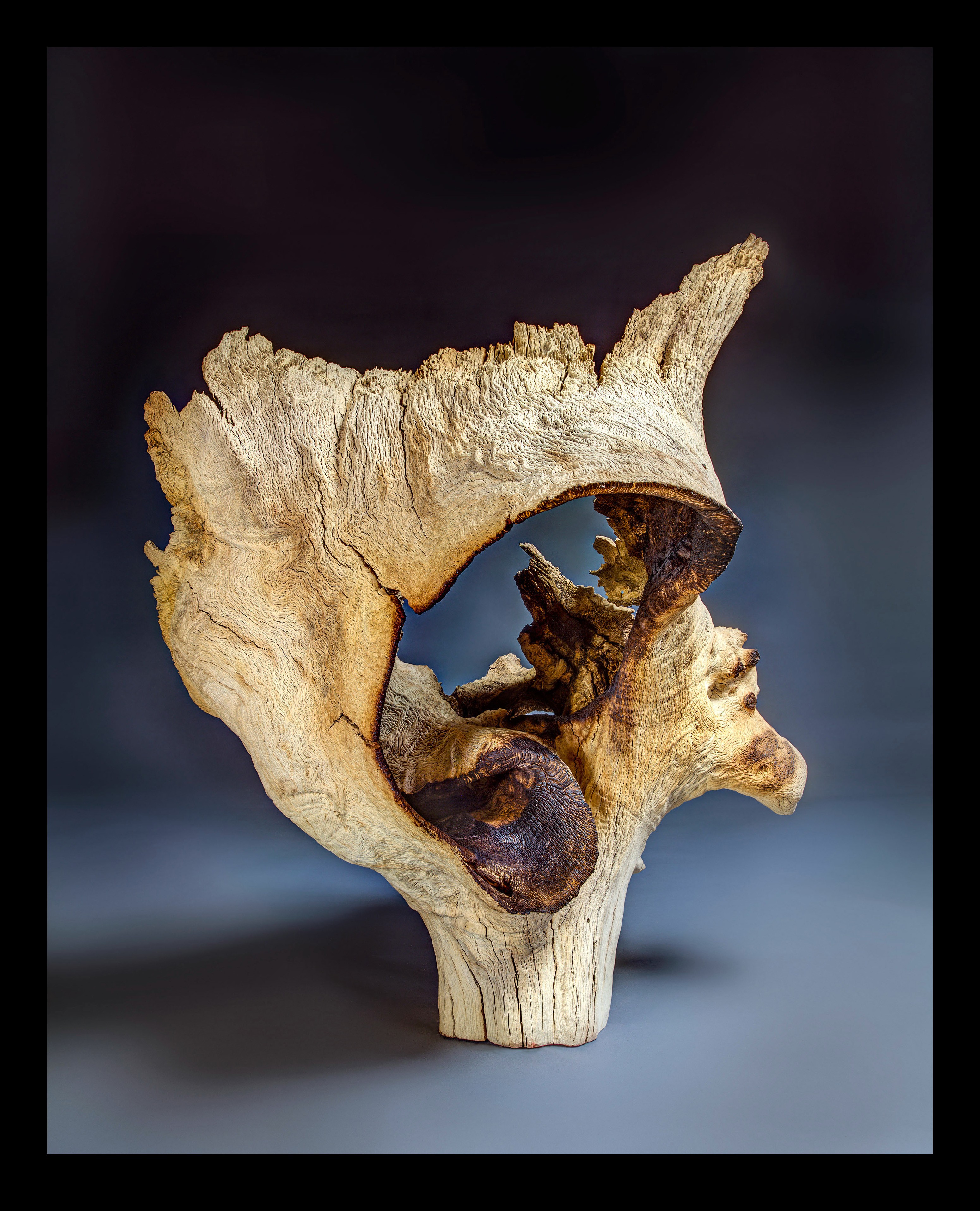
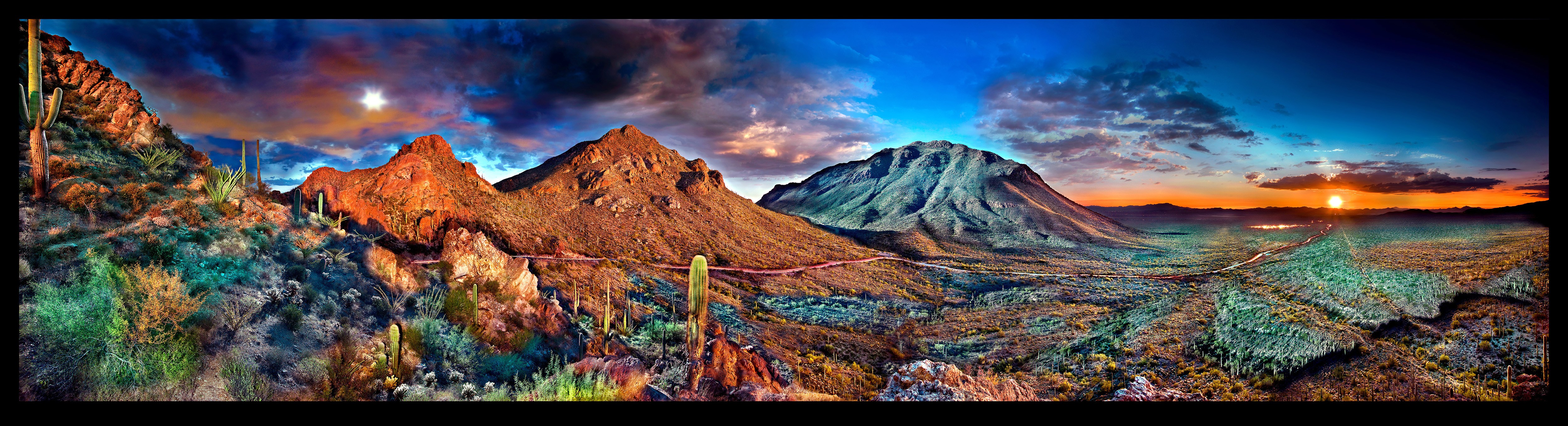
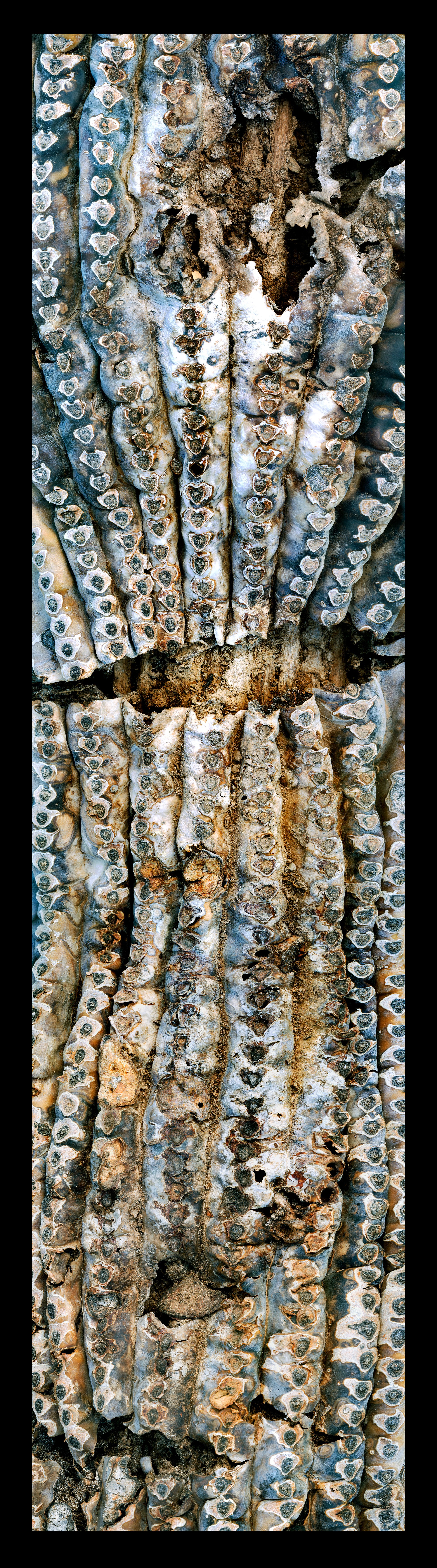
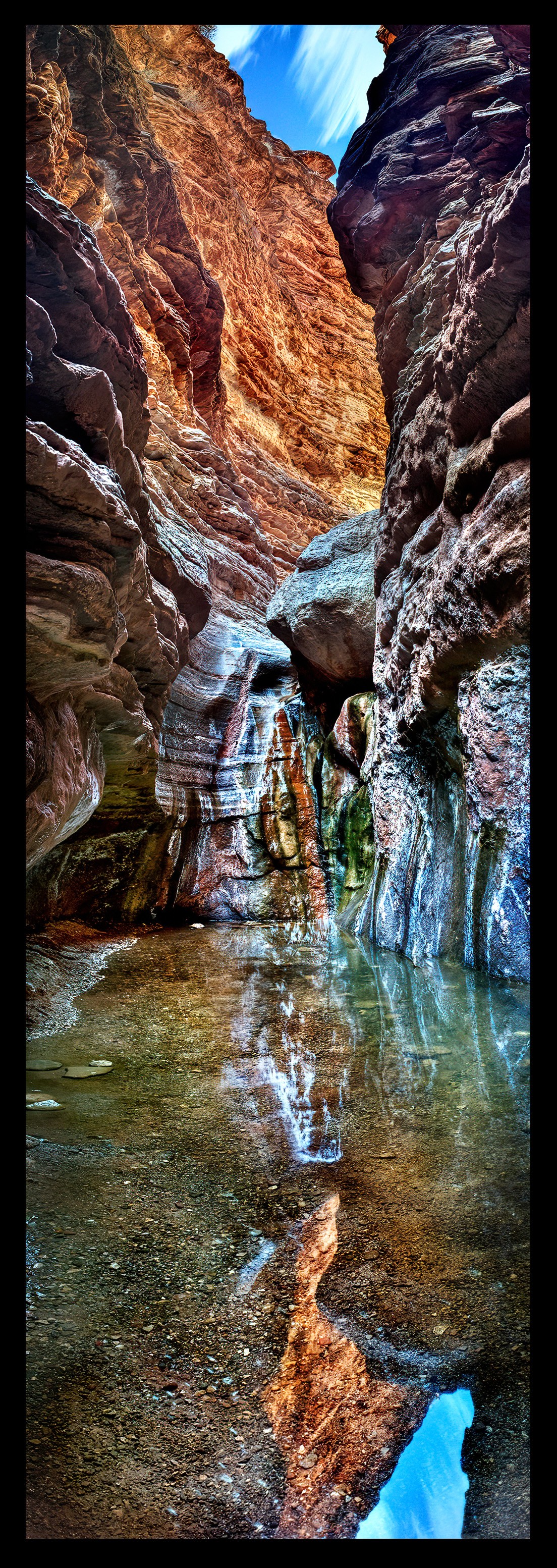
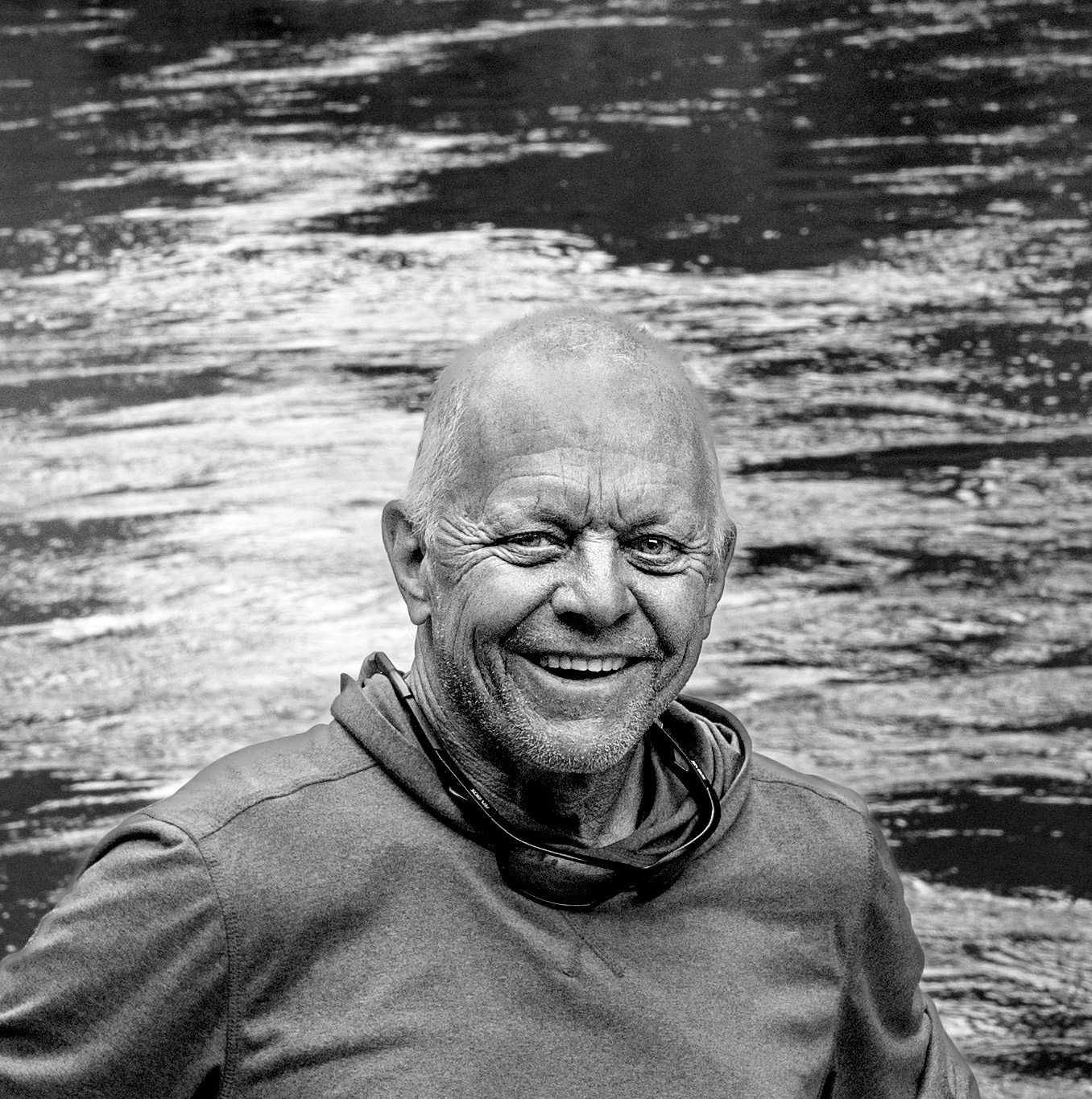
My name is William Lesch, or at least that is my professional name, how I sign my prints and sculptures, my business name. Most people call me Bill, though my wife, my family, and close friends call me Coolie. I got that nickname when I did stone masonry just out of art school because people said I worked like a coolie. It is a derogatory term for the Chinese laborers who helped build the first railroads, the people who did the actual physical work. I wear the name with pride because when I am working I work my butt off and because I simply love physical work. Georgia O’Keefe was quoted as saying the best days of her life were when she was working. I get it – work is what I lose myself in, where I find solace, joy, and the challenge of trying to communicate the overwhelming beauty of this world. It’s pretty simple; I love making things with my hands, I love looking deeply at things, trying to see beyond the surface. I believe each place, each region, has its own reality. The Sonoran Desert has its own light, palette of colors, the ways the plants and animals have evolved, the shape and movements of its clouds, rivers, streams, the ways its trees grow, even the way time passes is unique to each place. I have worked with these elements for over forty years, photographing the canyons, clouds, cactus and copper mines. I make all my own prints, working from both large format film and high-res digital files. Sometimes I print with pigmented inks on paper, sometimes I print directly on copper and aluminum panels coated with white gesso paint, sometimes I print on paper coated with silver chloride. At other times I make sculptures that look like polished, wind or water sculpted bones. In a way that is what they are, the bones of mesquites, eucalyptus, red oak, ironwood. They are from trees that have died and left their bones for me to find on my desert walks. I bring their trunks, their petrified roots and branching burls back to my studio. I work on these rough bones of desert trees with a variety of tools: chain saws, grinders, sandblasters, hand chisels, rasps, and finally by hand with diamond grit sandpaper, caressing the shapes until I feel I have made something appropriate to celebrate the life of these amazing fellow desert creatures. Always, whatever I am making be it photographs, mixed media pieces or wood sculptures I am after work that resonates with this place, that helps us understand how we humans are a part of all the non-human life around us, from the tiniest bugs to cactus pads and clouds to the ancient stone slabs at the bottom of the Grand Canyon.
Okay, so here’s a deep one: Who taught you the most about work?
When I was in my twenties in art school I did a week-long workshop with the photographer Emmet Gowin, and I came away from it with a real understanding of what it meant to be an artist, of how to live one’s life with intensity and discipline combined with love, joy and a rich family life. His work had surprised and delighted me when I first saw it, but after meeting him and learning from him that week I came away with a changed outlook on how being an artist was not a career path but a way of life, a natural outgrowth of the way one approached all of living. Emmet has an insatiable curiosity. He somehow had managed to keep the wonder we have as a child and combined that with a work ethic and command of all aspects of photography. He taught by example, and his way of integrating art seamlessly into his life was the example. One thing he taught us has stayed with me even now, and that was to acknowledge and celebrate those whose work influences yours. We all have our sources, work and artists we admire, whose work speaks to us. Some might be living, some might be hundreds of years in the past. As a young artist we imitate those whose work we admire, and there is nothing wrong with that. Soon enough you will begin to make work that is your own, other things will creep into it, your own way of seeing. As you grow you will find a path of your own, don’t be afraid to follow this path. That is the journey of being an artist, if you are honest and keep at it a way of seeing that is your own will find you.
What have been the defining wounds of your life—and how have you healed them?
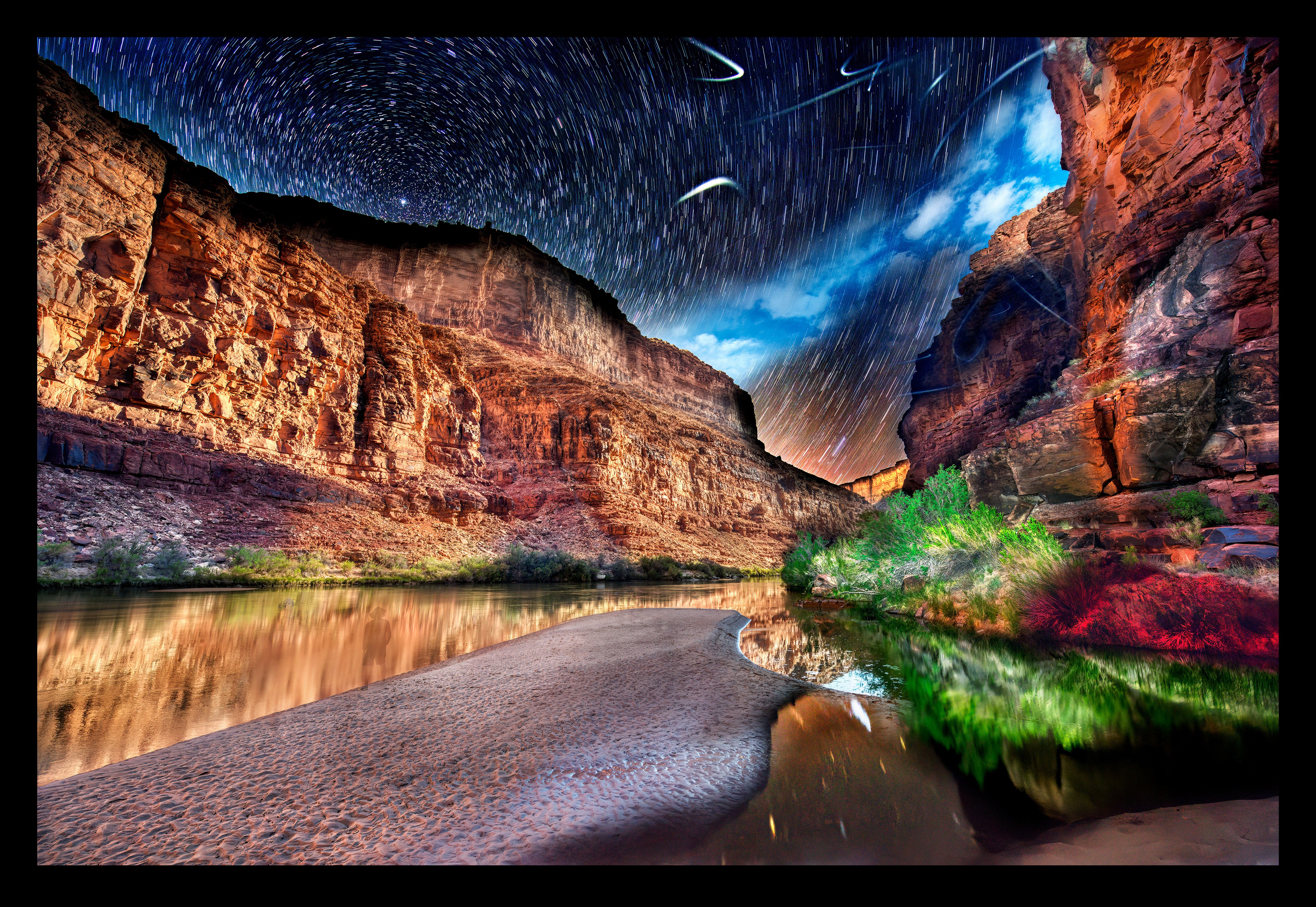
I am not sure I would call it a defining wound, but surely the worst physical wound of my life was the one that came within inches of killing me, and it just as surely changed how I have seen my life since then. It happened on August 11, 2008. One month before that, in late June and early July, I was at one of the high points in my life. I had just spent two weeks kayaking the entire 220 miles of the Colorado River through the Grand Canyon on a chartered trip with my best kayaking buddy and 20 or so members of his extended family plus a group of Grand Canyon guides, My buddy and I had set a challenge to ourselves to try to kayak the whole thing, rapids that were way larger than anything we had yet tried. We got knocked over many times, rolled back up some of the times but also missed our rolls after multiple tries and had to come out of our boats and swim more than a few rapids, but at the end of the trip we were on top of the world. Added to the kayaking I had taken my 4×5 view camera and had found a new landscape, a place that was larger, more complex and more untouched than anywhere I had yet been. Since that time I have been back down the Canyon on two week journeys with my friend seven times and made thousands of photographs. I have a deep connection to that place and hope to keep going down when I can the rest of my life. So there I was in mid-July feeling like nothing could touch me, Boy, was I wrong about that. In early August my family and I took a trip to Santa Cruz, CA, a place we had been going in August for several years where I would spend two weeks photographing all up and down the coast while my sons would spend their days surfing and boogie boarding. We got there late in the day with just a couple of hours of sun left and decided we would all go out boogie boarding. My sons both knew what they were doing, me not so much. In a kayak on a river I know what I can do and what not, in the ocean on a boogie board in big waves I was way out of my league. I figured the worst that could happen was I would scrape up my arms and legs. I somehow ended up in a spot where I never should have been, on waves way too big for my skill set. In surfer lingo, my son told me later that I went up the elevator, over the falls, and did a massive header. In my lingo I caught a sudden wave that was twice the size of all the others and it lifted me up to its top and then suddenly dropped out from under me and shot me full speed off the bottom, head first. The force of it snapped my head back and came close to breaking my neck, but what it did instead in sports medicine is termed transient quadriplegia. In non-medical language, I floated slowly to the surface totally paralyzed, unable to move a muscle. All I could do was hold my breath and hope. I knew no one had been nearby as I had gone to a spot where no one was boarding, trying not to get in the way of the more serious surfers. It was the longest, quietest, most intense 45 seconds of my life. It occurred to me that this might be the end of my life but strangely there was no real struggling against it because I could not even move a finger, just float, hold my breath and look at the light touching the bottom below me. In a way it was the most beautiful light I had ever seen before or since. I could see every little pebble moving on the bottom, every little shaft of sun hitting the sand below me. I crossed my mind this might be the last thing I ever see. I was holding my breath for all I was worth, being upside down in a kayak had taught me to hold my breath pretty well, but I could tell it would soon run out. I was just starting to think this is going to really suck, I am going to soon start drinking sea water. Just as that thought hit me I was suddenly right side up, looking up at the sky and taking a huge, sweet breath of air. My first thought was a lucky wave had come and flipped me right side up, but it was better than that. My son’s face was there and his frantic voice saying “Dad, Dad”. He had been further out and had seen me go down and not come up and had come charging in thinking I must be dead from the way I was just floating and not moving. For me, it was like being re-born. I had been so close to the other side could feel it, as if I had reached across a dividing line and for just a moment touched it, then suddenly been sent back to live. What followed was a blur, being pulled out, laid carefully in the sand, surrounded by people asking if I could move, if I could feel anything. I recall someone saying he just moved his foot, then feeling and movement began returning to parts of my body, all the nerves firing in my body like fire, like needles. Soon there were medics with a stretcher, neck and chest braces, and finally a helicopter ride over the mtns to San Jose with a wonderful nurse at my side telling me I would be ok. After two days drugged up on morphine drip and multiple times is the metal tube of an MRI, I was wheeled into surgery. It was total cervical fusion neck surgery, C3-C7. Then came months of slow, painful recovery, learning to walk again, PT, all of the usual post accident stuff. The concussion of the blow to my head took away the hearing in my right ear. I am now totally deaf on that side, and it took away my sense of smell too. They said my brain moved so much it sheared off the small nerves to my nose. The docs said the loss of hearing was actually lucky. It was caused by ricochet, the force of the blow bouncing off the back of my skull and then taking out my auditory nerve. Two inches to the left and it would have hit my cerebellum and the paralysis would not have been temporary, I would be in a wheelchair today. What I took from the experience is this. While it seemed like a long time to me recovering to where I had been before the accident I actually bounced back relatively quickly. By the end of September I was out in the desert and mountains near my home photographing again, wearing a neck brace and with an assistant to help carry my gear but out working. By late January I was photographing for a hotel at the southern tip of Baja with my wife along as my assistant and running up and down the six flights of stairs to our room to help get back in shape, I was going for long swims in the hotel pool in between shooting sessions. The real healing happened in my outlook on life and work. I gained an appreciation for how tenuous our lives are, and what a great gift it is to be alive in this world that is so full of beauty. The loss of part of my senses sharpened my sight, or maybe just made me concentrate more on the complexity of color and texture and life in which we find ourselves. I learned that there are things far more important than chasing success, and that if there are things I want to do, pictures or sculptures I want to make, I better damn well do them instead of waiting for some future time that may never come. What has been the most healing thing about it all is a deep sense that things will be ok, that there is something on the other side of this life that is not anything to fear. What it is I still don’t know. It wasn’t like a white light enveloped me or God whispered in my ear, nothing so dramatic. It was more like just a feeling of extreme good, a sense of homecoming, and love, lots and lots of love.
I think our readers would appreciate hearing more about your values and what you think matters in life and career, etc. So our next question is along those lines. Whom do you admire for their character, not their power?
Two writers stand out to me as people who I admire for their character, and that is Wendell Berry of Kentucky and Gary Snyder of California. I encountered the work of both of them around the same time, in my mid 20s. They both had built their art and their lives around specific places, what are now called bioregions before the term was in wide usage. Both men put down roots, built homes and farms and gardens, became self-sufficient, and wrote prose and poetry about the places where they lived, Berry along the Kentucky River in rural north central Kentucky and Snyder in the Sierra Nevada foothills near Nevada City. Now both in their 90’s, they have each continued to live on the land they love and to create poetry and write essays that celebrate a sense of place. They continue to inform and inspire me and my work. There are many others I could name, musicians like Springsteen, John Prine, Tracy Chapman and Lucinda Williams, artist-photographers Emmet Gowin and Fred Sommer, novelists Ed Abbey and Richard Powers, and many others. What they all share in common is they have not really sought the limelight and they all have true devotion to a sense of place in their work.
Okay, so let’s keep going with one more question that means a lot to us: Are you tap dancing to work? Have you been that level of excited at any point in your career? If so, please tell us about those days.
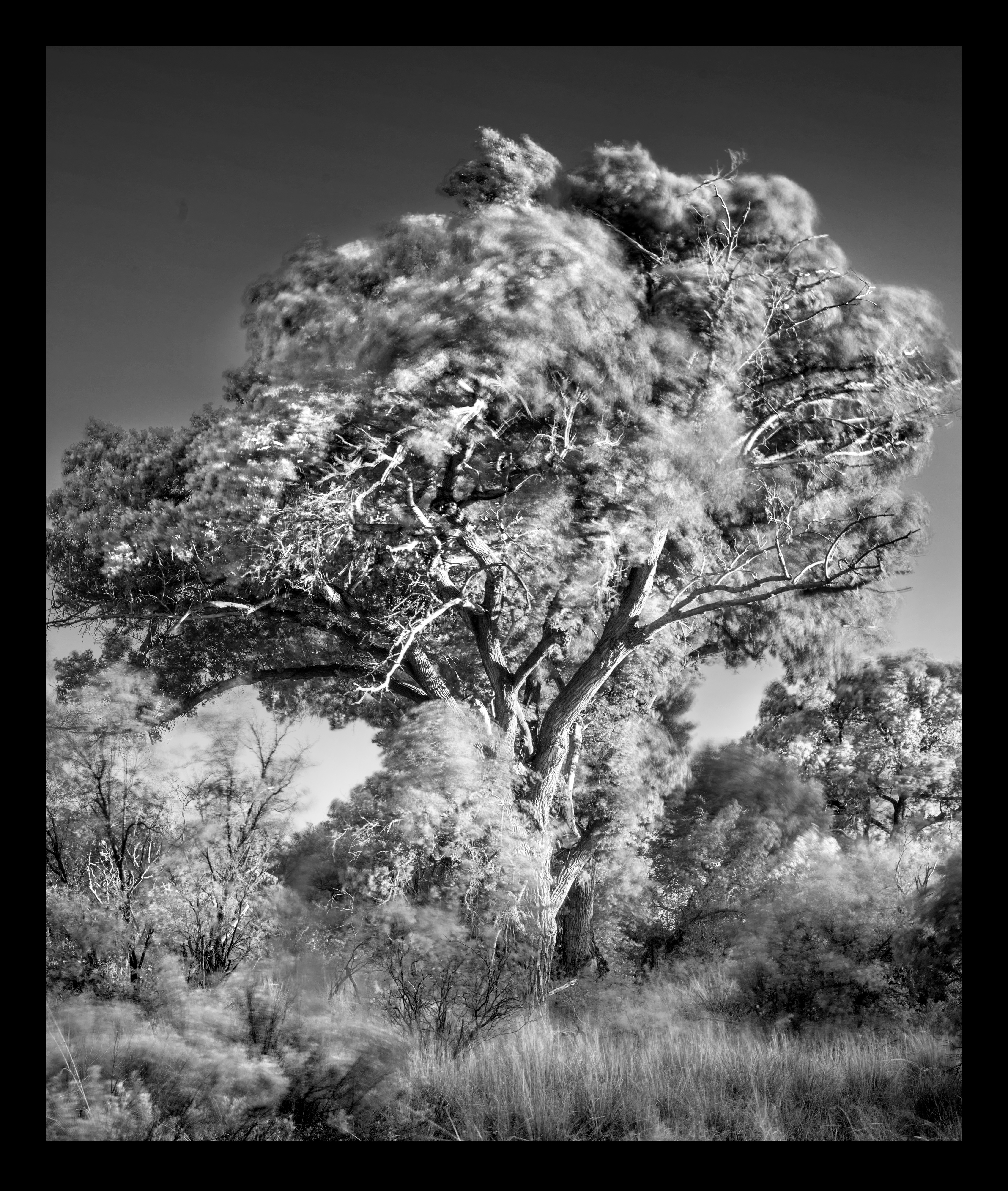
I feel like I am tap dancing to work all the time, pretty much every time I go out taking photographs. I make photographs because that is how I make sense of the world around me, how I explore it, learn from it, celebrate its beauty, connect with it. I photograph certain things, places, situations over and over, trying to see more clearly. I have series that explore a certain subject that I have been working on for years, even decades. I once heard the photographer and teacher Harry Callahan say that he figured out most of what interested him in the first five years he was working and then spent the rest of his life working on those themes. I know what he meant. The artist Hokusai was quoted as saying that he was finally beginning to understand the world and how to paint it at the age of 73, and that if he lived to be 110 he might actually become a true artist. As he got older, he said he would quit signing his work Hokusai and instead sign it “Old Man Crazy about Drawing”. I am 74 and feel I am finally getting somewhere on some of the series I have worked on since I was in my twenties. I could call myself “Old Man Crazy about Photography” and it would be a pretty good description. To give just a couple of examples, I started making time exposures of moving clouds and of wind-whipped trees on stormy days over forty years ago, and I am still out working on photographing them whenever there is a really windy day or monsoon storms building. I live for days with 30 or 40 mph gusts, for days with white topped thunderheads building in a clear bule sky over the mountains around Tucson. People who see me out shooting probably think I really am crazy because I will be hollering at the wind or up at the sky saying stuff like oh yeah, what a gust, damn, give me another one even stronger. Then the wind practically blows the tripod over and the trees are whipping around like mad or the clouds streaking across the sky with the sun flitting in and out and I will making exposures like mad and hopping all over the place with glee like a little kid. One of the most important things I learned from Emmet Gowin when I was a very young photographer is to never lose that child-like sense of wonder. I met him in my late 20s, he was in his 40’s and already had two or three books and work in major galleries and museums. We were at a meet and greet for him at my professor’s home, an invitation only arty thing, and in the middle of people milling around wanting to meet him Emmet suddenly spies some colorful bug crawling across the floor and quickly saying hold on, excuse me a minute he is down on his hands and knees inspecting this bug and crawling on the floor next to it, marveling at this new creature he was not familiar with. I will never forget that image of him crawling on the floor around the legs of all these art world professors and museum curator types following a bug. He is now in his 80’s and has been working for the past several years on a beautiful series photographing exotic moths in Panama. It just shows how one thing leads to another, sometimes many years later, and it is that continual sense of curiosity about the world that keeps us excited about whatever kind of work we do. In my mind, everyone ought to be working at something that makes them feel this way. I find if I am truly paying attention there is something always going on and if I am not getting excited it’s not because the world is not co-operating, it’s because I am not being open to what is going on around me. One of Georgia O’Keefe’s famous sayings was “To See Takes Time”. She took the time to see. The more I can be like the child who is delighted at nearly everything, from a butterfly landing on a bush in front of them to a handful of gravel they pick up looking for some treasure, the better artist I will be. The more time I spend truly looking, the more likely I will see something unexpected and be tap dancing at finding something new.
Contact Info:
- Website: https://williamlesch.com
- Instagram: https://www.instagram.com/williamlesch/
- Linkedin: https://www.linkedin.com/in/bill-lesch-229a8912/
- Facebook: https://www.facebook.com/williamlesch/
- Youtube: https://www.youtube.com/@williamlesch9975
- Other: William Lesch – Timeless Photographer of the Sonoran Desert
https://youtu.be/lfljKZPQ7Wc