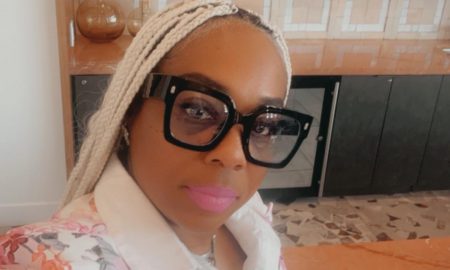
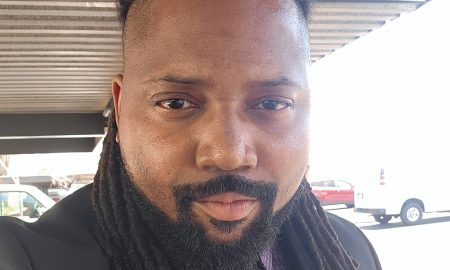
For pianist and ensemble member Karen Sinclair, performing with Urban Nocturnes has become an evolving artistic journey built on trust, experimentation, and a shared passion for chamber music. Now in its eighth season, the ensemble continues to challenge itself with ambitious programming, including an upcoming March 27 performance at Trinity Episcopal Cathedral featuring works by Ludwig van Beethoven, Philipp Scharwenka, Jean Sibelius, and Maurice Ravel. Sinclair says the program was designed to showcase a range of instrumentation and musical textures while offering audiences both richness and energy. Looking ahead, the ensemble will also participate in Trinity’s first ComposerFest celebrating Franz Joseph Haydn, continuing their mission of creating thoughtful, immersive performances that invite listeners—whether longtime classical fans or newcomers—to simply be present and experience the music.
Karen, Urban Nocturnes has been part of the chamber music landscape for years—what continues to inspire you to bring this ensemble together, and how does this upcoming March 27 concert reflect where the group is artistically right now?
Now that we are in our eighth season as an ensemble of six musicians, I feel like our level of trust and mutual understanding invites us to explore music-making in a way that is more daring and demanding than ever. We are constantly evolving and challenging ourselves as individual players, which deeply influences how we approach working together. Sometimes this means little needs to be discussed, and other times it means we have much more to experiment with. Our experience as a group delivers a sense of maturity as well as the tools to push our boundaries and develop complexity.
The March program at Trinity Episcopal Cathedral features works by Ludwig van Beethoven, Philipp Scharwenka, Jean Sibelius, and Maurice Ravel—what drew you to this combination of composers for a strings-and-piano program?
Our primary considerations in designing programs are balance and flow. Because we are made up of six diverse instruments, we have many options for showcasing different sounds and configurations. Each piece on this program has a different instrumentation and range of effects. Beethoven’s Serenade for String Trio draws the listener in with its bold characters and sentimentality. Scharwenka’s Fantasia—likely unfamiliar to the audience—is incredibly compelling, with a dramatic flair perfectly suited to the viola and piano. While Sibelius is known for slow development, his duet for violin and viola evokes pure nostalgia without complicated devices. Finally, Ravel’s Sonata No. 2 for Violin and Piano vividly depicts scenes of urban life, from an afternoon walk through a park to a jazz-inspired “Blues” movement and a rousing final chase through city streets. We hope this variety leaves the audience with a sense of both richness and effervescence.
How does performing as a chamber ensemble in a cathedral setting shape the listening experience for both the musicians and the audience?
Initially, the most striking thing about the cathedral is the sheer beauty of the space, with its high-vaulted ceilings and stained glass. It makes one feel both important and extremely small. However, what we value most about Trinity is its central place in the downtown Phoenix community. As artists-in-residence, we are fortunate to have a partnership with the church and the Music Guild. They exemplify a commitment to arts and culture that aligns perfectly with why we love being a part of Phoenix’s musical tapestry.
Looking ahead to the April 24 concert, Urban Nocturnes will be part of Trinity’s first ComposerFest featuring the music of Franz Josef Haydn—what excites you about spotlighting Haydn in this context?
I am thrilled about the ComposerFest and hope it becomes an annual event. It is rewarding for both players and the audience to go deep into the mind of a master composer. It was difficult to structure the Haydn program because he wrote so much great music, so I decided to offer a sampling of his chamber works spanning forty years. The program will be divided into three sections—piano trios, flute chamber works, and string quartets—each featuring single movements from different time periods. It will be a fun mix that highlights his development over a long and successful career.
As someone deeply rooted in chamber music, what do you hope audiences take away from these performances, especially those who may be newer to live classical concerts?
We aim for our concerts to provide whatever the listener might need—be it a respite from stress, an opportunity for active thinking, or simply a fun evening out. There are no “right answers” when taking in art. I have had audience members tell me a piece took them completely out of their own consciousness, while others found the same piece thought-provoking. Ultimately, it is about accepting the opportunity to be present and open to whatever unfolds in those moments.