Today we’d like to introduce you to Heidi Ligouri.
Alright, so thank you so much for sharing your story and insight with our readers. To kick things off, can you tell us a bit about how you got started?
For more than two decades, I’ve dedicated my career to understanding what is at the root of human emotional suffering—and, more importantly, what helps people move beyond it. As a Licensed Professional Counselor, I’ve worked with individuals navigating trauma, anxiety, eating disorders, depression, burnout, and life transitions. Over the years I’ve come to believe that one of the greatest contributors to unnecessary emotional suffering isn’t simply what happens to us—it’s the meaning, assumptions, and automatic survival strategies we develop in response to those experiences. The actual “what happened” often becomes buried beneath the stories we tell ourselves about it—the conclusions we draw, the meanings we assign, and the identities we unconsciously construct. When those stories become mistaken for reality, we can spend years trying to solve the wrong problem. This has become the central lens through which I help people move beyond unnecessary emotional suffering.
Not only has this discovery informed my work, it has impacted me personally as well. Like many of the people I serve, I’ve had to recognize and challenge my own unconscious patterns, allow myself to feel the feelings I haven’t wanted to feel and discover what it means for me to live an authentic Self-Led life. That journey continues to shape both my life and my work.
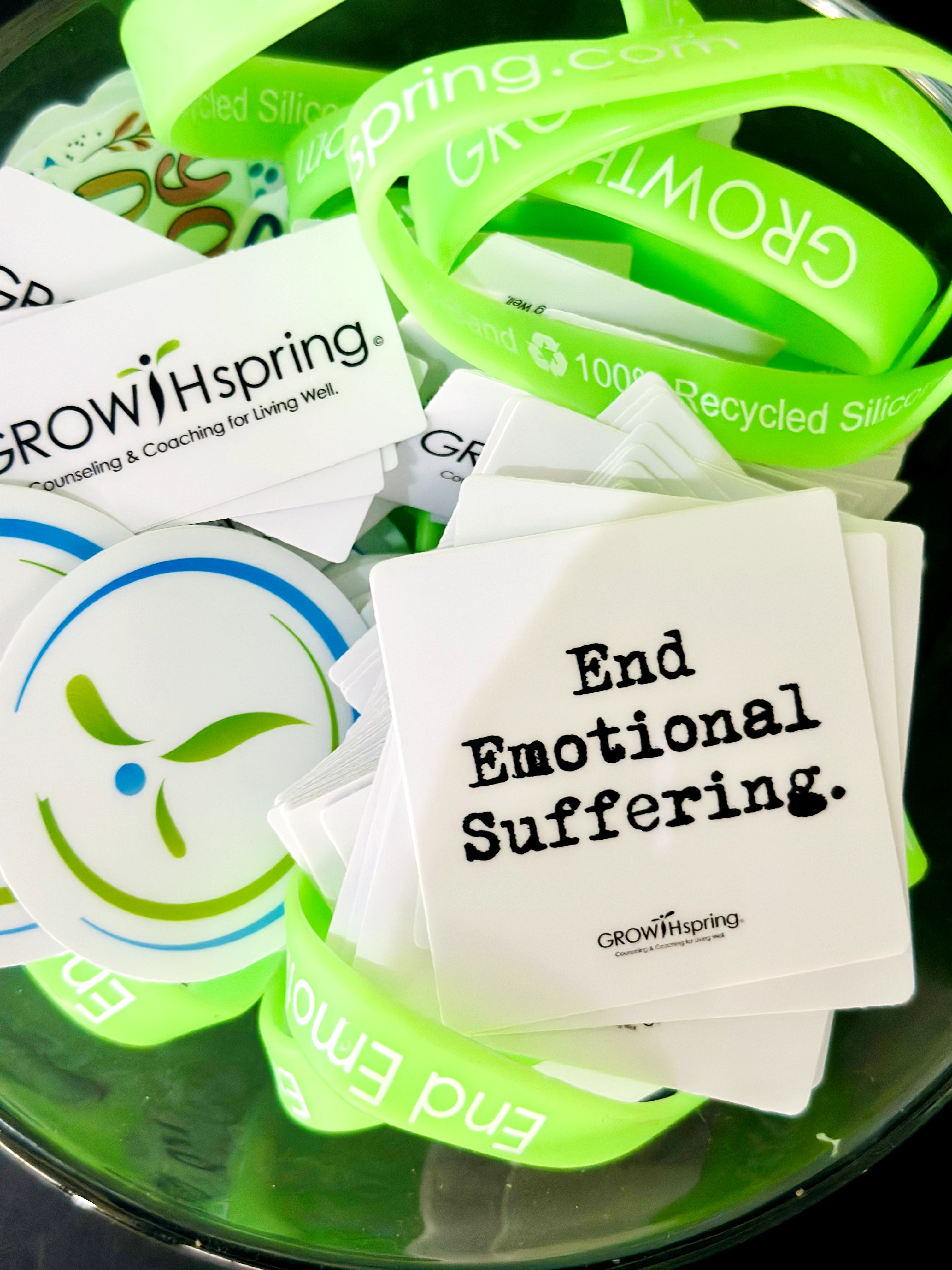
Today, I help people uncover the hidden patterns that quietly shape how they think, relate, lead and live. Through my private practice, GROWTHspring, I integrate evidence-based therapies with my own GROW STRONG framework to help people identify the adaptations and strategies they’ve mistaken for their identity and support them in becoming more Self-Led.
Whether I’m working with individuals, organizations, or audiences, my mission is the same: to help people distinguish what happened from what they have added to what happened, because that distinction is often where unnecessary suffering ends and genuine freedom begins.
Can you talk to us a bit about the challenges and lessons you’ve learned along the way. Looking back would you say it’s been easy or smooth in retrospect?
It’s been a smooth road for the most part. I learn as I go from each and every client I work with. Counseling in it of itself isn’t a hard science. There are no hard and fast rules… your job is to be with people as they navigate life. Since I don’t see people as a diagnosis but more as a human beings who have adapted to the things they have experienced in life the way I work with people is different. I see us all as able beings who are capable of making new choices, feeling through challenging feelings and creating life on our own terms if we want to. I have had to do this myself. I believe we all do better when we are believed in than if we are labeled as broken, deficient or incapable.
Thanks for sharing that. So, maybe next you can tell us a bit more about your work?
What I’m most proud of isn’t a particular credential or accomplishment—it’s the experience people have when they work with me.
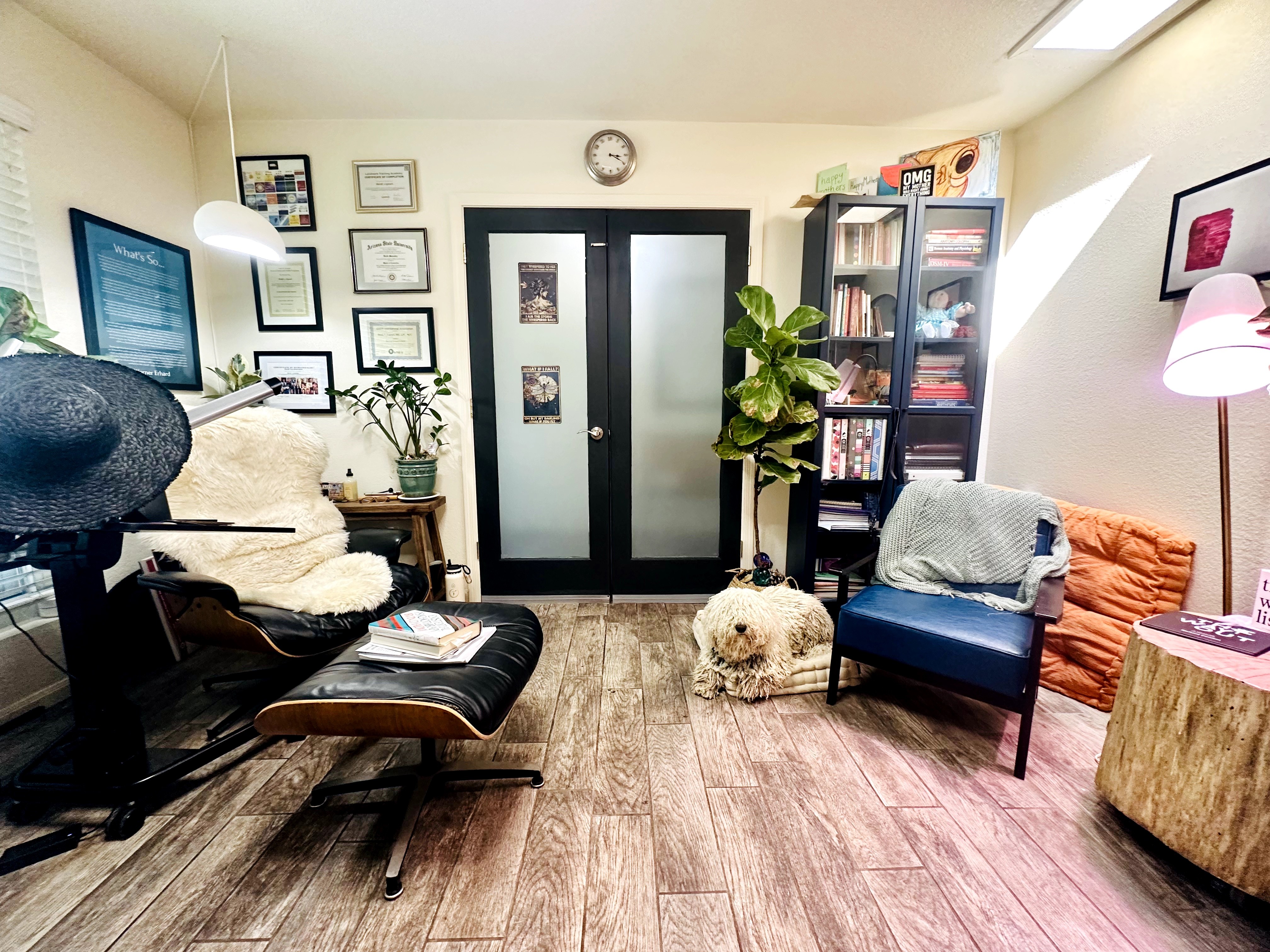
I strive to create a space where people feel genuinely seen, heard, and understood without judgment or the pressure to be anything other than who they are. I don’t approach people as though they’re broken or in need of fixing. I believe mental health is part of being human, and that many of the patterns we struggle with today were once adaptive strategies that helped us survive. My role isn’t to “fix” people—it’s to help them understand themselves more deeply so they can reclaim choice, self-trust, and authenticity.
What sets my work apart is the way I listen. Beyond hearing someone’s story, I listen for the meanings they’ve assigned to their experiences, the unconscious assumptions they’ve come to treat as truth, and the survival strategies they’ve mistaken for their identity. Together, we begin to distinguish what actually happened from what has been added to it over time. That shift often creates the clarity and freedom needed for meaningful change.
Whether someone is navigating trauma, burnout, an eating disorder, anxiety, or simply wants to live with greater intention, my goal is the same: to create a safe, collaborative space where they can better understand themselves, reconnect with who they are beneath their adaptations, and move forward with greater authenticity, resilience, and purpose.
Are there any books, apps, podcasts or blogs that help you do your best?
I’m a lifelong learner and genuinely curious about what shapes human behavior. I enjoy reading and listening to books and podcasts on psychology, trauma, neuroscience, leadership, and personal growth. Some of the thinkers who have influenced me include Marshall Rosenberg, Tara Brach, Deb Dana, Bessel van der Kolk, and John Maxwell, among many others.
People are often surprised to learn that I also enjoy true crime. It’s not the crime itself that draws me in—it’s the opportunity to better understand human behavior. I’m endlessly curious about how people’s experiences shape the way they see themselves, others, and the world. That same curiosity is what fuels both my clinical work and the frameworks I’m developing today.
More than any single resource, though, I’ve learned the most from the privilege of sitting with thousands of people over the course of my career. Their stories have continually challenged, refined, and deepened my understanding of what helps people heal and thrive.
Pricing:
- 175 a session
Contact Info:
- Website: https://www.GROWTHspring.com