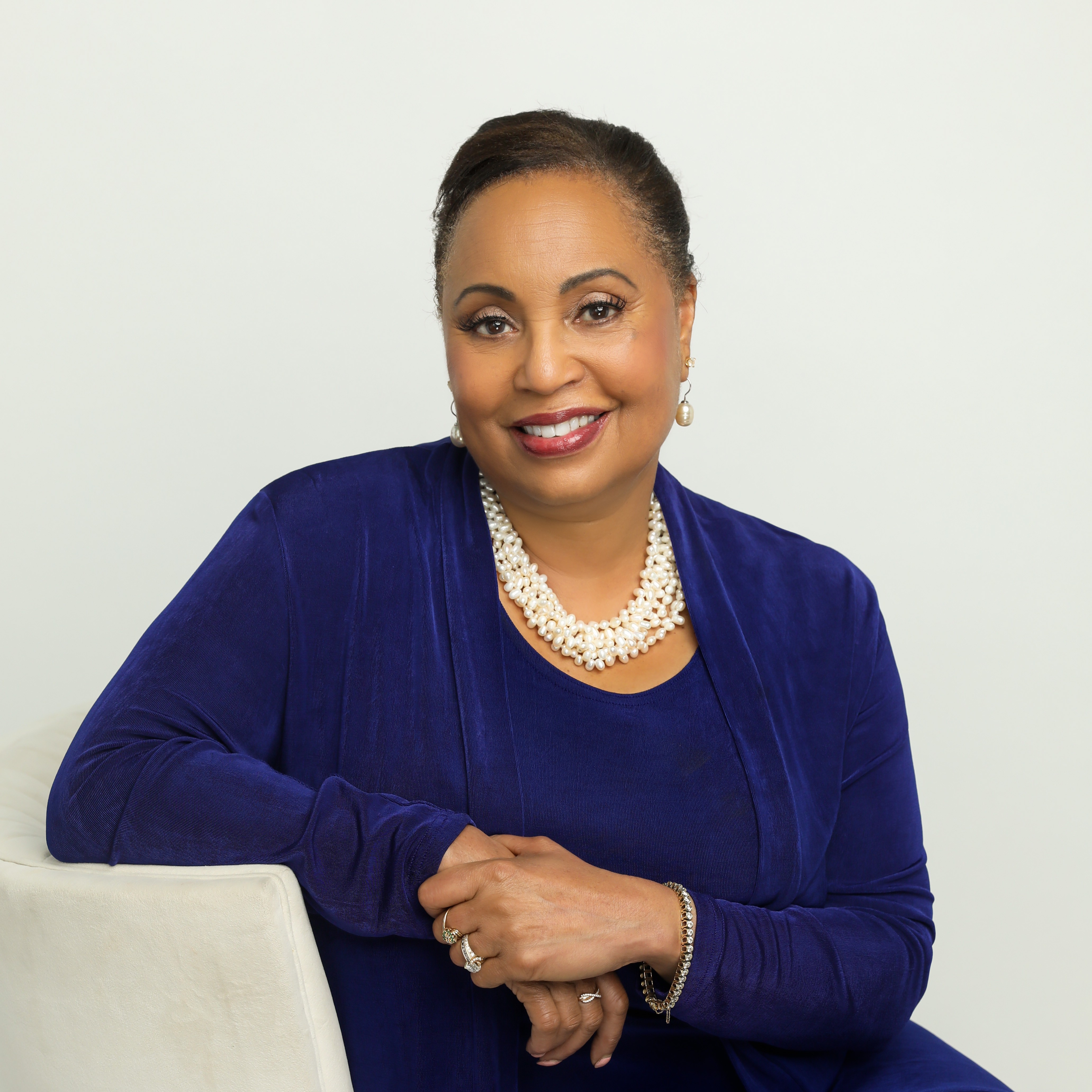
Today we’d like to introduce you to Beverely Elliott.
Hi Beverely, please kick things off for us with an introduction to yourself and your story.
I am and have been a retired educator. In February 2021, Jody, our then seven-year-old grandson, was assigned to complete a report during Black History month on an African American Hero. He went online and then asked, “Nanu (that’s what our grandchildren call me) don’t you help people with a museum in Michigan?” I said, “Yes, I do.” Then he went on to say, “So, where is the museum I can go to here in Tucson to learn about African American people who lived around here?”
I told him I would look into it and found what I already knew would probably be the case. The history of African American people, particularly around the country, is more than likely personal collections of artifacts, hearsay or oral history, documents, and family treasurers in trunks, garages, basements, and attics. Jody wanted me to know that we should have an official museum in Tucson and I agreed! So, on April 15, 2021 I began my research. We opened our doors on January 14,2023 to what we were told might be 70 -80 visitors..NOT Even it was over 350 visitors! In the almost 4 years our 1,200 square foot small museum has had over 10,000 visitors, received our certification by the Arizona Historical Society, we have won several awards for community outreach, and are working on expanding our digital footprint and space as so many stories that were lost – in plain sight – are being shared with us.
We all face challenges, but looking back would you describe it as a relatively smooth road?
It has not always been a smooth road, but there have been no significant struggles that impeded our ability to meet the program’s goals. Funding with any nonprofit is always the struggle.
AAMSAZ sustained programming and community engagement by leveraging new partnerships, in-kind contributions, volunteer support, and alternative funding sources. This enabled us to continue delivering educational programs, community events, and collaborative initiatives without interruption.
This strategy strengthened our relationships with community partners, who helped extend the reach and impact of our work. We are grateful to all those who helped sustain our mission. We wrote small grants that also were instrumental in helping us move forward.
Alright, so let’s switch gears a bit and talk business. What should we know about your work?
I serve as the volunteer Executive Director and co-founder of the African American Museum of Southern Arizona. My academic background is in Health Education, and I hold a master’s degree in Counseling. Throughout my career, I have been known as an educator, school counselor, community advocate for children and families, and someone deeply committed to preserving history through the arts and community engagement. One thing that often surprises people is that I am not a trained historian, curator, or docent—and I never intended to become one. I am simply a lifelong learner. When we envisioned creating Arizona’s first African American museum, I immersed myself in webinars, sought guidance from experienced museum professionals and mentors across the country, and learned everything I could about museum development, collections, exhibitions, and best practices.
What I am most proud of is not simply helping to build a museum, but helping to create a place where people feel their stories matter. Families from across Southern Arizona—and even around the country—have trusted us with their photographs, artifacts, and memories. They have shared stories of resilience, sacrifice, achievement, and love that might otherwise have been lost to history.
What truly sets our museum apart is that it was built by the community, for the community. We are supported by an extraordinary Board of Directors, dedicated volunteers, donors who truly love our mission, and countless individuals who believe that preserving African American history is essential to understanding American History and the history of Southern Arizona. Every exhibit, oral history, and program reflects that shared commitment, and it is an honor to help ensure these stories are preserved for generations to come.
If you had to, what characteristic of yours would you give the most credit to?
One of the qualities that has contributed most to my success is perseverance. I have learned that you do not have to be a historian or museum professional to preserve history—you simply need a willingness to learn, listen, and never give up. When we first shared the vision of creating the African American Museum of Southern Arizona, many people questioned whether it could be done. Rather than seeing obstacles, I saw opportunities. I reached out to mentors, attended webinars, and asked countless questions. Together, we built something that belongs to all of Southern Arizona.
Equally important is the ability to build relationships. The museum exists because individuals and families trusted us with their stories, photographs, artifacts, and memories. Every exhibit reflects a partnership, and every success has been the result of collaboration with our board, volunteers, donors, community organizations, the University of Arizona, and countless supporters.
I also believe in leading with humility. I often tell people that I am not the historian, curator, or docent—I am a lifelong learner and a community advocate. My role is to bring people together, create opportunities for others to shine, and ensure that stories that have too often been overlooked are preserved for future generations.
If there is one characteristic that defines my journey, it is the belief that every person has a story worth telling. That belief has guided every decision I’ve made and continues to inspire me every day.
Contact Info:
- Website: www.aamsaz.org
- Instagram: @aamsaz
- Facebook: facebook.com/AAMuseumOfSouthernAZ
- Youtube: @africanamericanmuseumofsou6100