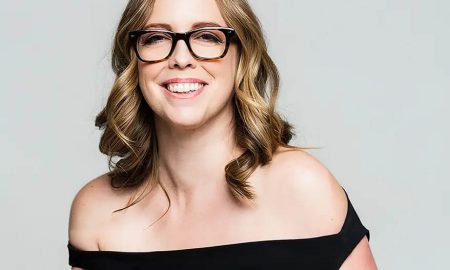
Today we’d like to introduce you to Fawn Cheng.
Thanks for sharing your story with us Fawn. So, let’s start at the beginning and we can move on from there.
I’m often asked how I got into End of Life work.
In my early 20’s, I read two books that molded me, On Death and Dying (Elizabeth Kubler Ross) and The Tibetan Book of Living and Dying (Sogyal Rinpoche). The former, a theory of the five stages of grief and the second, a practice for how to care for and show love to the dying. Both books set the stage for adulthood and taught me that death is not morose or depressingly morbid but rather a necessary part of the joy we experience as human beings.
Since then, I have been a student of Buddhist Psychology and Meditation, where it’s a common practice to contemplate one’s own death. The concept holds that thinking about our death will help us live a good life.
When we remind ourselves that our time here is finite, we get closer to what really matters. Death awareness brings a greater appreciation for those around us, for example, we might be less inclined to hold a grudge or to sweat the small stuff. It also motivates us to get honest about what’s good for us (for example, dropping unhealthy behaviors or getting help for an addiction). Like anything else, by leaning in to and studying something, we dismantle much of our fear about it. Same with death.
This defines wellness for me.
We are healthier, wiser, and more loving beings by paying attention to it.
You are going to die.
Even as we know this is true, it does feel like an assault when stated bluntly.
I don’t aim to be cavalier yet I know it stings to encourage a bold confrontation of it.
Why does it matter? So. Many. Reasons.
1. The way we are currently dying is in need of improvement. Our elderly generation needs better attention. They will soon be our biggest population and this will impact all of us. We can prevent or minimize exorbitant medical expenses, painful procedures that cause suffering, caregiver exhaustion, regrettable relationship rifts, emotional distress, guilt, and confusion.
2. When we put off facing death, we often miss opportunities to heal, grow, create a legacy, or financially provide for our long term care should we become terminally ill, even at a young age.
3. But arguably the most salient reason to consider your mortality is that it can help you drop the things that don’t matter and get dead-center (pun intended) with the things that do.
All of the above lead to a sense of meaning, clarity, connectedness, personal satisfaction, and happiness.
Ironic that it’s what most of us are searching for in the first place.
Death fluency (I call it Death EQ) doesn’t have to be morose, although the gravity of it does get you focused, it often stimulates creative and bonding dialog that may not occur on its own.
I know this topic isn’t interesting to everyone but I write about it for everyone. It’s my humble goal, with my unique voice, to help revolutionize the way we face death and care for those who are dying.
Overall, has it been relatively smooth? If not, what were some of the struggles along the way?
While getting people to see the value in death literacy and developing Death EQ is generally accomplished in one meaningful conversation, getting people to adopt a mindset with regular death fluency is a much bigger ask. Our culture is death averse. we have little patience for what’s not comfortable, cool, or convenient. Death and dying is none of those things.
This is why I am incredibly passionate about death education in pragmatic ways that aren’t as heavy and scary as people think. We will all face this fate and will likely have to care for someone who is facing it. The tremendous benefit to moving past the initial layers of death awareness is that we enable ourselves to have a more powerful and healing presence for those who are grieving or dying. This gives us more confidence in how we face our own mortality.
My advice to young women just starting their journey:
Start with the end in mind, death. If you could shout one command the whole world would hear before you died, what would it be? This message is an insight into your calling.
Now, if you knew you only had five more years to live and to make a go of this calling, what things would you eliminate right away? What is your list of non-negotiables? How would you treat your body? Your money?
Your self-thought? Your example to others? How would you treat obstacles and ‘failures’?
Death is a great motivator.
Please tell us more about your work, what you are currently focused on and most proud of.
I offer an online class called Death 101, which covers the following in approximately 70 minutes:
Why Thinking About Death Matters
How Death Impacts and Can Improve Every Facet of Your Life
Advance Care and Life Planning (Living Will and Healthcare Proxy)
Disposition of Remains
Planning a Memorial
Writing Your Obituary
Grief
And I offer a live Zoom class called The Do’s and Don’ts of Supporting Someone Who is Grieving
I also lead Death Planning “Parties”. These (90 minutes-2 hour) events are customized for each group – sometimes they are catered, sometimes they are potluck and BYOB. The ethos of these events is light and straightforward. Topics range from Advance Care Planning to Living Legacy to The Do’s and Dont’s of Supporting Someone who is Dying (or Grieving)
My sweet spot is Leaving a Legacy as I feel strongly that we help our loved ones grieve better (when we die) if we do certain things while we are still alive. Mourners long for signs/symbols from their loved ones who have died. They keep handwritten letters/cards and save videos of them. Reading and watching these makes them alive again and gives mourners much comfort.
The Secret Letter is a legacy class where participants are led through a life-journey and creative visualization exercises and then write hand-write letters or create artwork that is sealed and delivered on the second anniversary of our death. It is called The Secret Letter bc no one knows who the letters are written to and the method for how the letters are hand-delivered is a secret (and gift) as well. It’s a powerful activity!
Pricing:
- Pricing starts at $39 per person depending on class type and size
Contact Info:
- Address: Fawn Cheng
- Website: www.fawncheng.com and www.everythingdeath.com
- Phone: fawn@fawncheng.com
- Email: fawn@everythingdeath.com
- Instagram: https://www.instagram.com/fawncheng/?hl=en


Image Credit:
Phyllis Lane
Getting in touch: VoyagePhoenix is built on recommendations from the community; it’s how we uncover hidden gems, so if you know someone who deserves recognition please let us know here.
Popular
-

Phoenix’s Most Inspiring Stories
-
Building Love With Purpose: Darryl & DeLonda Tucker on Faith, Resilience, and Expansion
-

Andrea Savarese Is Redefining Veterinary Care Through Calm, Connection, and Compassion
-

Sun Cities 4 Paws Rescue Is Building a Sustainable, Compassion‑First Future for Feline Welfare