Today we’d like to introduce you to Shaun Palmer.
Shaun, please share your story with us. How did you get to where you are today?
I’m originally from Tucson. I moved up to Phoenix after high school to attend Grand Canyon University, where I got my Bachelor of Science in Athletic Training. After that, I attended A.T. Still University in Mesa, where I earned my Doctorate in Physical Therapy. While at GCU, I met my wife, Natalie, who is a Labor & Delivery nurse. We got married right after I graduated from college. Together we have two boys, Brayden (4) and Carter (8 months). We’re blessed to have an incredible community here in the greater Phoenix area. Both of our families live here and we have friends from college and church scattered throughout town as well. We enjoy having an active lifestyle, raising busy boys and being involved in activities with our friends and family.
I played sports growing up and during high school, I sustained a shoulder injury that landed me in physical therapy for most of a year. During that time I found it to be a profession that I was interested in – not only because I got to help people, but it was a profession that wasn’t lived out behind a desk. I loved always being on the move and getting to interact with people all day. So I chose a major in undergrad that would get me into grad school so I could earn my Doctorate in Physical Therapy. Since grad school, I’ve been working in outpatient orthopedic physical therapy clinics throughout the valley. My original vision for my career wasn’t to take this route.
I originally wanted to be on the medical staff of a baseball team. I even got to be an intern with the Milwaukee Brewers during college and grad school. After graduating from grad school I determined that I wanted to spend a couple of years in general sports and orthopedic clinics to gain a better understanding of how to treat a variety of conditions before becoming too specialized. After a couple of years, I started moving up the ranks of management and found a passion for building clinics and companies that could better serve patients and promote the profession of physical therapy. I’m currently the Director of Physical Therapy at Innovative Pain and Wellness in Scottsdale.
Here, I’ve designed a physical therapy program that is different from other clinics. We have a treatment dynamic that is truly patient-centered and advances the practice of physical therapy. I’ve found in my career that the field of physical therapy is struggling to find its identity right now. The field has undergone a lot of change in the past 2-3 decades and treatment from facility to facility looks drastically different, making it hard to know where to start when educating people about what physical therapy is and what good treatment should look like.
Since the 90’s, the field has progressed from being a bachelor’s level education and being completely under the direction of a physician to being a doctorate level profession with patients having direct access to physical therapists, allowing us to be completely autonomous in most cases, especially in Arizona. Without going into a full dissertation of where I see the field, let’s just say that the full field has not adapted and taken ownership of the knowledge and skills that we have. I’m always looking for new ways for our practice to grow and adapt and serve our patients better. More changes may be on the horizon there.
Outside of growing and building clinics, I enjoy being a part of the community and being able to network with other healthcare providers and find new ways to help patients. In 2018 I was asked to be a PT Consultant for SI Bone, which is a surgical device company that makes a device that fuses the SI joint. I travel for them, speaking at events, educating healthcare professionals about the SI joint – how to diagnose problems with it and how to treat it. I thoroughly enjoy educating others about a topic that is usually not well understood. There are about 100 of us consultants in the country. The more people we are able to get in front of to educate, the more patients we can help get out of pain.
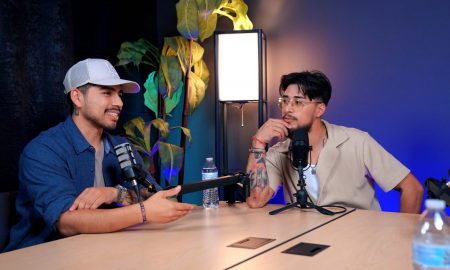
In 2018 I started a health/medical podcast with a couple of friends, which has continued to gain listeners. I thought it would be a fun side hobby, but my type-A personality can’t leave it alone and I’ve spent countless hours marketing, building the website and social media, and editing the episodes. We’ve been able to bring in some great sponsors to help us reach more people to educate them about areas of health that they may otherwise not know about. The podcast is called Doc Doc Goose and is available on all the major podcast platforms.
Through the podcast, one of our affiliates, RAD, asked me to be an ambassador for their brand. They make some really cool myofascial release tools like trigger point balls and foam rollers. As part of my agreement with them, I write monthly blogs for their website, choosing a new injury each month to educate their readers about and tell about how their tools can help. I love having opportunities like that to help get our brand out there and help educate people.
Great, so let’s dig a little deeper into the story – has it been an easy path overall and if not, what were the challenges you’ve had to overcome?
When I started this, I had no idea that it would become a full-time job. I thought it would be a fun hobby, but it didn’t stop there. I’m not the type of person that can leave something alone if it’s not what I feel is my best. I’m very type A. I spend hours building and refining our website, editing every episode, and marketing on social media. I’ve learned so much over the past year that I wouldn’t trade for anything, but it’s definitely taken a toll on my free time.
Dealing with technology is always challenging. We’ve had to record episodes multiple times because of internet problems or someone forgetting to press the “record” button, etc. It’s also a challenge to figure out how to market this or know who to market it to. We’re always trying to figure out how to improve our reach and appeal to more people. We’ve had some great feedback from people who currently listen, but we’re always trying to figure out how to find more listeners. The great thing about a podcast is that there’s so much freedom involved. It is whatever you want it to be. There aren’t really any rules. So for us, it’s a learning process. Our first couple of episodes are different than what we do now, and we’ll continue to learn what works and what doesn’t.
The Doc Doc Goose Podcast – what should we know? What do you guys do best? What sets you apart from the competition?
When I was at GCU, I met Ben Ihms, who quickly became one of my best friends. He went on from GCU to attend Midwestern University and became a DO. He practices at Desert Grove Medical down in Gilbert. Starting in college we had a group of friends that always went out for each other’s birthdays and we’ve continued that tradition ever since. Not only are they a good group of guys, but our conversations were just always really entertaining. We often said that some of the conversations should be recorded.
Well in 2016 I got into listening to podcasts, like a large percentage of the world, and one day came up with the idea that we should put together a medical podcast. When I brought the idea up to Ben, he wasn’t sure where I was going with this idea, but he was on board. So we started a media company called DDG Media and produced our first podcast called “Doc Doc Goose”. We came up with the vision of combining some elements that we didn’t hear in other podcasts. First, he and I were in different areas of healthcare so we could talk about a lot of different topics. It’s easy to find podcasts that focus just on emergency medicine, or certain diets, or sex, or specific specialities, but there wasn’t quite a podcast that we saw that regularly featured members of different medical communities.
On top of that, we brought in a personality that we called, “the goose”. Who is not in healthcare at all. He’s an architect, and he’s also Ben’s brother. His role as “the goose” is to be the person who doesn’t understand medical-speak and would ask the question that a normal patient or audience member would ask when we start talking about things that don’t make sense to most people. We didn’t want to get too deep into medical topics where most people wouldn’t understand what we were talking about. We wanted to engage everyone – both healthcare providers and non-healthcare providers. We wanted everyone to be entertained and be able to learn something too… hopefully.
At the end of 2018, we started to carry out our vision and recorded our first podcast. Now we have 15 episodes, a blog, social media pages, sponsors, and five-star ratings on multiple podcast platforms. On even-numbered episodes, we’re focusing on single topics and bringing in guests who are experts in those topics. On odd-numbered episodes, we’re each presenting a health article that caught our eye and discussing it. Really, I think we mainly have a competition to see who can come up with the strangest article. Each one stimulates conversation and we somehow end up learning something from it.
What moment in your career do you look back most fondly on?
I’ve had a lot of great opportunities in my career. During my undergrad years, I was able to become an intern with the Milwaukee Brewers on their medical staff, and in grad school, I was an intern with the medical staff of the Oakland Raiders.
Since starting my career I have worked with some great people, who gave me the opportunities to advance in management and learn new skills to make me both a better PT and manager. I think my proudest moment is a series of moments, where I’ve been given the opportunities to open and build new clinics and design a path to make them successful. I’ve been a part of the growth of several clinics and they are all still in good standing today. I was given the “Coach of the Year” award one year due to my growth with one company through difficult circumstances.
As it relates to the podcast, I am proud of what our podcast has achieved to this point, especially because it’s only a hobby for us. Over the past year and a half, we have had thousands of downloads and have some great companies who sponsor us now.
Contact Info:
- Website: www.ddgpodcast.com
- Email: shaun@ddgpodcast.com
- Instagram: @theddgpodcast
- Facebook: https://www.facebook.com/theddgpodcast
- Twitter: https://twitter.com/theddgpodcast
- Other: https://podcasts.apple.com/us/podcast/doc-doc-goose/id1437724644


Suggest a story: VoyagePhoenix is built on recommendations from the community; it’s how we uncover hidden gems, so if you or someone you know deserves recognition please let us know here.
Popular
-

Phoenix’s Most Inspiring Stories
-

Building Love With Purpose: Darryl & DeLonda Tucker on Faith, Resilience, and Expansion
-
Andrea Savarese Is Redefining Veterinary Care Through Calm, Connection, and Compassion
-
Sun Cities 4 Paws Rescue Is Building a Sustainable, Compassion‑First Future for Feline Welfare