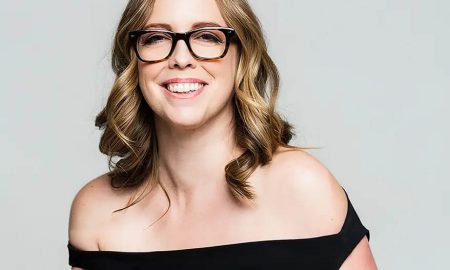
Today we’d like to introduce you to Qingyun Zou.
Qingyun, let’s start with your story. We’d love to hear how you got started and how the journey has been so far.
I was born in a city in the southeast part of China, which is called Yixing. I believe some of you may have heard about this city before, especially the ones who love ceramics or tea. Since this city is famous for making traditional Chinese ceramic teapots. I was raised in a family also make teapots for a living. My dad loves his job a lot and has made many beautiful works. I learned Teaching Chinese as a Second Language (Teaching foreigners Chinese) during my undergrad. At that time, I had never thought about I will learn art in a few years later.
After I graduated from undergrad, I start to learn to make teapots from my dad. We have a studio in peaceful countryside, which is surrounded by a large bamboo forest. I enjoyed that place and have found a lot of interest in making ceramic work. Making a traditional thing needs lots of techniques and patience. I practiced a lot in order to meet my dad’s high standards.
At the same time, I thought I have to learn more about art, especially contemporary art. So that I can bring some new ideas to the traditional work to make my work more like myself. That’s why I come to the US for further studying. Right now, I am currently an MFA candidate in ceramics program at Arizona State University. Working on ceramic sculpture works.
We’re always bombarded by how great it is to pursue your passion, etc – but we’ve spoken with enough people to know that it’s not always easy. Overall, would you say things have been easy for you?
When applying for art programs in universities, the portfolio must be the most important part. However, making a portfolio without any art or design experience is really a challenge. Many students may get some help with their portfolios from training facilities. But I decided to make it by myself and my parents had also given me a lot of encouragements.
I spent a couple of months to work on my works, at the same time, I was studying TOEFL, learning how to use ID and Ai Adobe programs as well as photography by myself. Choose what works to use to make my portfolio is also a hard part. Since I was learning to make traditional teapots and most of my works are traditional. I also try to design some “contemporary art”. I also tried some different materials and add them to my work. That time is hard but definitely meaningful, it helped me find a lot of possibilities of myself, gave me the confidence to explore more of art.
We’d love to hear more about your work.
Recently, I am working on sculptures, mostly with clay, sometimes I will add wood or other materials. I get my ideas from traditional Chinese philosophy stories. I am fascinated with philosophy. Reading always helps a lot to replenish our ideas of artworks. Besides reading, experiencing is also very important. I enjoy making organic forms, keeping clay’s original color, giving them the poetic tone. My newest work is called Samsara (endless cycle of birth and death and rebirth), talking about transmigration of lives. I have participated in Phoenix ceramic studio tour for two years. I had been showing and talking to people who come to visit my studio about my own works. Also, I had been doing demos about basic techniques of making traditional Chinese teapots and how to make tree texture.
Do you feel like there are certain traits that increase the likelihood of success?
Actually, I am just a student who’s still learning from professors right now. I can’t be related to the word “success” definitely. However, I think I am following some quotes. My dad told me if you want to be a great artist, you have to learn to be a person that can stand the loneliness. I truly feel that when I come to the US to learn the art. For ceramic makers, what we should do is stay in our studio, making tons of work to get improvement. The process must be lonely. Also, building up our own idea system, overturn ourselves and build up again is also a lonely process. What’s more, I also like the quote from Susan Sontag’s book “Against Interpretation”: Experience is more important than explaining.
Contact Info:
- Address: Arizona State University, Grant Street Studios, 605 E Grant St, Phoenix, AZ 85004
- Email: qzou8@asu.edu
- Instagram: heihei_zz
- Facebook: Qingyun Zou


Getting in touch: VoyagePhoenix is built on recommendations from the community; it’s how we uncover hidden gems, so if you know someone who deserves recognition please let us know here.
Popular
-

Phoenix’s Most Inspiring Stories
-

Building Love With Purpose: Darryl & DeLonda Tucker on Faith, Resilience, and Expansion
-

Andrea Savarese Is Redefining Veterinary Care Through Calm, Connection, and Compassion
-

Sun Cities 4 Paws Rescue Is Building a Sustainable, Compassion‑First Future for Feline Welfare