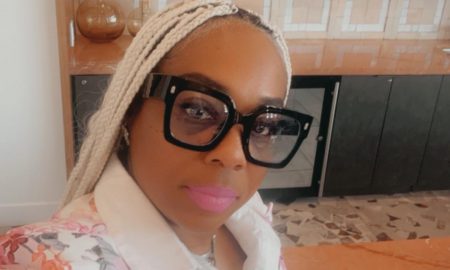
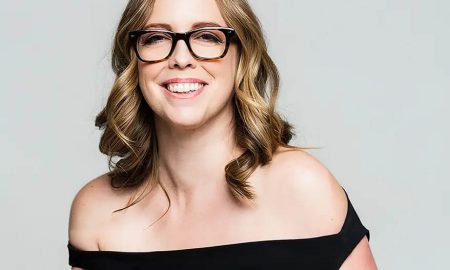
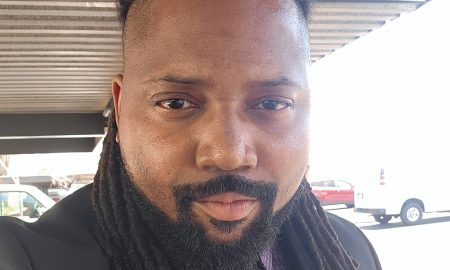
Today we’d like to introduce you to Erica Scott.
Thanks for sharing your story with us Erica. So, let’s start at the beginning and we can move on from there.
When it was time to be measured by a standardized test, the military acknowledged my intelligence, and for the first time, I felt accepted. My asthma prohibited me from military service, and I always yearned for other ways to serve.
After spending almost 20 years in Human Resources, I decided to give back by volunteering with non-profits veteran organizations. It was there that I discovered that I could connect with veterans in a very profound way that gains their trust. Many veterans shared stories about going into workplaces and experiencing uncertainty and feelings of isolation.
My expertise in rebuilding HR departments and defining companies, helped me discover a way to help the transition out of the military into civilian employers easier. Ultimately, I feel that veterans want to be seen, heard, and acknowledged for who they and how they can contribute to the mission. Today I work with companies transforming HR departments and building a strong company culture that helps create a sense of belonging for veterans.
Has it been a smooth road?
I spent many years learning about military culture and building relationships so I could gain credibility and trust. It was vital for me to understand what the transition out looked and felt like for veterans. My initial business model was to try and work with the veterans when they were still active, but I learned that the mission always takes precedence, so I had to make drastic changes to support a new purpose and focus.
Tell us more about your work.
We have a shoe problem going on in companies right now. It’s like companies are trying on the shoes of other companies, and it hurts and doesn’t make sense. No one would do that, and it goes from one extreme to another, with companies copying from each other. My expertise is in transforming traditional HR departments into energized, modernized, thriving people operations. When companies have a strong foundation, I can build unique, effective, and mindful veteran hiring programs.
While it is essential to focus on veteran employment, it is even more critical to ensure the workplace is conducive to veterans being successful at companies. When I speak with veterans, and they respond, saying that it feels like I understand them and that they trust me, it gives me momentum to keep going even when I hit roadblocks or resistance. I create cultures that support a sense of belonging so veterans and civilians can feel accepted and seen authentically.
How do you think the industry will change over the next decade?
Over my career, I have seen massive changes from a regulatory perspective that force dramatic shifts with employers. There are labor shortages right now, and the US is struggling to find talent with Science, Technology, Engineering, and Math (STEM). Veterans outpace civilians when in STEM, so we have a solution to innovation in the US. I anticipate mandatory regulations coming down from government agencies that will dictate that employers over 50 will need to have a strategy or process for veteran hiring on file to show compliance. While this may drive more results, how you define your company culture may be hard after the fact, so I would encourage all employers to make this a part of their strategy for the next 3-5 years to be ready for any dramatic changes.
Contact Info:
- Address: 221 E Indianola Ave, Phoenix, AZ 85012
- Website: www.civilianconnections.com
- Phone: 4807195178
- Email: erica.scott@civilianconnections.com
- Instagram: https://www.instagram.com/civilianconnections/
- Facebook: https://www.facebook.com/civilianconnectionsaz/


Suggest a story: VoyagePhoenix is built on recommendations from the community; it’s how we uncover hidden gems, so if you or someone you know deserves recognition please let us know here.
Popular
-

Phoenix’s Most Inspiring Stories
-

Building Love With Purpose: Darryl & DeLonda Tucker on Faith, Resilience, and Expansion
-
Andrea Savarese Is Redefining Veterinary Care Through Calm, Connection, and Compassion
-

Sun Cities 4 Paws Rescue Is Building a Sustainable, Compassion‑First Future for Feline Welfare