Today we’d like to introduce you to Dr. Ioannis Solos.
Alright, so thank you so much for sharing your story and insight with our readers. To kick things off, can you tell us a bit about how you got started?
I was born in Greece and moved to London as a teenager, and that’s really where my path into medicine began. Over time, I trained in integrative medicine and continued my medical education in China, where I completed my MD and PhD. I’m also a licensed acupuncturist, and I spent years in hospital-based clinical training working with complex cases.
Early on, I focused heavily on neurological and orthopedic conditions. What stood out to me was that many patients would improve, and then hit a plateau. That question stayed with me: what do you do when progress stops?
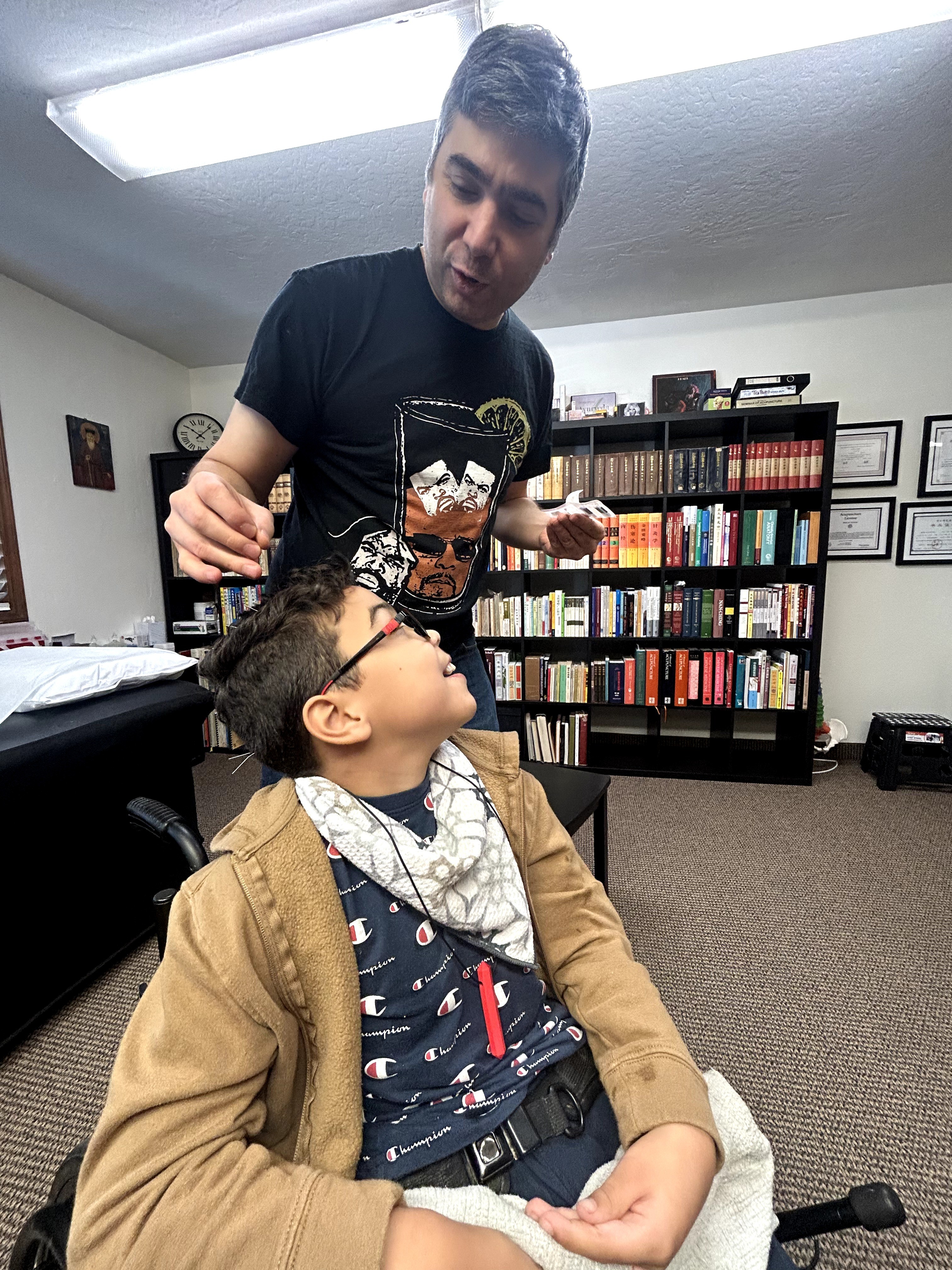
That’s what led me to keep refining my clinical approach and eventually develop what I now call Neuromodulation Acupuncture™. It’s a very hands on system, focused on how the nervous system is communicating, and how to shift that in real time during treatment.
Along the way, I’ve also been involved in teaching, research, and writing. I’m a peer-reviewed author and have had the opportunity to teach internationally and contribute to the academic side of the field.
In 2019, I moved to Arizona and founded Saint George Clinic and Research Institute. Today, the clinic focuses on neurological and orthopedic care for both children and adults, often working with patients who feel like they’ve run out of options or have hit a plateau.
Can you talk to us a bit about the challenges and lessons you’ve learned along the way. Looking back would you say it’s been easy or smooth in retrospect?
No, it definitely wasn’t a smooth road. I think people sometimes see the clinic now and assume it all came together quickly, but there were a lot of years behind the scenes that were difficult.
I left Greece when I was young, moved to London as a teenager, and later continued my education in China. Every time you move countries and cultures, you start over in some way. Different language, different systems, different expectations. That changes you. It forces you to adapt quickly.
Professionally, one of the biggest struggles was that I was never very interested in staying inside neat categories. I was always asking questions and pushing deeper into why certain patients improved while others plateaued. That can create resistance, especially when you’re developing ideas that don’t fit comfortably into conventional models.
There were also practical struggles people don’t see, long years of study, financial pressure, building a clinic from the ground up, balancing research, writing, teaching, and clinical work all at the same time. A lot of sacrifice goes into that. Most people only see the finished result, not the years where you’re sleeping very little and carrying all the risk yourself.
And honestly, some of the hardest moments come from the patients themselves. When families come to you after years of being told “this is the best it’s going to get,” you feel the weight of that responsibility. Those cases stay with you.
At the same time, I think those experiences shaped the work in an important way. They taught me persistence, observation, and humility. A lot of what became Neuromodulation Acupuncture™ came from years of clinical frustration, experimentation, and refusing to accept that plateau was always the end of the story
Thanks for sharing that. So, maybe next you can tell us a bit more about your business?
Most clinics are built around managing symptoms.
We built Saint George Clinic and Research Institute around one question:
What happens when the nervous system changes?
That question shaped everything we do.
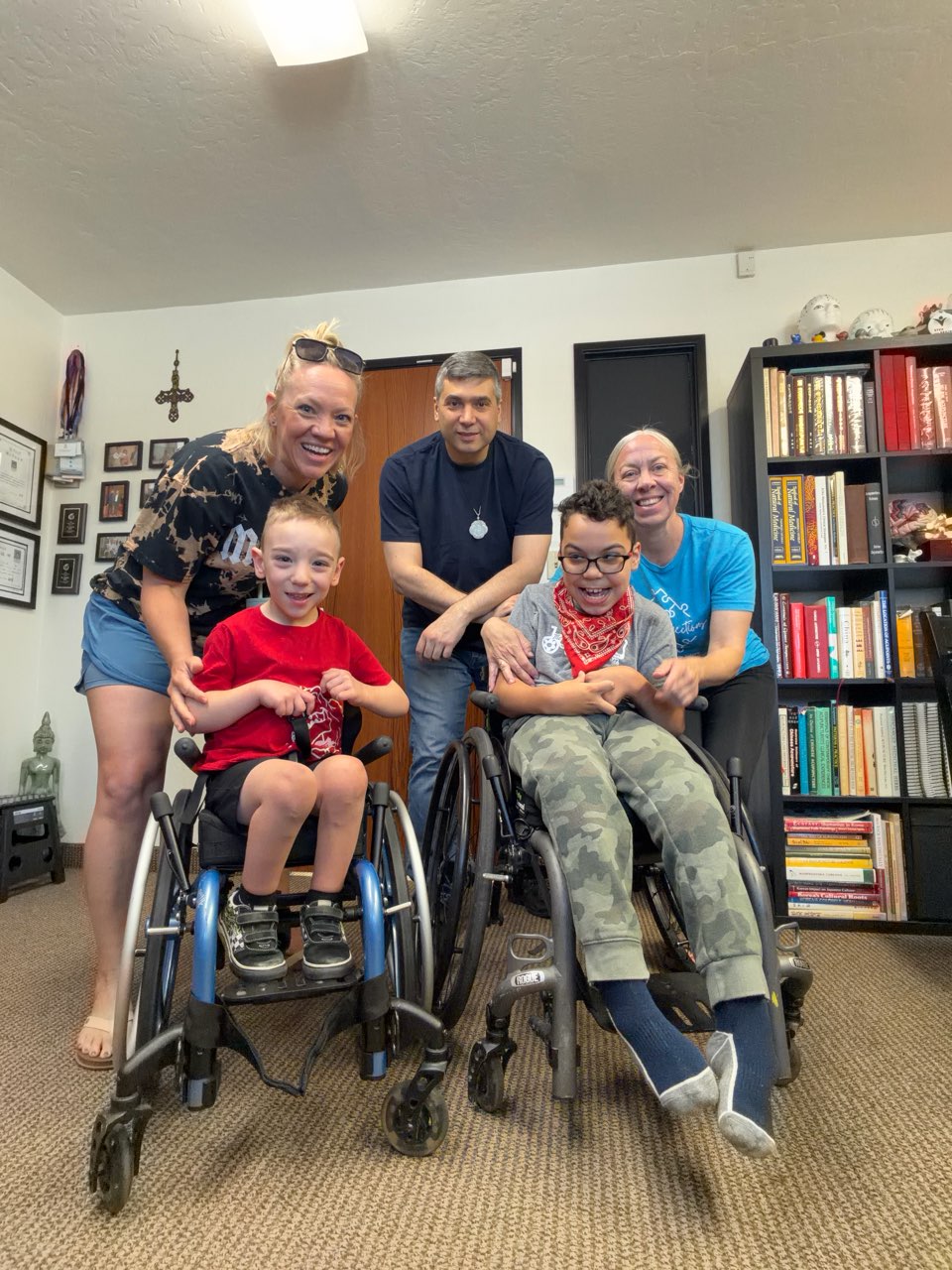
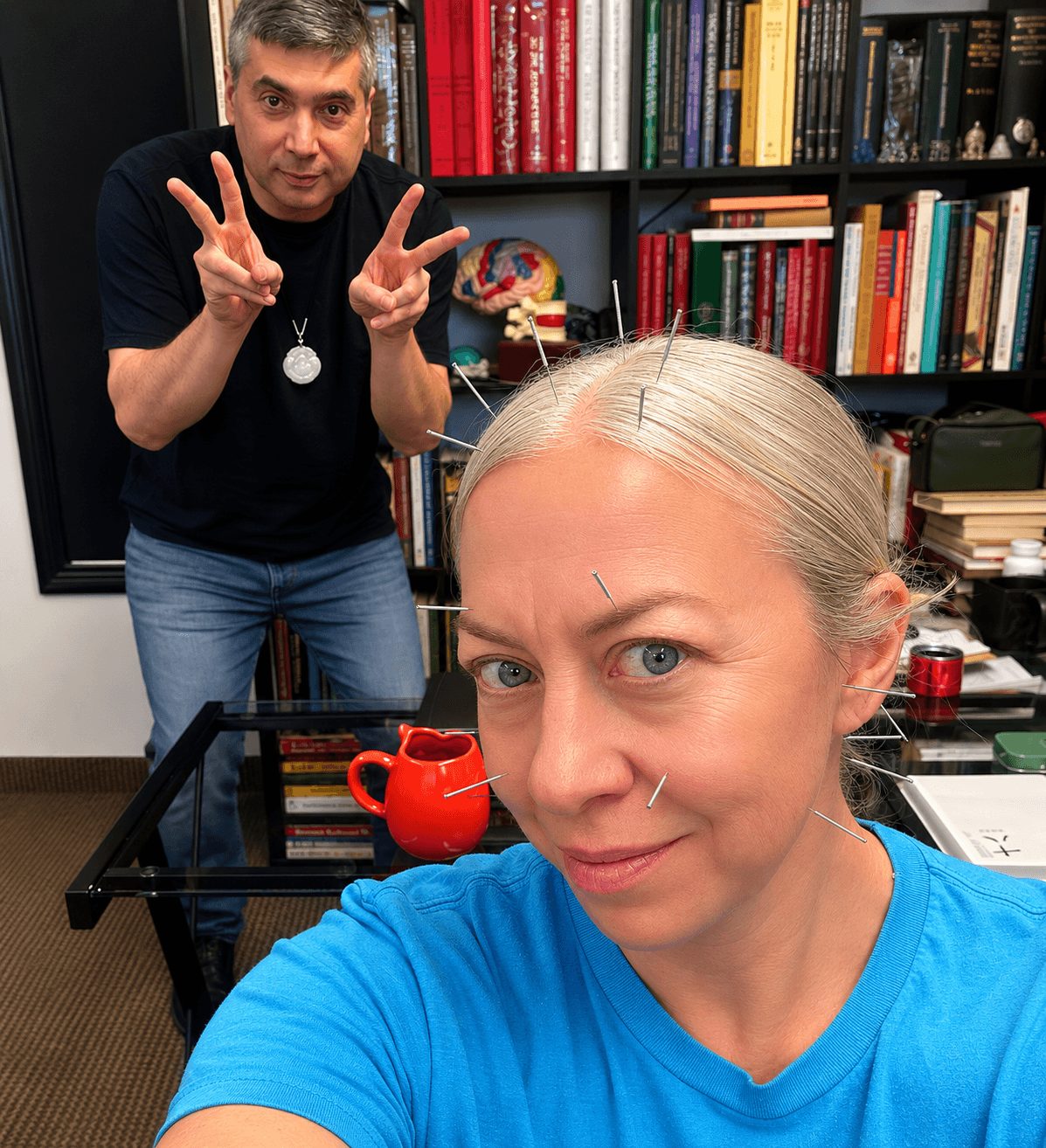
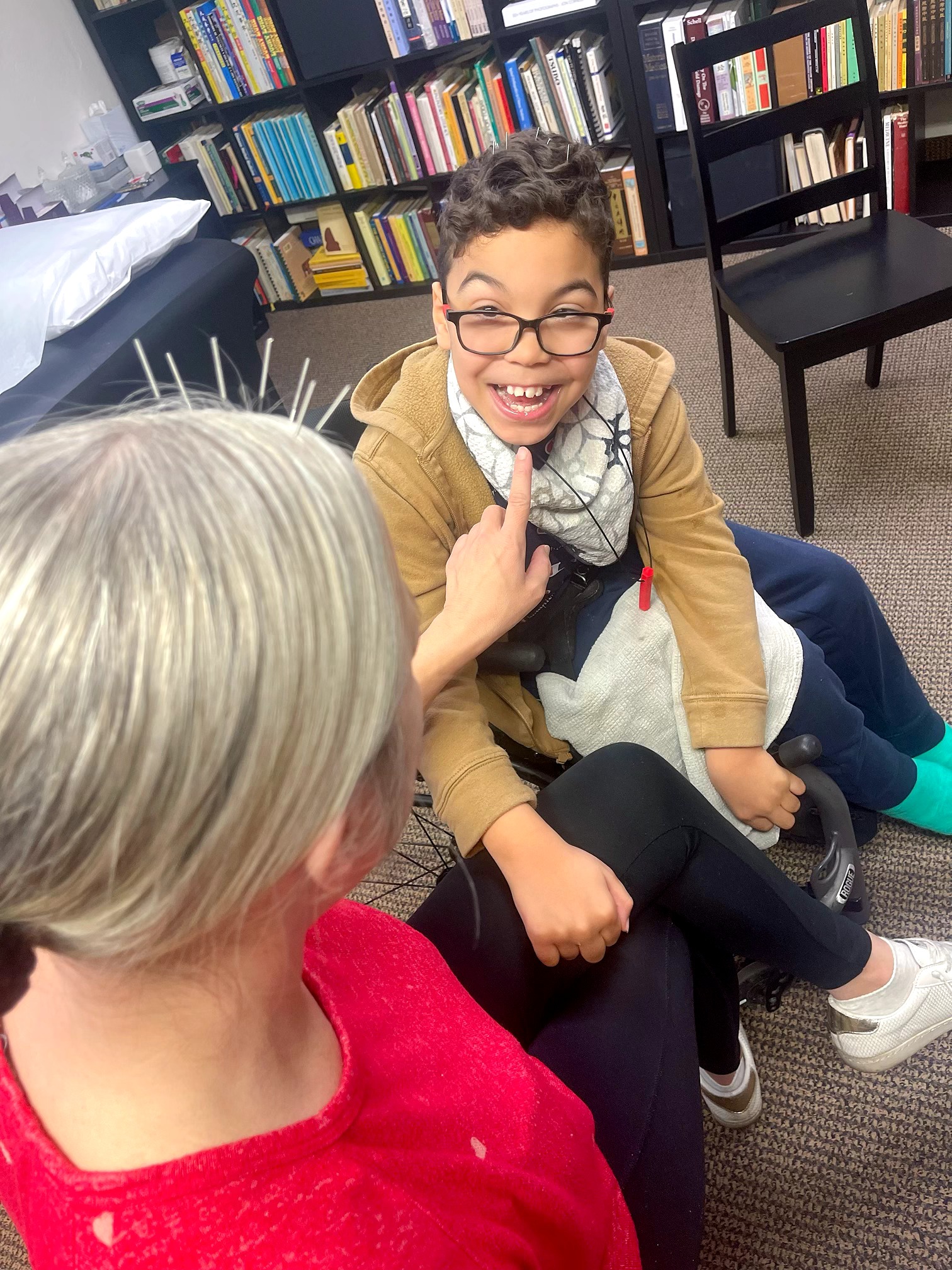
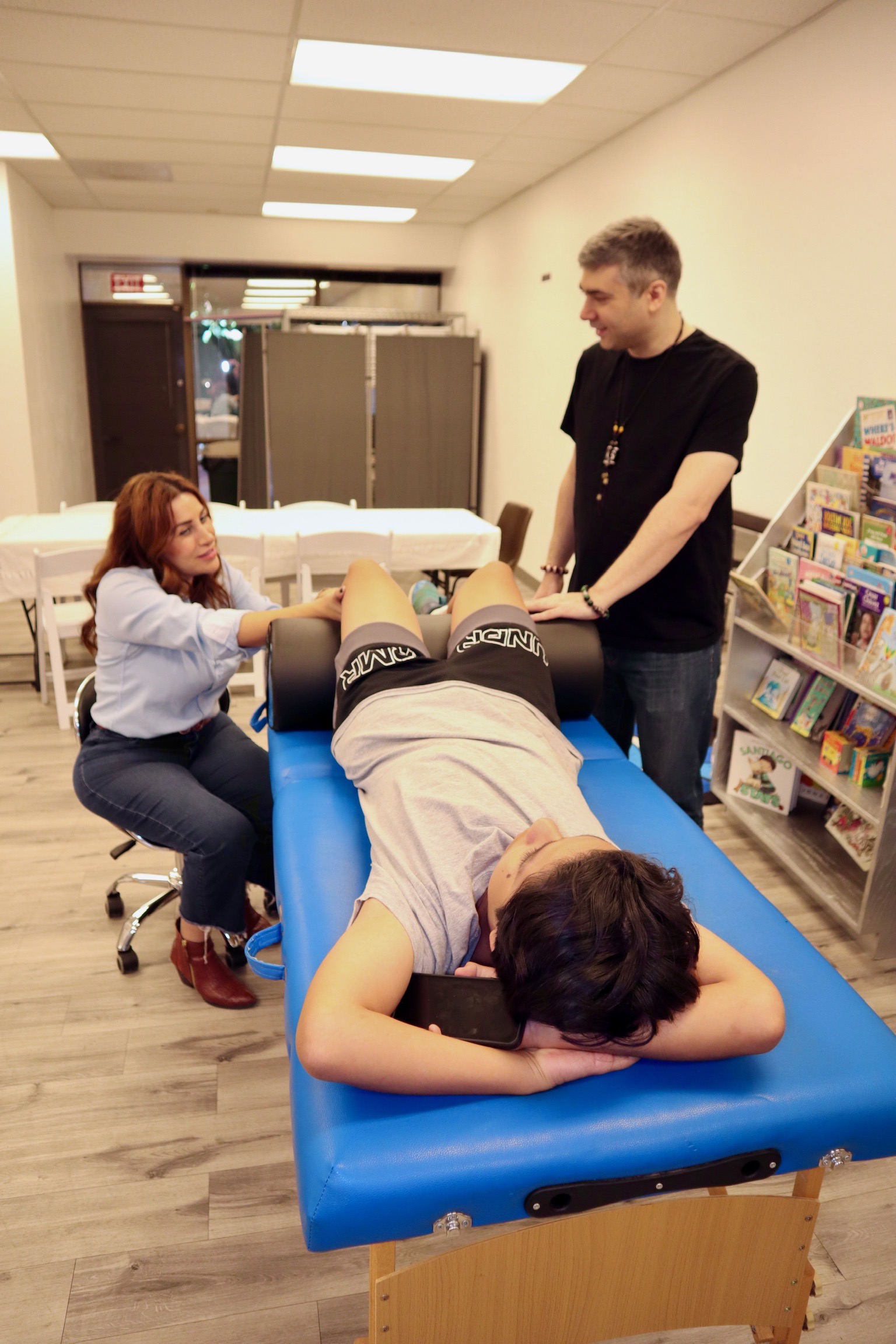
We’re a neurological and orthopedic specialty clinic in Tempe, Arizona, known for our highly hands-on approach using Neuromodulation Acupuncture™ and Cellular Medicine. What people notice immediately when they walk into the clinic is that it doesn’t feel like a typical medical environment.
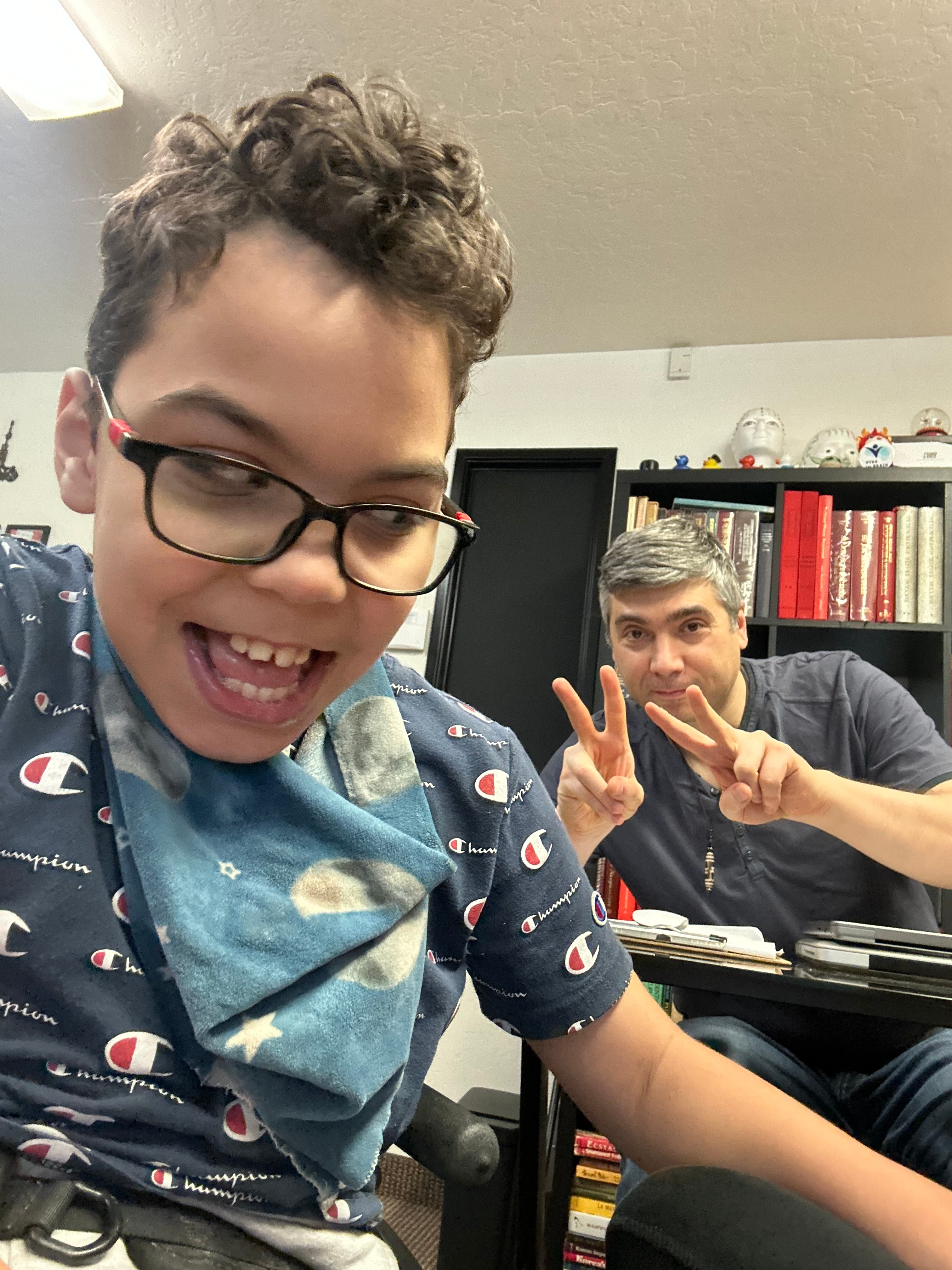
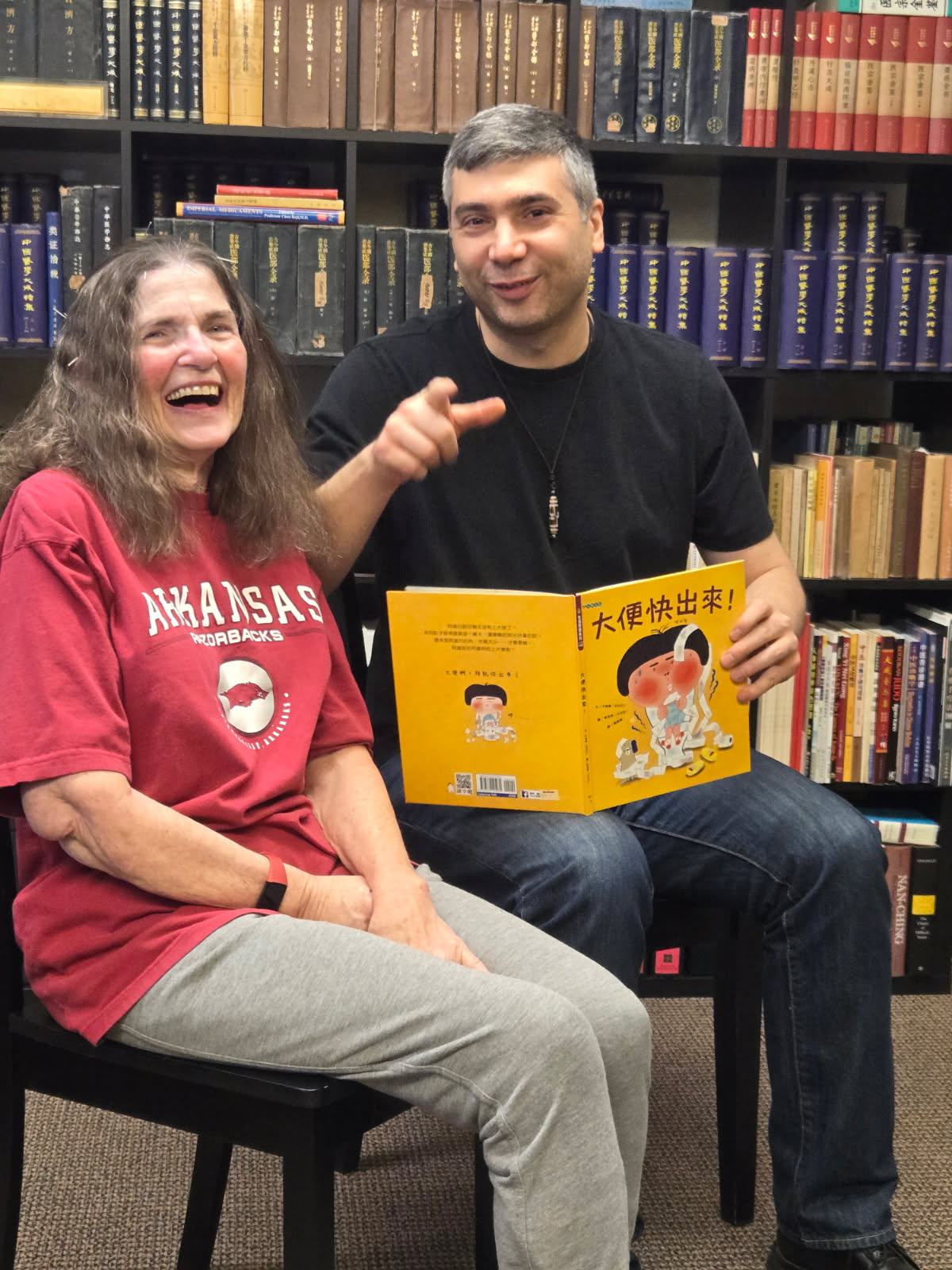
There’s usually 90’s pop music playing in the background. People are laughing. Patients are moving during treatment. We’re constantly testing, adjusting, observing. It’s active, relaxed, and very human. Many patients arrive already overwhelmed from years of appointments, therapies, and difficult experiences, and we never wanted the clinic to feel cold, sterile, or intimidating. Sometimes the traditional medical environment adds even more stress to an already overloaded nervous system.
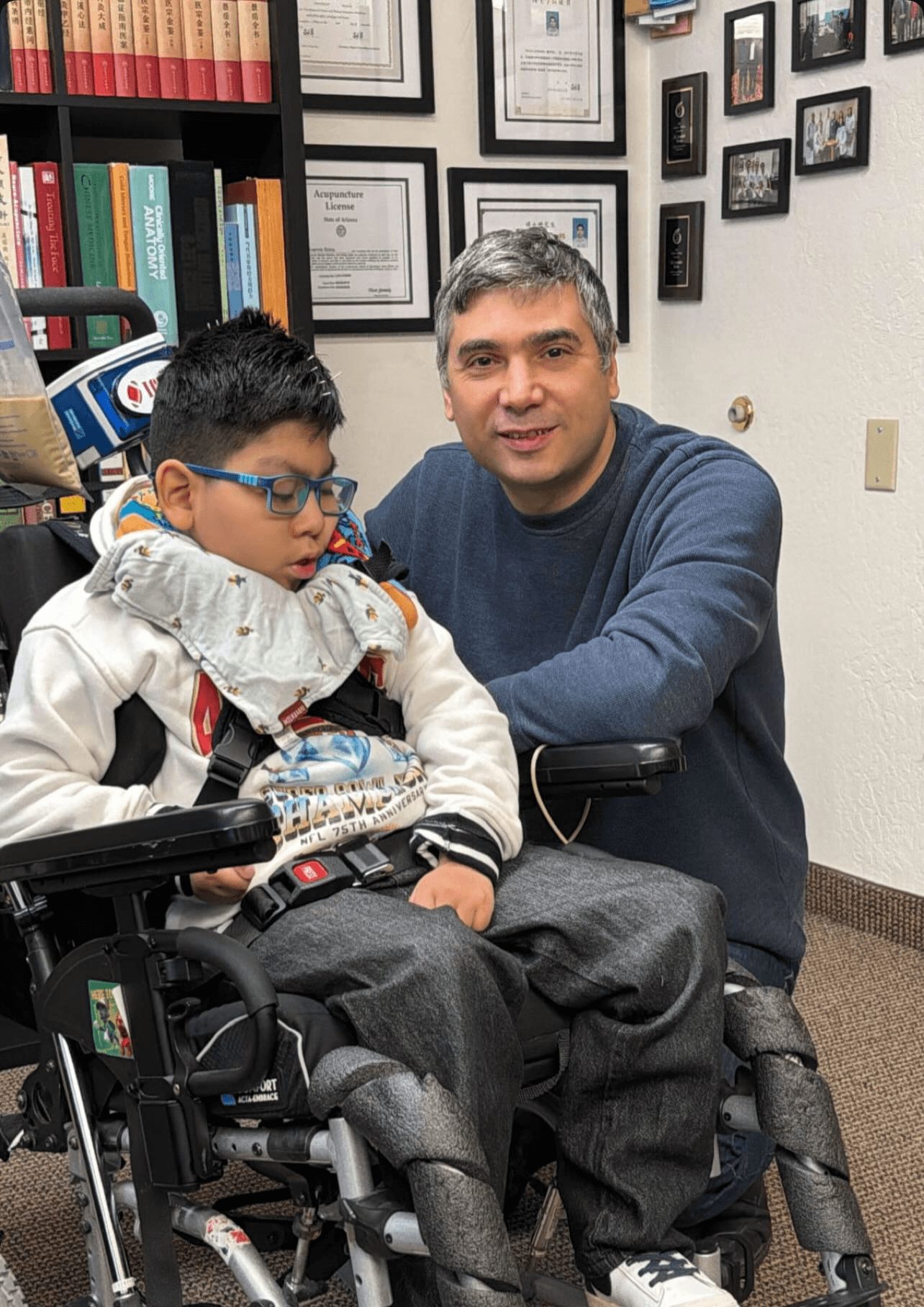
A lot of our patients come to us after years of failed therapies, surgeries, medications, or being told they’ve “reached their maximum potential.” We work with children and adults facing neurological and complex orthopedic conditions: from facial paralysis and stroke recovery to chronic pain, movement disorders, and pediatric neurological challenges.
What sets us apart is that we’re not chasing temporary symptom relief. We’re focused on function. Can the arm move differently? Can the gait change? Can speech improve? Can the nervous system reorganize? That’s the work.
People travel to our clinic from around the world because the treatments are different, the environment is different, and the philosophy is different. We don’t believe the nervous system is static. We believe the body is constantly adapting, and when you understand how to communicate with the nervous system correctly, sometimes very unexpected things can happen.
The other thing that defines the brand is that it was built through clinical obsession, not marketing. Years of hospital training, research, teaching, publishing peer-reviewed work, and treating difficult cases shaped this clinic. Nothing here was designed to look impressive online. It was built to produce results in real treatment rooms with real patients.
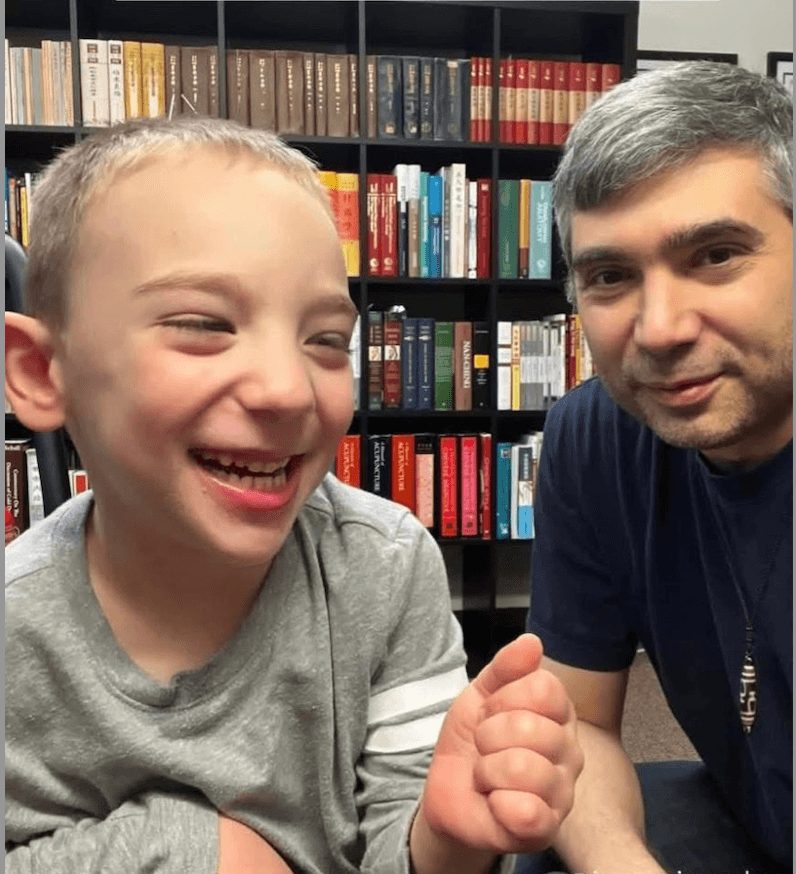
What I’m most proud of is probably the trust. Families fly across the country with children they’ve fought for their entire lives. Adults walk in after losing hope. That level of trust carries a lot of responsibility.
At the end of the day, Saint George Clinic and Research Institute is not just about acupuncture and cellular medicine. It’s about restoring possibility where people were told there wasn’t any left.
Do you have recommendations for books, apps, blogs, etc?
I read constantly. A lot of it is medical literature, research papers, neuroscience, rehabilitation, biomechanics, fascia research, and older Chinese medical texts. One of the most important things in healthcare is staying curious and continuing to question what you think you know.
PubMed, CINAHL, Web of Science and Research Gate have been useful from the academic side, especially for following newer publications and discussions around neurology, pain, and rehabilitation. I also spend a lot of time reviewing clinical footage and treatment recordings because sometimes small details reveal important patterns.
The clinic environment itself is also something I think about carefully. In the mornings, we play a lot of 90’s house music. There’s interesting research around rhythm, auditory stimulation, and the nervous system, and the consistent rhythmic structure of house music may help support neuroplasticity: the brain’s ability to adapt and form new neural connections over time. Beyond that, it changes the energy of the environment. Patients relax more, move more naturally, and the clinic feels alive instead of overly clinical.
Movement has also influenced me for years: internal martial arts, posture, gait, body mechanics, and observing how people move through space. Many clinical insights come from observation, not just textbooks.
And some of the greatest education comes directly from patients. If you pay attention long enough, patients will teach you patterns and connections no book can fully explain.
Contact Info:
- Website: https://www.SaintGeorgeClinic.com
- Instagram: https://www.instagram.com/saintgeorgeclinicaz/