Today we’d like to introduce you to Dr. Gabrielle Ficchi.
Hi Dr. Gabrielle, thanks for joining us today. We’d love for you to start by introducing yourself.
I grew up with cerebral palsy, so disability was never an abstract concept for me. It shaped how I navigated physical spaces, education, accommodations and other people’s expectations of what my life could look like from an early age. When people told me college was not realistic, I became determined not to let someone else’s expectations define my future. I went on to earn multiple degrees, become a licensed therapist and certified rehabilitation counselor, and eventually complete my doctorate.
Along the way, my perspective on disability evolved. I moved from thinking about disability as something to overcome to understanding it as an identity and a natural part of human diversity. My lived experience, combined with my professional work, showed me that many of the greatest barriers disabled people face are not inherent to disability itself, but come from inaccessible systems, environments and attitudes.
Today, my work sits at the intersection of disability, mental health, caregiver support and systems change. I built my private practice around providing disability-informed mental health care, and later co-founded Care 4 the Caregivers after seeing how little support existed for the emotional well-being of caregivers raising children with disabilities. I also serve as full-time counseling faculty at the University of Phoenix, where I help prepare future counselors to support diverse clients and communities. Through Care 4 the Caregivers, I focus on supporting caregivers and advocating for more inclusive systems that recognize the well-being of the entire family.
Alright, so let’s dig a little deeper into the story – has it been an easy path overall and if not, what were the challenges you’ve had to overcome?
My biggest obstacles were not my disability itself; they were the low expectations, inaccessible environments, and systems that often made everyday opportunities harder to access. The way people perceive disability has also been a significant challenge, especially when assumptions about what disabled people can or cannot do shape the opportunities we are given before we ever have a chance to show what we are capable of. Those same assumptions are often communicated to parents about their children’s potential, reinforcing preconceived ideas about what is or is not possible and, in turn, leading families and systems to underprioritize independence and autonomy.
I learned early that access is rarely automatic. You often have to ask for it, explain why you need it and sometimes defend your right to it. That experience shaped how I understand advocacy today.
Professionally, I also saw how much pressure families and caregivers carry. Parents of disabled children are often expected to navigate healthcare, education, insurance and countless other systems while also managing their own careers, relationships and mental health. That experience reinforced my belief that caregiver well-being cannot be treated as separate from the well-being of the person receiving care.
Thanks for sharing that. So, maybe next you can tell us a bit more about your business?
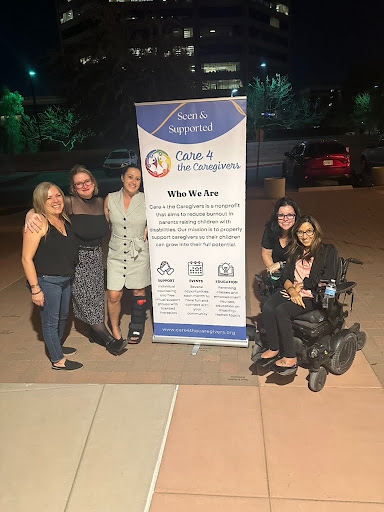
Care 4 the Caregivers is an Arizona nonprofit focused on the mental health and well-being of caregivers raising children with disabilities. We created the organization because caregivers are often given an enormous list of things they need to do for their child, but very little support for what caregiving is doing to them emotionally, socially and personally.
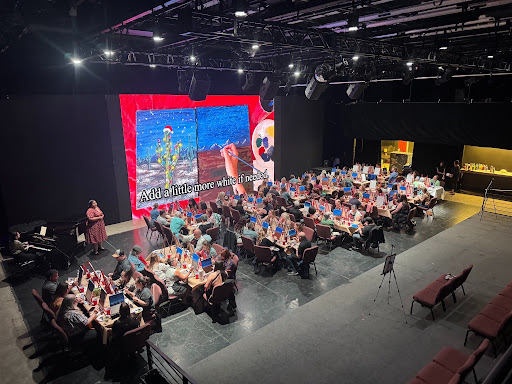
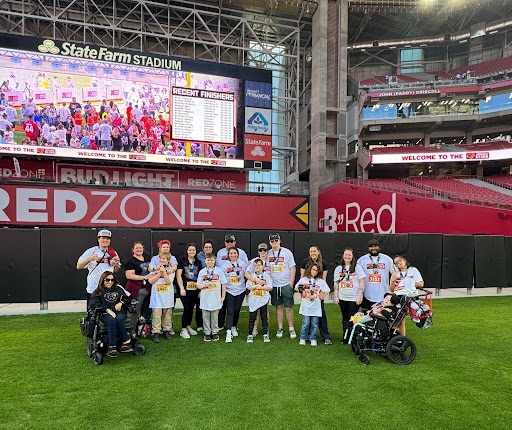
What sets us apart is that we do not look at caregiver support as one service or one support group. Our work brings together disability-informed mental health care, education, peer and community connection, and practical resources. Our Thriving Together program, for example, supports caregivers over six months through individual therapy, educational programming, support groups and opportunities to build genuine relationships with other caregivers.
We are also very intentional about how we talk about disability. We can acknowledge that caregiving can be exhausting, isolating and complicated without treating disability itself as a tragedy. A major part of our work is helping families challenge low expectations, support their child’s independence and autonomy, and see disability as a natural part of human diversity.
I am especially proud that our work is grounded in both lived experience and research. Our leadership includes people who personally understand disability and caregiving, and we have begun studying the outcomes of our programs so that we can continue improving what we offer and contribute to a larger conversation about caregiver mental health.
Ultimately, I want people to know that caregivers deserve more than being told to practice self-care or simply keep going. They deserve meaningful mental health support, education, connection and a community that recognizes that their well-being matters too.
How do you define success?
I define success by impact, growth and whether the work I am doing is creating meaningful change. Degrees, titles and professional accomplishments are important, but for me, they matter most when they open doors, create opportunities and allow me to contribute to something bigger than myself.
Success can look like helping someone feel more confident, changing a system or practice that was not working, building something that meets a real need, or helping people see possibilities they may not have seen before. It also means continuing to grow personally and professionally while staying connected to the values that matter most to me.
Ultimately, I define success as knowing that I am using my experiences, skills and opportunities in a way that makes a difference and helps move people and communities forward.
Contact Info:
- Website: https://care4thecaregivers.org/
- Instagram: https://www.instagram.com/careforthecaregivers/
- Facebook: https://www.facebook.com/C4TCG
- LinkedIn: https://www.linkedin.com/in/gabrielle-ficchi/