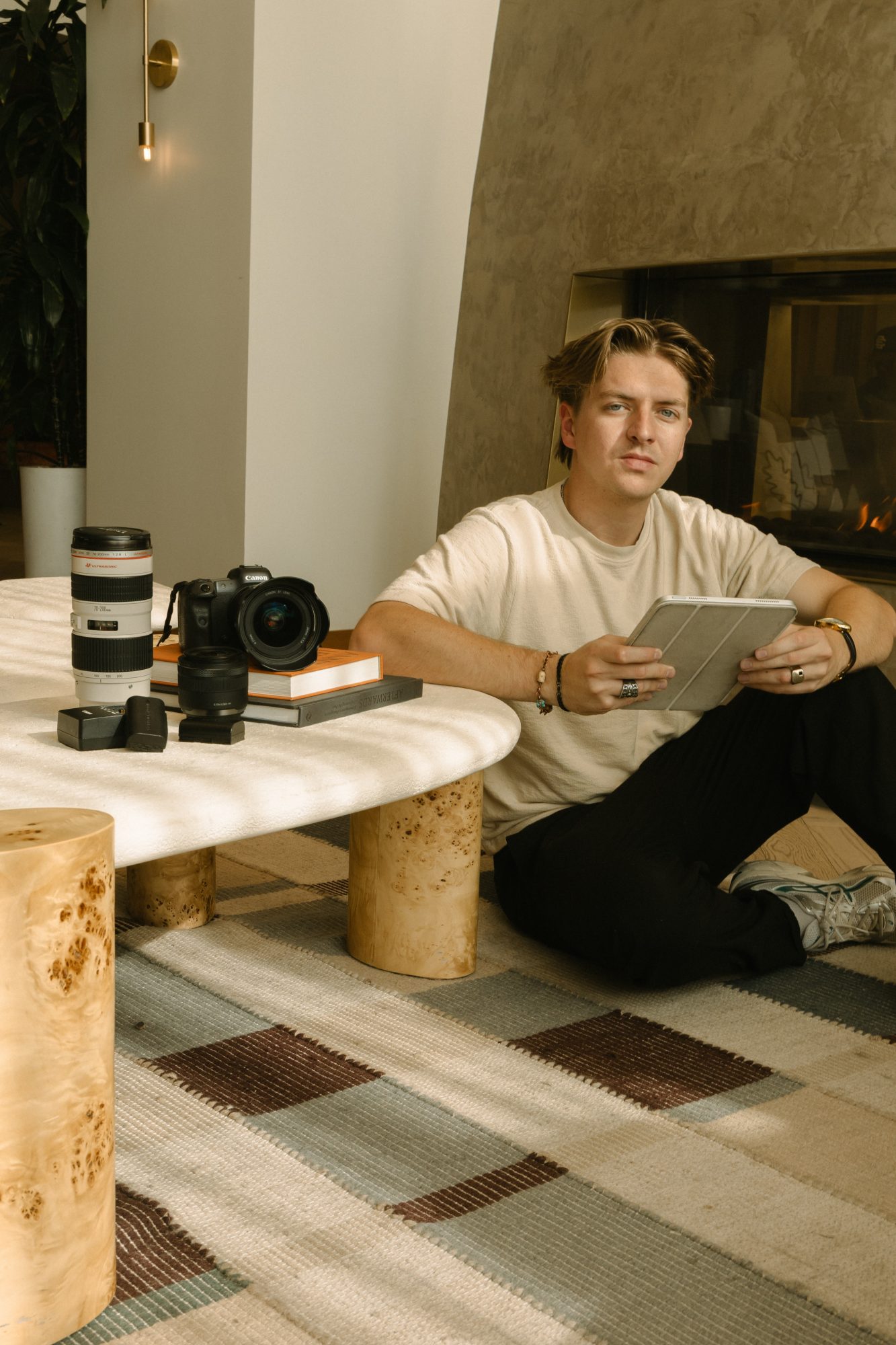
Today we’d like to introduce you to Alexander Peet.
Hi Alexander, we’d love for you to start by introducing yourself.
I was born and raised in Miami, and most of my childhood was spent in a condo in Downtown Miami. I was diagnosed with ADHD at 8 and Asperger’s at 10. I spent elementary school in a small specialized program for kids with ADHD and autism, with 7 to 12 students per class and no traditional grades. My parents moved me into mainstream school for 7th grade, and the adjustment was rough. I got bullied hard. But I adapted. You learn to read a room fast when you have to.
Before that, I was obsessed with buildings. I lived in Chicago for a year when I was six because of my dad’s work, and the skyscrapers rewired something in my brain. I wanted to be an architect. Then we moved back to Miami, and that turned into weather. I watched The Weather Channel more than Nickelodeon. I made YouTube videos doing mock hurricane forecasts. That eventually turned into journalism, which brought me to the University of Arizona in 2015. My high school graduating class had 24 people. I needed a real campus.
In 2008, I got my first video camera as a Christmas gift. And from that point on, I filmed everything. Friends, hallways, storms, walks around Brickell, whatever was in front of me. I needed to record the world around me so I could hold onto it. Archive it. Remember it exactly as it happened. I did not think of it as creative work at the time. But that little camera was the first tool that matched the way my brain already worked.
At UofA, I switched from journalism to Information Science junior year after failing the same law class twice. It was frustrating at the time, but it was the right call. I also minored in Photography, which had been a hobby since I got my first real camera in December 2013. Sophomore year, I hosted a student radio show on KAMP called Peet’s Beats, playing electronic music on Friday afternoons. I was already deep in the music world. I just had not connected it to the camera yet.
That happened by accident. One night in the fall of my junior year, I brought my camera to a frat party after doing street portraits earlier that day. Something clicked. I liked how it felt. I started shooting every weekend after that, sharing Google Photos albums in the frat group chat, then photographing DJ friends at campus bars by senior year. That one random night changed the direction of my life. I had figured out what I wanted to do. I just did not know yet what it would cost.
In February 2019, a few days before my 22nd birthday and a few months before graduating, I was walking home late at night after shooting for a local DJ. I got robbed outside my apartment building. My camera and gear were taken, and I was stabbed twice in the back. I got rushed to the hospital. The whole ride there, I was thinking about the photos on that memory card more than anything else. I was back shooting within weeks. Some things you do not quit even when you probably should.
After graduating, I moved to Scottsdale in June 2019. I got into this work because I wanted to tell stories that would not get forgotten. Phoenix has a creative scene that often does not get documented the way it deserves, and that bothered me enough to do something about it. I wanted to capture the people, the moments, and the energy here in a way that felt true to what was happening.
I spent a few years working in B2B marketing. That work taught me how to write ads, run campaigns, and understand attention. The whole time, I was building the photography business on nights and weekends, shooting nightlife every weekend for two years straight. That stretch of reps built my speed, confidence, and consistency behind the camera more than anything else.
I shot Decadence, Goldrush, and nights at Sunbar, Maya, and The Hot Chick. Then the scope got bigger. I worked directly with artists like HAYLA, MK, and Disco Lines. I shot SEMICON West and photographed Phoenix Mayor Kate Gallego and ASU President Michael Crow in the same frame. I shot Molson Coors at the WM Phoenix Open. I covered conferences, corporate events, small businesses, and people building real things in the Valley.
But in 2025, I realized I wanted to do something different. I had spent years building across photography, video, and marketing, and I no longer wanted to keep those skills in separate lanes. After coming back to Phoenix from multi-week summer excursion in Europe, I had a clear thought: what if I merged my visual instincts, production background, and pattern recognition into one offer I could use to help brands think better, create better, and perform better? What if I built something rooted in strategy, not just execution, something I could do from anywhere while still seeing the world and bringing that perspective back into the work?
That was the shift. In July 2025, I announced my move into creative strategy.
I’m glad I did. It gave a name and structure to work I had already been building toward for years. It also opened a path that fits the way I actually want to live: scaling strategy as the core engine, while still providing visual direction and production work for businesses, people, and brands in Phoenix that need someone with real taste, speed, and context.
A few months later, while shooting Goldrush Music Festival, I made a joke image for the internet that turned into a live case study in attention. I used AI to swap a DJ’s face with Barack Obama’s in one of my photos and posted it as a meme. I just wanted to see if it would get a laugh. It got more than that. The photo passed 6 million views across platforms. Within days, I was on CNN. Fox 10 Phoenix called too. What held my attention was not the attention itself. It was the mechanics of it. Why people shared it even after seeing the AI label. Why it made them stop. Why it spread.
That is the same instinct that drives the strategy work I do now.
I run performance creative strategy for B2C brands across DTC, digital products, and consumer services. It pulls from everything that came before: production, editing instinct, visual taste, and years of studying what actually makes people stop and care. My work is UGC-based ad creative: concepts, scripts, casting direction, and campaign structure built to convert.
The production background matters because I know what a good shot looks like. I know how to direct talent. I know how pacing, tone, and visual texture change whether someone keeps watching or keeps scrolling. When I write a script, I can already see the final cut. When I review raw footage, I know what is working and what is missing before the data confirms it.
In my first 90 days with a major global health tech brand, I helped drive more than $106K in tracked ad revenue and cut cost per acquisition by 70 percent. The work outperformed celebrity-licensed content in the same account by more than 10x. I currently run strategy across seven active client accounts, with brands up to $120M in annual revenue. Founders reach out directly now.
The through line never changed. I have always been wired to notice what moves people. Now I have a system around it that turns that instinct into measurable results.
Today, The Lens of Peet has two sides. The Lab is strategy: B2C creative, ad concepting, and campaign architecture for brands that need advertising that performs. The Darkroom is production: photography, video, and visual content built on years of real work in the Valley and beyond. The kid who made mock weather reports and carried a Flip camera everywhere because he could not stand the idea of a moment disappearing built a career from that same impulse.
I’m 29, based in Scottsdale, and finally operating at the size this city helped me grow into.
Alright, so let’s dig a little deeper into the story – has it been an easy path overall and if not, what were the challenges you’ve had to overcome?
No. Not even close.
I was diagnosed with ADD at 8 and Asperger’s at 10. I spent elementary school in a specialized program with less than twelve kids per class. When my parents moved me into mainstream school for 7th grade, I got bullied hard. I was the new kid who didn’t know how to read a room yet. I learned, but it took time and it cost something. You don’t come out of that without developing a hyperawareness of how people operate around you. That wiring has been both a gift and a tax my whole life.
I was a late bloomer in almost every sense. Socially awkward through most of high school. Graduating class of 24 people. No dating experience until college. I spent years feeling like I was running behind some invisible timeline everyone else seemed to have figured out.
In February 2019, days before my 22nd birthday and a few months before graduating college, I got robbed walking home from a shoot. Stabbed twice in the back. Rushed to the hospital. The whole ride there I was thinking about the photos on that memory card. I was back shooting within weeks. That moment could have been the thing that made me quit. It wasn’t.
After graduating I moved to Scottsdale and couldn’t find steady work for months. Then COVID hit. I got laid off from my first real job during peak lockdown. What followed was a string of contract roles over the next couple years where I was trying to find my footing in a job market that didn’t make any room for how my brain works. I got let go from one for disorganization. Spent years doing work that had nothing to do with what I wanted to build. None of it felt like mine.
The photography was always there on the side, but building a business on nights and weekends while working a 9-to-5 that drains you is a specific kind of exhaustion that people don’t talk about enough. I shot nightlife every single weekend for two years straight. Some of those weeks I was running on four hours of sleep, editing galleries at midnight, then showing up to a desk job the next morning pretending I had energy left. My ADHD made all of it harder. Staying organized, hitting deadlines, keeping track of moving pieces across a day job and a side business simultaneously. There were long stretches where I felt like I was failing at both.
I spent most of 2024 in a corporate marketing role that never fit. Good people, wrong environment for how I’m wired. When that chapter ended in December 2024, I went several months without steady marketing income. I was pet-sitting, shooting whatever gigs came in, applying to remote roles, and trying to hold it together while building something I believed in but couldn’t yet prove.
The loneliest part wasn’t the money. It was the gap between what I knew I could do and what anyone was willing to pay me for. I had the taste, the eye, the instinct. I just didn’t have the container for it yet. That stretch taught me more about patience and self-trust than any win ever has.
By the second half of 2025, things started turning. I landed a creative strategy contract that let me prove what I’d been building toward. Within 90 days I was running campaigns for seven brands and producing results that outperformed content made by people with way bigger budgets and teams. The work spoke. Founders started reaching out. I paid off every dollar of debt by December 2025, the first time in my life I’d been at zero.
The road wasn’t smooth. But every detour taught me something I use now. The ADHD taught me systems. The bullying taught me how to read people. The stabbing taught me what I’m willing to endure for this. The years of misfit jobs taught me what I actually want. And the broke, uncertain months in 2025 taught me that I can build from nothing if I trust the instinct and keep moving.
Alright, so let’s switch gears a bit and talk business. What should we know?
The Lens of Peet is a creative studio built on two sides that talk to each other.
The Lab is the strategy arm. I work as a Performance Creative Strategist for B2C brands across DTC, digital products, and consumer services. The work is UGC-based ad creative: concepts, scripts, casting direction, and full campaign architecture built around human psychology and buying behavior. I study why people buy, not just what they click. Every piece of creative I produce is designed to convert. I currently run strategy across seven active client accounts spanning up to $120M in annual revenue, spanning health tech, wellness, and government services. In my first 90 days with a major global health tech brand, I helped drive over $106K in tracked ad revenue and cut their cost per acquisition by 70%. That result outperformed celebrity-licensed content in the same account by more than 10x.
The Darkroom is the production arm. I’m a photographer and videographer specializing in music, lifestyle, commercial, corporate, events, and studio portraiture. If there’s a moment worth capturing in this city, there’s a good chance I’ve been behind the camera for it.
What sets the studio apart is that both sides inform each other. Most strategists have never touched a camera. Most photographers have never written an ad. I can write a script and see the final cut in my head before it’s filmed. I can review raw footage and know what’s missing before the data confirms it. That crossover between creative instinct and performance thinking is what clients keep coming back for.
The site, thelensofpeet.com, leads with strategy. Photography lives on its own subdomain at photography.thelensofpeet.com. That structure is intentional. The business is positioned as a Creative Strategist who owns a production facility, not a photographer who happens to know marketing.
What I’m most proud of is the positioning. I built something where the strategy makes the production sharper and the production makes the strategy more credible. Founders are now reaching out directly for retainers without me chasing them. That tells me the work speaks for itself.
If you’re a brand that wants creative built to move the needle, or you need someone behind the camera who understands what the final product needs to do and not just what it needs to look like, that’s what this studio was built for.
Is there any advice you’d like to share with our readers who might just be starting out?
Trust the weird path. The thing that makes you feel like you’re behind is usually the thing that’s building something nobody else has.
I spent most of my twenties thinking I was falling behind because my career didn’t look like a straight line. I was working jobs that had nothing to do with what I wanted. I was watching people my age hit milestones I hadn’t touched yet. What I didn’t realize was that every misfit role, every lateral move, every skill I picked up in a job I didn’t love was quietly stacking into something nobody else around me could replicate. The combination only makes sense in hindsight. It never looks like progress while you’re in it.
If your brain works differently, stop trying to force it into environments that weren’t built for it. I wasted years blaming myself for not thriving in settings that were fundamentally wrong for how I’m wired. The problem was never my brain. It was the container I kept putting it in. The moment I found work that matched how I actually think, everything changed. If something feels like you’re pushing a boulder uphill every single day, that’s just misalignment.
Get your reps in before you worry about getting paid. Volume is how you build taste, speed, and confidence. By the time paying clients show up, you should already be sharp. You can’t skip that phase. You can only shorten it by being more intentional each time you show up.
And learn to trust your instinct over your comfort zone. Every major turning point in my career came from a moment where I made a move that scared me a little. The worst that happens is you learn something. The best that happens is it changes your life.
Pricing:
- Photography: starting at $200/hr (2-hour minimum)
- Videography: starting at $250/hr (2-hour minimum)
- Creative strategy sessions: starting at $300
- Monthly strategy retainers: starting at $1,500/mo
Contact Info:
- Website: https://thelensofpeet.com
- Instagram: https://instagram.com/thelensofpeet
- Facebook: https://facebook.com/thelensofpeet
- LinkedIn: https://linkedin.com/in/alexander-peet
- Twitter: https://x.com/thelensofpeet
- Other: https://photography.thelensofpeet.com
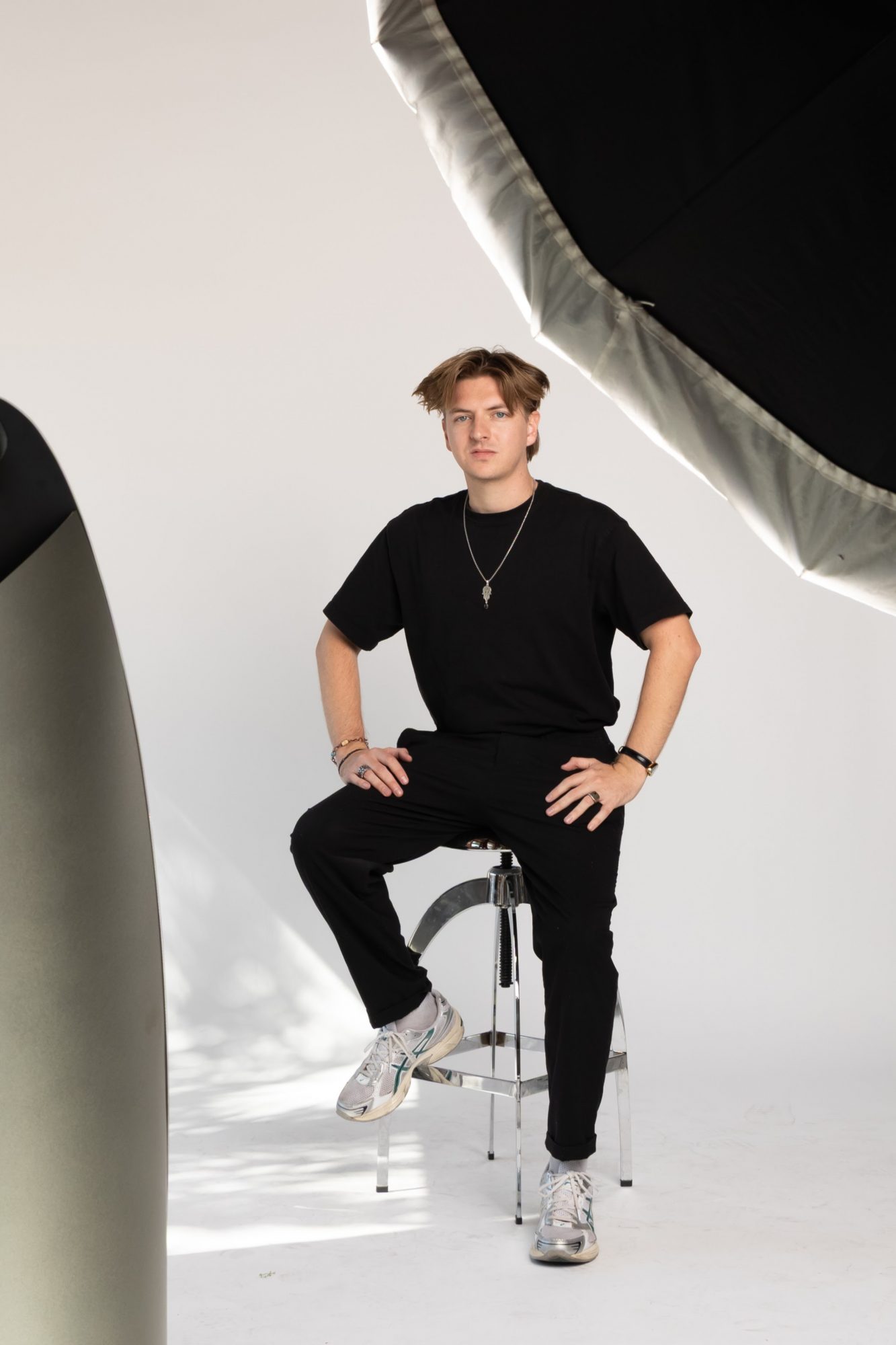
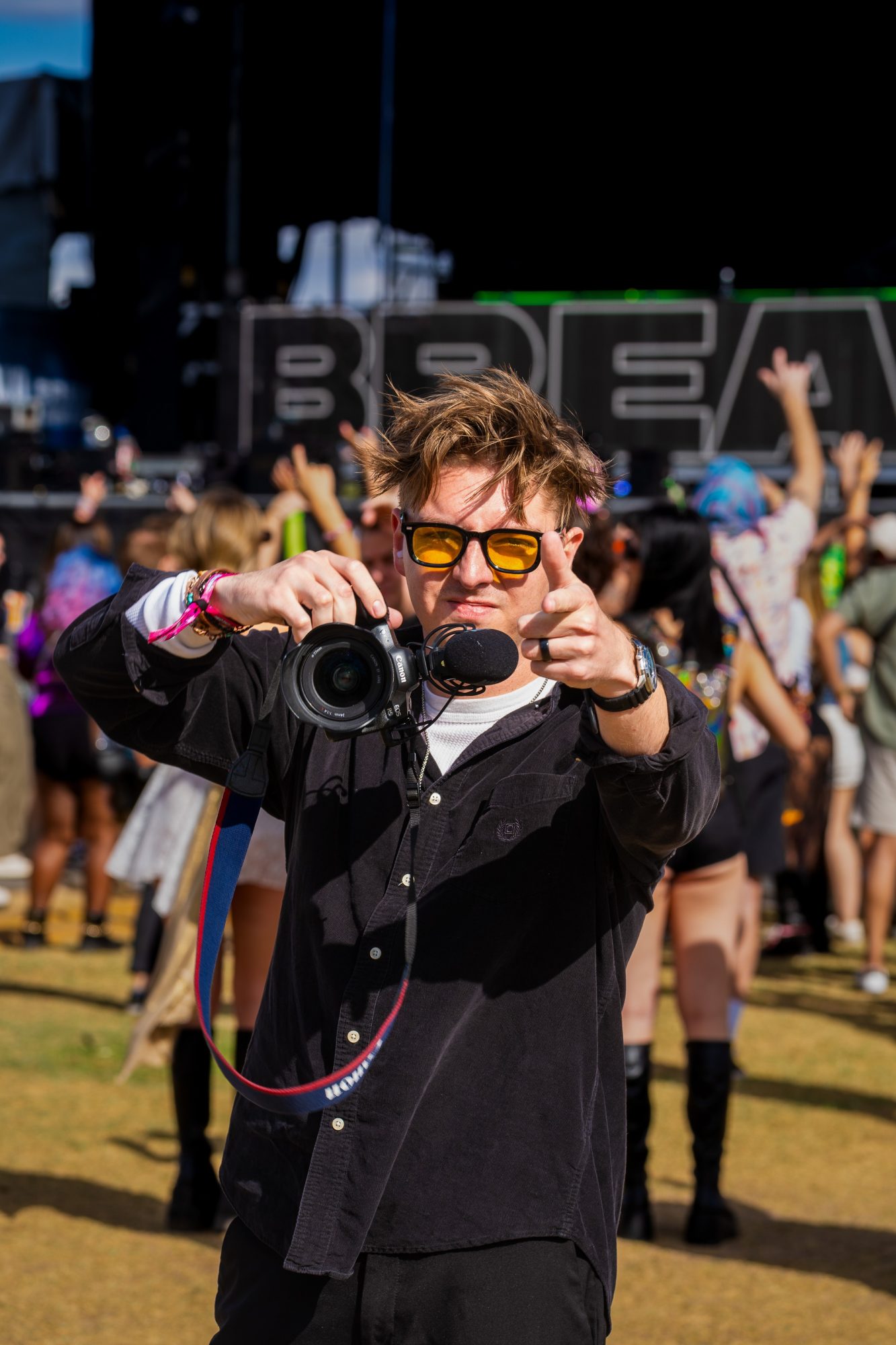
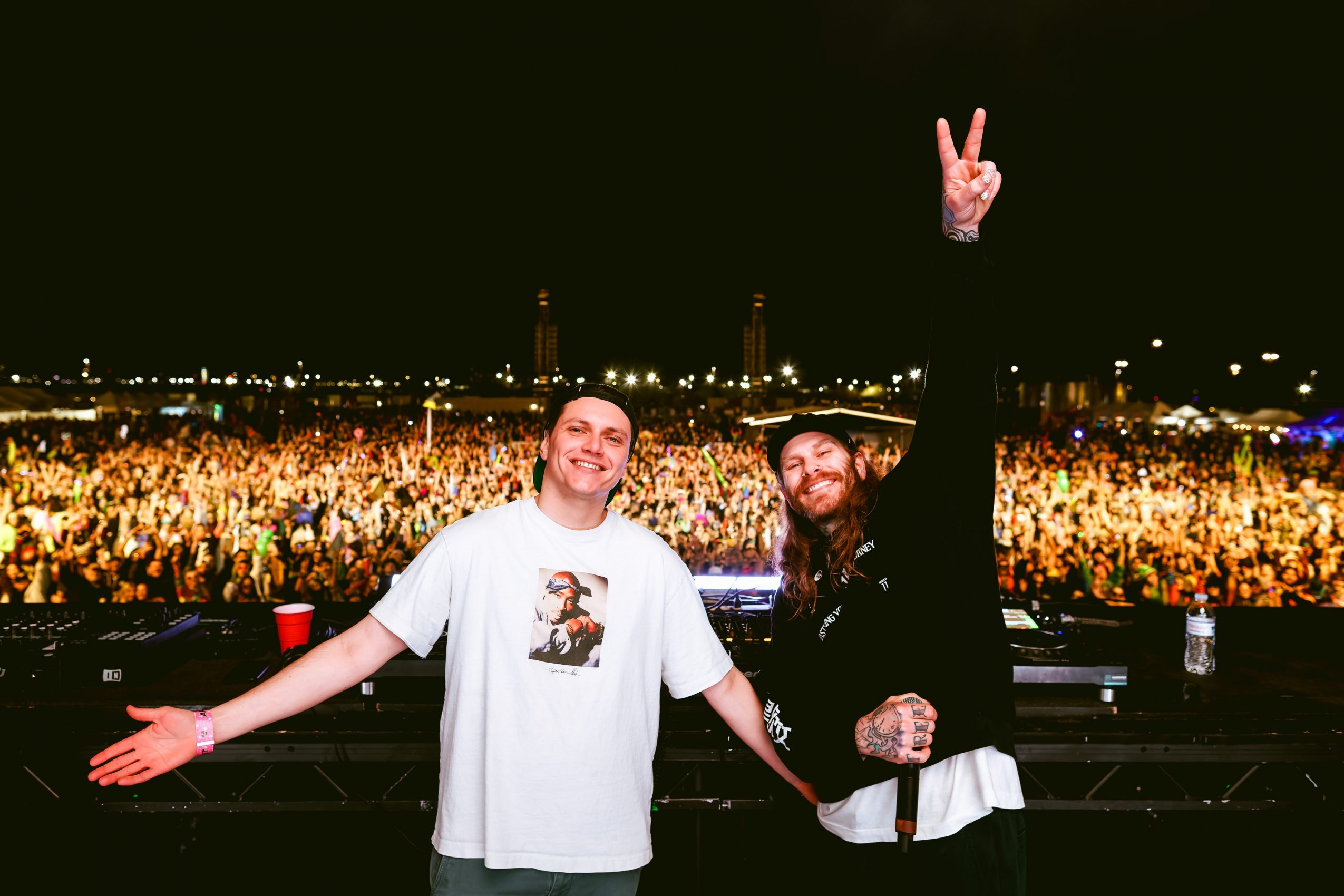
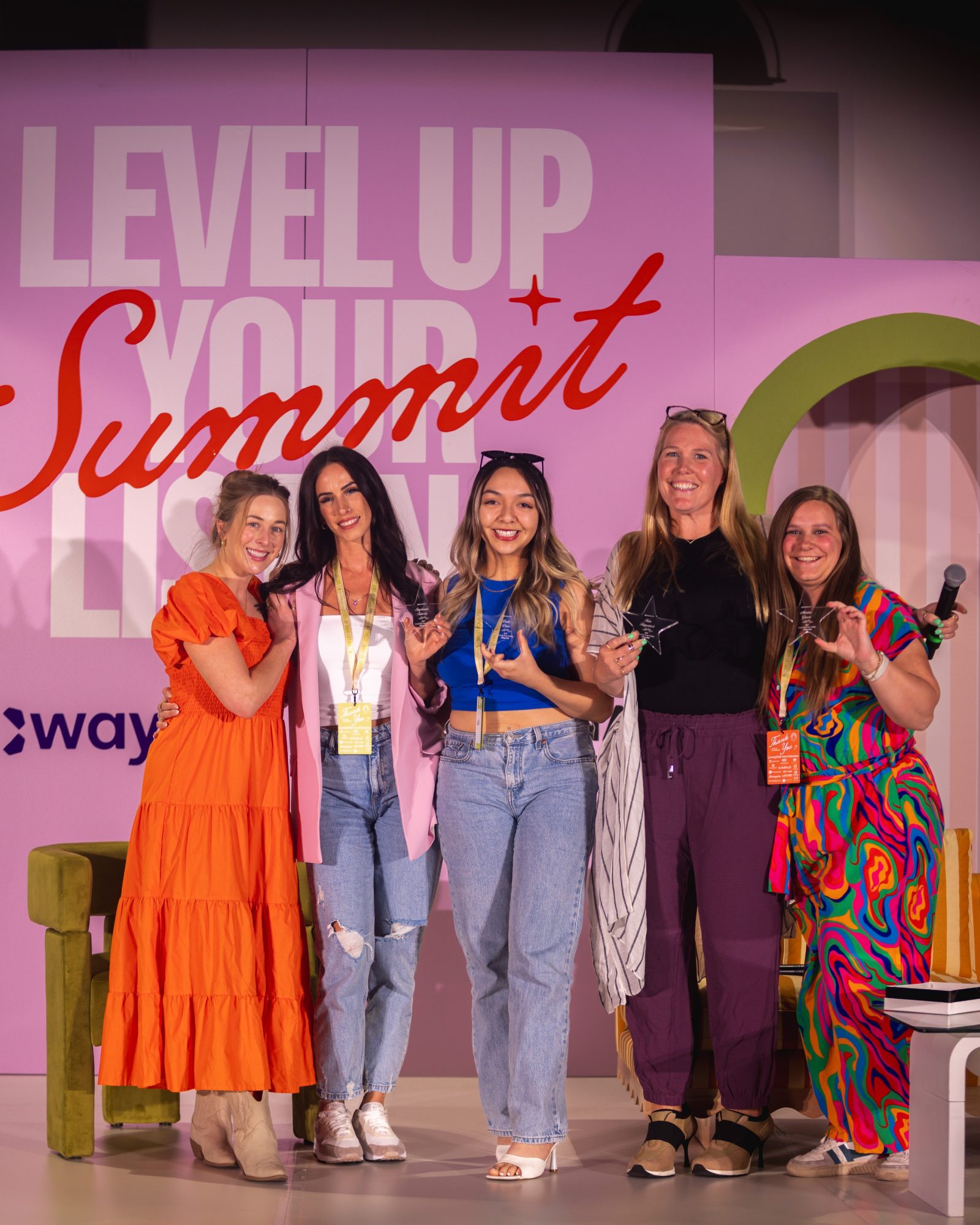
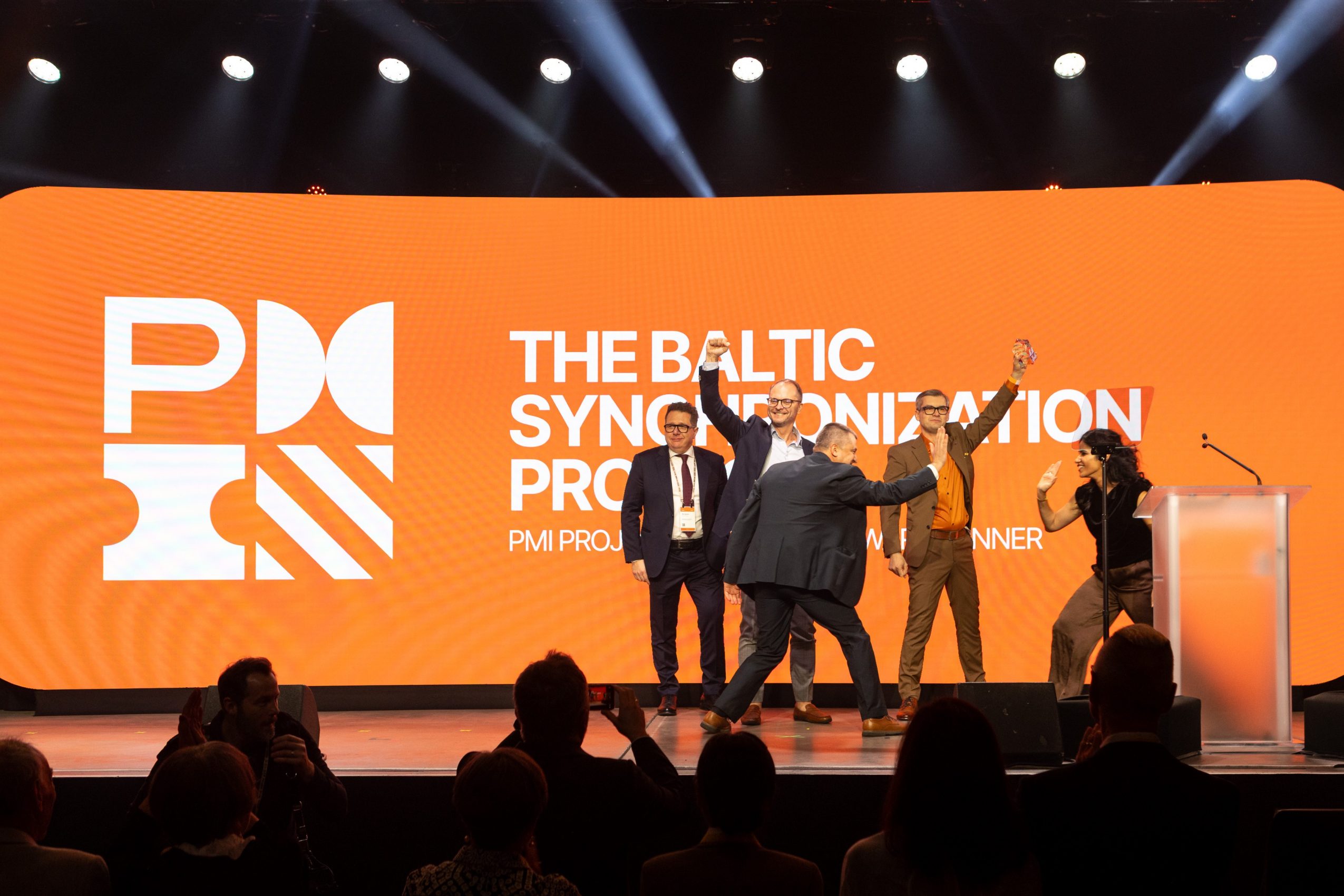
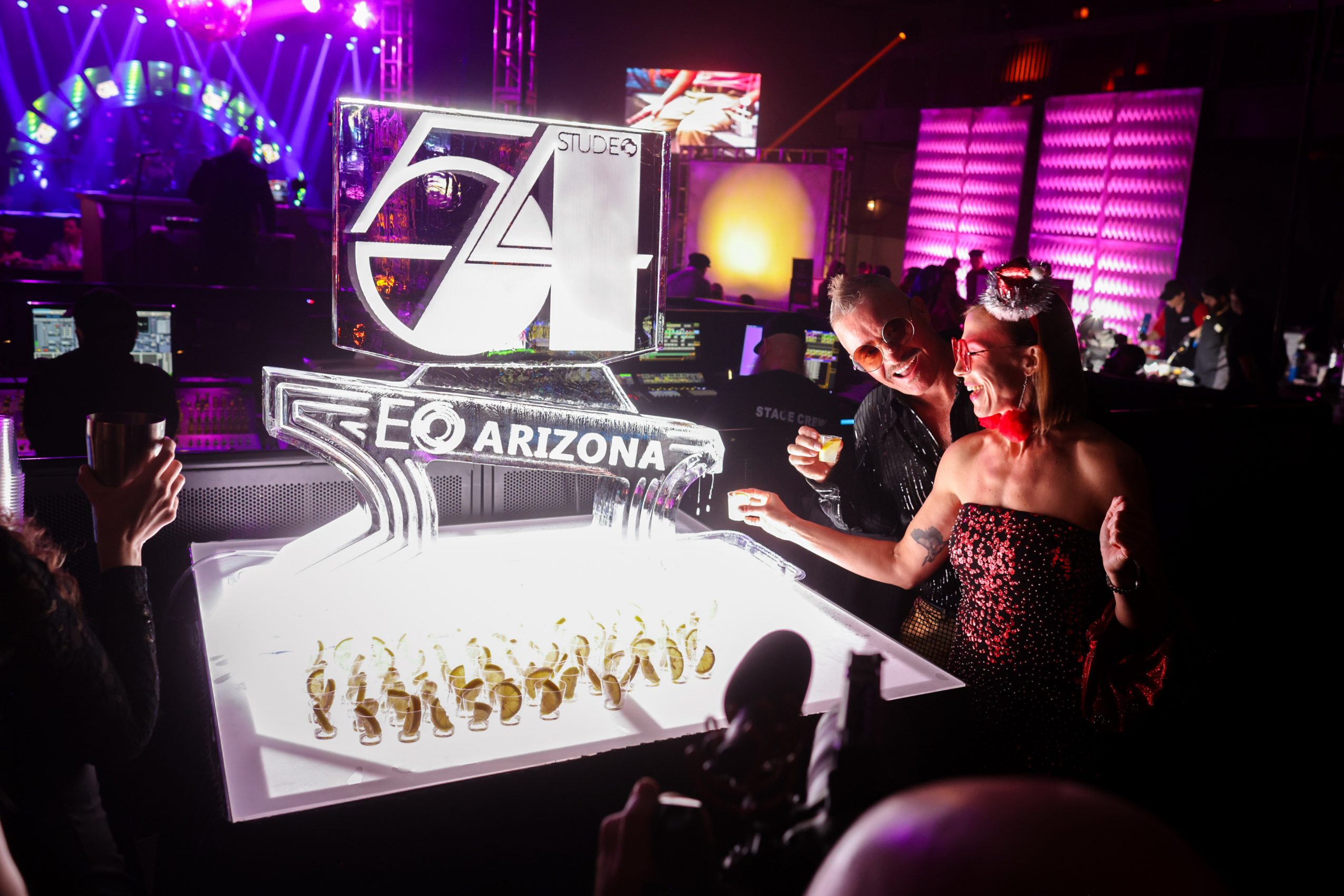
Image Credits
Studio photographer: Karen Castaneda (@karen_cophotography)
Festival portrait: Mitchell Manley (@mindofmeech_)