


Today we’d like to introduce you to Richard Nungesser.
Alright, so thank you so much for sharing your story and insight with our readers. To kick things off, can you tell us a bit about how you got started?
I grew up in Mesa, Arizona, attending elementary school, junior high, and high school there. I graduated from Dobson High and went on to Mesa Community College before transferring to Arizona State University, where I earned my Bachelor of Science degree.
During junior high, I joined Boy Scout Troop 372, which met at Grace Community Church in Tempe, Arizona. My time in scouting was deeply rewarding, and I eventually achieved the rank of Eagle Scout. One of our troop leaders, a retired Arizona State University professor named Wayne, had a profound influence on me.
Wayne loved to travel and spent his vacations exploring the world. On one of his trips, he visited Kenya in East Africa, where he enjoyed the breathtaking landscapes and wildlife on safari. While there, he met another American, a retired U.S. Army colonel who was dedicated to building orphanages and helping street children in Kenya.
As they talked, Wayne noticed a Boy Scout pin on the colonel’s jacket. This sparked a deeper connection between them—they had both been Scouts as kids, both served in the U.S. Army, and, as fate would have it, they were both named Wayne.
Before parting ways, the colonel extended an intriguing invitation: “Send me an Eagle Scout from your troop to visit Kenya for the summer. It’ll be the adventure of a lifetime—safaris, fly fishing, and experiences he’ll never forget.”
When Wayne returned to Arizona, he shared the colonel’s invitation with our troop and, to my surprise, extended it to me. He asked, “Would you like to go to Kenya and have an adventure?”
I was thrilled at the opportunity. I’ve always loved adventure, and the idea of exploring Kenya sounded incredible. At the time, I was a senior in high school, and that evening I eagerly shared the news with my parents. They were excited, though understandably a bit hesitant.
A few weeks after my graduation in May, I boarded a flight to Nairobi, Kenya, embarking on what would become one of the most transformative experiences of my life.
Opening the pages of National Geographic can transport you to distant lands, but I didn’t need to turn a page to see an elephant. All I had to do was look out the car window to see elephants, giraffes, zebras, hippos, crocodiles, and even rhinos. In fact, I once stood right next to a wild rhino, protected by a man armed with an AK-47. His job was to guard the rhino from poachers intent on taking its horn.
One day, Ret. Colonel Wayne handed me the keys to his old-school Land Rover and said, “Follow me.” That’s how I found myself driving through Kenya, starting in Nairobi and venturing to many parts of the country. One of our destinations was Meru, a town about four hours north, where Wayne was helping kids who lived on the streets.
I’ll never forget driving out into the bush, where the landscape was rugged and untouched. There were no paved roads or sturdy bridges. The dirt paths were rough, wild, and rarely traveled. At times, crossing a creek meant relying on makeshift bridges—two logs carefully placed for the Land Rover’s tires.
I had a spotter standing on the other side of the creek, guiding me with precision. “Move your tires an inch to the right… now an inch to the left,” he’d shout. The margin for error was razor-thin—one wrong move, and the vehicle could slide off the logs, leaving us stranded in the creek. Each crossing was a test of nerve and focus, but it added to the thrill of the journey and the raw beauty of Kenya’s untamed wilderness.
I don’t think I’ve ever seen so many stars as I did in Kenya. Out in the middle of nowhere, with no city lights, no distractions—just the vast, open sky and the sounds of nature all around me. Every rustle or distant cry of an animal heightened my senses. I couldn’t help but wonder, Is that a lion? The wilderness was both beautiful and humbling, as were the people I encountered.
I had gone to Kenya for the adventure, but I never imagined how profoundly my life would change.
One day, Colonel Wayne received a donation of bread from a local bakery, meant to be distributed to the street children. He handed me a sack filled with about 20 loaves and said, “Take this to the children on the streets. And take your Bible with you.”
With the bread slung over my shoulder, I made my way into town. There, I met children who had been abandoned to survive on their own, many of them orphaned by AIDS or other hardships. Some parents, in acts of sheer desperation, had left their young children—sometimes as young as two—at markets or in public places, hoping someone else might give them a better chance at life. It reminded me of the story of Moses, left in a basket on the river, a parent’s desperate hope survival.
These children had nothing—no homes, no healthcare, no education, no future they could see. They lived, ate, and slept in the streets. Many were sick, abused, raped, or molested. To numb their pain, they sniffed glue or petroleum products. It was heartbreaking to stand before them, knowing how much they had endured.
That day, I found myself surrounded by about eight children. Their clothes were little more than rags, filthy and threadbare, barely clinging to their bodies. I began handing out bread, watching as their faces lit up with smiles, laughter, and joy. For once, they didn’t have to dig through garbage to find something to eat. Word spread quickly, and soon more children arrived, hoping for a piece of bread.
As the crowd grew, my sack emptied. I didn’t have enough for everyone. I stood there, unsure of what to do, when a boy—no older than nine—approached me. His clothes were tattered, his nose was running, and his frail body betrayed his sickness and hunger. He held his loaf of bread tightly in his hands, untouched. Then, he did something that left me stunned.
He held the bread out to me and said, “Please give this to another child. And, Mister, can you give me the Bread of Life? Can you just read me the Bible?”
I didn’t fully understand what he was asking until I read the verse: Jesus replied, “I am the bread of life. Whoever comes to me will never be hungry again. Whoever believes in me will never be thirsty.” John 6:35
This boy, who had nothing—whose entire world consisted of that single loaf of bread—chose to give it away so that someone else might eat. And not only that—he asked for something far greater than food. He wanted to hear from Jesus.
That evening, as I processed what had happened, I broke down and cried. This nine-year-old boy, a street child with no home, no education, and no worldly possessions, had shown me the deepest truth about life. He understood what was most important: God. He gave away everything he had to pursue what truly mattered.
And in that moment, I had to ask myself: Would I do the same? Would I give up everything in exchange to hear from God?
That boy changed my life. His faith and generosity rocked my world and forced me to reexamine my priorities. It was then and there that I resolved to live differently, inspired by the way a child with nothing gave so much and sought God with everything he had.
I returned from Kenya that summer to attend college, earn my degree, and start a career that I thought would either be in the Air Force or working with the sheriff doing search and rescue. Throughout college, I looked for opportunities to volunteer and serve wherever I could. The memory of that child in Kenya continued to motivate me to help others.
Fast forward through my time at university, I met my wife, Brooke, at ASU. She is amazing—my perfect match, even for my crazy ideas. I mentioned to her, “Let’s be married for about a year and then travel somewhere in the world to help people in need for a couple of years. After that, we’ll return to Arizona and pursue advanced degrees and our careers.” At the time, we thought we would go to Mexico, so we started learning Spanish at Mesa Community College.
But, as life often does, things took a different turn. We learned of a need for volunteers in Poland. We hadn’t thought about going to Europe, but we were available for the opportunity.
So, in September 2001, my wife and I boarded a plane and arrived in Warsaw, Poland, on September 8—just three days before the attacks on America on September 11, 2001.
It was an incredibly difficult time to be overseas. Flights to the U.S. were grounded indefinitely, and I didn’t know if this was the beginning of World War III. I was ready to serve in our military but not sure if we would even be able to return home—and if so, how? By boat? My wife, ever a source of encouragement, reminded me, “God brought us here, and maybe He has a purpose for us here.”
Arriving in Poland in 2001 was vastly different from what it’s like today. Back then, it was only about 12 years after the fall of the wall and the end of communism, and the scars of that era were still visible everywhere. Under Soviet control, the country had suffered greatly, leaving its people with very little. Development was minimal, and unemployment hovered above 20%. Many of the people we spoke to felt hopeless, with no belief in a better future. Many were trying to obtain visas to move west in search of work and a new life. Seeing my wife and me, coming west to Poland, was a surprise to many of the locals we met.
We worked as teachers in two cities, Poznań and Gniezno, striving to bring hope to the people there. But initially, I felt unsure of how to help. I didn’t speak the language, I didn’t know the culture, and I often questioned what difference I could make.
One night, before bed, I read a verse in the Bible about giving a cup of water in the name of Jesus. It struck me—I could do that. Anybody could give someone in need a cup of water. But how, and where, would I do it?
We traveled by train between the cities for work, and at the train stations, I saw people in desperate need of help. Homeless men, women, and teenagers huddled together inside the waiting rooms, seeking shelter from the rain, snow, and cold. I thought, Surely, they could use a cup of water.
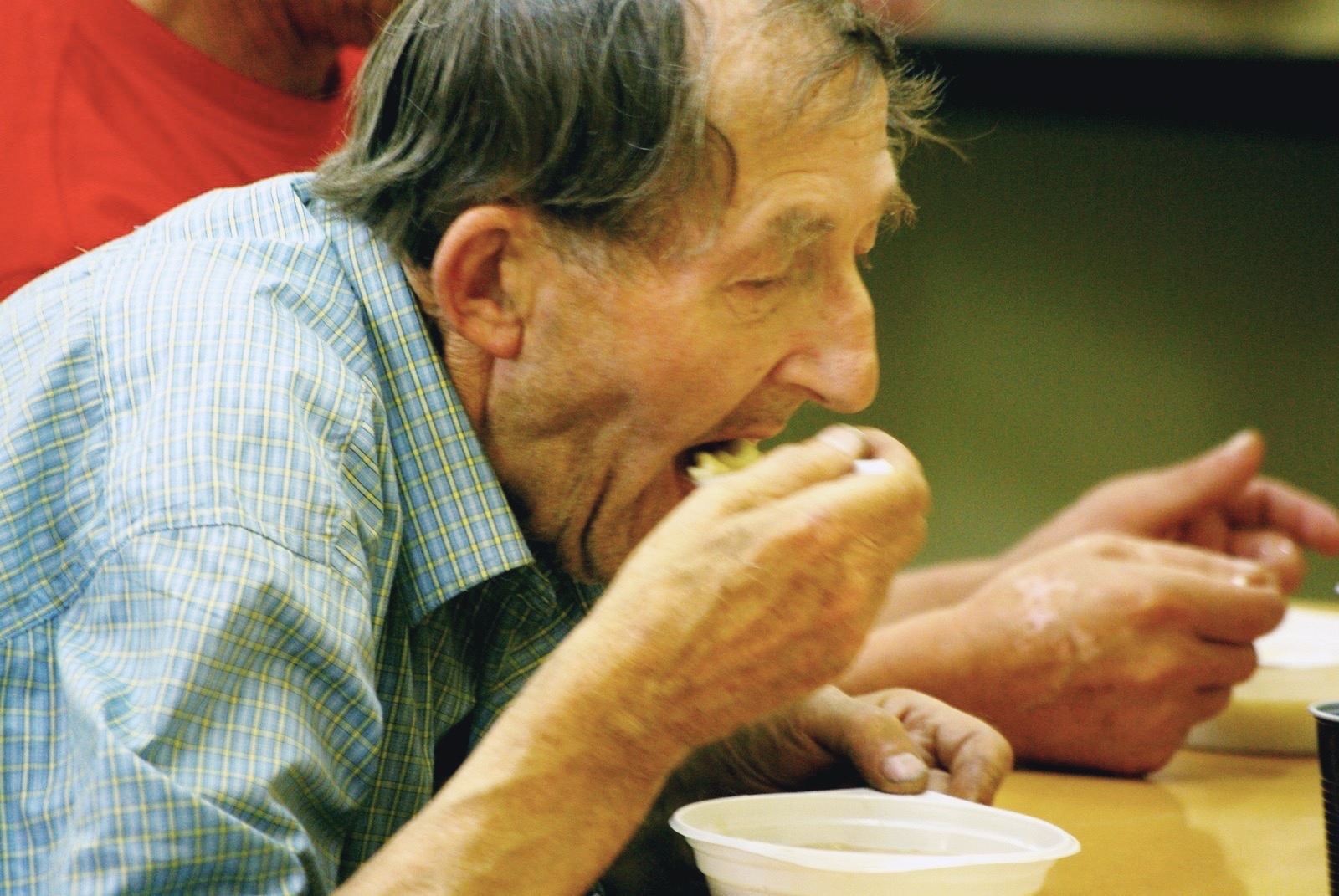
By November, the weather had grown much colder, and I decided to bring a small thermos of hot tea to the train station after work. I walked into the waiting room one night around 10:30pm and saw about 80 homeless people. With only a small thermos and three plastic cups, I wasn’t sure what to do. I sat down, prayed, and asked God for a miracle: “Could You multiply this tea, like You did with the fish and bread, so everyone here could have a cup of tea?”
After my prayer for help, I looked up and saw a man rummaging through the garbage. He pulled out an old cup and began drinking the liquid someone had thrown away. I approached him, pulled out my thermos, and offered him a fresh, hot cup of tea. His eyes widened with surprise. Two more men came over, and I poured my second and third cups. By then, my thermos was dry, no modern miracle like I prayed for.
I went home that night and told Brooke what had happened. I said, “I’m going to buy a bigger thermos and go back.” And I did.
I started inviting colleagues, students, and friends to join me at the train station. Brooke, my biggest cheerleader, came with me.
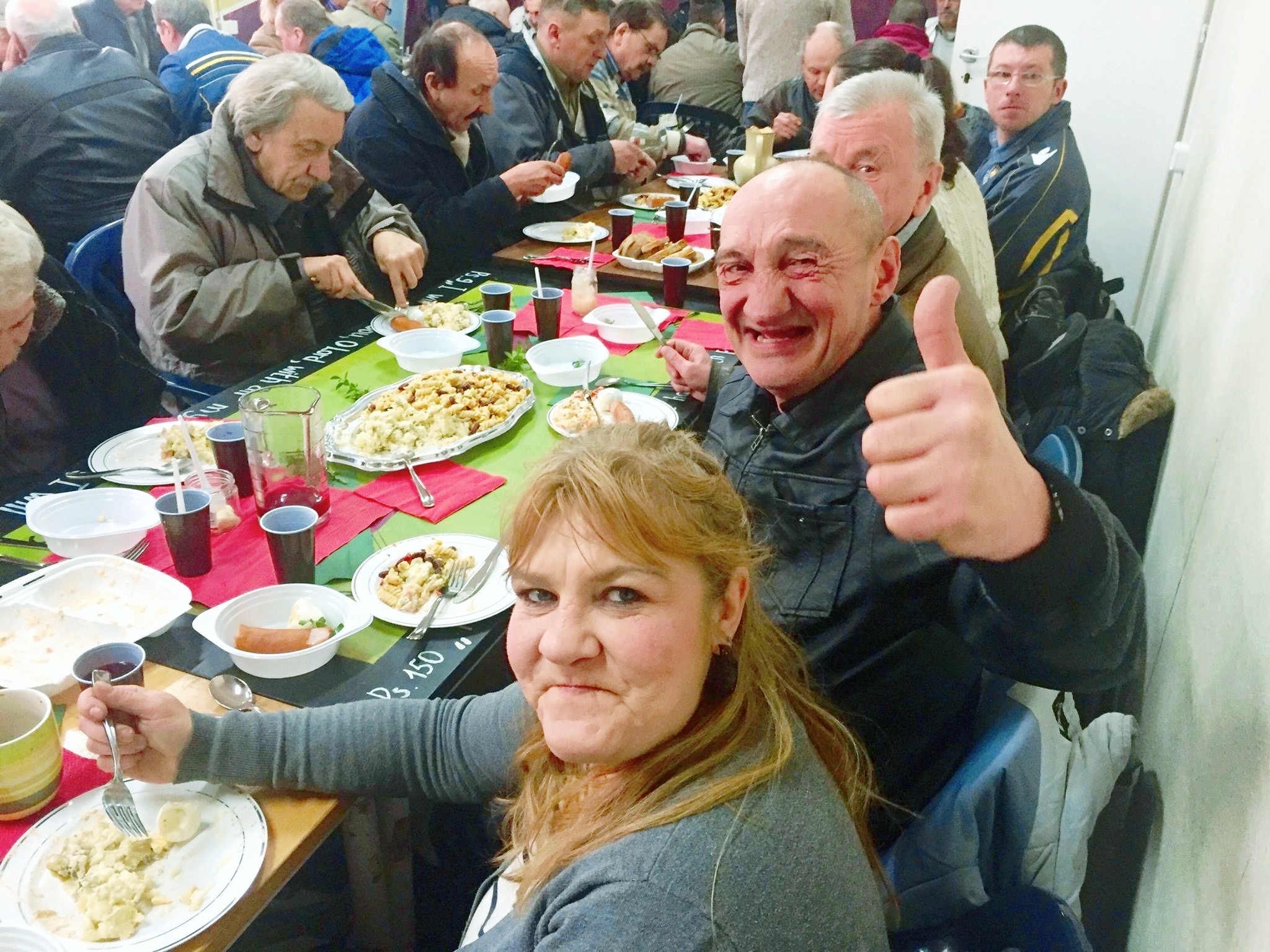
That first winter was brutally cold—over 200 people froze to death across Poland, including some of the people we saw regularly at the station. It was heartbreaking. But by the end of that winter, we had served more than 10,500 cups of tea, served over 6,100 meals, and helped many people off the streets finding employment and housing.
During that winter, the homeless and others often asked me two straightforward questions. The first was: “Why are you here in Poland?” They found it puzzling that, as an American, I was there, especially when they expressed their own desire to go to America in search of opportunities. I paused for a moment and replied, “I’m here to tell you that God loves you.”
The second question they asked was: “Why are you helping me?” They shared how, every day, their own countrymen walked past without stopping to help, let alone offering any assistance. “Why are you helping me?” they repeated. After reflecting, I responded, “I guess it’s because I love you too.”
Those conversations were often filled with tears, and it was in those moments that I realized something profound: people need people. And perhaps even more importantly, people need to hear that they are loved.
My wife and I began building the framework to empower individuals, business, communities, churches, and local governments to rescue and support their people. Together, we founded Bread of Life, a nonprofit in Poland. Over time, we became recognized as experts in humanitarian aid within the country.
We established soup kitchens, clothing and food distribution centers, and developed specialized programs. We wrote and developed a program from scratch, and built a New Life Center to rescue and rehabilitate those in need. Our mission extended beyond just providing immediate relief—we aimed to educate, train, and inspire hope, helping people discover their purpose and empowering them to make a difference in the lives of others.
Remarkably, as an example, today the New Life Center is operated by one of the men who successfully graduated from our program.
As our work expanded throughout Poland, it grew to include assisting those who were sick and others in desperate need of help and hope. The success of our efforts in Poland soon gained the attention of people in Moldova, who sought to address the needs in their own communities. This sparked training and development initiatives in Moldova and the expansion of Bread of Life into the country, followed shortly by Ukraine.
From Europe, our mission extended to the Ivory Coast, then to Pakistan, Zimbabwe, and most recently, Rwanda. In each country, we establish a local director, board, staff, and volunteers to ensure sustainable and impactful operations. In nearly all these countries, Bread of Life is officially registered as a nonprofit organization, further solidifying our commitment to long-term, transformative change.
Current Work by Bread of Life International in Each Country
Today in Poland, we continue to assist hundreds of families and children who are sick. This year in 2024 alone, our organization raised in Poland over $500,000 to help those in need access critical medicines, therapies, procedures, and surgeries they otherwise couldn’t afford.
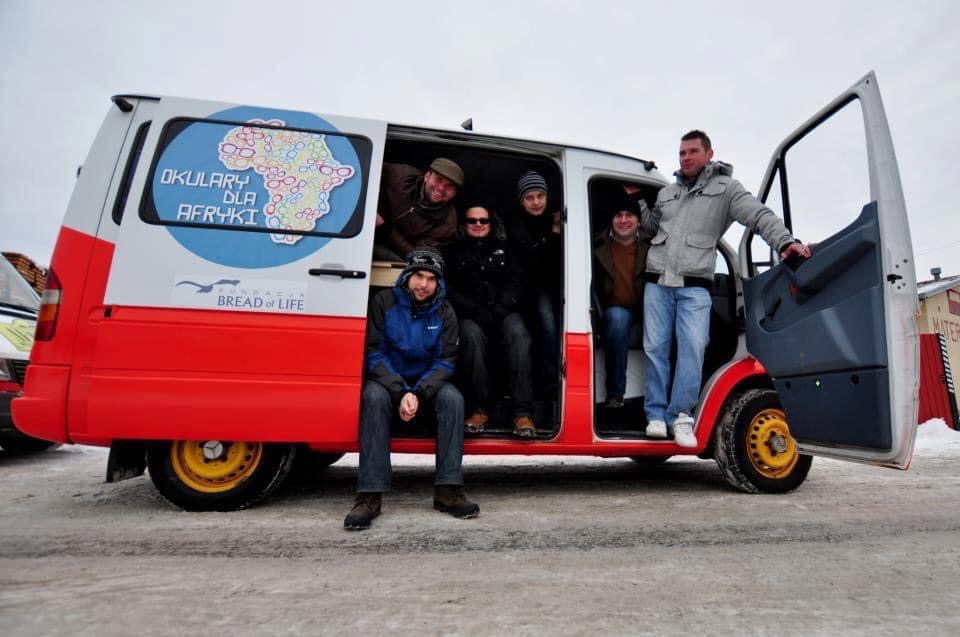
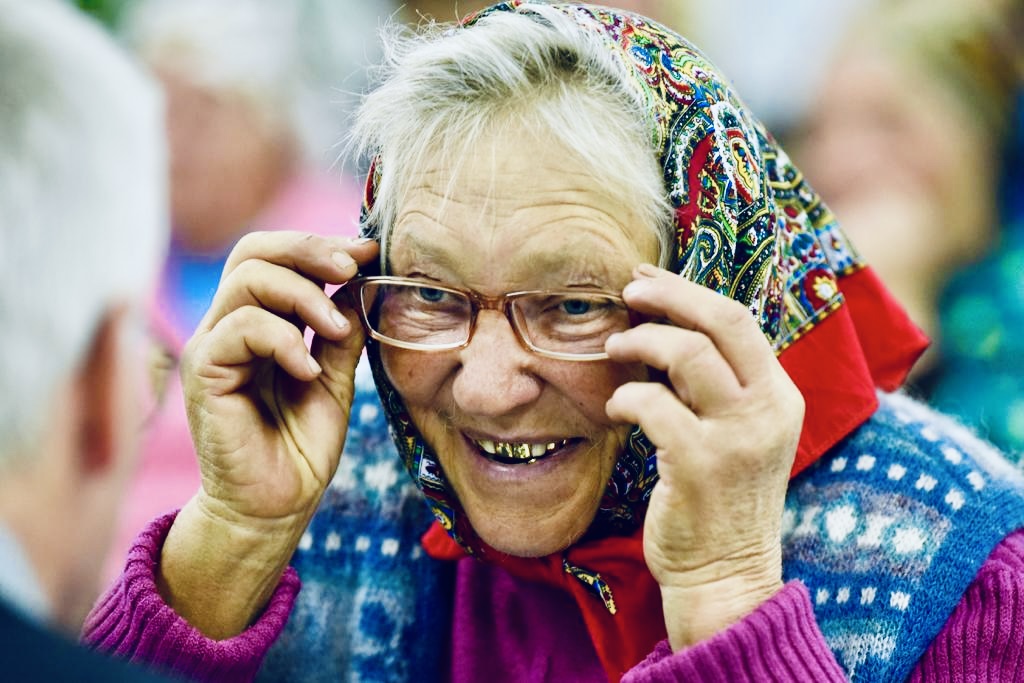
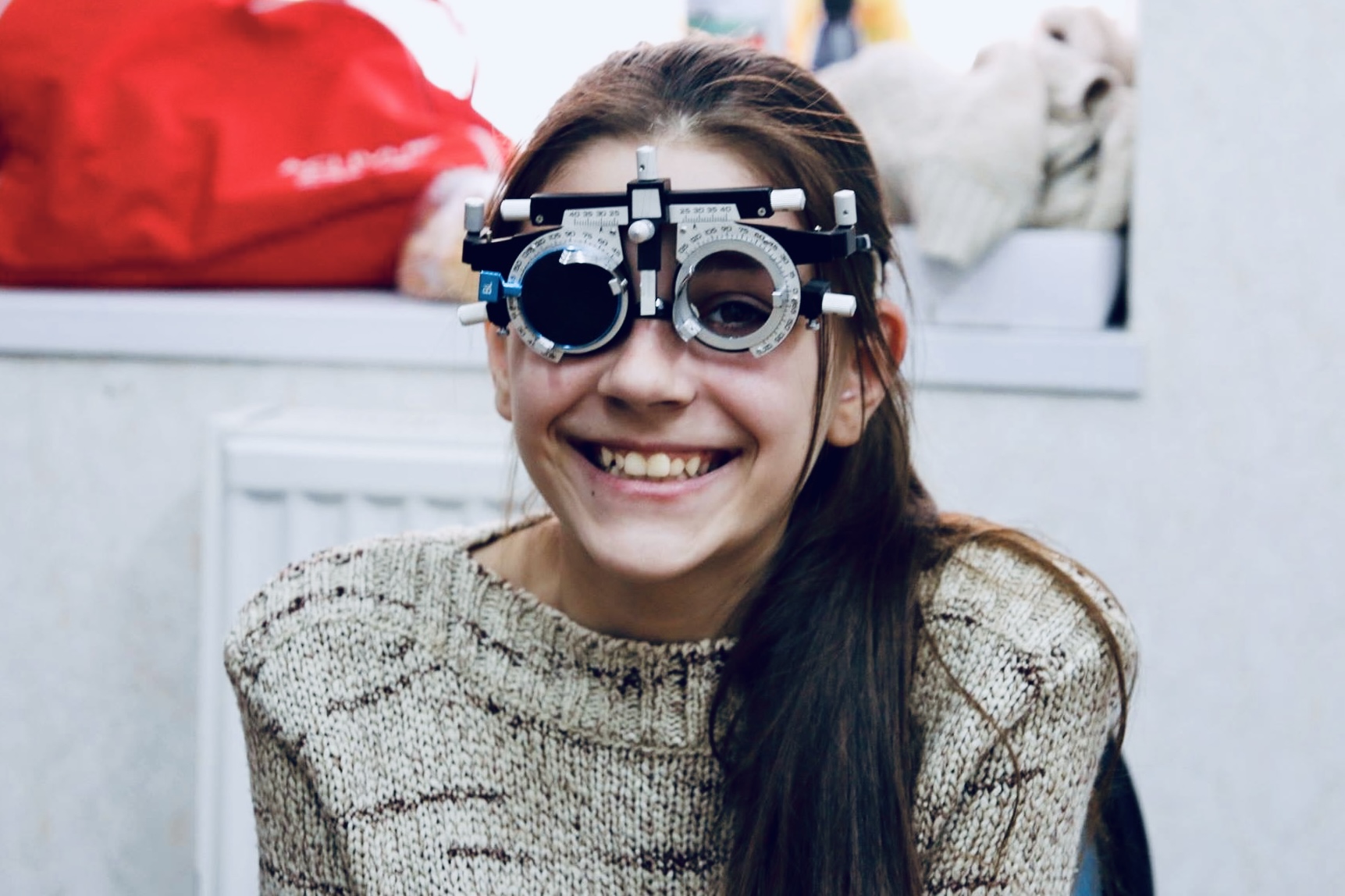
We have provided over 10,000 pairs of prescription glasses free of charge, enabling children to attend school, empowering men and women to work, and improving the quality of life for the elderly.
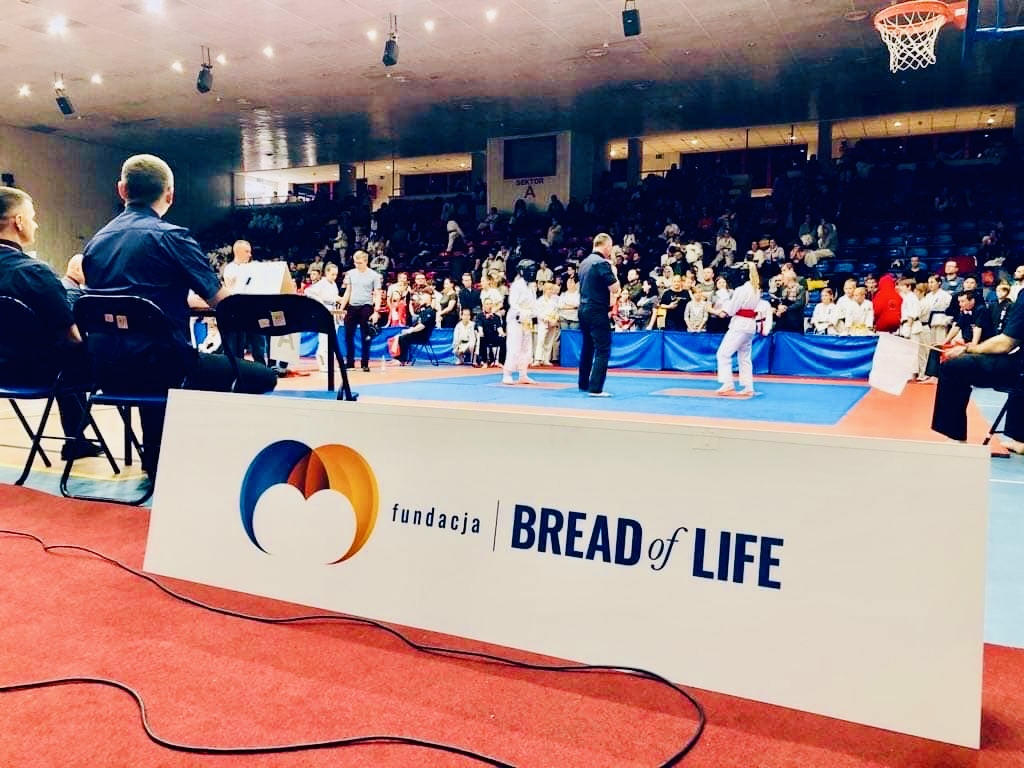
One of our former volunteers has become a board member and the director of Bread of Life in the city of Kalisz, Poland. With a heart for helping youth from dysfunctional families and challenging neighborhoods, he started a Karate club to provide them with discipline, mentorship, and a positive outlet.
Today, that club has grown to over 300 students and has become a beacon of hope for the community. In a remarkable achievement, Bread of Life recently hosted the Polish National Junior Karate Championship, showcasing the incredible impact of this initiative on a national scale.
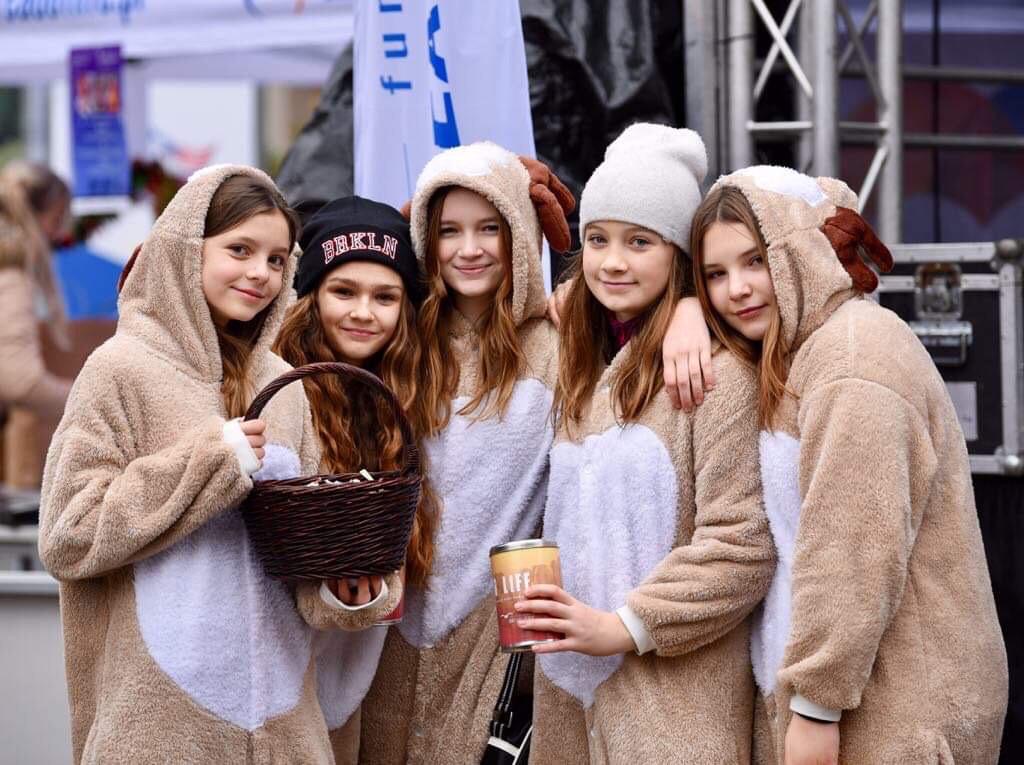
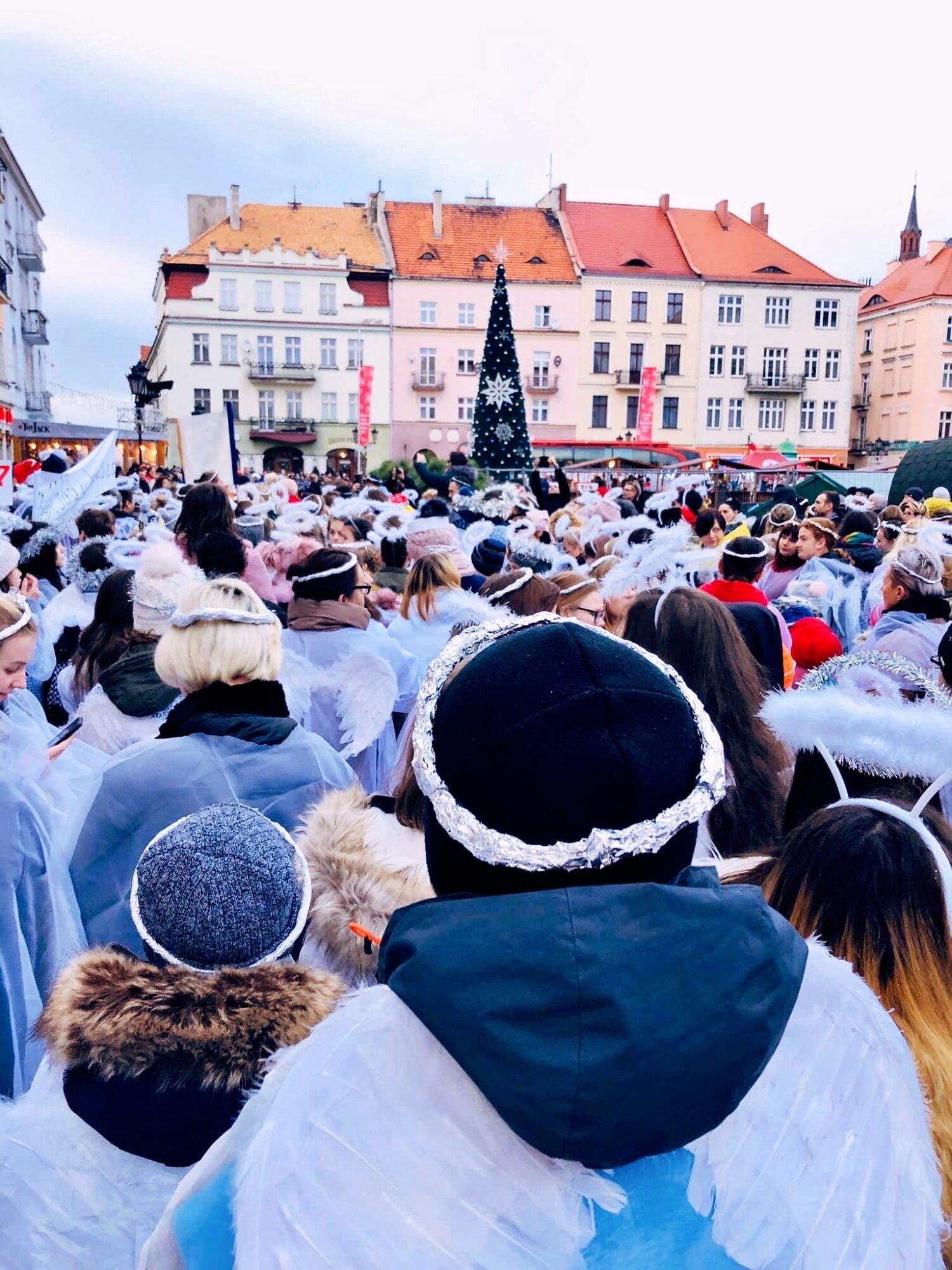
We proudly set a Guinness World Record for Poland with the most “Angels” gathered in one location, right in the heart of Poland. The city square came alive with people dressed in halos, wings, and white attire, creating a stunning and memorable scene.
The event was more than just a record-breaking moment—it was a powerful message to the community, encouraging everyone to become heroes and angels in the lives of others. It served as a beautiful reminder that together, we can uplift one another and make a lasting difference.
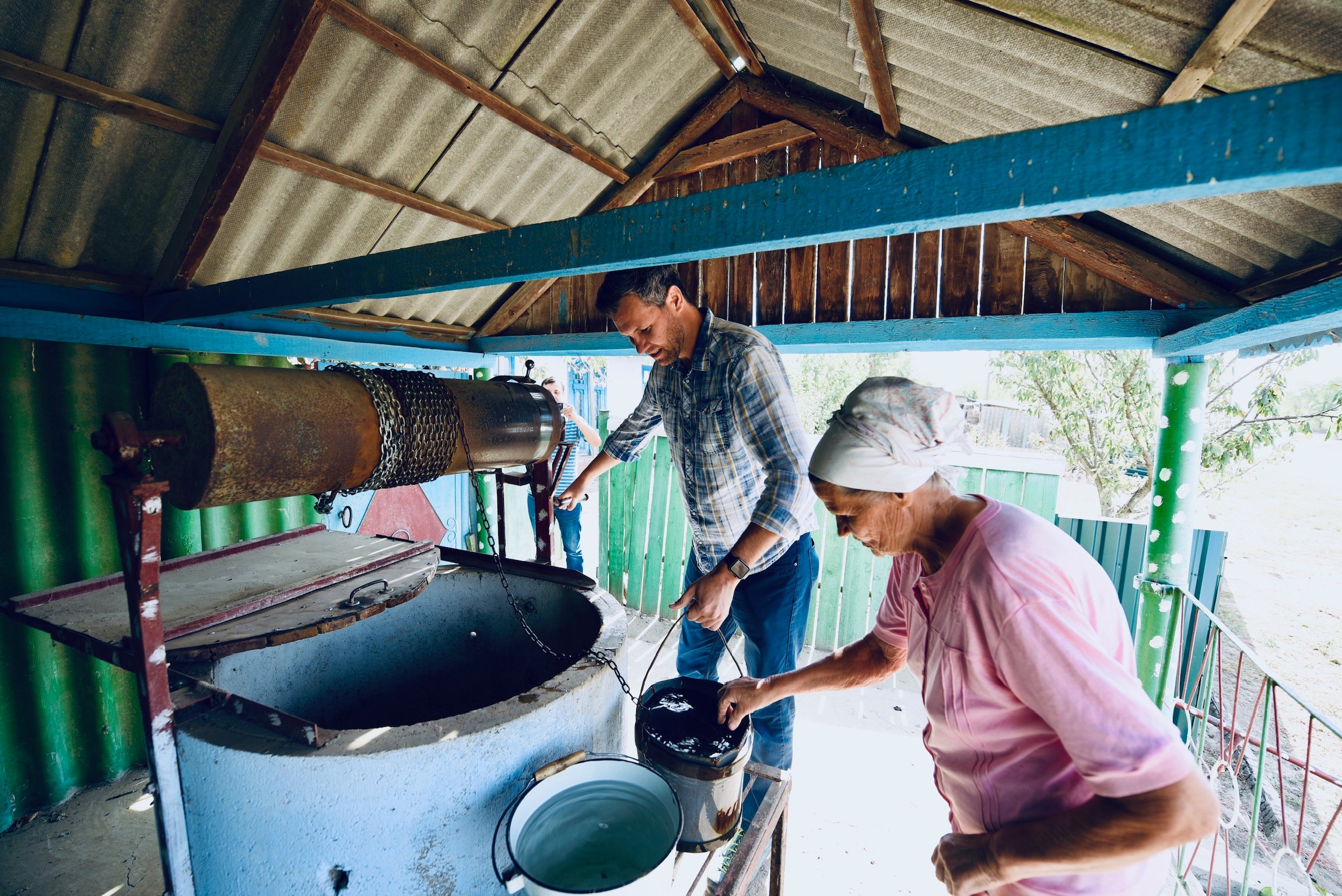
In many parts of Eastern Europe and around the world, water wells remain a common source of water. Some families draw as many as 55 buckets of water daily to tend to their gardens, care for chickens and ducks, and wash their clothes. To improve their quality of life, we’ve worked to connect homes to proper plumbing, providing access to running water indoors—a transformation that dramatically enhances their daily lives.
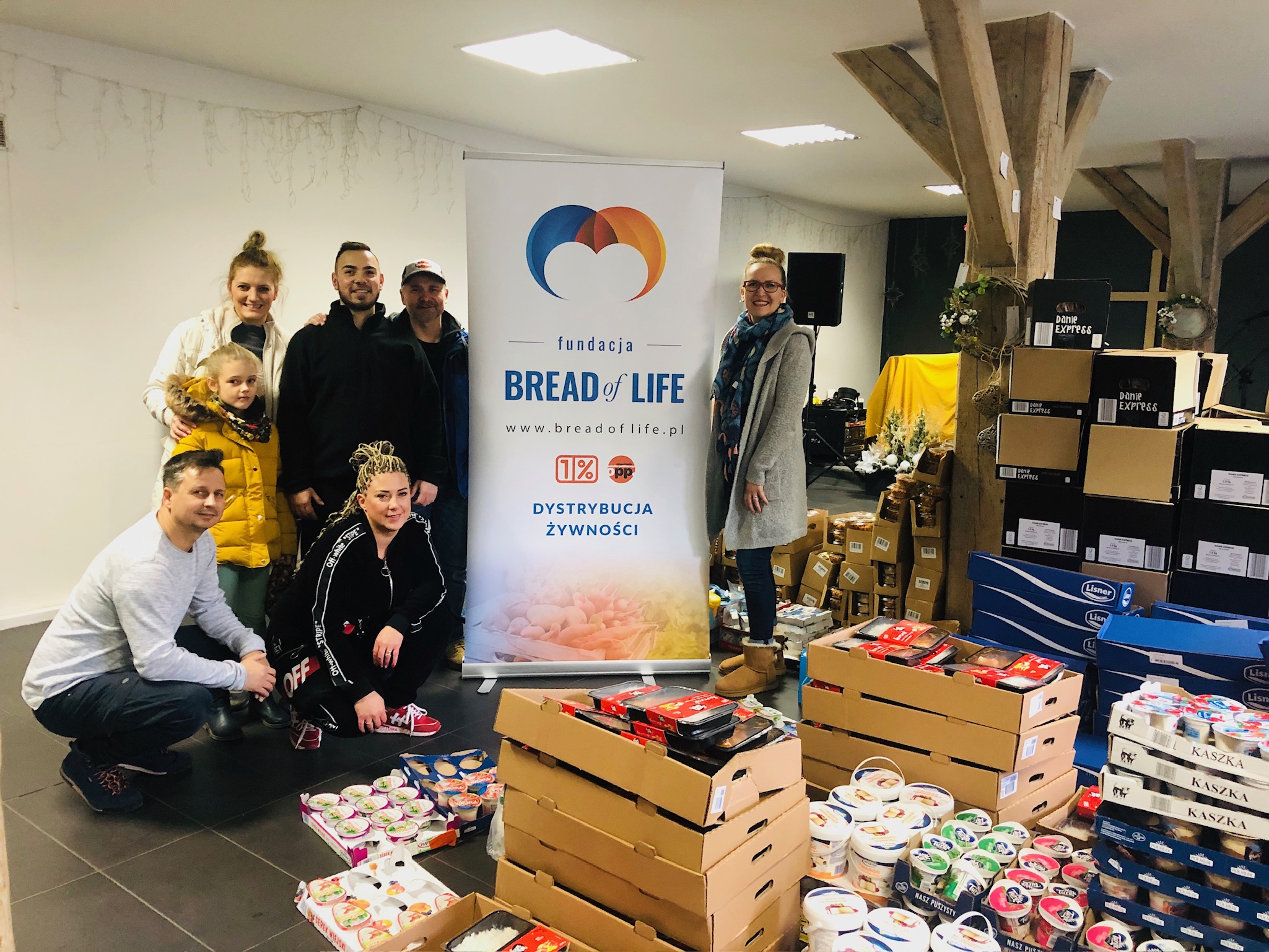
We also provide ongoing support to over 3,500 people facing food insecurity, including not only Polish families but also many refugees from Ukraine.
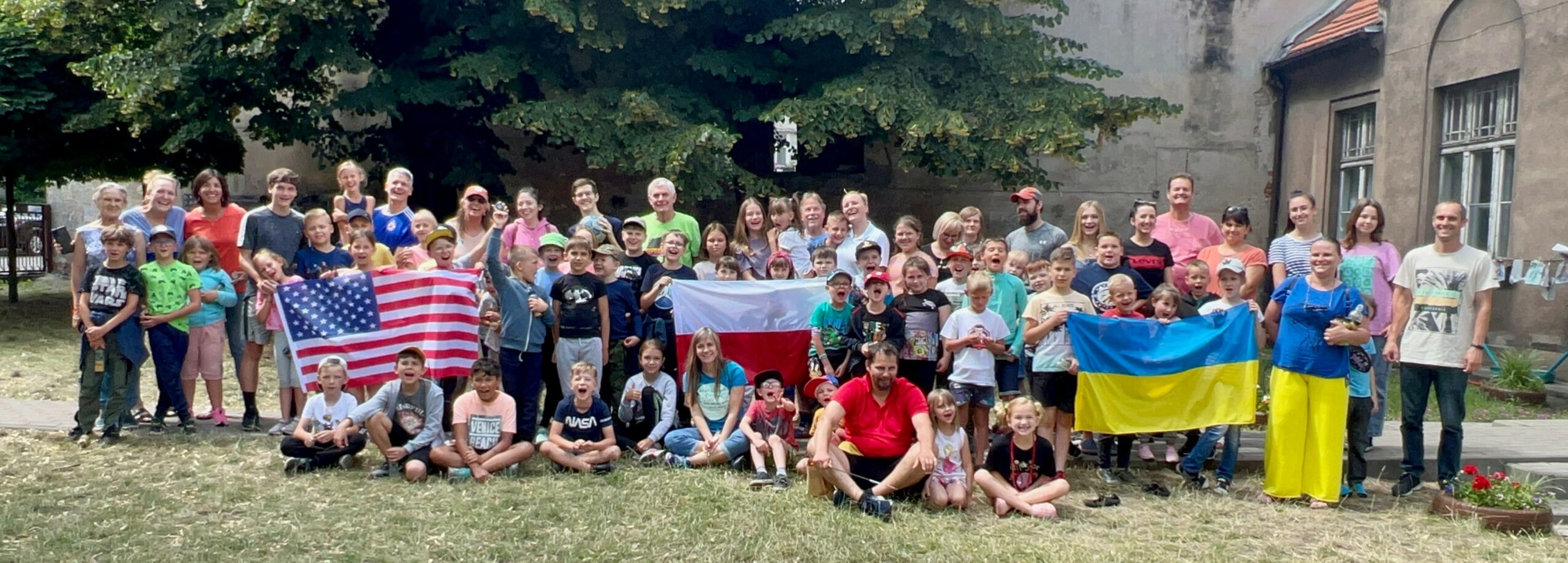
Shortly after Russia’s invasion of Ukraine, we opened a humanitarian aid shop for refugees. In its first weekend alone, nearly 1,000 refugees received help, including essentials such as baby formula, clothing, pots, pans, wheelchairs, medicine, and food.
Since then, our organization has made numerous trips in and out of Ukraine, delivering aid to some of the most critically affected areas. Through these efforts, we have been able to assist tens of thousands of refugees, providing vital support during an incredibly challenging time.
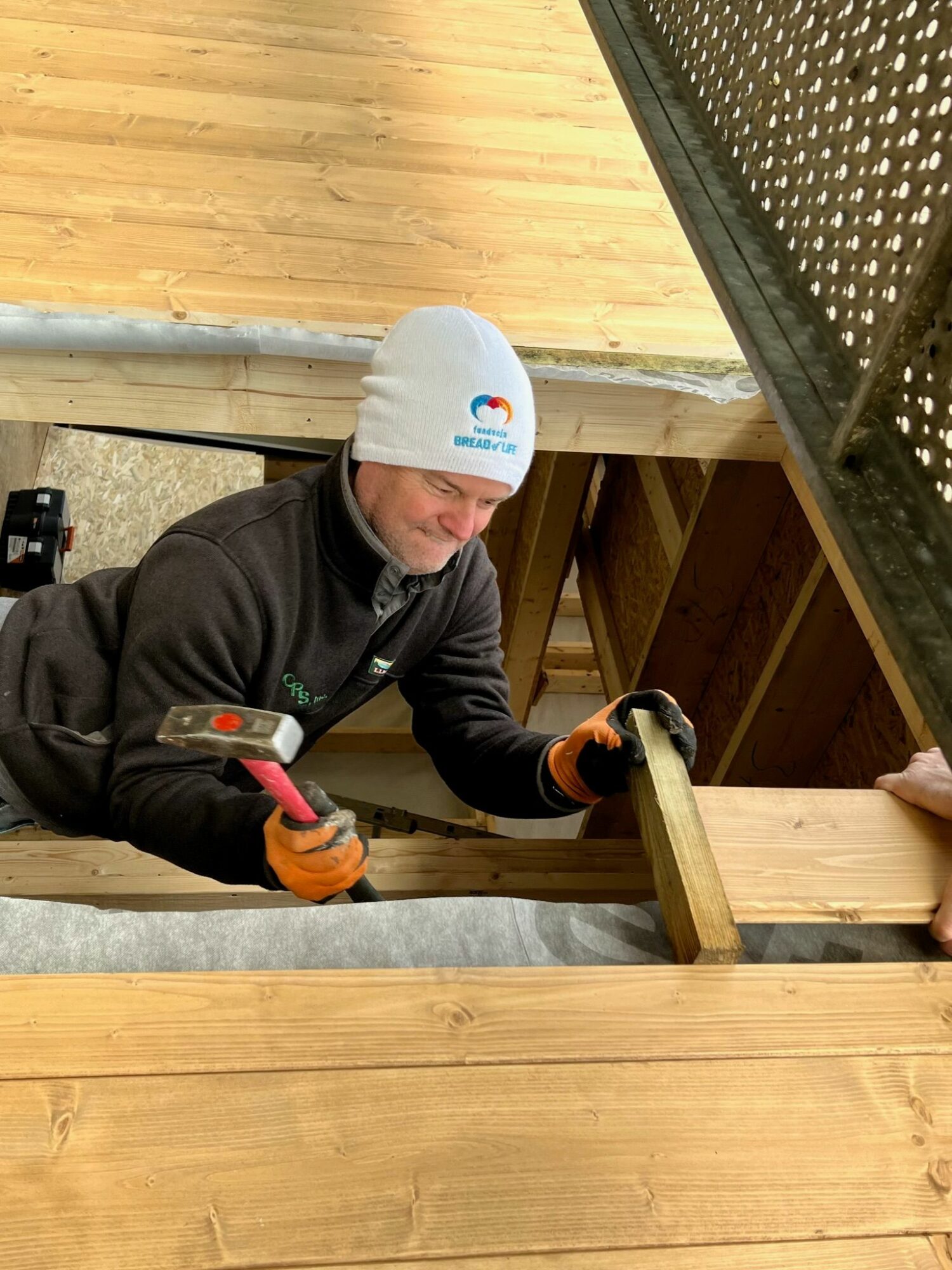
In addition to providing humanitarian aid, we’ve been building tiny homes to house refugees. These homes offer far more than just shelter—they serve as a foundation for empowering refugees and their children to transition into a new life in a foreign country.
Through these efforts, we provide support with language learning, documentation, integration, and opportunities to help refugees achieve safety and stability. So far, we have built two tiny homes and have begun the process of constructing a third, continuing our mission to create a path to hope and a brighter future. The cost of a Tiny Home from start to turn key is $80,000.
In Ivory Coast, our efforts began in 2008 during the election crisis, when we started rescuing refugees and providing food, shelter, and hope to countless men, women, and children. As we worked with these communities, we recognized a pressing need for education to break the generational cycle of poverty and transform lives.
We saw that education could empower children to grow and develop in ways they had never imagined. To address this need, we built a school, and soon after, a church to provide spiritual support alongside education. Recently, we acquired more land in another part of the country to build a second school and our first orphanage.
We firmly believe that through hard work and education, it’s possible to break the cycle of poverty for more than just a single individual at a time we can uplift entire communities. Cost to complete the orphanage and school $100,000.
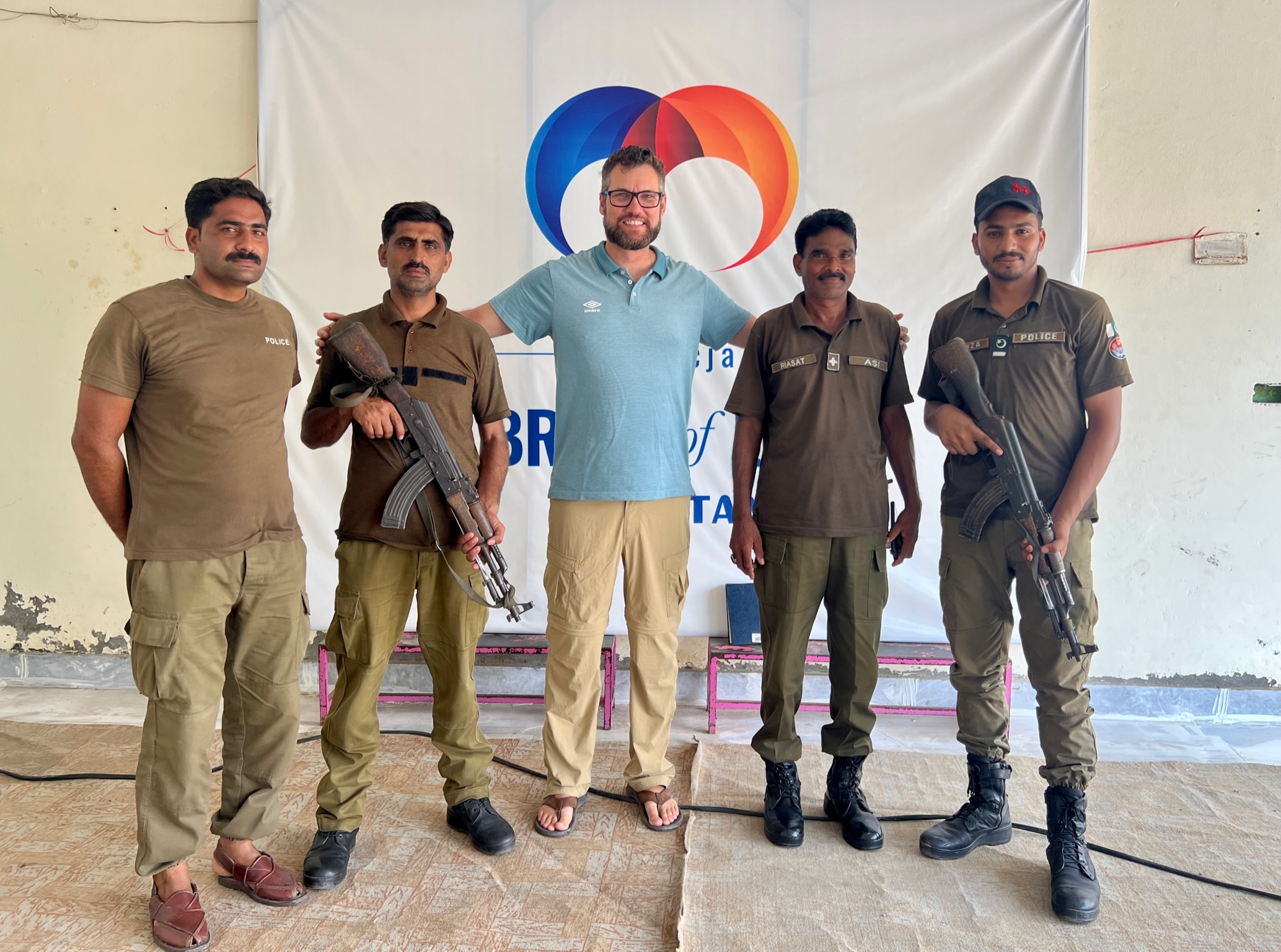
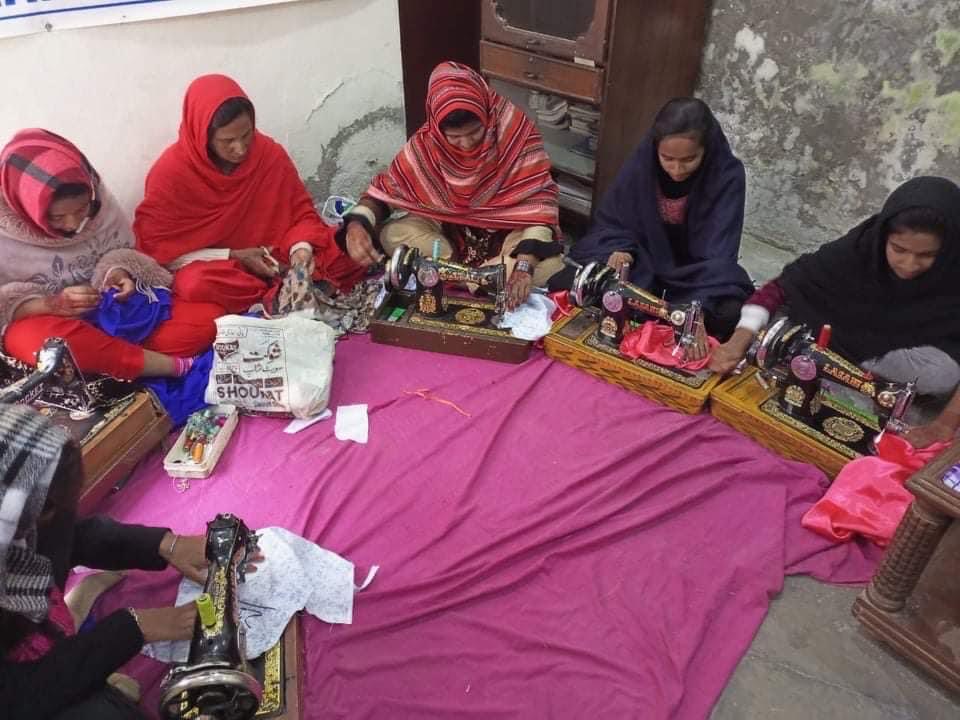
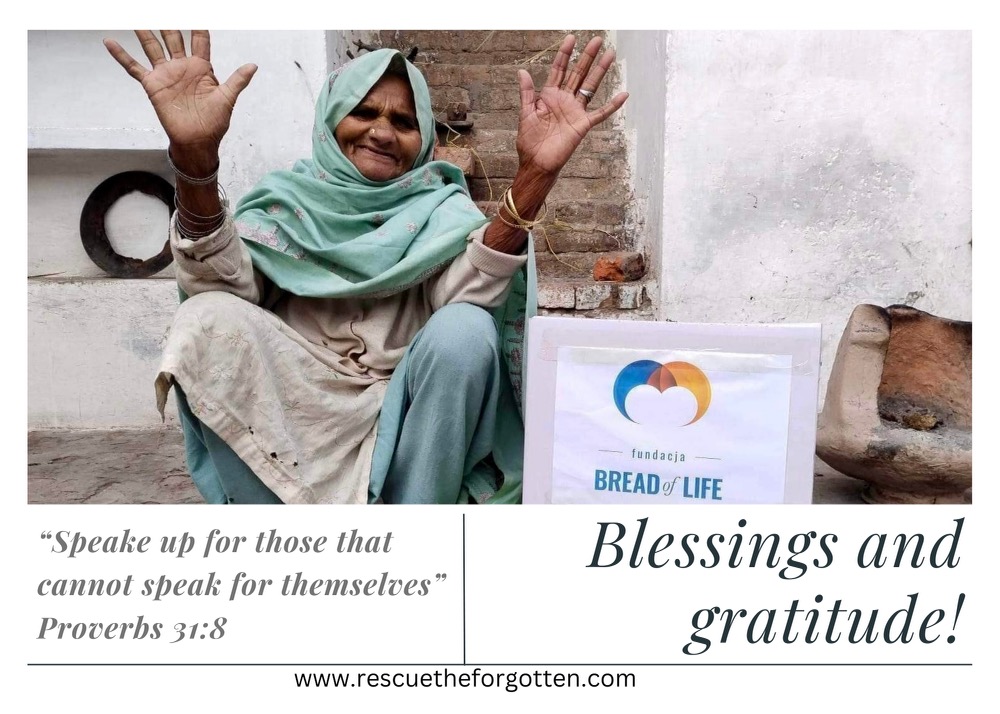
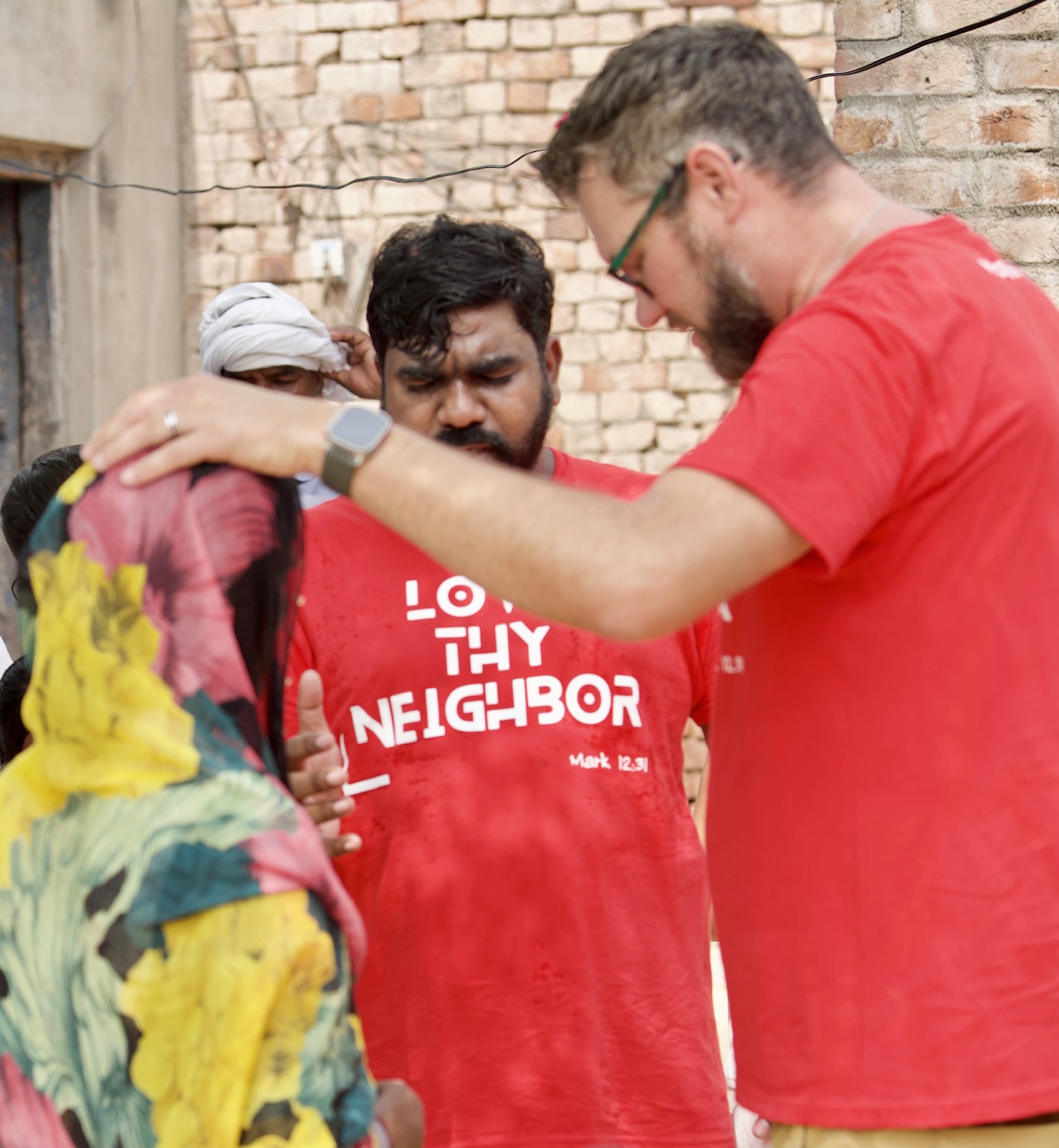
In Pakistan, we provide food to those who are desperately hungry and empower women and men through education and skill development. We’ve also helped start small businesses to bring sustainable change to communities.
Our outreach extends to families and children trapped in forced labor—whether making bricks, working in rice fields, or living as indentured servants or slaves. We provide them with food and education and, in some cases, have paid the price to secure their freedom. This gives these families and their children a renewed sense of hope, a brighter future, and the opportunity to build lasting posterity for generations to come.
While I was in Pakistan with our team, we organized several food distributions to support those in need. After a long and fulfilling day, three team members and I went out for dinner. The setting was unique and memorable—we sat atop large tables, reclining comfortably as we enjoyed our meal. The goat, the evening’s choice meat, was absolutely delicious.
As we ate, one of the Pakistani volunteers shared his story. He grew up as an indentured servant, a reality that shaped his entire childhood. He recounted how, as a child, his family would sometimes receive a single piece of bread late in the evening, around 10 PM. That was all we had to eat—on the days we ate at all.
As he spoke, his voice began to waver, and a tear slid down his cheek. He said, “As long as I live, I will serve with Bread of Life to bring these children food, to bring them hope.”
His words were powerful and deeply moving, not just to me but to our entire team. In that moment, it was clear that the work we are doing is having a profound and lasting impact on the lives of others. His commitment and passion reminded us why we do what we do—to bring hope and transformation to those who need it most.
We also work to ensure children can continue their education by providing renewable and sustainable resources to support their families, helping to prevent school dropouts due to lack of funding. We’ve witnessed firsthand how education has the power to transform not only individual lives but entire families and communities, fostering lasting and positive change.
In Zimbabwe, we provide food to orphans and widows facing food insecurity, working to combat malnutrition and improve their overall well-being. Our efforts also focus on the critical importance of education, ensuring children have the resources they need to stay in school and achieve their certificates and degrees, paving the way for brighter futures.
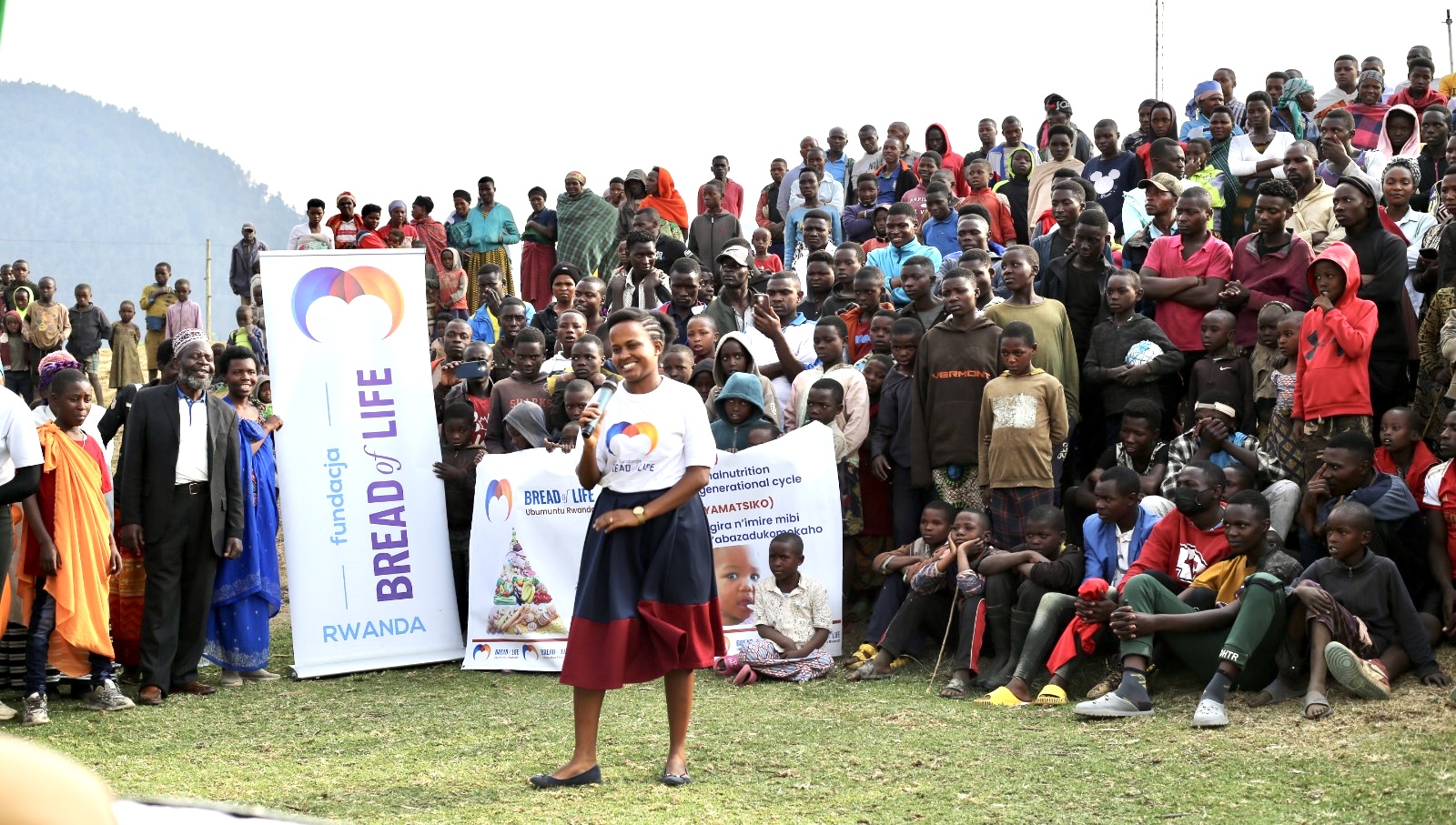
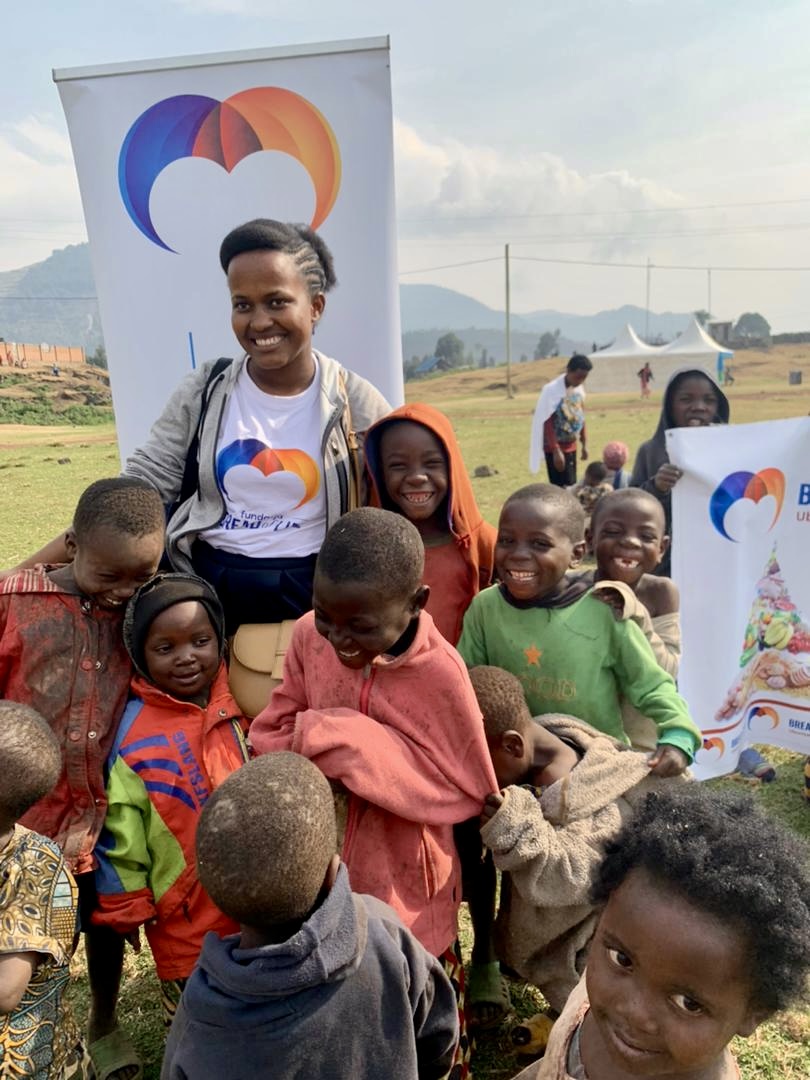
In Rwanda, we place a strong emphasis on combating malnutrition, focusing on the poorest and most affected sectors of the country. Our approach centers on two key strategies: education and food supplementation.
Through education, we teach and train communities about the importance of eating the right foods. Many people live in poverty, but even small changes in their diets can help them overcome malnutrition, improving the health of their families and communities.
For those without access to adequate resources, we provide the necessary food supplements to strengthen children and families, building a foundation for healthier, more resilient communities.
Malnutrition in children is particularly heartbreaking, as it not only affects their physical health but also hinders their ability to learn in school, which impacts their future earning potential as adults. However, we have seen that through education and supplementation, families and communities can be transformed, creating brighter and more hopeful futures for generations to come.
This July, my family and I will be leading a group of volunteers on a mission trip to serve in Rwanda. It promises to be an exciting and impactful experience—would you be interested in joining us?
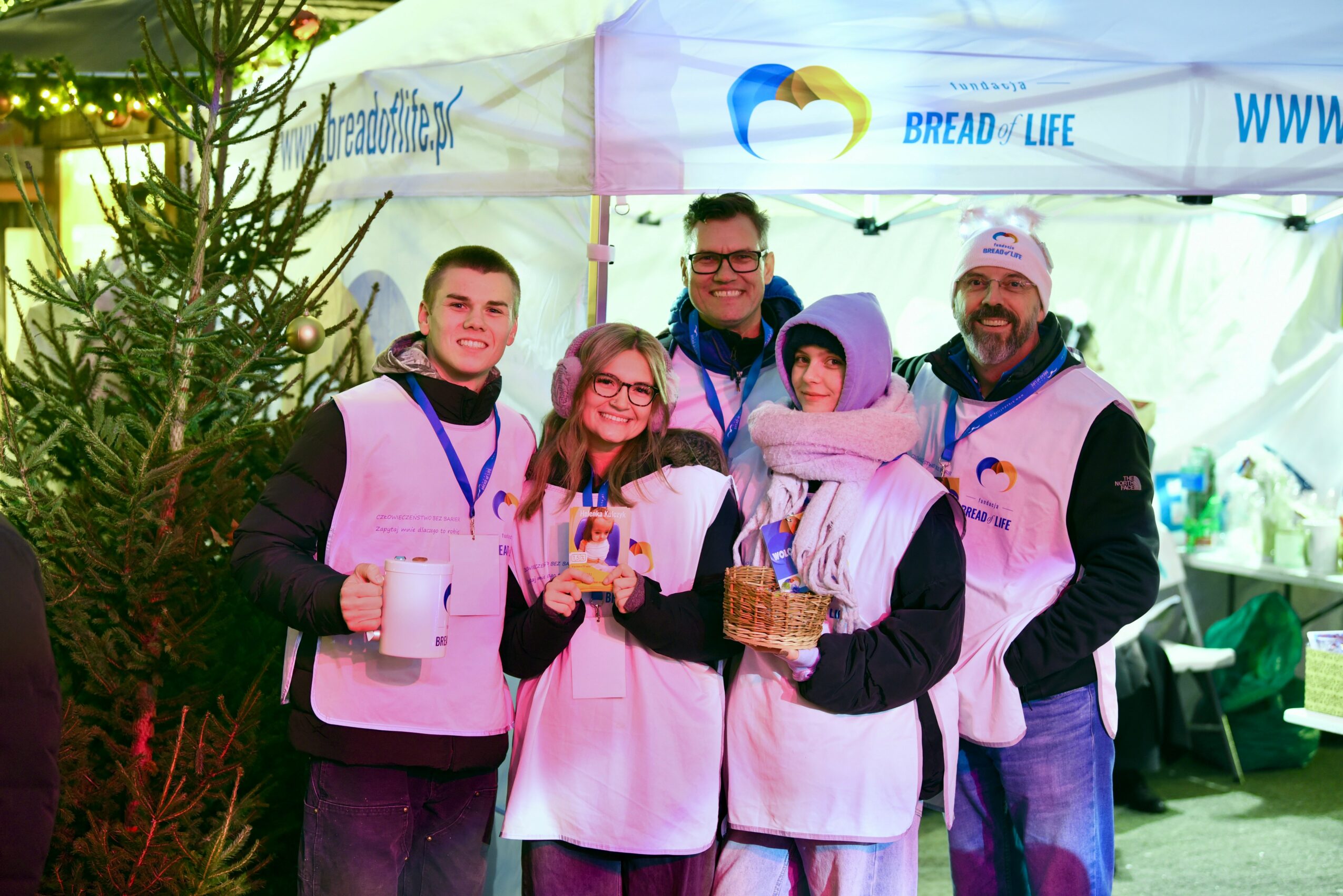
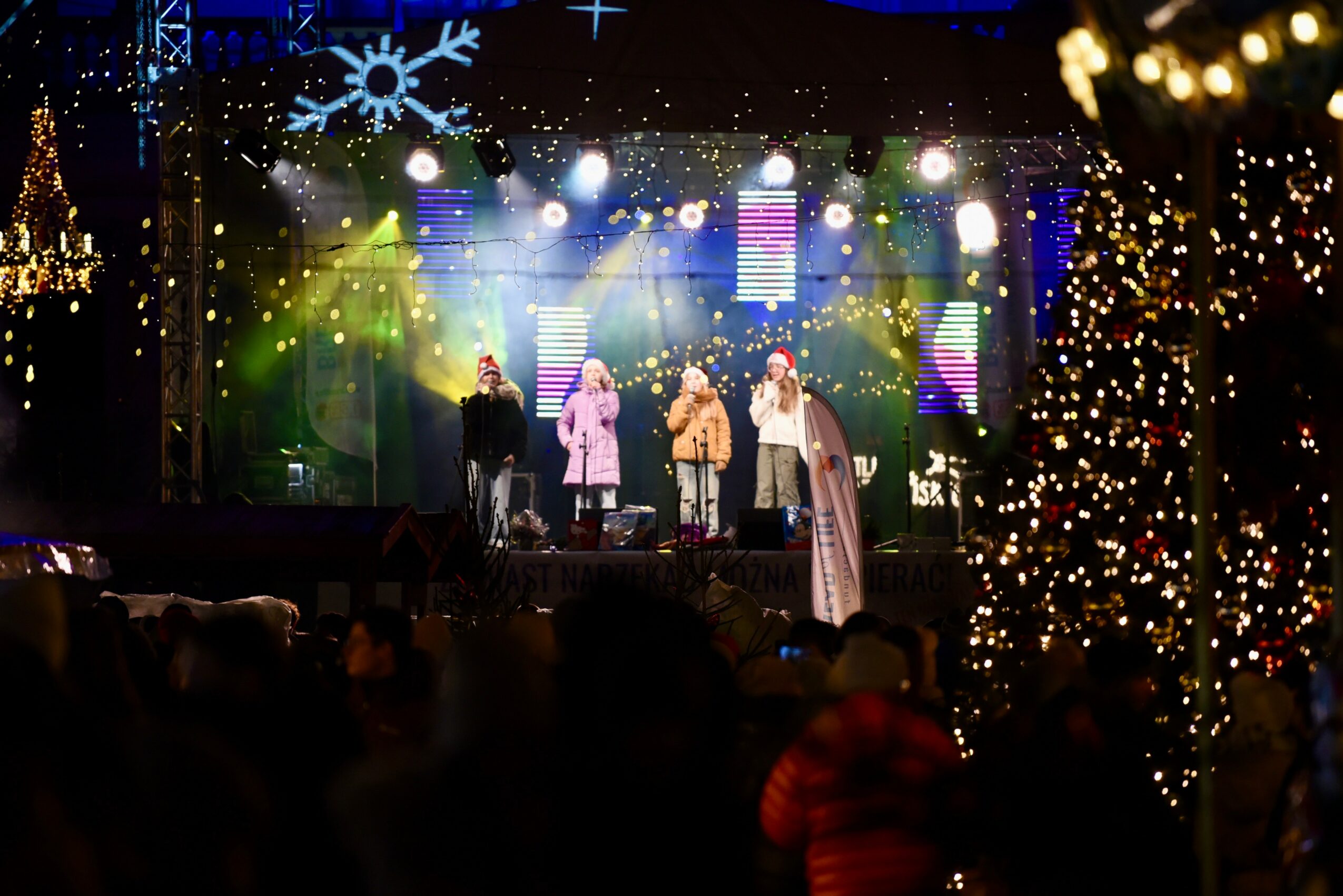
I was just in Poland and returned on December 20 after joining our Christmas market events—fundraisers to support local children who are sick. I wish you could have been there to witness the crowds, the performances, the live bands, the dancers, the auctions, and the amazing food.
Most inspiring of all was the generosity of countless volunteers and donors who came together to help these children in need.
I never could have imagined how much that child in Kenya would impact my life. Or the simple act of passing out three cups of tea to those in need. My wife and I gave up the pursuit of our careers in the pursuit of helping others.
We lived in Poland for almost 20 years, growing Bread of Life and helping those in need. During COVID, our family returned to Arizona. After establishing Bread of Life in Poland and other countries, it was time to establish it here in Gilbert, Arizona.
Bread of Life International empowers and equips individuals, businesses, churches, and local authorities to create sustainable change in society. The organization is dedicated to addressing the needs of the most vulnerable—including refugees, the homeless, the hungry, the sick, and those trapped in slavery or indentured servitude—by providing practical support, education, and resources.
We believe that children are the future, and that empowered adults play a vital role in shaping their lives. Our mission extends beyond; we aim to create generational change, building a foundation for a brighter, more sustainable future for communities worldwide.
At the heart of every individual is a desire to live a life of meaning and purpose. Bread of Life provides the opportunity to make that desire a reality by enabling people to contribute to something greater than themselves and create lasting impact.
Would you say it’s been a smooth road, and if not what are some of the biggest challenges you’ve faced along the way?
Working in the humanitarian field, there are always obstacles/challenges—some so immense that they can’t be resolved, no matter how many resources you have.
Sometimes, no amount of money can prevent loss or heartache. But what we can do is be present: to offer comfort, show love, and provide unwavering support to families in their time of need.
I often wish I had all the resources in the world to address every challenge and bring relief to every situation. Yet, the reality is that it’s a constant challenge to discover new ways and find new resources to meet the work before us. Still, the opportunity to make even a small difference inspires us to keep going, one step at a time.
I wish I could say the road has always been smooth, but it has been marked by its share of challenges. However, challenges present opportunities to rise above, grow, and develop. While they may not always be enjoyable, overcoming them is where true growth happens.
My wife and I embarked on the journey of building a nonprofit in a foreign country as outsiders, facing unique challenges along the way. We had to navigate a new culture, learn a new language, adapt to unfamiliar laws, and discover entirely different ways of doing things. It was an adventure filled with obstacles, but also one that brought lifelong friendships and a deep appreciation for the country we called home.
Over time, we learned to overcome these challenges, growing through the experience and finding ways to succeed in each country we serve.
Raising our family far from our extended family and friends wasn’t easy. We missed many birthdays, celebrations, and holidays. But we also found ways to make life exciting and fun for our kids, creating special memories while living far from home.
We raised our three children in Poland until the COVID-19 pandemic disrupted our lives.
Our kids attended Polish schools, where they were fully immersed in the language and culture. They studied all their subjects—math, science, history, French, German and more—in Polish. At one point, in a humorous twist, our children identified as being Polish and would tell people, “Our parents are American.”
Leaving Poland during COVID to return to Arizona was incredibly difficult, especially for our kids. To them, Poland was their home country, and moving to America felt like uprooting them to a foreign land. They had to adjust to a completely new education system, learn to read and write in English, and adapt to an entirely different way of life. In fact, our son even qualified for English Language Learner assistance because his native language education was in Polish.
When COVID-19 began, all flights were grounded, and there were no flights to America. Across Europe, countries started closing their borders, and people around the world were repatriating to their home countries. The U.S. Embassy in Warsaw contacted us and informed us that there was one final flight scheduled to leave in three days. After that, no additional flights were planned.
It was a difficult decision—should we stay or leave? At the time, our son was dealing with health issues, and after consulting with doctors in both Europe and America, we were advised to take him to the U.S. during the pandemic. One doctor gave us a grim warning: if our son were to contract COVID, he would most likely not survive. He added, “If that happens, you need to be near your family for support.” It was an incredibly emotional and challenging time for us. Thankfully my son is doing great and a thriving six grader in Gilbert, AZ.
We were deeply grateful for the family support we received upon arriving in Arizona. Friends and family helped us arrange food, an Airbnb, and other necessities on such short notice during a global pandemic.
This experience resonated even more deeply with my wife when the war in Ukraine began. Remembering how crucial it was for us to have a safe place to stay and a support system, she felt strongly about building tiny homes to provide proper shelter for refugee mothers with their children trying to rebuild their lives in a foreign country.
Our journey has been filled with unexpected challenges, but it has also been a path of growth, resilience, and finding ways to support others in need.
Many of the places where we work are off the beaten path. These areas are often extremely remote and fraught with challenges. Some countries, like Ukraine, are in the midst of war, while others grapple with crime, mafia influence, political strife, and internal instability.
Let me share an example of a particularly difficult situation I faced upon arriving in Pakistan less than a year and a half ago.
The day I arrived in Pakistan (August 2023) marked one of the darkest moments for Christians in the country’s history. By the end of that day, more than 23 churches, including the Salvation Army, were looted, destroyed, and burned. The devastation didn’t stop there—over 400 homes were reduced to rubble, many engulfed in flames.
I was staying about an hour away when the attacks occurred, and that morning we received text messages urging us to lay low. Despite the warnings, our team was ready to go and help those in need—that’s what we do. They invited me to join them, and while I wanted to go, I expressed my concern that my presence might compromise the mission. As a 6’4″ American in Pakistan, I would undoubtedly draw attention.
To mitigate risks, we implemented safety protocols, including adding extra tinting to the back windows of the car. The following night, under the cover of darkness, I ventured into the city with my team to witness the destruction firsthand and to help where we could. What I saw was nothing short of harrowing.
Streets were littered with debris, and the devastation was overwhelming. Walking through the ruins, I half-expected to step over bodies, the air thick with the weight of what had happened.
As an American—6’4” and far from inconspicuous—I knew I had to tread carefully. The situation was tense, and my presence was far from welcomed by everyone.
At one point, after a close call with some unfriendly locals, I found myself hiding in the shadows, observing the wreckage and speaking words of hope to survivors who had returned to see their homes for the first time since the attacks.
I offered encouragement to those whose lives had been shattered.
However, when my Pakistani director overheard other locals on a phone call saying, “There’s a foreigner here. What do you want us to do with him?” it became clear we needed to leave immediately. We swiftly and quietly departed the city.
On my return trip from Pakistan to the United States, as I landed in Los Angeles, I sent a text to friends and family, asking if anyone would be willing to help rebuild the homes and lives of those affected in Pakistan. The response was immediate and generous.
Through the kindness and support of many, we were able to help rebuild 100 homes. This included replacing doors, beds, plumbing, electrical systems, refrigerators, stoves, clothing, food, and other essentials. Together, we restored not just homes, but a sense of hope and dignity to those who had lost everything.
This experience remains a powerful reminder of how compassion and generosity can bring light to the darkest moments and rebuild lives, one act of kindness at a time.
Alright, so let’s switch gears a bit and talk business. What should we know about your work?
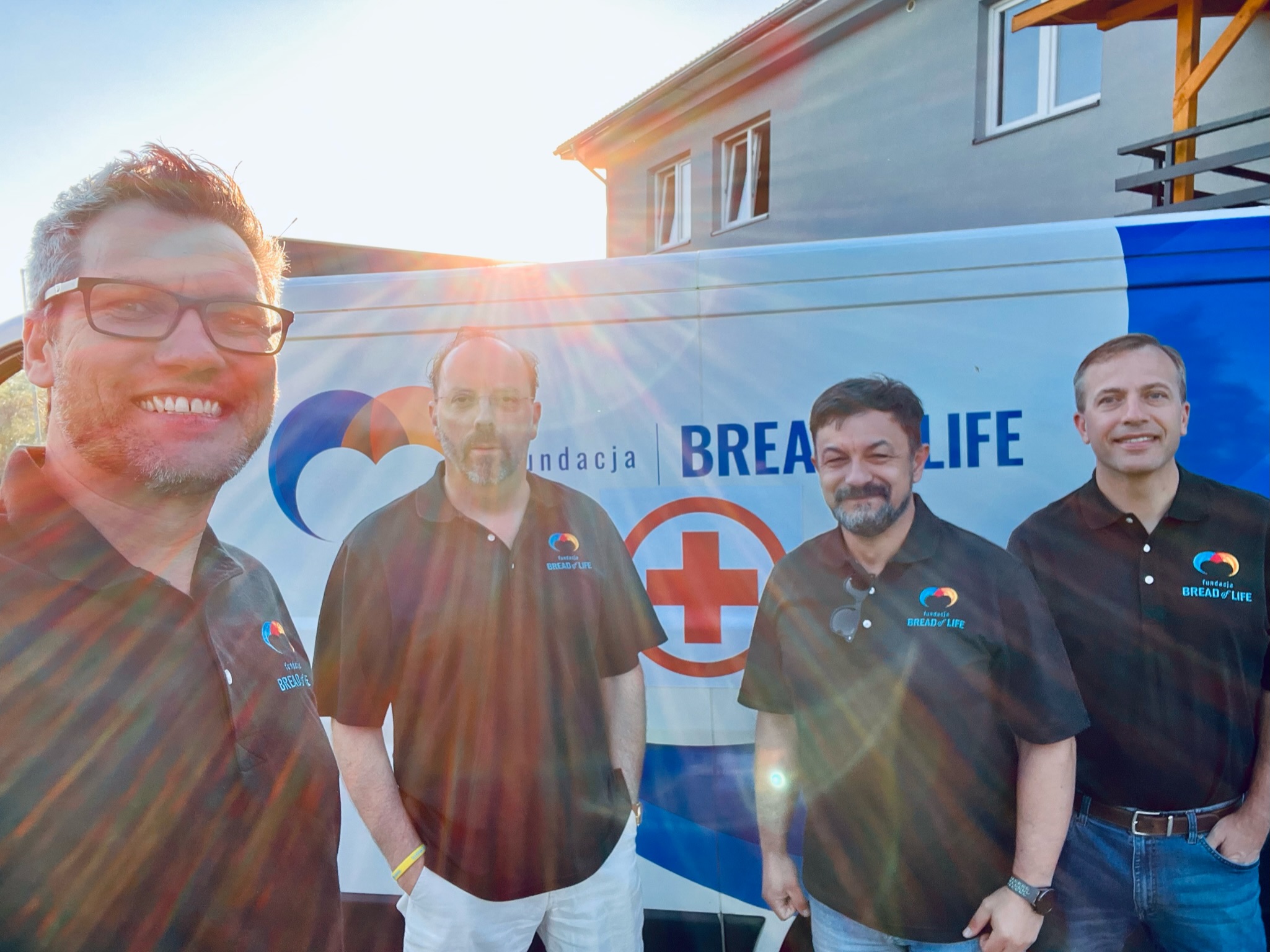
Today, I have the privilege and honor of serving as the president and founder of Bread of Life International. I get to equip, train, encourage, and lead our global teams in rescuing those in need. And when I’m not here in Arizona I’m overseas with our teams, hands on engaging with the people that we serve. I get to capture the stories through my lense and write them out working to connect people to the work making them feel as if they were there with me too.
Since living overseas I’ve engaged and worked with people in person from more than 90 different countries from around the world. I have a very good pulse for the reality of our world and how to help move people forward. It is an incredible gift to witness lives transformed and hope come alive in people. To see the lives that were once were destitute now living a better day brings joy to many. Brings joy to the person that needed help, brings joy to me and brings joy to the donor who gives so that another might have hope and joy.
I have found myself in some very dangerous situations, yet amidst these challenges, I’ve seen something extraordinary—something that cannot be bought or taken away from humanity: HOPE. It is a profound privilege to serve these individuals and witness the hope and joy in their eyes as they embrace the possibility of a better tomorrow.
None of this work would be possible without the dedication of those who pray and give generously. Their support fuels the mission to bring rescue and restoration to people worldwide.
I often wish everyone could join me on my trips to see this work firsthand, to stand alongside our teams, and to serve those in need. Just as a nine-year-old child in Kenya forever changed my life, I know that your life, too, could be transformed by the simple act of serving others.
But you don’t need to travel overseas or to a far-off land to make a difference. You can start right where you are—by offering something as simple as a cup of water or by simply telling them that they are loved. That single act of kindness can change both your life and the life of the person receiving it.
No matter where you go, there is always someone in need of encouragement, empowerment, and hope. Take heart, have courage, and be brave. There are countless lives waiting to be rescued, and you have the power to make a difference.
My wife, Brooke, is the co-founder of Bread of Life International and has been instrumental in driving our mission forward. She has led countless projects around the world and has personally initiated and expanded our efforts into countries like Zimbabwe, Rwanda, and Pakistan. Brooke’s passion and dedication make her an extraordinary partner in this work, and anyone who meets her is left feeling inspired and uplifted.
Brooke and I are speakers who are deeply committed to empowering and inspiring people to reach their full potential.
Through our talks, we aim to connect with audiences on a profound level, often leaving them laughing, moved to tears, and motivated to take action. Our shared mission is to create a meaningful and lasting impact in the lives of people.
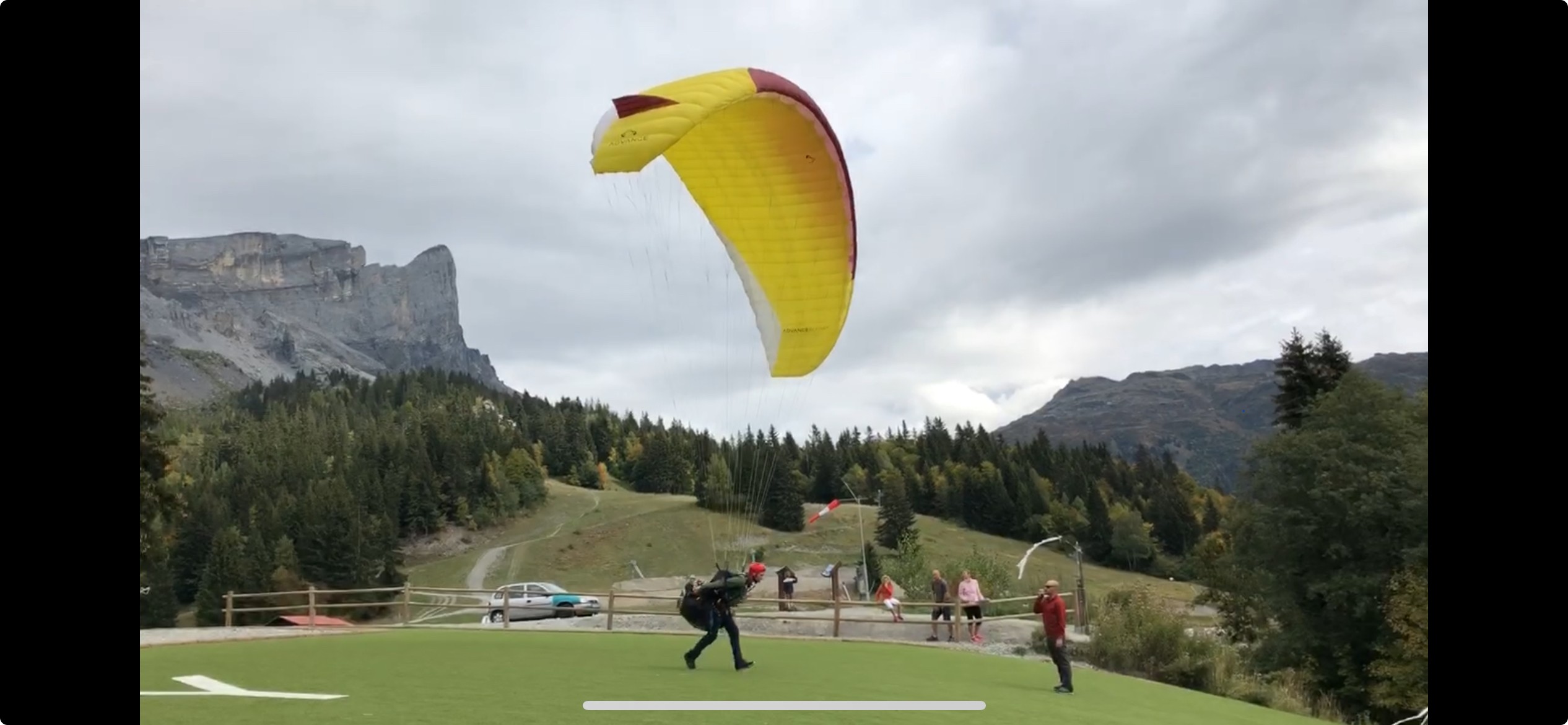
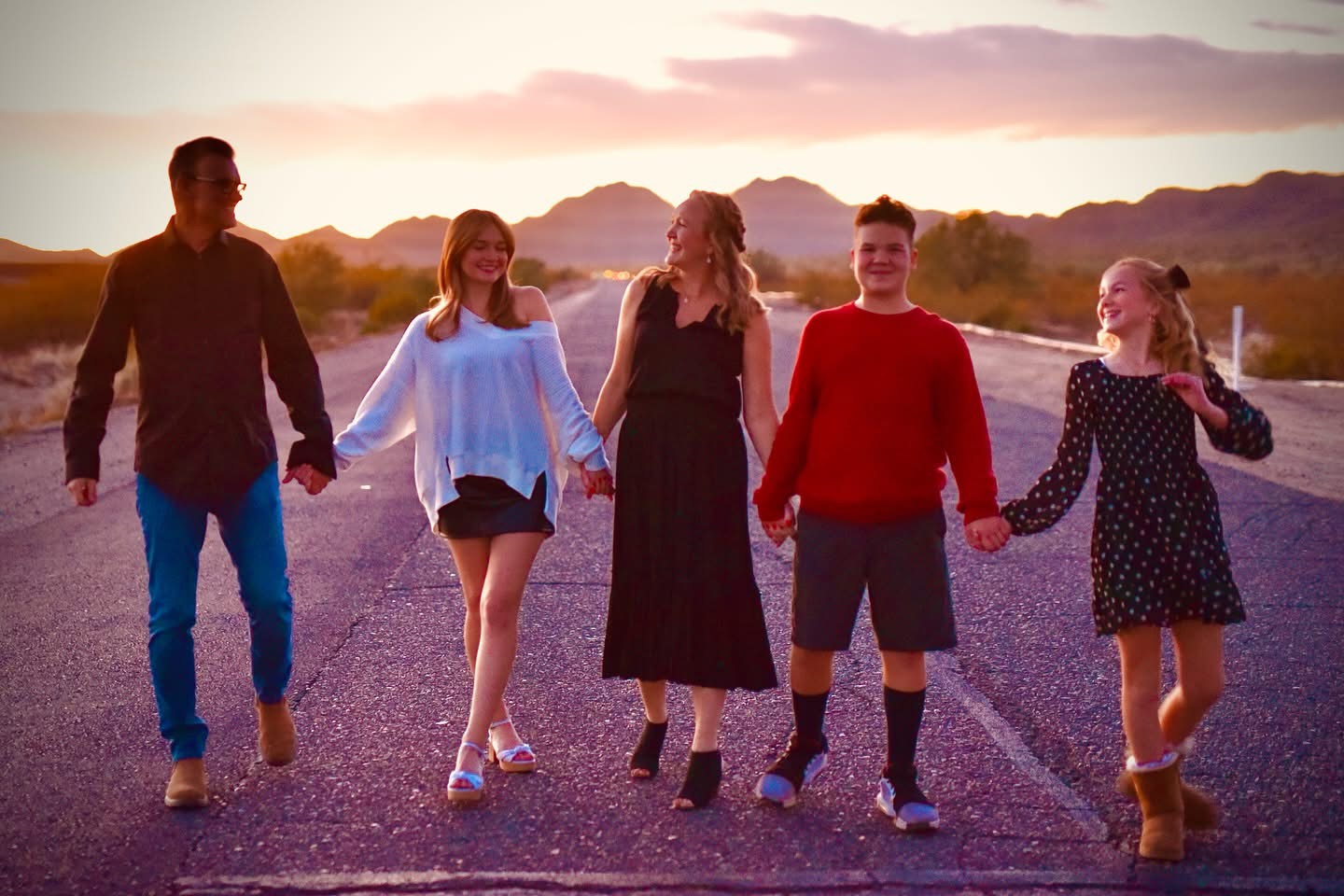
Brooke and I have three amazing children 18, 12 and 11 and 2 adorable dogs. When I’m not traveling the globe I enjoy my family and anything in the outdoors. I achieved my paragliding certificate in France while living in Europe and I eagerly look forward to flying here in AZ too.
Do you have any advice for those just starting out?
The advice I would give to anyone starting out in humanitarian work is the same way we start in every country we serve—it’s the way I started Bread of Life, with three cups of tea. My encouragement is simple: begin with something small, like a cup of water, and be present with the people you want to serve.
Humanitarian work is about more than just handing out meals, water, or shelter, though these are critical. The real impact comes from engaging with people on a personal level. Behind every statistic, behind every number served, is a name, a story, and a person with dignity who deserves respect and love. Knowing their name and truly understanding their situation is what matters most.
When we first began handing out cups of tea and meals at train stations, we didn’t just serve—we listened. Through these interactions, we gained insight into their lives and the broader challenges facing the country. At the time, Poland was only 12 years removed from communist rule, and many freedoms were still being rebuilt. Many of the homeless people we served didn’t want to be homeless—they wanted jobs, dignity, and a better life.
I remember some of them wearing old suits, trying their best to present themselves with respect despite their circumstances. However, the economic reality was grim. It was a vicious cycle: to get a job, they needed an address, but to have an address, they needed a job.
After spending time with these individuals and understanding their struggles, my wife and I developed a program and built the New Life Center. Through this center, we were able to help more than 800 homeless individuals reintegrate into society. But through this process, we uncovered deeper issues: over 60% of the people we helped had grown up in orphanages, and 40% had experienced domestic violence in their childhood homes.
Recognizing this, we realized that addressing homelessness required a proactive approach. We rewrote our programs to target orphans and children affected by domestic violence, aiming to prevent homelessness before it began.
This might be a long answer, but I believe it underscores an important point: humanitarian work isn’t just about giving people something and moving on. It’s about developing the person as a whole, helping them discover hope and purpose so they can live fulfilled lives. It’s about connection, compassion, and seeing people not as numbers, but as individuals with incredible potential.
Contact Info:
- Website: www.rescuetheforgotten.com
- Instagram: www.instagram.com/rescuetheforgotten
- Facebook: www.facebook.com/boflministries
- Other: linker.ee/boflinternational

Processed with MOLDIV
Processed with MOLDIV
Processed with MOLDIV
Processed with MOLDIV
Processed with MOLDIV
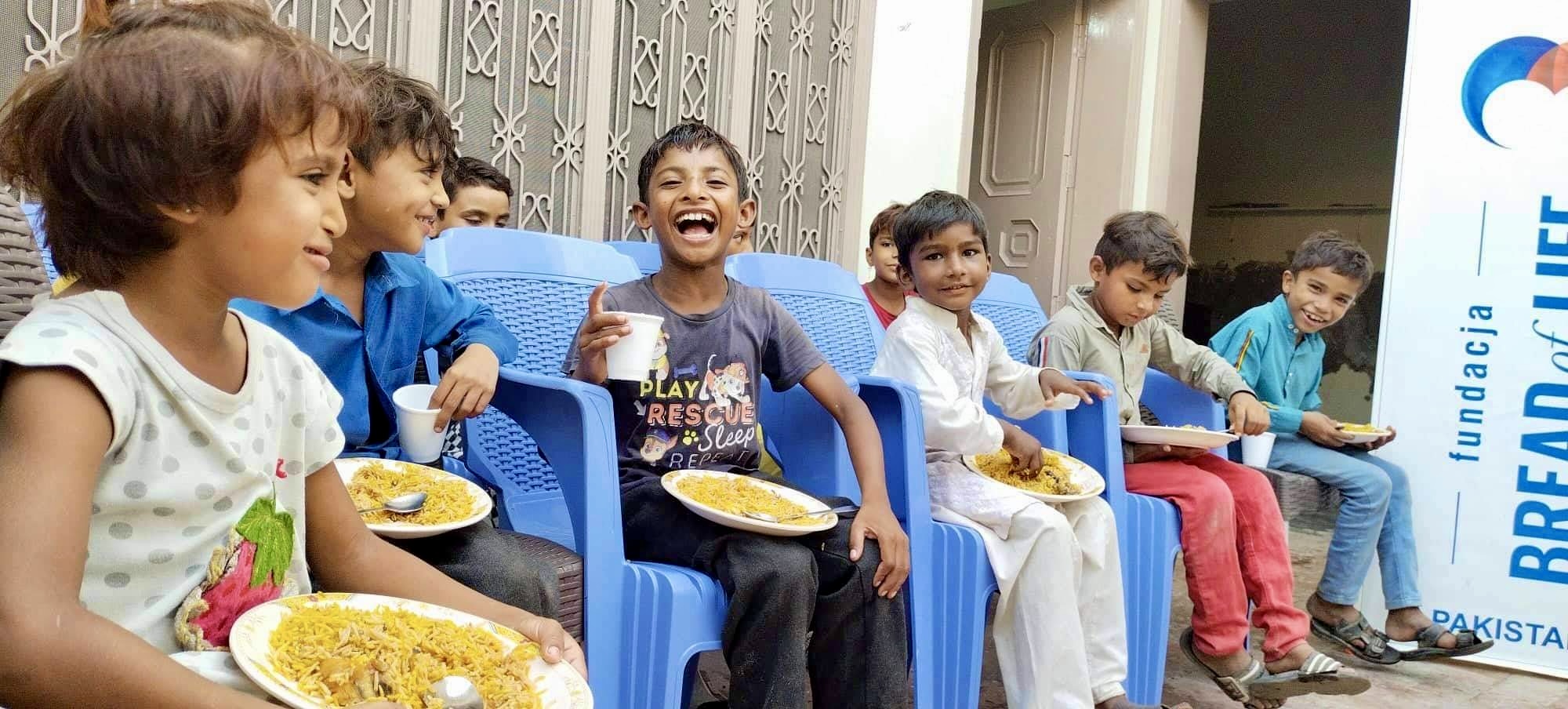
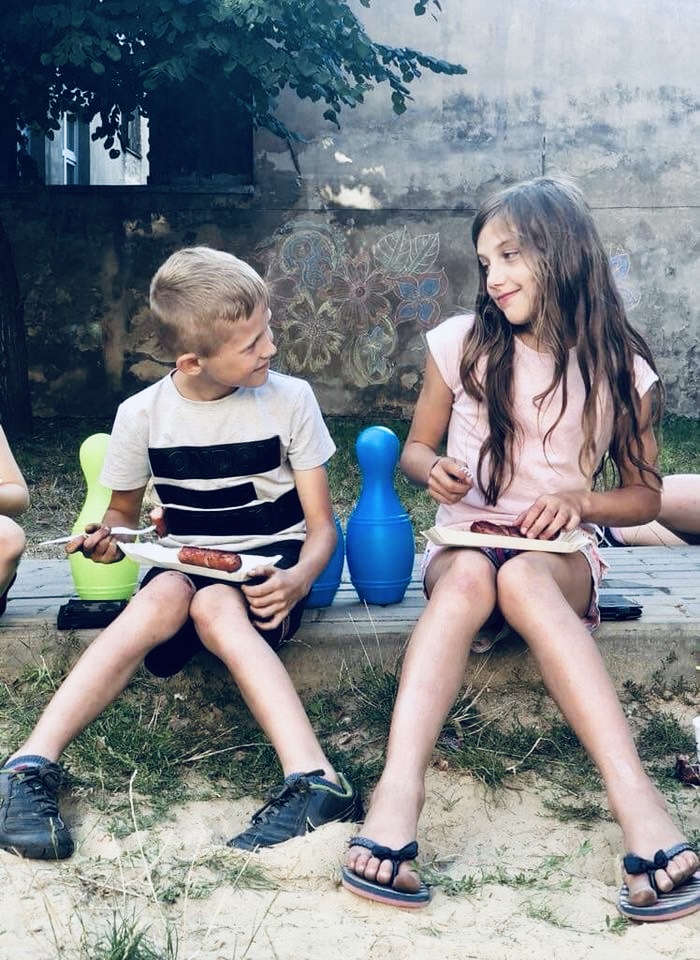
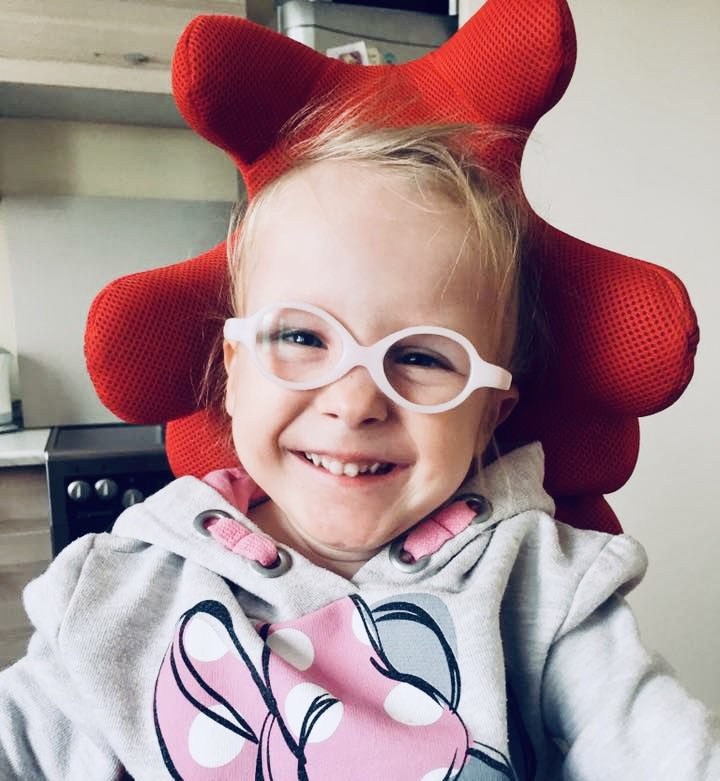
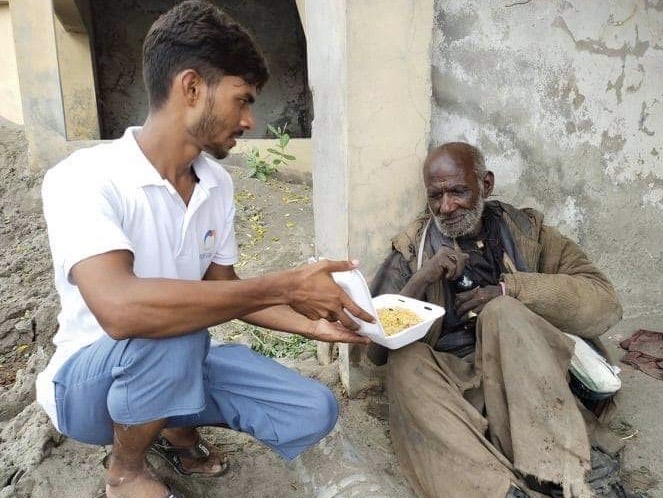
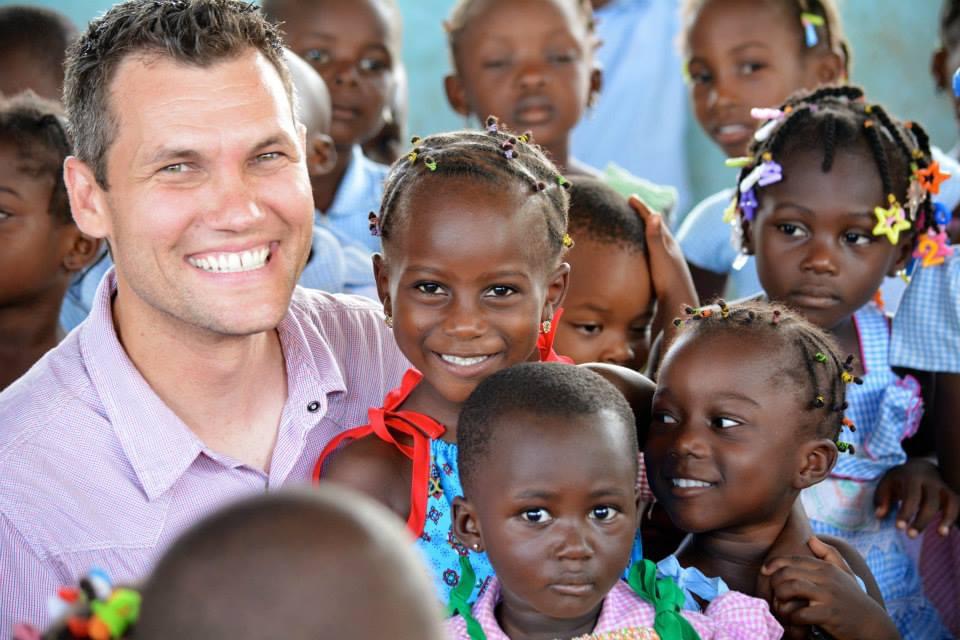
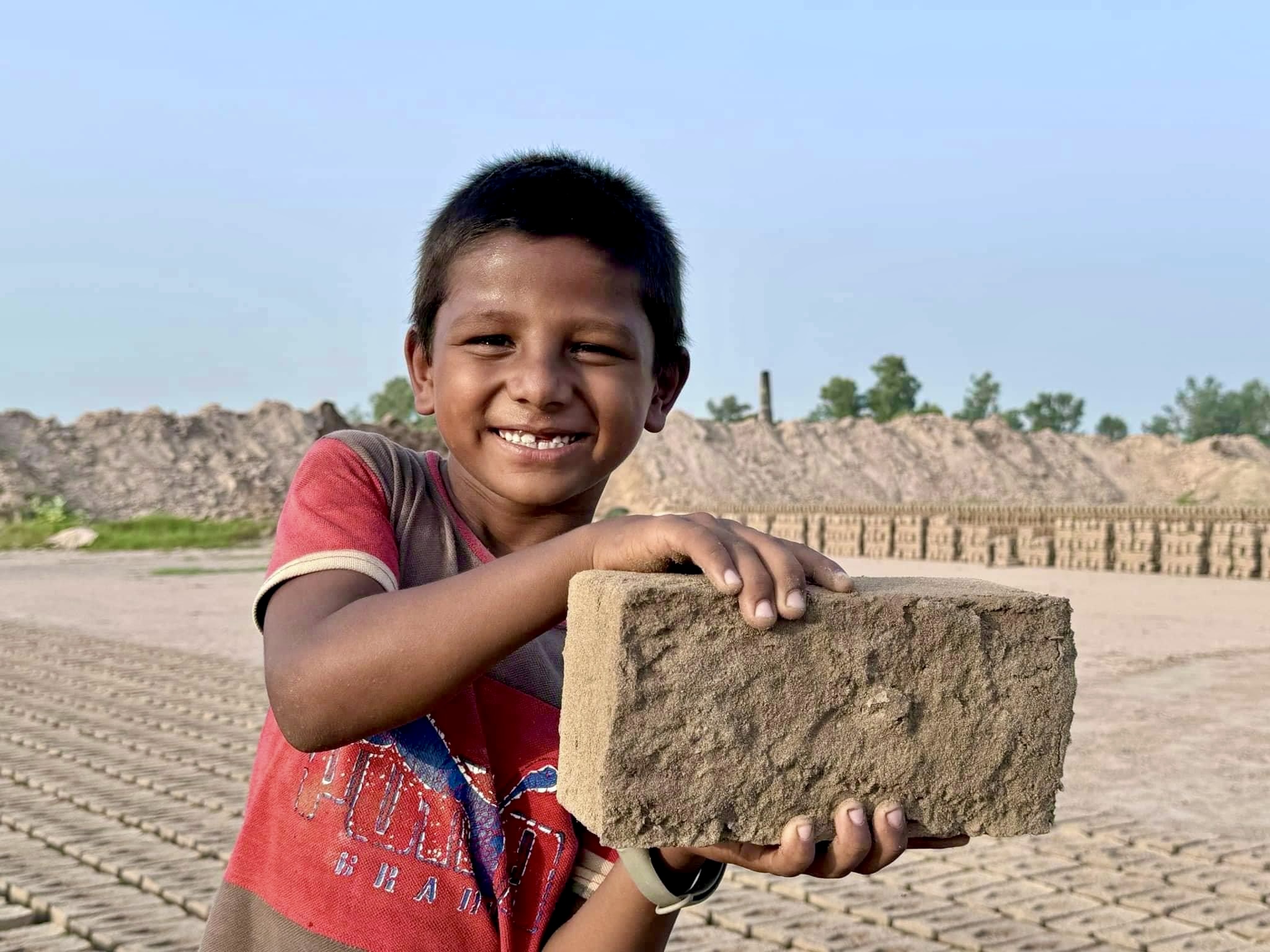
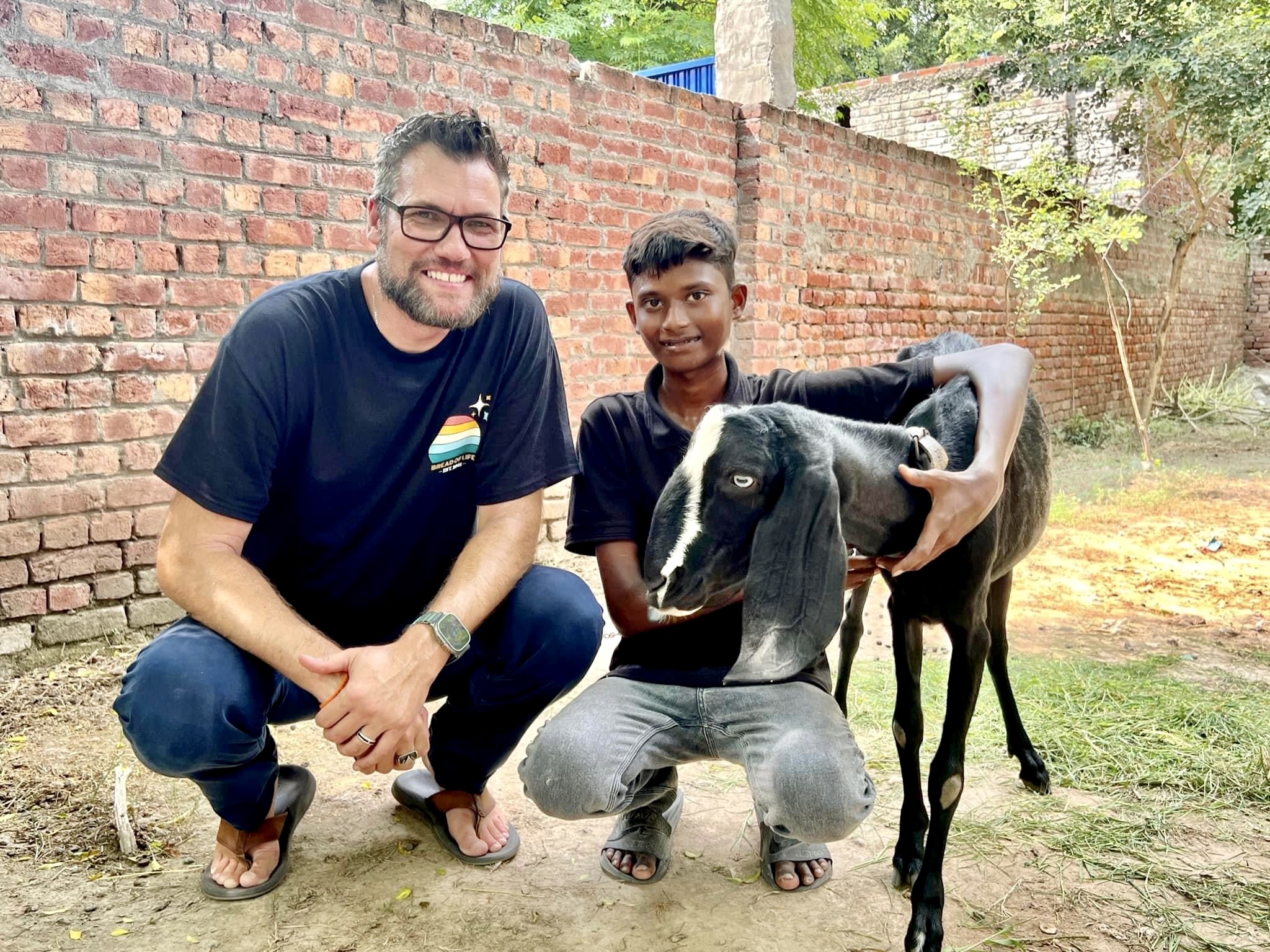
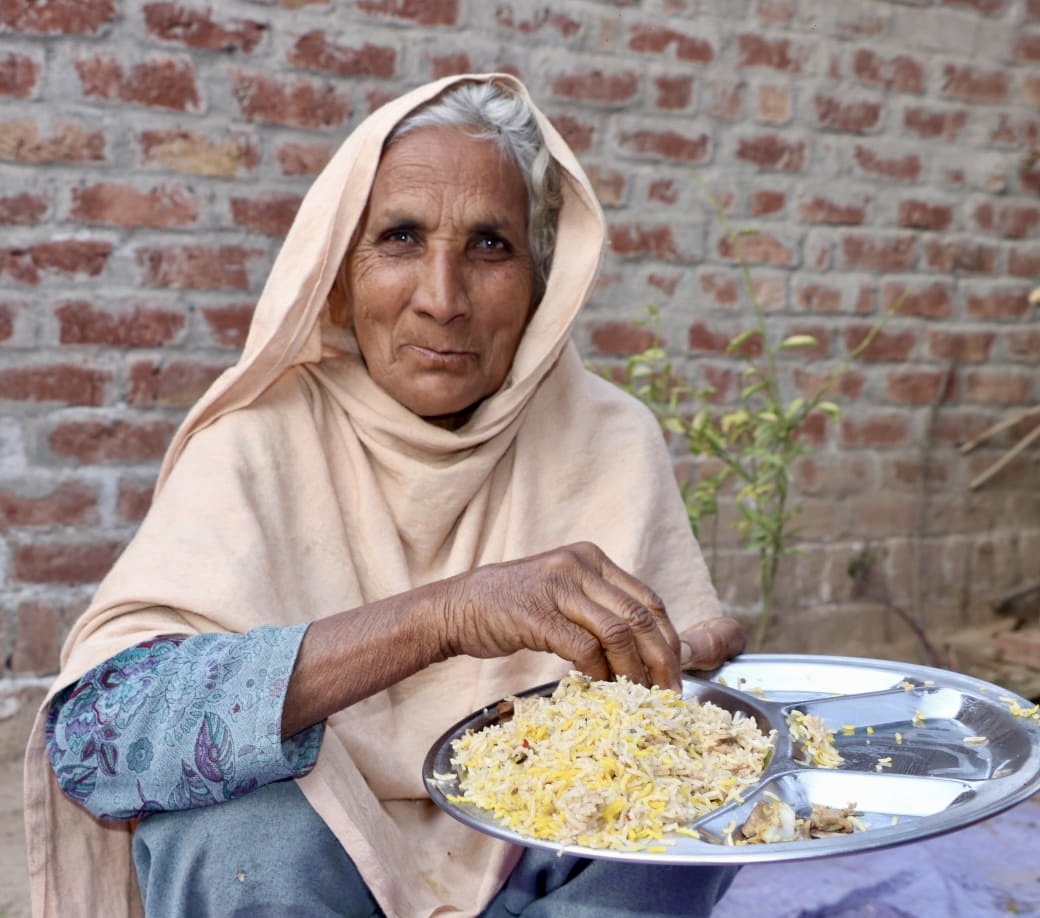
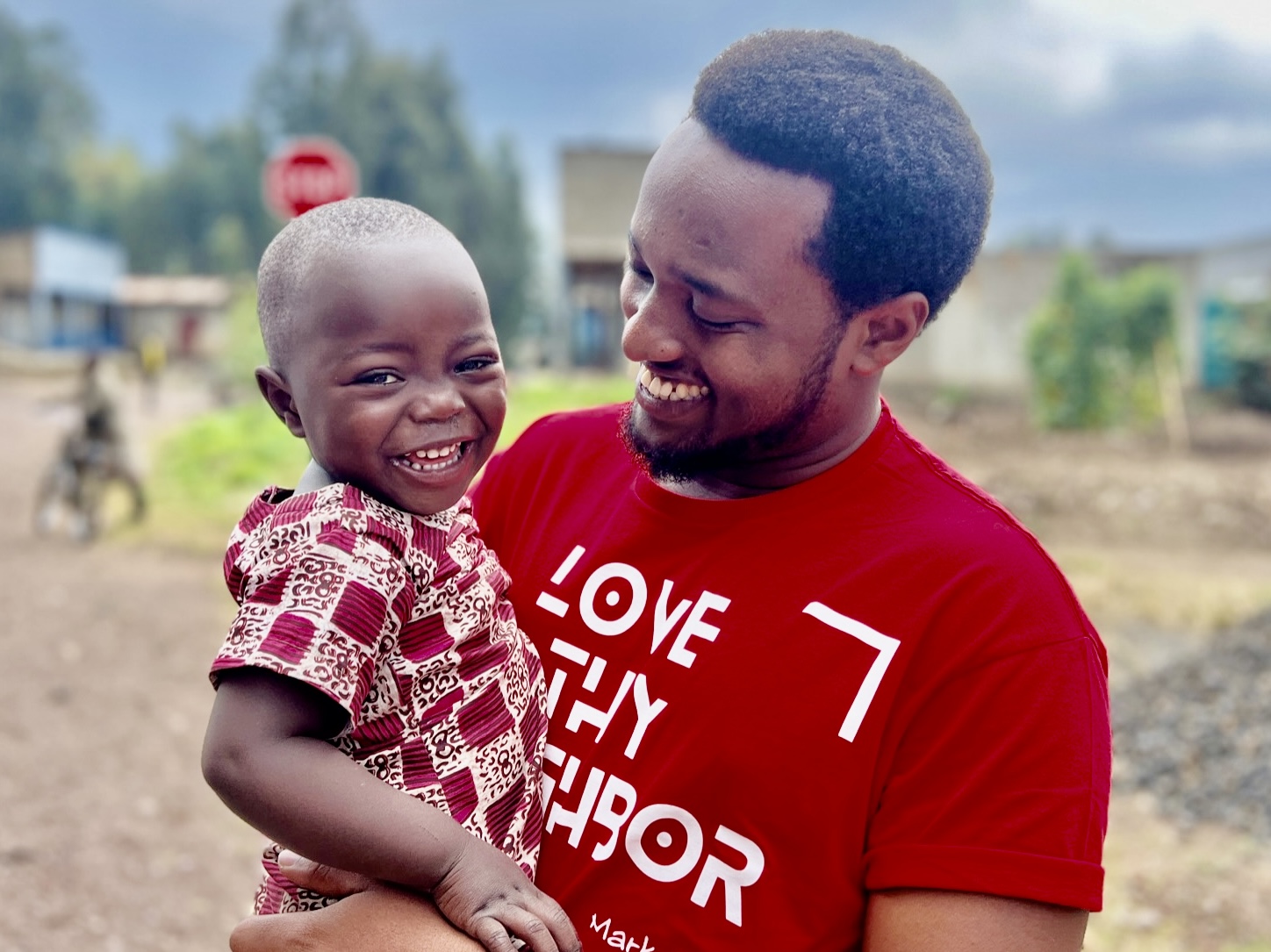
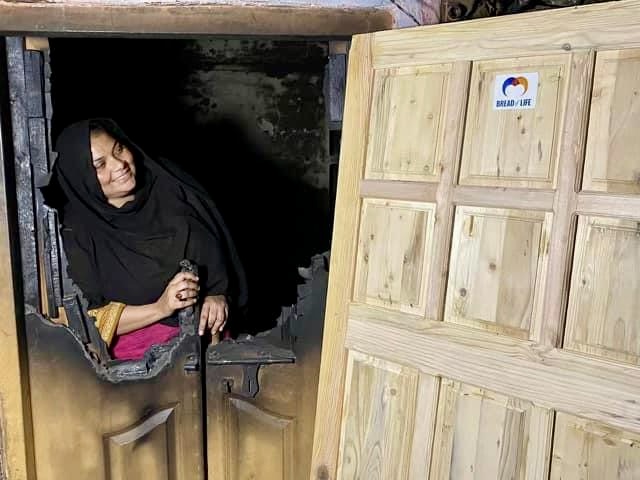
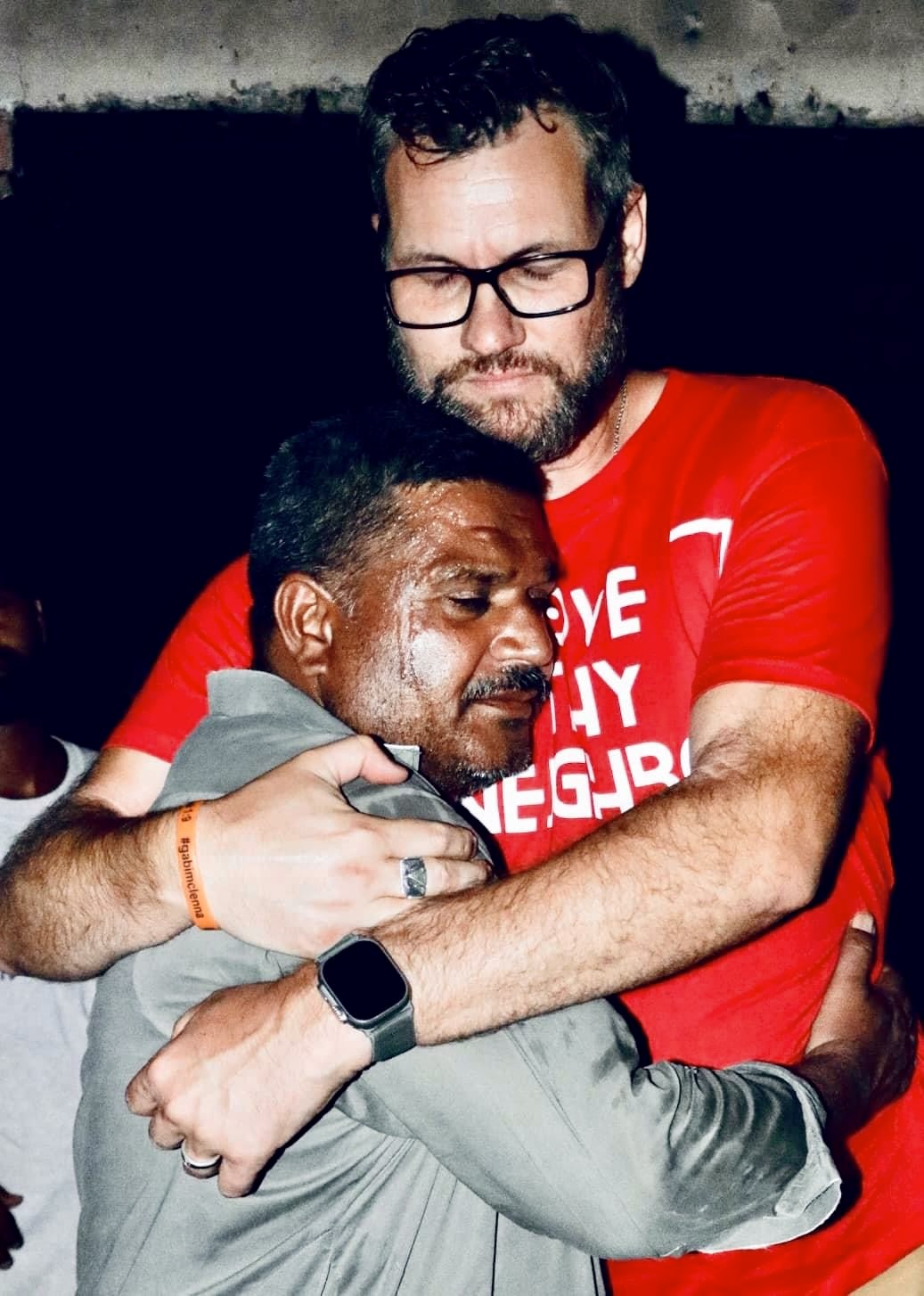
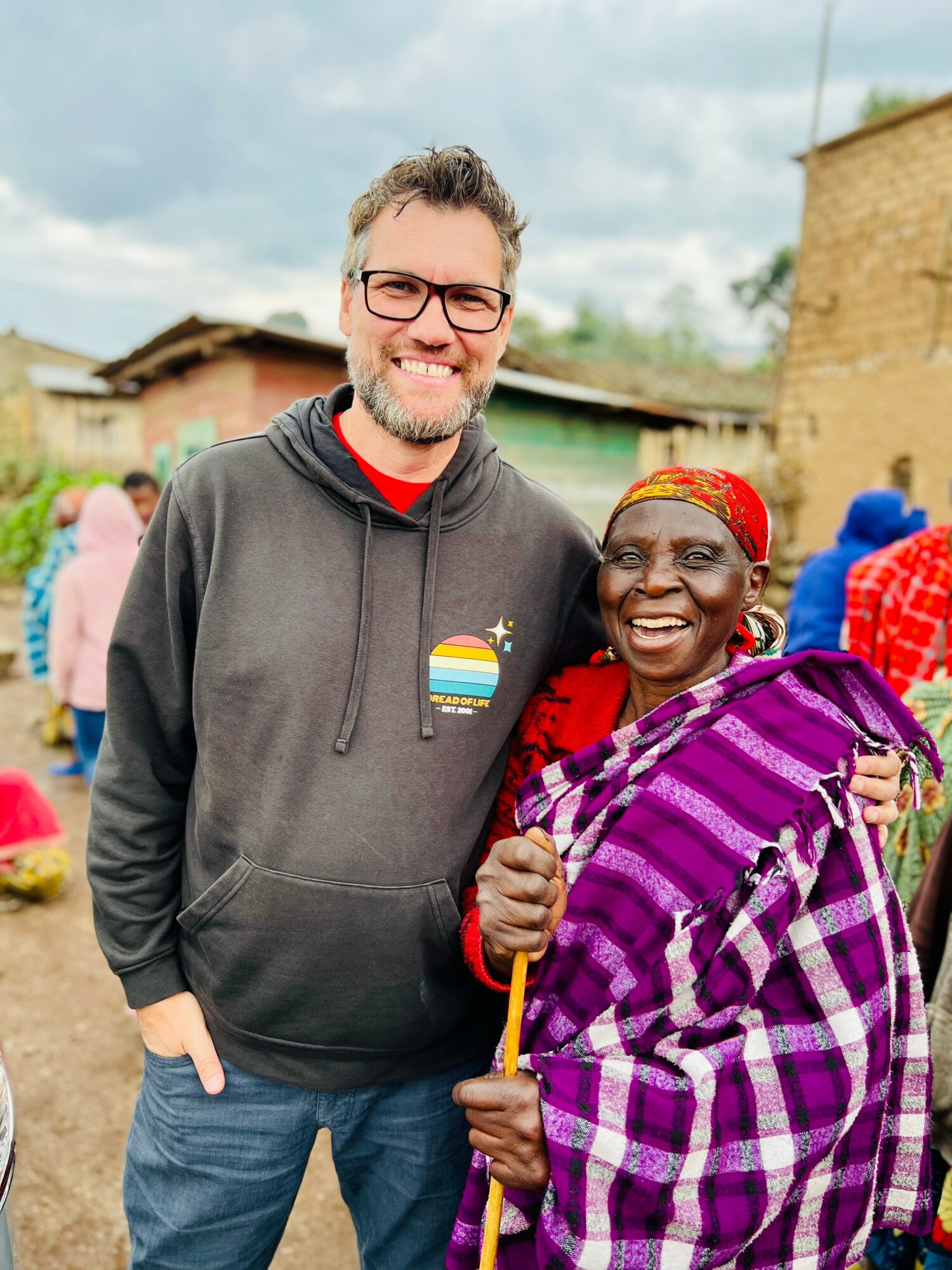
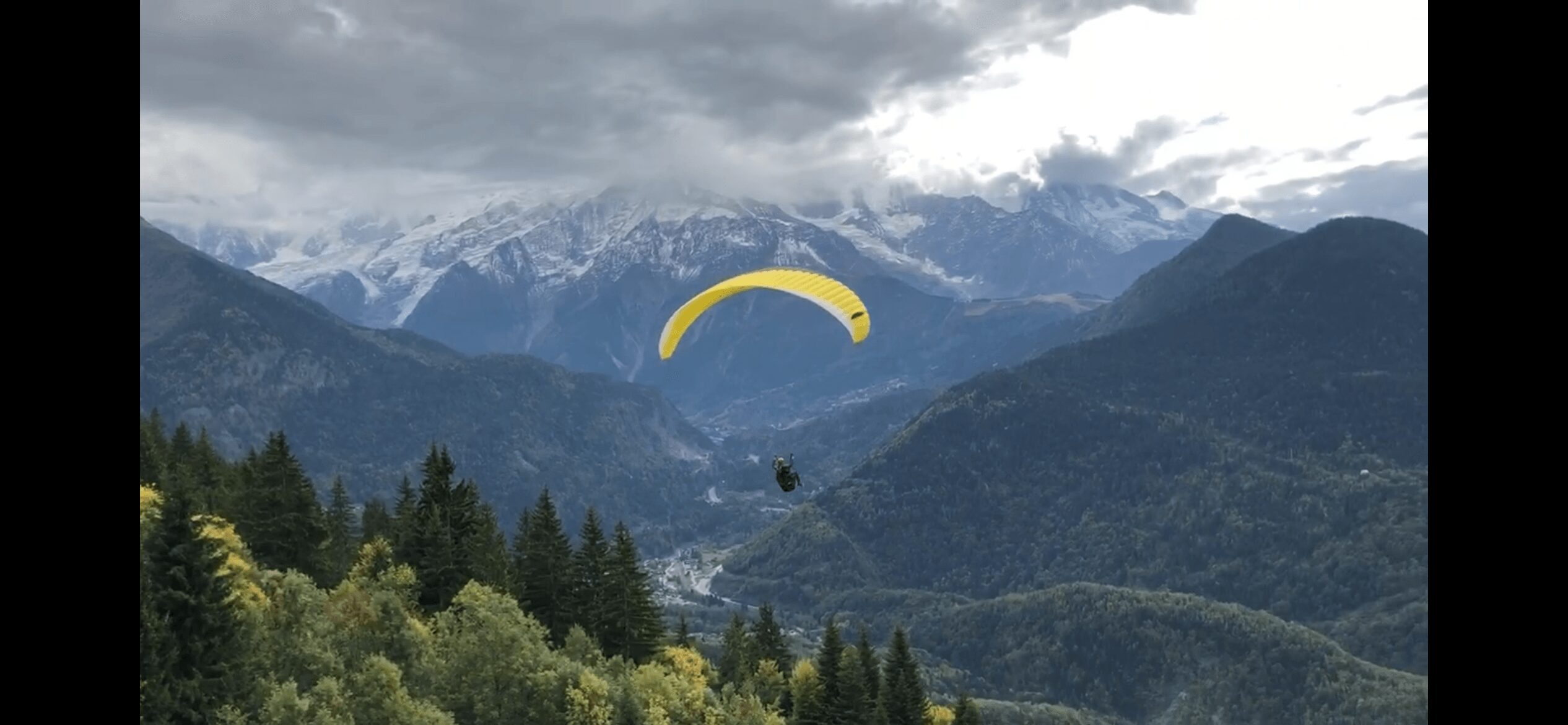
Image Credits
All photos were taken by me or members of my team. Image credits are attributed to Bread of Life International.
Popular
-

Phoenix’s Most Inspiring Stories
-

Building Love With Purpose: Darryl & DeLonda Tucker on Faith, Resilience, and Expansion
-
Andrea Savarese Is Redefining Veterinary Care Through Calm, Connection, and Compassion
-
Sun Cities 4 Paws Rescue Is Building a Sustainable, Compassion‑First Future for Feline Welfare
