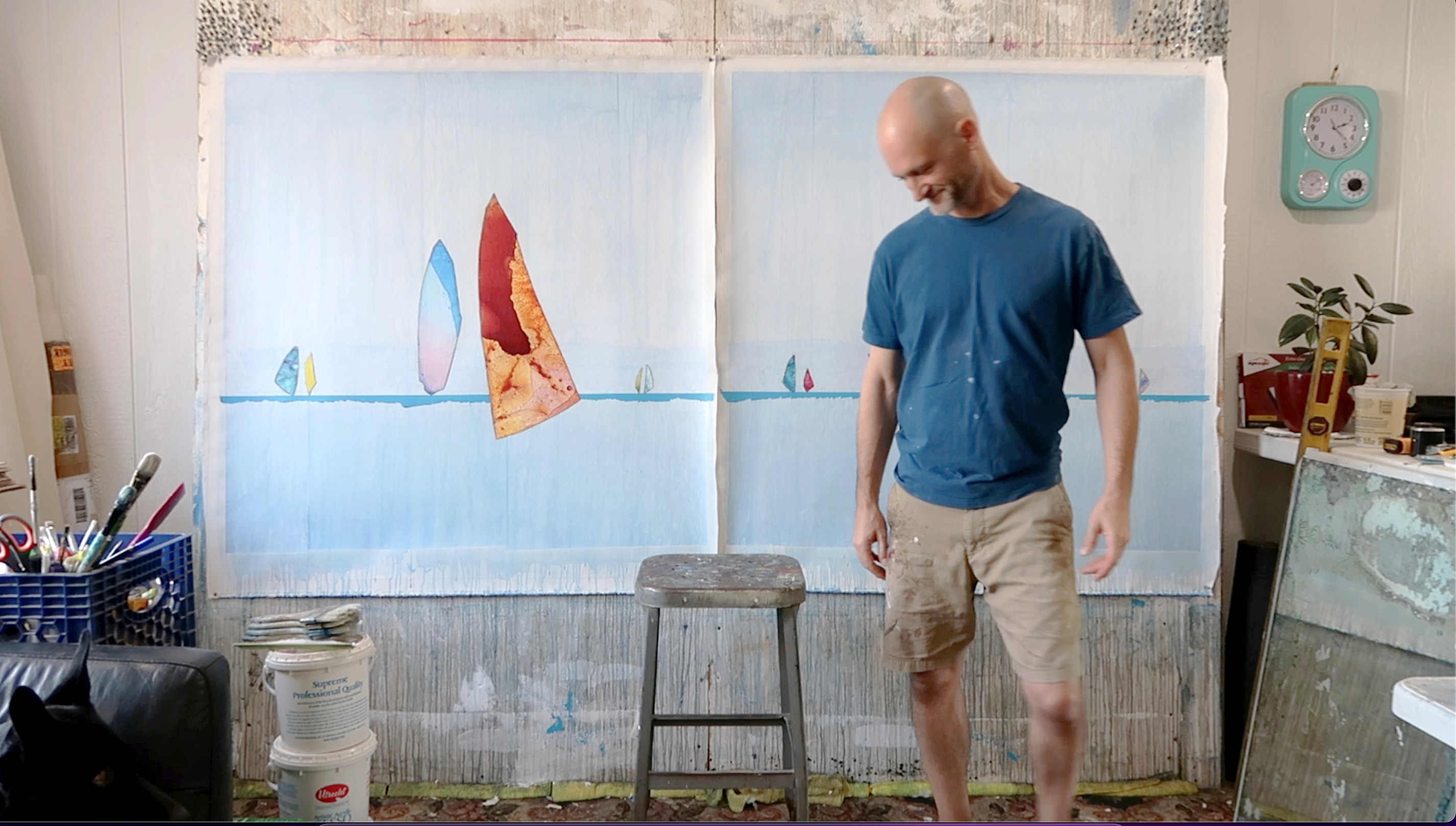
Today we’d like to introduce you to Peter Kuttner.
Peter, we appreciate you taking the time to share your story with us today. Where does your story begin?
I started seriously pursuing art while studying painting at the Ringling College of Art and Design in Florida. During my junior year, I sold my first painting at the 1998 Best of Ringling Artshow—an 8×5-inch oil piece that went for $500. That moment stayed with me. It was a small work, but it gave me a big sense of momentum. The collector, Louise Briggs Appleton, ended up purchasing three more from that series, and that early encouragement helped shape my path.
Over time, I developed a love for layered textures and saturated color. In 2006, I started experimenting with a process I now call “skins”, peeling dried acrylic paint off of glass. It started almost accidentally, but I quickly saw the potential in the forms and textures that emerged. That process became central to my “cut-out” work, where I now use these vibrant paint skins in the shapes of flowers, sailboats, hot air balloons, and now, tree canopies.
Today, my work is represented in galleries across the country and collected internationally. I’m still driven by curiosity and the joy of discovery, always looking for new ways to bring color and shape together in fresh combinations.
I’m sure it wasn’t obstacle-free, but would you say the journey has been fairly smooth so far?
No, it hasn’t always been smooth, but I think that’s part of what makes the journey meaningful. One of the biggest challenges has been navigating the business side of being an artist. In the beginning, I was focused entirely on the creative process and had little idea how to sustain a career long-term. I had to learn how to price my work, negotiate contracts, manage relationships with galleries, and handle the ebb and flow of sales, all while staying creatively motivated.
There were also times when relationships with galleries became strained or ended badly, which was difficult. Trust can be hard to rebuild after a fallout, but in some cases, I’ve been lucky enough to reconcile with people years later, which has been incredibly healing. I’ve also been lucky to have had several gallery relationships that have lasted for nearly two decades.
Another struggle has been self-doubt, especially in the quieter seasons when things slow down. Learning to keep creating even when recognition or sales aren’t coming as quickly has been a lifelong lesson.
That said, the struggles have also pushed me to grow in my art, in how I handle relationships, and in how I see myself as a working artist. I’ve found that persistence, curiosity, and a willingness to learn from mistakes have carried me through.
Can you tell our readers more about what you do and what you think sets you apart from others?
I create contemporary artwork using a process I developed over many years, what I call “cut-out” paintings. These begin as abstract acrylic compositions painted loosely on glass. After the paint dries, I seal it with gesso, let it cure, then peel it off the glass in one whole sheet. That sheet becomes what I call a “skin,” which I then cut or tear into forms, shapes that become the building blocks for my subjects: sailboats, flowers, hot air balloons, and more recently, trees with colorful canopies.
What I’m probably most known for is that combination of playful subject matter with a layered, painterly technique that feels both spontaneous and precise. I find joy in transforming those abstract gestures into something recognizable yet dreamlike.
I think what sets my work apart is that it lives between categories, it’s not collage in the traditional sense, nor painting in the usual way. But it has a sculptural quality while remaining flat, and there’s a real physicality to the process. I’m proud that it’s a style I invented through curiosity and experimentation, and that it continues to evolve.
What I’m most proud of, though, is that people connect with it emotionally. There’s a kind of lightness and hope in the finished pieces, and when viewers sense that, it reminds me why I do this.
How do you think about happiness?
What makes me happy is when the artwork feels alive, when a piece I’ve been working on suddenly “clicks” into place and I can step back and feel that it’s saying something without words. That moment of recognition, when the composition starts breathing on its own, is deeply satisfying. I think it’s because it reminds me that what I’m making has meaning beyond myself.
I also feel a real sense of joy when someone connects with a piece in a way I didn’t expect, when they see something in it that feels personal to them. That kind of response, especially when it brings someone comfort or happiness, gives the work purpose.
Outside the studio, I’d say time by the sea makes me happy. There’s something about the open horizon, the sound of the water, the movement of boats, it quiets my mind and fills me up at the same time. It’s no surprise that much of my work is inspired by coastal imagery. That setting holds a deep emotional pull for me, both calming and energizing.
On a personal level, what makes me happy is sharing a good laugh with friends or having a meaningful conversation that lingers long after it’s over. Those quiet, human moments mean just as much to me as anything I create in the studio.
Pricing:
- Miniatures and small works (6×6 inches to 12×12 inches): $125 – $500
- Mid-sized pieces (16×20 inches to 24×36 inches): $800 – $2400
- Large works (30×40 inches and up): $3,000 – $6,500+
- Custom commissions are also available and are priced individually depending on scale and complexity.
Contact Info:
- Website: https://www.PeterKuttner.com
- Instagram: https://www.instagram.com/PeterKuttnerFineArt
- Youtube: https://www.youtube.com/@PeterKuttnerFineArt
- Other: https://www.PeterKuttnerFineArt.com
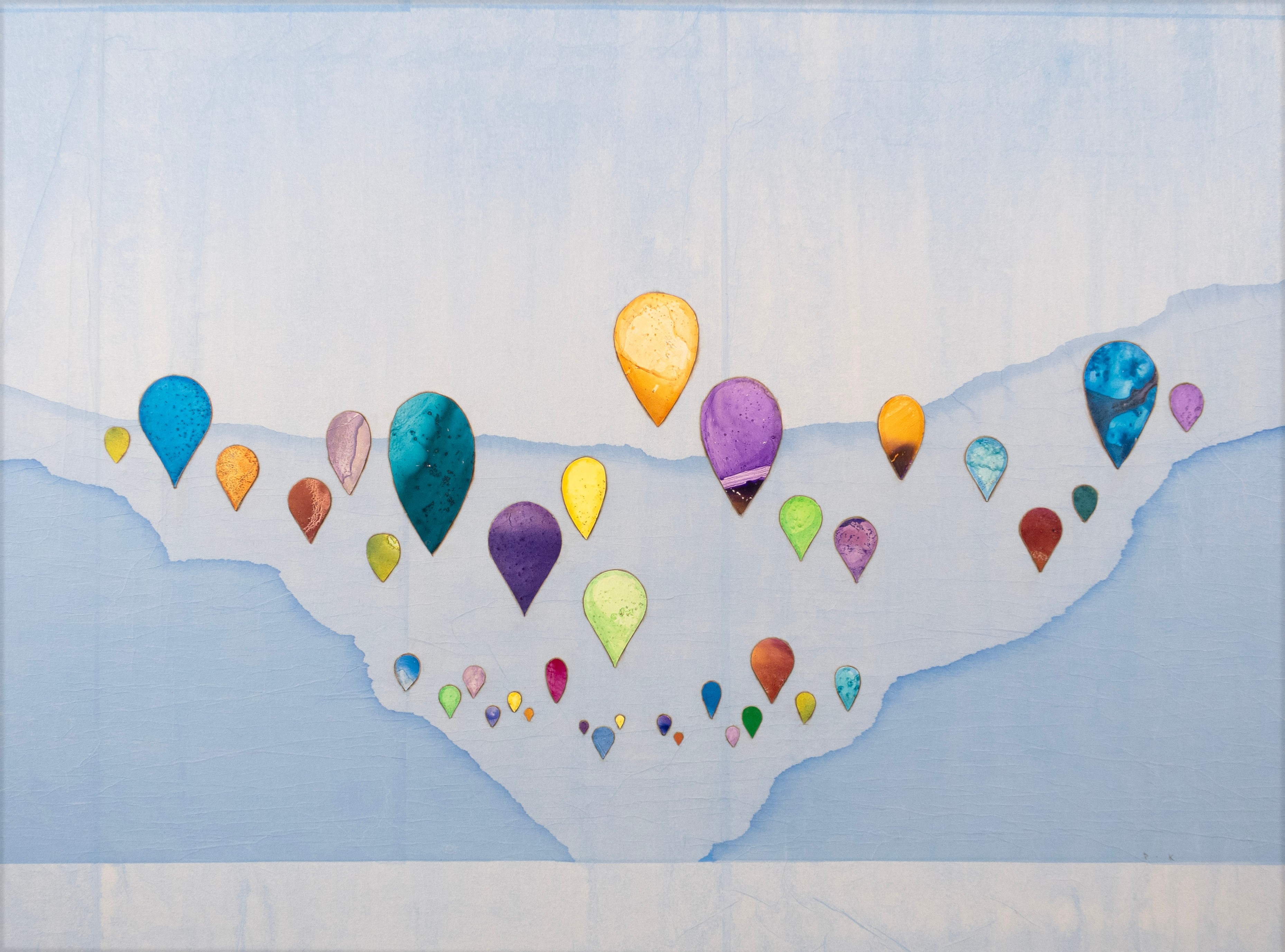
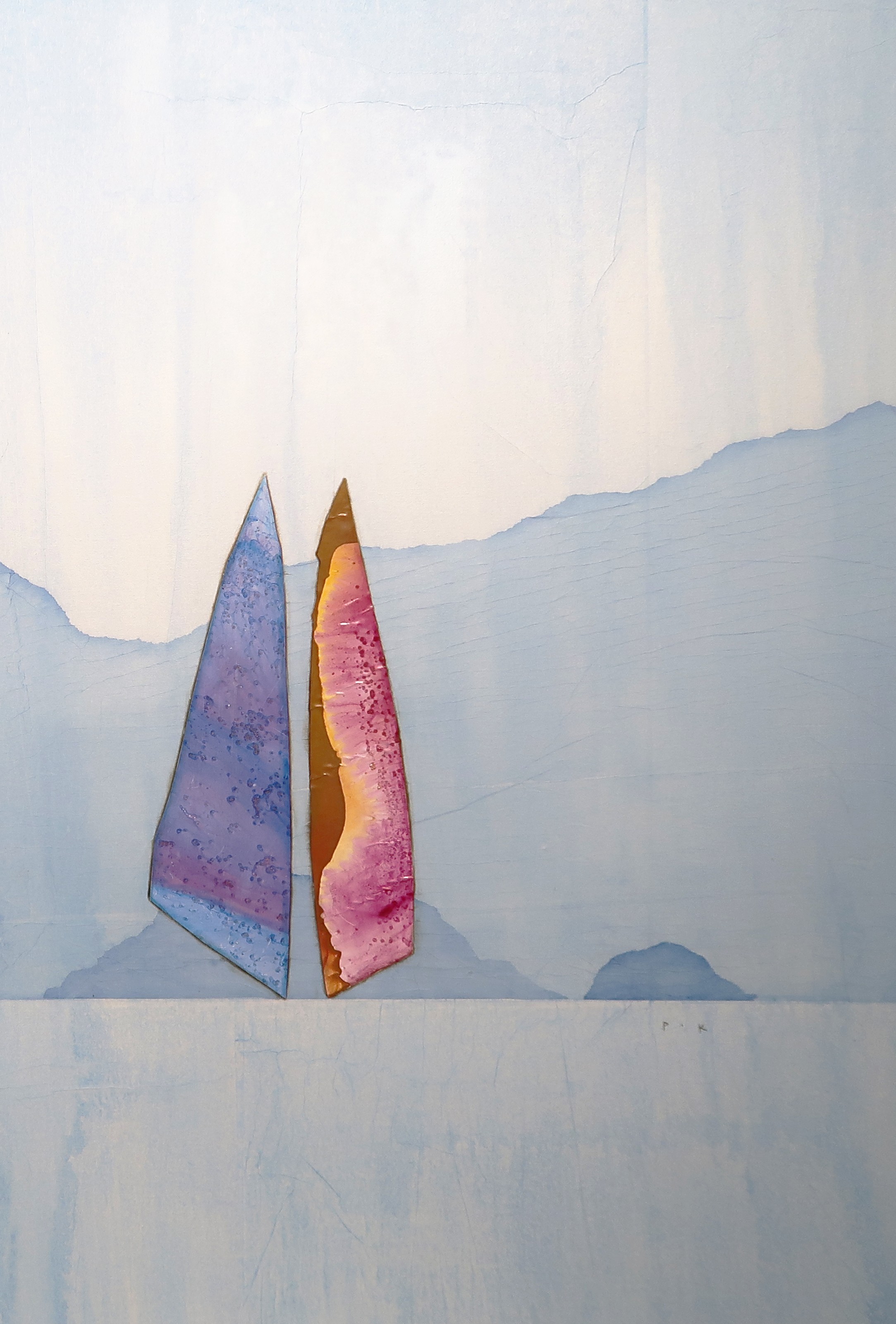
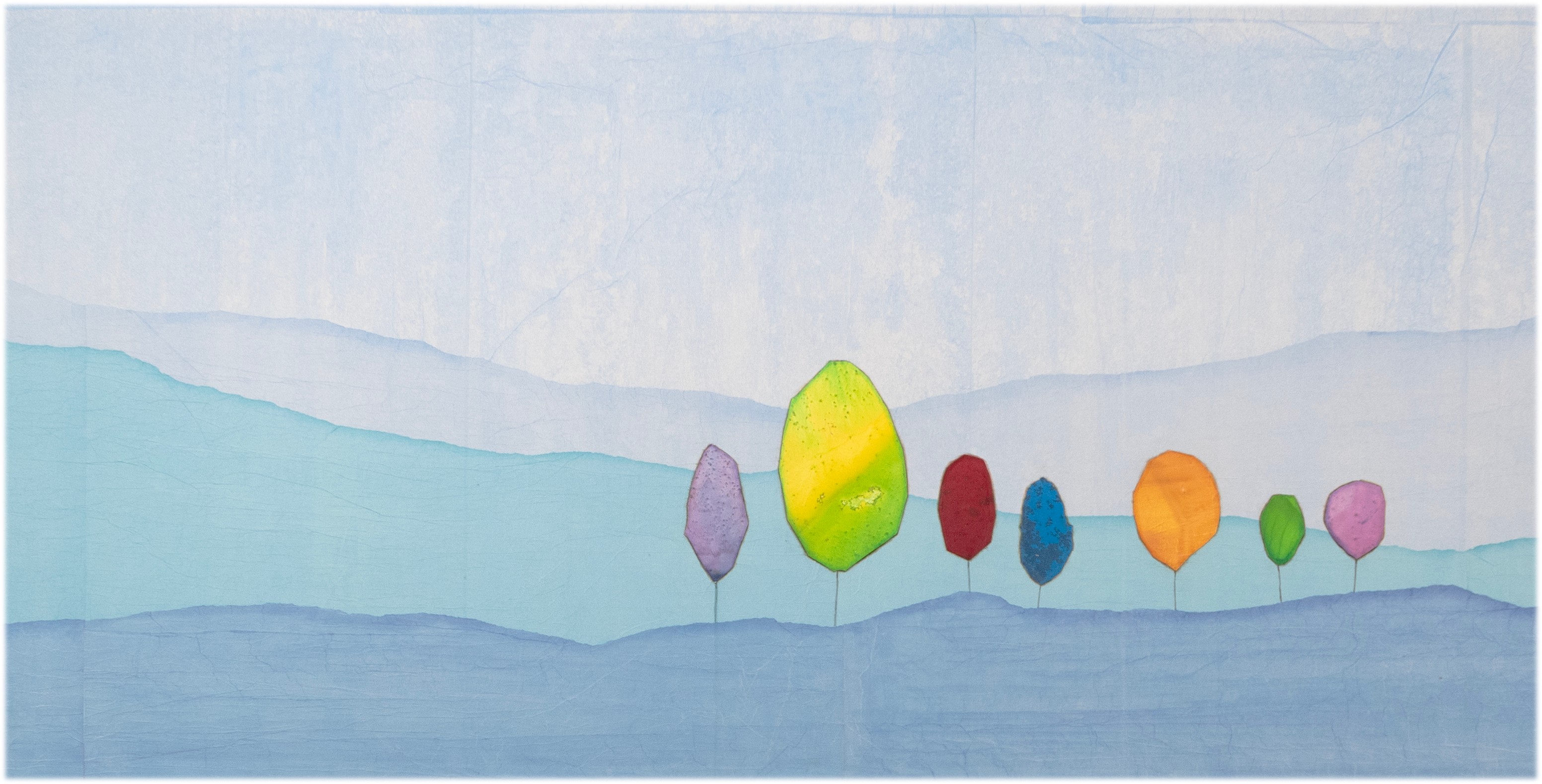
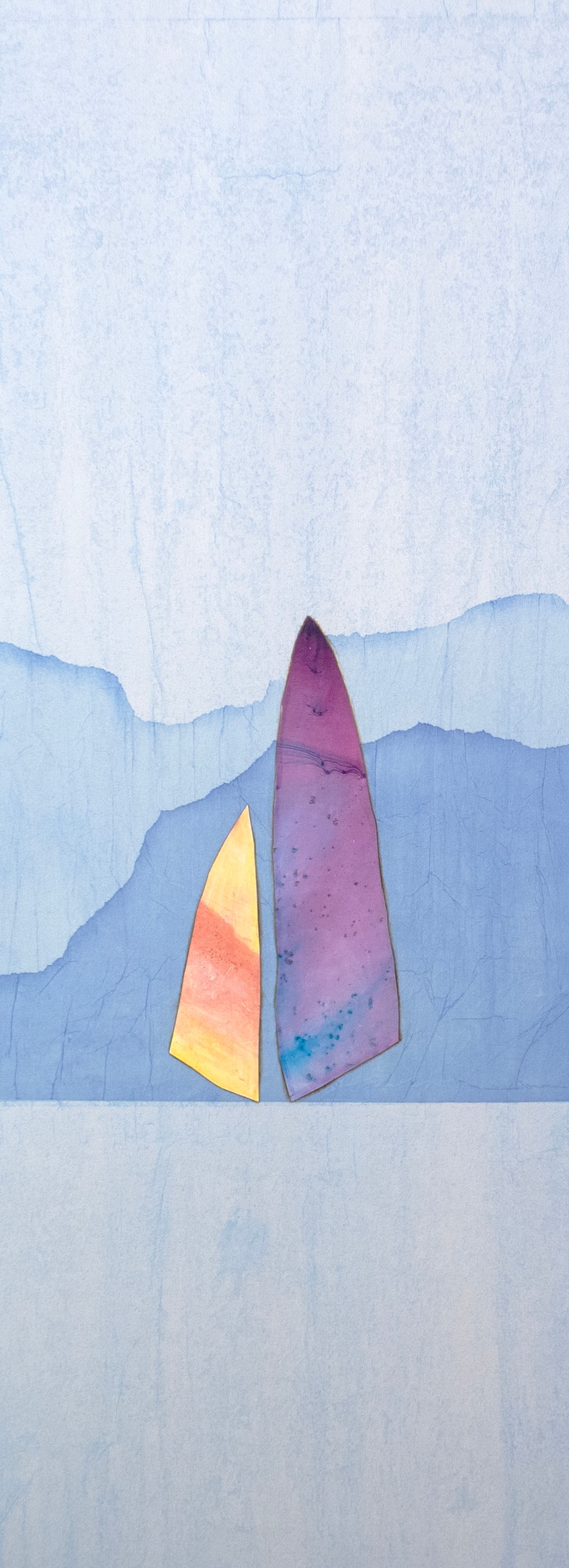
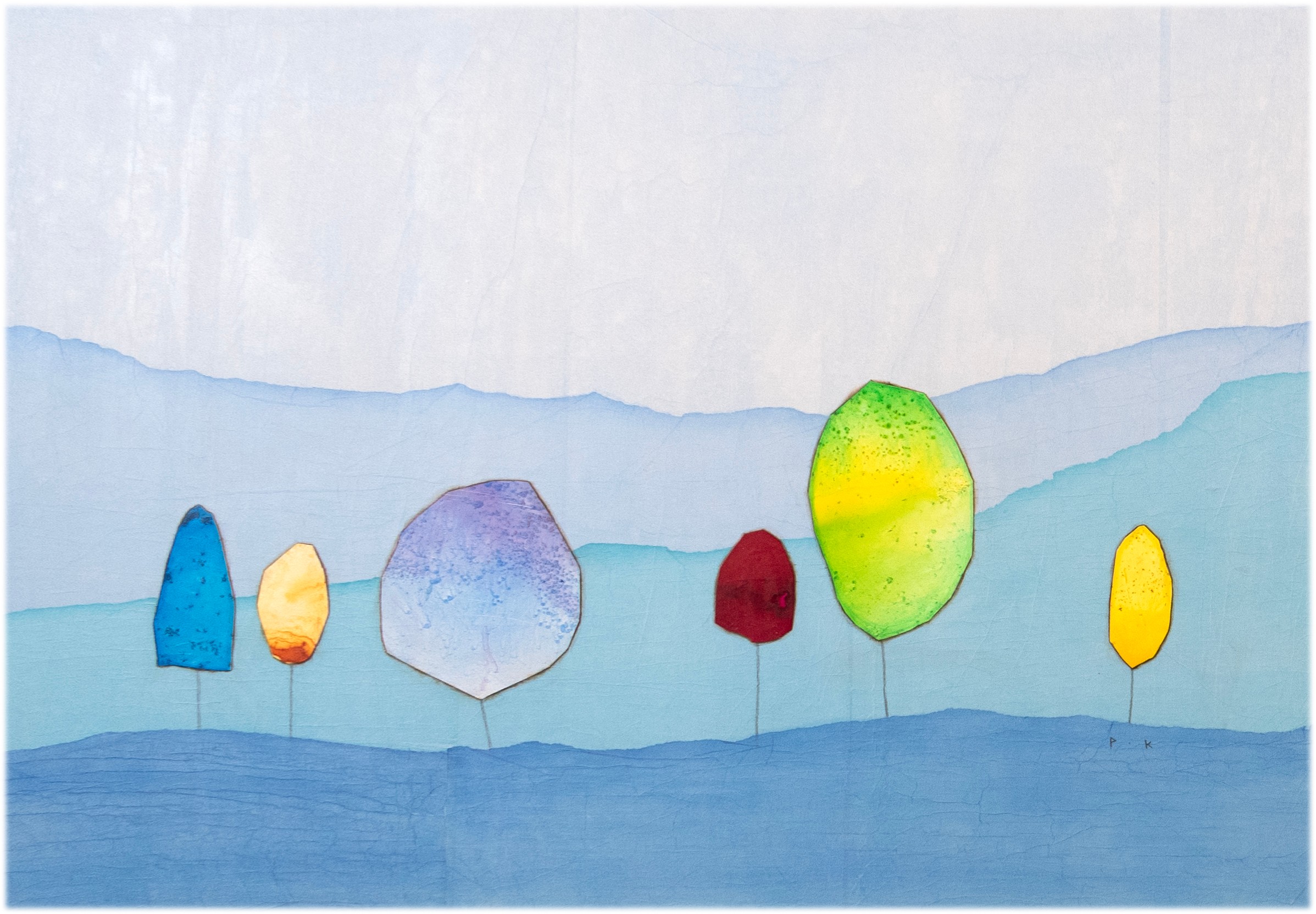
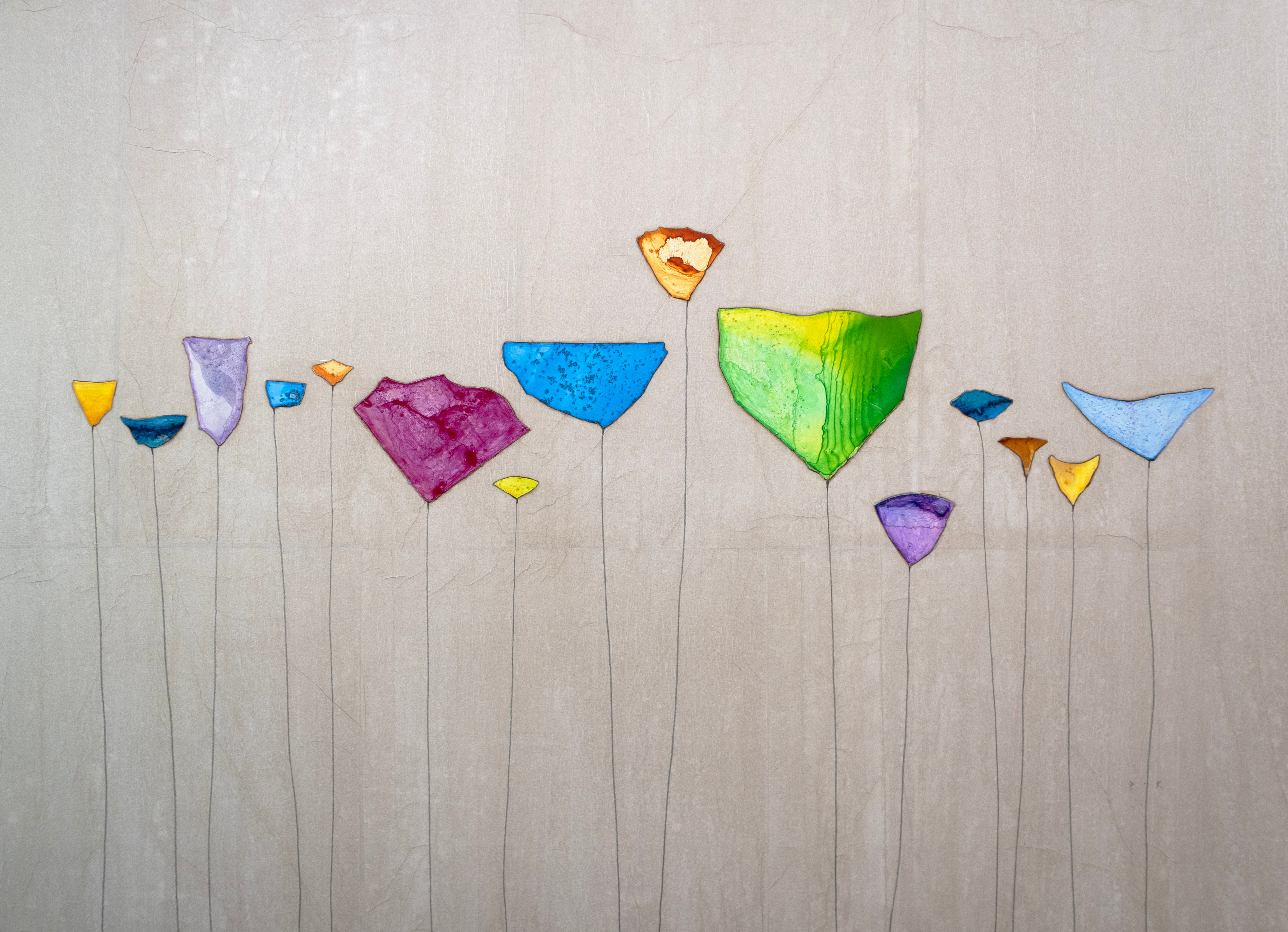
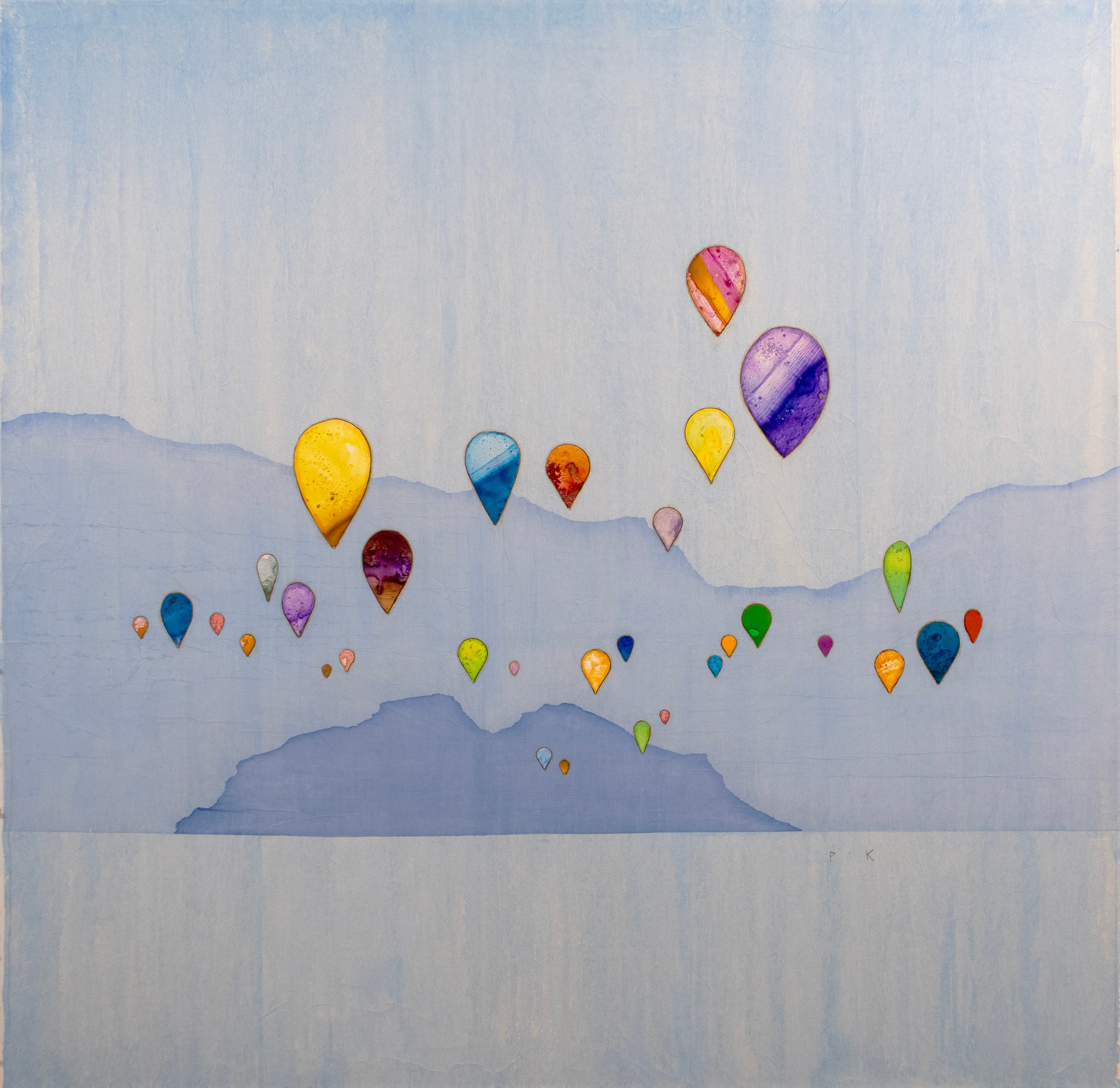
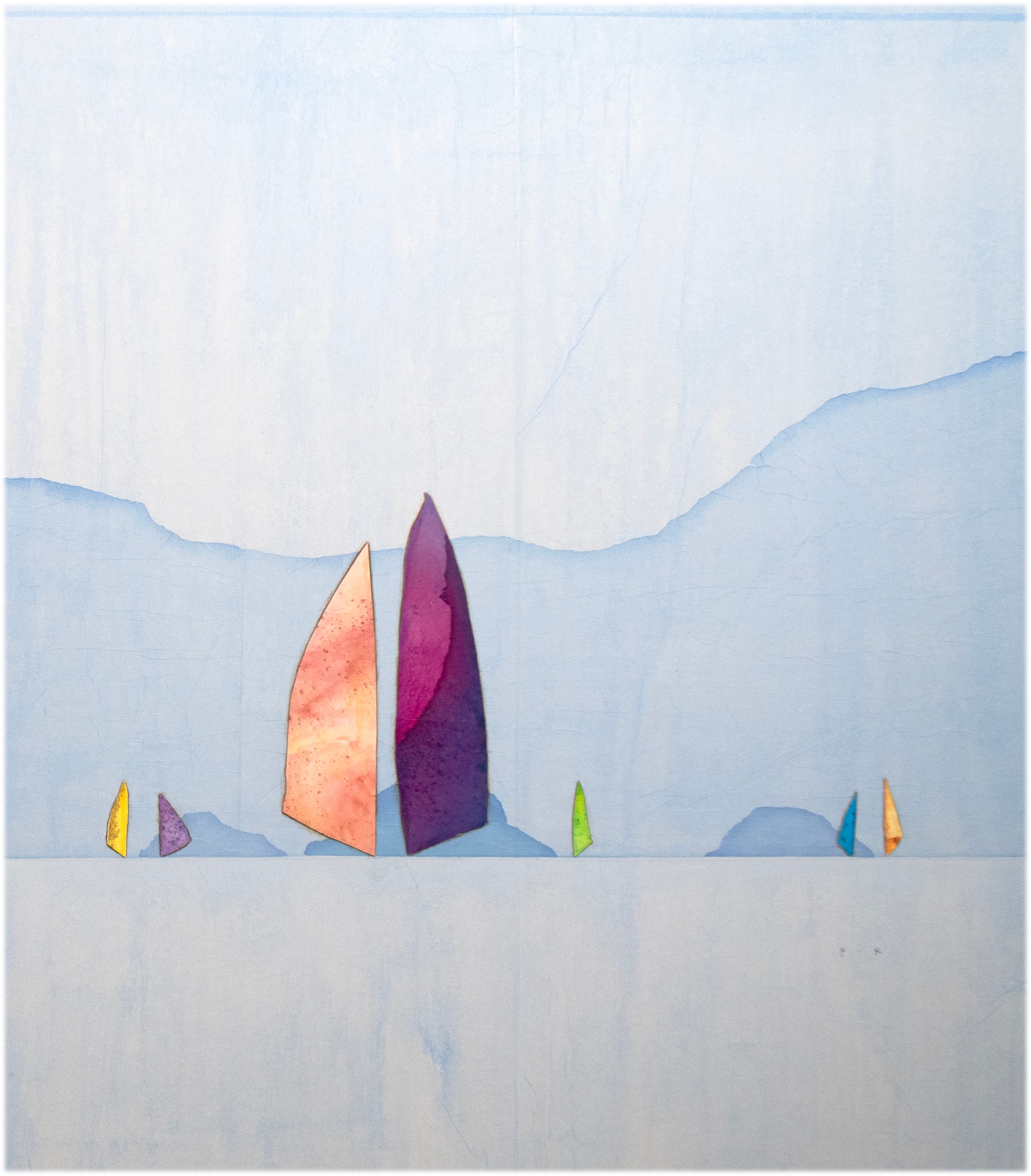
Image Credits
Peter Kuttner