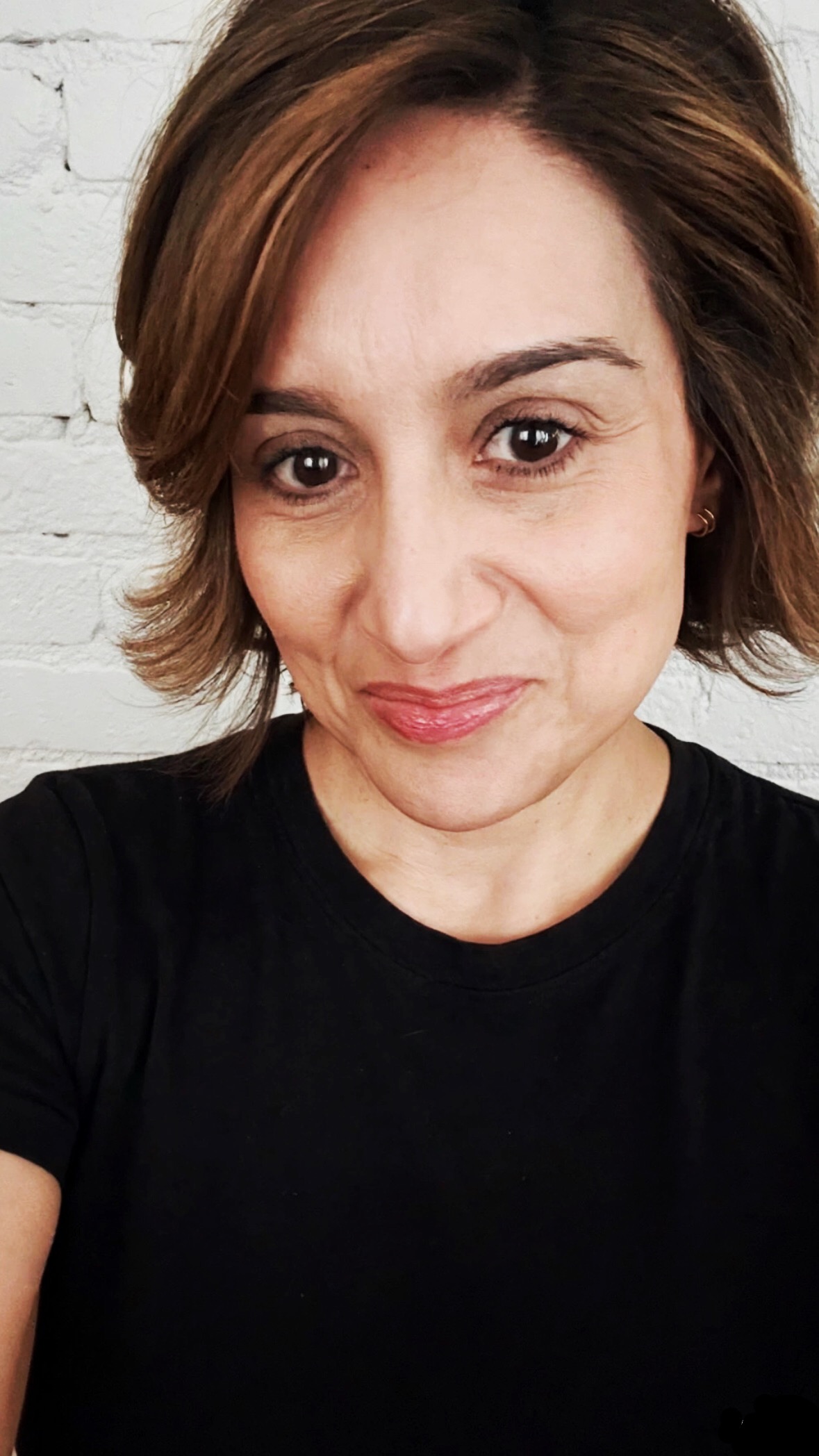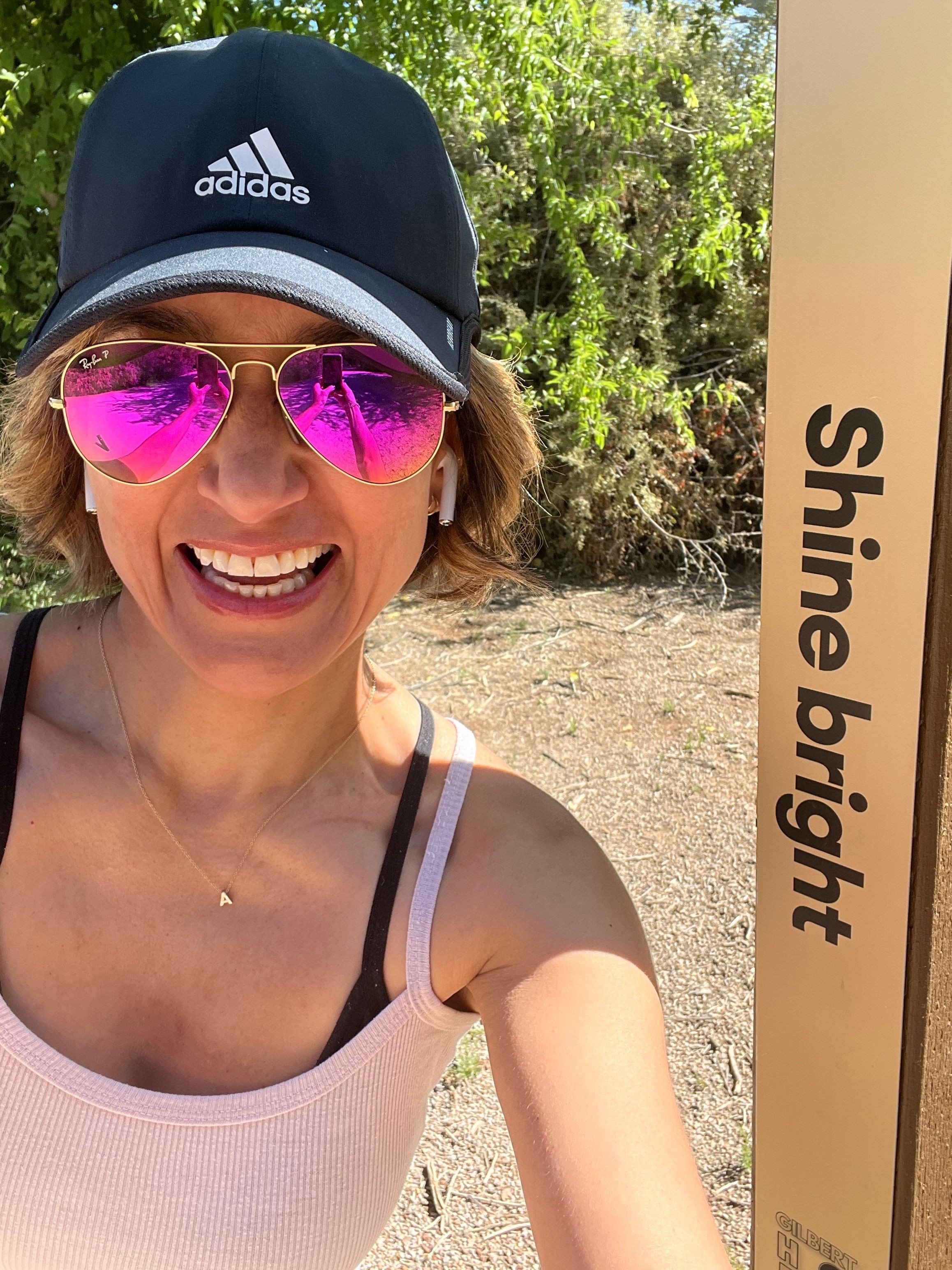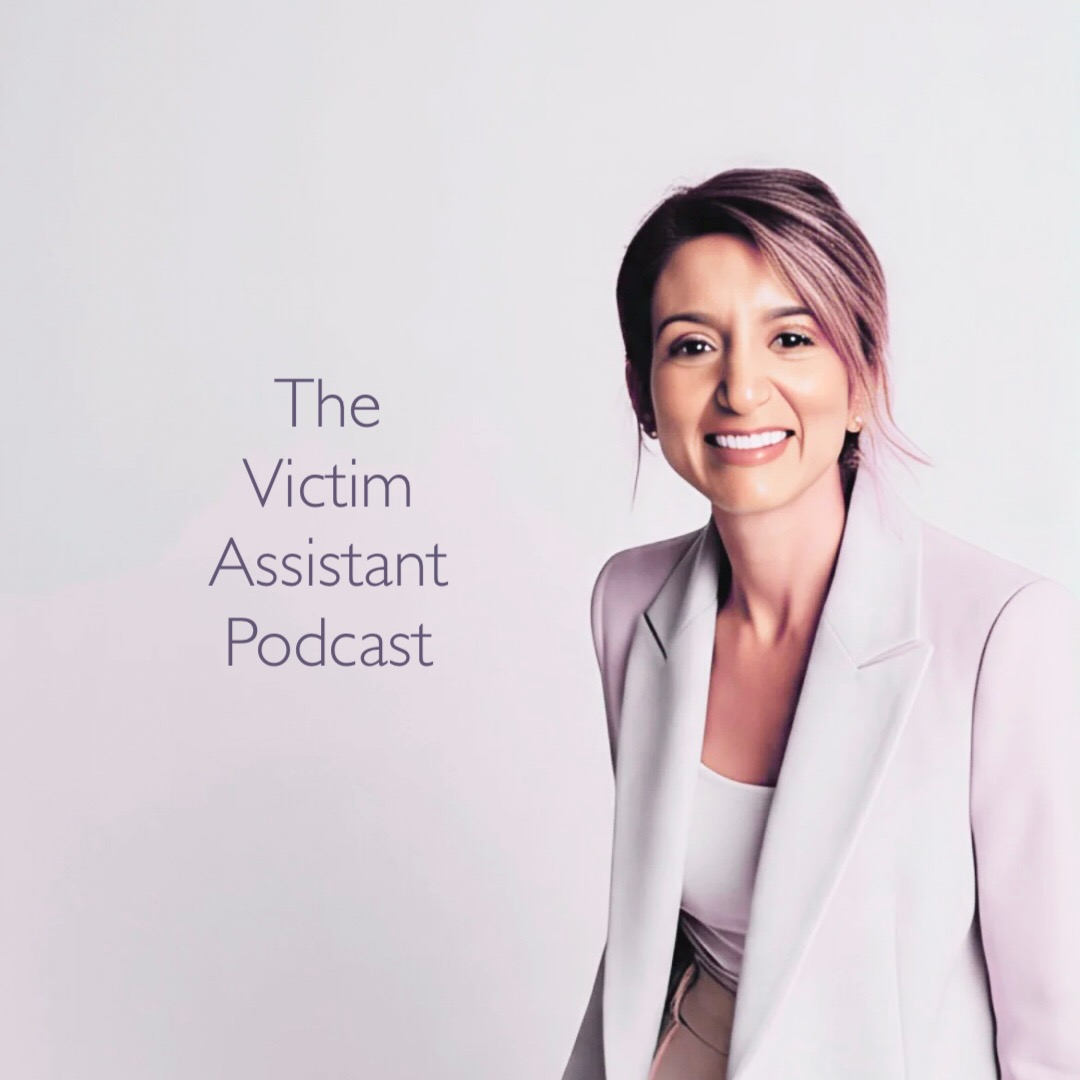
Today we’d like to introduce you to Andrea Sierra.
Alright, so thank you so much for sharing your story and insight with our readers. To kick things off, can you tell us a bit about how you got started?
After college, I started to work for the courts in AZ. I was unsure of what I wanted to do careerwise. I come from a family of lawyers and it was easy for me to look into the court system for inspiration. I started working, in the records division, of the Maricopa County Attorneys Office and gained interest in the victim advocates role within the courts. I was more drawn to social service work and my degree is in psychology so the victim advocates role felt familiar. I consulted with them and they advised me that I needed at least two years experience in social services to become an advocate at the County Attorneys office so I left my records position and I went to work for a local nonprofit, A New Leaf formerly, Prehab of Az where I worked for two years in an overflow program for victims fleeing domestic violence situations. During that time with A New Leaf, I realized that providing support to women was something I wanted to do long term. After two years, I applied to Mesa Police Department,to be a crime victim advocate, and the process took over six months. After being hired with Mesa Police, I began an extensive training program and over time became crisis certified and attended Arizona’s victim assistance academy. I was assigned to the domestic violence unit and specifically to a detective and our initiative was to only work with victims. Our unit, DVERT-Domestic Violence Enforcement Team consisted of detectives, investigating cases, a patrol unit and myself with a detective addressing victim centered needs and support. The goal of the program was to surround a victim of DV with resources, support in an effort to minimize secondary victimization and increase public awareness of DV and increase reporting and prevention. The program was the first, in the nation, and we were recognized nationally by the Department of Justice for our innovated services to victims of crime. My experiences working with crime victims and hearing their stories pushed me to do more in my role with Mesa police. Eventually, I branched out within the department and began public speaking on victimization, domestic violence, and violent crimes. I also started to be active in the community and representing Mesa Police on many initiatives including creating a dating violence curriculum for public schools, organizing statewide DV warrant roundup, and collaborations with prosecutors and local non-profits to assist crime victims with resources and support. After over seven years with Mesa, I decided to leave and take a break. In 2010, there were a lot of homicides that year,in Mesa, and I was required to go on scene for many and provided crisis counseling and support to families done times giving death notification to families. My support to victims of crime was always in controlled environments and going to crime scenes was not what I signed up for and seeing my first homicide victims was traumatizing. I did that for a year and it took a toll on me emotionally, and brought up childhood trauma so I decided to leave the department but still volunteer in crime prevention. I knew when I was young that I was empathic and caring but I never knew I can make a career out of those qualities. I was the underdog, scapegoat in my family. I grew up with very successful adults that passed on the generational trauma. Me, being a crime victim advocate and helping people, scared them because they knew eventually I’d figure out what was wrong with the family. I started The Victim Assistant to continue to support survivors of violent crime and ensure that people received support and resources through my advocacy. I created a bridge where there was a disconnect between law enforcement, prosecutors and victims. The more victim/survivors feel supported, the more likely they cooperate with prosecution, seek support and other services. Today, I created my podcast/blog because survivors of violent crime want to be heard and understood so I talk about crime victimization and impact to reduce Victim blaming attitudes and increase compassion. Education is the greatest prevention.
Can you talk to us a bit about the challenges and lessons you’ve learned along the way. Looking back would you say it’s been easy or smooth in retrospect?
Being a crime victim advocate and working in law enforcement can sound like a contradiction. The two roles can be polar opposites. Being an advocate is being a voice for crime victims and being an officer is investigating crime, making arrests and putting a case together for prosecution. Officers are not there to hold a victims hand. It took years for me to gain respect from advocates from the outside in non profits agencies. Those advocates often projected their perceived negative images of law enforcement onto me because of victims reporting unfavorable interactions with police. I just had to remind them that my role is to make those interactions more comfortable for victims. I was very active in the community and those advocates would leave me out of social invitations because they thought I was like the police and not representing victims. So I would go to every event and represent and talk to everyone and eventually people saw my pure intentions and opened up to my efforts. I was being judged by the women that were supposed to lift women up. Never understood that. It’s funny you’d think working in law enforcement, mysogenistic, sexist environment would be my challenge. Nope, it was women in social service that I would have to win over.
Alright, so let’s switch gears a bit and talk business. What should we know about your work?
I recently left a University position because, I wanted to pursue my creative projects full time and I applied for a grant. This grant can help me transition from part-time outreach to full time advocacy, specifically expanding my reach and impact on women’s health and safety issues via my podcast and social media. Currently, I am semi-retired and I host a podcast, the Victim Assistant, where I talk about crime and victimization and the impact on society. I often talk about current events. My blog and podcast provides education, resources and support. Beyond the podcast and blog, I have built a digital presence on X, YouTube, and Instagram. My content focuses on self-love/trauma recovery and legal advocacy. I follow and report on high profile events such as Epstein files, and other alarming events reported by institutions like Cornell University which have lead to a surge in engagement. Viewers are actively seeking resources and support often reaching out to me for assistance via email. This leads me to believe that people are desiring accessible expert lead content that I provide. I am most proud of the victim assistant because accessing my creativity to help others is healing to me. Turning pain in to power is what all survivors aim towards and I help victim/survivors in their path giving them guidance. I am different from others in how I communicate my advocacy. I’ve been told by others there is wisdom in my voice but I have a childlike presence. I am authentic and speak that way. I am not affraid to speak out for the underdog. My X and instagram @victimassistant and YouTube The victim assistant lifestyle
Is there a quality that you most attribute to your success?
Being my authentic self. I don’t care about rejection, discomfort, or self image. If people do not like me or my voice move on.
Contact Info: