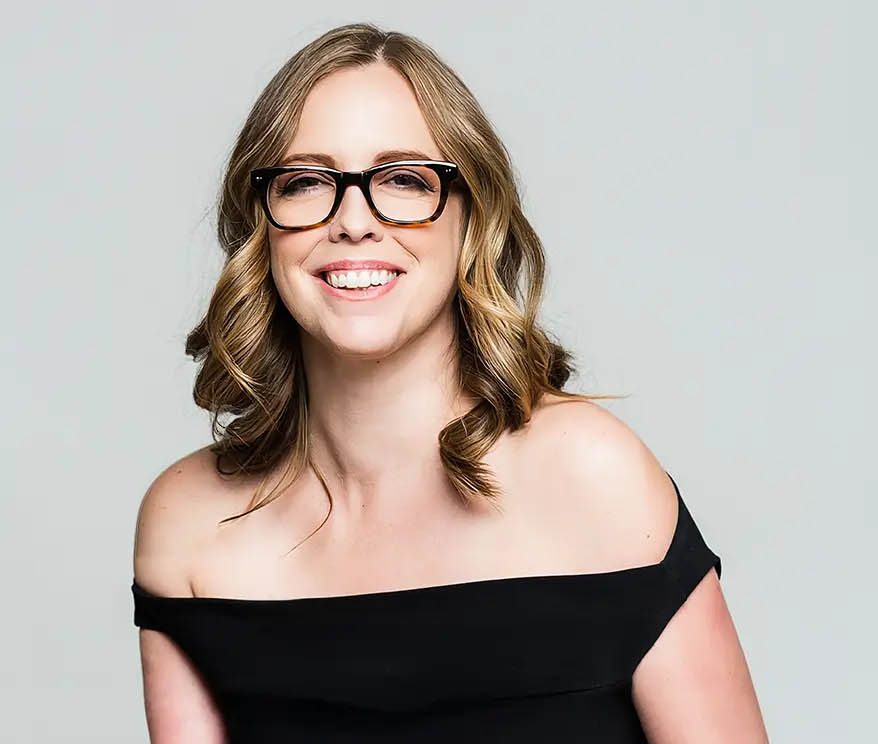
For Rachel Leintz, launching V2 of Wed&Done was about fixing what couples feel most deeply: confusion, overwhelm, and indecision baked into wedding planning. Building the platform solo with AI gave her full control to design around real human behavior—transparent pricing, flexible decision paths, and booking that actually feels calm. The result is a booking‑first experience that replaces endless scrolling with clarity and confidence, reshaping the wedding industry toward trust, relief, and joy instead of pressure and chaos.
Rachel, you’ve just launched V2 of Wed&Done and built the entire platform yourself using AI — what inspired you to take this on solo, and what problem in the wedding industry were you most determined to solve?
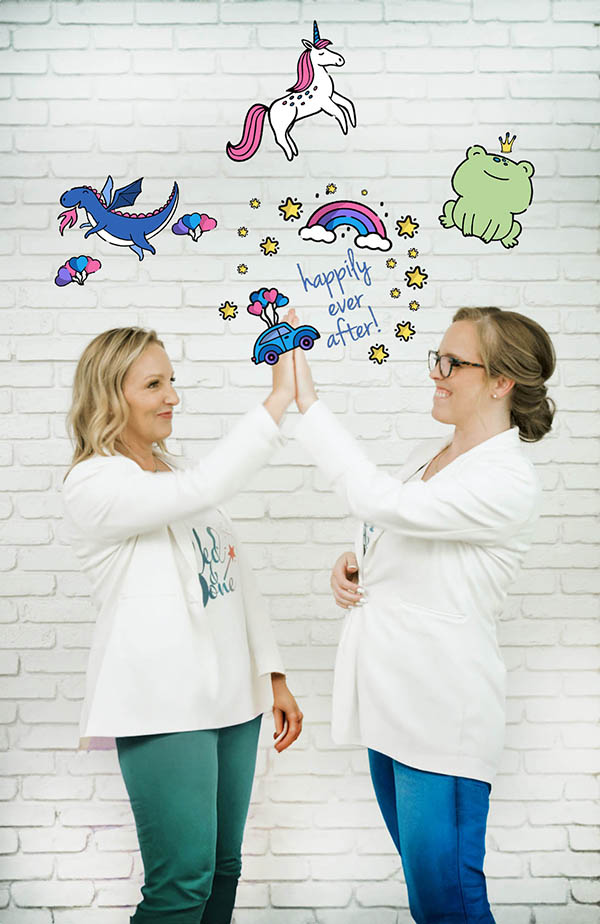
Wed&Done started because I was deeply frustrated by how broken wedding booking actually is — and I say that as someone who’s been inside the industry for years as a photographer, alongside my co-founder Karen, who’s a planner.
Couples are expected to make massive financial decisions through systems that were never designed for decision-making. Endless browsing, vague pricing, spreadsheets, email chains, and “starting at” numbers that don’t reflect reality. It’s overwhelming, inefficient, and emotionally draining.
I didn’t originally set out to build the platform solo, but once I realized how specific and nuanced the problem was, I knew I needed direct control over the product. AI gave me the leverage to teach myself how to code, prototype, test, break things, rebuild them — and most importantly, design from real user behavior instead of assumptions.
The problem I was most determined to solve was indecision caused by opacity. Couples don’t need more options — they need clarity, context, and confidence. Wed&Done was built to give them that.
For readers who aren’t familiar yet, what is Wed&Done, and how does it fundamentally change the way couples and vendors navigate the wedding planning process?
Wed&Done is a booking-first wedding platform. Instead of listing vendors and hoping couples eventually figure it out, we guide them through structured, transparent flows that lead to real decisions — and real bookings.
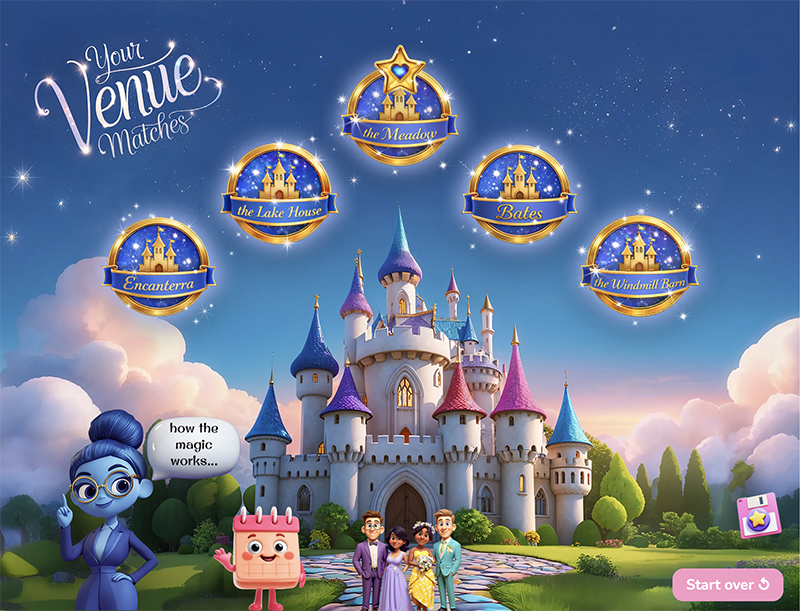
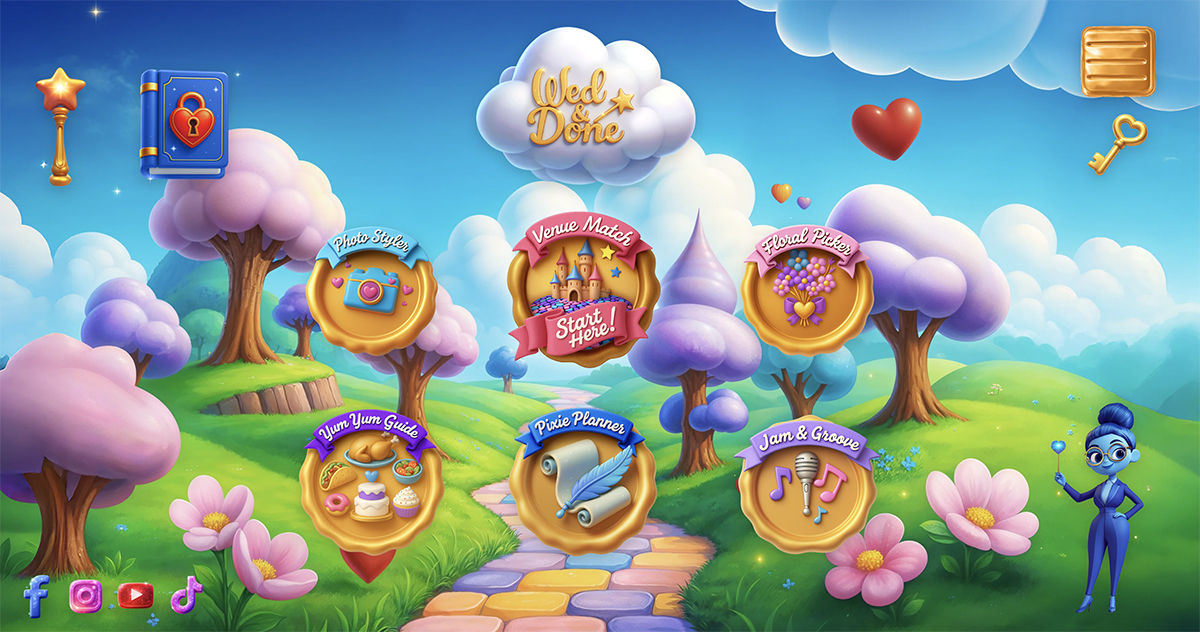
Couples can explore venues, catering, photography, florals, and planning through modular “boutiques,” seeing real pricing context and availability before committing. They don’t have to book everything at once, and they’re never forced into a single package. They can move at their own pace, come back later, and pick up exactly where they left off.
For vendors, this means fewer unqualified leads, fewer ghosted tours, and couples who actually understand what they’re booking. We’re not trying to replace vendors — we’re fixing the system around them so everyone’s time and energy is respected.
At its core, Wed&Done shifts the industry from browsing to decision-making.
You mentioned starting in Arizona before expanding nationally — what did you learn from building and testing the platform locally that shaped this new version?
Arizona was the perfect testing ground because it’s both a destination market and a highly competitive local market. We were able to work closely with real venues and vendors, watch how couples actually moved through the system, and see where friction showed up in real time.
One of the biggest lessons was that couples don’t follow linear paths. Early versions of the platform assumed they would — pick a venue, then move on, then book everything else. That’s not how humans behave.
Couples want flexibility. They want to explore, pause, compare, save things, come back later, and book in stages. V2 was built entirely around that reality. The “button boutique” model — where couples can book what they want, when they want — was a direct result of watching real users struggle with overly rigid flows.
Building locally forced us to design for reality, not theory.
Building a SaaS product with AI as a non-traditional technical founder is still rare. What did that process look like for you, and what surprised you most along the way?
It was equal parts empowering and humbling.
I used AI as a learning partner — not to magically build something for me, but to help me understand how systems work, how to debug, how to reason through architecture decisions. I spent countless hours with Vale (my ChatGPT assistant) asking questions, then in VS Code testing ideas, breaking things, and fixing them.
What surprised me most was how much product judgment still mattered. AI can help you write code faster, but it can’t tell you what’s worth building, what users will trust, or where emotional friction exists. That still comes from experience, empathy, and listening.
The biggest takeaway is that AI doesn’t replace expertise — it amplifies it. For founders willing to learn, it dramatically lowers the barrier to building real, meaningful software.
Looking ahead, how do you see Wed&Done evolving as it scales, and what impact do you hope it will have on the future of the wedding industry?
As Wed&Done scales, the core philosophy won’t change: couples first, clarity over chaos, confidence over pressure.
We’ll continue expanding geographically, deepening vendor tools, and refining the experience so booking feels calm instead of stressful. Long-term, I want Wed&Done to be known as the place where couples feel relief — where they stop spiraling and start feeling excited again.
More broadly, I hope it pushes the wedding industry to move away from opacity and performative perfection. Weddings should feel personal, joyful, and manageable — not like a second job.
If technology — and tools like AI — can help people enjoy their own lives more, instead of optimizing them to exhaustion, then I think we’re building the right kind of future.