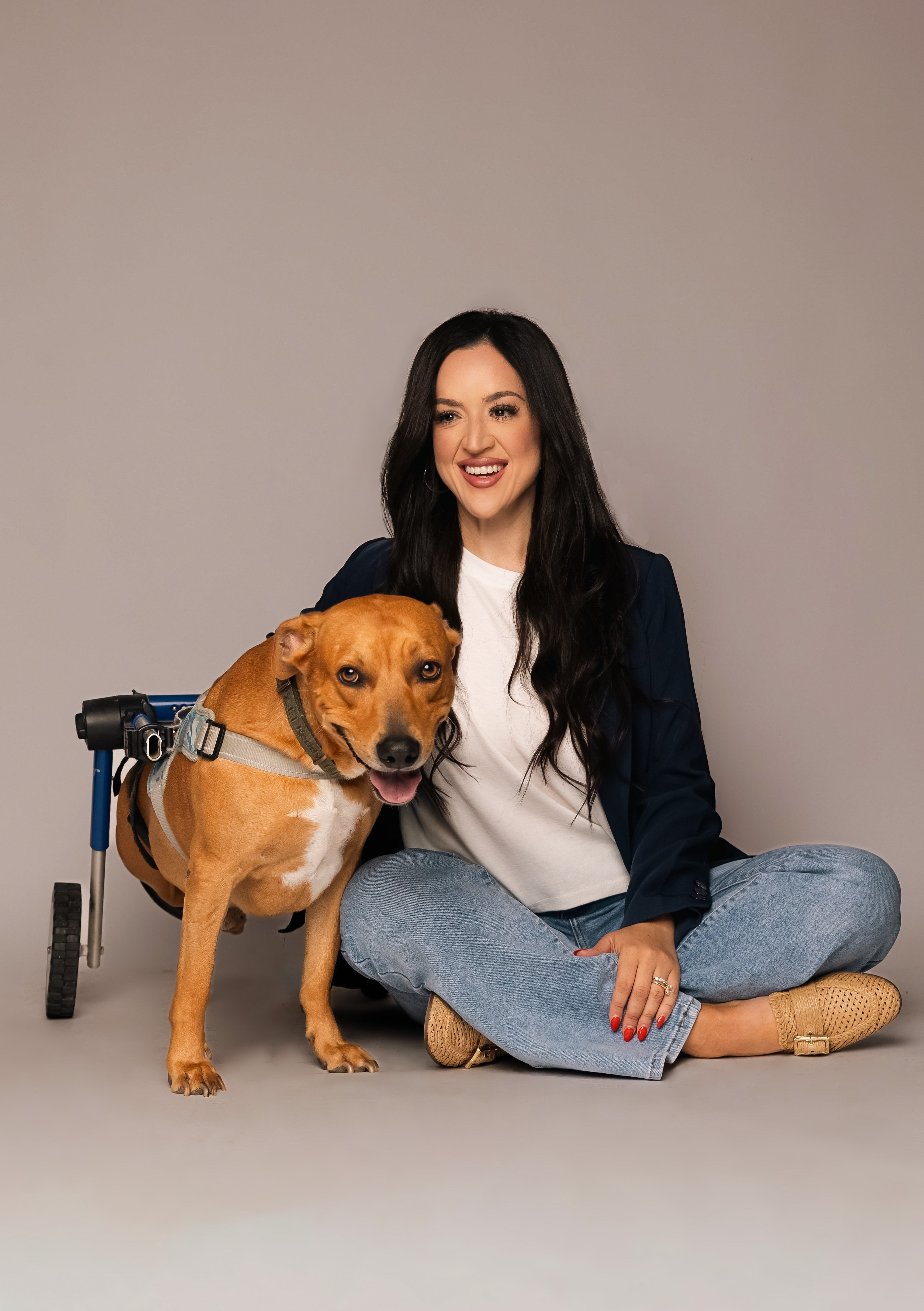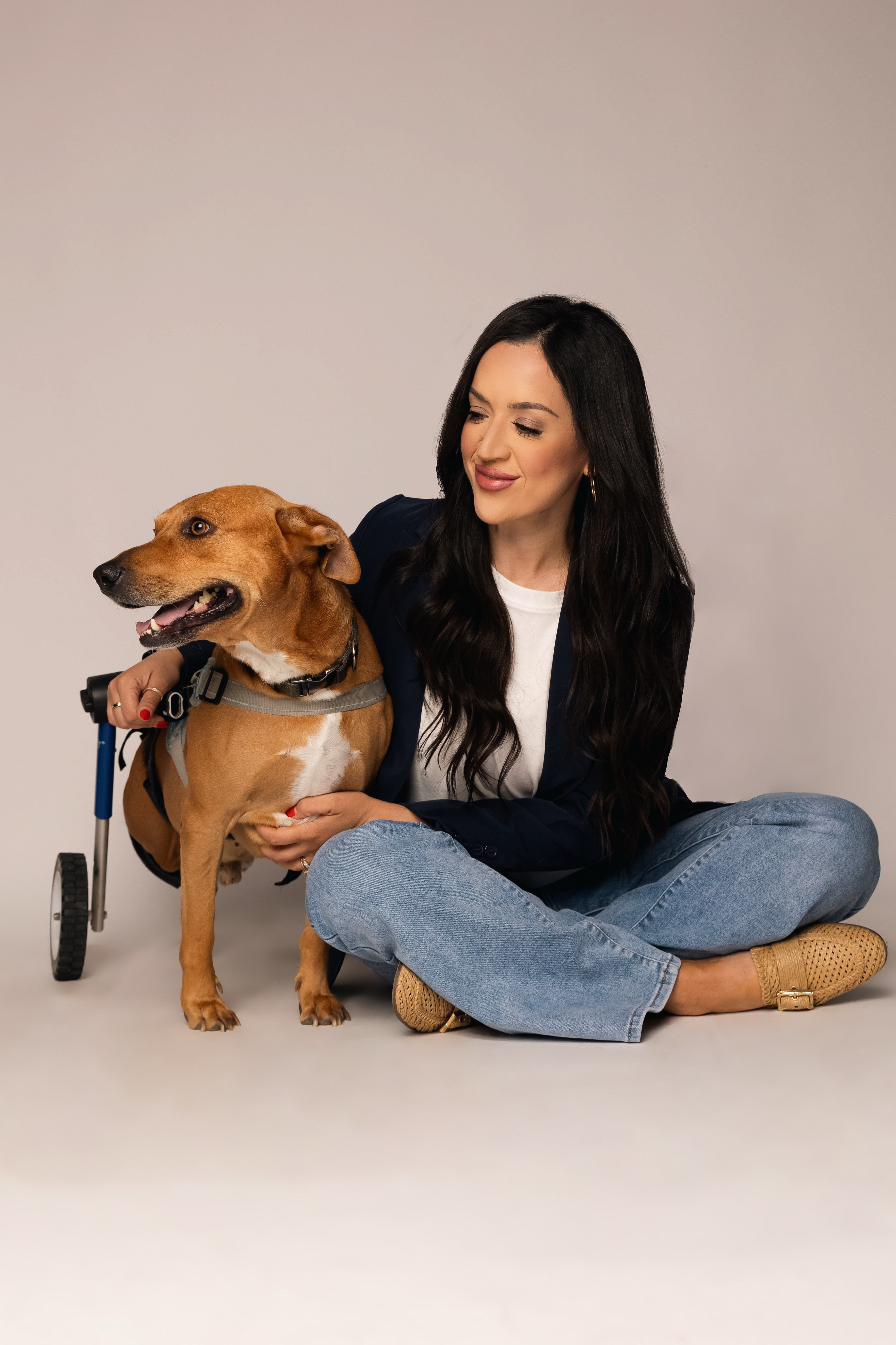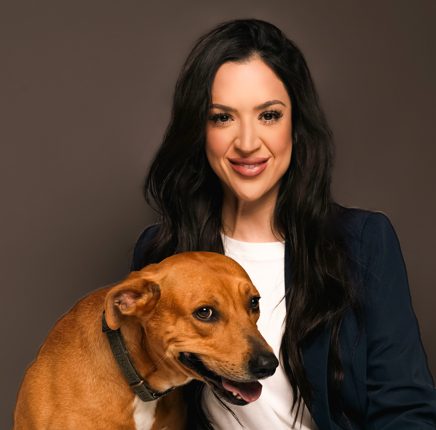
Today we’d like to introduce you to Rebecca Chavez.
Hi Rebecca, so excited to have you with us today. What can you tell us about your story?
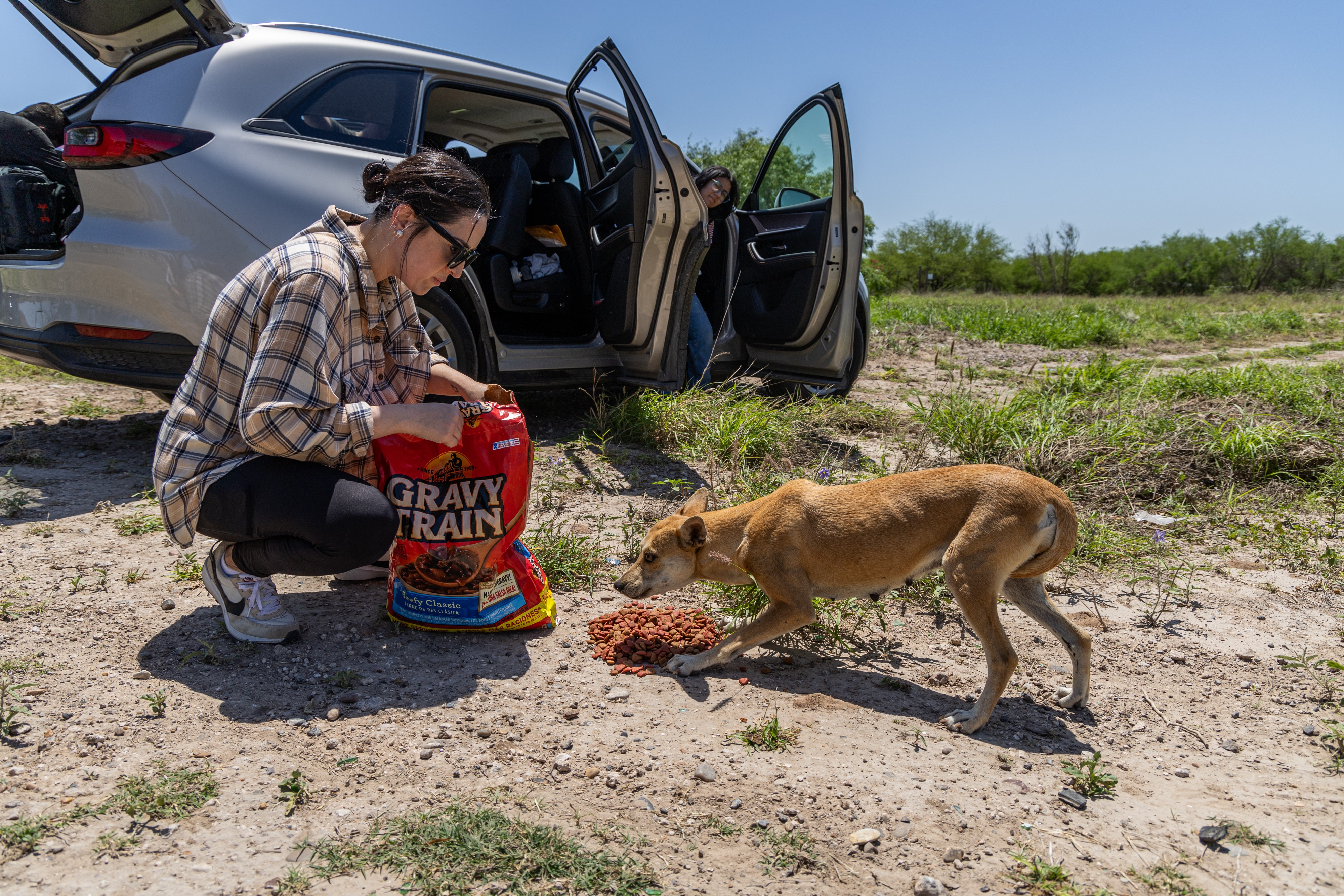
When people ask how I got into animal rescue, they usually expect a simple answer. They imagine there was one defining moment that changed everything. The truth is much more complicated. My journey did not begin with a dramatic rescue or a lifelong dream of working with animals. It began quietly, with the decision to foster a dog through Yaqui Animal Rescue in the Rio Grande Valley. I simply wanted to help. At the time, I never imagined that one small act of service would eventually become my life’s work.
The Rio Grande Valley is a place of extraordinary compassion, but it is also home to one of the most challenging animal welfare crises in the country. Every day, dogs and cats are abandoned on rural roads, left behind in neighborhoods, or born into circumstances where they have little chance of receiving proper care. Rescue organizations work tirelessly, often with limited resources and an endless stream of emergency calls. It did not take long for me to realize that fostering was only one small piece of a much larger picture.
As I became more involved with Yaqui Animal Rescue, I began to see the enormous challenges happening behind the scenes. Rescue was not only about saving animals. It was about building community partnerships, raising funds, advocating for better laws, educating the public, and creating systems that could make lasting change. My professional background was in nonprofit management and public affairs, and I recognized that those skills could help strengthen the organization. Before long, I joined the Board of Directors, eager to contribute in whatever ways I could.
My role quickly expanded beyond board meetings and organizational planning. I found myself coordinating emergency rescues, working with veterinarians, finding placements for animals with severe medical needs, and helping navigate situations that often had no easy solutions. Every difficult case reminded me why rescue required more than compassion. It required persistence, creativity, and an unwillingness to give up when the odds seemed impossible.
Then Butters came into my life.
One afternoon, I came across a Facebook post from a resident asking for help. A dog had been dragging himself through a neighborhood, unable to use his back legs. People had seen him, but no one had intervened. By the time we reached him, it was obvious he had been suffering for quite some time. His back legs were raw from scraping against the pavement, and every movement required him to pull himself forward with only his front legs.
We rushed him to an emergency veterinary hospital, hoping there was still a chance to save his mobility. Diagnostic imaging revealed the devastating truth. Butters had been shot in the spine with a shotgun pellet. The injury had permanently damaged his spinal cord, leaving him paraplegic. There was nothing surgery could do to restore his ability to walk.
The diagnosis was heartbreaking, but it did not change our commitment to him. A wheelchair, rehabilitation, and specialized care could still give Butters a meaningful life. The challenge was that those resources simply did not exist in the Rio Grande Valley. Our local veterinarians provided exceptional care, but advanced neurological rehabilitation for paralyzed animals was not available in our region. If Butters was going to have the best chance possible, we needed to look elsewhere.
I spent days researching organizations across the country that specialized in caring for animals with disabilities. Eventually, I found what appeared to be the perfect solution: Special Needs Animal Welfare League in Phoenix, Arizona. The organization’s director introduced herself as Samantha Taylor. She spoke confidently about rehabilitation programs, orthopedic consultations, experienced foster homes, and long-term care for paralyzed dogs. She assured me that Butters would receive everything he needed to thrive.
Believing we had found the right place, we made the difficult decision to send Butters to Arizona.
At first, everything seemed normal. Then the updates slowed. Requests for photographs went unanswered. Questions about his foster home were ignored. Medical information never arrived. Every time I reached out, there was another explanation, another excuse, another reason why I could not see how Butters was doing. Weeks turned into months, and the growing silence became impossible to ignore.
Something did not feel right.
I could not explain why, but my instincts told me there was more to the story. Instead of accepting the uncertainty, I began investigating on my own. What started as a search for answers about one dog gradually uncovered something much larger. Over the next four months, I reviewed public records, compared online identities, contacted rescue organizations throughout the country, interviewed people who had worked with the organization, and followed every lead I could find.
The woman who called herself Samantha Taylor was not Samantha Taylor at all.
Her real name was April McLaughlin, and she had spent years creating an elaborate web of deception. She operated under seventeen different aliases, convincing rescue organizations across the United States to entrust medically fragile animals to her care. As more information emerged, investigators discovered that more than sixty special needs animals were living in horrific conditions. Rescue groups from across the country had unknowingly become victims of the same deception.
What began as one rescue dog’s story evolved into one of the largest animal cruelty investigations I had ever witnessed. The case eventually resulted in criminal charges, and April McLaughlin was convicted of animal cruelty and fraud. She was sentenced to three and a half years in prison, bringing accountability to a situation that had harmed countless animals and devastated dozens of rescue organizations.
The investigation changed me in ways I never expected.
Before Butters, I believed rescue ended when an animal reached safety. After Butters, I understood that rescue also meant accountability. It meant asking difficult questions, verifying information, and refusing to accept easy answers simply because they were convenient. Animals cannot advocate for themselves. The responsibility belongs to us.
That realization transformed my career. I knew I wanted to dedicate my life to animal welfare, not simply as a volunteer, but as someone committed to creating lasting change. I accepted the role of Chief Operations Officer at Yaqui Animal Rescue and began helping lead the organization through a period of tremendous growth.
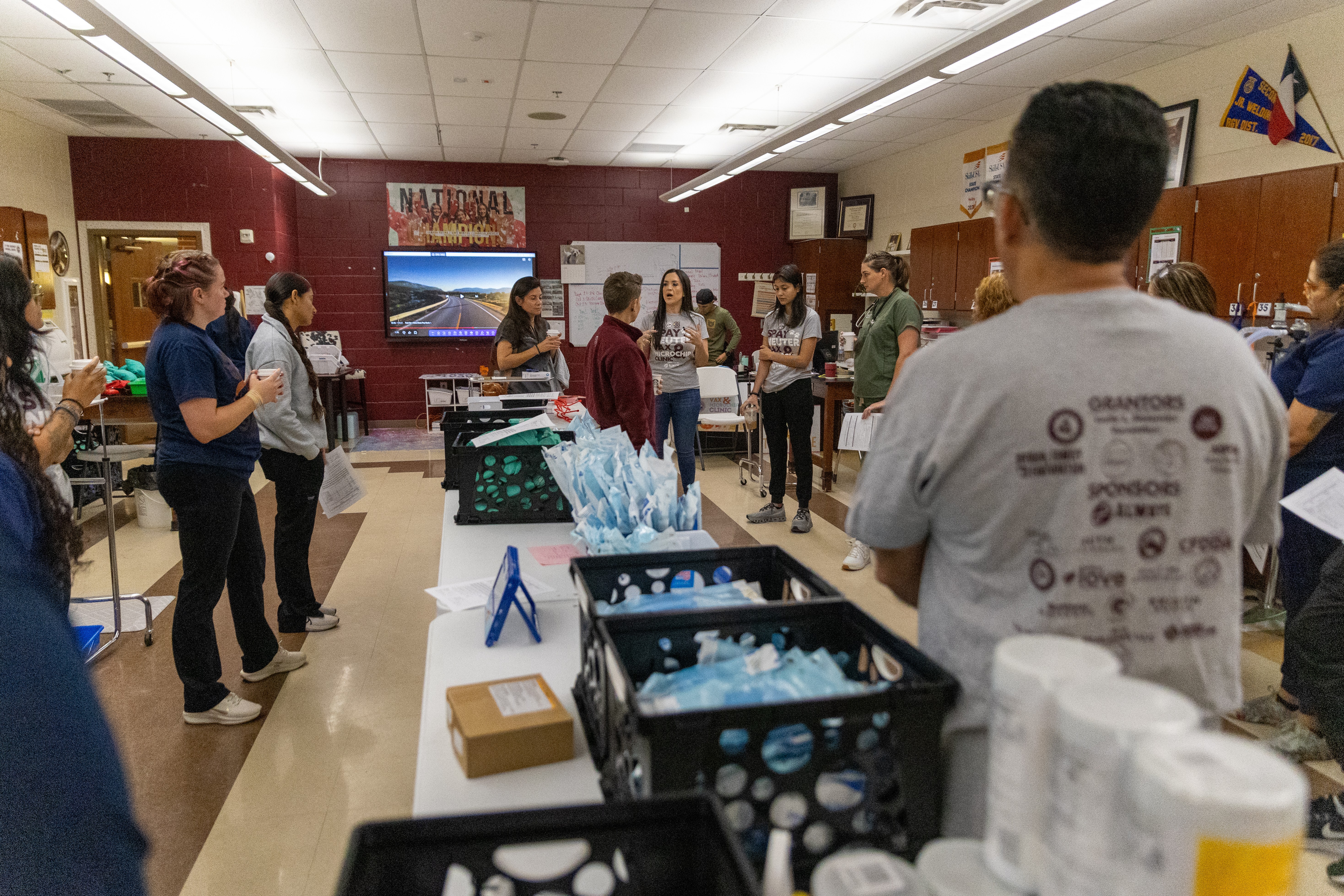
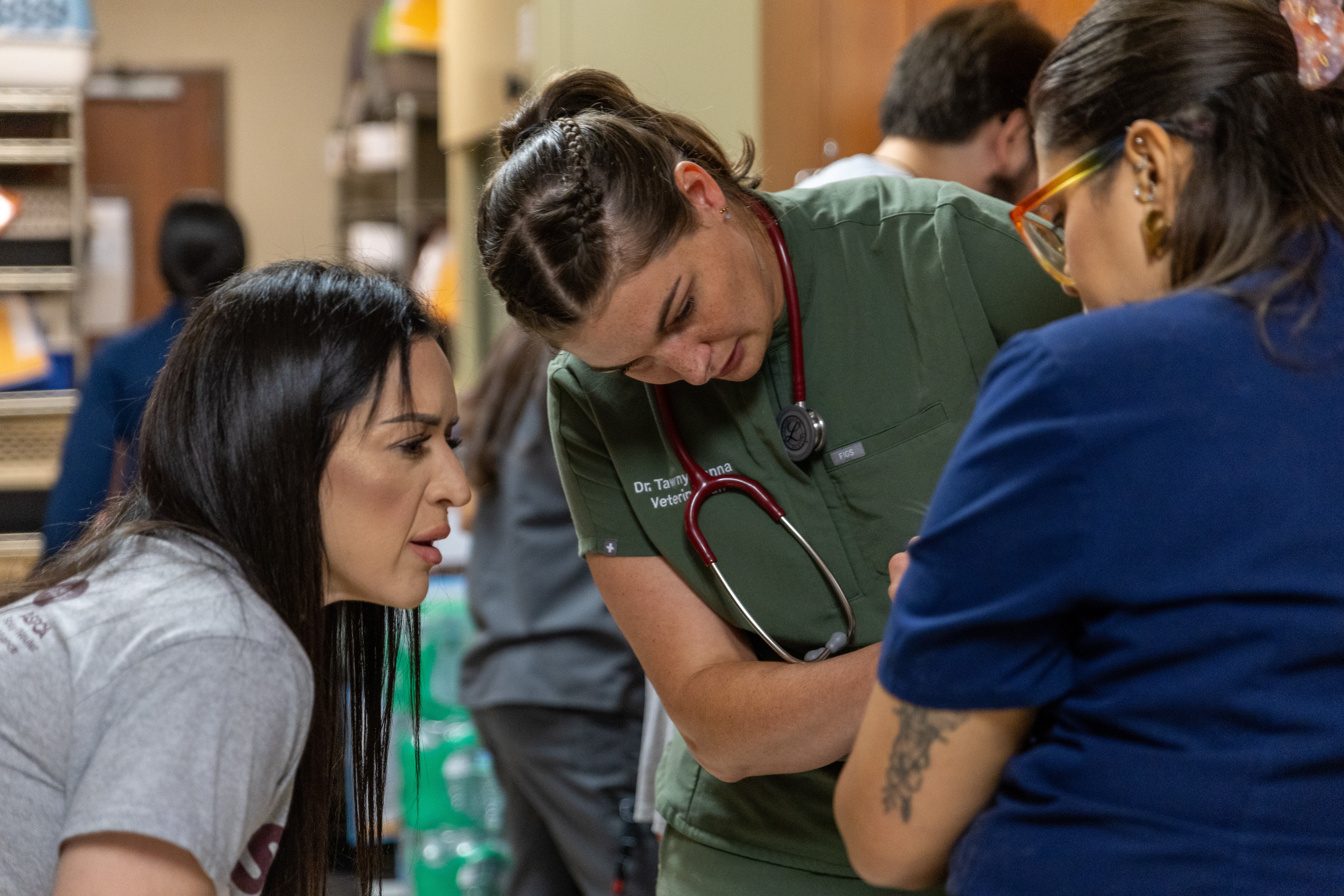
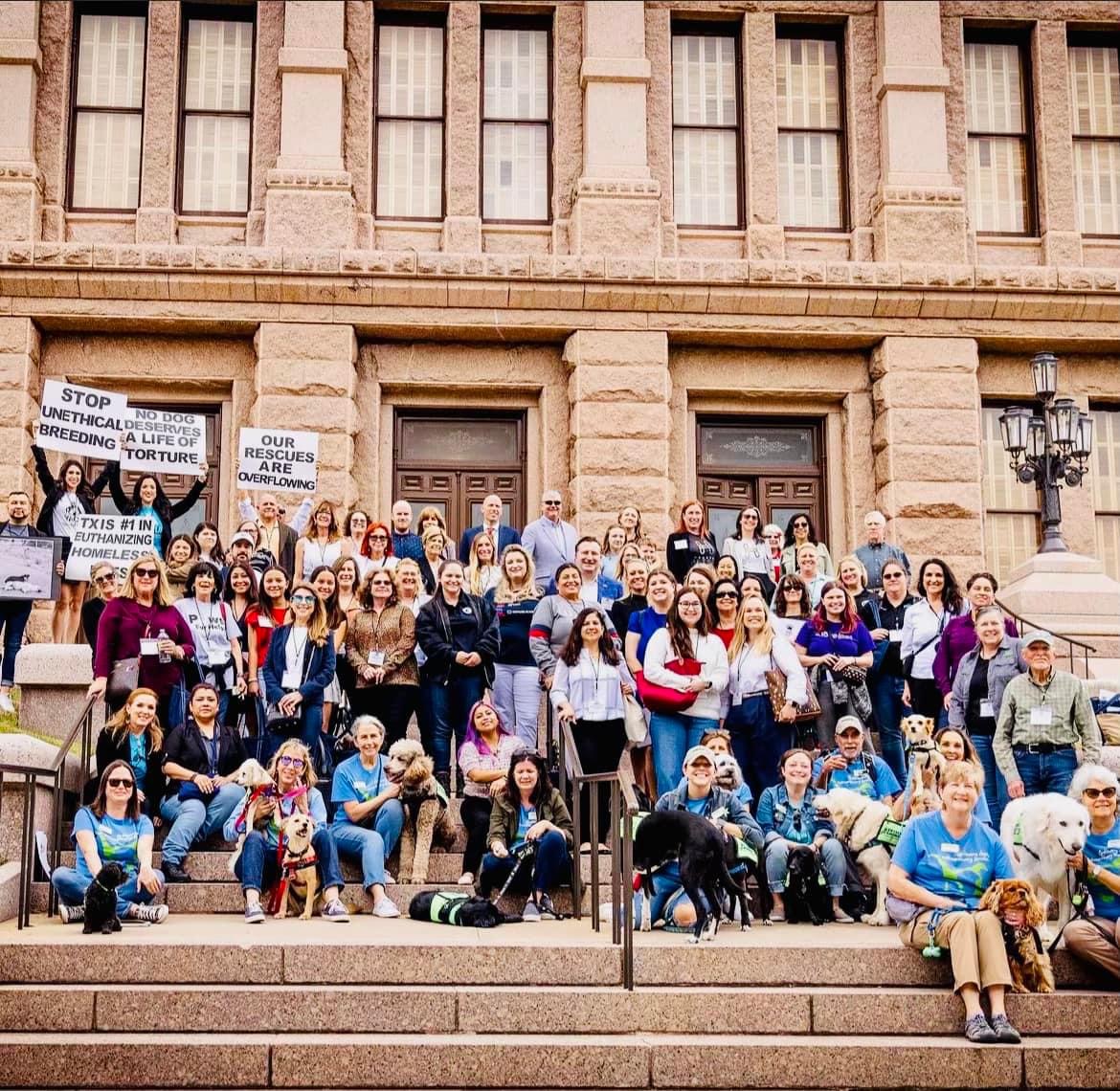
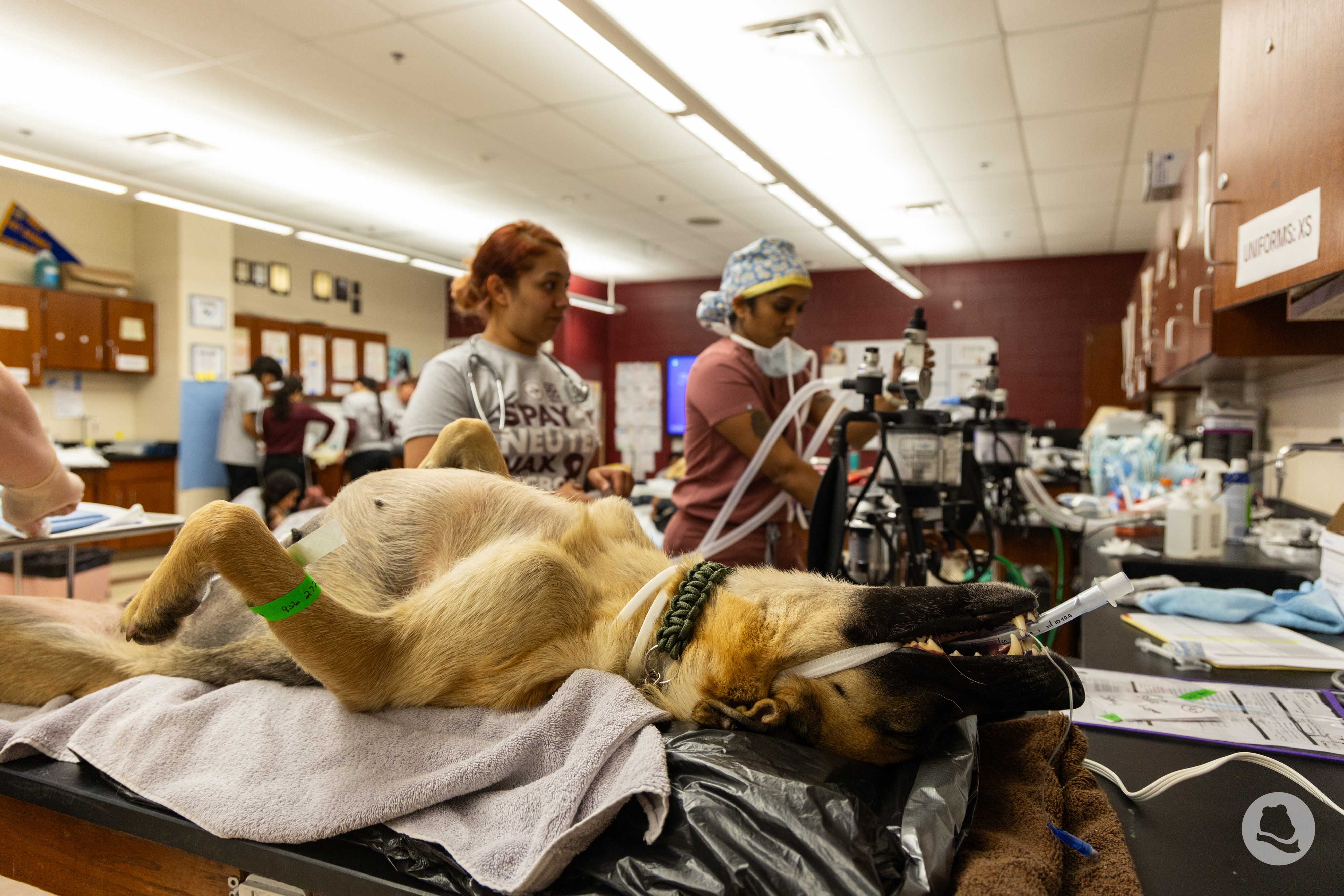
Over the past two years, we have expanded our impact far beyond emergency rescue. We have developed partnerships with organizations including the Caravita Foundation, BISSELL Pet Foundation, SPCA International, BarkBox, and many others. We have worked alongside advocates and lawmakers to advance legislation that strengthens protections for Texas animals. We are also building a low cost spay and neuter clinic to ensure that families in underserved communities have access to affordable veterinary care before preventable suffering begins.
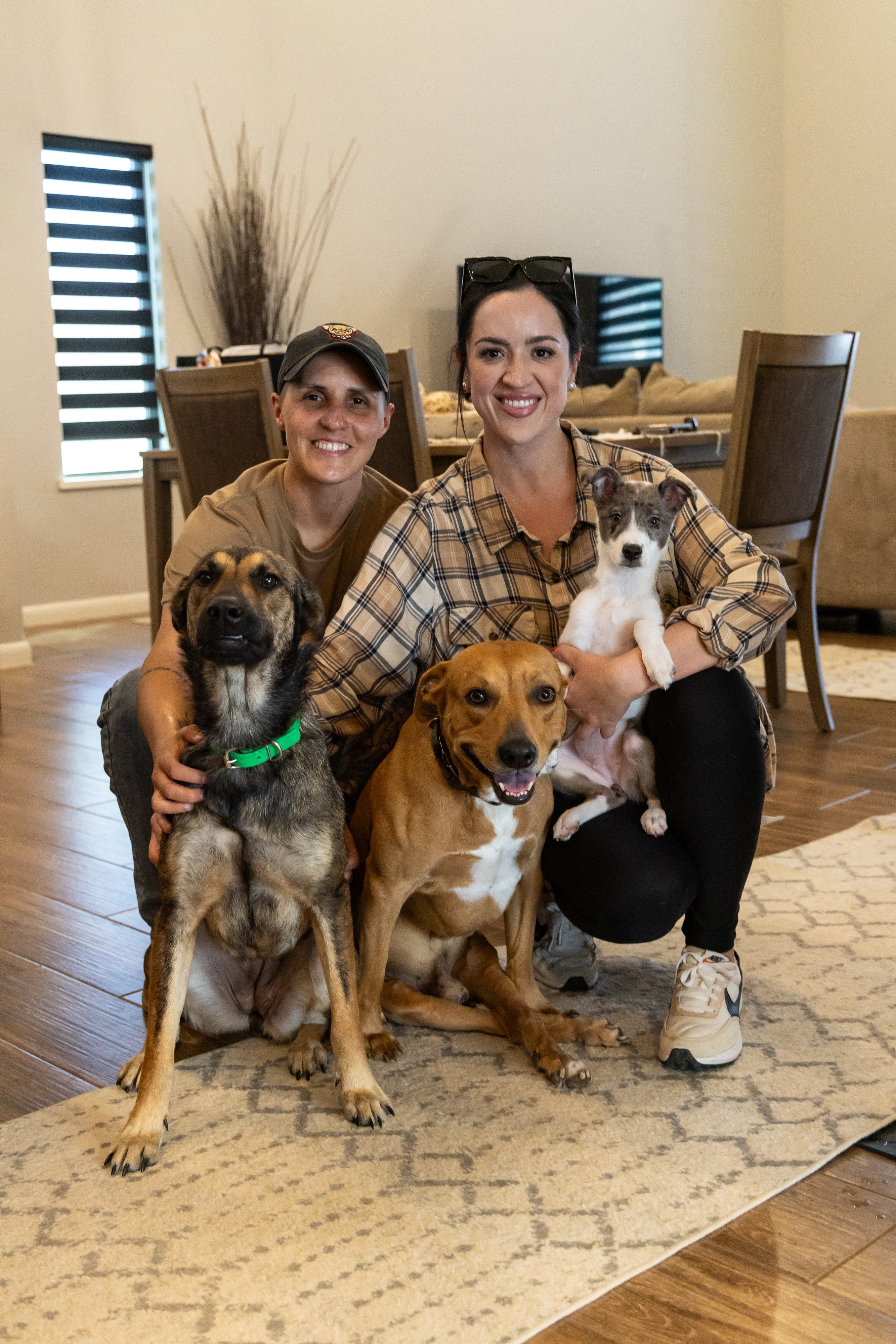
Our mission has evolved into something larger than rescue alone. We believe the most effective way to save animals is by helping the people who love them. When families have access to veterinary care, education, and support, fewer animals are abandoned, surrendered, or left to suffer. Prevention is just as important as intervention.
When I look back, I realize I never chose this path in a single moment. It unfolded one rescue at a time, one difficult decision at a time, and one lesson after another. Butters was not just another dog. He became the catalyst that reshaped my understanding of what animal rescue could be. His story taught me that compassion is only the beginning. Real change requires courage, persistence, and a willingness to keep searching for the truth, even when the answers are uncomfortable.
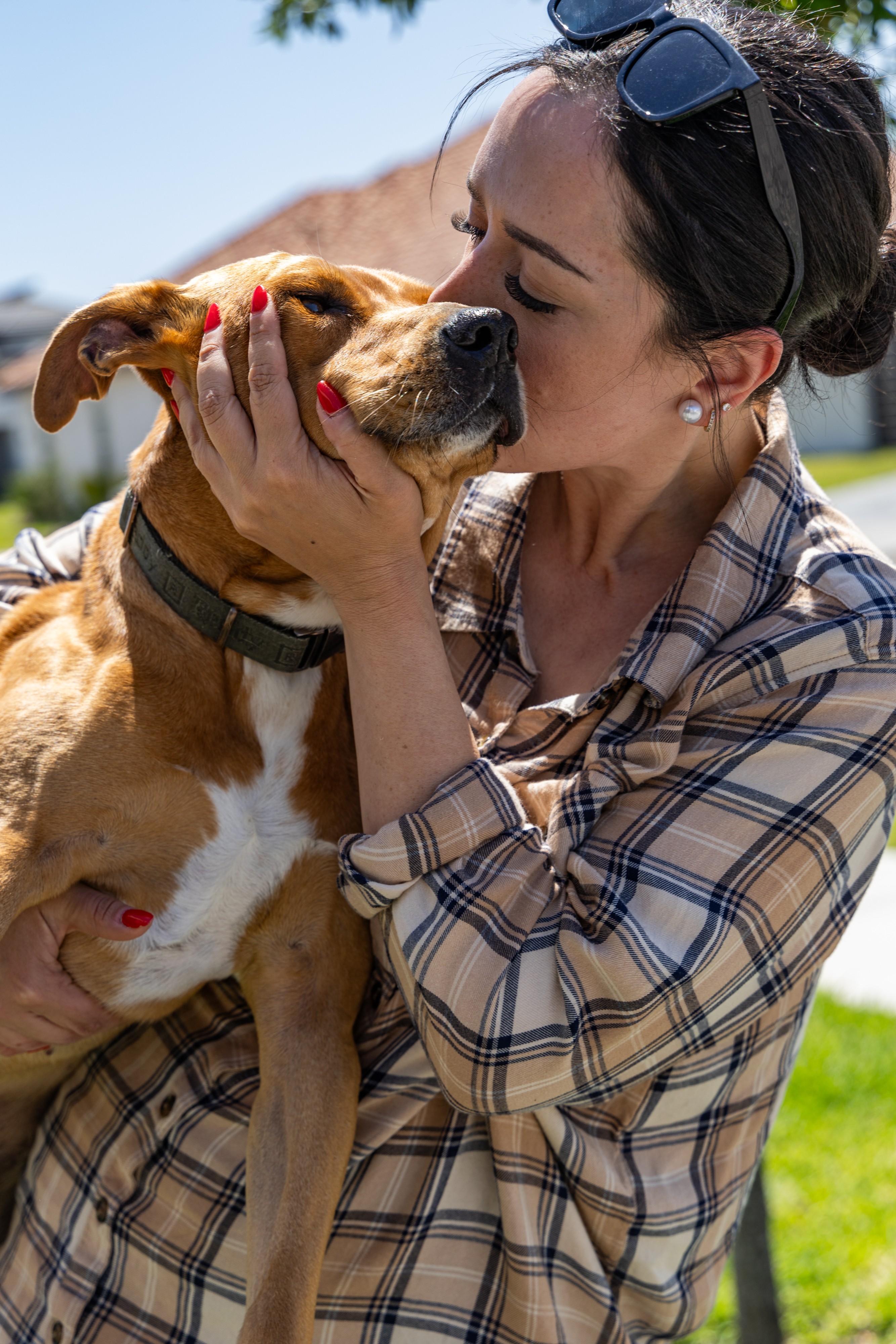
I thought I was volunteering to help a few dogs find homes. Instead, I found a purpose that continues to shape every decision I make. Looking back now, it is clear that everything began with one foster dog, one organization willing to make a difference, and one paralyzed pit bull named Butters who refused to let me look away.
Can you talk to us a bit about the challenges and lessons you’ve learned along the way. Looking back would you say it’s been easy or smooth in retrospect?
People often imagine animal rescue as a series of happy endings. They picture wagging tails, adoption photos, and the moment a neglected animal finally finds a loving home. Those moments exist, and they are extraordinary, but they represent only a small fraction of the work. But the reality is far more complicated.
Animal rescue is not a straight line from suffering to salvation. It is a web of interconnected challenges that often have very little to do with animals themselves. Every case forces you to look beyond what is immediately in front of you. A starving dog is rarely just about hunger. A litter of unwanted puppies is rarely just about overpopulation. Behind nearly every animal in crisis is a human story that is just as complex.
Some families desperately love their animals but cannot afford veterinary care. Others live in communities where affordable veterinary services simply do not exist. There are elderly individuals surviving on fixed incomes, parents choosing between feeding their children and treating an injured pet, and people living in generational poverty who have never had access to basic animal care or education. Rescue quickly teaches you that many people are not indifferent because they do not care. Sometimes they simply have no options.
Then there are the cases where compassion is absent altogether. Animal cruelty, neglect, abandonment, and abuse are realities that rescuers encounter far too often. Some images stay with you forever. Some stories become impossible to forget. You learn that not every wound is physical, and not every act of cruelty leaves visible scars.
At the same time, there are battles happening far beyond the individual rescue. There are funding shortages that force impossible decisions about which animals can be saved today and which ones must wait. There are outdated laws that fail to protect vulnerable animals. There are law enforcement agencies stretched too thin to investigate every cruelty complaint. There are cultural beliefs, misinformation, and deeply rooted traditions that cannot be changed overnight. There are shelters operating beyond capacity, veterinarians overwhelmed by demand, and rescue organizations relying almost entirely on volunteers who somehow find the strength to keep going.
None of these challenges exist in isolation. They overlap, collide, and compound one another. Poverty affects access to veterinary care. Limited veterinary care contributes to overpopulation. Overpopulation overwhelms shelters. Overwhelmed shelters lead to more euthanasia, more abandonment, and more suffering. Every problem is connected to another, making it impossible to solve one issue without confronting many others.
That is why animal rescue is not simply about saving animals. It is about public health. It is about education. It is about poverty, public policy, mental health, housing, transportation, and access to healthcare. It is about building trust within communities and creating solutions that address the needs of both people and their pets. The more time I spend in this work, the more convinced I become that animal welfare and human welfare cannot be separated. If we want to help animals, we must also help the people who care for them.
This work is emotionally demanding in ways that are difficult to explain. There are days filled with joy, when a dog who was once terrified finally learns to trust again or a family is reunited with a beloved pet they thought they had lost forever. There are also days when, despite every effort, you cannot change the outcome. You carry those losses with you. They become part of who you are. Animal rescue asks you to hold hope and heartbreak at the same time. It asks you to celebrate victories without becoming complacent and to endure setbacks without becoming cynical. It demands resilience, patience, and the willingness to wake up every morning knowing there will be another emergency waiting.
It is, without question, the hardest work I have ever done. It is also the most rewarding.
Because every life saved represents more than a single animal. It represents a family kept together, a community that chose compassion over indifference, a volunteer who refused to walk away, or a future made better because someone decided that suffering was not inevitable.
That is what keeps me going. Not the belief that we can save every animal, because we cannot, but the belief that every act of compassion changes the world for someone. Sometimes that someone has four legs. Sometimes they have two. Either way, the work matters.
Thanks – so what else should our readers know about your work and what you’re currently focused on?
My path into animal welfare did not begin in veterinary medicine or shelter management. It began in public service.
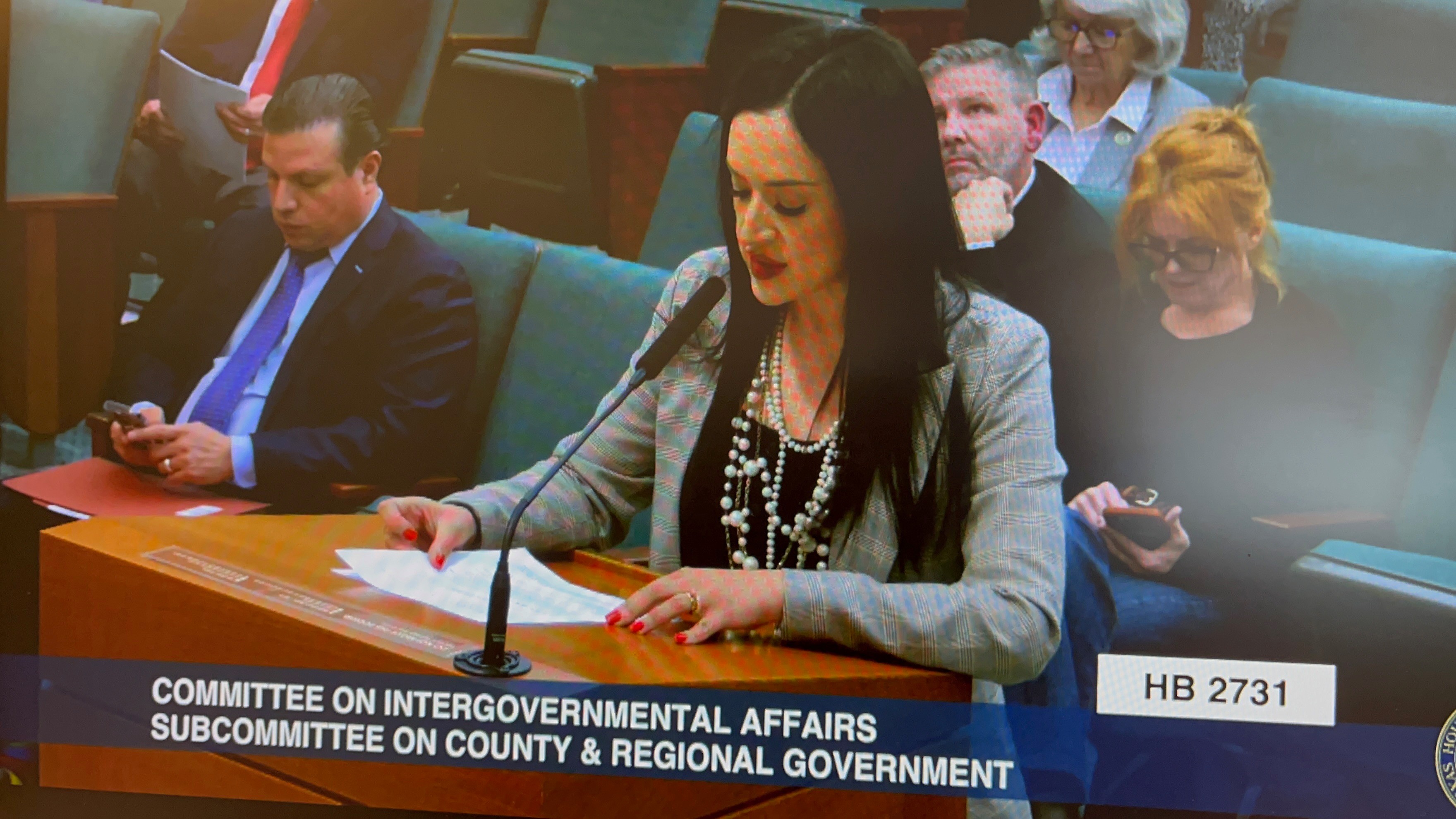
Throughout my career, I have worked across multiple levels of government, including county, municipal, federal, and legislative offices, as well as in the legal field. Those experiences gave me a firsthand understanding of how public policy is created, how government systems function, and how meaningful community change requires collaboration between public institutions, nonprofit organizations, and private partners. Long before I entered animal rescue full time, my work was centered on solving complex public challenges through strategic leadership, policy development, and community engagement.
I earned bachelor’s degrees in Psychology and Political Science, followed by a Master of Public Administration, which further shaped my understanding of human behavior, public systems, organizational leadership, and effective governance. My academic background, combined with years of professional experience in public affairs, has given me a unique perspective on animal welfare. I believe the issues facing animals cannot be solved through rescue alone. They require thoughtful public policy, strong nonprofit leadership, sustainable funding, and partnerships that address the needs of both animals and the people who care for them.
Today, I serve as the Chief Operations Officer of Yaqui Animal Rescue, where I oversee organizational operations, strategic initiatives, government relations, and community partnerships. My work extends beyond emergency rescue and focuses on creating long-term, systemic solutions that reduce animal suffering before it begins.
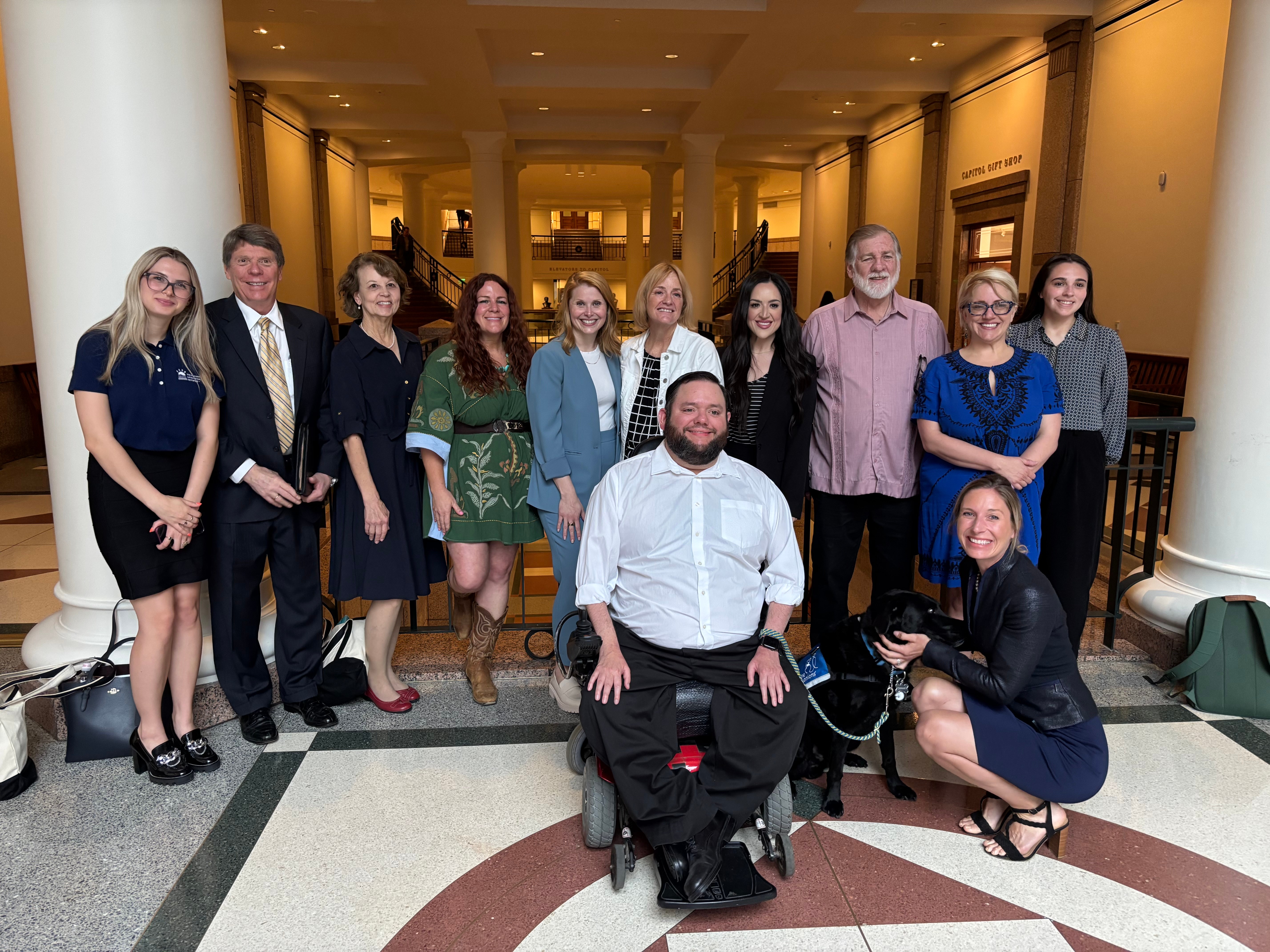
Throughout my career, I have developed relationships with legislators, judges, attorneys, business leaders, philanthropic organizations, and community stakeholders across the region. Those relationships have become invaluable in advancing animal welfare initiatives, allowing us to advocate for legislative reform, secure funding for low-cost spay and neuter programs, build strategic partnerships, and expand access to resources for underserved communities. I believe that meaningful change happens when people from different sectors come together around a shared purpose.
Under our leadership, Yaqui Animal Rescue has experienced significant growth, establishing partnerships with organizations while expanding programs focused on prevention, education, and community impact. Our work is rooted in a simple philosophy: helping animals begins by helping people.
My approach to animal welfare is informed by years of experience in public policy and community development. Rescue is only one part of the solution. Lasting change requires effective leadership, strong public-private partnerships, evidence-based policy, and a willingness to address the social and economic factors that contribute to animal suffering. By combining the principles of public administration with compassionate advocacy, I strive to build systems that improve outcomes for both animals and the communities they call home.
We’d be interested to hear your thoughts on luck and what role, if any, you feel it’s played for you?
The truth is that I don’t really believe in luck the way most people define it. I don’t believe life is simply a series of random events or coincidences. I believe that every experience, whether we label it as good luck or bad luck, serves a purpose. When something wonderful happens, it’s easy to call it good luck. When life falls apart, it’s tempting to call it bad luck. But looking back on my own journey, I can see that both have been equally important in shaping who I am.
Some of my greatest opportunities came from moments that felt fortunate at the time, but many of my greatest lessons came from failure, disappointment, and challenges I never would have chosen for myself. Those difficult experiences taught me resilience, patience, and perspective in ways that success never could. They prepared me for responsibilities I wasn’t ready for yet and gave me the tools to navigate the complexities of animal welfare.
If I hadn’t experienced setbacks in my career, difficult seasons in my personal life, or obstacles that forced me to grow, I don’t think I would be the leader I am today. Those moments were every bit as valuable as my successes. In many ways, they were the foundation for them. When I look at my path, from working in government and public policy to leading an animal rescue organization, it all seems connected. At the time, none of it made sense. Looking back, every chapter, every success, every failure, every relationship, and every unexpected turn prepared me for the work I’m doing today.
So whether someone calls it good luck or bad luck, I see it differently. I see purpose. I believe every experience has shaped me into the person I needed to become, and every challenge has ultimately led me to a place where I can make a greater difference for both animals and the people who care for them.
Contact Info:
- Website: https://www.yaquianimalrescue.com
- Instagram: https://www.instagram.com/beccaisabel7/
- Facebook: https://www.facebook.com/yaquianimalrescue/
- Youtube: https://www.youtube.com/@yaquianimalrescue
- Other: https://www.instagram.com/yaquianimalrescue/