Today we’d like to introduce you to Vita Chang.
Hi Vita, can you start by introducing yourself? We’d love to learn more about how you got to where you are today?
I have worked in international business for more than a decade. Before founding DRAMAGO, I led international market initiatives at Alibaba, where I spent years studying consumer behavior, content preferences, and market trends across regions. My co-founder brings deep experience in film and entertainment production. We had each built a career in our respective fields, but eventually saw an opportunity to bring those perspectives together.
As short-form drama grew rapidly, I became an avid viewer myself. The more I watched, the more I noticed a tension in the market: audiences were growing quickly, but many productions were beginning to feel interchangeable. There was plenty of attention, but too few distinctive, high-quality stories with lasting value.
A conversation with my co-founder crystallized the idea. We asked ourselves: why not combine global-market experience with professional filmmaking to build a platform centered on premium content—stories that offer audiences something they cannot find elsewhere? We shared the same ambition: to create work that genuinely connects with people, rather than simply chase short-term traffic.
At the same time, generative AI was advancing rapidly—from text-to-image and image-to-video tools to increasingly capable video-generation models. We began to see AI not only as a way to improve production efficiency, but as a technology that could expand what creators make and how audiences experience stories. That realization led us into AI-generated entertainment.
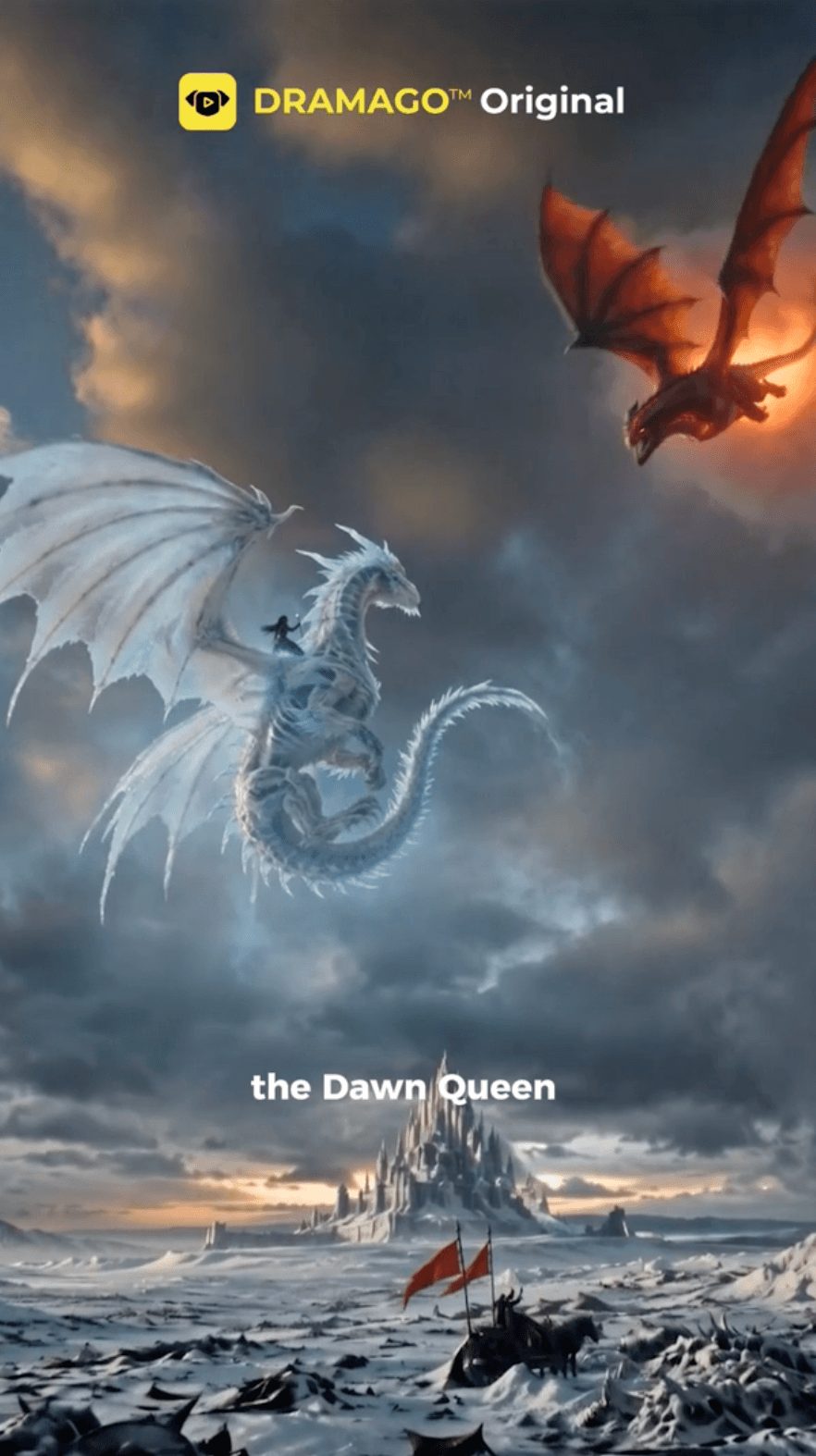
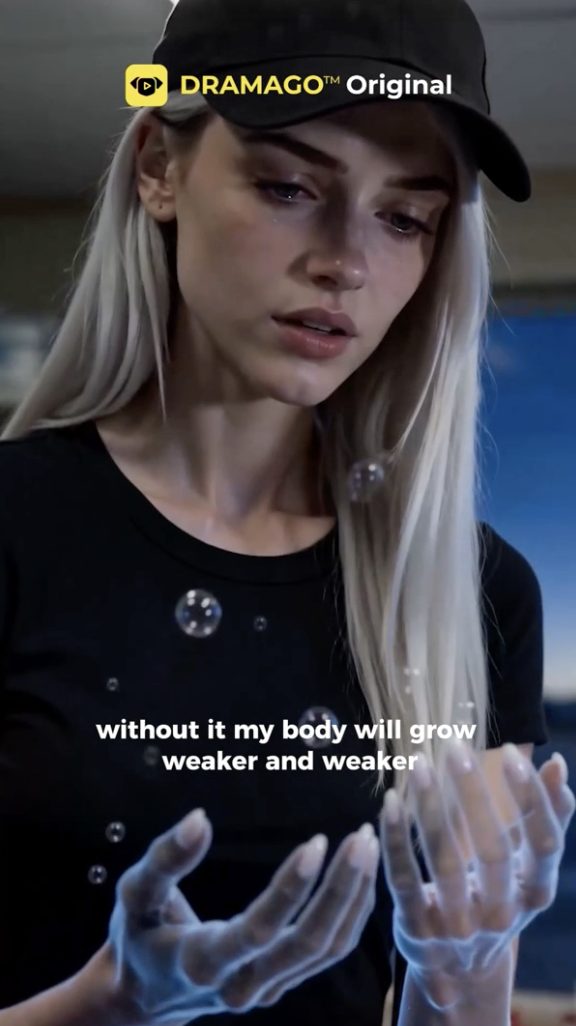
There was no established playbook. Models were changing quickly, and we had to test tools continuously while solving real production problems. Character consistency was one of the hardest: keeping the same character recognizable across scenes and shots required extensive experimentation. As the technology improved and our team refined its workflows, we were able to achieve a more cinematic level of visual quality.
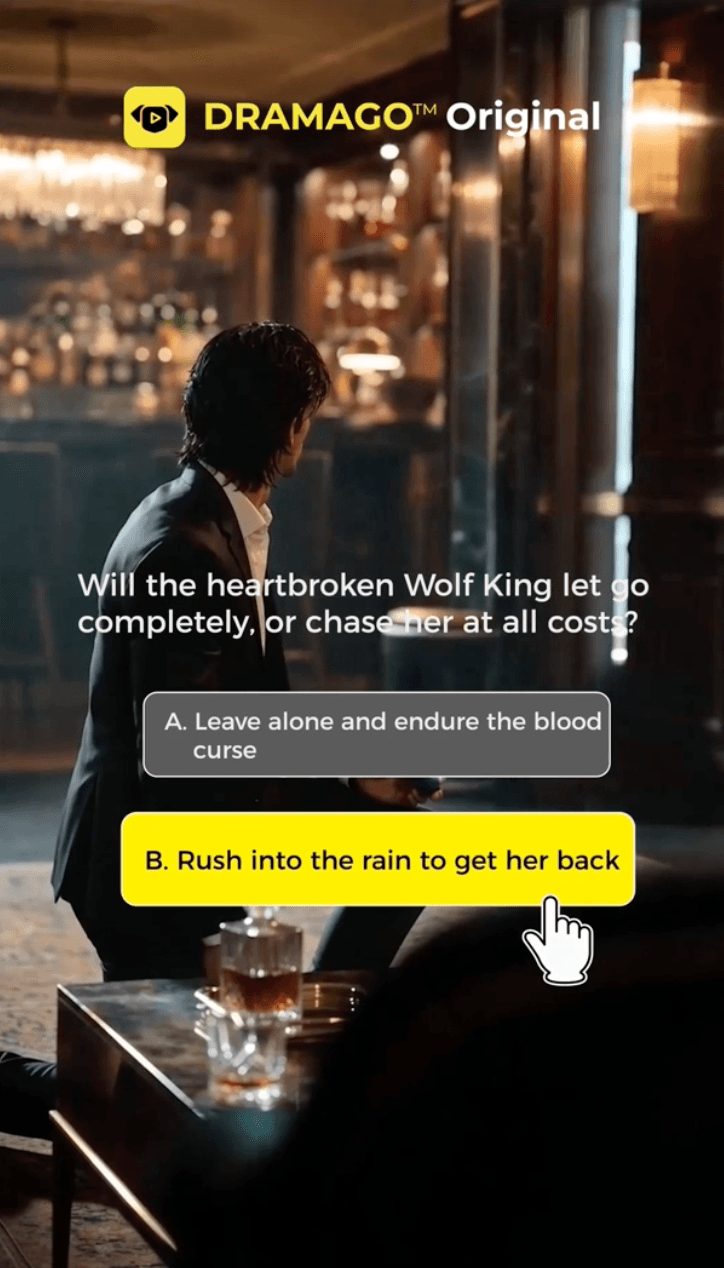
We then discovered something even more important. Audiences enjoyed the new visuals, but many wanted to do more than watch—they wanted to participate, influence a character’s journey, and feel part of the story. Interactive narratives have existed for years in visual novels and games, but they had not yet been fully realized in the short-drama format. That insight led us to develop AI-native interactive dramas.
Core development of our first interactive title took about three months; including three major rounds of revision and refinement, the full process ran close to five months. We worked across story structure, branching logic, and visual presentation. Early users were candid that some scenes still felt AI-generated, and that feedback was invaluable. We treat user feedback not as a final verdict, but as a practical tool for raising our standards.
Since that first title, we have released six interactive dramas. Three larger, cinematic interactive projects are scheduled to follow, and we are collaborating on several premium AI film projects. Along the way, we have strengthened our technical capabilities and developed a much deeper understanding of the stories, characters, and forms of interaction that audiences value.
Would you say it’s been a smooth road, and if not what are some of the biggest challenges you’ve faced along the way?
Definitely not. Moving from AI-assisted filmmaking into an interactive content platform has involved constant experimentation, uncertainty, and learning. Two challenges stand out.
The first is that interactive cinematic storytelling is far more complex than simply adding a few choices to a conventional story. A linear film follows one path; an interactive title must support multiple paths while keeping character motivations credible, transitions coherent, and pacing engaging regardless of the audience’s choices. Ideas that look airtight on the page can reveal unexpected problems once viewers begin exploring them freely.
That is why our first interactive drama required close to five months from initial development through final refinement. Our writing and production teams repeatedly revised the story structure, character relationships, and branching logic so the experience would feel natural and immersive. We learned that AI-native interactive entertainment is a new creative format in its own right—one that demands technology, storytelling craft, an understanding of audience psychology, and thoughtful interaction design.
The second challenge is audience discovery in a highly competitive global market. For a young company, making strong content is only the first step. Major acquisition and distribution channels are concentrated among established platforms, so earning attention for a new entertainment format takes persistent testing.
Owning our platform gives us an important advantage: a direct relationship with viewers. Comments, emails, choices, and viewing patterns show us which stories resonate, which characters create an emotional connection, and which interactions keep people engaged. Those signals feed directly into our creative and product decisions.
By the release of our sixth interactive drama, the completion rate was two to three times that of our earliest titles, and conversion at the first paid decision point had improved nearly tenfold. These results reflect a reinforcing cycle: better content helps us find the right audience, and direct audience insight helps us improve the content.
The experience has also sharpened our long-term vision. AI’s value is not limited to making production faster or less expensive. Its greater potential is to enable new forms of expression. We want to combine filmmaking expertise, AI capabilities, and direct audience insight into an AI-native production system that helps more strong stories get made and reach viewers around the world.
As you know, we’re big fans of DRAMAGO PTE. LTD.. For our readers who might not be as familiar what can you tell them about the brand?
DRAMAGO is an AI-native entertainment company reimagining how cinematic content is created, produced, and experienced. We believe AI’s most important contribution is not simply lower production costs; it is the ability to expand the creative canvas, enable new forms of storytelling, and make ambitious, high-quality work possible in new ways. Technology can improve the process, but stories, characters, emotional connection, and execution still determine whether a work has value.
We are building an ecosystem around three connected capabilities. First is our interactive content platform for global audiences. Through the app, viewers do not merely watch a story—their choices shape how it unfolds and deepen their connection with its characters. The platform also gives us direct insight into viewing behavior, choices, and feedback, allowing the audience to inform the creative process.
Second is our professional filmmaking capability. Our team includes experienced writers, directors, and production professionals from the traditional film and entertainment industry. We combine their craft with AI technology to create original, premium content with richer storytelling and more immersive experiences, rather than simply reproducing familiar short-drama formulas.
Third is our AI-powered production infrastructure. Through ongoing production, we have developed an agent-based workflow that integrates AI across the creative process—from concept and story development to production and post-production optimization. Over time, we aim to turn these capabilities into infrastructure that can also help filmmakers and creative partners explore new ways of working in the AI era.
What sets DRAMAGO apart is the combination: direct audience insight, professional filmmaking standards, and AI-enabled production. We are not using AI merely to generate more content. We are building a new connection among technology, creators, and audiences—and exploring what entertainment can become in the AI era.
Risk taking is a topic that people have widely differing views on – we’d love to hear your thoughts.
I do not think risk-taking means making a decision that merely looks bold from the outside. To me, it means making a considered judgment in the face of uncertainty and taking responsibility for the outcome.
Some of my biggest decisions were moving from international business into short-form drama, and then committing deeply to AI-powered filmmaking. Neither was a proven path at the time. Entrepreneurship, however, means operating amid constant change: markets shift, audience behavior evolves, and technology advances. The goal is not to eliminate uncertainty, but to understand change quickly, identify opportunities, and adjust in response to evidence.
You cannot wait for every answer before acting; once everyone agrees that a direction is right, the best opportunity may already have passed. But that is not an argument for acting blindly. Our approach is to reduce uncertainty through disciplined validation: begin with small experiments, learn from users, examine the results, and adjust.
For example, in our interactive drama “I Stole My Sister’s Billionaire Alpha,” audiences responded strongly to moments that combined emotional conflict with a consequential choice. At the first paid decision point, the protagonist must decide whether to accept a werewolf’s bargain in order to save her father. The scene contains no explicit material; its appeal comes from emotional tension and a difficult character dilemma. The response helped us understand which emotional dynamics and interaction patterns resonate, and it informed later content design.
Risk and growth often go together. A choice with no risk may offer little room to create something new. But risk is not a way to prove courage; it is part of finding a direction worthy of long-term commitment. I would not describe myself as someone who enjoys risk for its own sake. I am someone who is willing to make a judgment, commit once the direction is clear enough, and keep testing that judgment through execution and learning.
Contact Info:
- Website: https://web.dramagostudio.com
- Instagram: https://www.instagram.com/dramago_official?igsh=Y3VuZTNldzdzOXJm&utm_source=qr
- Facebook: https://www.facebook.com/DRAMAGOAPP
- LinkedIn: https://www.linkedin.com/company/dramago-pte-ltd/
- Twitter: https://x.com/DRAMAGO_APP
- Youtube: https://www.youtube.com/@DRAMAGO_APP
- Other: https://download.dramagostudio.com