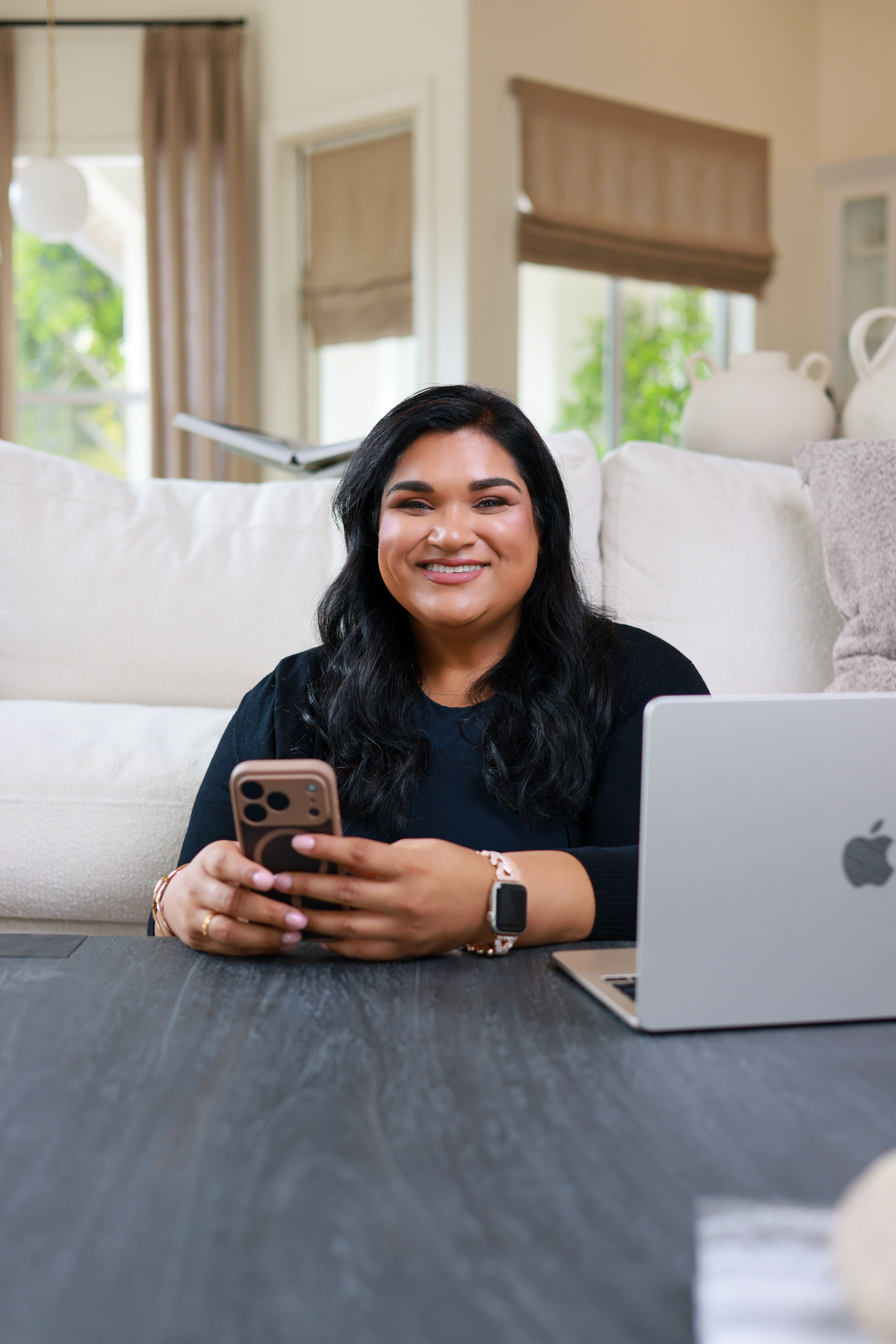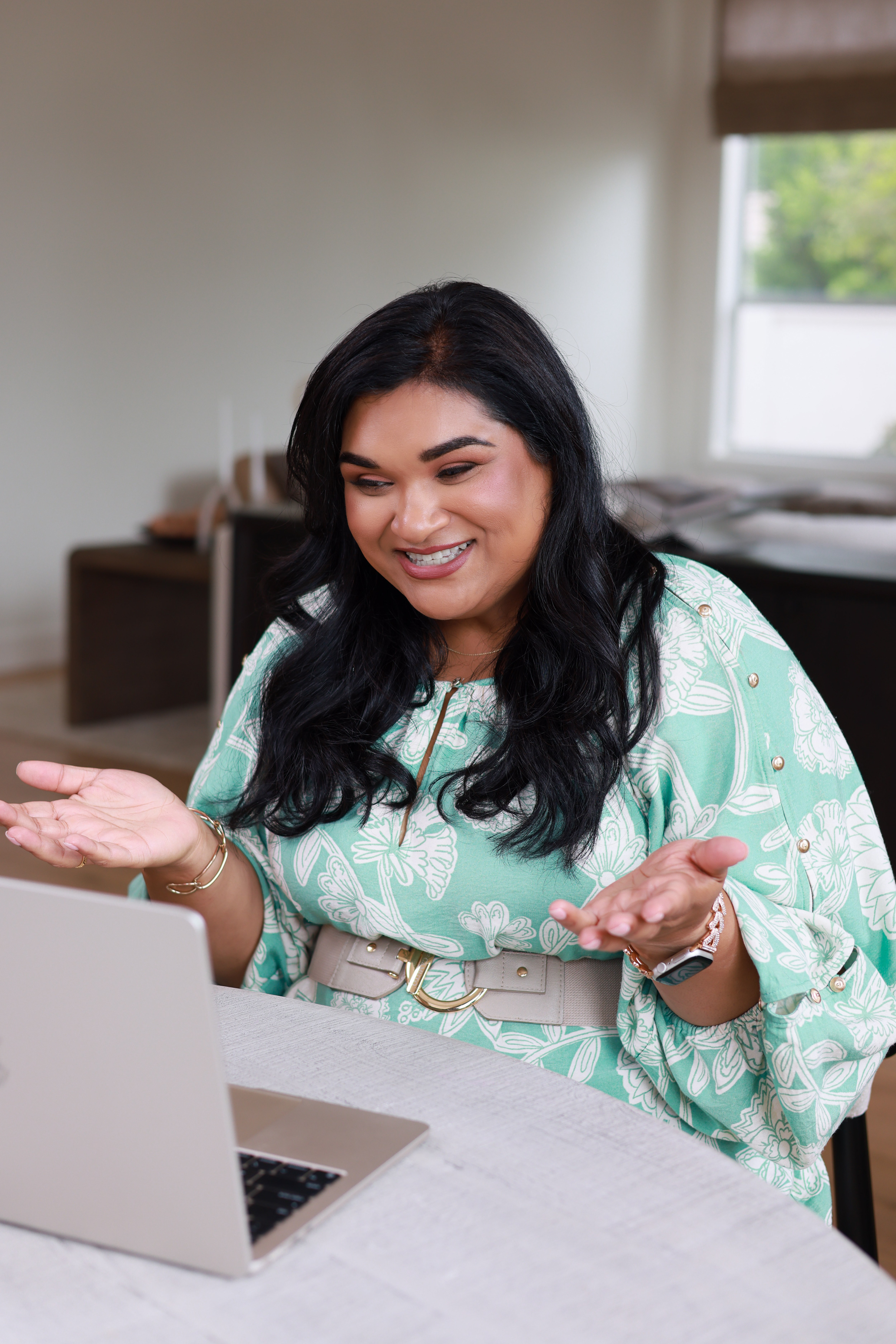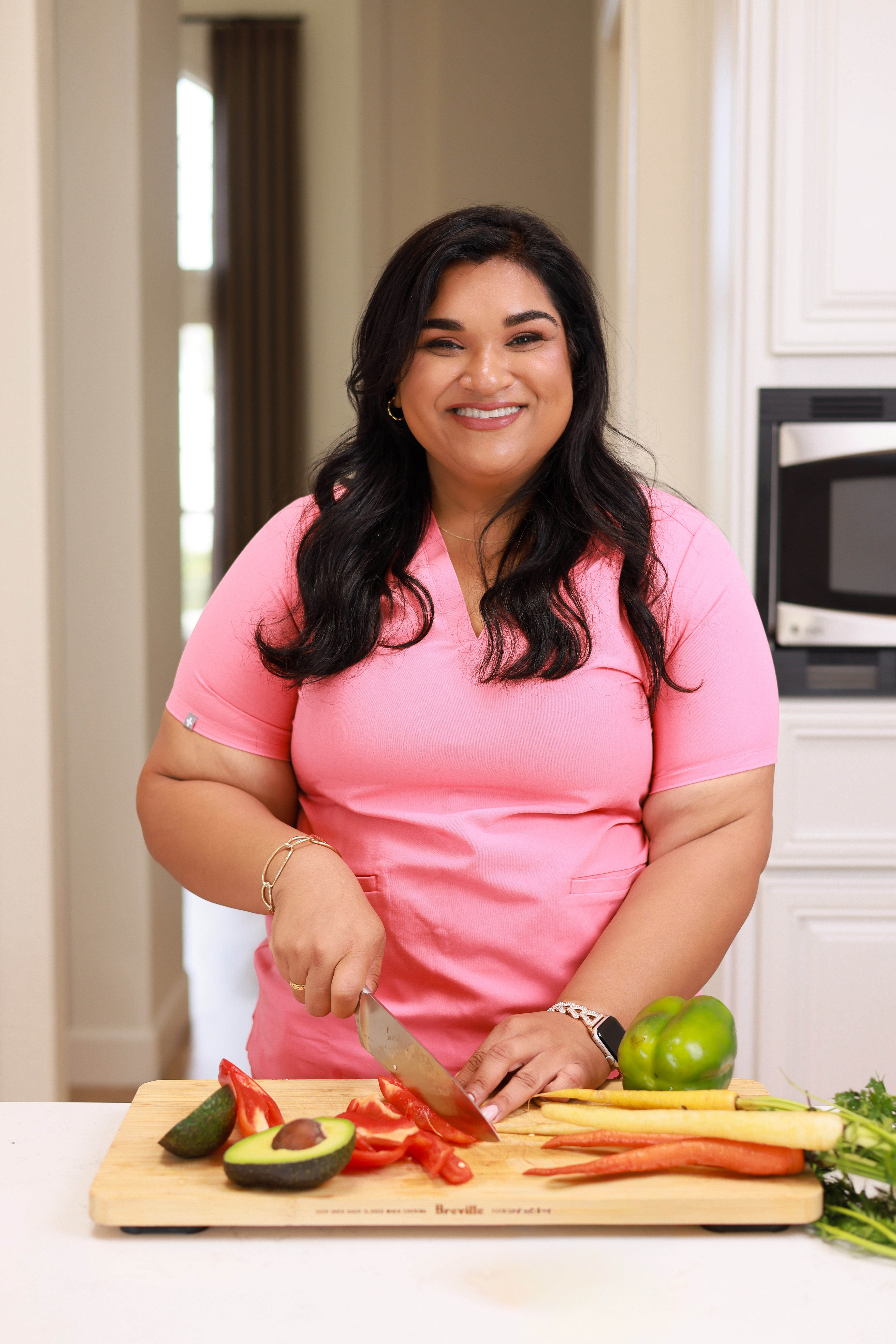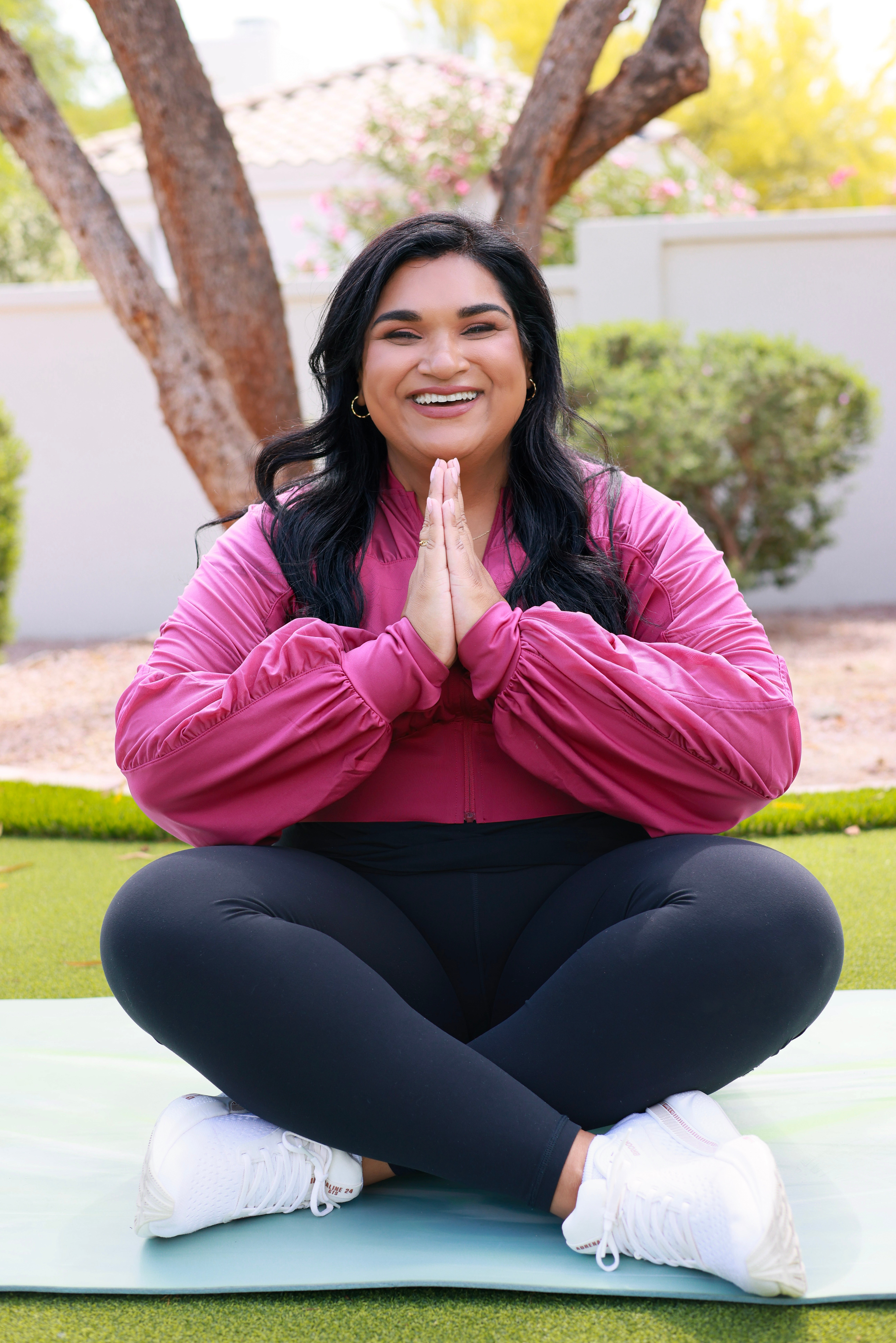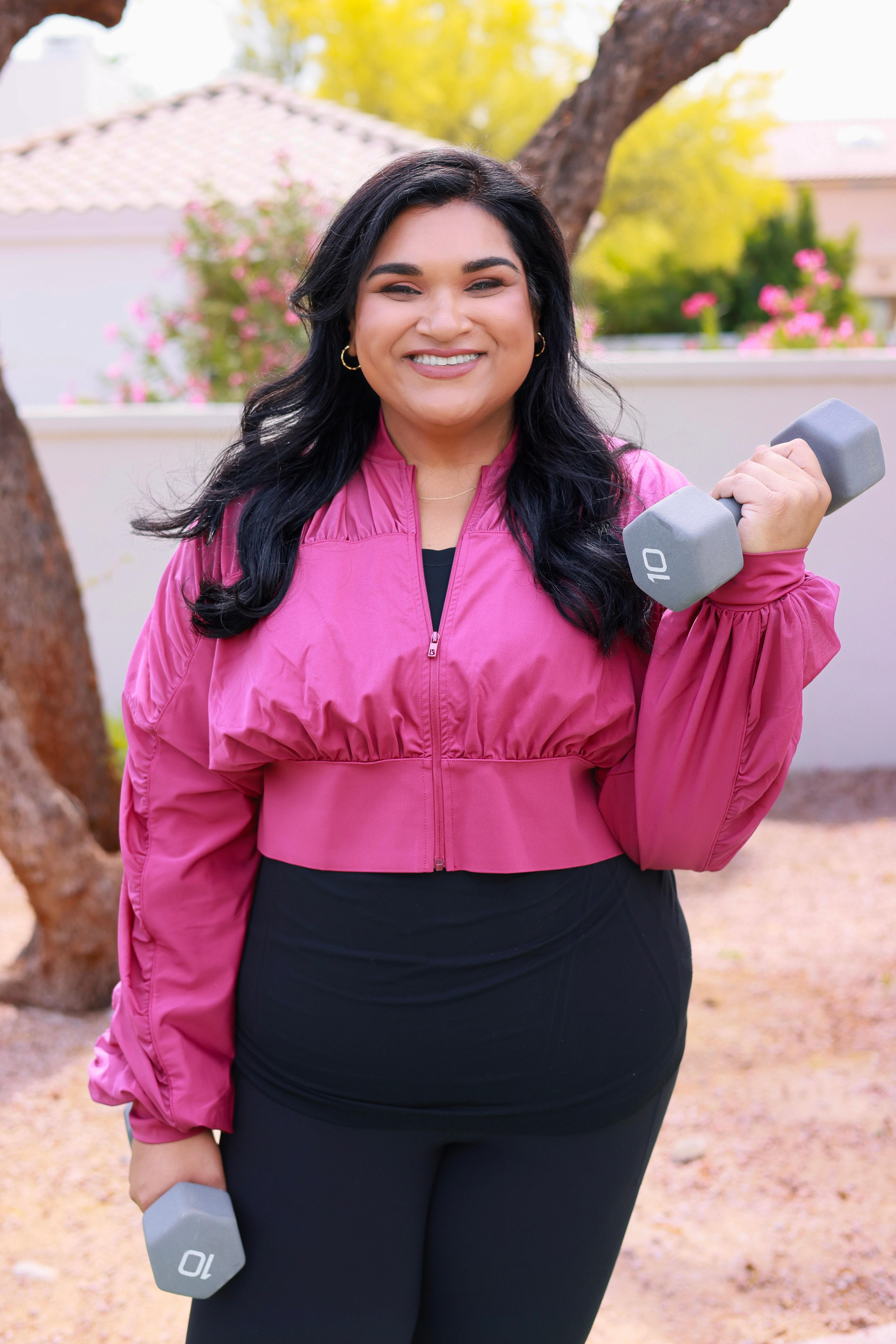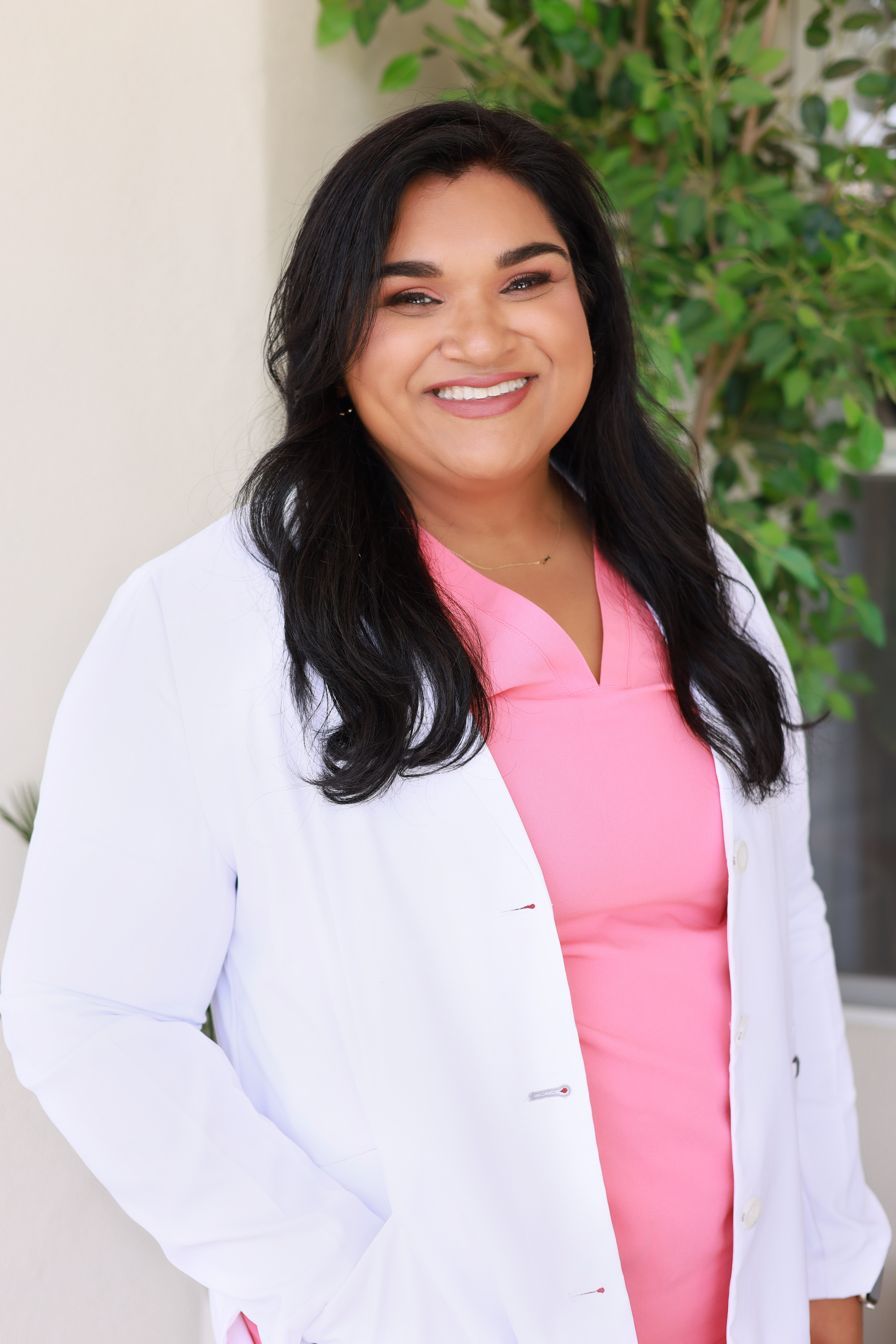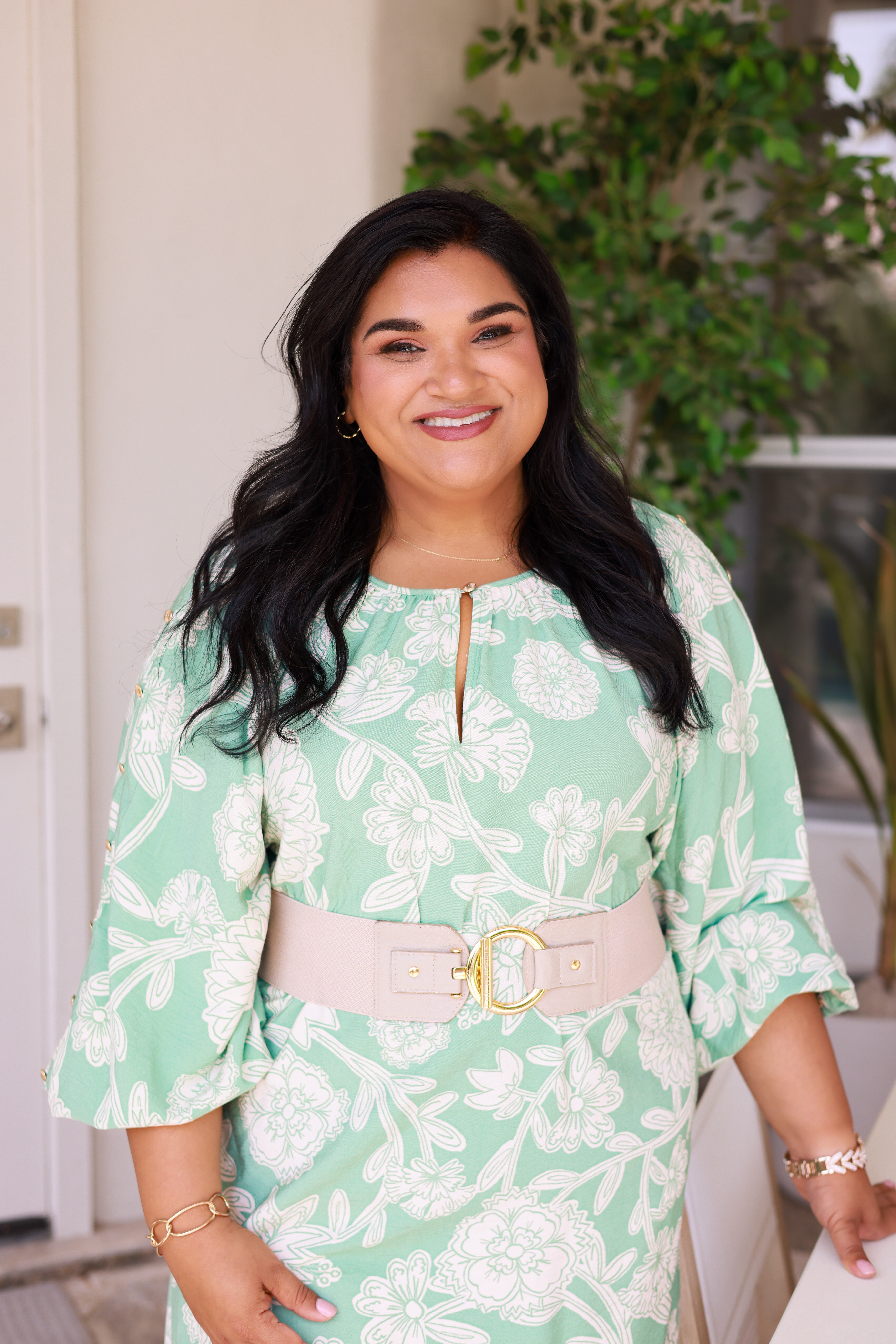
Today we’d like to introduce you to Gauri Behari.
Hi Gauri, so excited to have you on the platform. So before we get into questions about your work-life, maybe you can bring our readers up to speed on your story and how you got to where you are today?
Accessibility to healthcare, especially specialized healthcare, in rural areas has always been something extremely personal to me. I grew up in rural Connecticut until I was 14. As a kid with asthma, my dad would have to take an unpaid day off work to drive me two hours each way up to Boston to see my specialists. That had a real impact on my family’s resources.
During my medical training, I had the chance to do my internal medicine residency at Chabert Medical Center in rural Louisiana, where I saw the disparities in care firsthand. My program was special because it served as the bridge to all the same resources our urban counterparts had, for the patients who needed it most. After residency, I completed my endocrinology, diabetes, and metabolism fellowship at the University of Arizona College of Medicine Phoenix, where I cared for patients through Banner University and at the Veterans Health Administration in Phoenix. At both places I saw a diverse population, including patients who would drive up to four hours each way to see us.
After one of my rural patients developed hypoglycemia and got into an accident on his way to a visit with me in Phoenix, I realized this was a big problem. And it’s fixable. Preventable, even. Telehealth had existed for decades, but it was incredibly underutilized. I was fortunate to have a mentor in Dr. Peter Reaven, who supported my desire to create a rural TeleEndocrinology program. It started with diabetes care and expanded to all hormone and metabolic problems. The goal was to bring care to people where and when they needed it, and it really launched my career in digital health and healthcare innovation.
When the pandemic started, I was able to launch a program I had been thinking about for several years– a TeleEmergency Care program that provides real-time care for Veterans who call in with a medical complaint. I am especially proud of that one. It began as a small program supporting Veterans in Arizona and now supports Veterans across the United States. From there, I continued at the VHA in leadership roles at the regional level, covering Arizona, New Mexico, and Southern California, and at the national level, where I oversaw Healthcare Operations and the Office of Quality Management. All of these experiences taught me how care gets delivered at scale, and where it tends to break down.
What kept pulling at me was the direct relationship with patients and the chance to build care the way I believed it should be built. Earlier this year I left to start Axis Endocrinology, a direct care endocrinology practice focused on hormonal and metabolic health. A full hour for a new patient visit, evidence-based, and genuinely non-judgmental built around access. Around the same time I started Health Innoveering, a consultancy that helps health systems work through the same problems I spent years solving inside the VA, and helps med tech startups deliver safe, high-quality care.
I still teach, as faculty at the College of Medicine and as a preceptor for the endocrinology fellows, and the through line in all of it is access. Telehealth means I can see someone in a rural part of the state who would otherwise wait months for an endocrinologist. That is the part I care about most, and it is the reason I built this. I think about the sacrifices my parents made so I could get the best care possible as a child, and now I want to provide that care for everyone, no matter who they are or where they live.
Alright, so let’s dig a little deeper into the story – has it been an easy path overall and if not, what were the challenges you’ve had to overcome?
Ha, no. When you’re an innovator, you’re the person at the table bringing solutions that are a lot easier to say “no” to than to say “yes” to. When I first brought up TeleEmergency Care nine months before the pandemic, I was told I needed to be careful or I would ruin healthcare. Then, on the first day the world started to shut down, I got a phone call from my VA leadership saying, “Do it. What do you need from us?” I was fortunate to work with a leadership team that embraced innovation and challenged the status quo. Now, the program is an enterprise-wide program, it has helped hundreds of thousands of Veterans, and has gotten shoutouts from the Secretary of the VA!
I have been told no a lot since then. And now, I love being told no. Want to know why? Because the people who tell me “no,” and give me long lists of all the reasons not to do something, usually turn out to be my biggest allies. They do not always know it at the time, but they are. What they are really doing is showing me the gaps in my idea and everything I need to address to build a program or product that works.
Leaving was its own kind of hard, especially because I believe so deeply in the VA’s mission to care for Veterans and their caregivers. That mission made the risks easy. It is not hard to push, to innovate, to take a no and keep going, when you are doing it for something that big and with hundreds of other people who center their work with the same mission. Doing it for myself is the part that was actually hard. Taking a chance on me, without an institution and a mission behind me, has been the hardest part of all of this.
But I keep reminding myself that innovation literally means “into the new.” Taking a chance on myself is its own leap into the new, and probably the biggest one. When you are always launching into the new, you learn to embrace the struggles, because after some time you find them to be really beautiful.
Thanks for sharing that. So, maybe next you can tell us a bit more about your business?
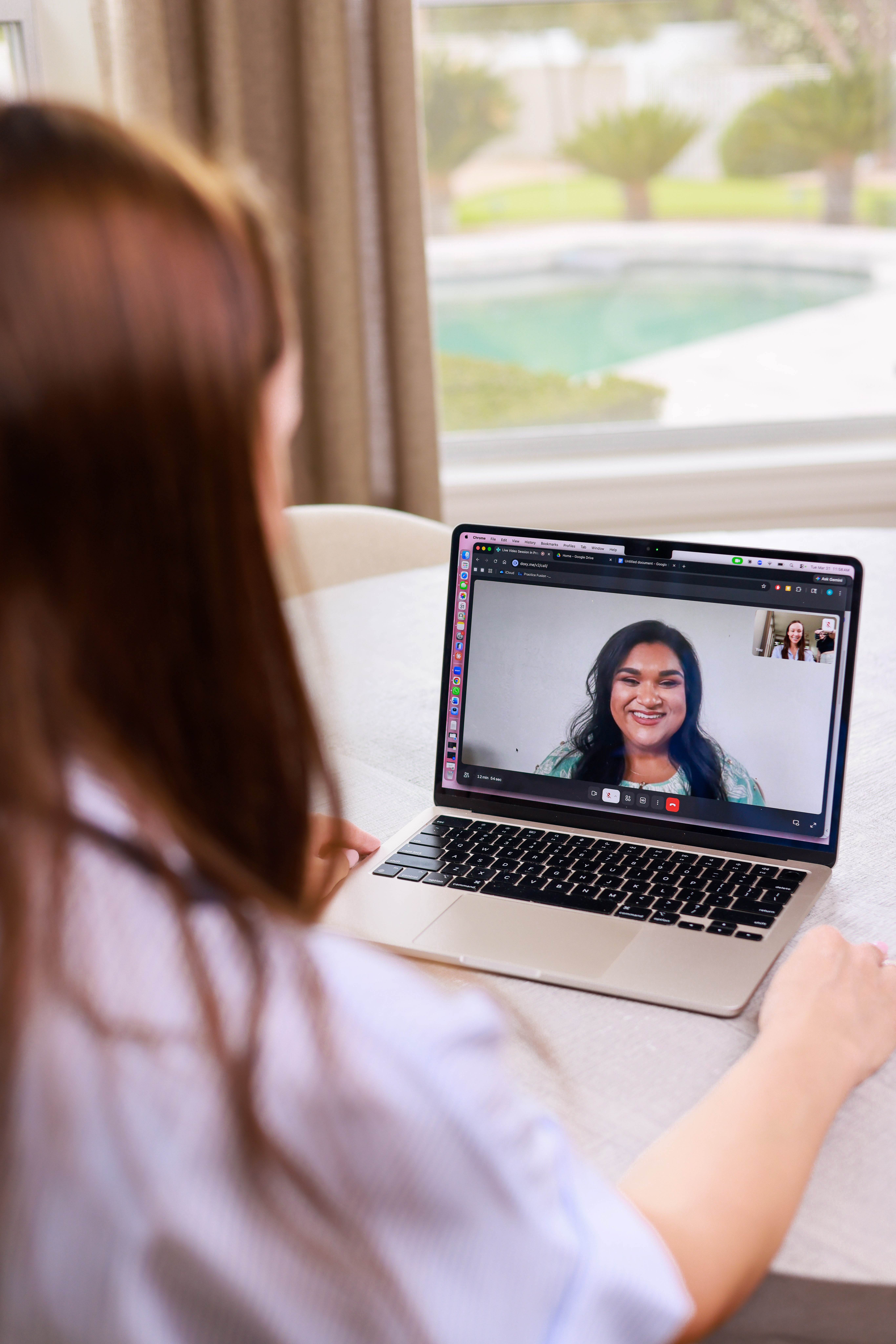
Axis Endocrinology is a direct care endocrinology practice for adults across Arizona, focused on hormonal and metabolic health. That covers obesity medicine, insulin resistance, type 2 diabetes, thyroid and other hormone concerns, perimenopause and menopause care, and men’s health. Most visits happen by video, so I can see someone in a rural part of the state as easily as someone in Phoenix/Scottsdale, and I keep one clinic day a week in person here in town.
What sets us apart is mostly time and approach. A new patient visit is a full hour. I am not rushing through a problem list dictated by an insurance company, which means we can actually get to the root of what is going on. The care is evidence-based, and just as importantly, it is non-judgmental. A lot of people have been made to feel that their health is a personal failing. Or they have simply felt dismissed. I want people to feel empowered and safe when coming to me for their healthcare needs. This is the basis of my social media educational content too. The more I post, the more heartbreaking stories I hear, the more questions I get. It’s clear people are looking for more for their healthcare needs– whether that’s in the form of knowledge, empowerment, support, clinical care, or access.
What I am most proud of is the access. I spent my career building telehealth programs that reached Veterans in rural areas who would otherwise drive hours for specialty care, and Axis is built on the same belief: good metabolic and hormonal care should not depend on where you live or how close you are to a major medical center. I built this for those who have felt unheard, who have been told to just eat less and move more, or who have been told their symptoms are normal, without anyone looking deeper into what’s going on.
The same belief is behind Health Innoveering, the consulting firm I launched alongside the practice. I work with healthcare companies, from early stage startups to large corporations, to help them build and deliver care that holds up. My one rule is that the patient comes first. When you are moving fast or scaling, it is easy to lose sight of the person on the other end, so I help teams keep the patient, the quality of care they receive, and their safety at the center of every decision they make.
Balancing the two lets me have an impact on both levels at once: one person at a time through Axis, and across entire systems through Health Innoveering. There are so many talented innovators out there working on the same problem, and I love being able to take what I learned building care delivery programs at scale and use it to help them build programs and products that improve care. We all need to be part of making healthcare better.
Alright so before we go can you talk to us a bit about how people can work with you, collaborate with you or support you?
There are a few different doors, depending on who you are.
If you are someone in Arizona trying to get a handle on your hormonal metabolic health, whether that is weight, insulin resistance, diabetes, thyroid, or the perimenopause years that nobody really prepares you for, that is what Axis Endocrinology is for. It is a telehealth practice, so I can see people across the state without anyone having to sit in traffic or take a half day off work. You can find me and book a consultation at axisendocrinology.com. I built it to be unhurried and straightforward, which is the kind of care I always wanted to be able to give.
If you lead or work inside a health system that is wrestling with the hard problems, telehealth that actually reaches rural patients, AI you can trust at the bedside, quality and safety work that sticks, clinician burnout that is really a systems problem in disguise, that is the work I do through Health Innoveering. I spent almost a decade solving those exact problems at scale at the VA, and I help organizations work through them now. The easiest way to reach me there is LinkedIn.
If you just want to think alongside me, I co-host a podcast called Get a Grip with my colleague and collaborator Natalie Bulger. It is about the small moments at work where we freeze, or go quiet, or say yes when we meant no, and how to find your footing again. You can listen on Spotify, Apple Podcasts, and Youtube. There’s also a form there if you have a story you want us to talk through.
And honestly, the simplest way to support any of this is to share it with one person who needs it. A friend who has been putting off dealing with their health. A colleague who is quietly thinking about building something of their own. That word of mouth is worth more than any ad I could run.
Contact Info:
- Website: https://www.axisendocrinology.com/
- Instagram: https://www.instagram.com/axisendocrinology/
- Facebook: https://www.facebook.com/axisendocrinology
- LinkedIn: https://www.linkedin.com/in/drgaurib/
- Youtube: https://www.youtube.com/@getagrip-show
- Other: https://spotify.com/getagripshow