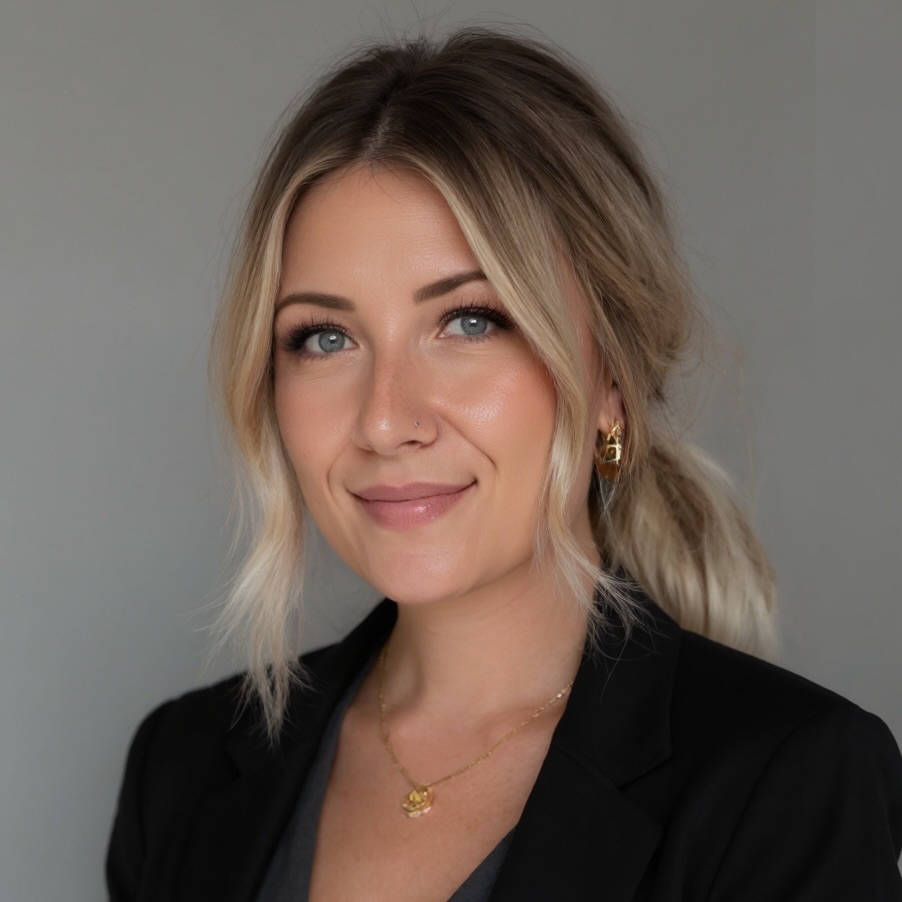
Today we’d like to introduce you to Sarah VanderVliet.
Hi Sarah, we’re thrilled to have a chance to learn your story today. So, before we get into specifics, maybe you can briefly walk us through how you got to where you are today?
My path to building Solstead has been shaped by both personal experience and a deep commitment to doing this work the right way.
I grew up in a home impacted by poverty and addiction, which gave me early insight into the challenges many families and children face. From a young age, I knew I wanted something different not just for myself, but for others. I began working at 15 and stayed focused on building a future rooted in purpose. I went on to become the first in my family to attend college and later earned my master’s degree in clinical mental health counseling.
Professionally, I was fortunate to work for a behavioral health organization where I gained invaluable experience, particularly in residential treatment. I stepped into a leadership role as an Executive Director earlier in my career than most, overseeing a program I had never run before. That experience challenged me in every way, but it also taught me how impactful this level of care can be when done correctly.
At the same time, I found myself in an environment where I was being directed to make decisions that did not align with my values or with ethical, client-centered care. That was a turning point for me. I knew I couldn’t continue in a system that compromised the integrity of the work or the well-being of the clients we were serving.
With encouragement from someone close to me, I made the decision to step away and take a risk one that ultimately led to the creation of Solstead.
Solstead was built from a very clear vision: to create a residential treatment program that prioritizes ethics, quality care, and a genuinely supportive environment for both clients and staff. Every part of the program is intentional, shaped by both my lived experience and my professional background.
While the journey hasn’t always been easy, it has been incredibly meaningful. Solstead represents not just a business, but a commitment to doing better, to creating a place where youth feel safe and supported, and to raising the standard of care in residential treatment.
And in many ways, this is just the beginning.
Would you say it’s been a smooth road, and if not what are some of the biggest challenges you’ve faced along the way?
It definitely has not been a smooth road but I think that’s true for anything meaningful.
Starting Solstead came with a steep learning curve, especially stepping into building something from the ground up. In the beginning, it meant wearing every hat clinical, operational, administrative, and everything in between. There were long days of figuring things out in real time, making decisions without a roadmap, and staying steady through uncertainty.
From a financial standpoint, launching a residential treatment center is a significant undertaking. There are substantial upfront costs, and unlike many businesses, revenue doesn’t begin immediately. You have to build the infrastructure, meet regulatory requirements, and ensure everything is in place before you can even begin serving clients. That requires a lot of patience, resilience, and belief in what you’re building.
One of the more challenging aspects has been navigating insurance barriers, especially when working with youth who truly need this level of care. There can be disconnects between what is clinically appropriate and what is authorized, which can be incredibly frustrating when your focus is on doing what’s best for the client and their family. Advocating for appropriate care has become a large part of the work.
There have also been moments where the weight of responsibility feels very real knowing that you’re not just building a business, but creating something that directly impacts lives. That level of accountability can be both motivating and challenging.
At the same time, those challenges have reinforced why Solstead exists. Every obstacle has pushed me to be more intentional, more resilient, and more committed to building something that truly does things differently. It hasn’t been easy, but it has been incredibly purposeful and that makes it worth it.
Appreciate you sharing that. What else should we know about what you do?
At Solstead, we provide 24/7 residential behavioral health treatment for youth ages 8–17 who are struggling with challenges such as emotional dysregulation, anxiety, depression, and related mental health needs. Our program is highly structured and clinically grounded, with individualized treatment plans, therapy, and consistent support built into each day.
What truly sets us apart, though, goes beyond the clinical model it’s the environment we’ve created and the heart behind it.
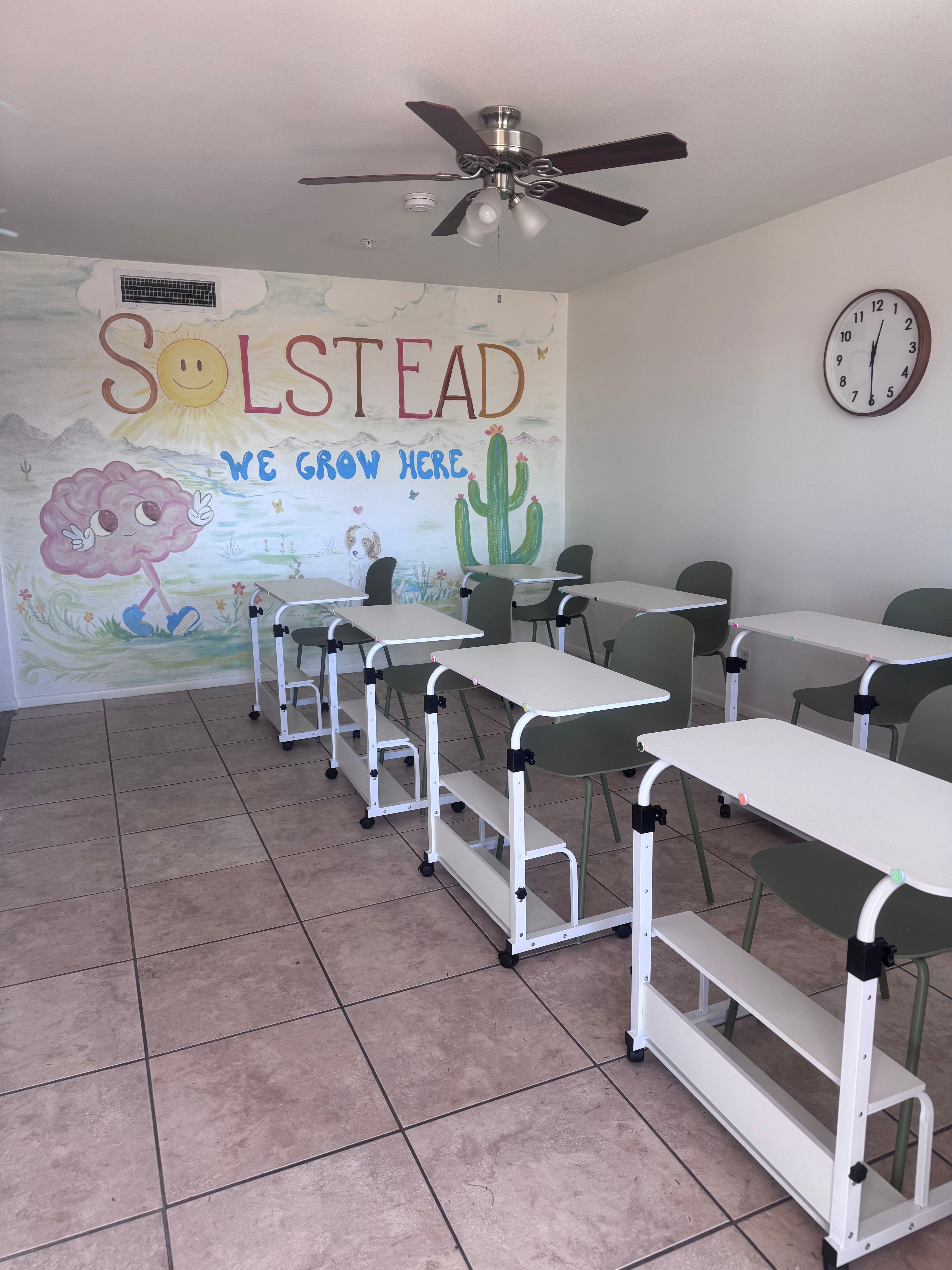
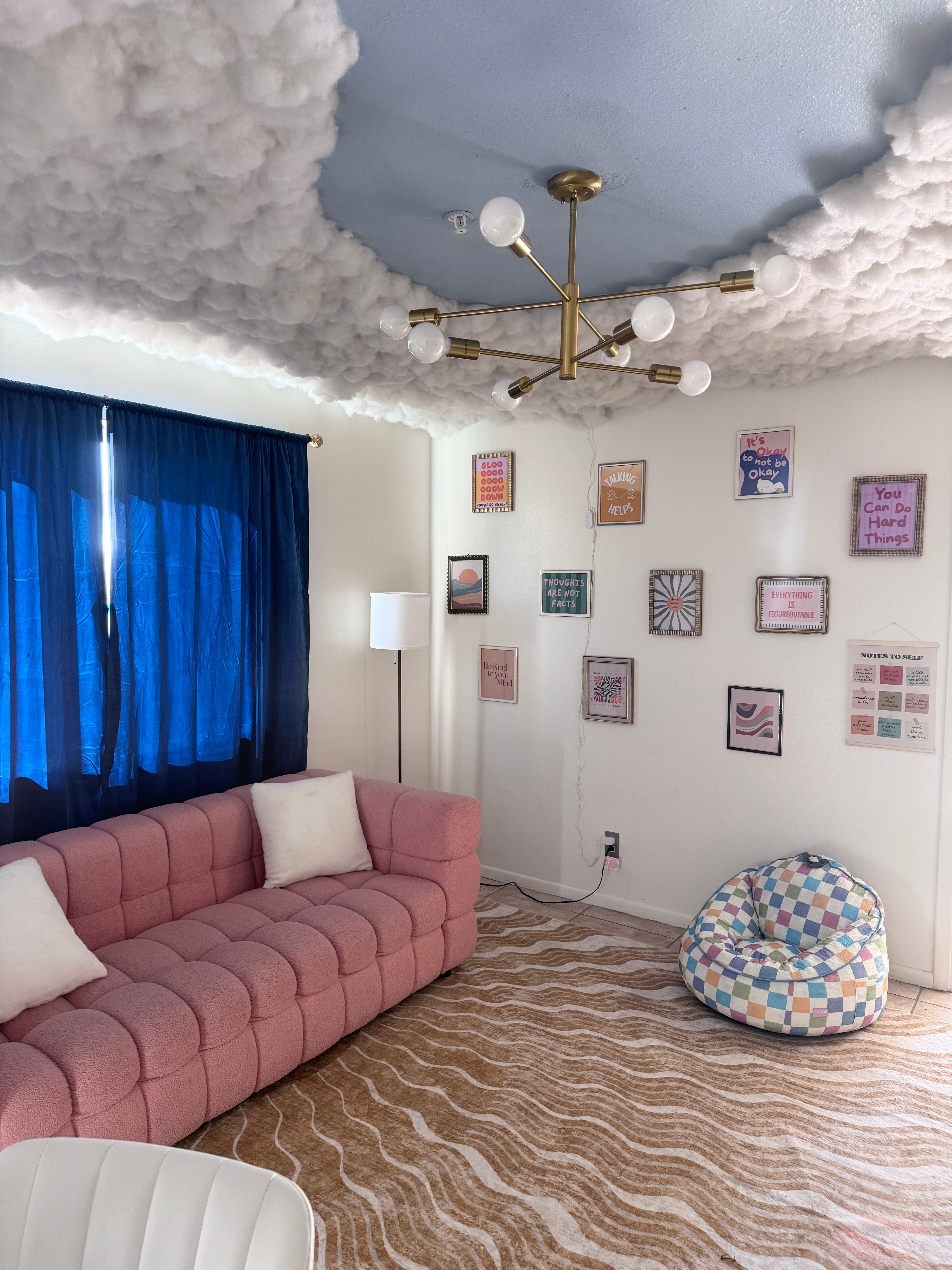
Solstead is intentionally designed to feel like a home, not an institution. We are located in a residential neighborhood, and from the moment you walk in, it feels warm, welcoming, and safe. That was very important to me when building this program. So many treatment settings can feel cold or overly clinical, and that can make it harder for kids to open up and feel comfortable. We wanted to create a space where they could exhale a little, feel at ease, and begin to heal.
That same feeling extends to our team. One of the things I’m most proud of is the culture we’ve built. Our staff genuinely care they show up with compassion, patience, and consistency every single day. I’ve had team members say it doesn’t feel like coming to work, it feels like coming to a second home. That says everything about the environment we’ve created together.
We are known for being both structured and deeply human. We hold clear expectations and provide a strong therapeutic framework, but we lead with connection first. That balance is what makes our program unique.
What I’m most proud of is that Solstead reflects exactly what I set out to build a place where kids feel safe, where families feel supported, and where the people doing the work feel valued and connected. It’s a different kind of treatment environment, and that difference is very intentional.
What were you like growing up?
Growing up, I was very sweet but also outspoken I’ve always had a strong sense of what felt right and wasn’t afraid to use my voice. I was a natural self-starter and took on a lot of responsibility early on, especially helping care for my younger siblings. Being in that role shaped a lot of who I am today it taught me resilience, empathy, and how to show up for others in meaningful ways.
At the same time, I was always a dreamer. I had a big imagination, big goals, and an even bigger heart. I cared deeply about people and was always drawn to helping others, even before I fully understood what that would look like as a career.
Looking back, so much of who I was then shows up in what I do now the drive, the compassion, and the belief that something better is always possible.
Contact Info:
- Website: https://www.solsteadplace.org/