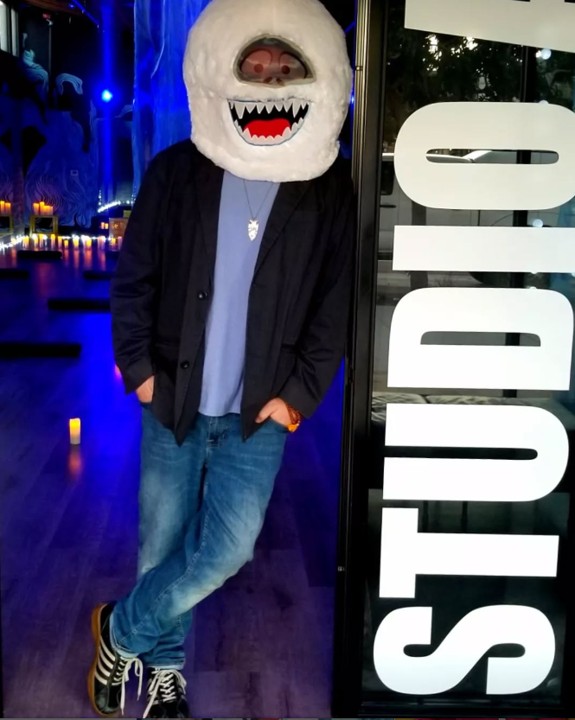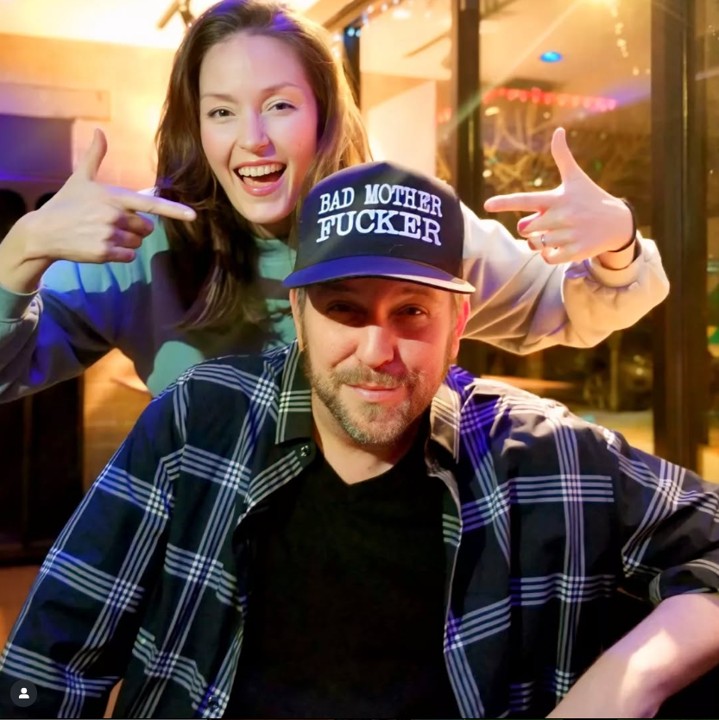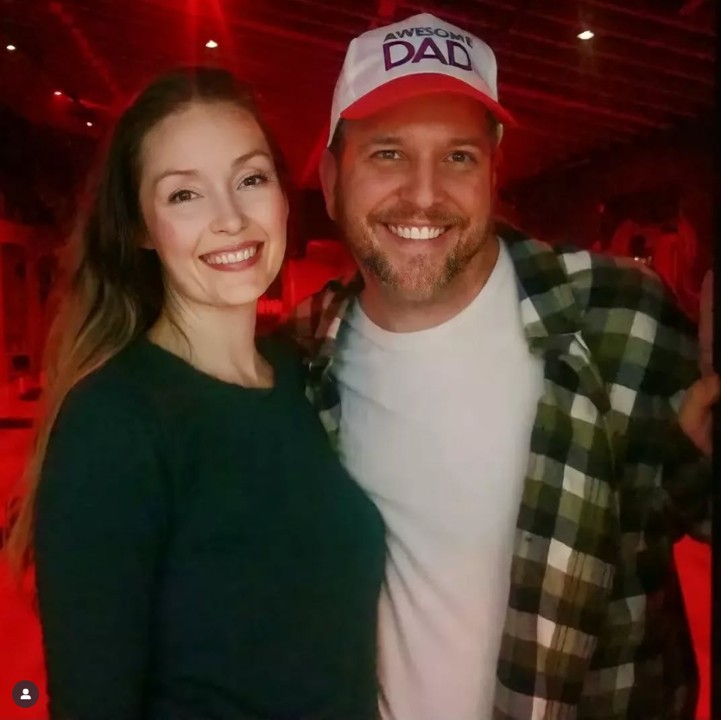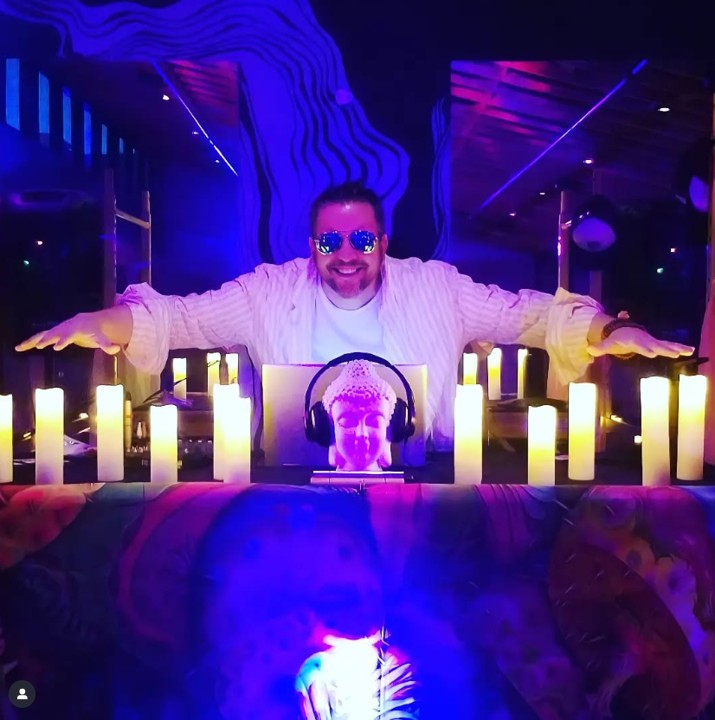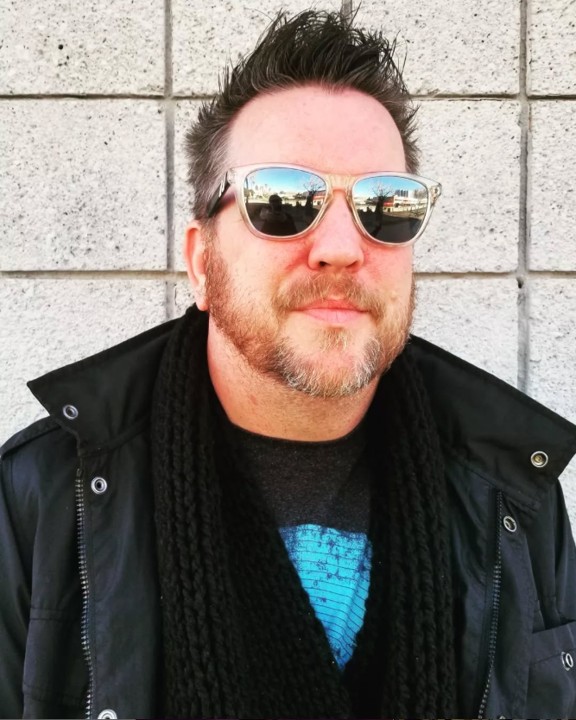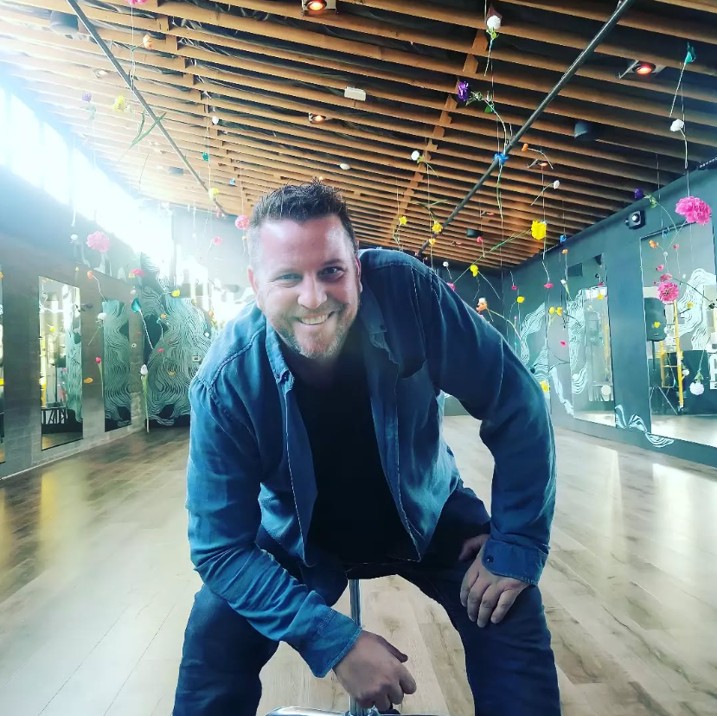
Matthew Fritz shared their story and experiences with us recently and you can find our conversation below.
Matthew, really appreciate you sharing your stories and insights with us. The world would have so much more understanding and empathy if we all were a bit more open about our stories and how they have helped shaped our journey and worldview. Let’s jump in with a fun one: What do the first 90 minutes of your day look like?
Before my feet even hit the floor, I’m in motion—mentally. I spend a few quiet minutes in meditation, visualizing how I want the day to feel, what energy I want to show up with, and what I want to create. Once I’m up, I move—always. Stretching, mobility work, a quick workout, sometimes a hike in the desert if the weather is calling, or my dog demands it. After that, I settle in with my calendar and align my day — enjoying the morning and catching up with the kids as each of them breaks off into their day.
Can you briefly introduce yourself and share what makes you or your brand unique?
I’m Matt Fritz, founder of Sutra Studios, a digital wellness space built for people who crave more than surface-level self-care. What started as a yoga studio evolved into a movement—a mix of yoga, mindfulness, neuroscience, and modern personal development designed to help people live without limits. I’m not interested in perfection; I’m interested in real growth, the kind that’s gritty, honest, and a little rebellious. Right now, I’m focused on expanding Sutra’s online community—offering trainings, wellness programs, and mind-body experiences that meet people wherever they are. Our goal is simple: to help people wake up to their potential and design lives they actually love living.
Okay, so here’s a deep one: What part of you has served its purpose and must now be released?
Good question. I’d say the part of me that thought I had to grind for my worth. For years, measuring my value by how much I produced – how many programs, clients, projects, events, or wins I stacked. It looked successful from the outside, but it was quietly draining the joy from what I love.
That version of me got things off the ground for sure, but he’s done his job, thanks dude. Now, I’ve learned to lead from flow, not force. To trust that alignment moves faster than hustle ever could. It’s uncomfortable at times but letting that old identity go is what’s making space for everything bigger that’s coming through.
What did suffering teach you that success never could?
That’s another powerhouse questions. Suffering stripped away the illusion of control — and with it, the ego that thought I could outwork, outperform, or outsmart pain. It forced me to slow down, to listen, and to stop trying to fix everything long enough to actually feel it. Pain taught me presence — the kind that doesn’t flinch, the kind that stays when things get uncomfortable.
That perspective fuels many things I do now. It guides some of the foundation of Sutra Studios — creating a space where people can sit with what’s real, instead of bypassing it. Success builds momentum, but it’s the moments of breaking down that build meaning. I learned that healing isn’t about escaping pain; it’s about alchemizing it into purpose.
Alright, so if you are open to it, let’s explore some philosophical questions that touch on your values and worldview. Is the public version of you the real you?
Mostly — but not entirely. The public version of me is authentic, just edited. It’s the part that’s ready to be seen. The real me is quieter, sometimes uncertain, always questioning. I don’t perform peace; I practice it, which means some days it’s messy.
But the difference between the two isn’t deception — it’s discernment. The public version of me holds the vision; the private version does the work to keep it honest. I think we all have to curate what we share. The key is making sure the image serves the mission, not the ego.
Thank you so much for all of your openness so far. Maybe we can close with a future oriented question. What do you think people will most misunderstand about your legacy?
Probably that it was all about the wellness industry. It never was. I’ve never been interested in selling the performance of peace or the aesthetic of spirituality. The industry made wellness look like a product; I wanted to remind people it’s a practice — one that’s raw, human, and sometimes uncomfortable as hell.
What might get misunderstood is that I wasn’t trying to lead a movement; I was trying to wake people up — to themselves, to their power, to their potential. The classes, the events, the programs — they’re all just vehicles for that awakening.
If people miss that, I’m okay with it. The ones who get it will carry it forward — not as my legacy, but as their own permission slip to live life loud.
Contact Info:
- Website: https://www.sutrastudios.com/
- Instagram: https://www.instagram.com/matthewjfritz/
- Facebook: https://www.facebook.com/matthewfritz
- Youtube: https://www.youtube.com/@SutraStudiosAZ
- Other: Spotify: https://open.spotify.com/user/126999331