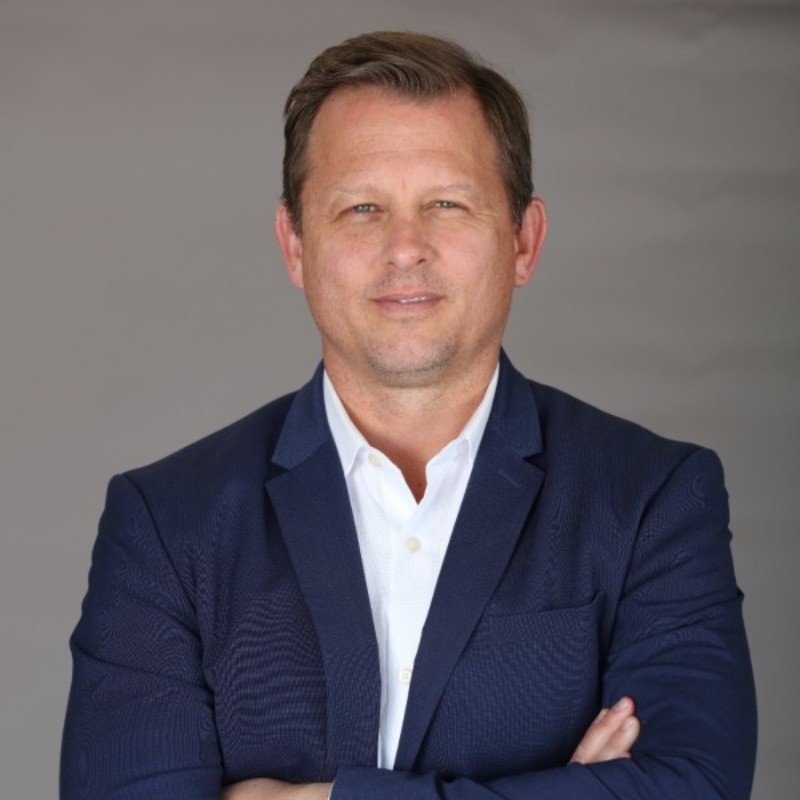
Skyler Badenoch shared their story and experiences with us recently and you can find our conversation below.
Skyler, we’re thrilled to have you with us today. Before we jump into your intro and the heart of the interview, let’s start with a bit of an ice breaker: What are you most proud of building — that nobody sees?
I’m most proud of building the new healthcare campus in southern Haiti. We are about to embark on a capital campaign to raise $10 million to build a new healthcare and disaster preparedness campus in southern Haiti. Most people will see the buildings — the clinics, training center, solar panels — but what they won’t see is everything beneath the surface that makes it possible. The hundreds of conversations with local leaders, the careful planning to make it hurricane and earthquake-resilient, the systems of accountability and transparency we built into every layer.
What I’m proudest of isn’t just the future construction of the campus itself, but the foundation of trust, design, and purpose it represents — something built to last, to serve, and to restore confidence in what healthcare can be in Haiti.
Can you briefly introduce yourself and share what makes you or your brand unique?
My name is Skyler Badenoch, and I’m the CEO of Hope for Haiti, an organization that has been working to improve the quality of life for Haitian families for more than 35 years. We focus on the fundamentals — education, healthcare, water, and economic opportunity — because we believe that every person deserves the chance to thrive, no matter where they were born.
What makes Hope for Haiti unique is our long-term commitment to partnership. We don’t parachute in during a crisis and disappear when the headlines fade. We stay, we listen, and we build together — side by side with local leaders, teachers, doctors, and parents who are driving change in their own communities.
Right now, I’m most excited about the construction of our new Healthcare and Disaster Preparedness Campus in southern Haiti. It’s more than a building — it’s a promise to strengthen the healthcare system, train the next generation of frontline Haitian medical professionals, and ensure that communities are more resilient when the next disaster strikes.
After nearly two decades working in international development, what keeps me inspired is the people — their perseverance, their ingenuity, and their belief that tomorrow can be better. That’s what makes this work not just meaningful, but deeply personal.
Thanks for sharing that. Would love to go back in time and hear about how your past might have impacted who you are today. What’s a moment that really shaped how you see the world?
One of the moments that most shaped how I see the world happened during my time as a Peace Corps Volunteer in Côte d’Ivoire. I was working in a small rural village, where I met young students who were some of the brightest, most curious, and determined young people I’ve ever met. Many of them would walk miles to school every morning, study under dim light at night, and approach every lesson with an energy that was contagious.
It was during my service in the Peace Corps that I realized something that has guided me ever since: intelligence and ability are equally distributed in the world, but opportunity is not. The difference isn’t talent — it’s access. That realization changed the way I see everything, and it’s what drives my work today at Hope for Haiti.
Every program we build — from education and healthcare to clean water and economic opportunity — is about helping bridge that gap so leaders of all ages can use opportunity to change their own lives. Because when we create access to opportunity, potential becomes limitless.
What have been the defining wounds of your life—and how have you healed them?
One defining wound of my life came on January 12, 2010. I was in Haiti when the earthquake hit. In a matter of seconds, everything changed — buildings crumbled, lives were lost, and the air filled with dust and grief. What I saw and experienced that day left a mark that will never completely fade.
But amid the devastation, I also witnessed something profound: the strength, compassion, and heroic service of my Haitian friends and colleagues. Even in the darkest hours, there was courage and community.
That experience shaped who I am and how I lead. My healing has come through service — by dedicating the last 15 years to standing alongside the Haitian people, helping rebuild not just structures, but systems of hope and opportunity. Every school, clinic, and clean water project we build at Hope for Haiti is, in a way, part of that healing process — a promise that out of tragedy can come renewal and growth.
Sure, so let’s go deeper into your values and how you think. What’s a cultural value you protect at all costs?
At Hope for Haiti, it’s hard to choose just one cultural value to protect — because our strength comes from how all of them work together. Resilience, empowerment, accountability, collaboration, and hope aren’t just words on a wall; they’re the principles that guide how we show up every single day.
We protect resilience by standing strong through every challenge Haiti faces. We protect empowerment by trusting and investing in local leaders who drive real change. We protect accountability through transparency — to our partners, donors, and most importantly, the Haitian people we serve. We protect collaboration because we know no one can do this work alone. And we protect hope — because it’s the thread that holds everything together.
Hope isn’t naïve. It’s the most powerful form of resistance there is. And at Hope for Haiti, it’s the value we’ll protect at all costs.
Okay, we’ve made it essentially to the end. One last question before you go. Are you doing what you were born to do—or what you were told to do?
Honestly, neither. I’m just following a path — and there’s no set path.
Life hasn’t unfolded according to a script or a plan someone handed me. It’s been a series of choices guided by curiosity, compassion, and a desire to be useful. From serving in the Peace Corps in Côte d’Ivoire, to being in Haiti during the 2010 earthquake, to leading Hope for Haiti today — each experience has shaped the next step.
I don’t think purpose is something you’re assigned or born knowing. It’s something you discover by showing up, staying open, and doing the work that matters. My path keeps evolving, and that’s what makes it meaningful.
Contact Info:
- Website: https://www.hopeforhaiti.com
- Instagram: @skylerbadenoch
- Linkedin: https://www.linkedin.com/in/skyler-badenoch-9b88a736/
- Twitter: @skylerbadenoch
- Facebook: @skylerbadenoch
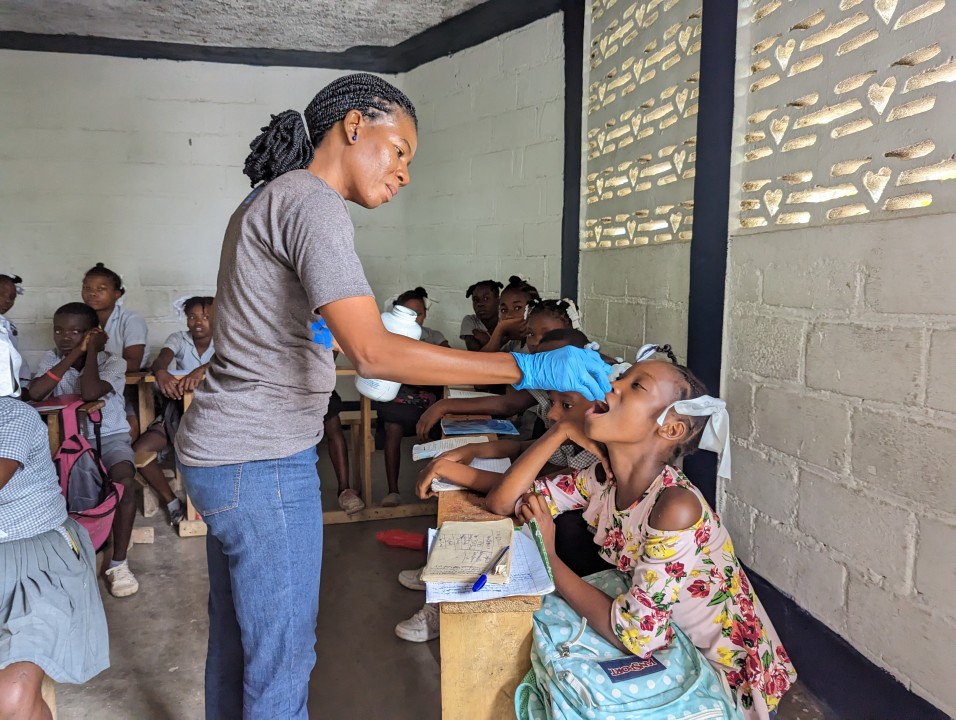
Image Credits
Skyler Badenoch