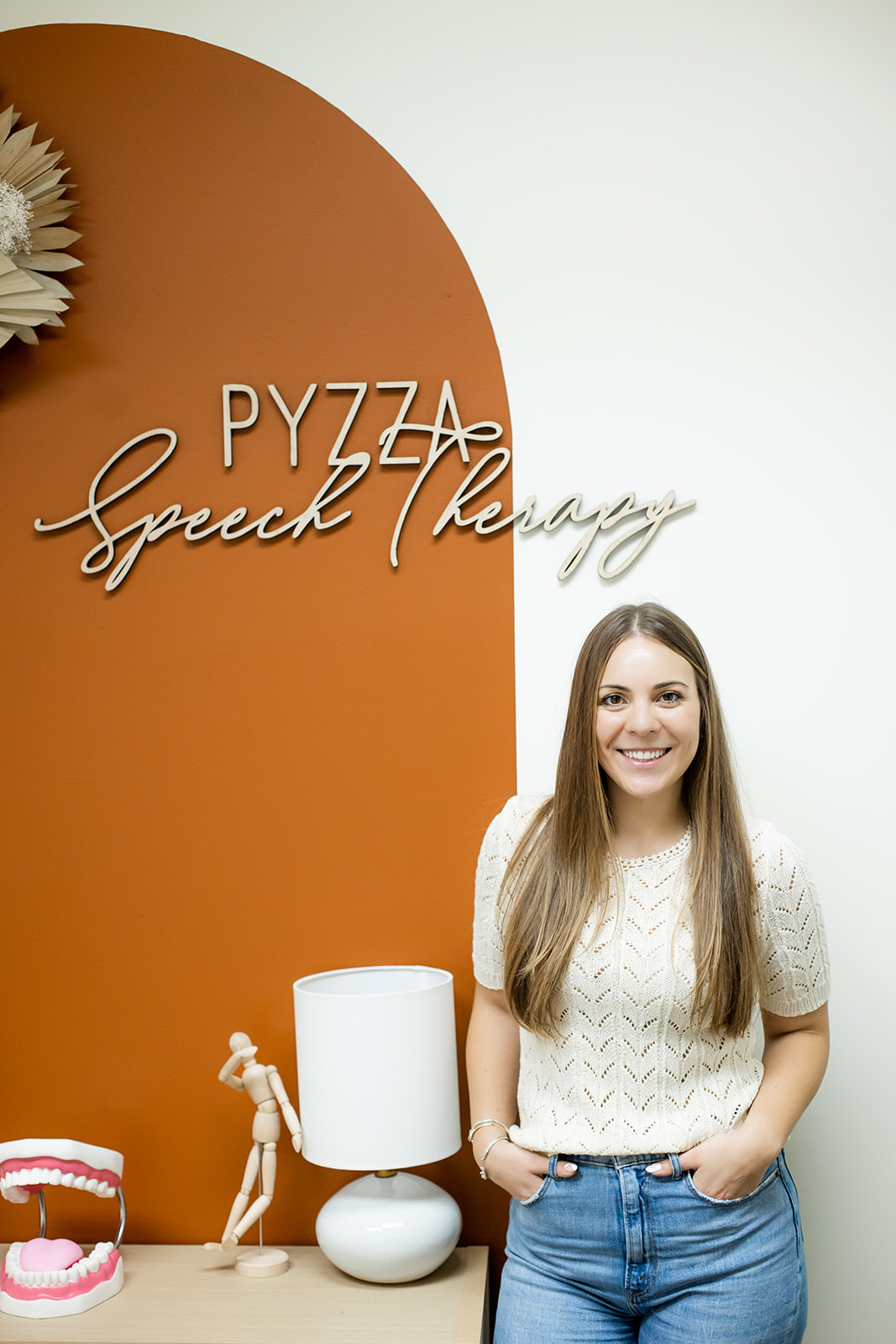
Today we’d like to introduce you to Gabriela Pyzza.
Hi Gabriela, please kick things off for us with an introduction to yourself and your story.
I’ve always wanted to work with people — I’m a helper by nature and have always connected easily with kids and teens. Before starting graduate school for my master’s in Communication Sciences and Disorders, I worked as a teacher’s aide at a high school. I was drawn to supporting teens and loved being able to build meaningful relationships while helping them succeed.
During my grad program, I was lucky enough to have my internship at a high school as well. That experience solidified my passion for working with teens — an age group that many find challenging to connect with, but for me, it felt natural. I loved being able to support them in a way that made a real difference.
After earning my degree in speech-language pathology (SLP), I began my career as a high school speech therapist, primarily supporting teens with social communication goals. I found that so many of my students wanted to make friends but didn’t know how. They were craving connection, but the tools just weren’t there — for them or for the professionals supporting them. The lack of effective, engaging, and practical resources for teaching social communication inspired me to start creating my own resources — which eventually became my signature framework: The Social Skills Blueprint™.
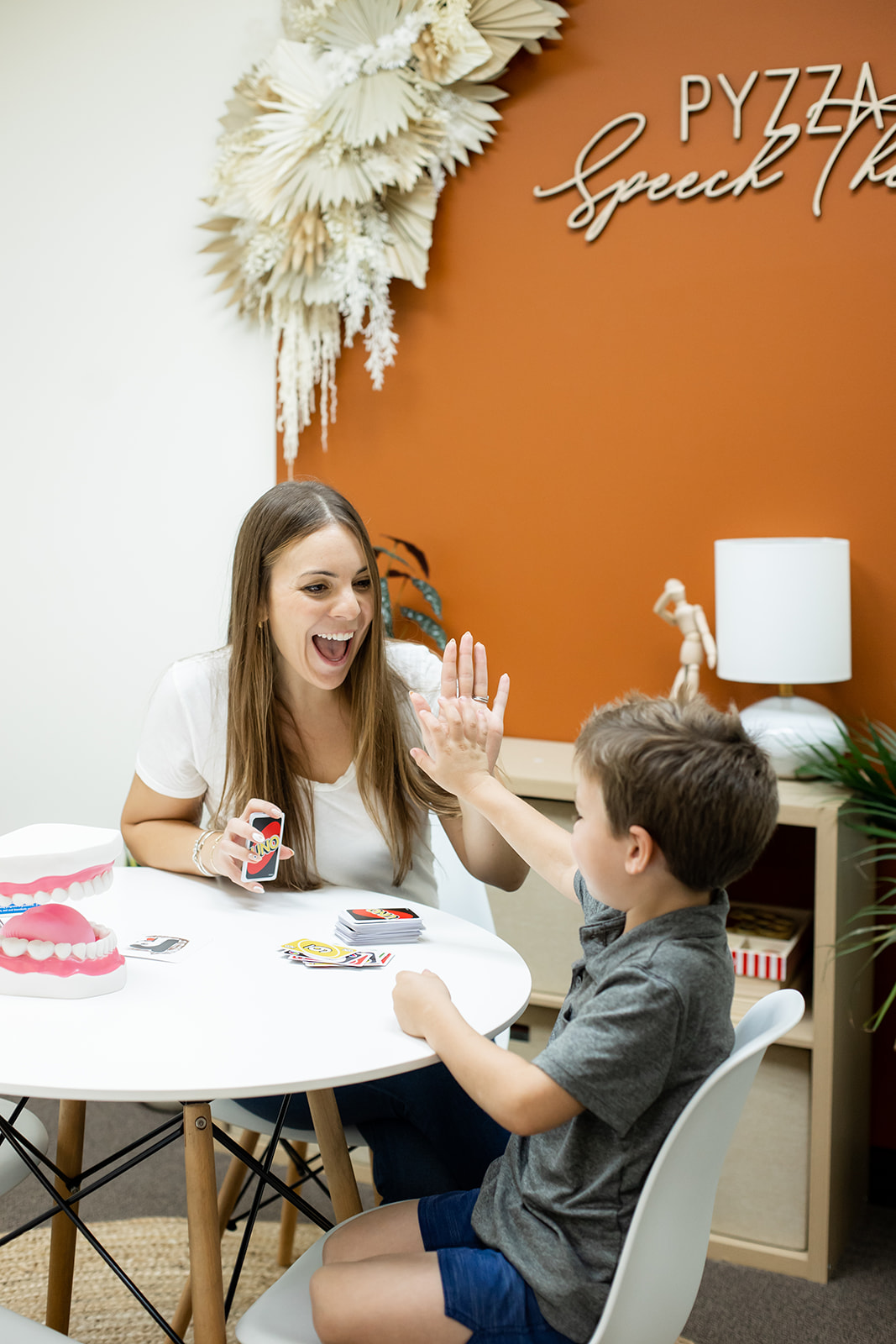
From early on, I also dreamed of starting a private practice. I wanted the freedom to serve families in a way that felt right — one that centered around relationship-building and quality care. That dream became Pyzza Speech Therapy, and I’m so grateful every day to be supporting families with both articulation/speech sound disorders and social communication needs.
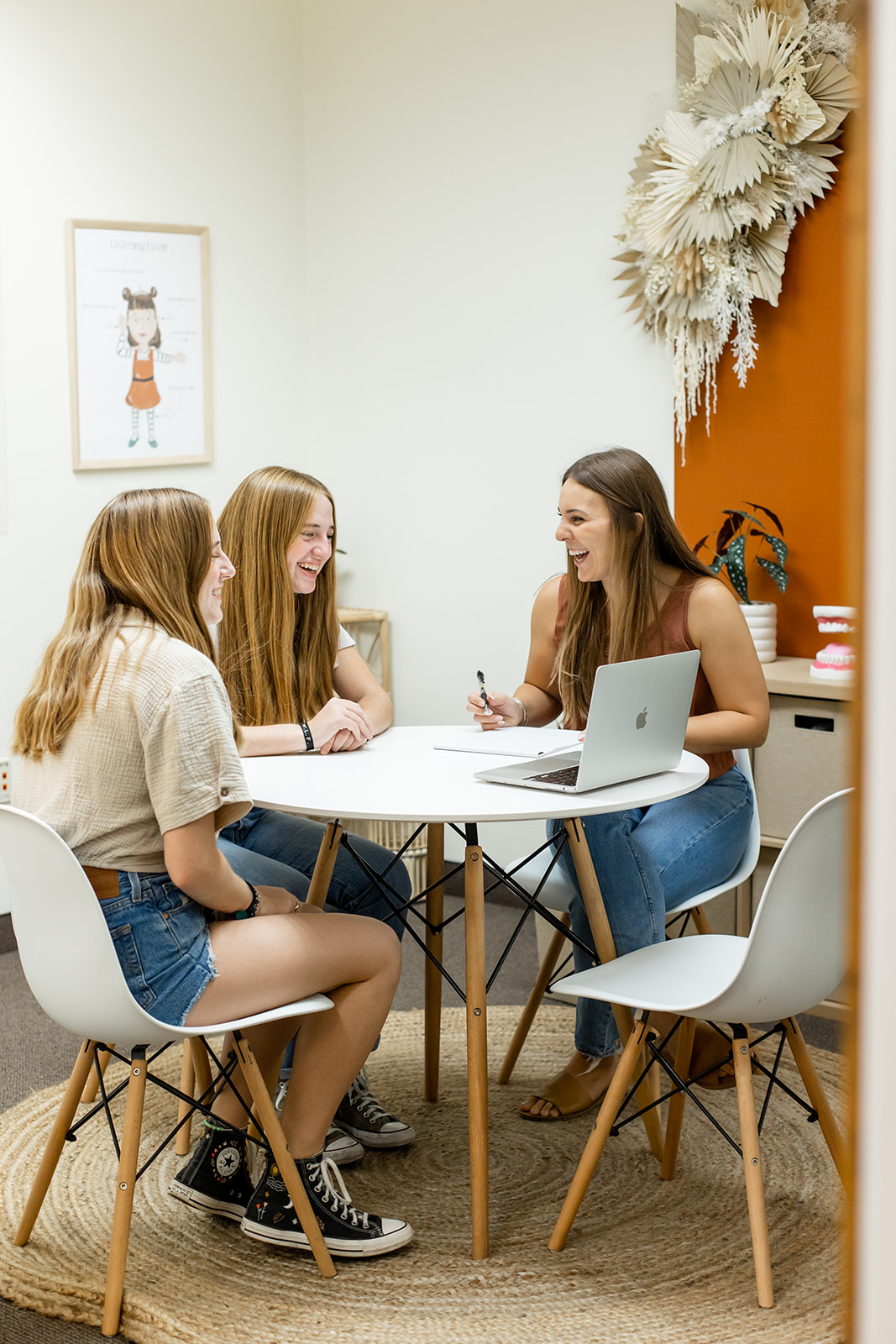
Today, I support families through individual sessions and through my in-person group program, The CONNECT Program — which stands for Creating Opportunities for Neurodivergent Networking, Expression, Communication, and Transformation. It’s an 8-week social communication group designed for neurodivergent tweens, teens, and young adults who struggle with conversation and friendship skills and want to gain the skills to confidently connect with others.
My work also extends to supporting fellow speech-language pathologists and providers. I know how overwhelming it can be to piece together resources that aren’t quite the right fit — because I’ve been there. Now, I create tools and trainings that take the guesswork out of social skills therapy and help professionals feel more confident and prepared to make a difference.
At the heart of it all, my mission is simple: to help neurodivergent kids, teens, and young adults become confident communicators — whether they’re working on their S’s and R’s or navigating conversations, friendships, teasing/bullying, or other tricky social situations. And to empower the people who support them to do so with clarity, compassion, and confidence.
Would you say it’s been a smooth road, and if not what are some of the biggest challenges you’ve faced along the way?
Like most careers, my path hasn’t been completely smooth — and I’ve faced some key challenges along the way.
One of the biggest challenges has been the lack of resources available to support social communication skills. Despite being such a critical area of human connection, social communication is barely touched on in many speech-language pathology graduate programs. Yet every day, we all engage in social interactions — with family members, friends, neighbors, and others in the community. For neurodivergent kids and teens especially, the ability to understand and navigate these nuances can significantly impact their ability to build relationships.
Another challenge has been helping others understand how broad and diverse the field of speech-language pathology really is. Many people are surprised to learn that SLPs are trained communication experts — and that we’re uniquely qualified to support social communication. It’s become one of my mini-missions to educate families and professionals on this.
I’ve also noticed an increase in “social skills groups” being offered online — often led by professionals without specialized training in communication. Unfortunately, not every group teaches skills in a way that is meaningful or neurodiversity-affirming. I’ve made it part of my advocacy work to help parents understand what to look for in a high-quality program and why SLPs are the best-equipped providers to support these goals.
It hasn’t always been easy, but each of these obstacles has pushed me to become a better speech therapist, educator, and advocate — and they’ve shaped the work I do today.
Alright, so let’s switch gears a bit and talk business. What should we know?
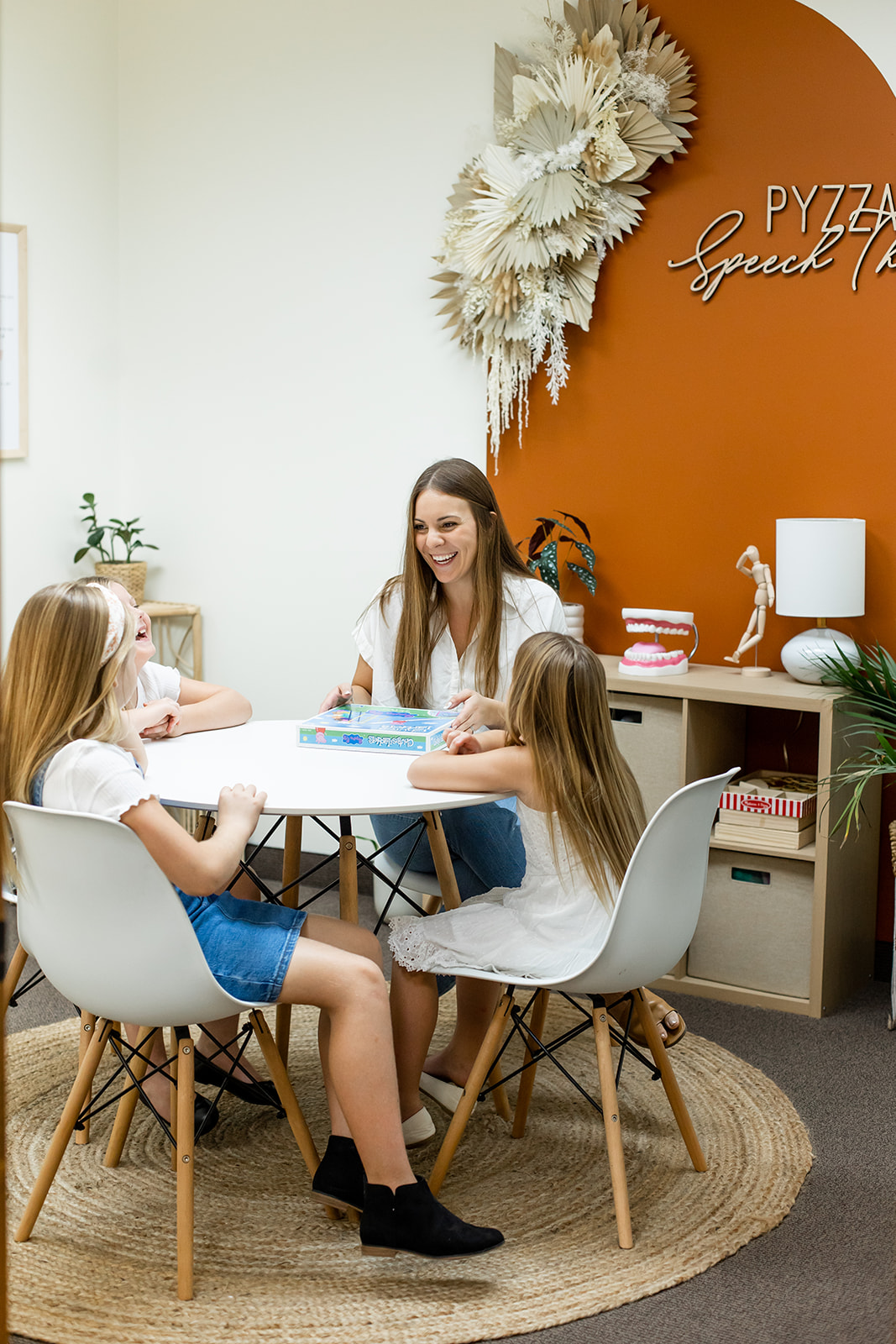
My business is called Pyzza Speech Therapy, and I specialize in supporting kids, teens, and young adults with both social communication and speech sound development — helping them build strong communication skills, confidence, and meaningful relationships.
I support clients in two core areas:
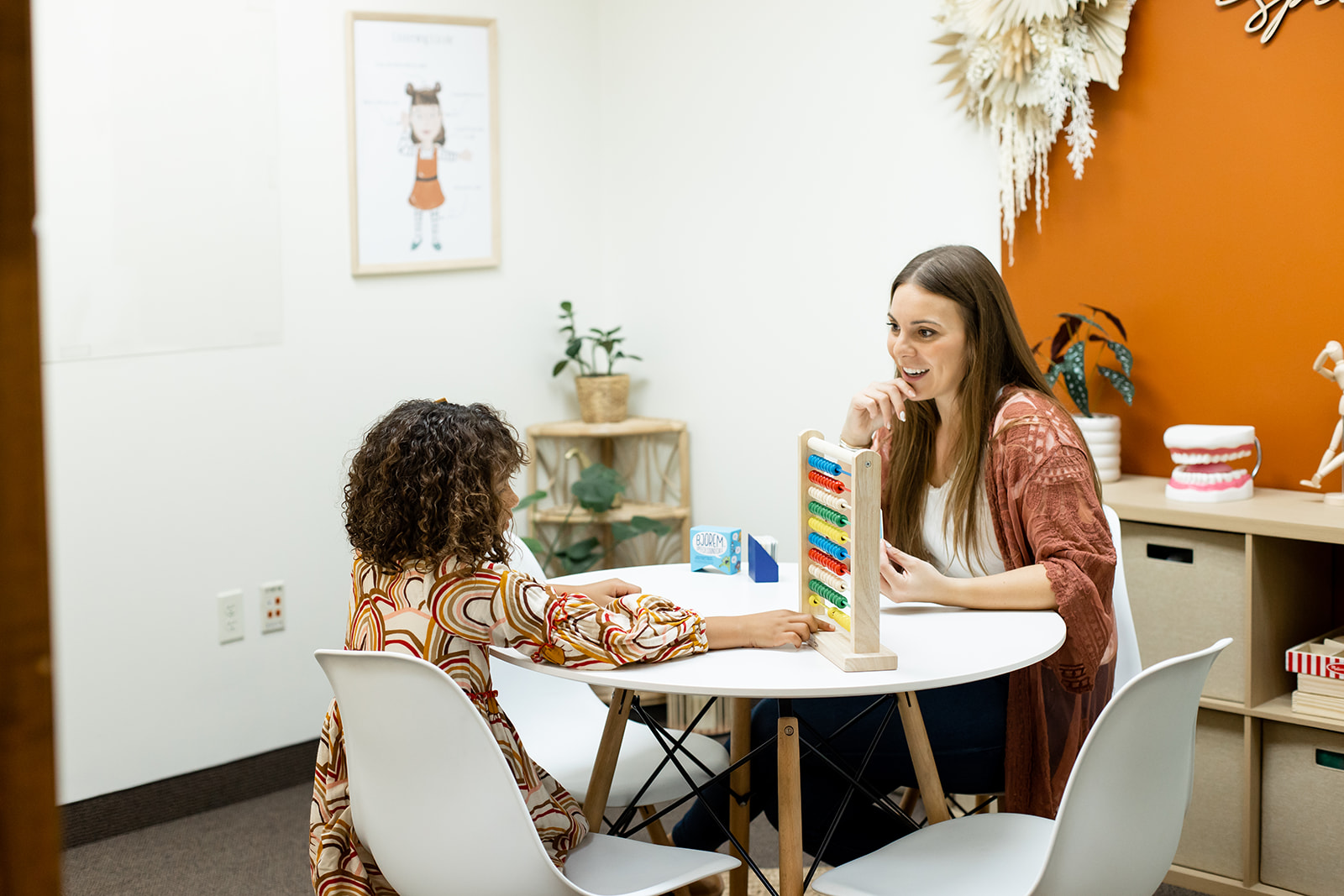
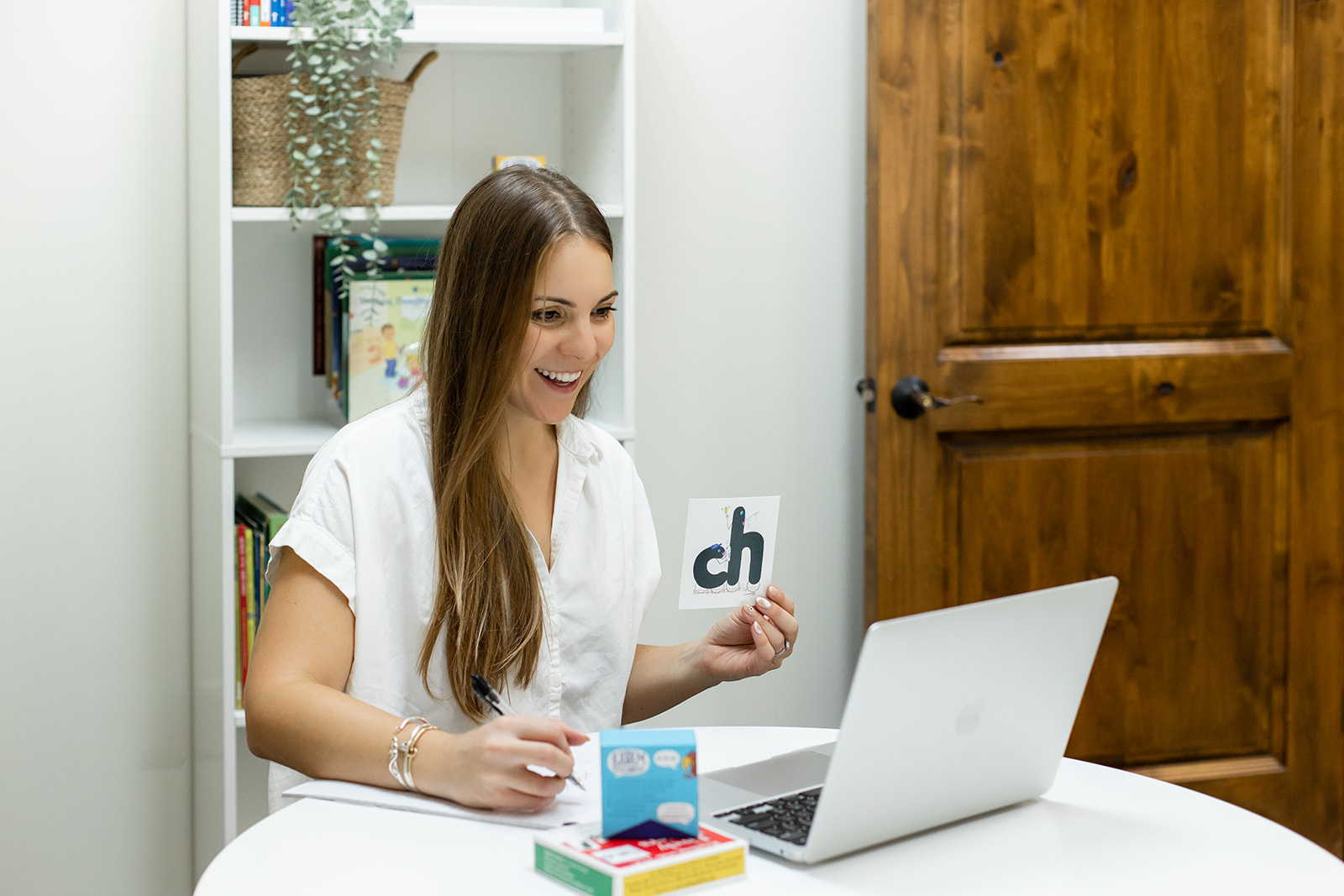
1. Speech sound disorders — including common challenges like lisps and the tricky R sound, as well as other difficulties with saying certain sounds that can make it hard for others to understand what a child is trying to say.
2. Social communication challenges — like starting and maintaining conversations, understanding hidden social rules, and navigating tricky social situations like teasing, bullying, and rejection.
What I’m best known for is my neurodiversity-affirming approach and my ability to break complex communication skills into simple, teachable steps. I’ve developed a signature framework called The Social Skills Blueprint™, which I use across my 1:1 sessions, my in-person CONNECT Program for tweens, teens, and young adults, and my digital tools and trainings for families and other professionals.
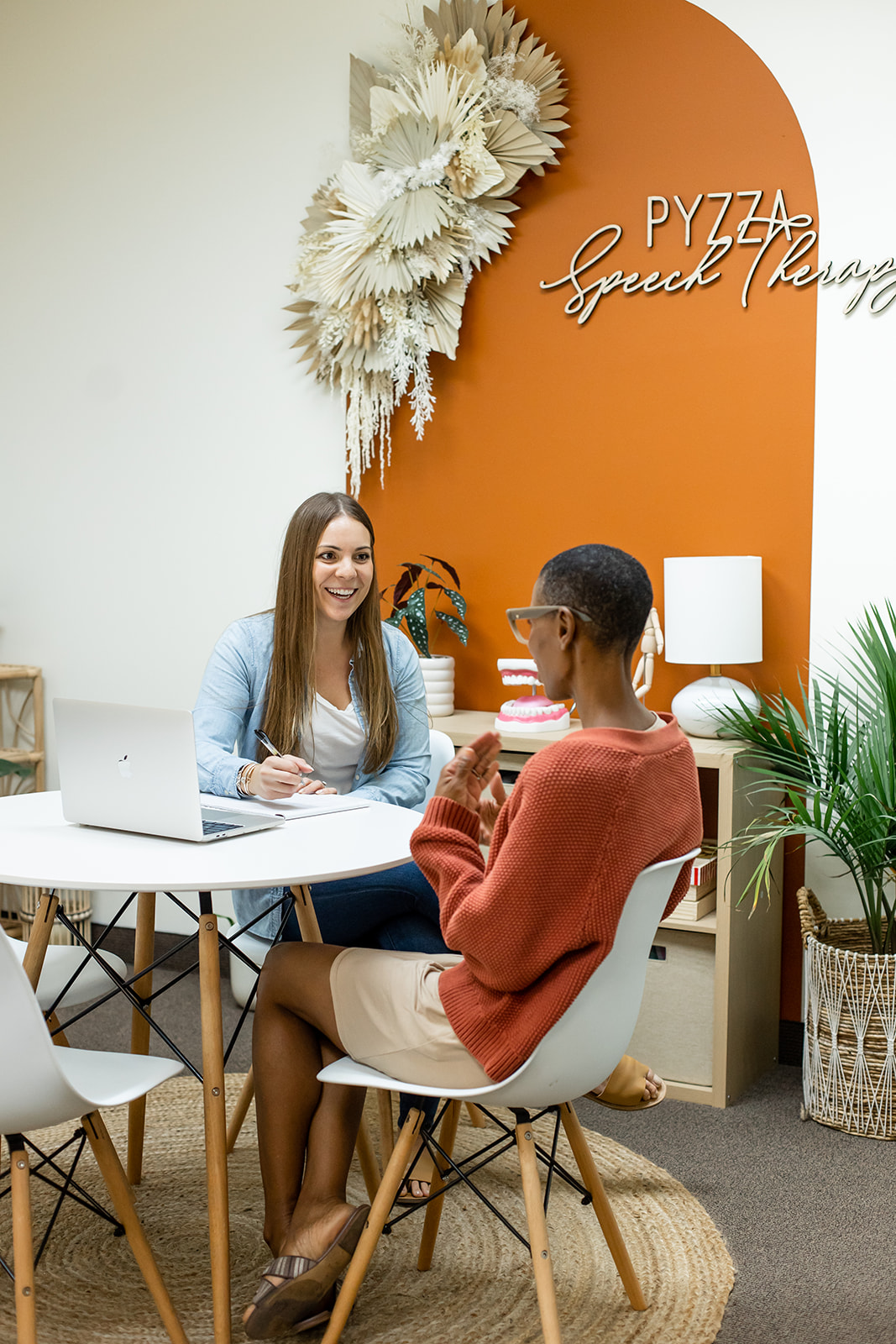
What sets Pyzza Speech Therapy apart is the level of support I offer — not just to the kids, teens, and young adults I work with, but to their families and the providers who support them. I’m incredibly proud that parents feel heard, informed, and empowered throughout the therapy process. They’re not left guessing what’s going on — they’re part of the team!
I also support fellow speech-language pathologists and educators with professional resources that take the guesswork out of teaching social communication. Whether they’re just starting out or have years of experience, I want them to feel equipped, supported, and confident every time they step into a session.
At its core, Pyzza Speech Therapy is all about creating connection — between kids and their peers, parents and their children, and professionals and their clients. That’s the heart of what I do.
Do you have any advice for those just starting out?
When you’re just starting out — whether you’re a parent trying to support your neurodivergent child’s social communication skills or a speech-language pathologist learning how to target these goals in therapy — it can feel incredibly overwhelming.
For parents, it often starts with a diagnosis or the realization that their child is struggling socially — and suddenly, there’s this pressure to find help, but no clear direction. I’ve heard time and time again: “I don’t know where to start.”, “I don’t know what my child actually needs.”, “I don’t even know who to turn to.”
For SLPs, that feeling is just as real. So many professionals are handed social communication goals without a roadmap, without training in grad school, and without high-quality, neurodiversity-affirming materials to guide them. You’re expected to support these complex, nuanced skills — but you’re left figuring it out on your own.
That’s exactly why I created Pyzza Speech Therapy — to help both families and professionals feel supported, empowered, and no longer alone in this process. Whether it’s through 1:1 sessions, my CONNECT program for tweens, teens, and young adults, or the digital resources I create for both families and SLPs, my mission is to take the guesswork out of social communication support and instead provide practical tools, clear guidance, and affirming education.
If you’re just starting out, please know: it’s not your fault that this feels hard. You’re not missing something — the system just hasn’t given you what you need yet. But support does exist, and you don’t have to navigate this alone!
Contact Info:
- Website: https://www.pyzzaspeechtherapy.com/
- Instagram: https://www.instagram.com/pyzzaspeechtherapy/
- Facebook: https://www.facebook.com/pyzzaspeechtherapy
- Other: https://www.pinterest.com/pyzzaspeechtherapy/