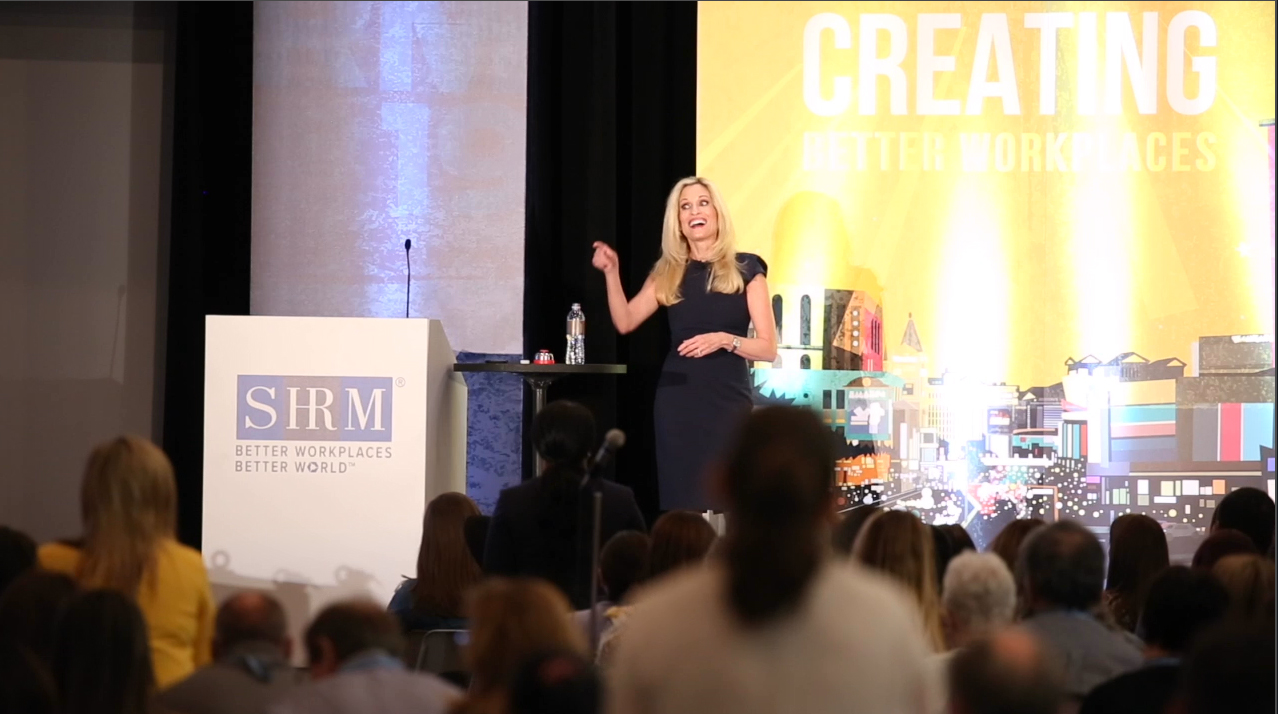
Today we’d like to introduce you to Dr. Diane Hamilton.
Hi Dr. Diane, so excited to have you with us today. What can you tell us about your story?
After graduating from Arizona State University, I began my career in computer sales. I then moved into pharmaceutical sales, followed by lending and real estate. I held several top-performing roles across industries, but I kept searching for something that felt more meaningful. That search eventually led me to earn a Ph.D. in business.
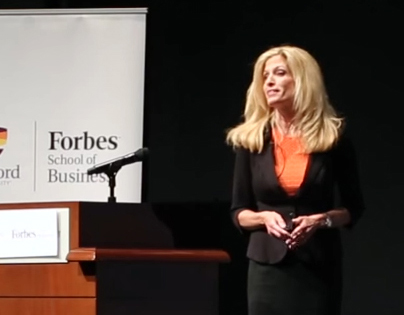
After completing my doctorate, I began teaching and have since taught thousands of business courses online. I served as the MBA Program Chair at the Forbes School of Business & Technology and continue to teach for multiple universities, including as faculty with Duke Corporate Education. I also became a Fulbright Specialist, speaking and conducting research internationally. Earlier in my career, I served as Editor in Chief of a major education website, which gave me a broader view of the intersection between business, learning, and communication.
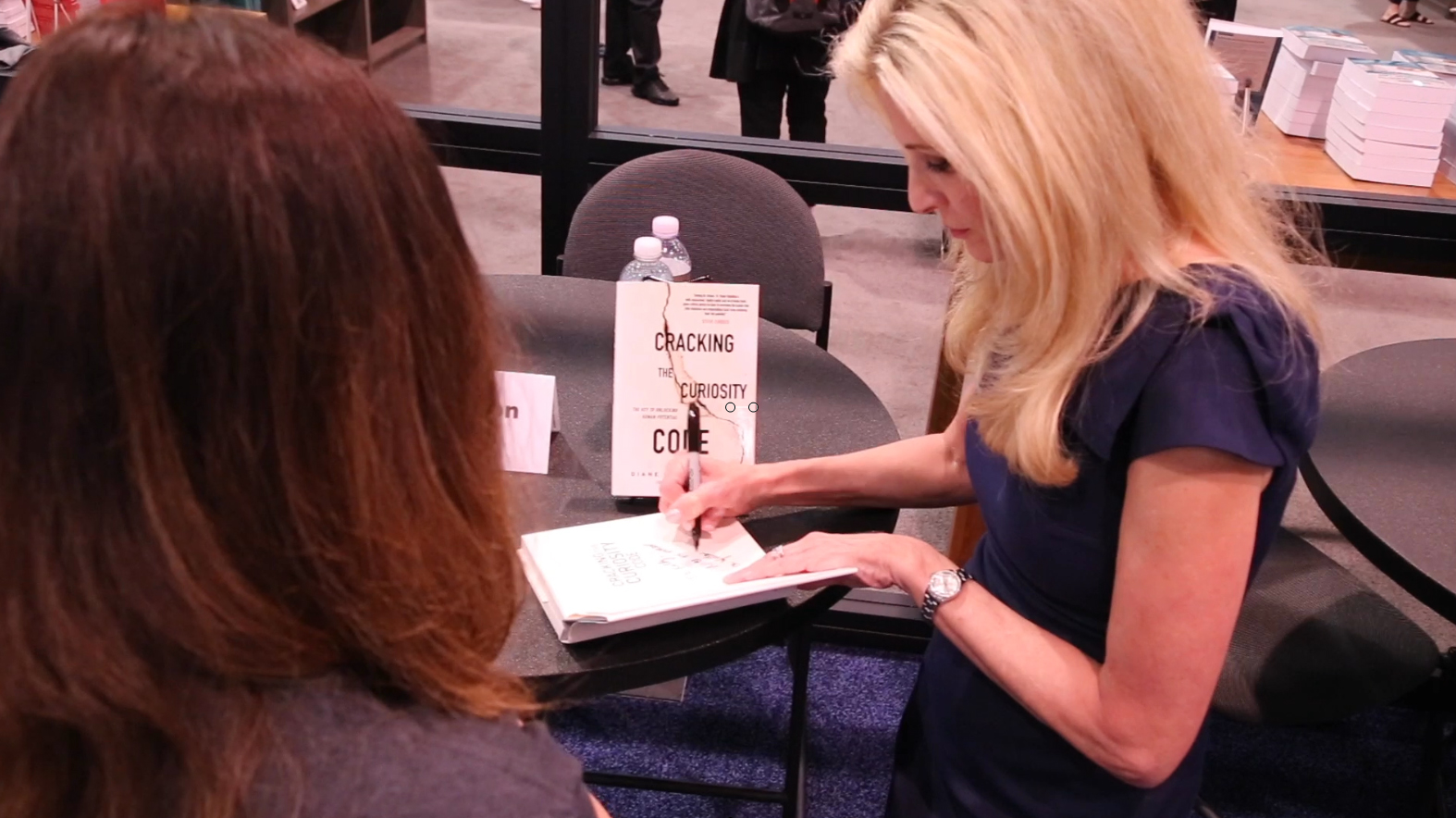
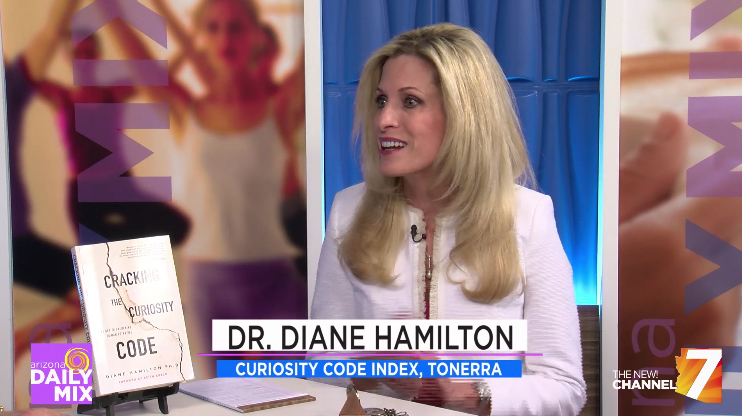
In addition to teaching and consulting, I spent five years as the host of a nationally syndicated radio show where I interviewed thousands of guests, including billionaires, CEOs, best-selling authors, and presidential hopefuls. Those conversations uncovered a consistent pattern. Regardless of industry or title, the most successful people had one thing in common: curiosity. That realization led me to research what causes curiosity to fade and how to reignite it. I created the Curiosity Code Index®, the first and only assessment that identifies the specific factors that inhibit curiosity. I later published Cracking the Curiosity Code and Curiosity Unleashed to share that research with a broader audience, along with several other books focused on career, perception, and education. My books have been required reading at multiple universities around the world.
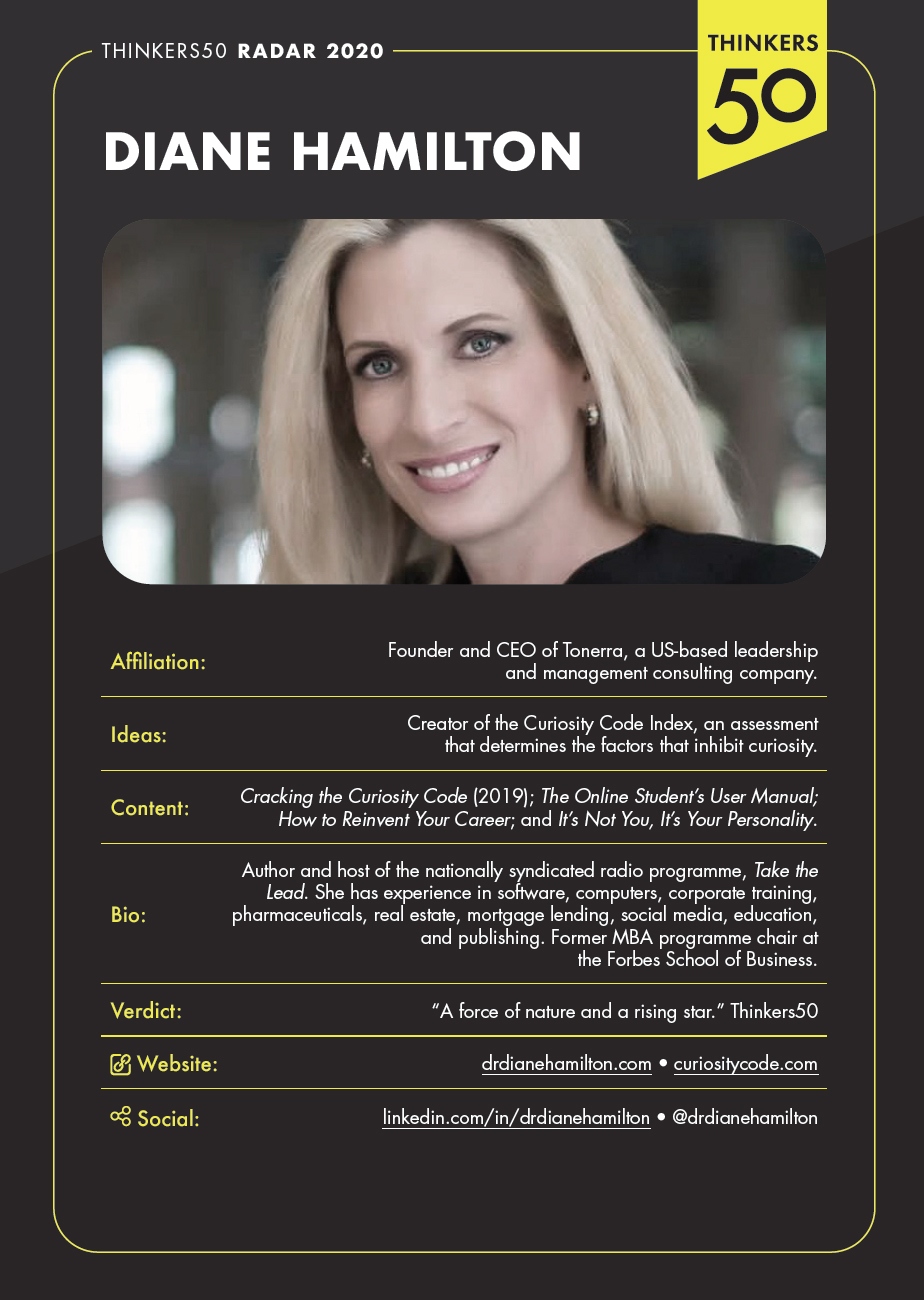
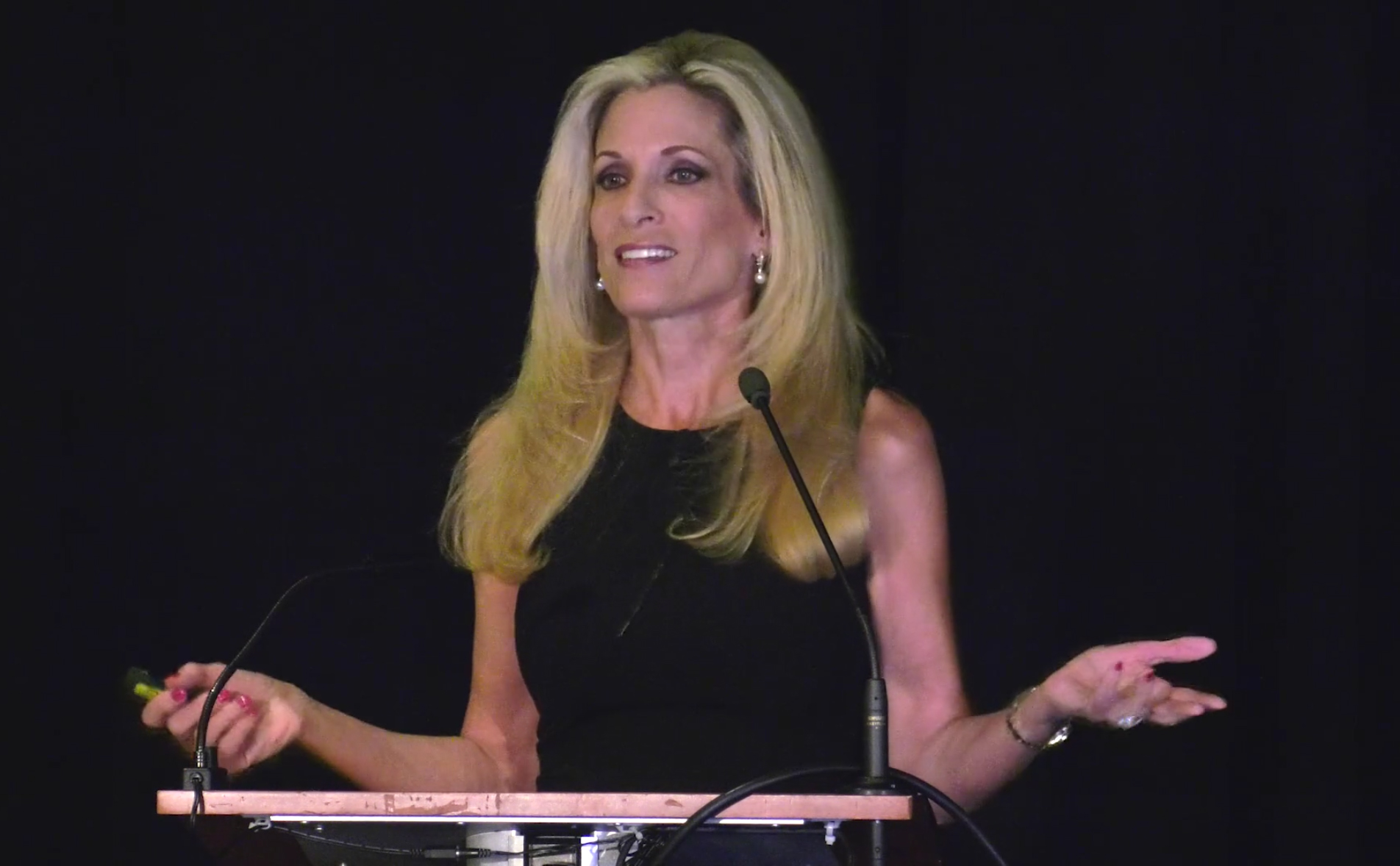
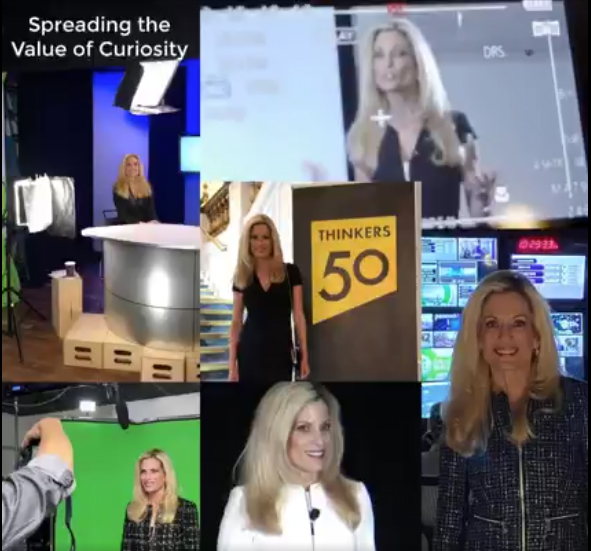
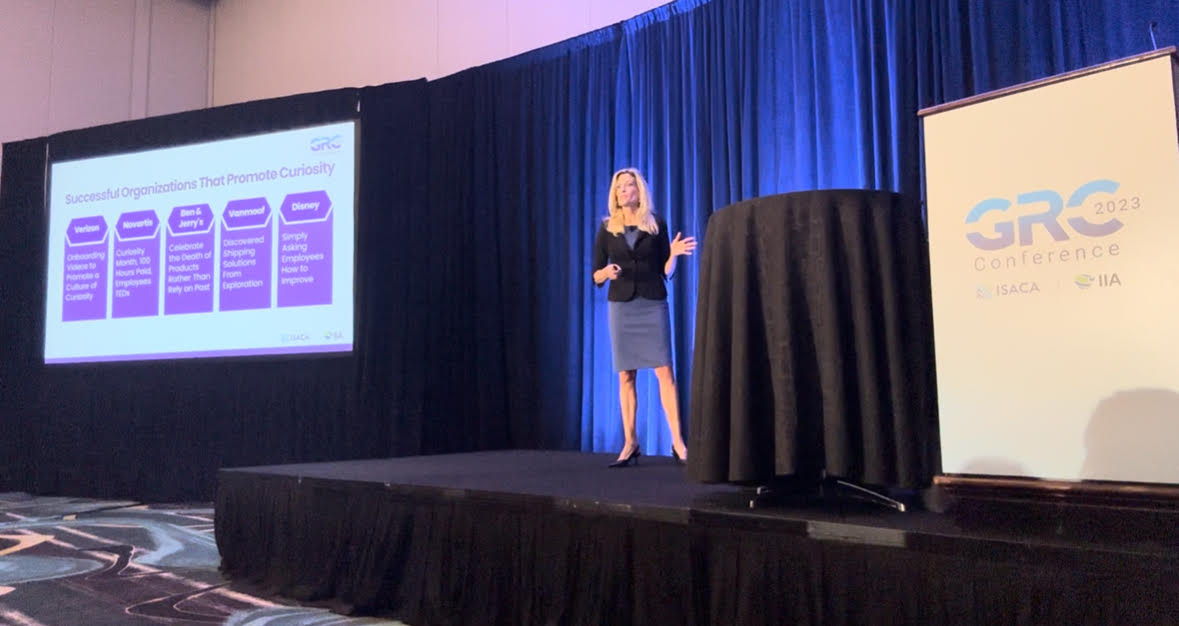
As an international keynote speaker, I have presented to audiences across the globe on the power of curiosity to drive innovation, engagement, and performance. I work with major organizations to help them develop a culture of curiosity, including Verizon, Novartis, LinkedIn, Forbes, Entrepreneurs Organization, and many others. My work has been used by companies looking to improve how they think, communicate, and lead. I was honored to be named to the Thinkers50 Radar list, which is considered the Academy Awards for business thinkers. I am a Forbes contributor and have served on advisory boards for companies including DocuSign, RadiusAI, and the Krach Institute for Tech Diplomacy at Purdue.
Alright, so let’s dig a little deeper into the story – has it been an easy path overall and if not, what were the challenges you’ve had to overcome?
It definitely hasn’t been a smooth road, but I’ve never believed that smooth is always good. In fact, the smoothest jobs I’ve had were often the ones I liked the least. They required little effort, but they also offered little growth. I’ve found that real development happens in the middle of discomfort, when you’re stretched, challenged, and forced to adapt.
One of the most difficult times in my life was during my undergraduate years. I worked full-time during the day and took classes at night from 7 to 10 p.m. I was paying my own way through school, getting married, and pregnant with my first daughter all at the same time. It was exhausting. Later, balancing full-time work while raising two daughters brought its own challenges. I made a commitment that we would always eat dinner together as a family. I remember using my lunch breaks to drive home, prep dinner, and head back to work just so I could keep that promise. Making life look effortless for my kids when it absolutely wasn’t was one of the hardest things I’ve done.
There were other hurdles too. I worked in companies that went through mergers, layoffs, and constant change. I stayed in one job for 15 years, even though I wasn’t happy there, because I felt trapped by the golden handcuffs. Leaving that job was one of the hardest decisions I’ve made, but also one of the most liberating. It opened the door to doing the work I was actually meant to do.
Even now, I face new kinds of challenges. COVID changed everything about how I deliver keynotes. Speaking in person was my strength, and moving to a virtual format meant completely rethinking how I connect with audiences. But again, that discomfort sparked growth.
What I’ve learned is that struggle isn’t something to avoid. It’s what sharpens your focus, reveals what matters, and pushes you to level up in ways you never imagined.
Alright, so let’s switch gears a bit and talk business. What should we know about your work?
My work focuses on curiosity, specifically what causes people to lose it and how to get it back in order to improve performance, engagement, and innovation. I’m best known for creating the Curiosity Code Index®, the first and only assessment that identifies the specific factors that inhibit curiosity. That assessment has been used globally to help individuals and organizations move past status quo thinking and become more open to learning and change.
When I began writing my first book on curiosity, I wanted it to offer more than just insights. I wanted it to include a practical solution. I searched for an assessment that could identify what holds people back from being curious so they could do something about it, but nothing existed. Since I had written my doctoral dissertation on the impact of emotional intelligence on performance and had experience with assessments, I decided to create one. I didn’t realize at the time just how involved the process would be. What came out of it ended up being the first assessment of its kind and became the foundation for my work.
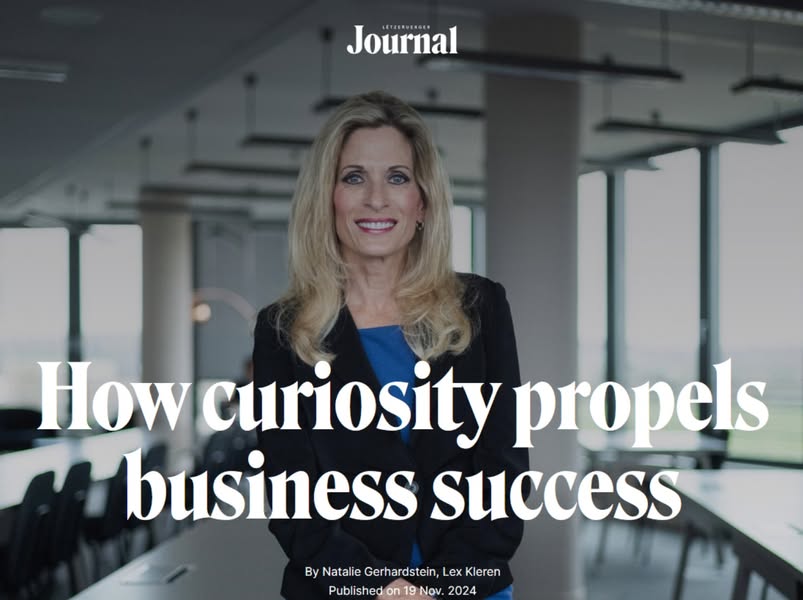
That led to publishing Cracking the Curiosity Code and Curiosity Unleashed. Over time, I became the go-to expert in curiosity development at work. I speak around the world on this topic and recently spent two weeks in Luxembourg after winning a Fulbright Award, helping international students and CEOs understand how curiosity can improve innovation, productivity, and engagement.
What sets my work apart is that I don’t just talk about the value of curiosity. I give people a way to measure what’s blocking it and provide a system to improve it. I’ve seen many people write and speak about why curiosity matters, but no one else has done what I’ve done in terms of helping people pinpoint what’s holding them back so they can take meaningful steps to move forward.
I never used to think of myself as creative, but looking back at the scope of what I built, I realize creativity comes in many forms. Creating something that didn’t exist and watching it help people change the way they work and think has been one of the most rewarding parts of my career.
Do you have any advice for those just starting out?
I used to ask guests on my radio show if they would change anything about their journey, and almost all of them said no. I would say the same. Every experience, whether it felt right at the time or not, helped shape what I do now. I wouldn’t change anything.
But if I were giving advice to someone just starting out, I’d say this: Don’t be afraid to fail. Avoiding failure leads to a predictable and uninspired life. The most meaningful growth comes from the tough spots, not the smooth ones.
When it comes to finances, pay more than you need to on your mortgage, save as much as you can, but don’t hesitate to invest in yourself. Back when I was starting out, education was expensive and harder to access. Now, there’s no excuse not to learn something new every day. Take free online courses in topics you’ve never considered. Explore skills outside your career path like learning a new language, taking piano lessons, or trying something creative just to challenge yourself.
Don’t let negative people slow you down. People who are unkind are usually unhappy, and their opinion doesn’t need to influence your direction. And don’t stay in a job just because it looks good to someone else. If you dread it every day, that’s the only signal you need. Focus on building the future you actually want, not the one that checks someone else’s boxes.
Pricing:
- Speaking $20,000 and up for a keynote
- Training varies by need
- CCI Certification $495 online
- Books available on Amazon
- CCI available online $49
Contact Info:
- Website: https://drdianehamilton.com
- Instagram: https://www.instagram.com/drdianehamilton/
- Facebook: https://www.facebook.com/drdianehamilton/
- LinkedIn: https://www.linkedin.com/in/drdianehamilton/
- Twitter: https://x.com/DrDianeHamilton
- Youtube: https://www.youtube.com/drdianehamilton
- Other: https://improvecuriosity.com/