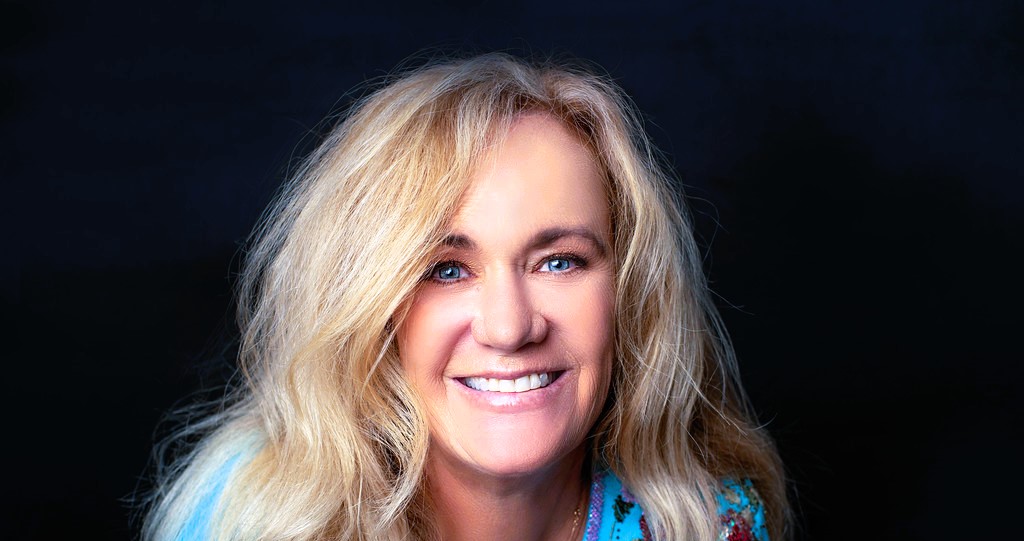
Today we’d like to introduce you to Sharon Bell.
Hi Sharon, please kick things off for us with an introduction to yourself and your story.
My journey into the world of mental health advocacy began not with a career goal, but with a crisis. I was a divorced mother working full-time, trying to keep my family afloat, when my 17-year-old son was diagnosed with a severe mental illness.
He began behaving irrationally—accusing me of poisoning his food, refusing to eat, and speaking of satellites controlling his brain. I was terrified and confused. As his condition worsened, I searched desperately for help, only to be told again and again, “There’s nothing you can do for him.” I Watching my son deteriorate before my eyes, that answer was unacceptable.
Eventually, I managed to get him admitted to a lockeddown psychiatric hospital. At the same time, I enrolled in school to learn how to care for him. He was later diagnosed with schizoaffective disorder with bipolar manic episodes. The early years were brutal—he was in and out of more than a dozen psychiatric facilities. But slowly, with persistence and proper treatment, he began to stabilize.
While he fought for his health, I pursued education with purpose. I earned an Associate’s degree in Behavioral Science, a Bachelor’s in Community Advocacy and Social Policy, and a Master’s in Social Work. My education became a lifeline, not just for my son, but for myself and eventually for others.
Today, my son is 34. He lives at home and hasn’t been hospitalized in over a decade—a true miracle. But our story doesn’t end there.
I now coach other families navigating the complexities of mental illness. Through my book, Caretaker Coach: How to Care for the Mentally Ill Without Losing Your Mind—from a Mother’s Perspective, and speaking engagements at NAMI and other mental health forums, I advocate for caregiver support and systemic change. I coach other families who are new to this difficult journey, and for those who are just not sure what to do next. Caretaker Coach provides support, resources, understanding, empathy, and teaches we can be caretakers AND live a happy joyous life.
If we can empower families to provide informed, compassionate support, we can reduce the risk of homelessness, prevent the mass incarceration of the mentally ill, preserve family unity, and help those suffering lead productive, joyous lives. Mental illness doesn’t just affect individuals—it affects entire families. And families, when equipped with the right tools and knowledge, can be powerful agents of healing.
My mission is simple: to ensure no parent feels as lost and helpless as I once did. With education, advocacy, and community, we can transform despair into hope—and chaos into care.
Would you say it’s been a smooth road, and if not what are some of the biggest challenges you’ve faced along the way?
There are countless challenges caregivers face when supporting a loved one with mental illness—far too many to list. Unfortunately, my story is not unique. Families across the country are quietly battling the same emotional storms, often without recognition or support.
The emotional labor is immense. Caregivers carry the weight of worry, fear, and responsibility every single day. It can lead to burnout, anxiety, and a profound sense of isolation. Many feel misunderstood—even by those closest to them. Friends drift away. Systems fail to respond. And the silence around mental illness remains deafening. And the grief attached to mourning the loss of what might have been can become unbearable,
Even in 2025, stigma continues to run rampant. Despite growing awareness, mental health is still shrouded in shame and misinformation. Families often struggle alone, unsure where to turn, and afraid to speak out. Support is hard to find, and navigating the mental health system can feel like an endless maze.
But here’s the truth: caregivers are the backbone of recovery. When we empower families with knowledge, resources, and emotional support, we can change lives. We can reduce homelessness, prevent the mass incarceration of the mentally ill, keep families intact, and help those suffering lead productive, joyous lives.
This is why I coach families—because no one should have to walk this path alone. Together, we can build a future where compassion replaces stigma, and where every caregiver feels seen, supported, and equipped to help their loved one thrive
We’ve been impressed with Caretaker Coach, but for folks who might not be as familiar, what can you share with them about what you do and what sets you apart from others?
Caretaker Coach offers personalized one-on-one coaching for families caring for loved ones with mental illness. Sharon helps caregivers manage the emotional, legal, and logistical challenges that come with this role. Her approach is grounded in empathy, education, and lived experience—providing families with the tools they need to support their loved ones while preserving their own well-being.
Sharon is a speaker at NAMI events and other mental health forums, where she advocates for caretaker support. Caretaker Coach equips families with resources to navigate:
Guardianship and conservatorship
Mental health court systems
Medication management and adherence
Crisis planning and safety protocols
These are not just checklists—they’re lifelines for families trying to keep their loved ones safe, stable, and supported. Sharon is the author of Caretaker Coach: How to Care for the Mentally Ill Without Losing Your Mind—from a Mother’s Perspective, available on Amazon. Her book offers a raw, honest account of her journey and provides practical advice for caregivers walking a similar path.
Caretaker Coach is especially committed to supporting underserved communities and dismantling the stigma that continues to surround mental illness—even in 2025. Sharon believes that when families are empowered, we can reduce homelessness, prevent the mass incarceration of the mentally ill, preserve family unity, and help individuals lead joyful, productive lives.
What would you say have been one of the most important lessons you’ve learned?
Be grateful. LIVE in gratitude. Be grateful for every moment, every minute of every day. Be grateful from the time you take a sip of your morning coffee, breathe fresh air, marvel at the sky, and for the ability to care for your loved one AND yourself. It might look different than you planned. But it’s still a beautiful life.
Pricing:
- 180 per one hour session
Contact Info:
- Website: https://www.caretaker-coach.com/
- Instagram: caretaker.coach
- Facebook: https://www.facebook.com/CaretakerCoach/
- Other: tiktok @caretaker coach
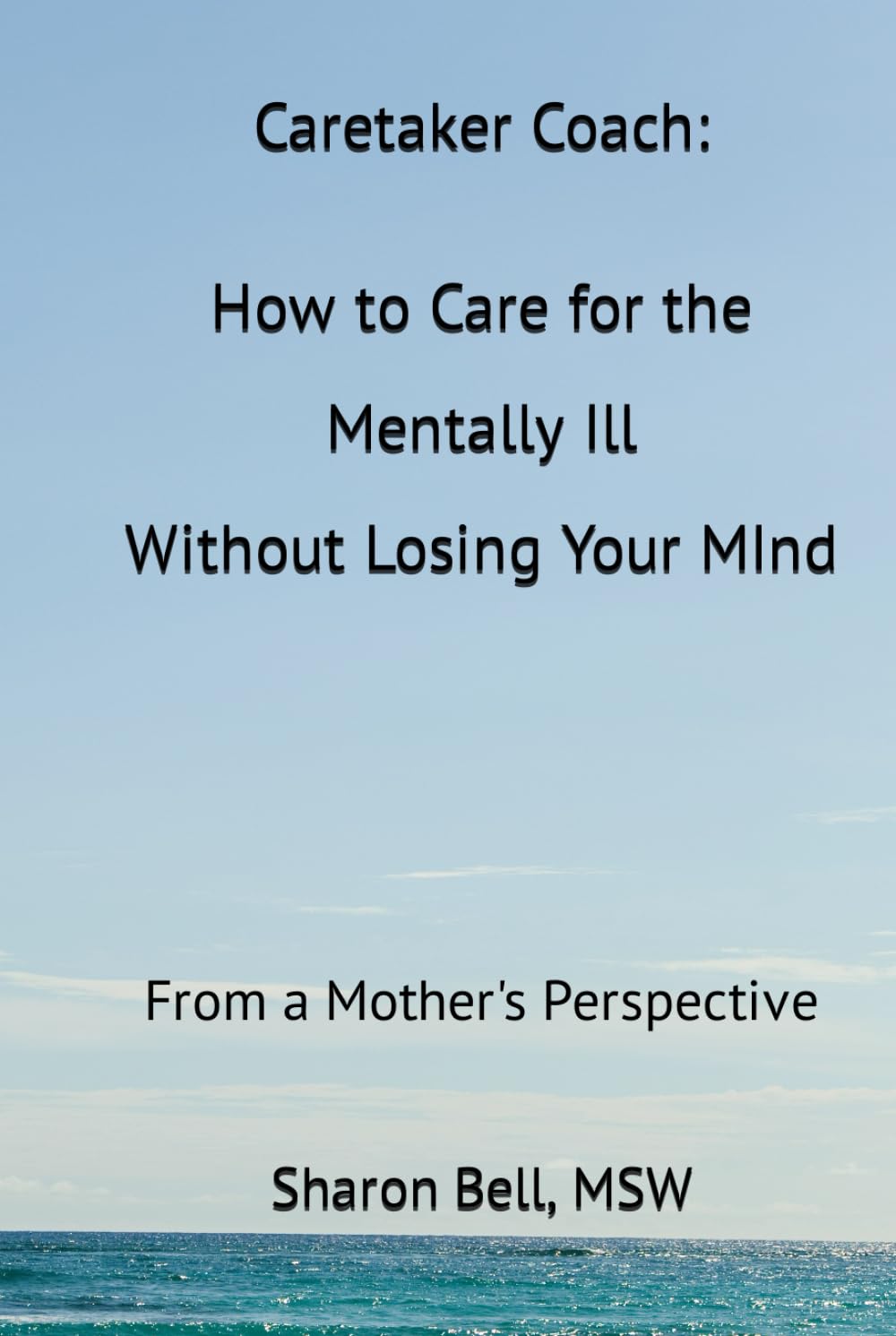
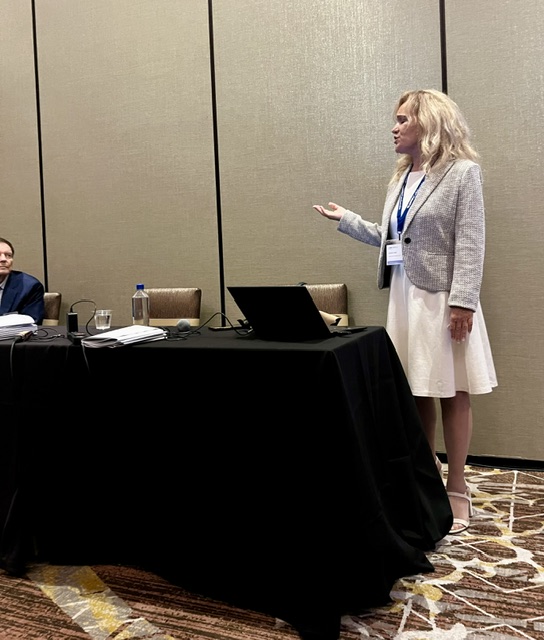
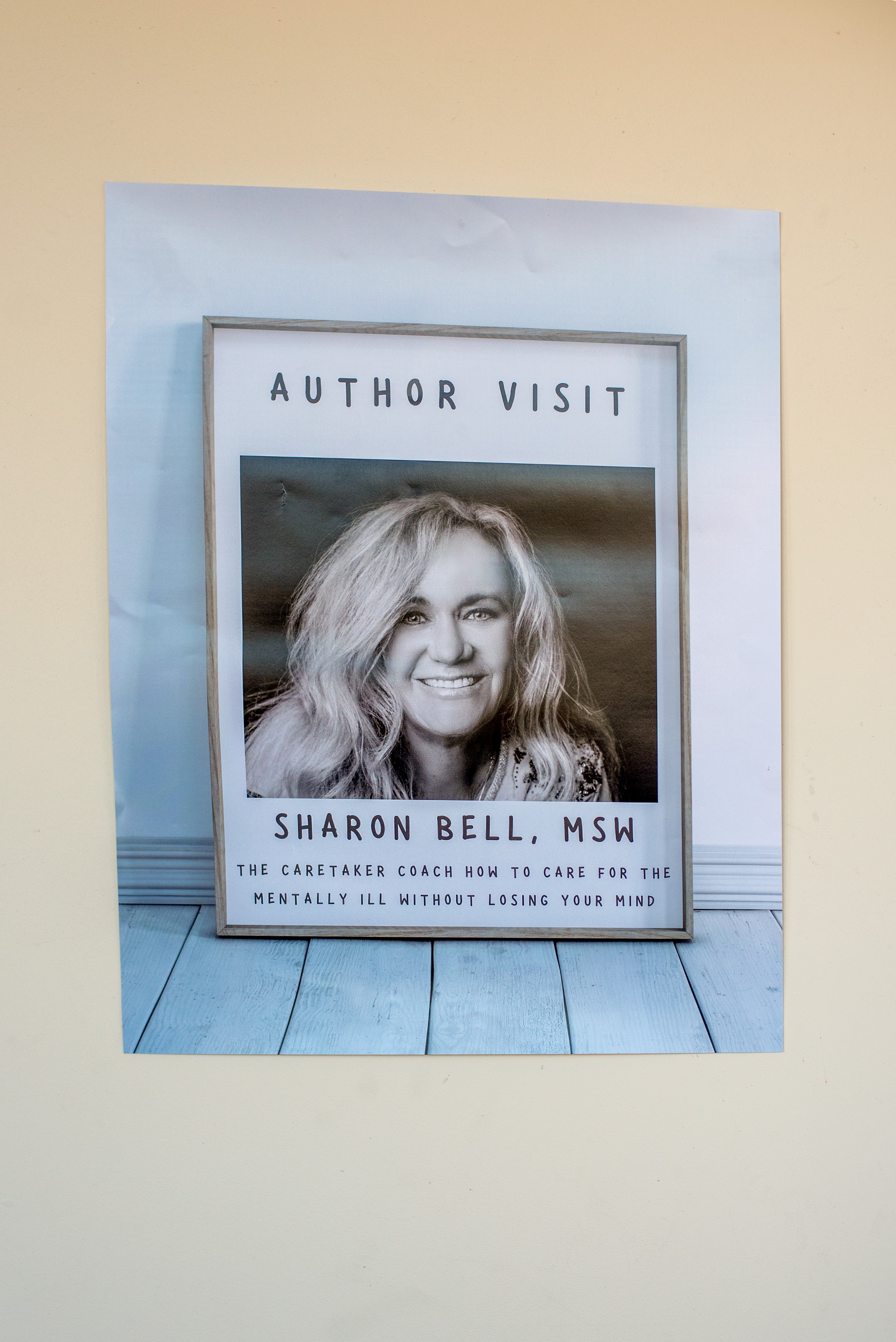
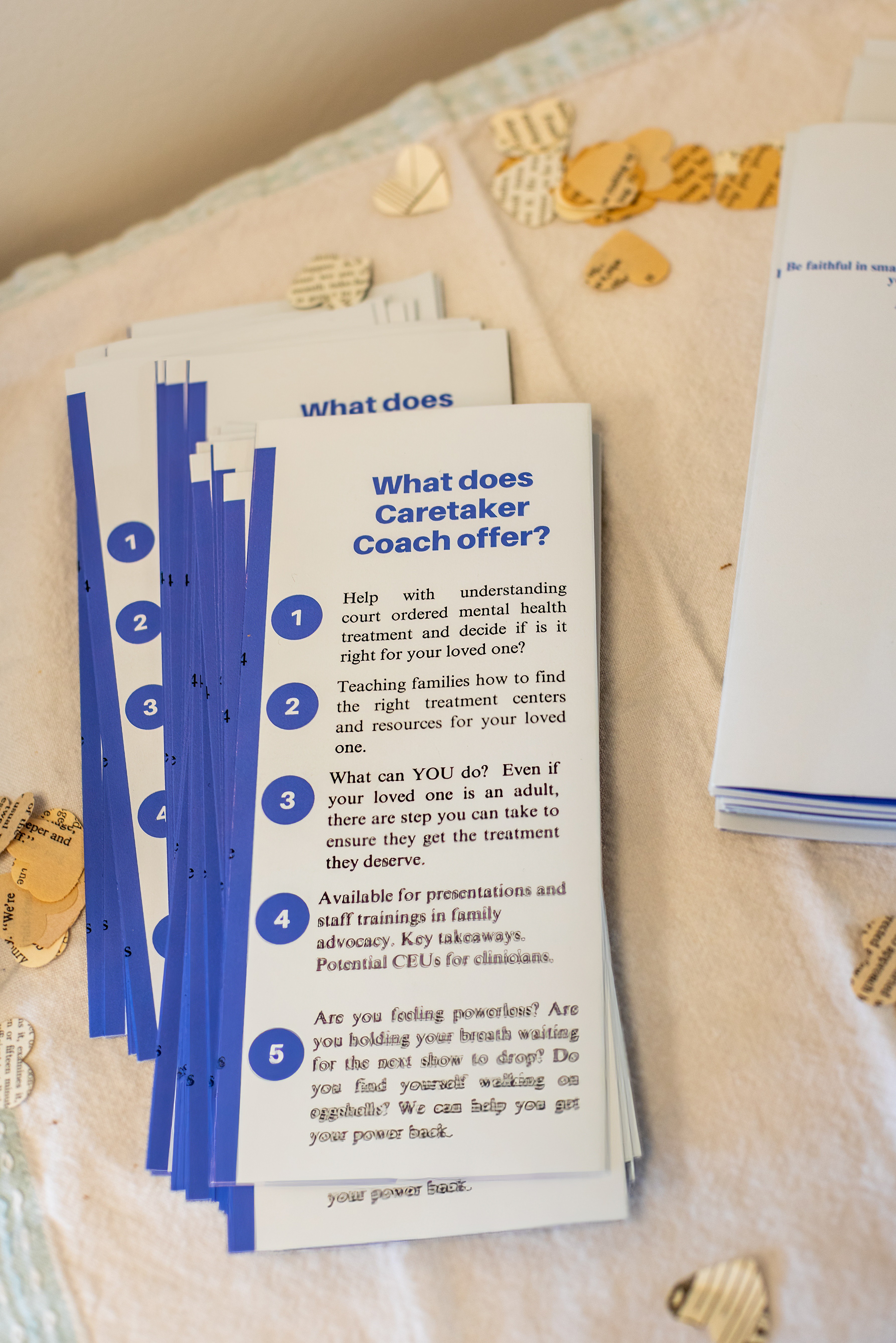
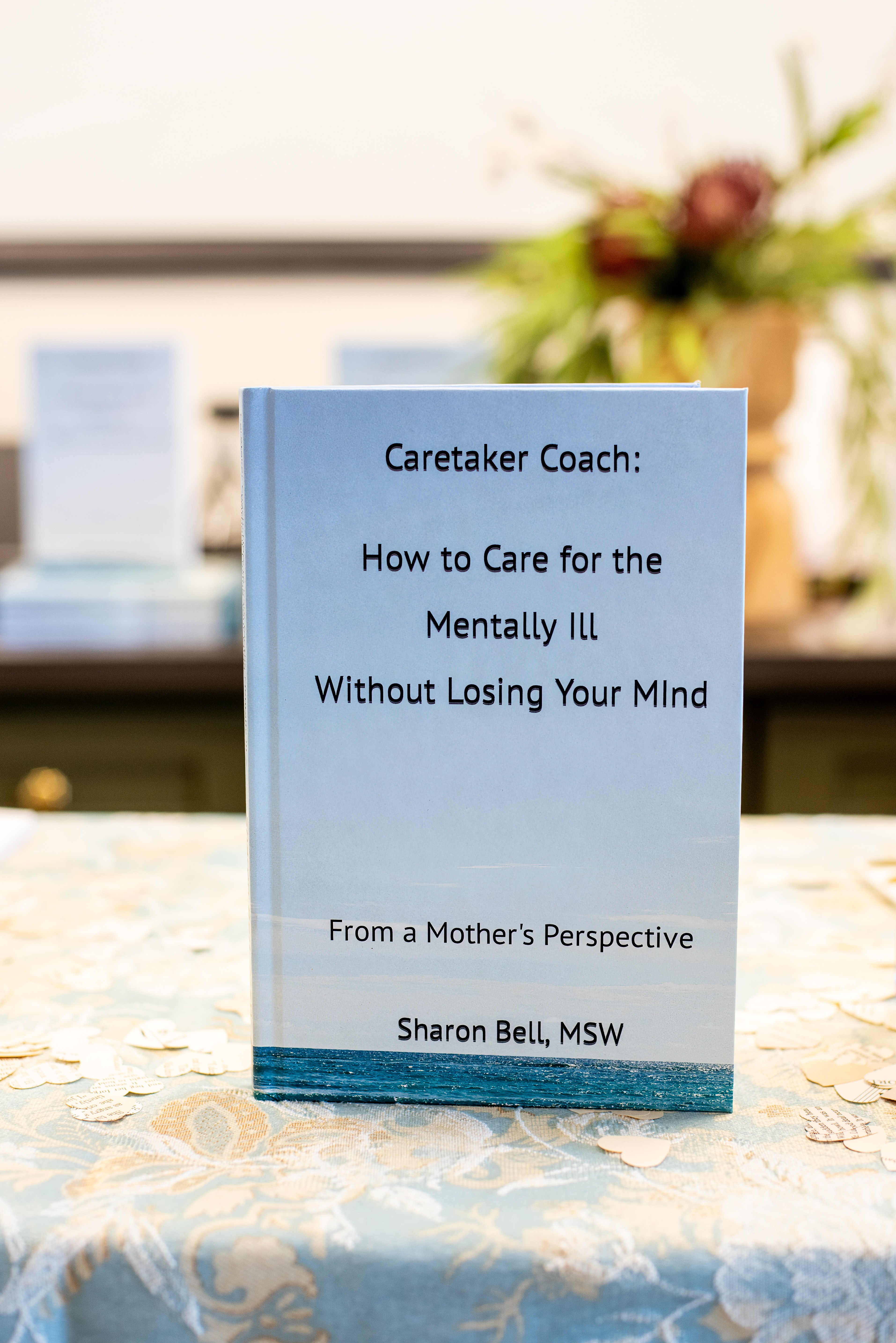

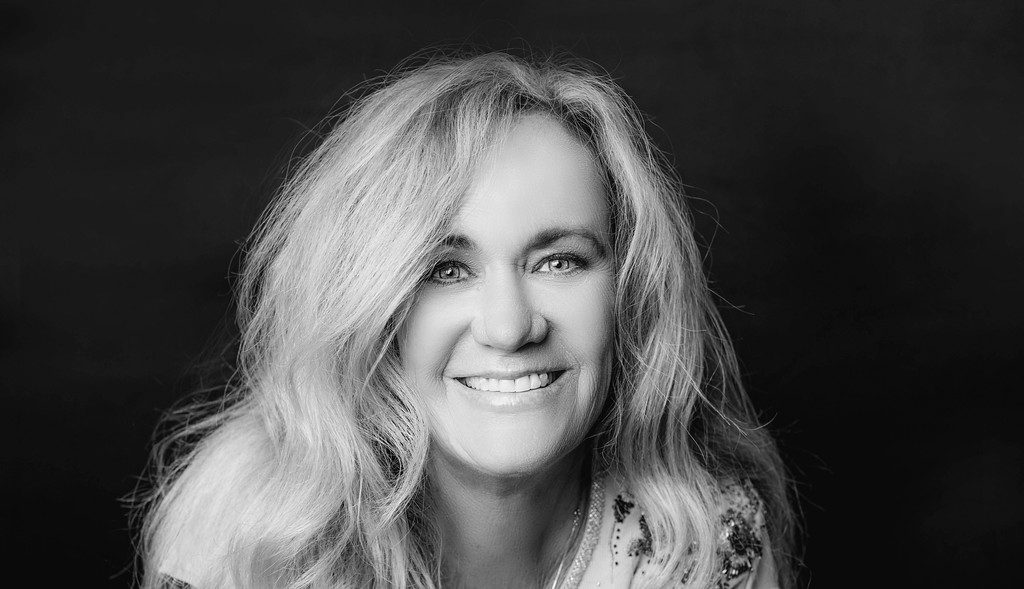
Image Credits
photo credit: Heather Robinson