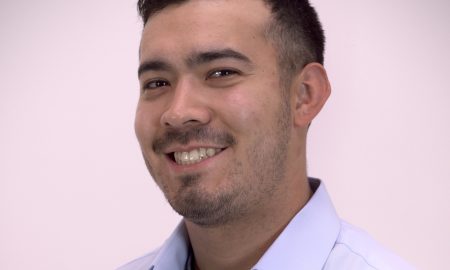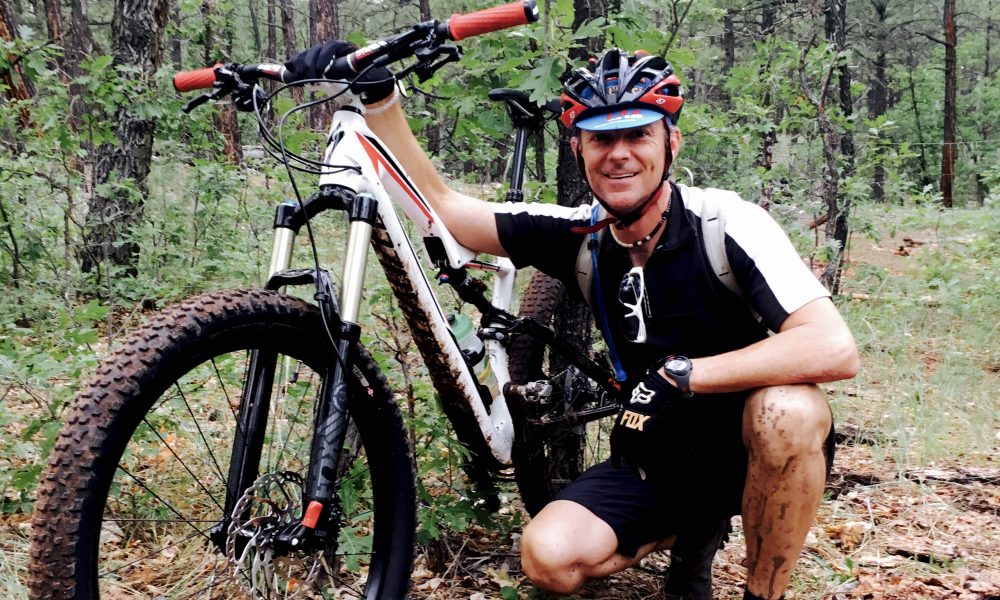
Today we’d like to introduce you to Eric O’Connell.
Eric, before we jump into specific questions about the work, why don’t you give us some details about you and your story.
As a kid, I was fascinated with the photos in magazines, and though at the time, my passion was BMX racing (we came to Chandler, AZ every year for the Winter Nationals), little did I know that I would someday be the person taking those photos in the magazines; traveling to those places; meeting those people. A new passion had found me!
Following that passion through school, I took all the photo courses I could, got a degree in Journalism (Photo), found small jobs along the way, was a “stringer” for the Associated Press (AP) and, upon graduation found myself in Atlanta, GA working at a newspaper. My official title was “Lab tech”, though I had just as many assignments as the “shooters.” It was a way to pay me less. It didn’t matter! I was on a journey to become a photographer! This was not the end.
That led to an internship at Outside Magazine, which at the time, was in Chicago, IL. All the while I was shooting, shooting, shooting. At the time, I thought I’d become a famous “street photographer.” But, an internship lasts only so long and pays only so much, and it was back to the Southwest for me, with a temporary job as a substitute teacher in the public schools, while I applied to graduate school. I got in and left for the University of Missouri at Columbia.
Within weeks, I was wondering what I was doing. More school? I wanted to shoot! From my contact at the outside magazine, the photo editor, Susan B. Smith, I got hooked up with a big New York photographer who had just left New York City and moved to New Mexico. I called him, and will never forget how the conversation went. He asked me about every single piece of equipment that I had no idea about. And finally, he said “why should I hire you? You don’t know shit!“ I said because I will learn! And I paid off my roommate, packed up my truck, and drove to his doorstep.
“Here I am,” I said. On day one, we were doing a cover shoot for time magazine. I proved that I didn’t know anything, other than showing myself as one who had good instincts and was determined to learn. He kept me on, basically as an indentured servant (that is what a photography assistant was), and that relationship lasted three years. I was determined. I learned. My industriousness and that relationship opened the doors I needed to be opened to me in New York City and beyond.
So, for five more years, I worked those connections by going to New York regularly and showing my portfolio and getting jobs. I was working regularly for all the magazines such as time, people, wired, forbes, fortune, scholastic, and many many more, with some advertising shoots filling in.
With this going well, and engagement on the horizon, I, we moved to San Francisco, at the height of the.com boom. At the time, I could not have been busier. On some days, I would shoot for three, and a few times up to four magazines or other clients in a day! It was crazy! I put myself in the hospital and lost the engagement. After two years it seemed as though all the people I knew, and friends I had were in New York City. So that is where I moved.
That was July 2001. Then 9/11 happened. Although I would stay in New York for another 12 years and being bicoastal in the bay area for two of those years, the events of 9/11 would change my life forever.
To sum up a very long story, I lived blocks from the towers in the downtown section of Manhattan and was basically under the towers when they collapsed. I survived. The pictures I took that day, are difficult to handle. However I produced a book with them, they’ve been collected by a few private persons, and the Wittliff Collections, in San Marcos Texas, and have made their way around some news organization TV spots, and other publications such as the New York Times.
During this time I have, of course, worked on many projects and for many clients. It was wonderful! One project was exploring a subculture of people in the far east – the former east – of Germany. This is also collected by the Wittliff Collections and has been exhibited around the world.
It is this interest in subcultures that I’ve always had (I got a minor degree in anthropology, and later a master’s degree in visual anthropology) that led me down a new path in my process of being a photographer. I went back to school later in life—I was 40 when I went to graduate school—for a master’s in visual anthropology, wherein I made a film about these Cowboys and this subculture. I went to the University of Southern California which of course had me living in Los Angeles. I spent another five years there dabbling here and there in aspects related to that master’s degree and photography.
That eventually led to a job as a university professor teaching Photography at Northern Arizona University. I keep my practice, and my projects, all the while teaching about this passion that this little kid on a BMX bike somehow got because of looking at pictures in magazines. I am grateful.
Great, so let’s dig a little deeper into the story – has it been an easy path overall and if not, what were the challenges you’ve had to overcome?
Not smooth. Self doubt grips artists all the time. Some decisions are not as good as others could have been, though one will never know, right? I think one creates their opportunities, and I’ve had many opportunities for which I am grateful. But in the creation of those opportunities sometimes things get lost, to put it mildly. One might lose a spouse, or a job, or a different opportunity, or a friend but it’s in the mix of all those that make us who we are I guess. So, no, it has not been smooth. But it has been worth it.
Please tell us about your work.
I am primarily a conceptual portrait photographer. I also do landscapes, which for me is not so separate from portraiture. I realize they are different, but for me as a student of anthropology, I’m interested in not only how people look— how they dress, present themselves, etc. But, I am also interested in the places that people inhabit and what those places represent.
I am good at conceptualizing for clients. It’s fortunate for me I can use the things I’ve learned in photography and the things I’ve learned as an academic, combining them into a conceptual piece that tells a story. I was often hired because the art director or Photo Editor needed help conceptualizing some ideas.
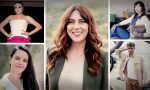
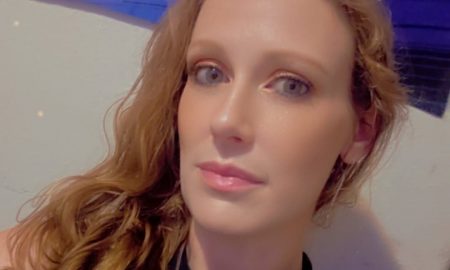
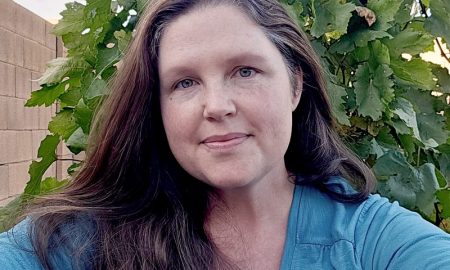
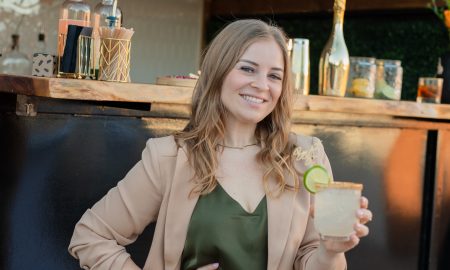
For example, a series of images I recently did for Monrovia nurseries, the largest nursery in this country, May seem at face value quite simple: portraits of growers standing in a field with the things they grow. But, how one relates to these individuals – they all have different stories, different socioeconomic backgrounds, etc. – sets apart the portrait and tells the story Monrovia needed to be told. This was an example of a commercial job where I was using real people as opposed to models.
Do you look back particularly fondly on any memories from childhood?
Wow! There are so many. I do remember growing up in a ranching family the strength yet tenderness of my grandfather’s hands. And I remember my grandparent’s collection of National Geographic magazines dating back to—it seems—the very first National Geographic. I would stare at those pictures and read those captions endlessly. I remember the smells of ranching and the duties and frustrations of having chores. And I remember traveling. Traveling to distant places for BMX races is a highlight. And one funny one from my teenage years, my buddy and I would light paint each other with flashlights in doorways and such making ourselves look like monsters – that was my first photographic foray.
Contact Info:
- Website: www.ericoconnell.com
- Phone: 9174788853
- Email: eric@ericoconnell.com
- Instagram: @ericpix
- Twitter: @pinholepix
- Other: www.gallery911.com
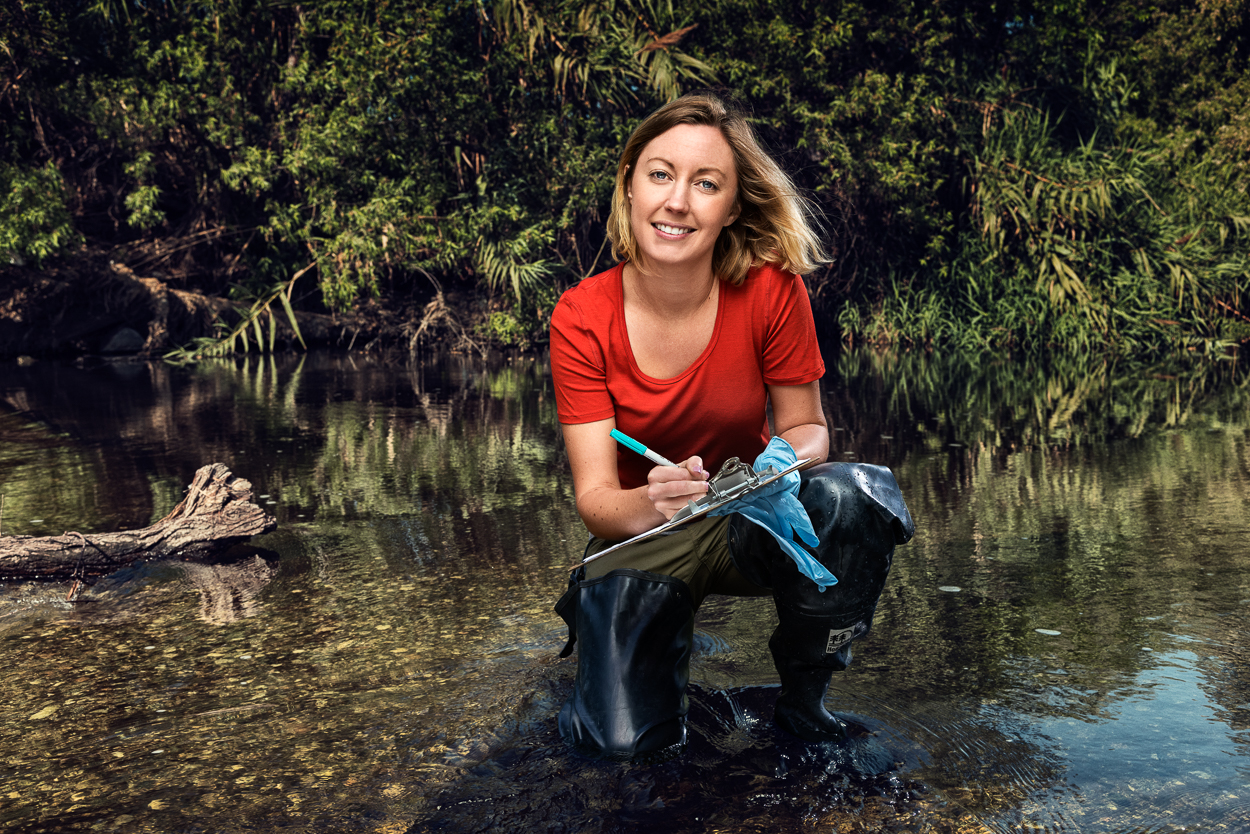
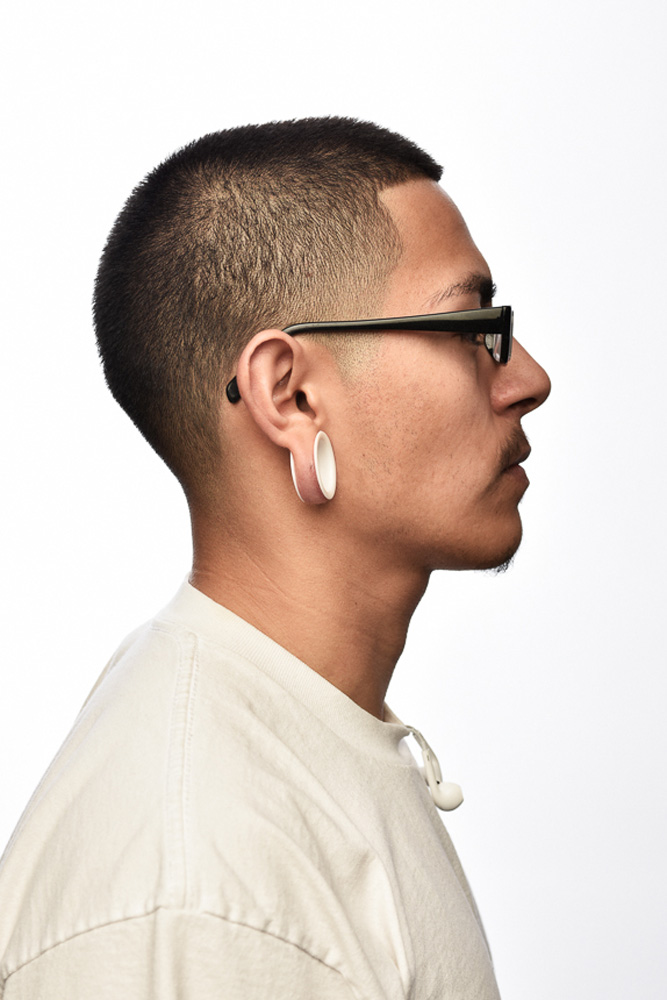
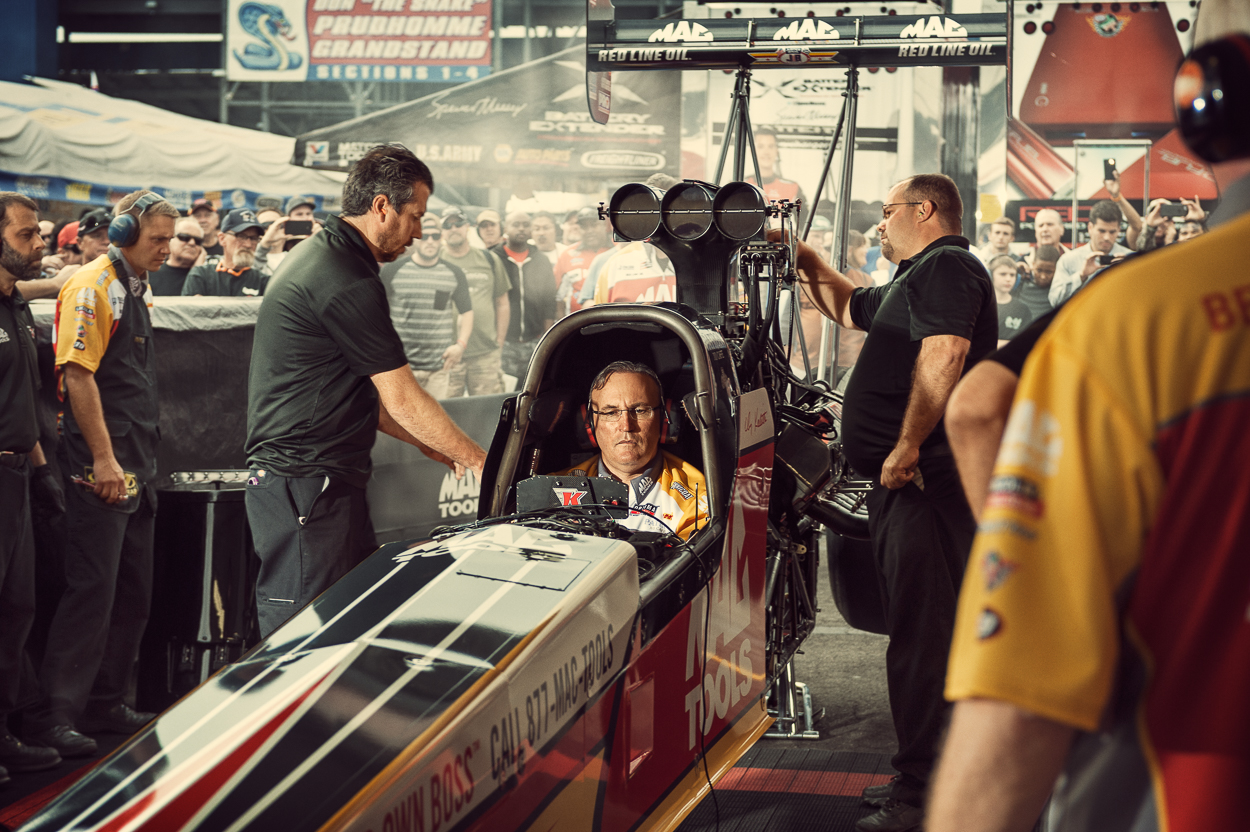
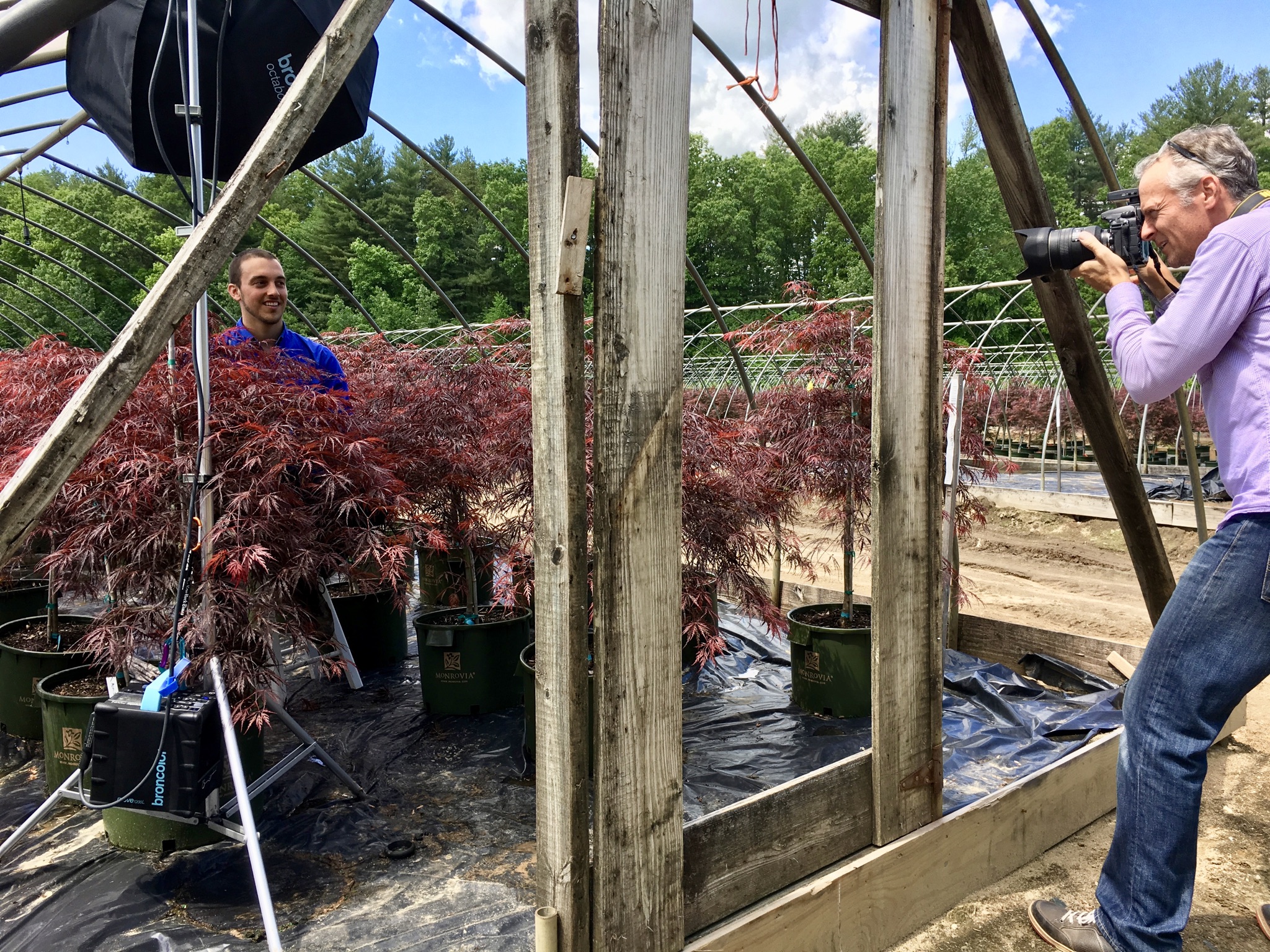
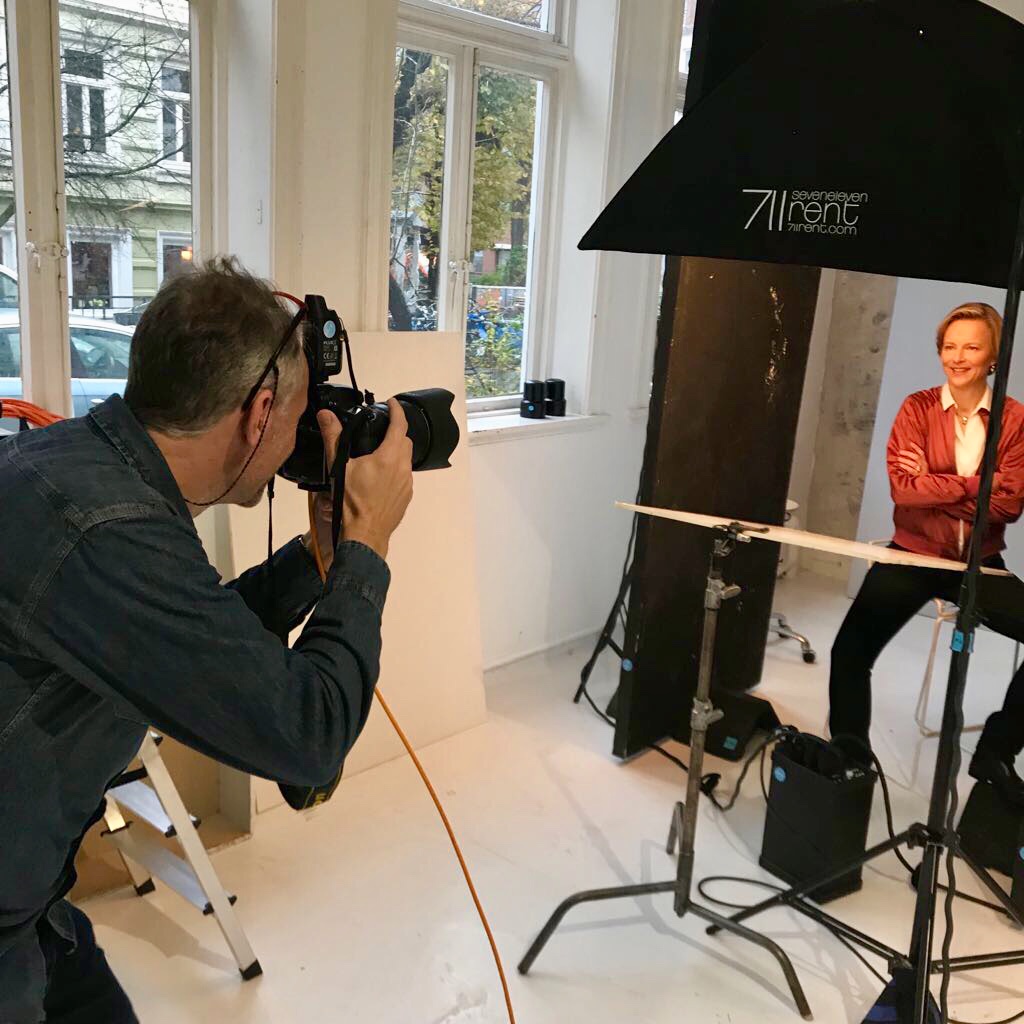
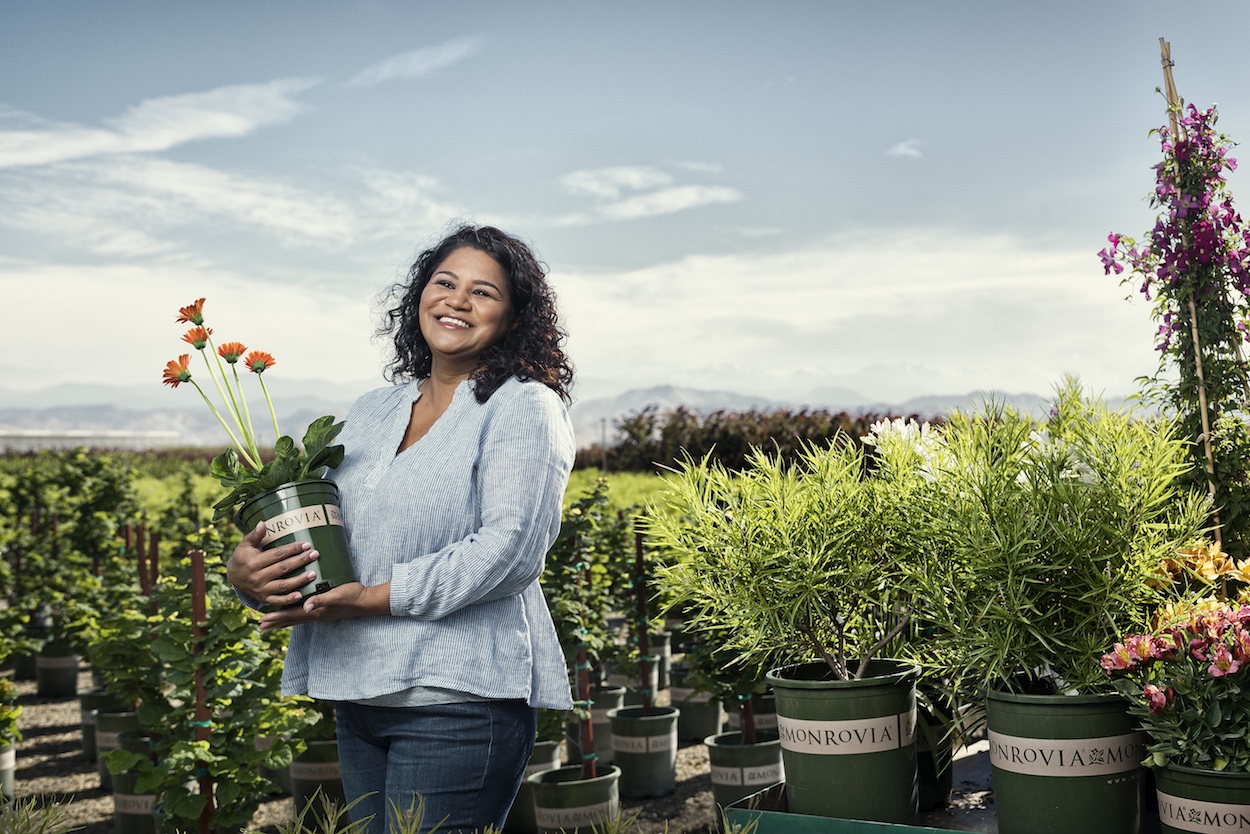
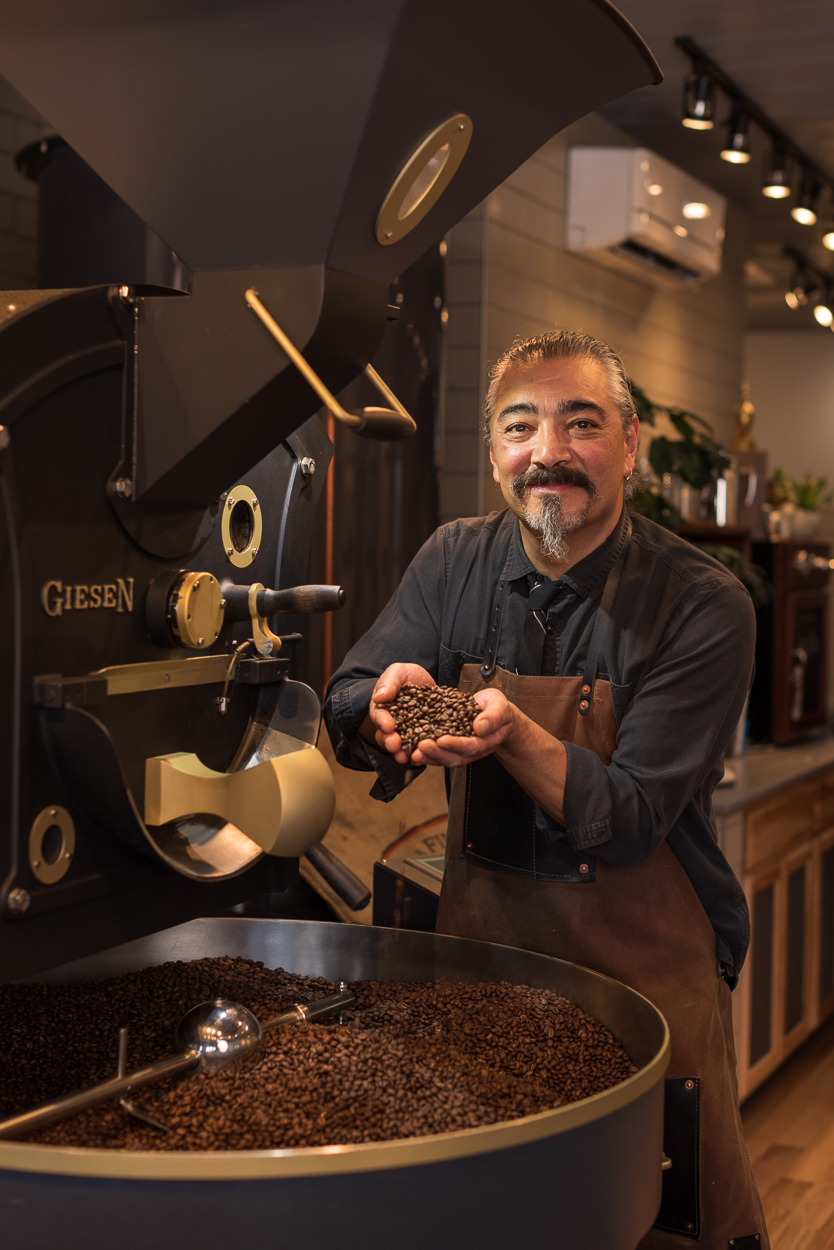
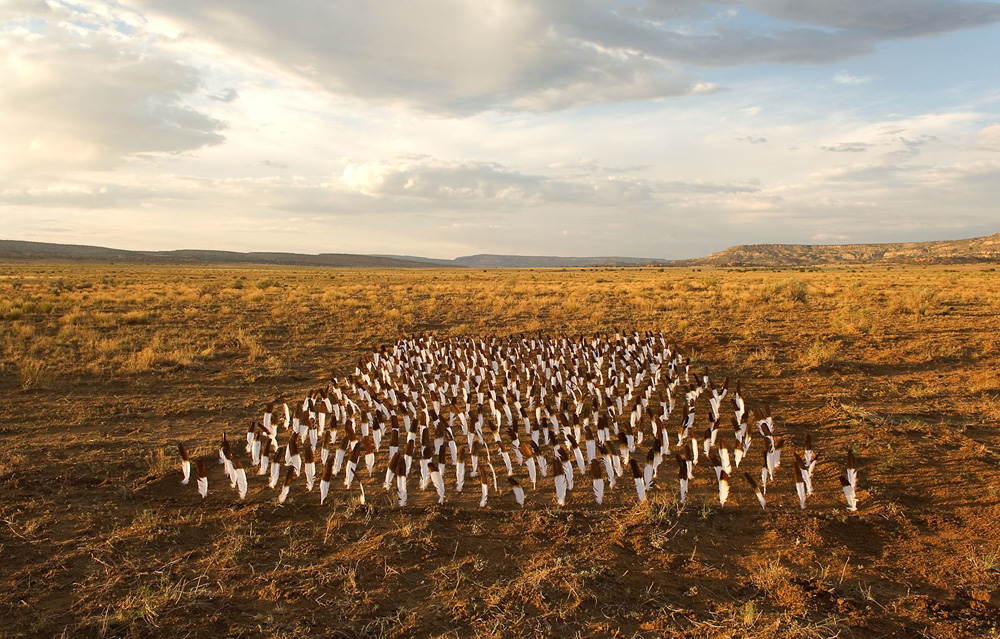
Image Credit:
Eric O’Connell
Suggest a story: VoyagePhoenix is built on recommendations from the community; it’s how we uncover hidden gems, so if you or someone you know deserves recognition please let us know here.